- Best of All
- Best Miami Luxury Condos
- Most popular
- Relocating to Miami
- Private Schools
- Investments
- Gated communities
- Waterfront information
- Luxury homes
- Luxury Condos
- New Construction Condos in South Florida
- Independent Pre-Construction condo reviews for Miami
- Independent Pre-Construction condo reviews for Fort Lauderdale




















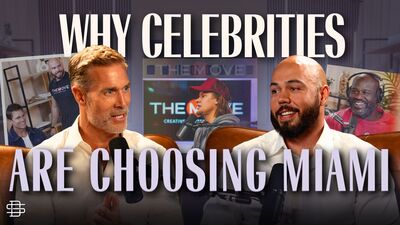
What the Top 1% Do Differently — Lessons from Hosting the World’s Biggest Stars
Why Miami Became the Perfect Hub
Drew is convinced that the success of The Move could only have happened in Miami. The city attracts an extraordinary mix of athletes, creators, entrepreneurs, and entertainers who are constantly passing through. Some, like Shaquille O’Neal, maintain homes in South Florida and record when they are in town, even though their primary residence is elsewhere. Others arrive for concerts, events, or business and schedule recordings while they are visiting. In some cases, guests fly into Miami specifically to film an episode and leave the same day. Many of these bookings do not come through Google searches or traditional marketing. They happen through referrals. One guest has a great experience, tells another creator, and the studio quickly becomes the recommended place to record while in the city.
But beyond logistics, Drew believes Miami’s real advantage is its community. High performers tend to gravitate toward others operating at a similar level of ambition and energy. Over the past decade, Miami has evolved into a place where those circles intersect. Entrepreneurs, athletes, creators, and investors increasingly share the same spaces, events, and networks. When people visit and experience those connections firsthand, many start asking the same question: could they see themselves living here? That combination of talent density, constant movement, and strong community is what makes Miami such a powerful environment for collaboration, creativity, and conversation.
Why the Best Podcasters Simply Don’t Quit
One of the biggest lessons Drew has learned from running a podcast studio is that success in podcasting has less to do with talent and far more to do with persistence. The reality is that most people quit early. Nearly 90% of podcasters never make it past their third episode, and about 99% never reach episode twenty-one. The people who eventually succeed are simply the ones who keep showing up. Podcasting is expensive, time-consuming, and often frustrating in the beginning, but the process itself creates the skill. Drew experienced that firsthand. When he started, he had never operated a camera, edited footage, or managed production. Yet by doing every job himself—running cameras, managing sound, editing, and handling clients—he slowly became excellent at it. His insight is simple but powerful: passion rarely appears at the start. It develops as you put in the repetitions, improve your craft, and earn the respect that comes from consistently doing the work.
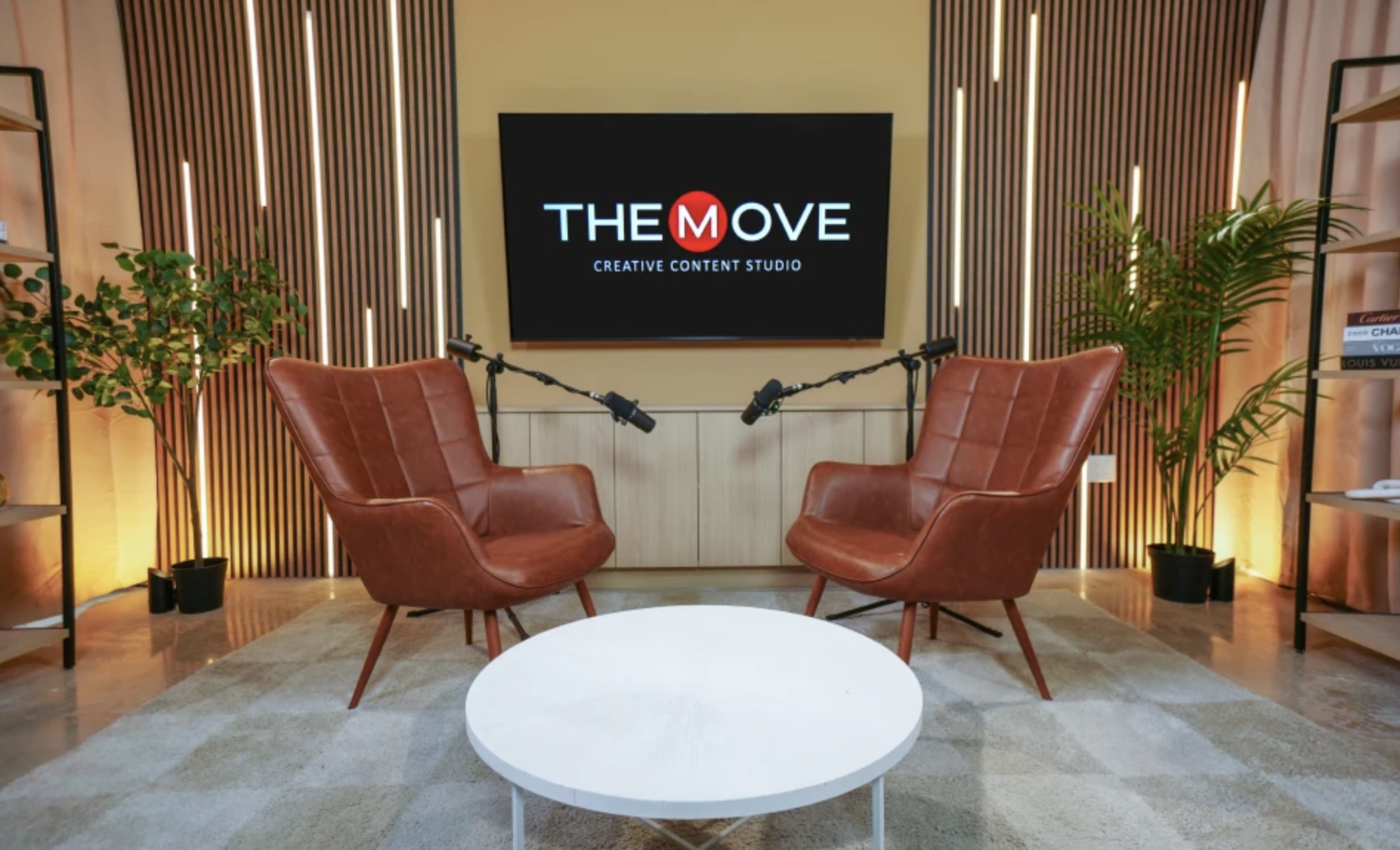
Behind the Curtain: What Top Performers Really Do
After hosting some of the world’s most influential guests, Drew says the biggest surprise is how different elite performers operate behind the scenes. The public often imagines that great podcast moments happen spontaneously, but the reality is the opposite, many of the best moments are carefully engineered. Comedian Theo Von provided one of the clearest examples. When he arrived to record, he didn’t simply sit down and start talking. He came hours early, completely reworked the studio set, and even brought in décor to create the exact visual environment he wanted. Every element, from the background layout to the placement of sponsor products, was intentional. More importantly, he came prepared with detailed notes and planned story beats, including jokes he had rehearsed mentally beforehand. Several of those moments later became viral clips with millions of views. What looks like effortless humor or natural conversation is often the result of deep preparation and a relentless commitment to delivering the best possible performance for the audience.
Preparation, Teams, and the Energy of Great Shows
Drew has also noticed that nearly every successful podcast production shares the same structure: preparation, teamwork, and energy. Major shows, whether featuring athletes, entertainers, or entrepreneurs, rarely operate as a one-person effort. When guests like Shaquille O’Neal appear, they typically arrive with full production teams, defined roles, and a clear run-of-show outlining the conversation topics and flow of the episode. Many of these teams arrive hours before recording to review questions, test setups, and align on the direction of the conversation. Yet despite the planning, the best shows still feel spontaneous because the hosts bring genuine curiosity and enthusiasm to the conversation. That combination, structured preparation paired with authentic energy—is what creates the moments audiences remember. In Drew’s experience, the biggest difference between average podcasts and great ones isn’t talent or equipment. It’s the level of care, preparation, and intention that goes into creating an experience worth watching.
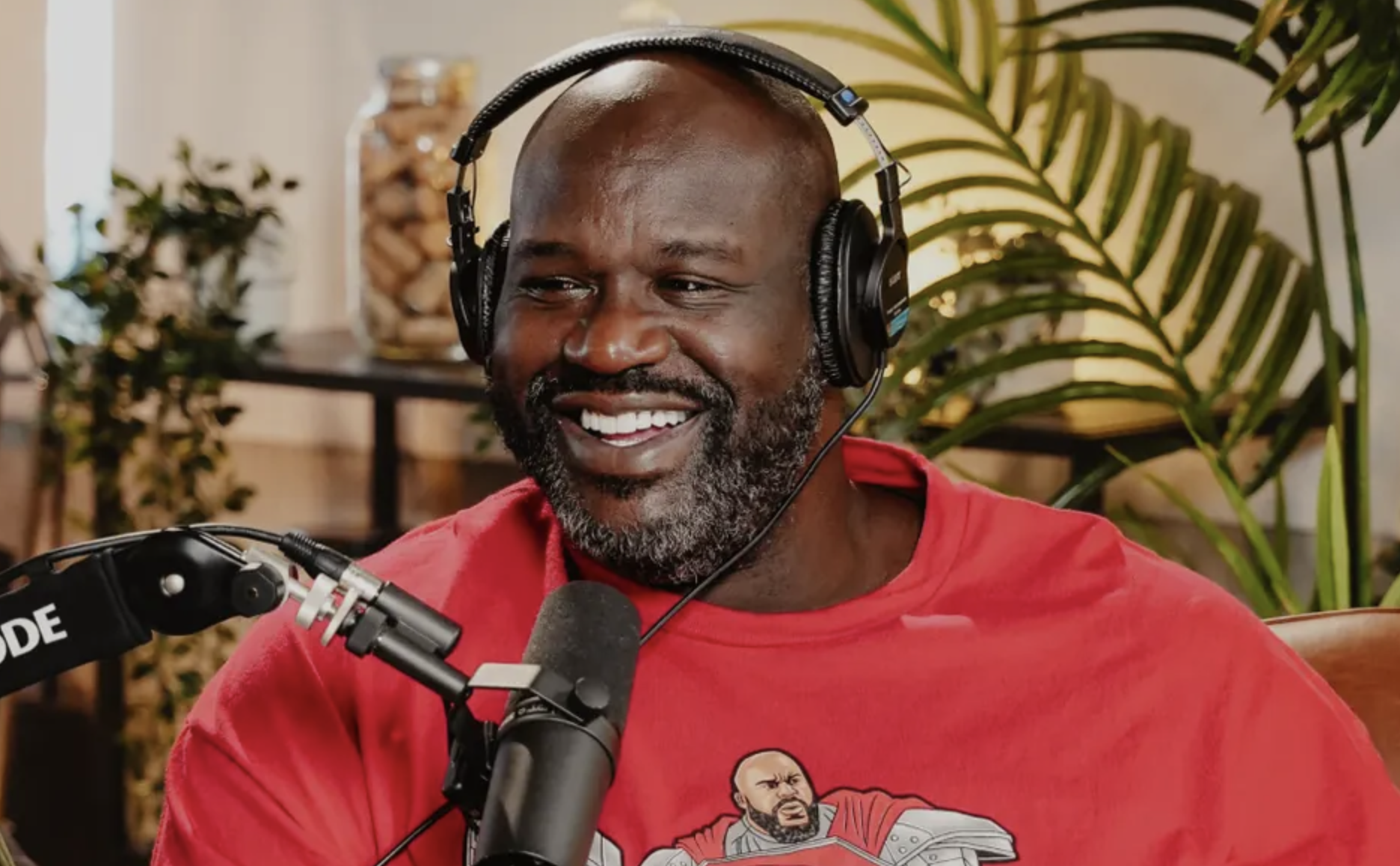
What the Top 1% Do Differently
After hosting conversations with some of the world’s most recognizable performers, athletes, and creators, Drew has had a rare vantage point: a front-row seat to how elite operators actually think and work behind the scenes. Guests ranging from Tom Brady to Shaquille O’Neal and Rick Ross may come from different industries, but Drew noticed something surprising—they share many of the same habits and mental frameworks. Their success is rarely accidental. It’s the product of systems, preparation, and a way of thinking that most people never fully see. After years of watching these guests operate up close, Drew distilled three lessons that consistently separate the top one percent from everyone else.
Lesson 1: Build the Right Team
One of the clearest patterns Drew noticed from elite performers is that success is never a solo act. Whether it’s Shaquille O’Neal, Tom Brady, or Rick Ross, the most successful people always arrive with strong teams supporting them behind the scenes. When Rick Ross came to record, his crew transformed the entire studio within minutes—placing products, arranging visuals, and setting the environment to reinforce his brand. By the time Ross walked in, everything was perfectly positioned so he could simply perform. It was a reminder that what audiences see on camera is often just the final layer of a much larger operation. High performers understand that scaling impact requires delegation, coordination, and people who know exactly how to execute the vision.
Lesson 2: The Best Leaders Serve
Another lesson Drew took from working with top operators is that leadership is rooted in service. The most successful people aren’t obsessed with status—they’re focused on solving problems for others. As Drew puts it, people are paid in direct proportion to the problems they solve. Leaders who create the most value are those who consistently serve their teams, clients, and audiences at a high level. That mindset builds trust and attracts better opportunities. True leadership often happens quietly: late nights, unseen effort, and constant responsibility. The best leaders understand that if they want to guide a team effectively, they must first be willing to support and serve the people around them.
Lesson 3: Mindset and Discipline Shape Everything
The third lesson Drew highlights is mindset. The top one percent of performers walk into every room believing they belong there. That belief doesn’t come from arrogance—it comes from discipline and repetition. Over time, thousands of hours of practice reinforce an identity: they see themselves as the best at what they do. Drew explains that mindset is ultimately shaped by disciplined action. Just like going to the gym, one day of effort changes nothing—but months and years of consistent work transform both ability and identity. The difference between average performers and elite ones is often simple: the elite keep showing up long after others have quit.
Conclusion: Raising the Standard
As the conversation wraps up, Drew reflects on the bigger picture. Cities like Miami don’t grow into global creative hubs by accident—they evolve because people commit to building something meaningful. Studios like The Move are part of that ecosystem, creating spaces where ideas are shared, conversations deepen, and creators sharpen their thinking. In the end, Drew believes the formula is simple but powerful: raise your standards, think long term, and surround yourself with people who challenge you to grow. Because when better conversations happen, better thinking follows—and better thinking leads to better decisions.
Connect with the David Siddons Group
FAQ
These are the most commonly Miami Real Estate Related questions
What should relocation buyers know before buying real estate in Miami?
HOME BUYERS
Relocation buyers looking at homes in Miami should understand that choosing the right house is less about the property itself and more about location, schools, and long-term value. Many buyers make the mistake of focusing on price or finishes, while the real driver of value is the neighborhood and micro-location. Older homes often represent better value, but may also be part of a future redevelopment cycle. Newer homes command premiums, but don’t always sell faster if pricing is ahead of the market. Commute time, school access, and community dynamics are critical and often underestimated. The key is to evaluate homes not just as lifestyle purchases, but as long-term assets within a very localized market.
Sources:
https://luxlifemiamiblog.com/relocating-to-miami/
https://luxlifemiamiblog.com/relocating-to-miami-with-a-family/
CONDO BUYERS:
Relocation buyers should understand that Miami is a highly segmented, building-driven market, not a uniform one. Pricing can vary significantly between similar properties depending on building quality, layout, and financial health. Many buyers assume newer construction equals better investment, but that is often not the case. Factors like HOA fees, reserves, and rental policies can materially impact long-term value and liquidity. Negotiation opportunities often exist, especially in slower segments, but require precise market knowledge. The key is to evaluate micro-markets and individual buildings, not just neighborhoods or price per square foot.
Sources:
https://luxlifemiamiblog.com/miami-real-estate-market-report/
https://luxlifemiamiblog.com/new-construction-miami-guide/
What are the best areas for relocating families with children
For families relocating to Miami with young children, the most recommended neighborhoods are Coral Gables, Coconut Grove, and Pinecrest. Coral Gables offers the best balance of top schools, safety, and long-term value. Coconut Grove is ideal for younger families seeking walkability, greenery, and a lifestyle-driven environment. Pinecrest provides larger homes, excellent schools, and better value for space, making it ideal for growing families. The key driver across all three is access to strong schools and primary residential stability. Relocation decisions are less about new construction and more about long-term livability and resale strength.
Sources:
https://luxlifemiamiblog.com/best-neighborhoods-miami/
https://luxlifemiamiblog.com/what-are-the-best-family-neighborhoods-in-miami-in-2023/
Are new construction condos in Miami a good investment?
New construction condos in Miami can be a good investment—but only if you understand that not all buildings perform the same. According to the David Siddons Group, many buyers assume “new = better,” but in reality, performance depends on pricing, layout, building quality, and long-term demand. Some new developments set future price benchmarks and can drive long-term appreciation, especially in top-tier projects. However, many are priced aggressively at launch, and buyers relying on marketing instead of data often overpay.
The market is highly segmented, meaning two new buildings next to each other can perform very differently.
The best opportunities typically come from selecting the right building early or negotiating correctly in later phases.
In short: new construction is not automatically a good investment—it becomes one only with building-level analysis and disciplined entry pricing.
Sources:
https://luxlifemiamiblog.com/how-to-buy-a-luxury-condo-in-miami/
https://luxlifemiamiblog.com/category/independent-new-construction-condo-reviews/
https://luxlifemiamiblog.com/beyond-clickbait-real-insights-into-miamis-luxury-condo-market/
Why is buying a Miami condo riskier than buyers think?
Buying a Miami condo is often riskier than buyers expect because the true risks are at the building level—not visible in the listing price. Many buyers focus on finishes and views, while overlooking HOA reserves, insurance exposure, and potential special assessments. In reality, two identical units in different buildings can perform completely differently over time. Rising HOA fees and stricter regulations are also increasing the true cost of ownership, especially in older buildings. Liquidity can be affected by factors like financial health, rental policies, and ongoing repairs. The key risk is not the condo itself—but buying into the wrong building without proper due diligence.
Sources:
https://luxlifemiamiblog.com/how-to-buy-a-luxury-condo-in-miami/
https://luxlifemiamiblog.com/miami-condo-market-risks/
What are Miami's Safest Areas?
Which Miami Areas Still offer Great Value (Budget Friendly alternatives to Coral Gables and Pinecrest)
If you’re looking for better value than Coral Gables or Pinecrest, the answer (in true Siddons style) is not “go cheaper”—it’s go one layer outside the obvious markets.
The strongest value plays are:
- Schenley Park → closest substitute to Coral Gables at ~20% discount while maintaining similar character and location
- Biltmore Heights → almost identical feel to the Gables but ~25–30% cheaper on a $/SF basis
- Glenvar Heights → central location with larger lots and ~25% pricing advantage vs South Miami/Gables
- Baptist / Galloway (Kendall) → Pinecrest-style living (space, schools, land) at up to ~30% lower pricing
The pattern is consistent:
👉 Buyers are shifting west and slightly off-market to gain land, scale, and pricing efficiency. You don’t find value by going to a “cheaper neighborhood”—you find it by identifying adjacent micro-markets that offer the same lifestyle fundamentals without the brand premium.
Sources:
https://luxlifemiamiblog.com/best-value-neighborhoods-miami/
https://luxlifemiamiblog.com/category/miami-neighborhoods/
Is NOW a good time to buy in Miami?
Are Miami real estate prices going down in 2026?
No—but that’s the wrong way to look at it. Miami is not one market anymore, so prices are not moving in one direction. In 2026, the market is split into two: ultra-luxury, scarcity-driven areas (like waterfront and top-tier neighborhoods) are still holding or even rising, while mid-tier condos and oversupplied segments are flat or correcting. What we’re seeing is price divergence, not a crash—some properties are gaining value while others are quietly adjusting downward. Rising inventory and more selective buyers are putting pressure on pricing in certain segments, especially older condos or buildings with weaker fundamentals.
At the same time, global wealth and cash buyers continue to support pricing at the top end of the market. So the real answer: prices aren’t broadly dropping—they’re being repriced based on quality, location, and supply.
Should I buy a house or a condo when relocating to Miami?
The decision comes down to lifestyle first, investment second—and most relocation buyers get that backwards. If you want space, privacy, schools, and long-term family living, a single-family home in areas like Coral Gables or Coconut Grove is typically the stronger choice. If you prioritize walkability, low maintenance, and proximity to business districts, a condo in Brickell or waterfront markets makes more sense.
From an investment perspective, homes tend to be more stable, while condos are more building-dependent and cyclical. Most relocation clients underestimate how much building quality, HOA structure, and future costs impact condo performance. The right answer isn’t “house vs condo”—it’s which asset fits your lifestyle AND holds value within its micro-market.
How do I choose the right Miami neighborhood for my lifestyle?
Why are Miami condo prices so different between buildings?
Miami condo pricing varies widely because value is determined at the building level, not just by location. Two buildings next to each other can have major differences in financial health, reserves, HOA fees, and management quality. Buyers also pay premiums for better layouts, views, amenities, and newer construction—but not all “new” buildings perform equally. Factors like rental policies, upcoming assessments, and building reputation can significantly impact resale value. This is why price per square foot alone is misleading in Miami’s condo market. The real driver of value is how that specific building competes within its micro-market over time.
Sources:
https://luxlifemiamiblog.com/how-to-buy-a-luxury-condo-in-miami/
https://luxlifemiamiblog.com/category/independent-new-construction-condo-reviews/
WHY WORK WITH DAVID? THINGS YOU SHOULD KNOW...
For all our analytics we are agents driving some very unique and advanced tech. We Provide a granular and custom experience that empower our clients with the insight and tools to understand the most complex behaviors of any local markets.
-
Analytical
Over 100 reports produced to date
-
Knowledgeable
Over 1800 published articles and counting


Related Articles
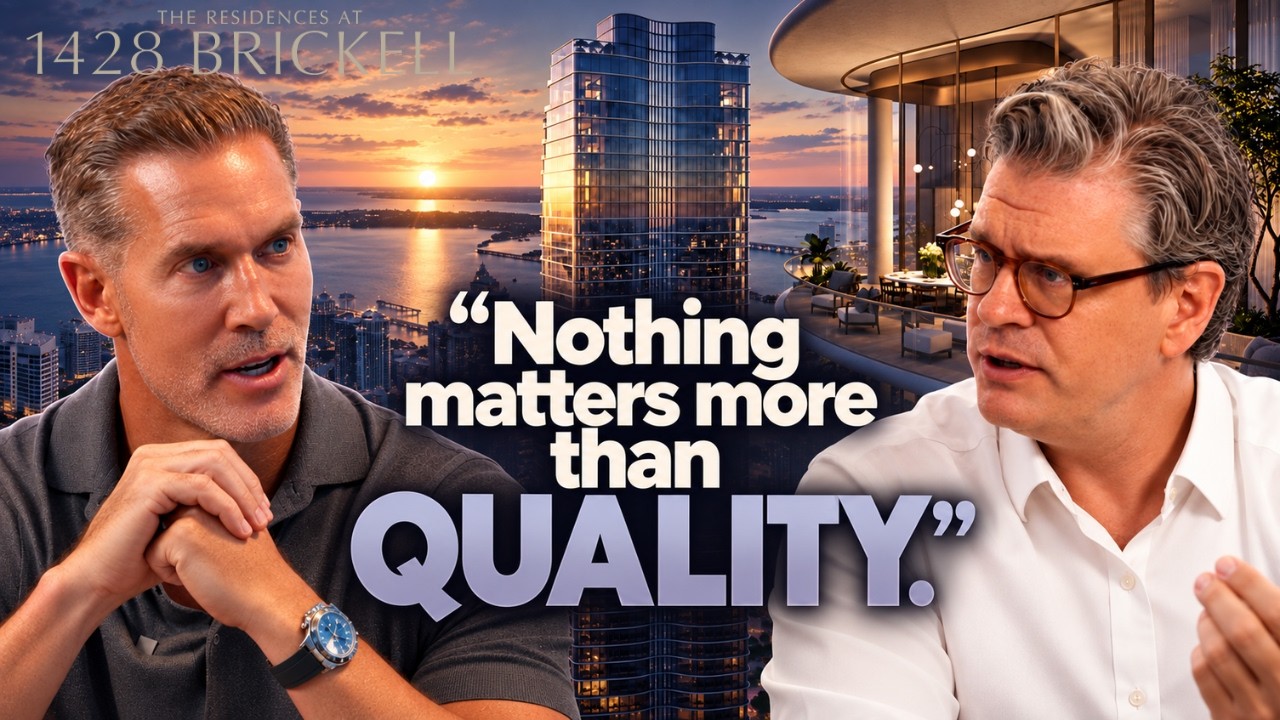
Inside 1428 Brickell: Why Ytech Skipped the Hotel Brand to Build Brickell’s Best Finishes
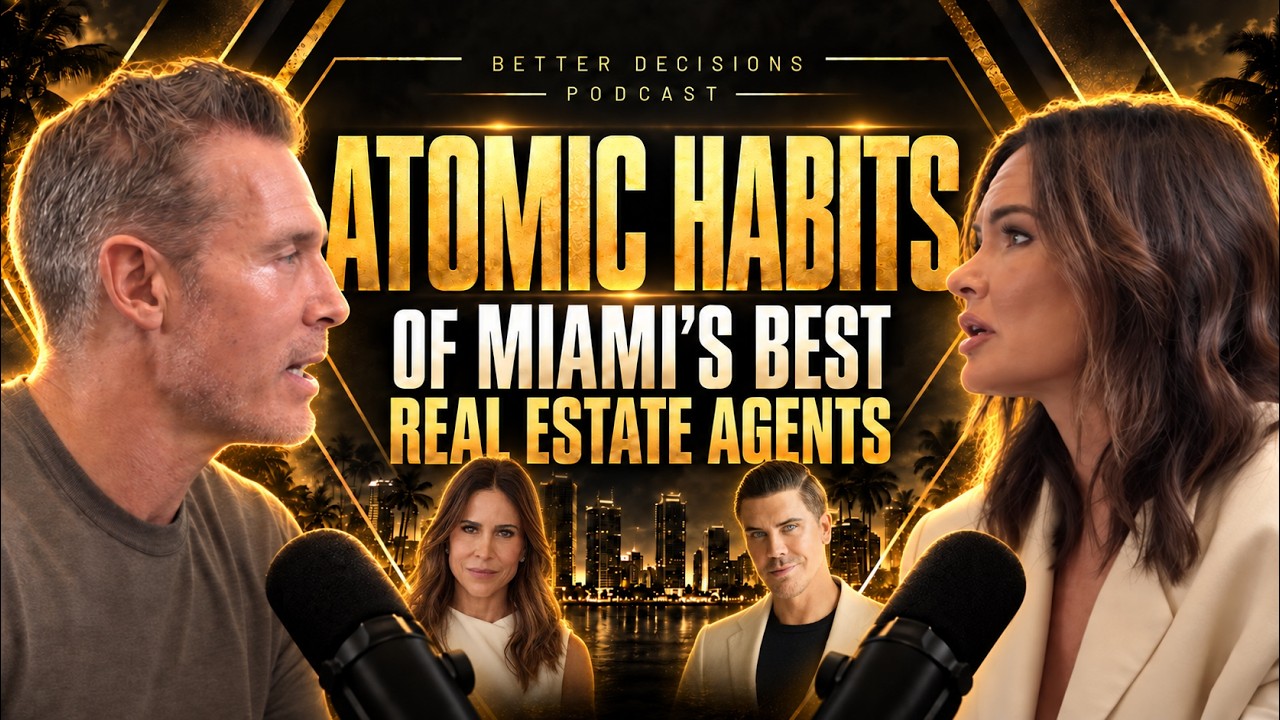
The Real Estate Team Behind the Agent: Why Systems Matter More Than Star Power
The Decisions That Set Your Miami Condo’s Price, Years Before You Ever See It
Miami Zoning Laws Explained: What Every Buyer Must Know Before You Purchase
Miami’s New Construction Condo Boom Comes With Risks Most Buyers Never Ask About
Best Neighborhoods to Invest in Miami 2026: Where Smart Money Is Really Buying and What the Headlines Miss

Selling Your Home in Miami?

The Long Game of Investing in Miami Real Estate (2026 Guide)
Real Estate Investing in 2026: Why the Old Strategies No Longer Work
What the Top 1% Do Differently — Lessons from Hosting the World’s Biggest Stars
From Law to Business Leadership: Inside John Ruiz’s Rise Amid Miami’s Wealth Migration Boom
When Grief Meets Real Estate: Avoiding Costly Probate Mistakes in Miami
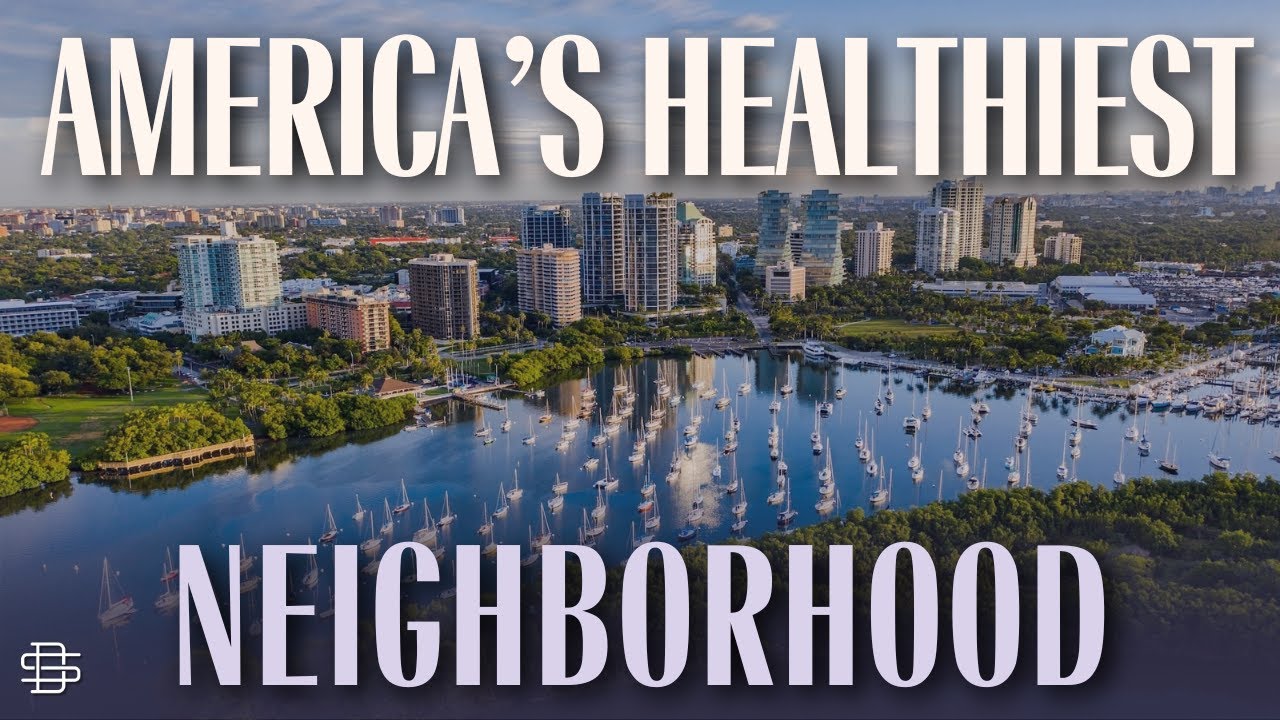
How The Well & Coconut Grove Are Redefining Wellness Real Estate in Miami

The Visionary Architect of Instant Luxury: How Paulo Bacchi Reshaped Miami Luxury Living

The Rise of Miami’s Most Disruptive New School | 2 Hours of Academics, 10x Faster Results
Please fill in your details and David Siddons will contact you

Search related videos

Are St. Regis Sunny Isles Residences Worth the Brand Premium?
Coral Gables Market Report 2025: What the Headlines Aren’t Telling You!
How David Siddons’ Power Team Drives Miami’s Luxury Market
Mid‑Year 2025 Coconut Grove Report: The Truth About What’s Selling Now
Brickell Mid‑Year Market Report 2025 | Is Brickell’s Luxury Market in Trouble?
Pinecrest Mid-Year Market Report 2025 | What’s Selling, What’s Sitting & Why
Miami Beach Condo Market Mid-Year Report 2025 | What Buyers & Sellers Need to Know
How to Lose $1M in The Miami Condo market | Top Mistakes That Cost Miami Condo Buyers Millions
The Well Project EXPOSED Coconut Grove’s Hottest Units
Miami Real Estate in 2025 Is NOT What You Think 😱 | Midyear Must Knows for Buyers & Sellers!
7 Things You Should Never Say to a Real Estate Agent in Miami!
Landmark Victoria Park Residence in Fort Lauderdale: Inside 420 NE 11th Ave 🌴✨
Luxury Living on 2355 S. Miami Ave | Fully Furnished 4-Bed Home w/ Resort-Style Pool 🏊
Is Mandarin Oriental Residences Miami a Smart Condo Investment? Prices, Floorplans, Views & Finishes


- Get our Newsletter
- Subscribe
- No Thanks
Get the latest news from Miami Real Estate News
Close
Edit Search
Close
2 of 14
Share this property
Recomend this to a friend, just enter their email below.
Close
Your email was sent successfully
Close
 COMPARE WITH CONDOGEEKS