


















- Best of All
- Best Miami Luxury Condos
- Most popular
- Relocating to Miami
- Private Schools
- Investments
- Gated communities
- Waterfront information
- Luxury homes
- Luxury Condos
- New Construction Condos in South Florida
- Independent Pre-Construction condo reviews for Miami
- Independent Pre-Construction condo reviews for Fort Lauderdale
Miami Condo Market Trends 2025: What the Data Really Says with Craig Studnicky
In this episode of Better Decisions, I sit down with Craig Studnicky, President and CEO of ISG World, one of Miami’s most knowledgeable voices in the condo market. With decades working alongside top developers like Related Group, PMG, and Swire Properties, Craig offers rare insight into how Miami’s skyline and its real estate economy truly operate. Together, we cut through the noise to reveal what’s really happening in Miami’s condo market. From new development pipelines and buyer trends to the strengths and vulnerabilities shaping 2025.
Read Craig’s full condo market report here.
Miami’s Two Condo Markets: Opportunity and Risk
Miami’s condo market is showing a remarkable rebound in 2025, particularly among buildings under 30 years old. Resale activity in these newer properties has already outpaced total sales from all of 2024, and prices across nearly every tier have jumped 10–15% in the first half of the year. After every downturn, values reset higher than the previous peak, driven by low inventory and strong demand.
Modern Condos Lead the Rebound
Modern, turnkey towers remain scarce and highly competitive, commanding premium prices. For buyers and investors, understanding the nuances of each building and price point is critical—the market’s “roller coaster” swings are real, but quality, modern condos continue to appreciate steadily.
In contrast, older buildings over 25–30 years face unique challenges. Accelerated inspections, structural assessments, and new Florida legislation have exposed hidden costs. Many carry hefty special assessments, slower sales, and financing hurdles, making cash purchases more common. Even well-located legacy properties can feel outdated—not unsafe, but burdened by perceived risk and mounting costs. Yet, savvy buyers are finding “hidden gems”: well-maintained older condos with modest assessments offering oceanfront living at roughly half the price of new luxury towers.
Amid this two-tiered market, a standoff is emerging. Inventory has climbed—17 to 37 months depending on price point—and days on market stretch from 90 to 180. Sellers remain anchored to pandemic-era highs, while buyers, armed with data and patience, wait for the right moment. Only realistically priced properties are moving, creating a tense equilibrium: it’s not a buyer’s market yet, but a test of who blinks first.

Who’s Buying Miami Condos in 2025
Miami’s luxury condo market has quietly shifted. Speculators no longer dominate—today’s buyers are primarily end users, people planning to live in their units either full-time or part-time. Many are second-home buyers from New York or California, easing into Miami life before making a permanent move. Local buyers, especially in neighborhoods like Coconut Grove, are also trading up for lifestyle, convenience, and community.
At the same time, international demand is surging. Latin American buyers, rom Colombia, Brazil, Mexico, and Chile, seek stability, safety, and a reliable store of wealth. European interest is also growing, with buyers from the UK, France, and Italy relocating capital and families to Florida. Established communities in Coconut Grove, Coral Gables, and Surfside make Miami feel familiar and cosmopolitan, blending global influences with local lifestyle.
The result: Miami’s market is now driven by those who live here or plan to, creating long-term value for thoughtfully chosen properties. Understanding who is buying helps investors and homebuyers anticipate demand, price trends, and neighborhood evolution.

Neighborhood Value and Infrastructure
In Miami, location is just the starting point, infrastructure and capital deployment determine long-term value. Buyers are increasingly prioritizing livability: walkable streets, reliable amenities, vibrant retail, and smooth daily routines. High-density developments that cram units, offices, and hotels into limited footprints often create friction, long elevator waits, crowded valet lines, and overbooked amenities, showing that convenience and lifestyle matter as much as views.
To spot neighborhoods poised for growth, follow where investment dollars are going. Areas like Lincoln Road and the Design District demonstrate that capital flows precede appreciation: major retailers, mixed-use projects, and streetscape upgrades take years to mature, but once complete, they dramatically boost residential demand. Similarly, emerging pockets in Wynwood, North Edgewater, and South Beach require patient buyers who understand that thoughtful retail and pedestrian-friendly streets take time to fully materialize.
The smartest opportunities lie just ahead of the curve, where infrastructure is being built, capital is actively deployed, and daily life begins to match the lifestyle buyers expect. In Miami, livability, not just aesthetics, tells the real story of neighborhood value.
The New Construction Cycle: Long Waits and Short Attention Spans
Miami’s latest pre-construction cycle is defined by beautiful renderings, and delivery dates stretching into 2028, 2029, and 2030. Buyers are increasingly sober about those timelines. Many remember projects like Aston Martin Residences, which took six to seven years to deliver instead of the expected three or four. Developers now face a reality where high-rise towers (especially those above 60 stories) require nearly a decade to complete, and today’s buyers are far less willing to wait. Lives evolve, families grow, financial goals shift, people relocate. When a buyer’s circumstances change over such a long horizon, their excitement for a yet-to-be-built condo often fades, leading to early resale listings before closings even begin. Historically, Miami’s development cycles last around seven to eight years, and each wave brings a new demographic with different motivations—proof that timing in this city matters as much as design.
The Brand Mirage: From Hospitality Icons to Logo Licensing
Developers have become obsessed with branding, believing that aligning with luxury names: Four Seasons, St. Regis, Mercedes-Benz, Dolce & Gabbana—gives their projects instant credibility. But the type of brand partnership matters. True hospitality brands, like Four Seasons, form deep operational partnerships with strict quality control. Others, especially car or fashion brands, often license their names with minimal long-term oversight, leaving buyers exposed once the licensing deal expires. The result can be a wide gap between the promise and the delivery.
For developers, branding offers instant marketing momentum; for buyers, it provides a shortcut to trust—sometimes falsely. The newest wave of Miami buyers seems more discerning, questioning whether these partnerships truly translate to lifestyle quality or simply justify inflated prices. In this new cycle, substance is finally beginning to outweigh status.
Smart Buying in Miami: What to Seek and What to Avoid
Miami’s glamour can be deceptive—luxury views and bustling amenities don’t always translate to strong investment returns. Certain areas and asset types carry higher risks: short-term rental condos, underperforming pockets in Downtown and Midtown, and parts of Edgewater often promise income that rarely materializes. Buildings marketed as “turnkey investments” can hide operational costs or rely on overly optimistic projections.
Craig’s guidance is clear: focus on waterfront properties—Bay, Intracoastal, or oceanfront—as these attract out-of-state buyers and hold value. Look for well-managed 30–40 year-old condos with healthy reserves and modest assessments—these can offer high value at roughly half the cost of new towers. For new developments, prioritize hospitality-branded projects over flashy car or fashion licenses, as proven track records ensure the final product meets expectations.
Finally, align purchases with day-to-day lifestyle: choose walkable, amenity-rich neighborhoods with strong infrastructure. Avoid high-density, small-unit condos or areas still waiting for retail and streetscape improvements. By combining risk awareness with strategic selection, buyers can navigate Miami’s market confidently, avoiding pitfalls while maximizing long-term value.

Closing Thoughts: Data-Driven Insights Matter
Craig’s advice isn’t just opinion—it’s backed by careful analysis and market data. By combining lifestyle fit, value considerations, and a clear eye on infrastructure and development timelines, buyers can make smarter, lower-risk decisions in Miami’s competitive market. Stay tuned for Craig’s upcoming Q3 report, which promises even more detailed, data-driven insights. For anyone serious about Miami real estate, this is your roadmap for avoiding pitfalls and finding neighborhoods poised for growth.
Connecting with the David Siddons Group
For more information or an in-depth conversation about the Miami Condo Market Trends 2025 please call me at 305.508.0899 or schedule a meeting via the application below.
FAQ
These are the most commonly Miami Real Estate Related questions
What should relocation buyers know before buying real estate in Miami?
HOME BUYERS
Relocation buyers looking at homes in Miami should understand that choosing the right house is less about the property itself and more about location, schools, and long-term value. Many buyers make the mistake of focusing on price or finishes, while the real driver of value is the neighborhood and micro-location. Older homes often represent better value, but may also be part of a future redevelopment cycle. Newer homes command premiums, but don’t always sell faster if pricing is ahead of the market. Commute time, school access, and community dynamics are critical and often underestimated. The key is to evaluate homes not just as lifestyle purchases, but as long-term assets within a very localized market.
Sources:
https://luxlifemiamiblog.com/relocating-to-miami/
https://luxlifemiamiblog.com/relocating-to-miami-with-a-family/
CONDO BUYERS:
Relocation buyers should understand that Miami is a highly segmented, building-driven market, not a uniform one. Pricing can vary significantly between similar properties depending on building quality, layout, and financial health. Many buyers assume newer construction equals better investment, but that is often not the case. Factors like HOA fees, reserves, and rental policies can materially impact long-term value and liquidity. Negotiation opportunities often exist, especially in slower segments, but require precise market knowledge. The key is to evaluate micro-markets and individual buildings, not just neighborhoods or price per square foot.
Sources:
https://luxlifemiamiblog.com/miami-real-estate-market-report/
https://luxlifemiamiblog.com/new-construction-miami-guide/
What are the best areas for relocating families with children
For families relocating to Miami with young children, the most recommended neighborhoods are Coral Gables, Coconut Grove, and Pinecrest. Coral Gables offers the best balance of top schools, safety, and long-term value. Coconut Grove is ideal for younger families seeking walkability, greenery, and a lifestyle-driven environment. Pinecrest provides larger homes, excellent schools, and better value for space, making it ideal for growing families. The key driver across all three is access to strong schools and primary residential stability. Relocation decisions are less about new construction and more about long-term livability and resale strength.
Sources:
https://luxlifemiamiblog.com/best-neighborhoods-miami/
https://luxlifemiamiblog.com/what-are-the-best-family-neighborhoods-in-miami-in-2023/
Are new construction condos in Miami a good investment?
New construction condos in Miami can be a good investment—but only if you understand that not all buildings perform the same. According to the David Siddons Group, many buyers assume “new = better,” but in reality, performance depends on pricing, layout, building quality, and long-term demand. Some new developments set future price benchmarks and can drive long-term appreciation, especially in top-tier projects. However, many are priced aggressively at launch, and buyers relying on marketing instead of data often overpay.
The market is highly segmented, meaning two new buildings next to each other can perform very differently.
The best opportunities typically come from selecting the right building early or negotiating correctly in later phases.
In short: new construction is not automatically a good investment—it becomes one only with building-level analysis and disciplined entry pricing.
Sources:
https://luxlifemiamiblog.com/how-to-buy-a-luxury-condo-in-miami/
https://luxlifemiamiblog.com/category/independent-new-construction-condo-reviews/
https://luxlifemiamiblog.com/beyond-clickbait-real-insights-into-miamis-luxury-condo-market/
Why is buying a Miami condo riskier than buyers think?
Buying a Miami condo is often riskier than buyers expect because the true risks are at the building level—not visible in the listing price. Many buyers focus on finishes and views, while overlooking HOA reserves, insurance exposure, and potential special assessments. In reality, two identical units in different buildings can perform completely differently over time. Rising HOA fees and stricter regulations are also increasing the true cost of ownership, especially in older buildings. Liquidity can be affected by factors like financial health, rental policies, and ongoing repairs. The key risk is not the condo itself—but buying into the wrong building without proper due diligence.
Sources:
https://luxlifemiamiblog.com/how-to-buy-a-luxury-condo-in-miami/
https://luxlifemiamiblog.com/miami-condo-market-risks/
What are Miami's Safest Areas?
Which Miami Areas Still offer Great Value (Budget Friendly alternatives to Coral Gables and Pinecrest)
If you’re looking for better value than Coral Gables or Pinecrest, the answer (in true Siddons style) is not “go cheaper”—it’s go one layer outside the obvious markets.
The strongest value plays are:
- Schenley Park → closest substitute to Coral Gables at ~20% discount while maintaining similar character and location
- Biltmore Heights → almost identical feel to the Gables but ~25–30% cheaper on a $/SF basis
- Glenvar Heights → central location with larger lots and ~25% pricing advantage vs South Miami/Gables
- Baptist / Galloway (Kendall) → Pinecrest-style living (space, schools, land) at up to ~30% lower pricing
The pattern is consistent:
👉 Buyers are shifting west and slightly off-market to gain land, scale, and pricing efficiency. You don’t find value by going to a “cheaper neighborhood”—you find it by identifying adjacent micro-markets that offer the same lifestyle fundamentals without the brand premium.
Sources:
https://luxlifemiamiblog.com/best-value-neighborhoods-miami/
https://luxlifemiamiblog.com/category/miami-neighborhoods/
Is NOW a good time to buy in Miami?
Are Miami real estate prices going down in 2026?
No—but that’s the wrong way to look at it. Miami is not one market anymore, so prices are not moving in one direction. In 2026, the market is split into two: ultra-luxury, scarcity-driven areas (like waterfront and top-tier neighborhoods) are still holding or even rising, while mid-tier condos and oversupplied segments are flat or correcting. What we’re seeing is price divergence, not a crash—some properties are gaining value while others are quietly adjusting downward. Rising inventory and more selective buyers are putting pressure on pricing in certain segments, especially older condos or buildings with weaker fundamentals.
At the same time, global wealth and cash buyers continue to support pricing at the top end of the market. So the real answer: prices aren’t broadly dropping—they’re being repriced based on quality, location, and supply.
Should I buy a house or a condo when relocating to Miami?
The decision comes down to lifestyle first, investment second—and most relocation buyers get that backwards. If you want space, privacy, schools, and long-term family living, a single-family home in areas like Coral Gables or Coconut Grove is typically the stronger choice. If you prioritize walkability, low maintenance, and proximity to business districts, a condo in Brickell or waterfront markets makes more sense.
From an investment perspective, homes tend to be more stable, while condos are more building-dependent and cyclical. Most relocation clients underestimate how much building quality, HOA structure, and future costs impact condo performance. The right answer isn’t “house vs condo”—it’s which asset fits your lifestyle AND holds value within its micro-market.
How do I choose the right Miami neighborhood for my lifestyle?
Why are Miami condo prices so different between buildings?
Miami condo pricing varies widely because value is determined at the building level, not just by location. Two buildings next to each other can have major differences in financial health, reserves, HOA fees, and management quality. Buyers also pay premiums for better layouts, views, amenities, and newer construction—but not all “new” buildings perform equally. Factors like rental policies, upcoming assessments, and building reputation can significantly impact resale value. This is why price per square foot alone is misleading in Miami’s condo market. The real driver of value is how that specific building competes within its micro-market over time.
Sources:
https://luxlifemiamiblog.com/how-to-buy-a-luxury-condo-in-miami/
https://luxlifemiamiblog.com/category/independent-new-construction-condo-reviews/
WHY WORK WITH DAVID? THINGS YOU SHOULD KNOW...
For all our analytics we are agents driving some very unique and advanced tech. We Provide a granular and custom experience that empower our clients with the insight and tools to understand the most complex behaviors of any local markets.
-
Analytical
Over 100 reports produced to date
-
Knowledgeable
Over 1800 published articles and counting


Related Articles

Should You Stage Your Home Before Selling? What 1,266 Agents and Two Studies Found
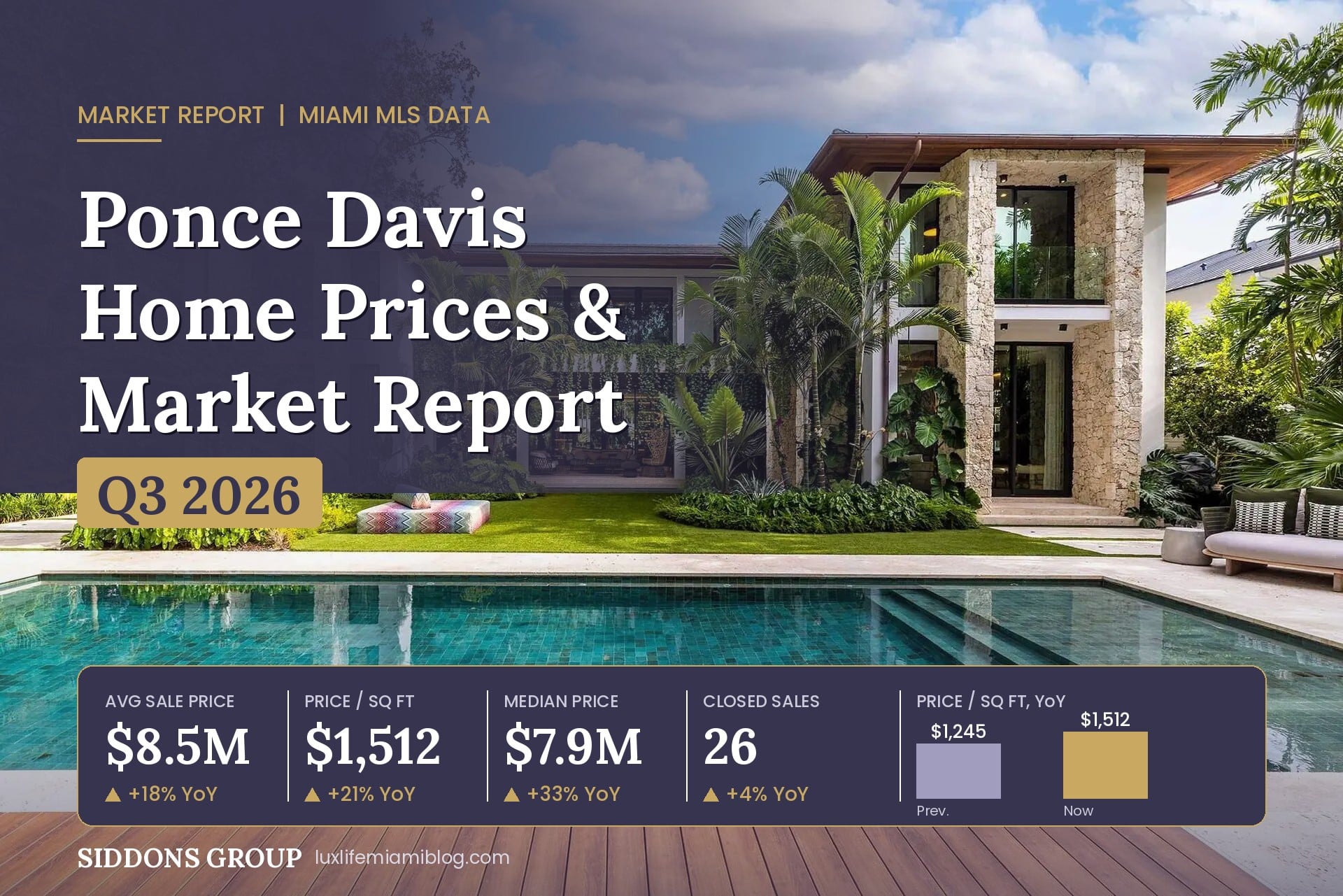
Ponce Davis Home Prices & Market Report: Q3 2026
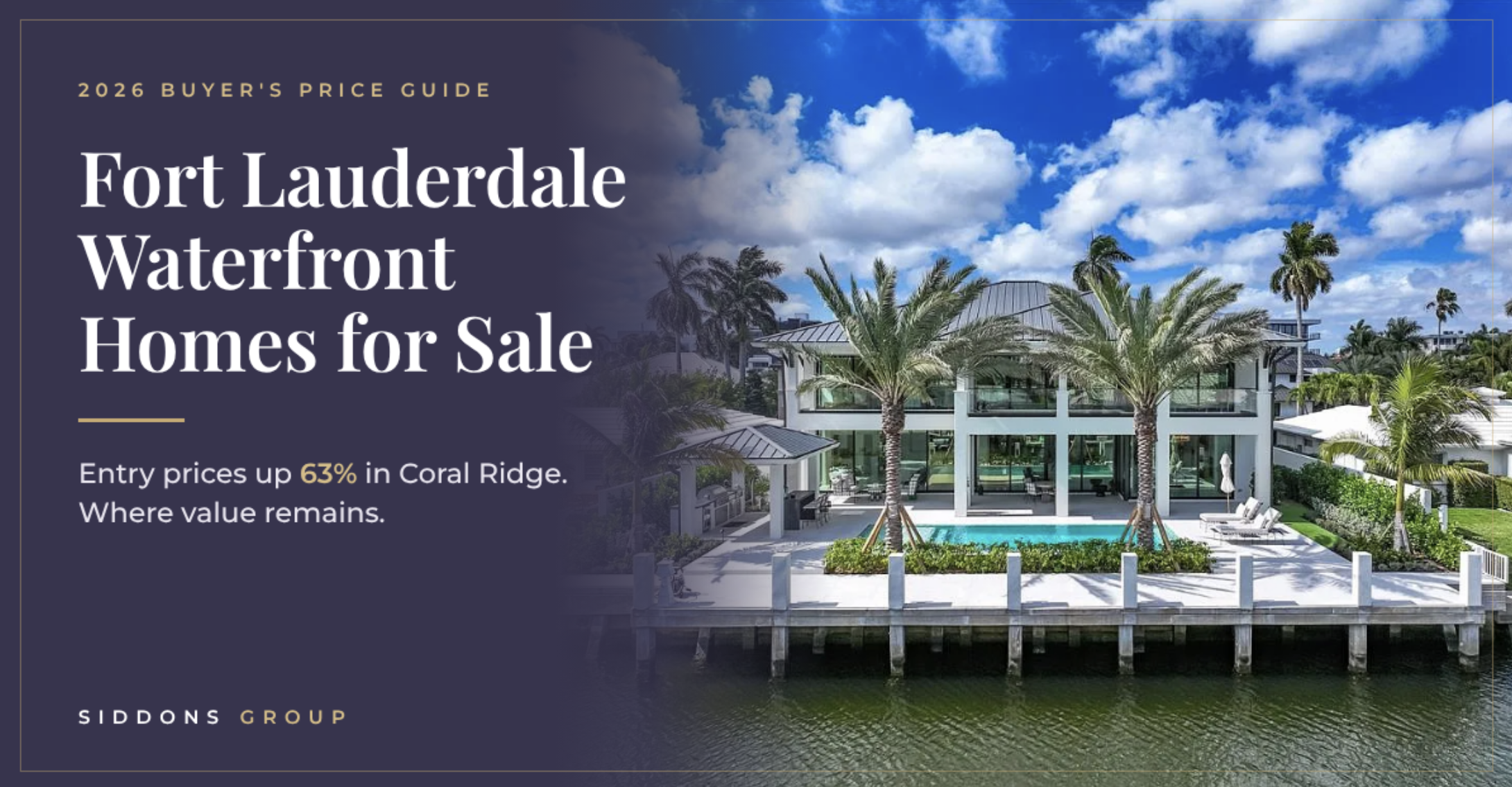
Fort Lauderdale Waterfront Homes in 2026

Greenview at Presidential Aventura

The Best Real Estate Agent in Ponce Davis

Pinecrest New Construction Is Appreciating 2x Faster Than Older Homes

Inside 1428 Brickell: Why Ytech Skipped the Hotel Brand to Build Brickell’s Best Finishes
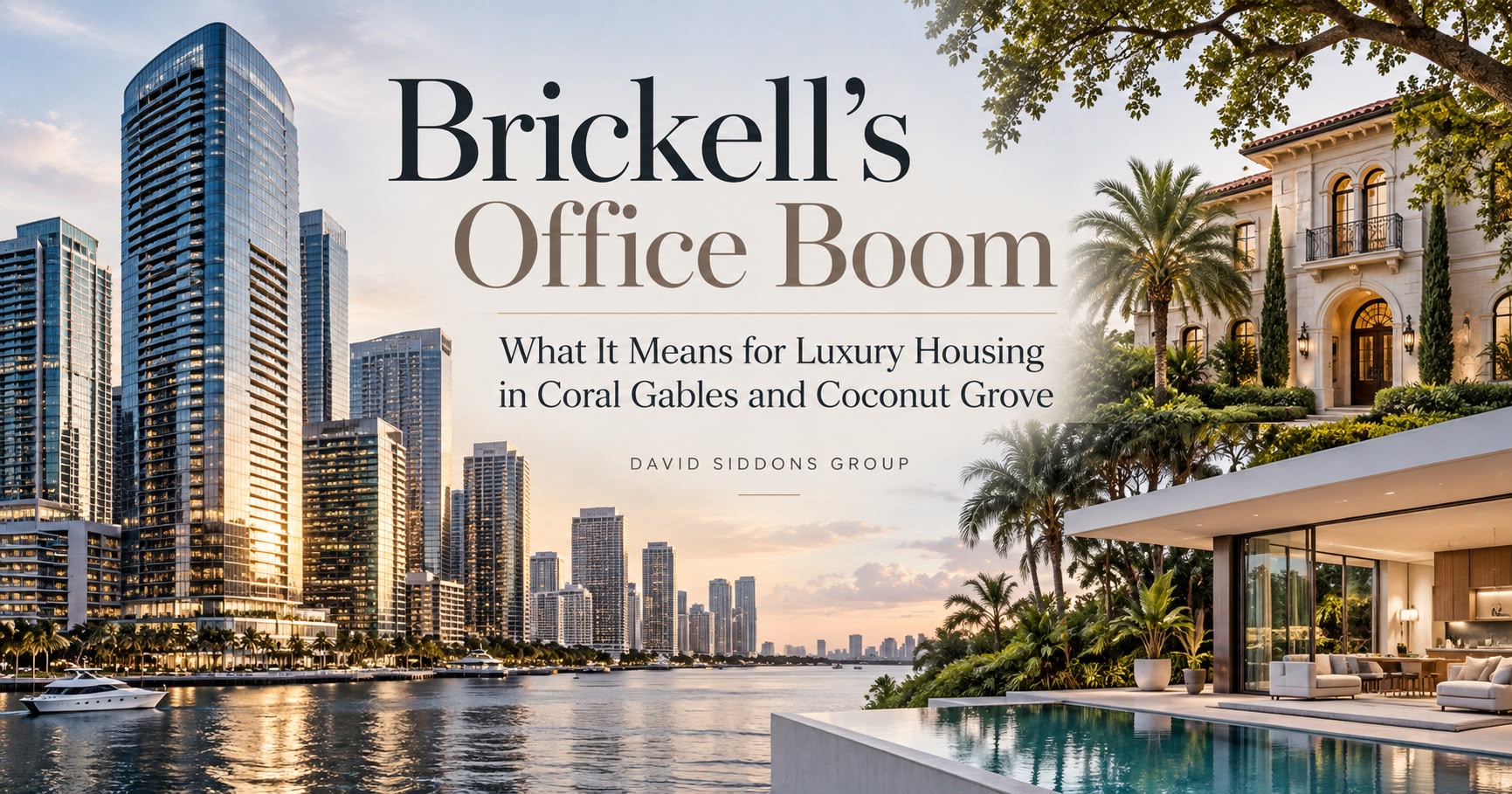
Brickell’s Office Boom: What It Means for Luxury Housing in Coral Gables and Coconut Grove
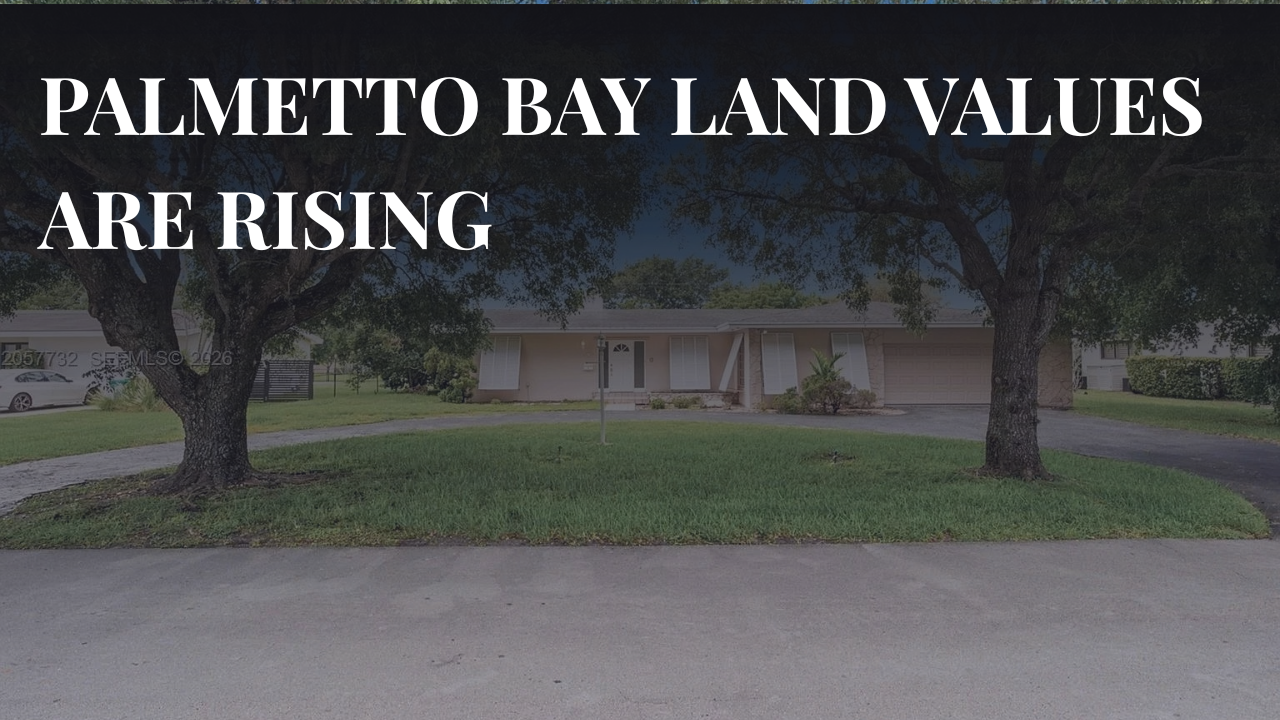
Palmetto Bay Land Values Are Rising. Is Your Home Worth More as Land?

Killian Drive: Kendall’s Luxury New Construction Corridor Hits $1,000/SF

Pinecrest’s 4 Best Streets in 2026
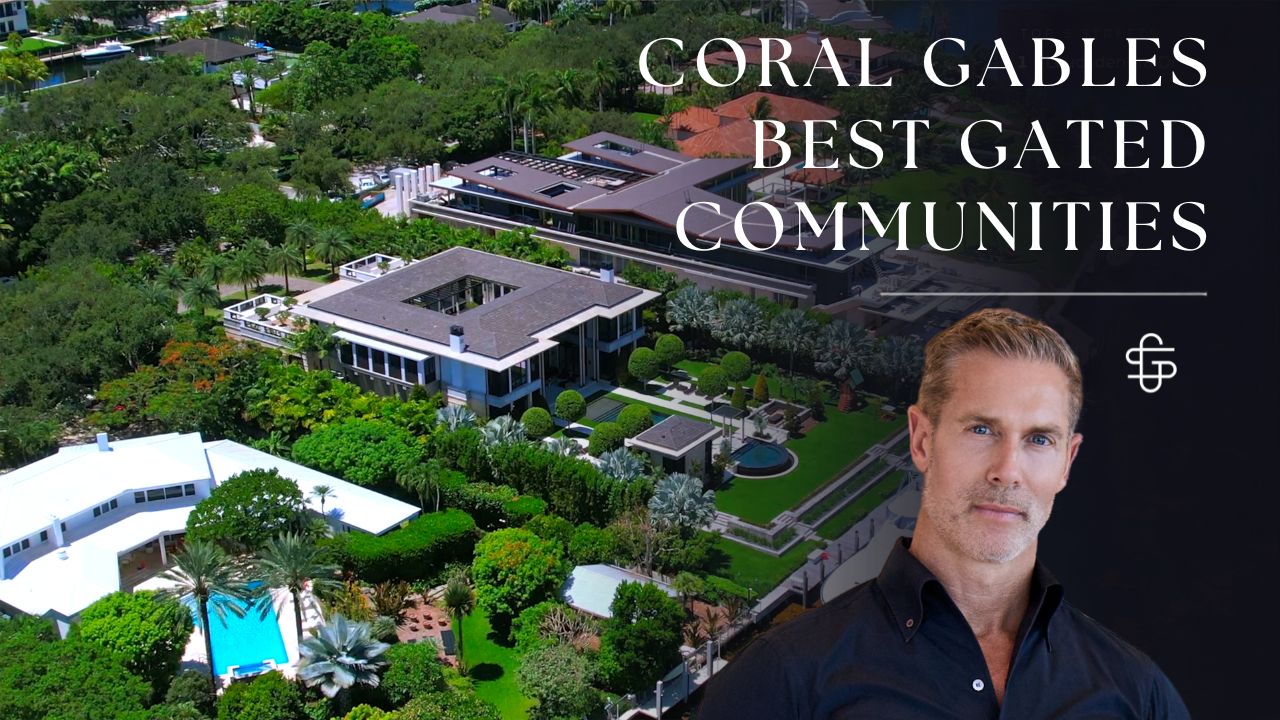
The 5 Best Luxury Streets in Miami’s Gated Communities

The Real Estate Team Behind the Agent: Why Systems Matter More Than Star Power
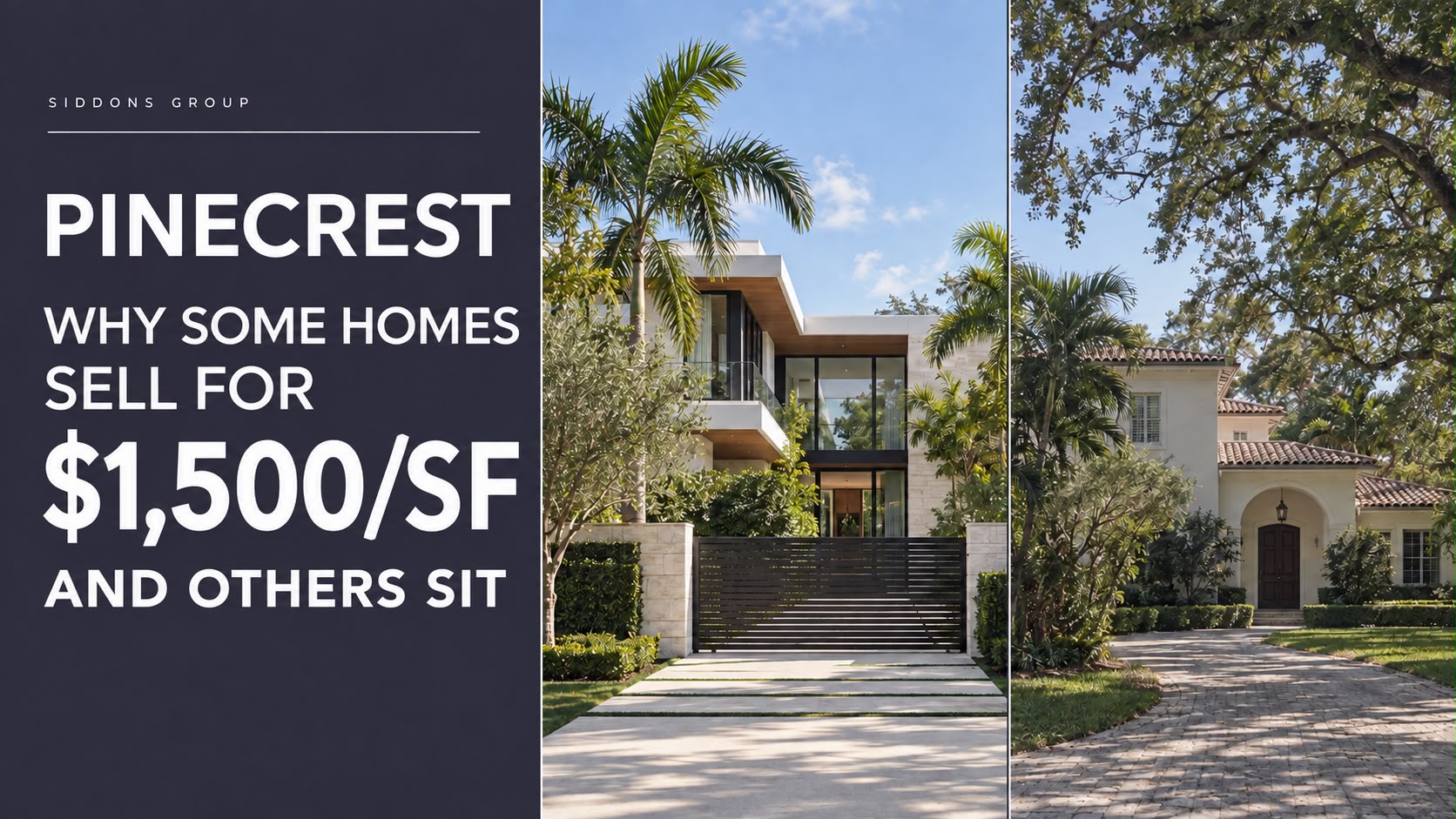
Selling a Home in Pinecrest: Why Some Homes Sell for $1,500/SF and Others Sit
Please fill in your details and David Siddons will contact you

Search related videos

Are St. Regis Sunny Isles Residences Worth the Brand Premium?
Coral Gables Market Report 2025: What the Headlines Aren’t Telling You!
How David Siddons’ Power Team Drives Miami’s Luxury Market
Mid‑Year 2025 Coconut Grove Report: The Truth About What’s Selling Now
Brickell Mid‑Year Market Report 2025 | Is Brickell’s Luxury Market in Trouble?
Pinecrest Mid-Year Market Report 2025 | What’s Selling, What’s Sitting & Why
Miami Beach Condo Market Mid-Year Report 2025 | What Buyers & Sellers Need to Know
How to Lose $1M in The Miami Condo market | Top Mistakes That Cost Miami Condo Buyers Millions
The Well Project EXPOSED Coconut Grove’s Hottest Units
Miami Real Estate in 2025 Is NOT What You Think 😱 | Midyear Must Knows for Buyers & Sellers!
7 Things You Should Never Say to a Real Estate Agent in Miami!
Landmark Victoria Park Residence in Fort Lauderdale: Inside 420 NE 11th Ave 🌴✨
Luxury Living on 2355 S. Miami Ave | Fully Furnished 4-Bed Home w/ Resort-Style Pool 🏊
Is Mandarin Oriental Residences Miami a Smart Condo Investment? Prices, Floorplans, Views & Finishes


- Get our Newsletter
- Subscribe
- No Thanks
Get the latest news from Miami Real Estate News
Close
Edit Search
Close
2 of 14
Share this property
Recomend this to a friend, just enter their email below.
Close
Your email was sent successfully
Close
 COMPARE WITH CONDOGEEKS