















- Best of All
- Best Miami Luxury Condos
- Most popular
- Relocating to Miami
- Private Schools
- Investments
- Gated communities
- Waterfront information
- Luxury homes
- Luxury Condos
- New Construction Condos in South Florida
- Independent Pre-Construction condo reviews for Miami
- Independent Pre-Construction condo reviews for Fort Lauderdale
Bal Harbour & Surfside Real Estate Market Q1 2026
Miami’s dollar per square foot, powerhouse market.
Bal Harbour & Surfside Real Estate Market Report by David Siddons
This Bal Harbour & Surfside Real Estate Market report is part of a 12-part series of in-depth market analyses authored by David Siddons, a real estate advisor specializing in Miami’s luxury residential markets. His work focuses on interpreting pricing trends, supply dynamics, and buyer behavior across key high-end neighborhoods such as Surfside, Bal Harbour, Miami Beach, Coral Gables, and Pinecrest—providing clients with a structured, data-driven framework for making real estate decisions.
The following section includes market insights contributed by Stefania Cambarau, adding perspective on current dynamics within the Surfside and Bal Harbour luxury condominium markets. Unlike generic market updates, this analysis is designed to break down the underlying forces driving value in these ultra-luxury coastal segments. It helps buyers and sellers understand not just where the market stands today, but how it is evolving within the broader luxury landscape—and where the most compelling opportunities and risks are emerging.
Introduction: Understanding Bal Harbour & Surfside
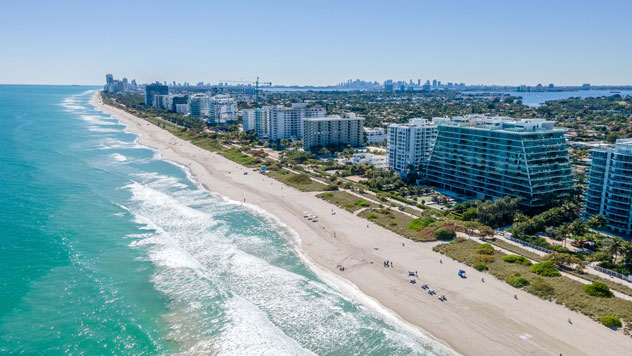
Bal Harbour and Surfside represent one of Miami’s most dynamic luxury condo corridors—a tightly defined stretch of oceanfront real estate where pricing power, global demand, and product differentiation converge in a highly concentrated way. What makes this market particularly compelling is not just its record-breaking pricing, but its internal contrasts. Within a few blocks, buyers can choose between ultra-prime, branded residences commanding nearly $8,000 per square foot and older condominium product trading at a fraction of that. This is not simply a function of age, it reflects a shift in buyer expectations toward turnkey living, design quality, and brand-driven experiences.
As with South of Fifth, understanding this market requires moving beyond averages and into building-level nuance. Floor plans, renovation status, amenities, and even intangible elements such as reputation and management all materially influence value. This report provides a deeper look into where the market is holding, where friction exists, and where opportunities are emerging for buyers and sellers entering 2026.
1. Market Structure: A Tale of Two (or Three) Markets
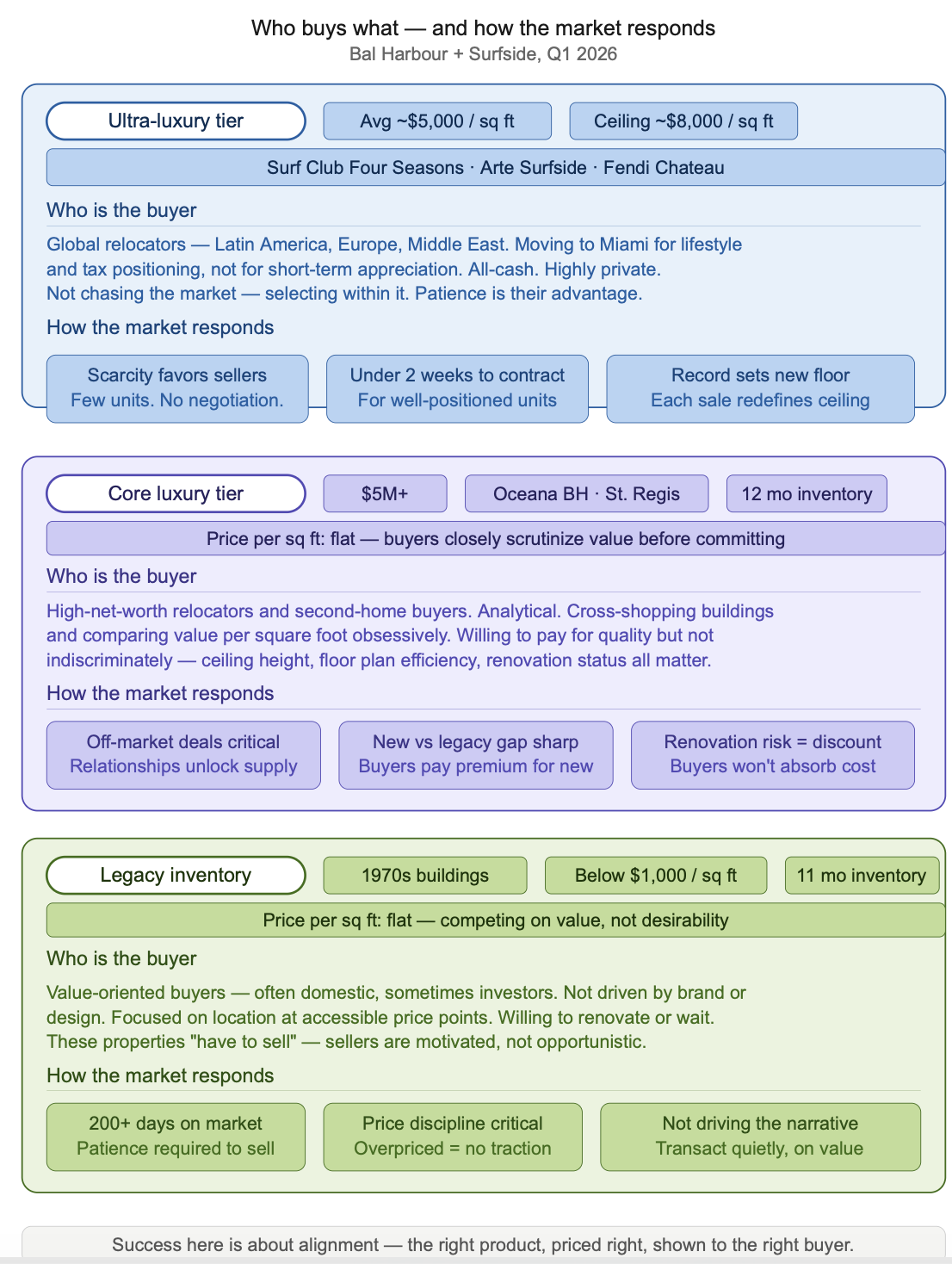
At a surface level, Bal Harbour and Surfside appear to be a unified luxury market. In reality, they operate more like parallel markets layered on top of one another, each driven by a different buyer profile and value proposition. At the top end, the market is defined by ultra-luxury, design-forward product, buildings like the Surf Club Four Seasons that attract a global buyer seeking privacy, prestige, and a fully serviced lifestyle. The recent penthouse sale at nearly $8,000 per square foot is not just a headline—it is a signal that this segment continues to attract deep, patient capital that is relatively insensitive to short-term market fluctuations.
Below that, the $10M+ segment functions as a core luxury tier, where pricing remains strong but more sensitive to factors such as layout, finishes, and building positioning. Buyers in this range are highly analytical—they compare product across buildings, scrutinize value per square foot, and differentiate sharply between new and legacy inventory.
Then there is the broader market—comprising the majority of transactions, about 70% of the closed sales—made up largely of older buildings from the 70’s. These properties still transact consistently, but they are no longer driving the narrative. As noted in the transcript, much of this product “has to sell,” but it does so quietly, often competing on value rather than desirability.
The result is a market that is not moving uniformly, but rather fragmenting based on quality and relevance. Bal Harbour and Surfside are best understood as a layered market where ultra-luxury, transitional luxury, and legacy inventory operate independently, each with its own pricing logic and buyer pool.
2. Pricing Dynamics: The Ceiling Is Rising — But Not Lifting All Boats
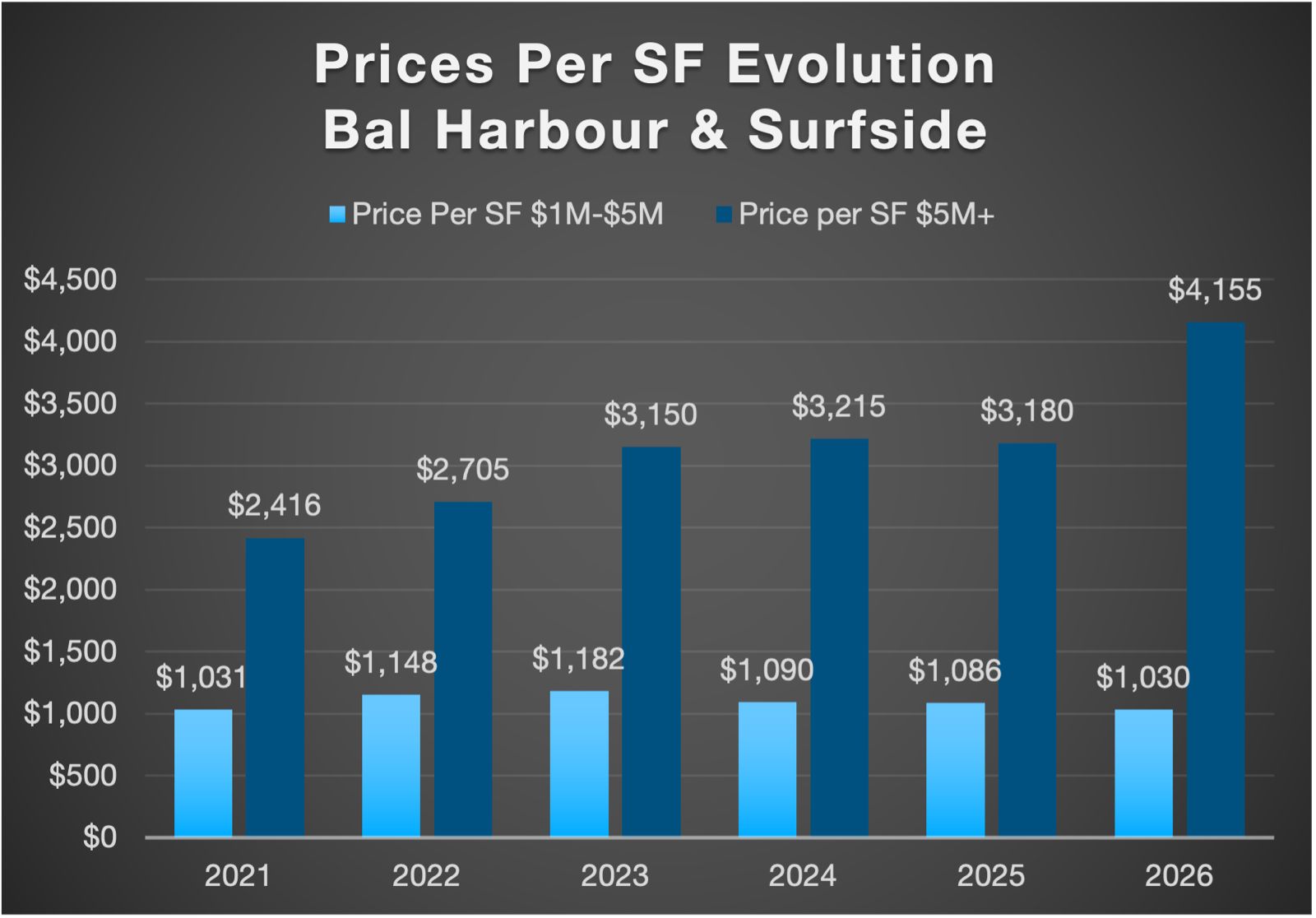
Pricing trends in this market reflect capital concentration at the top rather than broad-based appreciation. The record-setting Surf Club penthouse has effectively redefined the ceiling, but that ceiling does not cascade downward uniformly. Instead, what we are seeing is a decoupling of price growth. Ultra-prime assets, those with exceptional design, views, and branding, continue to command significant premiums. These transactions are often driven by buyers relocating to Miami for long-term lifestyle and tax positioning, rather than short-term investment.
Meanwhile, the average pricing in the $10M+ segment remains strong, but buyers here are far more selective. They are willing to pay for quality, but not indiscriminately. Small differences in finish level, ceiling height, or floor plan efficiency can translate into meaningful pricing gaps. At the lower end of the market, pricing remains relatively flat. Older buildings trading below $1,000 per square foot illustrate a key reality: a rising ceiling does not automatically lift the entire market. In many cases, it widens the gap. This dynamic reinforces the importance of positioning. Sellers of premium product benefit from scarcity and demand, while sellers of older inventory must compete through pricing discipline and strategic presentation.
Key take away: Price growth in Bal Harbour and Surfside is driven by top-tier assets, while the broader market remains stable, reinforcing a widening gap between best-in-class product and legacy inventory.
Show me the Best Surfside Properties
Show me the Best Bal Harbour Properties
3. Supply & Inventory: Ample on Paper, Selective in Reality
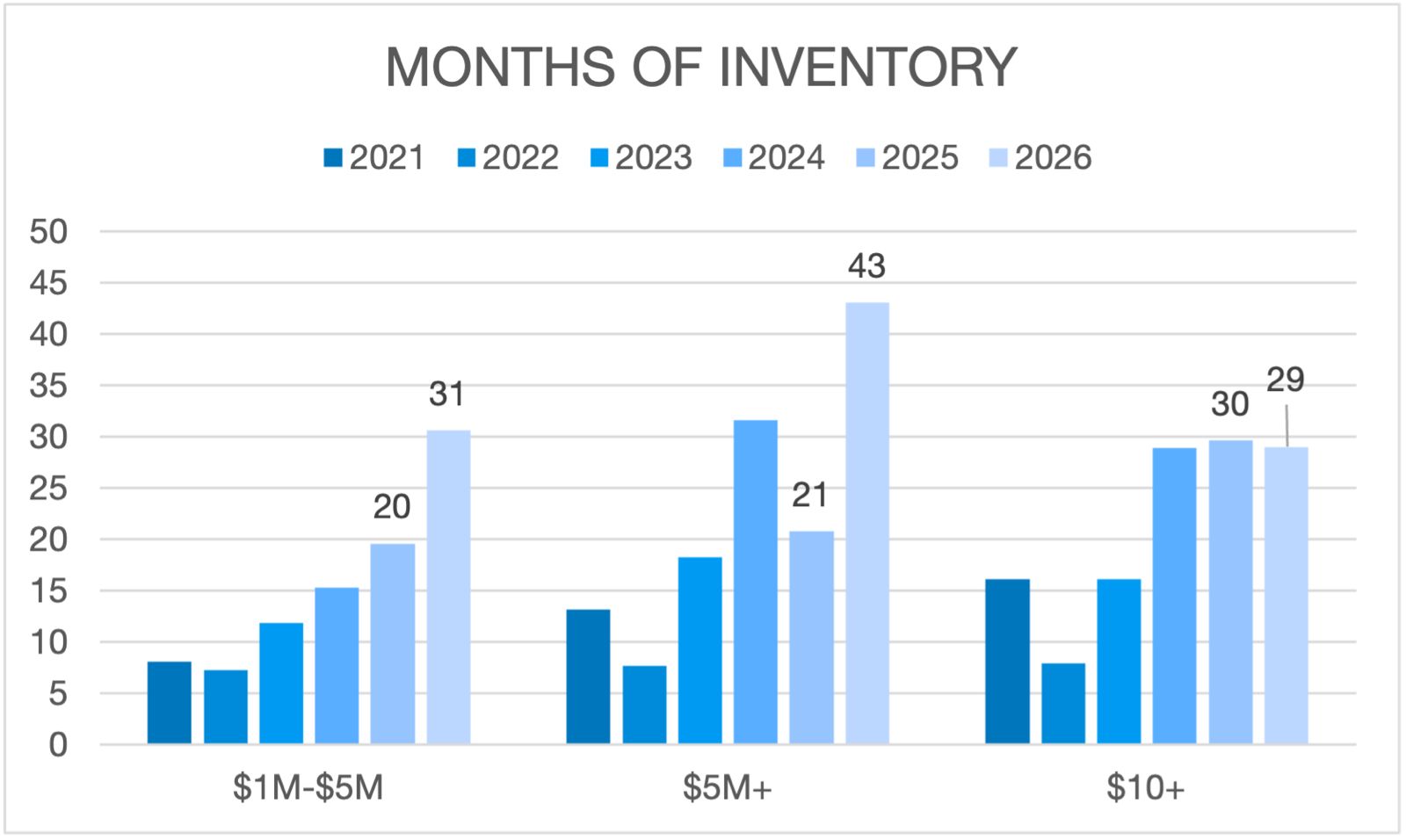
Inventory metrics suggest a market with ample supply, yet this headline number masks a more complex reality. With approximately 12 months of inventory, the market appears to lean toward buyers. However, this supply is not evenly distributed. A significant portion of inventory exists within older buildings, where units may require renovation or lack the design and amenities that today’s buyers expect. At the same time, there is also a layer of “shadow inventory”—units that are available but not formally listed—particularly within higher-end buildings where owners are willing to sell opportunistically rather than publicly.
This creates a scenario where buyers may perceive choice, but when narrowing down to specific buildings, layouts, and quality standards, options become far more limited. In certain boutique buildings, inventory can feel almost constrained despite broader market statistics. In a skyline filled with condos that are 40 or 50 years old, Bellini, for example, built in 2004, shows roughly nine months of inventory, yet actual availability is limited and often sourced through direct relationships rather than open-market listings. This is also the case of “deals that come with construction noise” due to the construction of Rivage just North of this condo, where prices range between $14M and $26M – averaging at $4,300 per sq ft. Ultimately, supply in this market is less about quantity and more about relevance to buyer expectations.
Supply Dynamics: Inventory exists, but meaningful inventory—product aligned with current buyer demand—is far more limited than headline numbers suggest.
4. Transaction Velocity: Liquidity Is Conditional
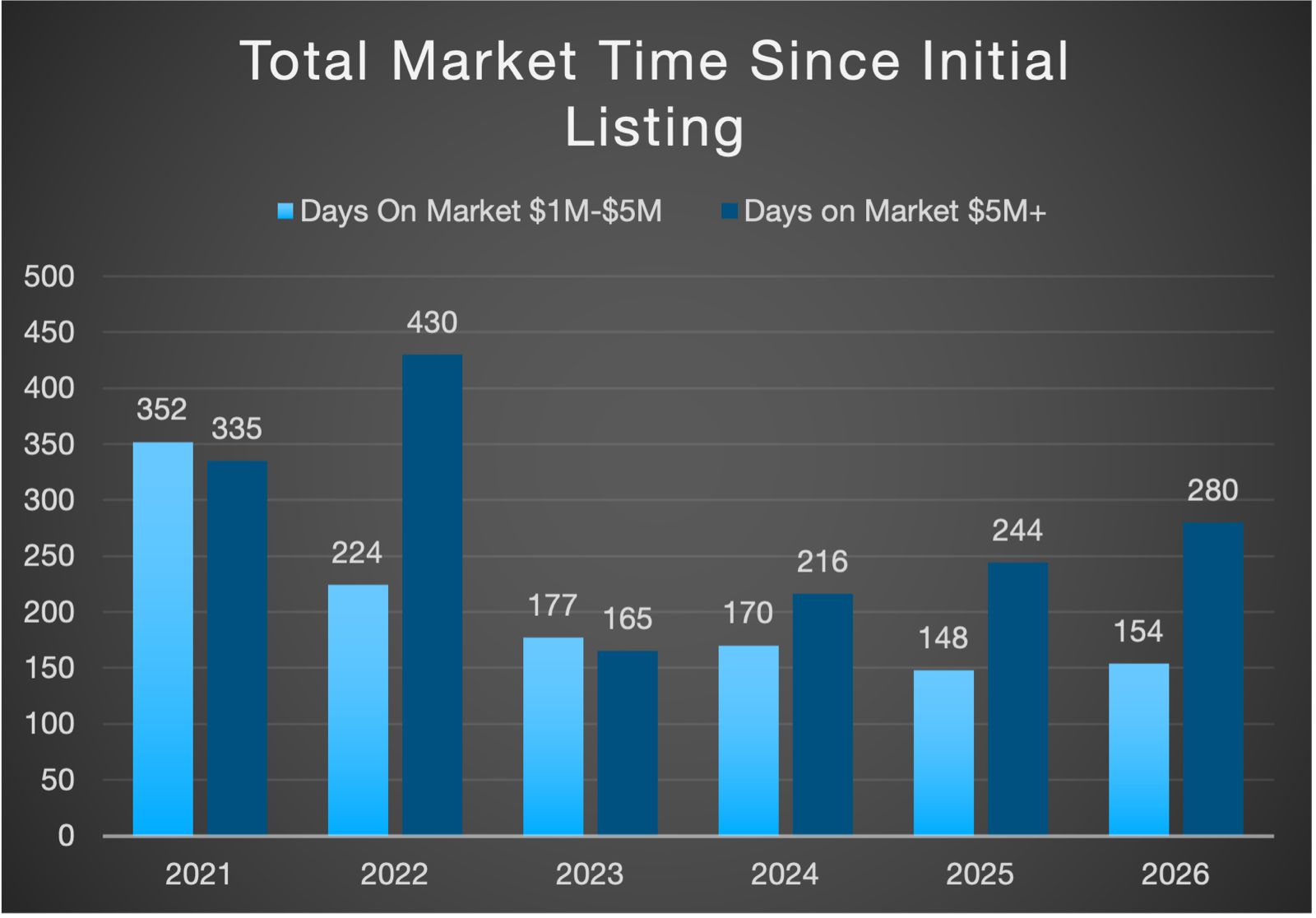
Days on market provide one of the clearest indicators of how segmented this market has become. While the broader market averages over 200 days on market, this figure does not fully capture what is happening within Bal Harbour and Surfside. Well-positioned, turnkey properties, particularly in newer or recently renovated buildings, can transact relatively quickly, often attracting strong interest shortly after listing. We have example of properties currently pending sales after less than two weeks from being listed. These properties align with what today’s buyer wants: immediacy, quality, and minimal friction. And that is where we see record breaking after record breaking deals.
In contrast, older or less updated units tend to linger. This is not necessarily due to a lack of demand, but rather a mismatch between pricing expectations and perceived value. Buyers today are far less willing to absorb renovation costs or uncertainty, particularly at higher price points. What emerges is a market where liquidity is not absent—it is simply conditional. It depends on how well a property aligns with current buyer preferences and how accurately it is priced relative to comparable sales.
Transaction Velocity: Liquidity in Bal Harbour and Surfside is selective, with strong absorption for well-positioned assets and extended timelines for misaligned or outdated inventory.
5. Market Psychology: A Hybrid Cycle Driven by Perception
Perhaps the most defining characteristic of this market is its psychological divide. As highlighted in the transcript, seller sentiment often leans toward overconfidence, while buyers approach the market with a more analytical mindset. This creates a “hybrid cycle”, a market that feels like a seller’s market in some buildings and a buyer’s market in others. In ultra-luxury developments, scarcity and demand continue to favor sellers. In older buildings with higher inventory, buyers gain leverage through patience and negotiation.
Buyers themselves are also evolving. The dominant profile is increasingly the relocating, cash-driven purchaser, focused on long-term lifestyle rather than short-term appreciation. These buyers are discerning, deliberate, and highly informed. They are not chasing the market, they are selecting within it. As a result, success in this environment is less about timing and more about alignment. Sellers who price realistically and understand their competition transact efficiently. Those anchored to prior market peaks risk extended exposure.
Market Alignment: Bal Harbour and Surfside operate as an alignment-driven market, where outcomes depend on how closely pricing and product match current buyer expectations.
6. Alternative Luxury & Opportunity: Oceana Bal Harbour & St. Regis Residences
Beyond the newest ultra-prime developments, there is a segment of the market that offers a more established, service-driven version of luxury, one that prioritizes space, beachfront living, and full-service amenities while trading at more accessible price points. Buildings such as Oceana Bal Harbour and St. Regis Bal Harbour exemplify this category. They deliver a true luxury lifestyle—oceanfront positioning, resort-style services, and expansive floor plans—yet often sit below the pricing thresholds of the latest branded or newly delivered product. For many buyers, this creates a compelling balance between lifestyle and value. At St. Regis, residences typically offer generous layouts, including three-bedroom configurations with both ocean and intracoastal exposures. These units provide strong fundamentals—location, scale, and amenities—but in some cases reflect earlier design cycles. For certain buyers, this creates hesitation; for others, it presents a clear opportunity to acquire well-located product and modernize it to current standards. Another dynamic within this segment is the presence of off-market or quietly available inventory, where owners may be open to selling without formally listing. Access to these opportunities often depends on relationships and market knowledge, adding a layer of advantage for well-connected buyers.Oceana Bal Harbour, while more contemporary, offers a similarly compelling proposition. With its larger residences, curated amenities, and more private, residential atmosphere, it appeals to buyers seeking understated luxury within the same prestigious enclave.The broader takeaway is that these buildings represent value within the luxury spectrum. They are not distressed assets, but rather opportunities created by shifts in buyer preference and product positioning—where space, service, and location can be acquired at a relative discount to the newest ultra-prime offerings.
Oceana Bal Harbour and St. Regis, with a more ample inventory available, offer a differentiated luxury experience, where scale, location, and lifestyle create opportunities for buyers willing to look beyond headline pricing.
Emerging Submarket: Bay Harbor Islands
Just west of Bal Harbour, Bay Harbor Islands continues to evolve into one of Miami’s most compelling emerging residential enclaves, defined by its boutique scale, design-forward product, and increasingly sophisticated lifestyle offering. Unlike the high-rise oceanfront towers nearby, Bay Harbor is characterized by low- to mid-rise condominium living, attracting buyers who prioritize privacy, modern architecture, and a more intimate residential environment. This positioning has already been validated by the delivery of projects such as Onda Residences by Ugo Colombo and La Baia Residences by Bruce Eichner, two highly regarded developers whose track records have helped elevate the neighborhood’s profile within the luxury market.
Momentum is accelerating further with a robust pipeline of new developments. Several projects are currently under construction and expected to deliver between 2027 and 2029, including The Well Bay Harbor Islands (nearing completion), La Baia North, La Maré (a collection of three boutique waterfront buildings), Bay Harbor Towers, Origin by Artefacto, and 9900 West. This wave of development is not volume-driven, but rather curated and design-centric, reinforcing the area’s identity as a boutique alternative to larger luxury markets.
From a pricing perspective, Bay Harbor continues to offer relative value within a luxury context. A recent example is a penthouse at Onda Residences trading just below $8 million, or approximately $1,530 per square foot—a compelling entry point when compared to pricing in neighboring Bal Harbour and Surfside.
The broader narrative is clear: Bay Harbor Islands is transitioning from a secondary location into a destination in its own right, supported by new retail, improved walkability, and a growing collection of high-quality residential developments. For buyers, it represents an opportunity to enter a market on the upward curve of its evolution, where pricing has not yet fully aligned with its long-term positioning.
Conclusion of the Bal Harbour & Surfside Real Estate Market Q1 2026
Bal Harbour and Surfside continue to define the upper echelon of Miami’s condo market, but their true story lies in segmentation, not uniform growth. Ultra-luxury continues to push boundaries, while transitional and legacy inventory create a layered market full of nuance. Opportunities exist, but they are highly specific, often hidden, and dependent on deep market understanding. This is not a market that rewards broad assumptions. It rewards precision, relationships, and strategic positioning. For those who understand where to look, and how to act, Bal Harbour and Surfside remain among the most compelling luxury markets in the country.
What Relocation Buyers Need to Know — and How David Siddons Adds Value
Relocating into Miami’s condominium markets—whether it is to Bal Harbour, Sunny Isles, Sunny Isles Beach, Brickell, or the Surfside Real Estate Market—is not simply about choosing a building or a view. It requires understanding how each submarket operates, how buildings compete with one another, and how factors such as age, amenities, reserves, and rental policies directly impact both lifestyle and long-term value.
Many relocation buyers assume that newer buildings or higher prices equate to better investments. In reality, these markets are highly segmented. Pricing can vary significantly between buildings with similar locations, and the difference between a strong purchase and an average one often comes down to building-specific dynamics, line selection, and timing within the market cycle.
David Siddons advises relocation buyers by applying a building-by-building analytical framework—evaluating pricing trends, supply levels, and buyer demand within each condominium. His approach helps clients identify which buildings are outperforming, where value exists, and where risks may be hidden beneath the surface. From Brickell’s high-density urban core to the lifestyle-driven markets of Sunny Isles Beach and South of Fifth, each decision is guided by real-time data and active market experience.
With extensive experience advising relocation clients into Miami’s most competitive condominium markets, David provides a structured process that simplifies decision-making—helping buyers move quickly when needed, while avoiding overpaying or selecting the wrong asset.
Work with the David Siddons Group, The Bal Harbour/Surfside Market Specialist
FAQ
These are the most commonly Miami Real Estate Related questions
What should relocation buyers know before buying real estate in Miami?
HOME BUYERS
Relocation buyers looking at homes in Miami should understand that choosing the right house is less about the property itself and more about location, schools, and long-term value. Many buyers make the mistake of focusing on price or finishes, while the real driver of value is the neighborhood and micro-location. Older homes often represent better value, but may also be part of a future redevelopment cycle. Newer homes command premiums, but don’t always sell faster if pricing is ahead of the market. Commute time, school access, and community dynamics are critical and often underestimated. The key is to evaluate homes not just as lifestyle purchases, but as long-term assets within a very localized market.
Sources:
https://luxlifemiamiblog.com/relocating-to-miami/
https://luxlifemiamiblog.com/relocating-to-miami-with-a-family/
CONDO BUYERS:
Relocation buyers should understand that Miami is a highly segmented, building-driven market, not a uniform one. Pricing can vary significantly between similar properties depending on building quality, layout, and financial health. Many buyers assume newer construction equals better investment, but that is often not the case. Factors like HOA fees, reserves, and rental policies can materially impact long-term value and liquidity. Negotiation opportunities often exist, especially in slower segments, but require precise market knowledge. The key is to evaluate micro-markets and individual buildings, not just neighborhoods or price per square foot.
Sources:
https://luxlifemiamiblog.com/miami-real-estate-market-report/
https://luxlifemiamiblog.com/new-construction-miami-guide/
What are the best areas for relocating families with children
For families relocating to Miami with young children, the most recommended neighborhoods are Coral Gables, Coconut Grove, and Pinecrest. Coral Gables offers the best balance of top schools, safety, and long-term value. Coconut Grove is ideal for younger families seeking walkability, greenery, and a lifestyle-driven environment. Pinecrest provides larger homes, excellent schools, and better value for space, making it ideal for growing families. The key driver across all three is access to strong schools and primary residential stability. Relocation decisions are less about new construction and more about long-term livability and resale strength.
Sources:
https://luxlifemiamiblog.com/best-neighborhoods-miami/
https://luxlifemiamiblog.com/what-are-the-best-family-neighborhoods-in-miami-in-2023/
Are new construction condos in Miami a good investment?
New construction condos in Miami can be a good investment—but only if you understand that not all buildings perform the same. According to the David Siddons Group, many buyers assume “new = better,” but in reality, performance depends on pricing, layout, building quality, and long-term demand. Some new developments set future price benchmarks and can drive long-term appreciation, especially in top-tier projects. However, many are priced aggressively at launch, and buyers relying on marketing instead of data often overpay.
The market is highly segmented, meaning two new buildings next to each other can perform very differently.
The best opportunities typically come from selecting the right building early or negotiating correctly in later phases.
In short: new construction is not automatically a good investment—it becomes one only with building-level analysis and disciplined entry pricing.
Sources:
https://luxlifemiamiblog.com/how-to-buy-a-luxury-condo-in-miami/
https://luxlifemiamiblog.com/category/independent-new-construction-condo-reviews/
https://luxlifemiamiblog.com/beyond-clickbait-real-insights-into-miamis-luxury-condo-market/
Why is buying a Miami condo riskier than buyers think?
Buying a Miami condo is often riskier than buyers expect because the true risks are at the building level—not visible in the listing price. Many buyers focus on finishes and views, while overlooking HOA reserves, insurance exposure, and potential special assessments. In reality, two identical units in different buildings can perform completely differently over time. Rising HOA fees and stricter regulations are also increasing the true cost of ownership, especially in older buildings. Liquidity can be affected by factors like financial health, rental policies, and ongoing repairs. The key risk is not the condo itself—but buying into the wrong building without proper due diligence.
Sources:
https://luxlifemiamiblog.com/how-to-buy-a-luxury-condo-in-miami/
https://luxlifemiamiblog.com/miami-condo-market-risks/
What are Miami's Safest Areas?
Which Miami Areas Still offer Great Value (Budget Friendly alternatives to Coral Gables and Pinecrest)
If you’re looking for better value than Coral Gables or Pinecrest, the answer (in true Siddons style) is not “go cheaper”—it’s go one layer outside the obvious markets.
The strongest value plays are:
- Schenley Park → closest substitute to Coral Gables at ~20% discount while maintaining similar character and location
- Biltmore Heights → almost identical feel to the Gables but ~25–30% cheaper on a $/SF basis
- Glenvar Heights → central location with larger lots and ~25% pricing advantage vs South Miami/Gables
- Baptist / Galloway (Kendall) → Pinecrest-style living (space, schools, land) at up to ~30% lower pricing
The pattern is consistent:
👉 Buyers are shifting west and slightly off-market to gain land, scale, and pricing efficiency. You don’t find value by going to a “cheaper neighborhood”—you find it by identifying adjacent micro-markets that offer the same lifestyle fundamentals without the brand premium.
Sources:
https://luxlifemiamiblog.com/best-value-neighborhoods-miami/
https://luxlifemiamiblog.com/category/miami-neighborhoods/
Is NOW a good time to buy in Miami?
Are Miami real estate prices going down in 2026?
No—but that’s the wrong way to look at it. Miami is not one market anymore, so prices are not moving in one direction. In 2026, the market is split into two: ultra-luxury, scarcity-driven areas (like waterfront and top-tier neighborhoods) are still holding or even rising, while mid-tier condos and oversupplied segments are flat or correcting. What we’re seeing is price divergence, not a crash—some properties are gaining value while others are quietly adjusting downward. Rising inventory and more selective buyers are putting pressure on pricing in certain segments, especially older condos or buildings with weaker fundamentals.
At the same time, global wealth and cash buyers continue to support pricing at the top end of the market. So the real answer: prices aren’t broadly dropping—they’re being repriced based on quality, location, and supply.
Should I buy a house or a condo when relocating to Miami?
The decision comes down to lifestyle first, investment second—and most relocation buyers get that backwards. If you want space, privacy, schools, and long-term family living, a single-family home in areas like Coral Gables or Coconut Grove is typically the stronger choice. If you prioritize walkability, low maintenance, and proximity to business districts, a condo in Brickell or waterfront markets makes more sense.
From an investment perspective, homes tend to be more stable, while condos are more building-dependent and cyclical. Most relocation clients underestimate how much building quality, HOA structure, and future costs impact condo performance. The right answer isn’t “house vs condo”—it’s which asset fits your lifestyle AND holds value within its micro-market.
How do I choose the right Miami neighborhood for my lifestyle?
Why are Miami condo prices so different between buildings?
Miami condo pricing varies widely because value is determined at the building level, not just by location. Two buildings next to each other can have major differences in financial health, reserves, HOA fees, and management quality. Buyers also pay premiums for better layouts, views, amenities, and newer construction—but not all “new” buildings perform equally. Factors like rental policies, upcoming assessments, and building reputation can significantly impact resale value. This is why price per square foot alone is misleading in Miami’s condo market. The real driver of value is how that specific building competes within its micro-market over time.
Sources:
https://luxlifemiamiblog.com/how-to-buy-a-luxury-condo-in-miami/
https://luxlifemiamiblog.com/category/independent-new-construction-condo-reviews/
WHY WORK WITH DAVID? THINGS YOU SHOULD KNOW...
For all our analytics we are agents driving some very unique and advanced tech. We Provide a granular and custom experience that empower our clients with the insight and tools to understand the most complex behaviors of any local markets.
-
Analytical
Over 100 reports produced to date
-
Knowledgeable
Over 1800 published articles and counting


Related Articles

Should You Stage Your Home Before Selling? What 1,266 Agents and Two Studies Found
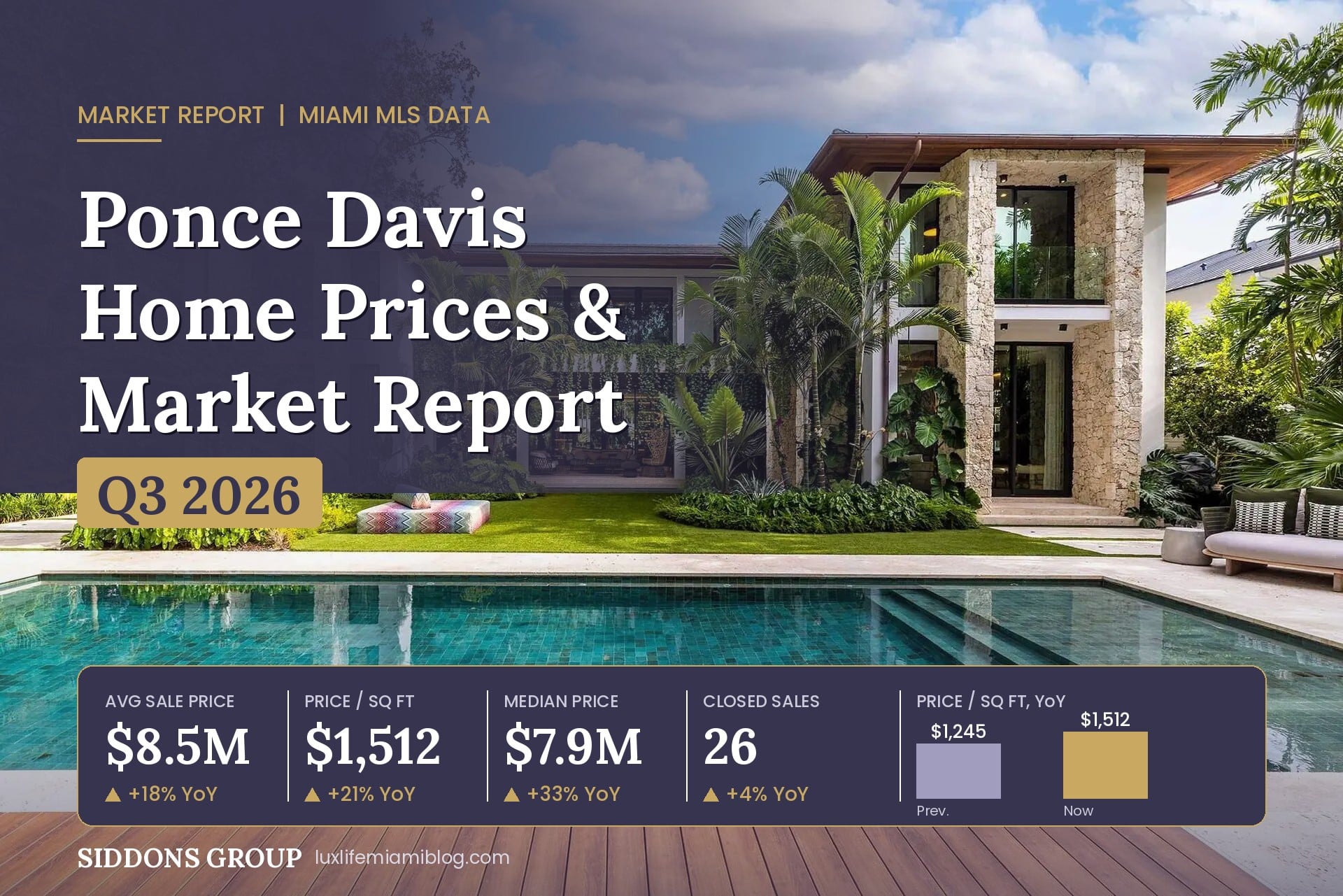
Ponce Davis Home Prices & Market Report: Q3 2026
Fort Lauderdale Waterfront Homes in 2026

Greenview at Presidential Aventura
The Best Real Estate Agent in Ponce Davis
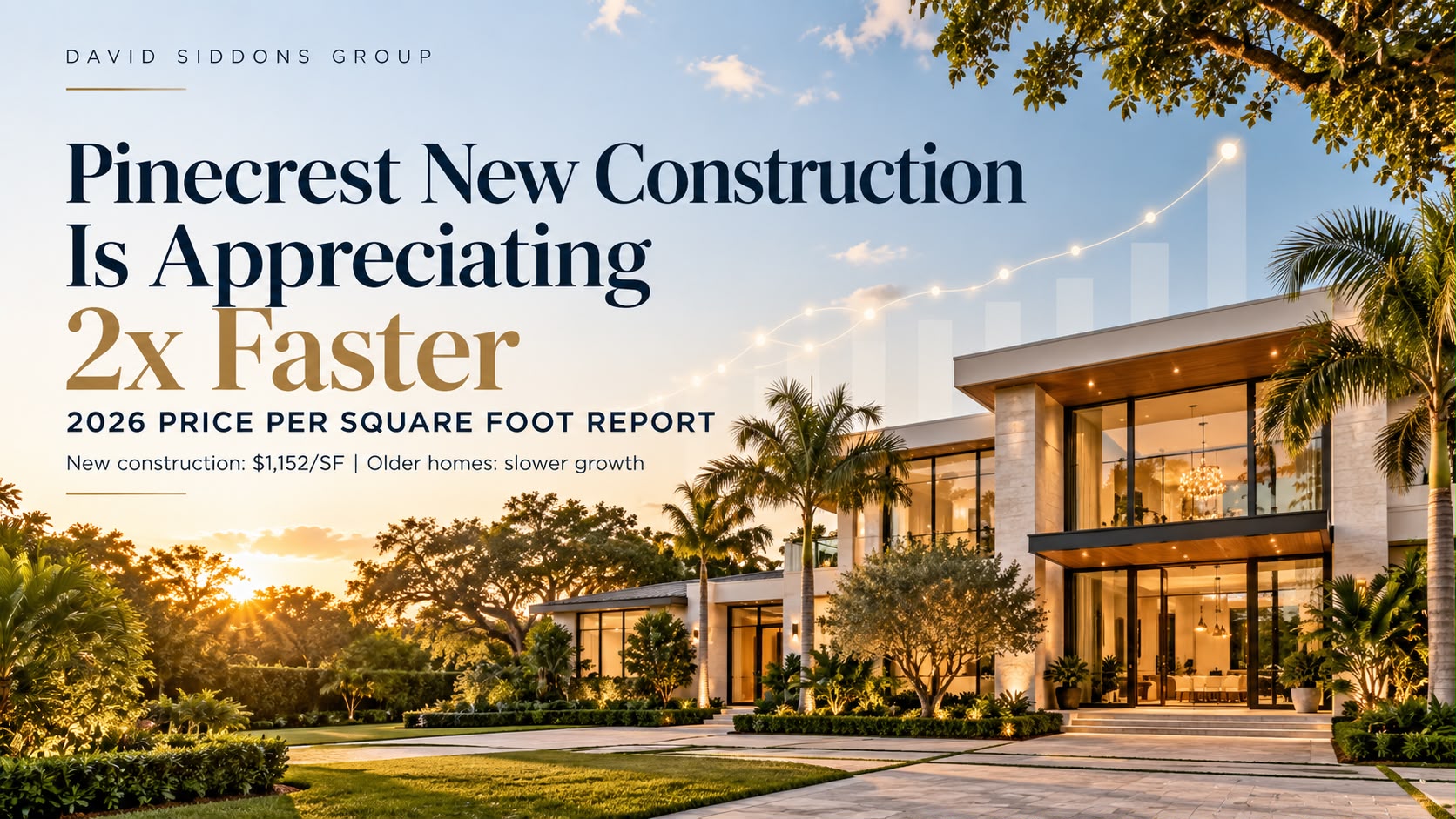
Pinecrest New Construction Is Appreciating 2x Faster Than Older Homes

Inside 1428 Brickell: Why Ytech Skipped the Hotel Brand to Build Brickell’s Best Finishes
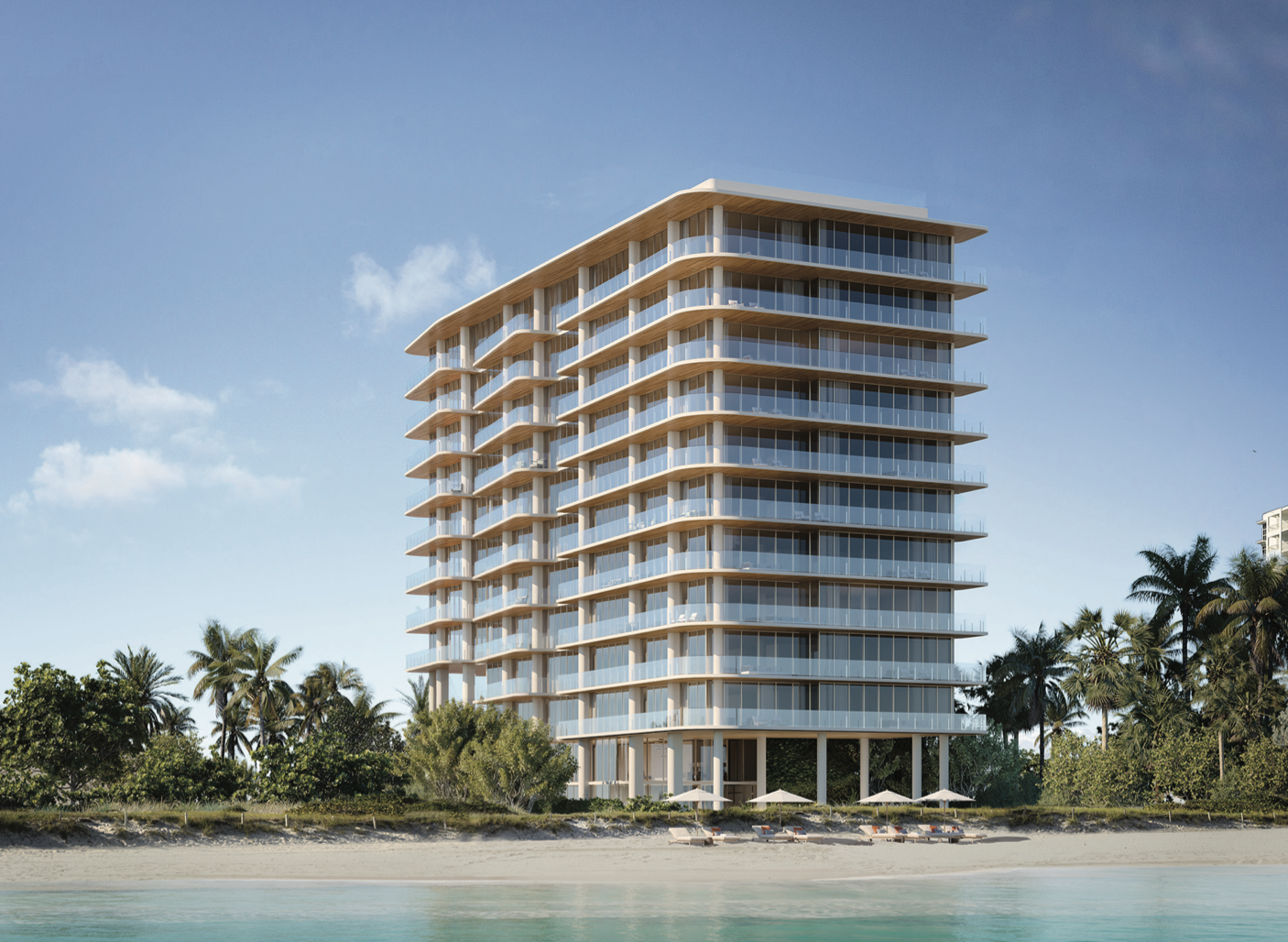
Inside Ocean House Surfside
Brickell’s Office Boom: What It Means for Luxury Housing in Coral Gables and Coconut Grove
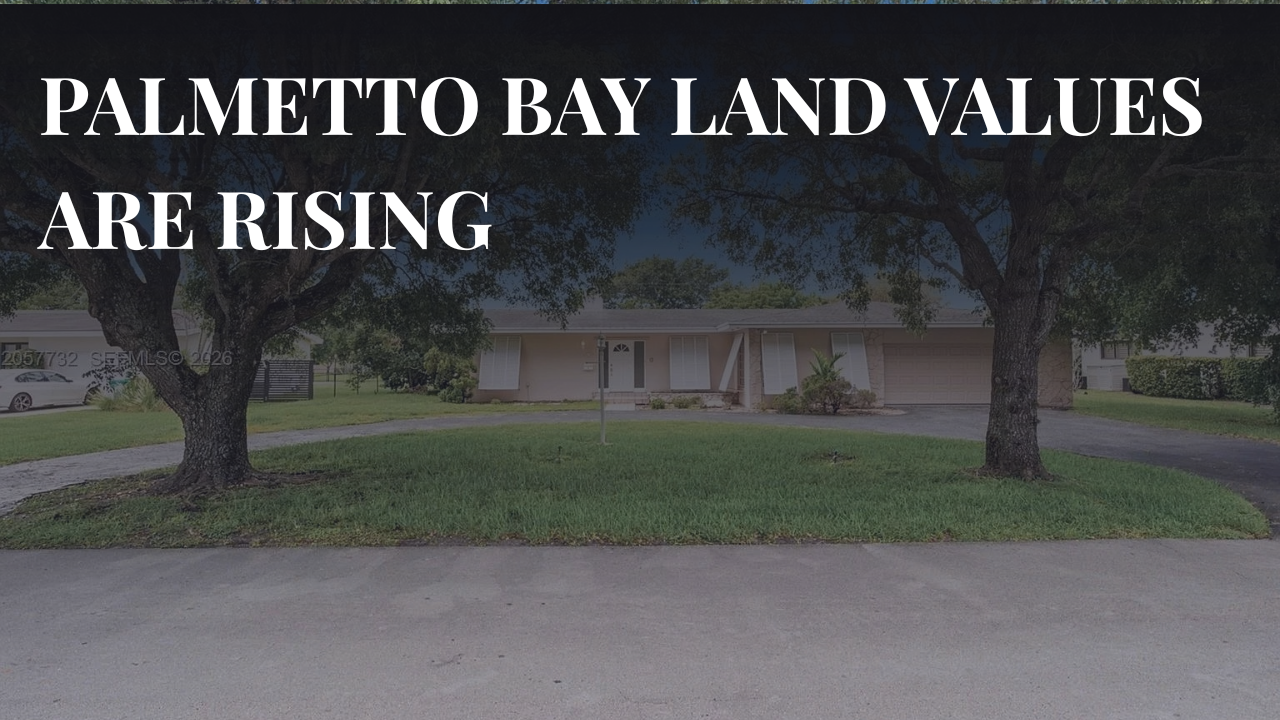
Palmetto Bay Land Values Are Rising. Is Your Home Worth More as Land?
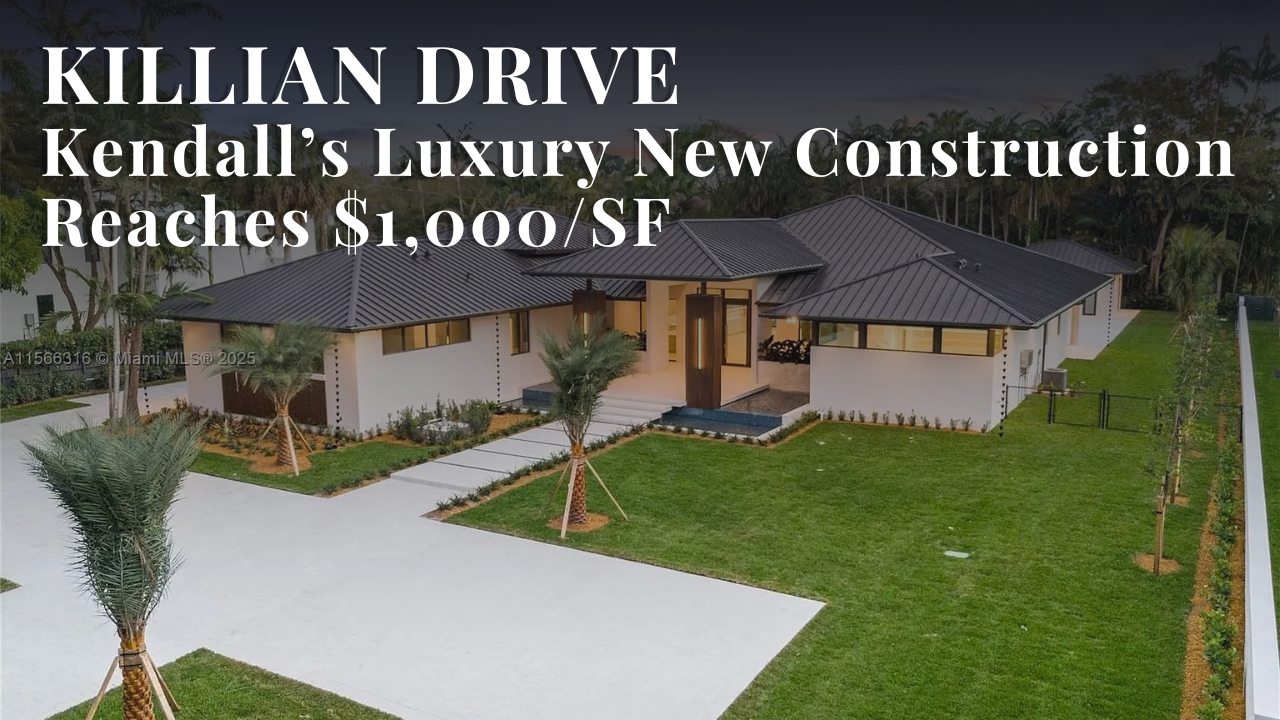
Killian Drive: Kendall’s Luxury New Construction Corridor Hits $1,000/SF
Pinecrest’s 4 Best Streets in 2026
The 5 Best Luxury Streets in Miami’s Gated Communities

The Real Estate Team Behind the Agent: Why Systems Matter More Than Star Power
Please fill in your details and David Siddons will contact you

Search related videos

Are St. Regis Sunny Isles Residences Worth the Brand Premium?
Coral Gables Market Report 2025: What the Headlines Aren’t Telling You!
How David Siddons’ Power Team Drives Miami’s Luxury Market
Mid‑Year 2025 Coconut Grove Report: The Truth About What’s Selling Now
Brickell Mid‑Year Market Report 2025 | Is Brickell’s Luxury Market in Trouble?
Pinecrest Mid-Year Market Report 2025 | What’s Selling, What’s Sitting & Why
Miami Beach Condo Market Mid-Year Report 2025 | What Buyers & Sellers Need to Know
How to Lose $1M in The Miami Condo market | Top Mistakes That Cost Miami Condo Buyers Millions
The Well Project EXPOSED Coconut Grove’s Hottest Units
Miami Real Estate in 2025 Is NOT What You Think 😱 | Midyear Must Knows for Buyers & Sellers!
7 Things You Should Never Say to a Real Estate Agent in Miami!
Landmark Victoria Park Residence in Fort Lauderdale: Inside 420 NE 11th Ave 🌴✨
Luxury Living on 2355 S. Miami Ave | Fully Furnished 4-Bed Home w/ Resort-Style Pool 🏊
Is Mandarin Oriental Residences Miami a Smart Condo Investment? Prices, Floorplans, Views & Finishes


- Get our Newsletter
- Subscribe
- No Thanks
Get the latest news from Miami Real Estate News
Close
Edit Search
Close
2 of 14
Share this property
Recomend this to a friend, just enter their email below.
Close
Your email was sent successfully
Close
 COMPARE WITH CONDOGEEKS