

















- Best of All
- Best Miami Luxury Condos
- Most popular
- Relocating to Miami
- Private Schools
- Investments
- Gated communities
- Waterfront information
- Luxury homes
- Luxury Condos
- New Construction Condos in South Florida
- Independent Pre-Construction condo reviews for Miami
- Independent Pre-Construction condo reviews for Fort Lauderdale
From Law to Business Leadership: Inside John Ruiz’s Rise Amid Miami’s Wealth Migration Boom
This episode of Better Decisions focuses on John Ruiz, one of Miami’s most prominent and closely watched business figures. As Miami continues to evolve into a global center for capital, entrepreneurship, and innovation, we aim to speak with the individuals actively shaping that trajectory. Ruiz represents a particularly compelling voice in that conversation, not only because of the scale of what he has built, but because his journey reflects the ambition, risk-taking, and decisive execution that define the city’s growth today.
From Attorney to Industry Disruptor: The John Ruiz Story
Ruiz is a Miami-born attorney turned entrepreneur and the founder behind MSP Recovery, a healthcare litigation and data-driven recovery business focused on identifying and pursuing reimbursement claims for insurers and healthcare organizations. The company’s growth, public market presence, and national profile — along with recognition in publications such as Forbes — have positioned him as a significant figure at the intersection of law, technology, and large-scale corporate strategy.
Building for Impact: Innovation, Safety, and the Mindset Behind John Ruiz’s Ventures
John’s approach to business has been shaped by a strong emphasis on discipline, consistency, and execution — qualities that guided his transition from legal practice into ventures focused on real-world impact. Through involvement in major injury and disaster cases, he saw how often preventable risks are overlooked, reinforcing his focus on developing practical solutions that improve safety rather than simply responding after failures occur.
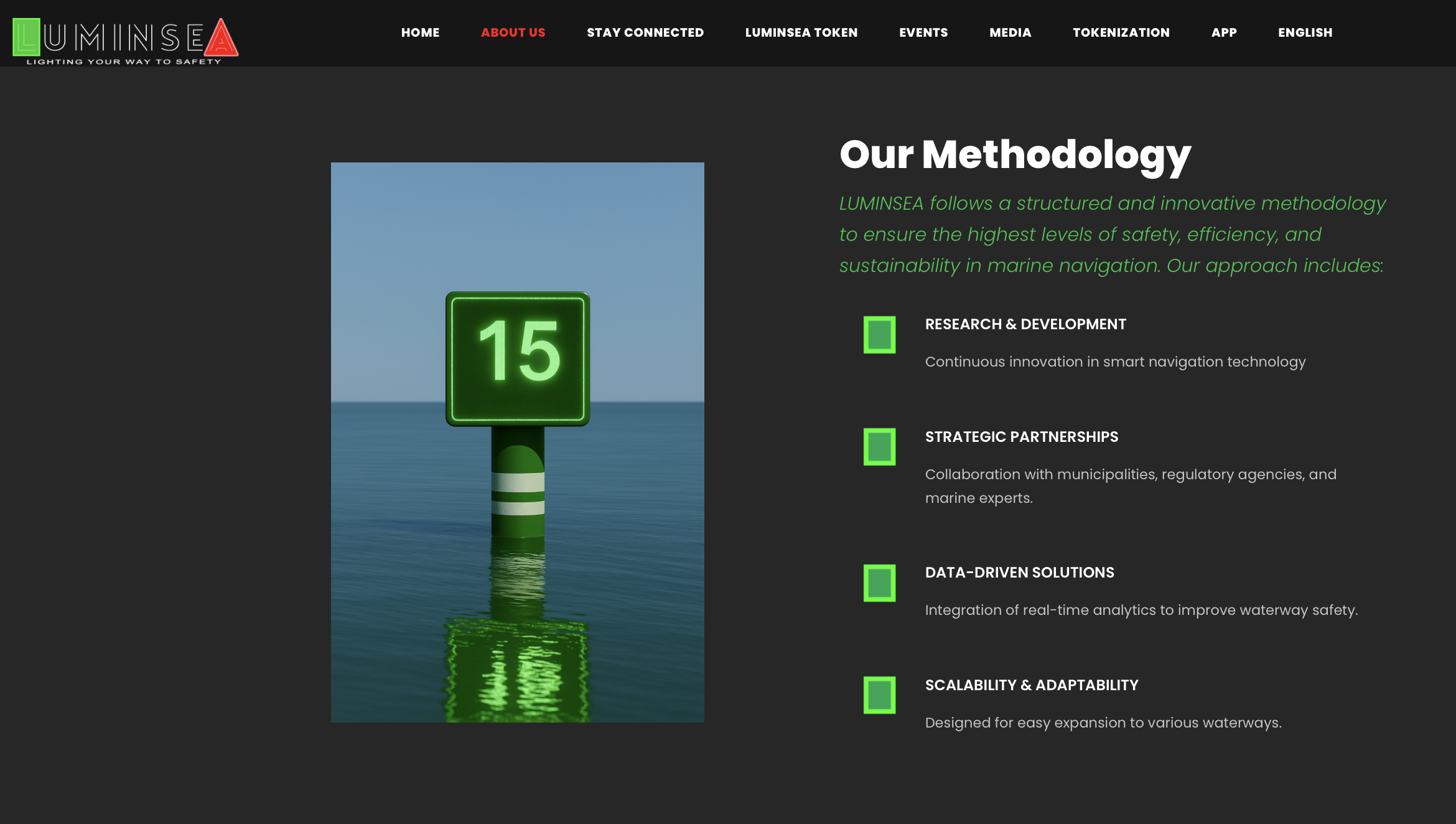
One example is Lumisea a system of illuminated channel markers designed to modernize waterway navigation. Built for high visibility in low-light conditions, the markers help boaters identify safe channels and avoid hazards while supporting environmental data, cameras, and connected monitoring infrastructure. Integrated into a digital platform, the system can contribute to a smarter navigation network that enhances safety, security, and communication on the water.
More broadly, this reflects a defining theme in Ruiz’s work: a drive not just to succeed financially, but to build systems that solve problems and create lasting impact. In his view, progress — in business or in cities like Miami — comes from those willing to take risks, invest, and execute despite criticism.
Beyond the Noise: What’s Really Driving Miami’s Next Wave
Much of what people believe about Miami is shaped by headlines, social media narratives, and secondhand opinions. Often incomplete, sometimes driven by personal agendas. But beneath that noise, the reality on the ground tells a far more meaningful story. For those considering a move, the real question isn’t the perception of the city, but the structural forces shaping its future and the type of people choosing to be part of it.
What’s emerging is not just continued growth, but a shift in the profile and psychology of incoming residents. The market is seeing an unmistakable surge in ultra-high-net-worth migration, reflected in a sharp rise in $15M+ transactions and sustained demand for prime neighborhoods and new construction. Buyers are arriving earlier in the development cycle, seeking customization, long-term positioning, and scarcity-driven assets rather than turnkey purchases alone. At the same time, Miami’s broader appeal continues to strengthen: lifestyle advantages, global business relocation, expanding dining and cultural scenes, and the unmatched value of waterfront living all reinforce the city’s pull.
The underlying pattern is clear. Miami’s Wealth Migration is no longer reactive or temporary, it is strategic and capital-driven. As older homes in premier neighborhoods are replaced with new builds and waterfront property remains fundamentally limited, the forces pushing Miami forward are structural, not cyclical. For serious buyers and investors, understanding this shift is far more valuable than following the headlines.
Miami’s Wealth Migration and the Redrawing of Miami’s Residential Map
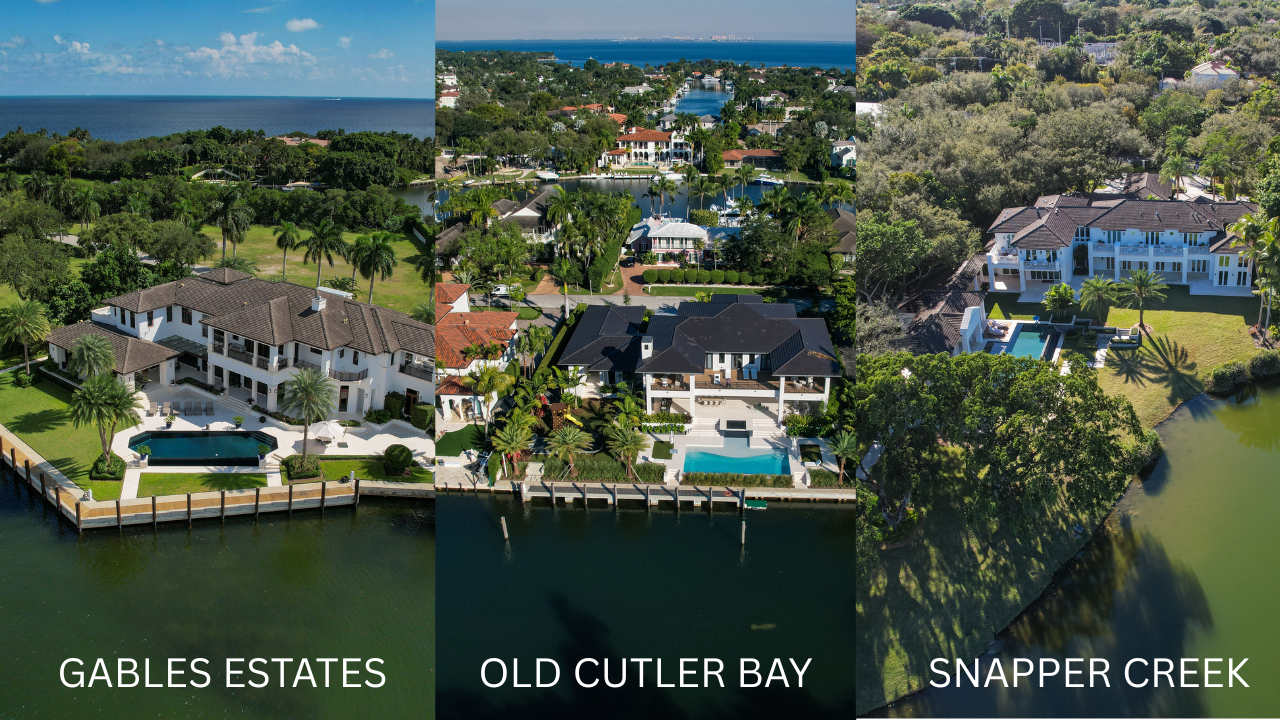
Across Miami’s prime family-oriented neighborhoods, from Pinecrest and Ponce-Davis to Coral Gables and Coconut Grove, a clear pattern is emerging in the ultra-luxury market. High-net-worth buyers are increasingly targeting new construction before completion, prioritizing the ability to customize design, finishes, and specifications rather than purchasing fully finished homes. This early-entry demand reflects a more sophisticated buyer profile focused on long-term positioning, personalization, and securing scarce land in established residential settings. At the very top, legacy enclaves such as Gables Estates and Snapper Creek Lakes continue to strengthen. Their combination of security, large lots, central location, and consistent residential character reinforces their role as long-term anchors for wealthy families seeking privacy and stability, qualities increasingly valued over the volatility, density, and transient nature often associated with beachfront living.
Redefining Market Entry Points
But the same forces attracting global wealth to Florida, tax advantages, climate, and lifestyle, are also reshaping Miami’s housing ladder. As ultra-wealthy buyers compete for prime neighborhoods and new construction, entry prices across established enclaves have surged, increasingly pushing young professionals and first-time luxury buyers out of the $3–5M segment that once felt attainable. What used to represent a move-up family home now often functions as a land-value entry point.
This growing affordability gap is redirecting demand geographically. Southern submarkets such as Palmetto Bay, Cutler Bay, and Homestead are gaining momentum, supported by newer infrastructure, expanding amenities, and rising transaction volume in the $1–3M range. At the same time, post-pandemic work patterns are accelerating the shift. With remote and hybrid work now embedded in professional life, proximity to a central office matters less, while larger homes capable of supporting multiple workspaces matter more — reinforcing demand for space, functionality, and long-term livability over purely prestige-driven locations.
The broader takeaway is that Miami’s growth is no longer confined to its traditional luxury cores. Miami’s wealth migration is simultaneously fortifying the most exclusive enclaves while expanding the city’s practical entry points southward, gradually redrawing the residential map for the decade ahead.
Where to Deploy the First $100M
If allocating an initial $100M today, the priority would be prime residential real estate in Miami’s supply-constrained, high-barrier submarkets — specifically waterfront and ultra-prime neighborhoods where land scarcity, privacy, and long-term desirability protect downside risk. The focus would not be broad market exposure, but concentrated positions in irreplaceable locations: trophy waterfront homes, well-located development parcels, or boutique luxury residential projects with limited future competition.
In practical terms, this points toward Miami’s most supply-limited waterfront enclaves such as Gables Estates, Cocoplum, and Journeys End, alongside mainland gated communities in South Coral Gables including Snapper Creek Lakes and areas near Old Cutler Road, where older housing stock creates redevelopment-driven upside. Select opportunities along the Miami River would also fit the thesis, particularly where waterfront land and zoning flexibility allow long-term repositioning.
The strategy would combine immediate intrinsic value with long-term demographic tailwinds driven by wealth migration, tax advantages, and global demand for secure lifestyle destinations. In this segment, pricing cycles may fluctuate, but truly scarce assets continue to appreciate over time because supply cannot meaningfully expand. Capital deployed into unique locations with enduring appeal, strong build quality, and international buyer demand is less about short-term appreciation and more about owning assets that compound in value across cycles while maintaining exceptional liquidity at the top end of the market.
Miami’s Future Will Be Built, Not Predicted
The broader lesson from the conversation with John Ruiz is that Miami’s trajectory isn’t being driven by headlines or short-term cycles, but by people willing to build — whether through technology, real estate, or civic investment. Wealth migration, infrastructure upgrades, and the finite nature of waterfront land all point to a city still in the early stages of long-term transformation. Progress will depend less on speculation and more on execution: entrepreneurs launching new ventures, investors backing innovation, and leaders willing to improve the systems that support growth.
Cities don’t evolve because everyone agrees on the future — they evolve because a small group moves forward despite uncertainty. If Miami continues to attract builders, creators, and long-term thinkers, its next chapter won’t just be larger; it will be stronger, smarter, and far more globally influential than the one before.
Connect with the David Siddons Group
Please contact the David Siddons Group for any questions about Miami’s Wealth Migration, neighborhoods or specific real estate related topics. You can call 305.508.0899 or schedule a meeting via the application below.
FAQ
These are the most commonly Miami Real Estate Related questions
What should relocation buyers know before buying real estate in Miami?
HOME BUYERS
Relocation buyers looking at homes in Miami should understand that choosing the right house is less about the property itself and more about location, schools, and long-term value. Many buyers make the mistake of focusing on price or finishes, while the real driver of value is the neighborhood and micro-location. Older homes often represent better value, but may also be part of a future redevelopment cycle. Newer homes command premiums, but don’t always sell faster if pricing is ahead of the market. Commute time, school access, and community dynamics are critical and often underestimated. The key is to evaluate homes not just as lifestyle purchases, but as long-term assets within a very localized market.
Sources:
https://luxlifemiamiblog.com/relocating-to-miami/
https://luxlifemiamiblog.com/relocating-to-miami-with-a-family/
CONDO BUYERS:
Relocation buyers should understand that Miami is a highly segmented, building-driven market, not a uniform one. Pricing can vary significantly between similar properties depending on building quality, layout, and financial health. Many buyers assume newer construction equals better investment, but that is often not the case. Factors like HOA fees, reserves, and rental policies can materially impact long-term value and liquidity. Negotiation opportunities often exist, especially in slower segments, but require precise market knowledge. The key is to evaluate micro-markets and individual buildings, not just neighborhoods or price per square foot.
Sources:
https://luxlifemiamiblog.com/miami-real-estate-market-report/
https://luxlifemiamiblog.com/new-construction-miami-guide/
What are the best areas for relocating families with children
For families relocating to Miami with young children, the most recommended neighborhoods are Coral Gables, Coconut Grove, and Pinecrest. Coral Gables offers the best balance of top schools, safety, and long-term value. Coconut Grove is ideal for younger families seeking walkability, greenery, and a lifestyle-driven environment. Pinecrest provides larger homes, excellent schools, and better value for space, making it ideal for growing families. The key driver across all three is access to strong schools and primary residential stability. Relocation decisions are less about new construction and more about long-term livability and resale strength.
Sources:
https://luxlifemiamiblog.com/best-neighborhoods-miami/
https://luxlifemiamiblog.com/what-are-the-best-family-neighborhoods-in-miami-in-2023/
Are new construction condos in Miami a good investment?
New construction condos in Miami can be a good investment—but only if you understand that not all buildings perform the same. According to the David Siddons Group, many buyers assume “new = better,” but in reality, performance depends on pricing, layout, building quality, and long-term demand. Some new developments set future price benchmarks and can drive long-term appreciation, especially in top-tier projects. However, many are priced aggressively at launch, and buyers relying on marketing instead of data often overpay.
The market is highly segmented, meaning two new buildings next to each other can perform very differently.
The best opportunities typically come from selecting the right building early or negotiating correctly in later phases.
In short: new construction is not automatically a good investment—it becomes one only with building-level analysis and disciplined entry pricing.
Sources:
https://luxlifemiamiblog.com/how-to-buy-a-luxury-condo-in-miami/
https://luxlifemiamiblog.com/category/independent-new-construction-condo-reviews/
https://luxlifemiamiblog.com/beyond-clickbait-real-insights-into-miamis-luxury-condo-market/
Why is buying a Miami condo riskier than buyers think?
Buying a Miami condo is often riskier than buyers expect because the true risks are at the building level—not visible in the listing price. Many buyers focus on finishes and views, while overlooking HOA reserves, insurance exposure, and potential special assessments. In reality, two identical units in different buildings can perform completely differently over time. Rising HOA fees and stricter regulations are also increasing the true cost of ownership, especially in older buildings. Liquidity can be affected by factors like financial health, rental policies, and ongoing repairs. The key risk is not the condo itself—but buying into the wrong building without proper due diligence.
Sources:
https://luxlifemiamiblog.com/how-to-buy-a-luxury-condo-in-miami/
https://luxlifemiamiblog.com/miami-condo-market-risks/
What are Miami's Safest Areas?
Which Miami Areas Still offer Great Value (Budget Friendly alternatives to Coral Gables and Pinecrest)
If you’re looking for better value than Coral Gables or Pinecrest, the answer (in true Siddons style) is not “go cheaper”—it’s go one layer outside the obvious markets.
The strongest value plays are:
- Schenley Park → closest substitute to Coral Gables at ~20% discount while maintaining similar character and location
- Biltmore Heights → almost identical feel to the Gables but ~25–30% cheaper on a $/SF basis
- Glenvar Heights → central location with larger lots and ~25% pricing advantage vs South Miami/Gables
- Baptist / Galloway (Kendall) → Pinecrest-style living (space, schools, land) at up to ~30% lower pricing
The pattern is consistent:
👉 Buyers are shifting west and slightly off-market to gain land, scale, and pricing efficiency. You don’t find value by going to a “cheaper neighborhood”—you find it by identifying adjacent micro-markets that offer the same lifestyle fundamentals without the brand premium.
Sources:
https://luxlifemiamiblog.com/best-value-neighborhoods-miami/
https://luxlifemiamiblog.com/category/miami-neighborhoods/
Is NOW a good time to buy in Miami?
Are Miami real estate prices going down in 2026?
No—but that’s the wrong way to look at it. Miami is not one market anymore, so prices are not moving in one direction. In 2026, the market is split into two: ultra-luxury, scarcity-driven areas (like waterfront and top-tier neighborhoods) are still holding or even rising, while mid-tier condos and oversupplied segments are flat or correcting. What we’re seeing is price divergence, not a crash—some properties are gaining value while others are quietly adjusting downward. Rising inventory and more selective buyers are putting pressure on pricing in certain segments, especially older condos or buildings with weaker fundamentals.
At the same time, global wealth and cash buyers continue to support pricing at the top end of the market. So the real answer: prices aren’t broadly dropping—they’re being repriced based on quality, location, and supply.
Should I buy a house or a condo when relocating to Miami?
The decision comes down to lifestyle first, investment second—and most relocation buyers get that backwards. If you want space, privacy, schools, and long-term family living, a single-family home in areas like Coral Gables or Coconut Grove is typically the stronger choice. If you prioritize walkability, low maintenance, and proximity to business districts, a condo in Brickell or waterfront markets makes more sense.
From an investment perspective, homes tend to be more stable, while condos are more building-dependent and cyclical. Most relocation clients underestimate how much building quality, HOA structure, and future costs impact condo performance. The right answer isn’t “house vs condo”—it’s which asset fits your lifestyle AND holds value within its micro-market.
How do I choose the right Miami neighborhood for my lifestyle?
Why are Miami condo prices so different between buildings?
Miami condo pricing varies widely because value is determined at the building level, not just by location. Two buildings next to each other can have major differences in financial health, reserves, HOA fees, and management quality. Buyers also pay premiums for better layouts, views, amenities, and newer construction—but not all “new” buildings perform equally. Factors like rental policies, upcoming assessments, and building reputation can significantly impact resale value. This is why price per square foot alone is misleading in Miami’s condo market. The real driver of value is how that specific building competes within its micro-market over time.
Sources:
https://luxlifemiamiblog.com/how-to-buy-a-luxury-condo-in-miami/
https://luxlifemiamiblog.com/category/independent-new-construction-condo-reviews/
WHY WORK WITH DAVID? THINGS YOU SHOULD KNOW...
For all our analytics we are agents driving some very unique and advanced tech. We Provide a granular and custom experience that empower our clients with the insight and tools to understand the most complex behaviors of any local markets.
-
Analytical
Over 100 reports produced to date
-
Knowledgeable
Over 1800 published articles and counting


Related Articles
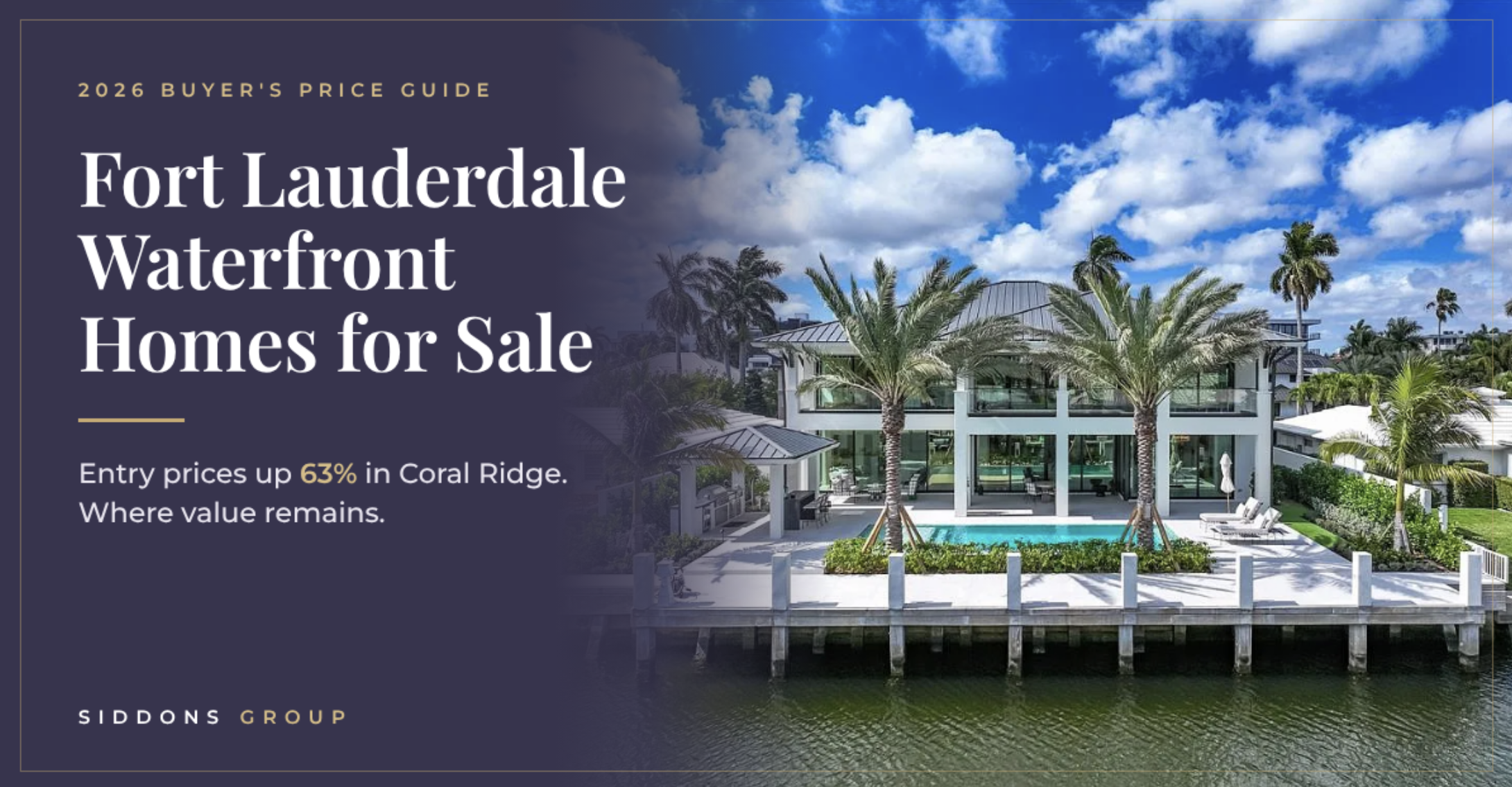
Fort Lauderdale Waterfront Homes in 2026

Greenview at Presidential Aventura
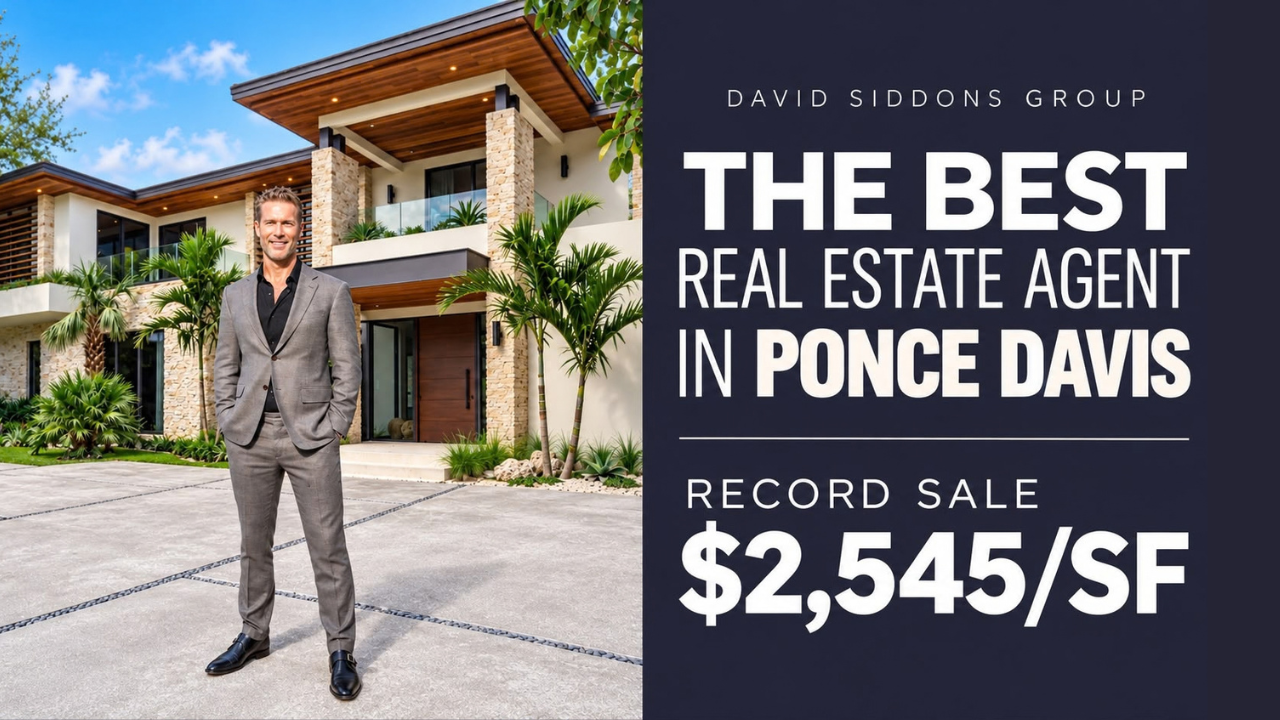
The Best Real Estate Agent in Ponce Davis
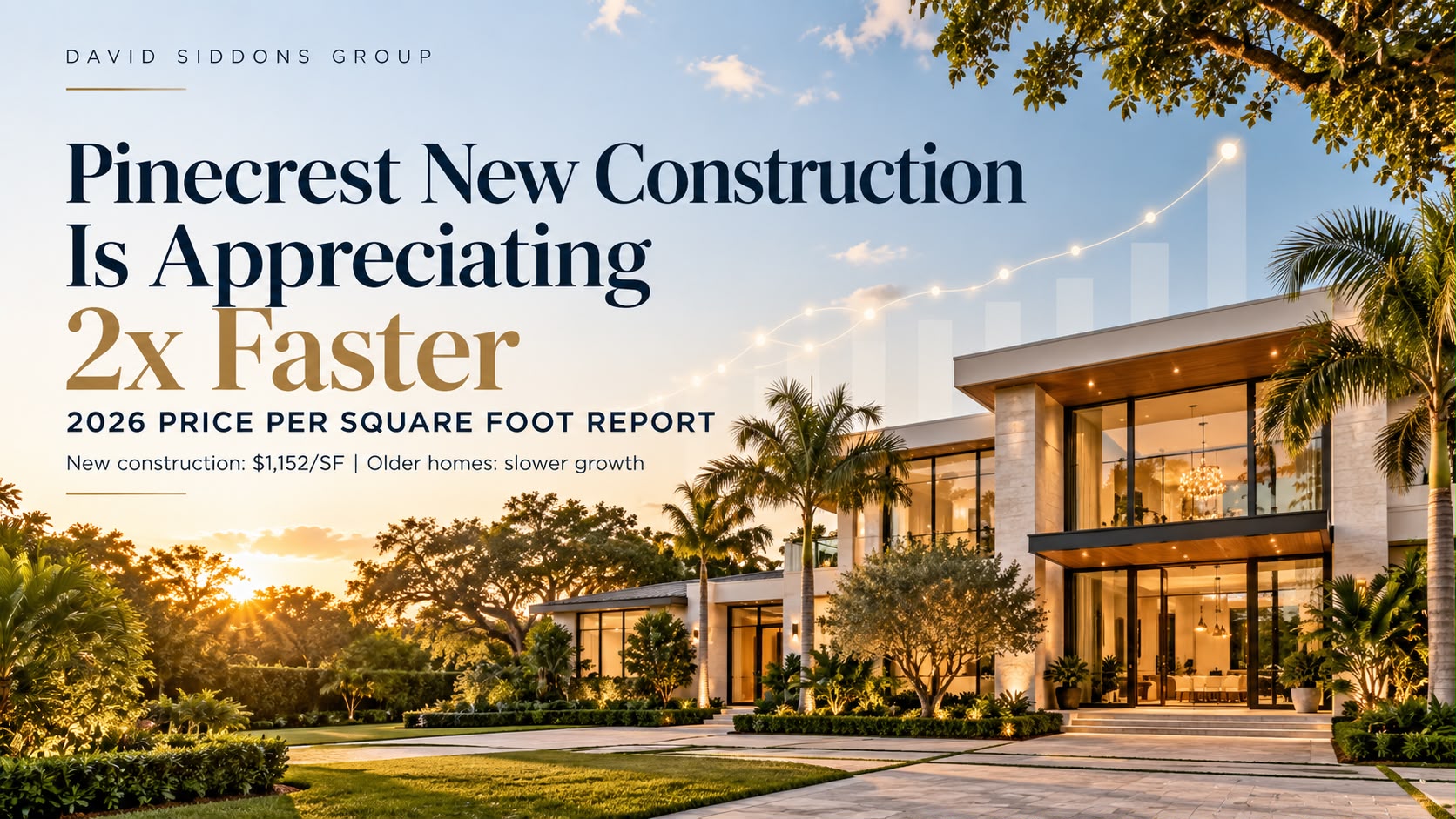
Pinecrest New Construction Is Appreciating 2x Faster Than Older Homes
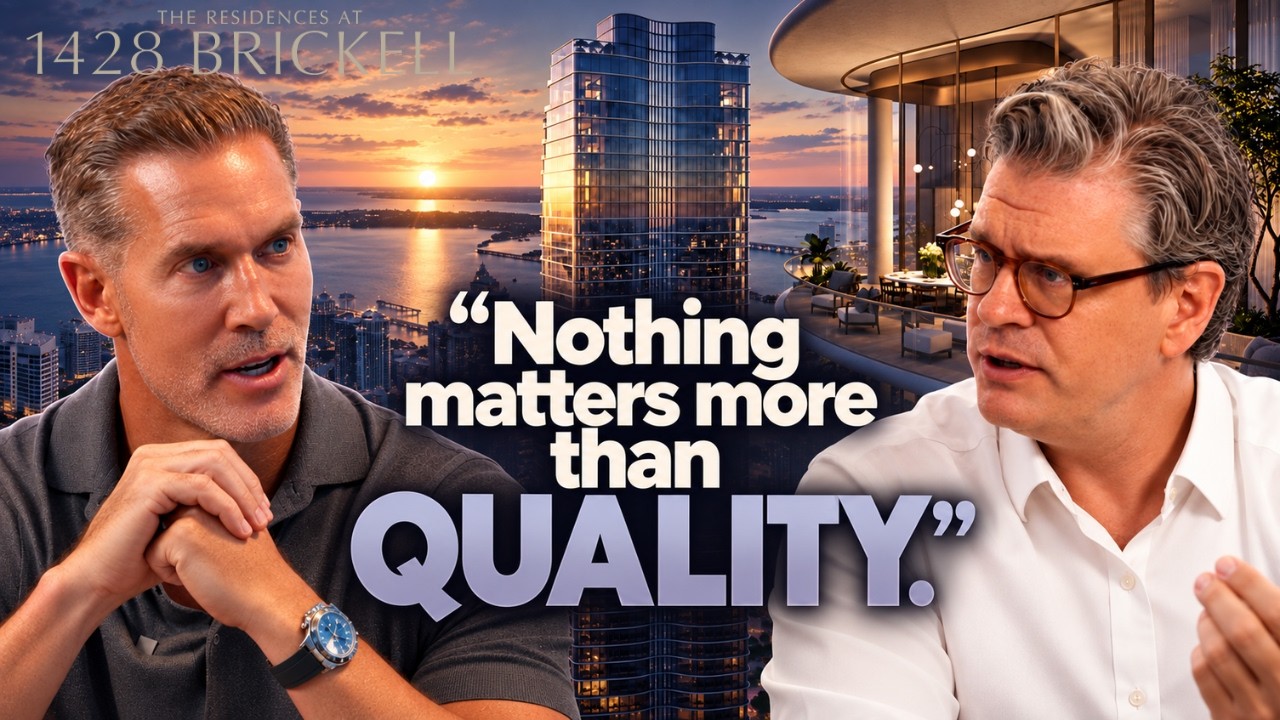
Inside 1428 Brickell: Why Ytech Skipped the Hotel Brand to Build Brickell’s Best Finishes
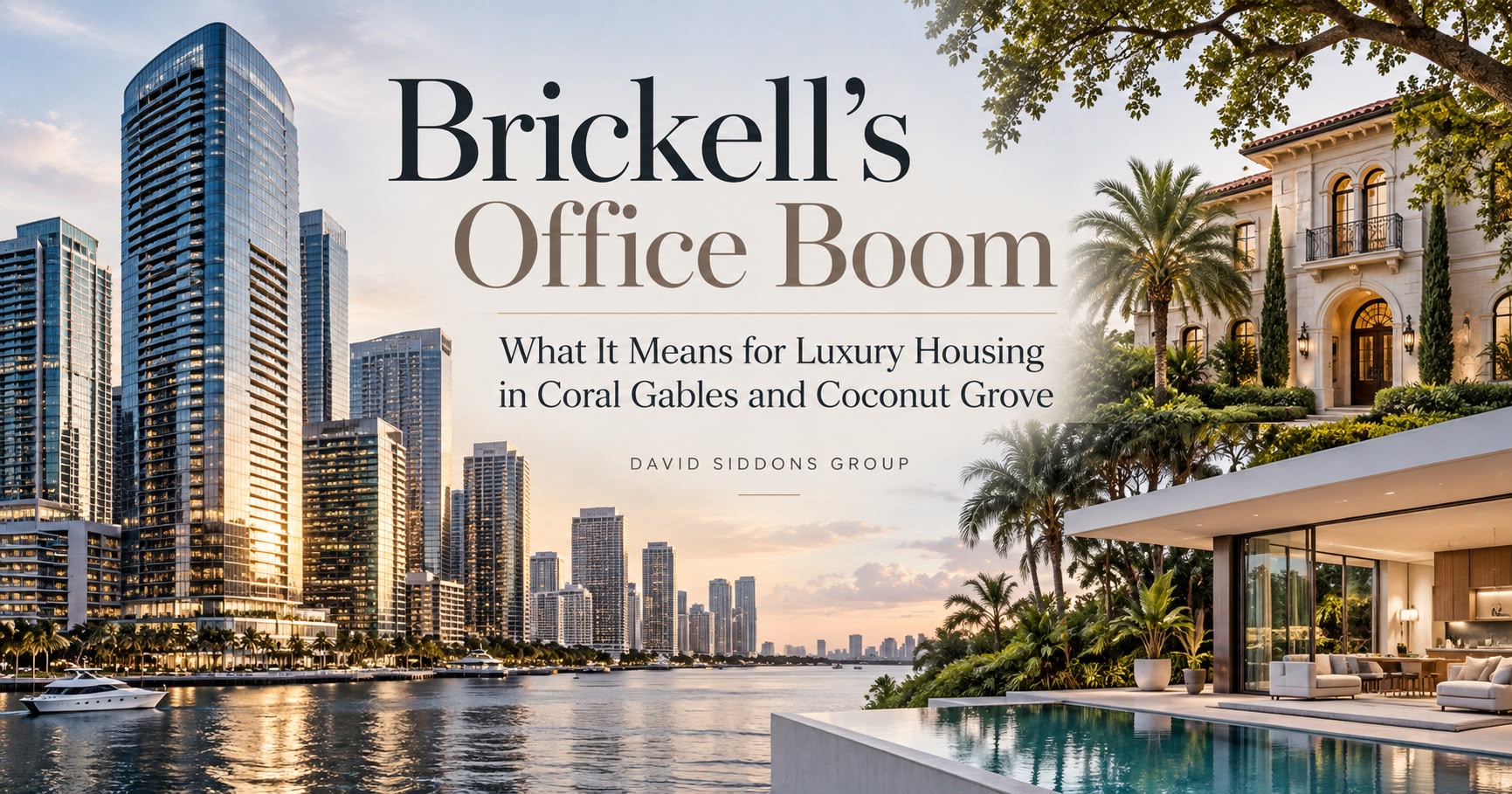
Brickell’s Office Boom: What It Means for Luxury Housing in Coral Gables and Coconut Grove
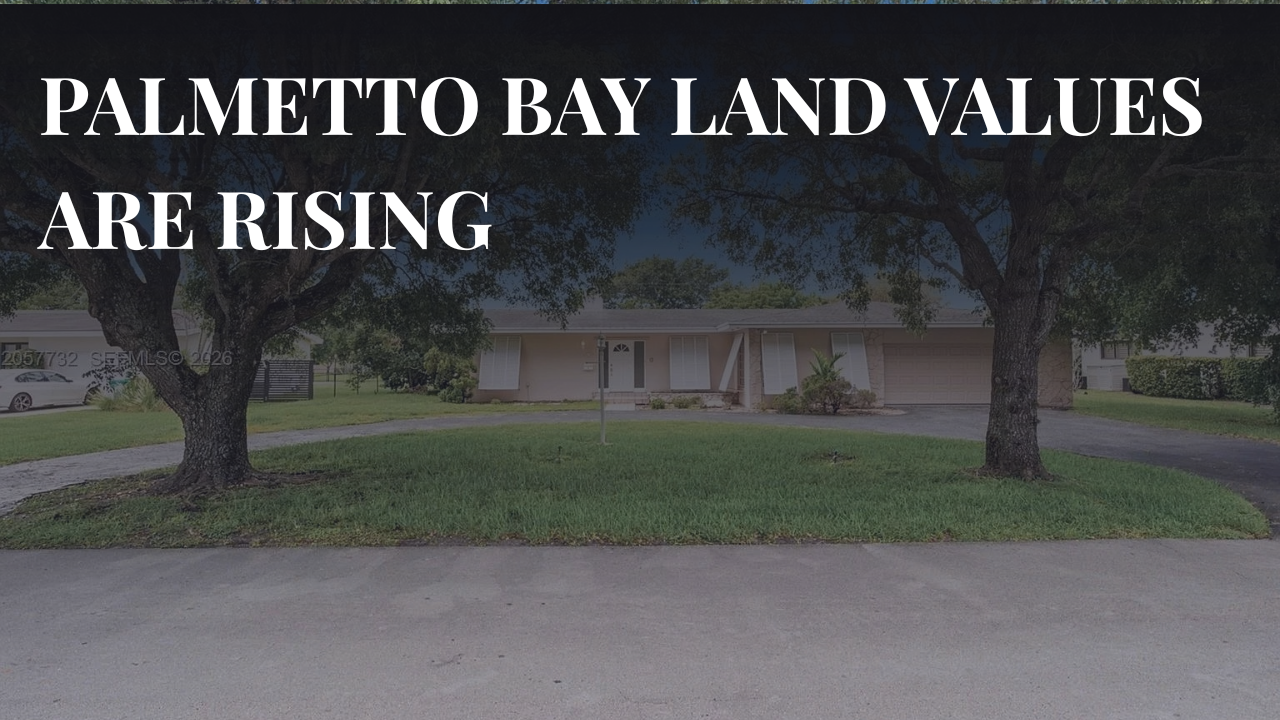
Palmetto Bay Land Values Are Rising. Is Your Home Worth More as Land?

Killian Drive: Kendall’s Luxury New Construction Corridor Hits $1,000/SF
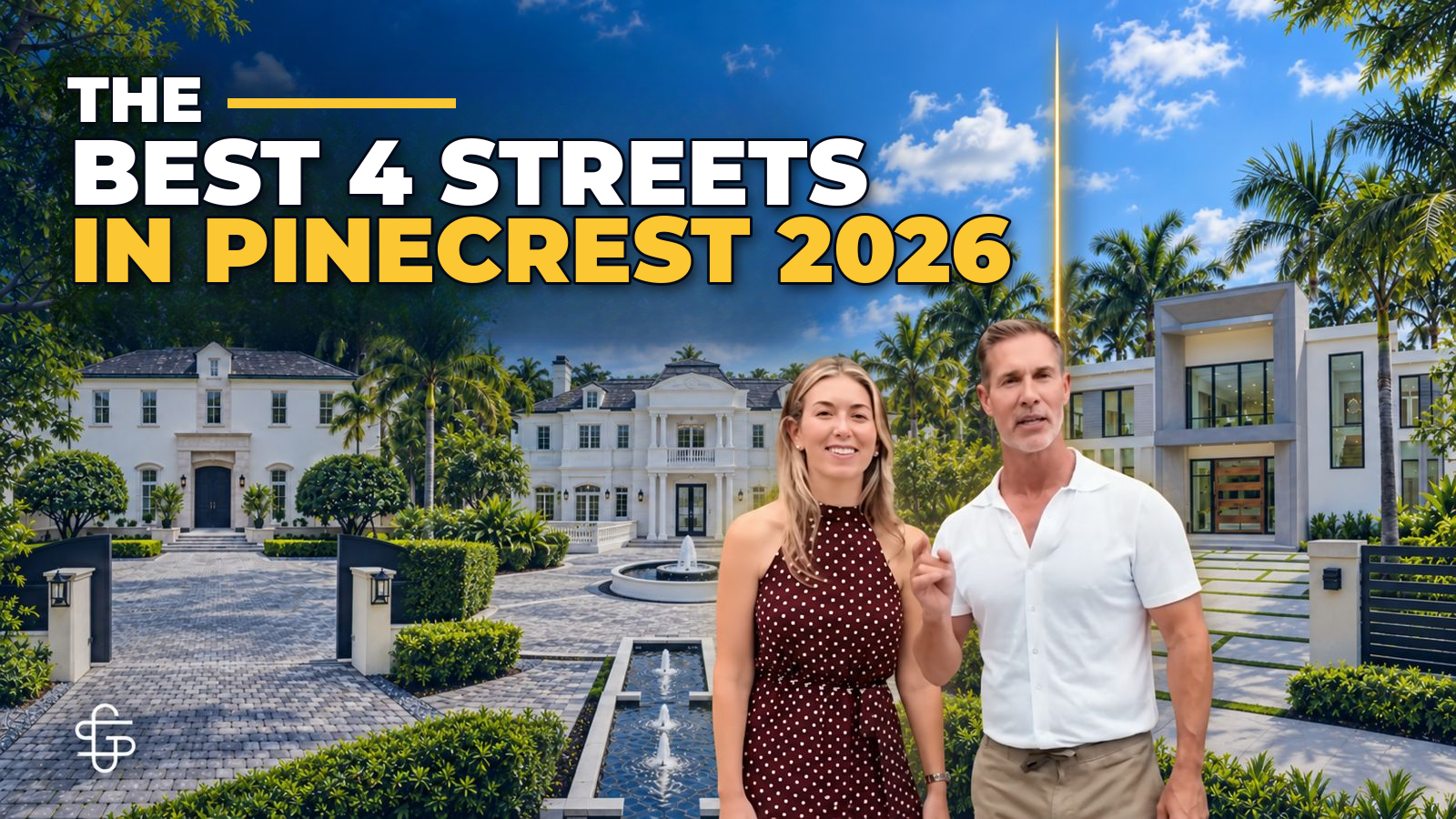
Pinecrest’s 4 Best Streets in 2026
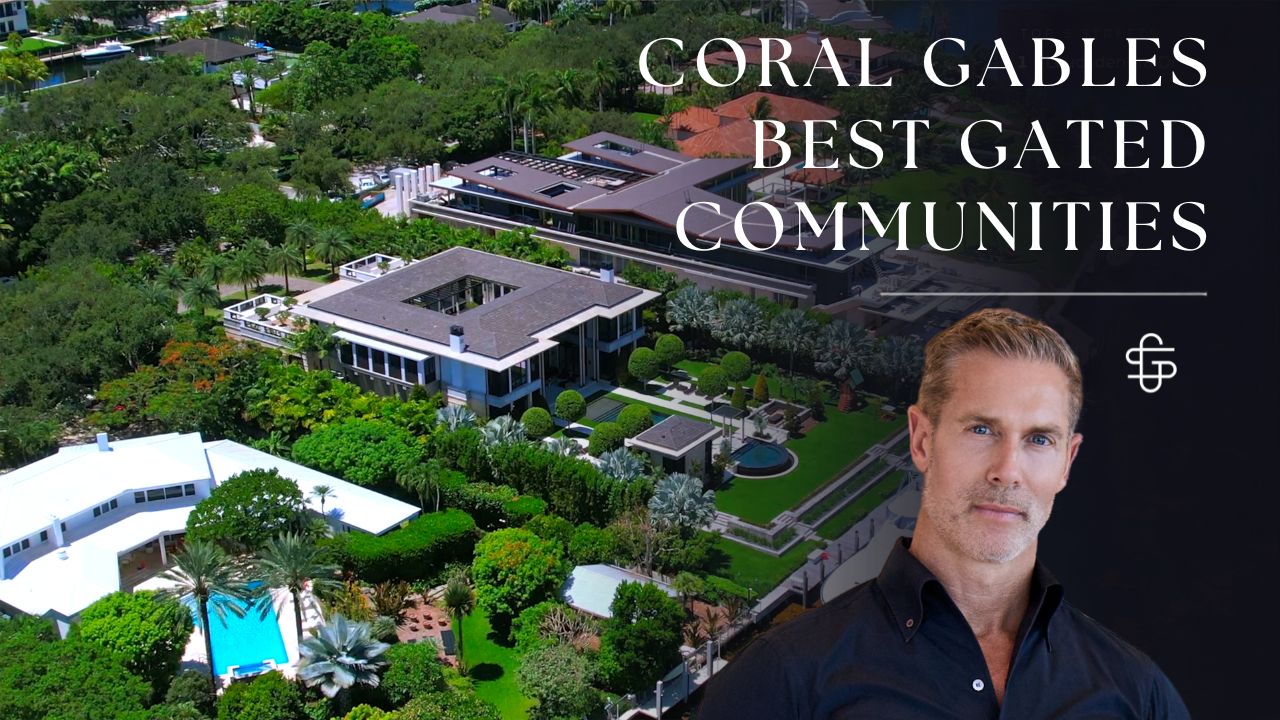
The 5 Best Luxury Streets in Miami’s Gated Communities
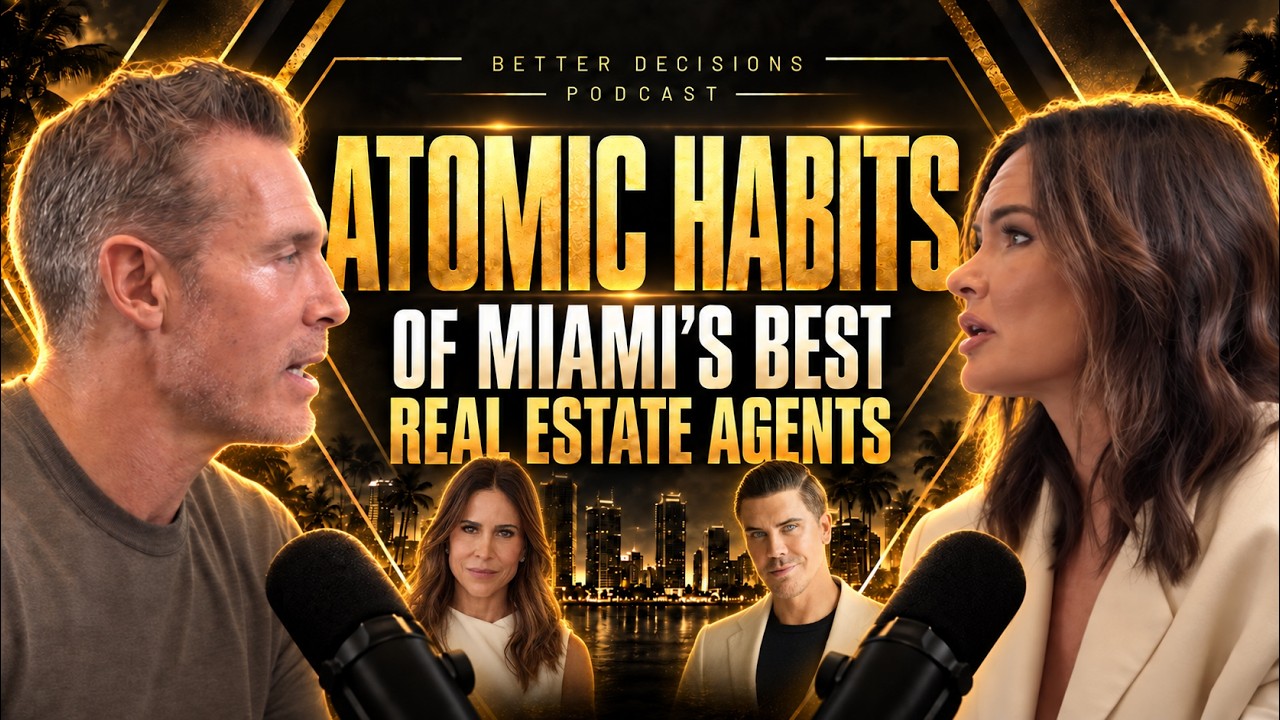
The Real Estate Team Behind the Agent: Why Systems Matter More Than Star Power
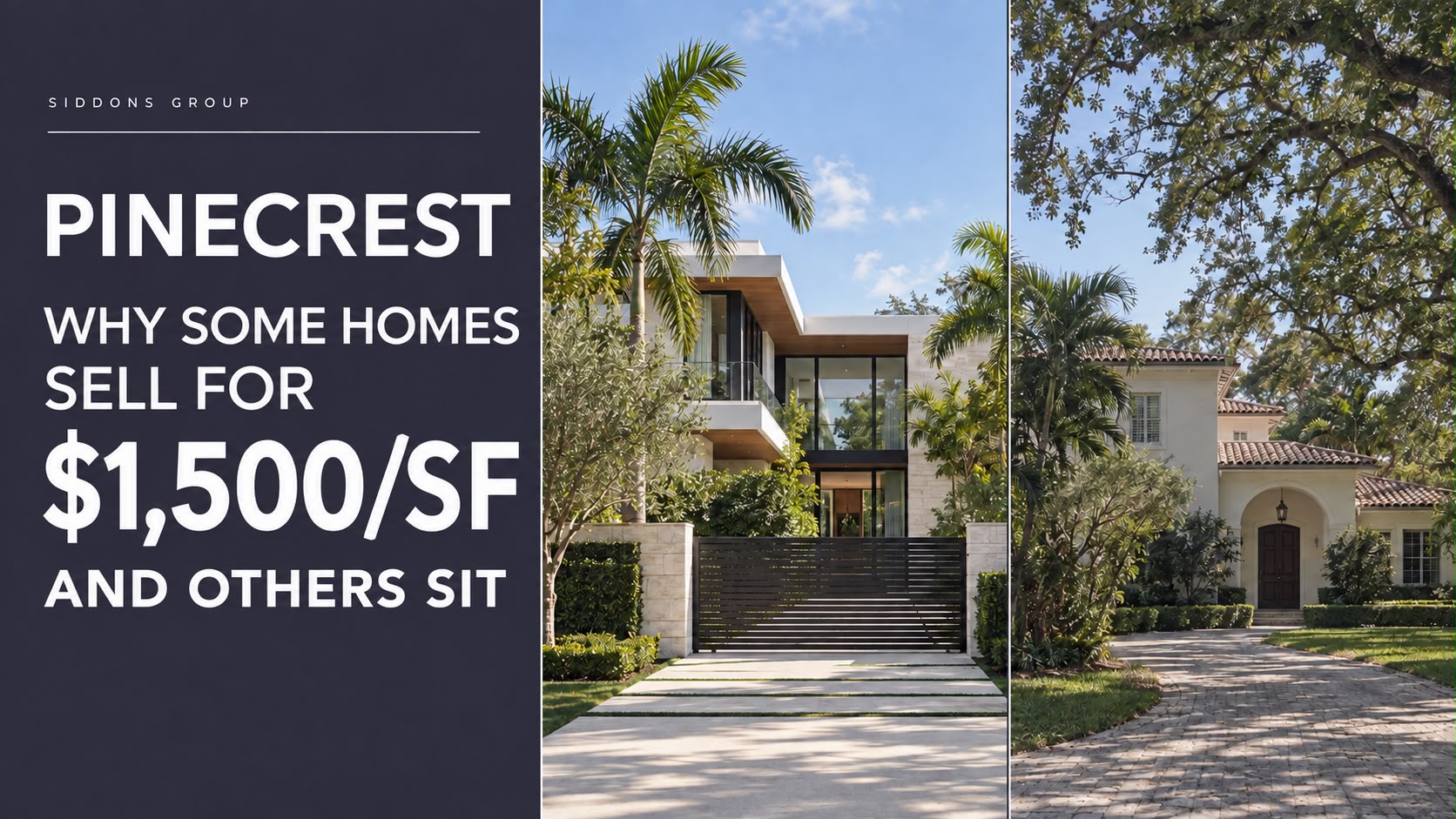
Selling a Home in Pinecrest: Why Some Homes Sell for $1,500/SF and Others Sit

We Built the Largest YouTube Audience of Any Miami Real Estate Team.
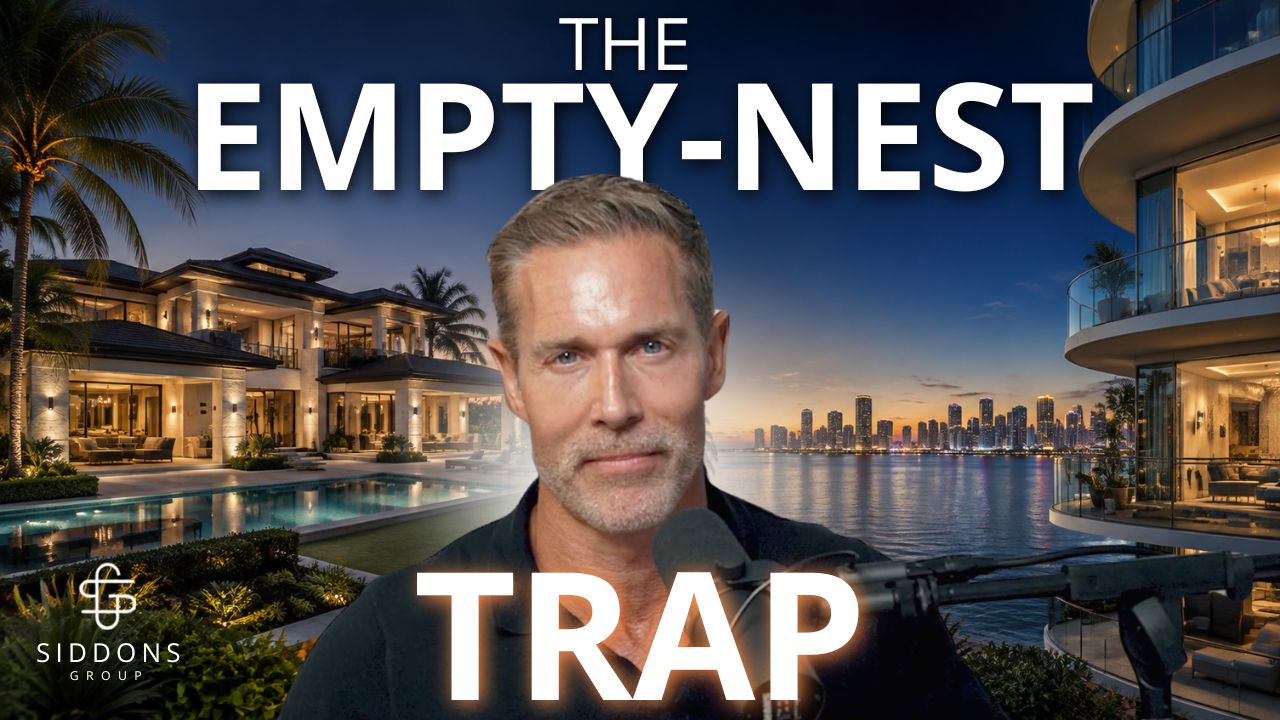
Empty Nesters in Miami: What Comes After the Big Family Home?
Please fill in your details and David Siddons will contact you

Search related videos

Are St. Regis Sunny Isles Residences Worth the Brand Premium?
Coral Gables Market Report 2025: What the Headlines Aren’t Telling You!
How David Siddons’ Power Team Drives Miami’s Luxury Market
Mid‑Year 2025 Coconut Grove Report: The Truth About What’s Selling Now
Brickell Mid‑Year Market Report 2025 | Is Brickell’s Luxury Market in Trouble?
Pinecrest Mid-Year Market Report 2025 | What’s Selling, What’s Sitting & Why
Miami Beach Condo Market Mid-Year Report 2025 | What Buyers & Sellers Need to Know
How to Lose $1M in The Miami Condo market | Top Mistakes That Cost Miami Condo Buyers Millions
The Well Project EXPOSED Coconut Grove’s Hottest Units
Miami Real Estate in 2025 Is NOT What You Think 😱 | Midyear Must Knows for Buyers & Sellers!
7 Things You Should Never Say to a Real Estate Agent in Miami!
Landmark Victoria Park Residence in Fort Lauderdale: Inside 420 NE 11th Ave 🌴✨
Luxury Living on 2355 S. Miami Ave | Fully Furnished 4-Bed Home w/ Resort-Style Pool 🏊
Is Mandarin Oriental Residences Miami a Smart Condo Investment? Prices, Floorplans, Views & Finishes


- Get our Newsletter
- Subscribe
- No Thanks
Get the latest news from Miami Real Estate News
Close
Edit Search
Close
2 of 14
Share this property
Recomend this to a friend, just enter their email below.
Close
Your email was sent successfully
Close
 COMPARE WITH CONDOGEEKS