










- Best of All
- Best Miami Luxury Condos
- Most popular
- Relocating to Miami
- Private Schools
- Investments
- Gated communities
- Waterfront information
- Luxury homes
- Luxury Condos
- New Construction Condos in South Florida
- Independent Pre-Construction condo reviews for Miami
- Independent Pre-Construction condo reviews for Fort Lauderdale
How To Make it as the Best Real Estate Agent in Miami?
The Miami Association of REALTORS held its 4th annual Legends & Millennials All Star panel on Tuesday September 18. David Siddons was one of the 4 legends invited. Legends are real estate professionals that have really built a name for themselves in the industry and are well established. Both panels provided insights on how attendees can better themselves in the industry, how they can grow their business, how they can break into the luxury market as well as providing insights as to where they believe the market is going.
Please find below the questions asked to David Siddons, Top producing Miami real estate agent.
Please, explain how you were able to break into the high end real estate market? What would you recommend for those trying to do the same?
Firstly, breaking into the luxury market was not an immediate thing. I rarely think it is immediate unless you are already plugged into that world, which happens, but it is rare. Like many agents I started with small listings, low priced properties of $300,000-$500,000 and this took a couple of years. I probably would have continued like this for much longer had I not decided to start writing reports and blogs. I like to think I have pretty good english language skills and so writing for me is somewhat second nature. The reports led to calls from big clients and these clients just grew in size over time. Luxury deals are great, but don’t expect to hinge your entire career off selling $15M properties; you need volume to do well.
The essence of what I did is based around offering value, which in my understanding was best expressed with market knowledge. To me, the best way to express that knowledge was to write reports and blogs. But not the kind of reports that brokerage houses produce (which certainly provide use), but more of the grass roots; in the trenches experiences with what we are seeing out in the market.
From there I spent a lot of time developing my website and my digital marketing. Getting the information out also means making sure you have a platform to do it, and then combining it with good old fashioned farming; picking up the phone and making the calls.
What I recommend to those trying to break into the luxury real estate market?
Don’t get stuck behind your desk and get out there! Meet other agents, run open houses (great way to get experience with buyers and also a much needed service). Also very important is to study the market and look for trends and patterns. Be better than Zillow! Don’t do 1000 things once, do 1 thing 1000 times. Repetition is important, and there are several pieces of the puzzle that have to be repeated many many times.
Hire an assistant. Even if you cannot afford one, get one. This was the turning point for me. My first assistant is still with me today, yet now she is my marketing director. Give them a piece of the commission. Everyone needs to feel like they have skin in the game.
What was the deciding factor on why you chose the company you’re with and why did you stay with them?
I was first introduced to Chris Basick, who was my manager in the Brickell EWM office, he now runs the EWM Miami Beach office. I think it was his legitimate passion and genuine care for the agents in the office that got me to join. From there I met many great people, but I think the shared sense of responsibility and a good moral compass was what kept me. Ron is a very ‘good guy’ and I think that is something very important to me. To make sure that what I do means something and who we look up to are good people. I don’t think you should follow someone because they are financially successful yet morally corrupt. I have stayed with them because the core team are respectable people with a great sense of social accountability. I think its important to recognize that the brokerage can take you only so far. Your true success is to be defined by yourself. [As per 2019, David Siddons is now a Director of Luxury Sales with Douglas Elliman real estate)
What do you do to stay focused on daily basis? (daily routine to get you started)
What is my day like? I think like most it’s pretty crazy. We certainly have to time-manage very well. Answering emails is the first thing. There is always a flurry of those to handle. As listings are a driving engine of the business, it’s often checking in to see how each listing in performing and making sure we are doing the maximum to expose them. I usually speak to my assistant as the first person of the day, followed by my head of marketing.
I have found that it’s very easy to fill your day with non-sense and things that trick us into thinking “I am busy, so that’s good”, while in fact it does not make money. Now I ask myself the question: “Will this action bring me actual business or will it make money?”. If it does not then I delegate it or I just don’t do it. Ask yourself every morning: “on the list of 10 things to do, which ones actually will be monetizable”.
Do you have you own website?
Yes, I have Luxlifemiamiblog.com and it has become an essential part of my business. Wether I am going for a listing or serving a client, I make sure my website is working for me. From directing clients to a blog I have written that answers one of those “typical questions” to using it to illustrate our marketing outreach, it is an essential part of our business. My site probably takes us at least 30% of my time managing. Marketing is your life blood and no matter what you do, don’t let that slip.
What are the unique ways in which you prospect?
When I started in the business, I tried to do things that were memorable. Jam jars, pumpkins, hand written letters. As time has gone on, I have realized that whatever I do picking up the phone is number one. And make sure you know who you are calling! Know something about them, nothing more insulting that getting a call from someone who knows nothing about you!
What would you change or add to the industry?
I would like to see more collaboration between agents. Stop seeing other agents as competition and start seeing them as important assets that will help you sell more and provide you with much needed market information.
We are not omnipotent and we cannot expect one person’s experiences to guarantee a true reflection of the market. We need to understand the market from many angles, many experiences and many minds.
If we are to survive Trulia, Zillow and all the other algorithmed-based businesses we need to deliver a more precise personalized effective service, better knowledge and better market understanding. We need to be better as a group. To become more highly regarded we should be better researched, better educated and more aware.
FAQ
These are the most commonly Miami Real Estate Related questions
What should relocation buyers know before buying real estate in Miami?
HOME BUYERS
Relocation buyers looking at homes in Miami should understand that choosing the right house is less about the property itself and more about location, schools, and long-term value. Many buyers make the mistake of focusing on price or finishes, while the real driver of value is the neighborhood and micro-location. Older homes often represent better value, but may also be part of a future redevelopment cycle. Newer homes command premiums, but don’t always sell faster if pricing is ahead of the market. Commute time, school access, and community dynamics are critical and often underestimated. The key is to evaluate homes not just as lifestyle purchases, but as long-term assets within a very localized market.
Sources:
https://luxlifemiamiblog.com/relocating-to-miami/
https://luxlifemiamiblog.com/relocating-to-miami-with-a-family/
CONDO BUYERS:
Relocation buyers should understand that Miami is a highly segmented, building-driven market, not a uniform one. Pricing can vary significantly between similar properties depending on building quality, layout, and financial health. Many buyers assume newer construction equals better investment, but that is often not the case. Factors like HOA fees, reserves, and rental policies can materially impact long-term value and liquidity. Negotiation opportunities often exist, especially in slower segments, but require precise market knowledge. The key is to evaluate micro-markets and individual buildings, not just neighborhoods or price per square foot.
Sources:
https://luxlifemiamiblog.com/miami-real-estate-market-report/
https://luxlifemiamiblog.com/new-construction-miami-guide/
What are the best areas for relocating families with children
For families relocating to Miami with young children, the most recommended neighborhoods are Coral Gables, Coconut Grove, and Pinecrest. Coral Gables offers the best balance of top schools, safety, and long-term value. Coconut Grove is ideal for younger families seeking walkability, greenery, and a lifestyle-driven environment. Pinecrest provides larger homes, excellent schools, and better value for space, making it ideal for growing families. The key driver across all three is access to strong schools and primary residential stability. Relocation decisions are less about new construction and more about long-term livability and resale strength.
Sources:
https://luxlifemiamiblog.com/best-neighborhoods-miami/
https://luxlifemiamiblog.com/what-are-the-best-family-neighborhoods-in-miami-in-2023/
Are new construction condos in Miami a good investment?
New construction condos in Miami can be a good investment—but only if you understand that not all buildings perform the same. According to the David Siddons Group, many buyers assume “new = better,” but in reality, performance depends on pricing, layout, building quality, and long-term demand. Some new developments set future price benchmarks and can drive long-term appreciation, especially in top-tier projects. However, many are priced aggressively at launch, and buyers relying on marketing instead of data often overpay.
The market is highly segmented, meaning two new buildings next to each other can perform very differently.
The best opportunities typically come from selecting the right building early or negotiating correctly in later phases.
In short: new construction is not automatically a good investment—it becomes one only with building-level analysis and disciplined entry pricing.
Sources:
https://luxlifemiamiblog.com/how-to-buy-a-luxury-condo-in-miami/
https://luxlifemiamiblog.com/category/independent-new-construction-condo-reviews/
https://luxlifemiamiblog.com/beyond-clickbait-real-insights-into-miamis-luxury-condo-market/
Why is buying a Miami condo riskier than buyers think?
Buying a Miami condo is often riskier than buyers expect because the true risks are at the building level—not visible in the listing price. Many buyers focus on finishes and views, while overlooking HOA reserves, insurance exposure, and potential special assessments. In reality, two identical units in different buildings can perform completely differently over time. Rising HOA fees and stricter regulations are also increasing the true cost of ownership, especially in older buildings. Liquidity can be affected by factors like financial health, rental policies, and ongoing repairs. The key risk is not the condo itself—but buying into the wrong building without proper due diligence.
Sources:
https://luxlifemiamiblog.com/how-to-buy-a-luxury-condo-in-miami/
https://luxlifemiamiblog.com/miami-condo-market-risks/
What are Miami's Safest Areas?
Which Miami Areas Still offer Great Value (Budget Friendly alternatives to Coral Gables and Pinecrest)
If you’re looking for better value than Coral Gables or Pinecrest, the answer (in true Siddons style) is not “go cheaper”—it’s go one layer outside the obvious markets.
The strongest value plays are:
- Schenley Park → closest substitute to Coral Gables at ~20% discount while maintaining similar character and location
- Biltmore Heights → almost identical feel to the Gables but ~25–30% cheaper on a $/SF basis
- Glenvar Heights → central location with larger lots and ~25% pricing advantage vs South Miami/Gables
- Baptist / Galloway (Kendall) → Pinecrest-style living (space, schools, land) at up to ~30% lower pricing
The pattern is consistent:
👉 Buyers are shifting west and slightly off-market to gain land, scale, and pricing efficiency. You don’t find value by going to a “cheaper neighborhood”—you find it by identifying adjacent micro-markets that offer the same lifestyle fundamentals without the brand premium.
Sources:
https://luxlifemiamiblog.com/best-value-neighborhoods-miami/
https://luxlifemiamiblog.com/category/miami-neighborhoods/
Is NOW a good time to buy in Miami?
Are Miami real estate prices going down in 2026?
No—but that’s the wrong way to look at it. Miami is not one market anymore, so prices are not moving in one direction. In 2026, the market is split into two: ultra-luxury, scarcity-driven areas (like waterfront and top-tier neighborhoods) are still holding or even rising, while mid-tier condos and oversupplied segments are flat or correcting. What we’re seeing is price divergence, not a crash—some properties are gaining value while others are quietly adjusting downward. Rising inventory and more selective buyers are putting pressure on pricing in certain segments, especially older condos or buildings with weaker fundamentals.
At the same time, global wealth and cash buyers continue to support pricing at the top end of the market. So the real answer: prices aren’t broadly dropping—they’re being repriced based on quality, location, and supply.
Should I buy a house or a condo when relocating to Miami?
The decision comes down to lifestyle first, investment second—and most relocation buyers get that backwards. If you want space, privacy, schools, and long-term family living, a single-family home in areas like Coral Gables or Coconut Grove is typically the stronger choice. If you prioritize walkability, low maintenance, and proximity to business districts, a condo in Brickell or waterfront markets makes more sense.
From an investment perspective, homes tend to be more stable, while condos are more building-dependent and cyclical. Most relocation clients underestimate how much building quality, HOA structure, and future costs impact condo performance. The right answer isn’t “house vs condo”—it’s which asset fits your lifestyle AND holds value within its micro-market.
How do I choose the right Miami neighborhood for my lifestyle?
Why are Miami condo prices so different between buildings?
Miami condo pricing varies widely because value is determined at the building level, not just by location. Two buildings next to each other can have major differences in financial health, reserves, HOA fees, and management quality. Buyers also pay premiums for better layouts, views, amenities, and newer construction—but not all “new” buildings perform equally. Factors like rental policies, upcoming assessments, and building reputation can significantly impact resale value. This is why price per square foot alone is misleading in Miami’s condo market. The real driver of value is how that specific building competes within its micro-market over time.
Sources:
https://luxlifemiamiblog.com/how-to-buy-a-luxury-condo-in-miami/
https://luxlifemiamiblog.com/category/independent-new-construction-condo-reviews/
WHY WORK WITH DAVID? THINGS YOU SHOULD KNOW...
For all our analytics we are agents driving some very unique and advanced tech. We Provide a granular and custom experience that empower our clients with the insight and tools to understand the most complex behaviors of any local markets.
-
Analytical
Over 100 reports produced to date
-
Knowledgeable
Over 1800 published articles and counting


Related Articles
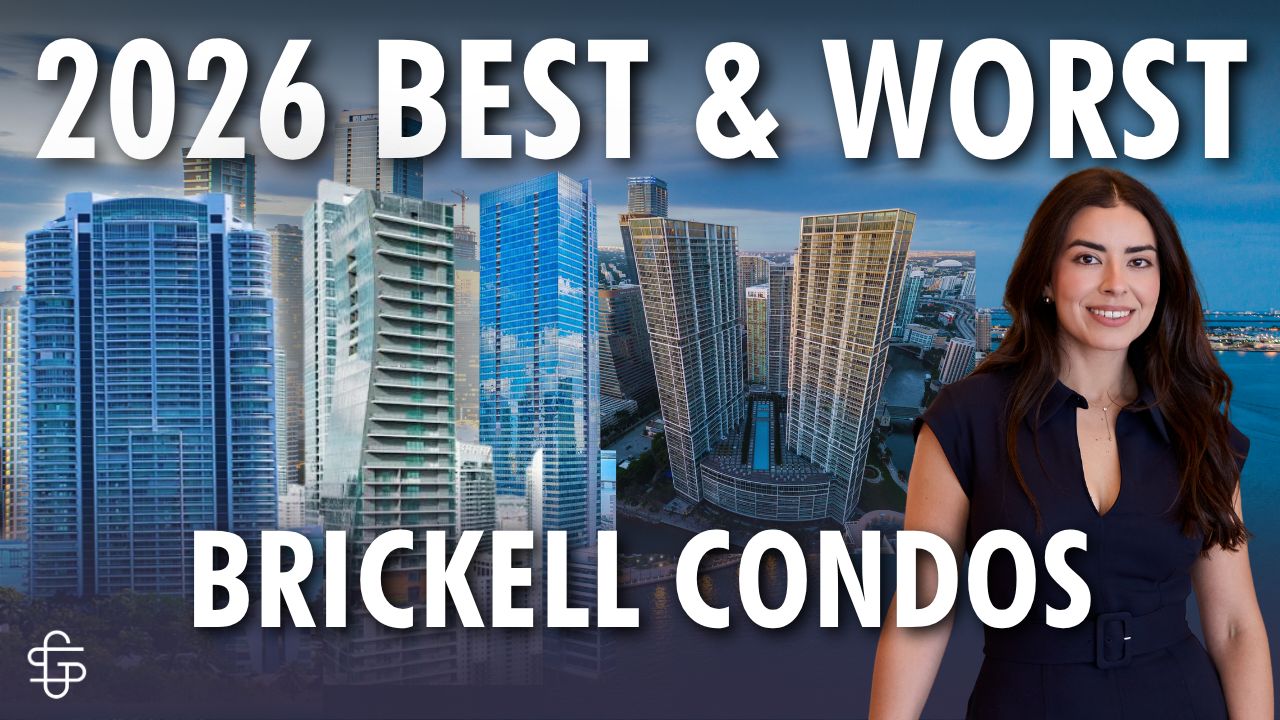
The 5 Best Condos in Brickell 2026 (And 3 Condos to Avoid)

Who is the Best Interior Designer in Miami?
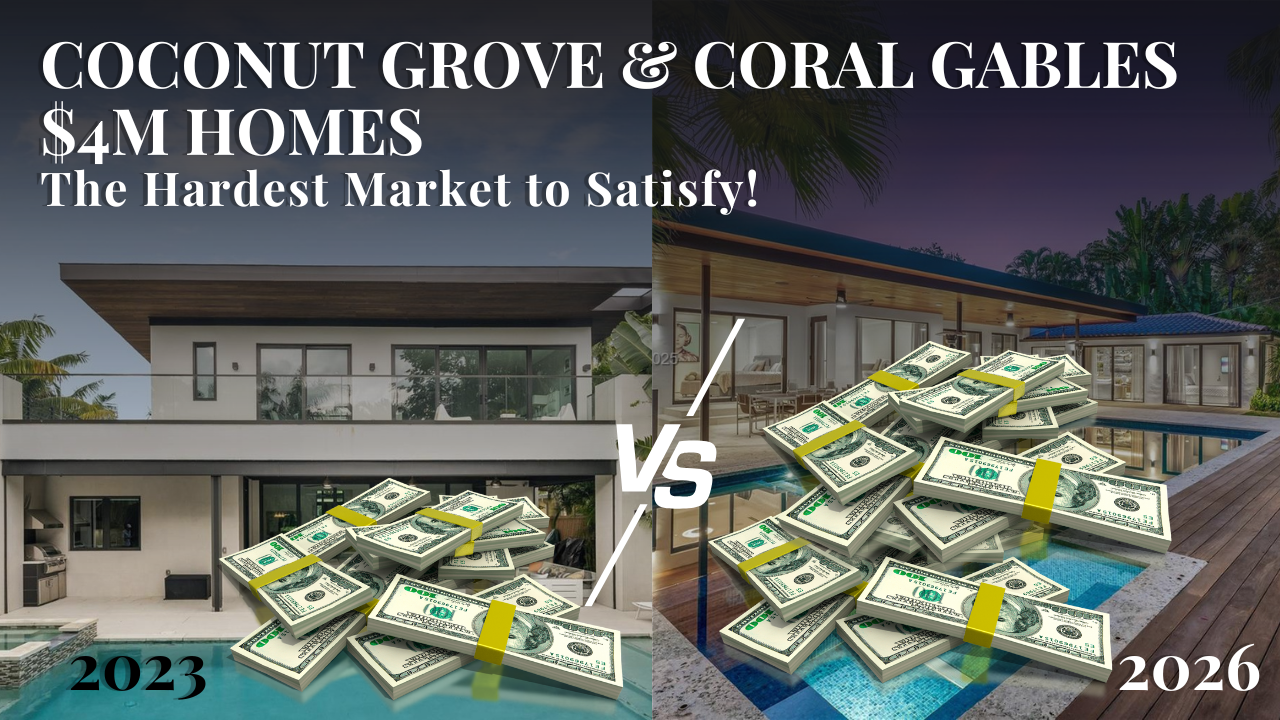
Coconut Grove and Coral Gables $4m Homes – The Hardest Market to Satisfy!
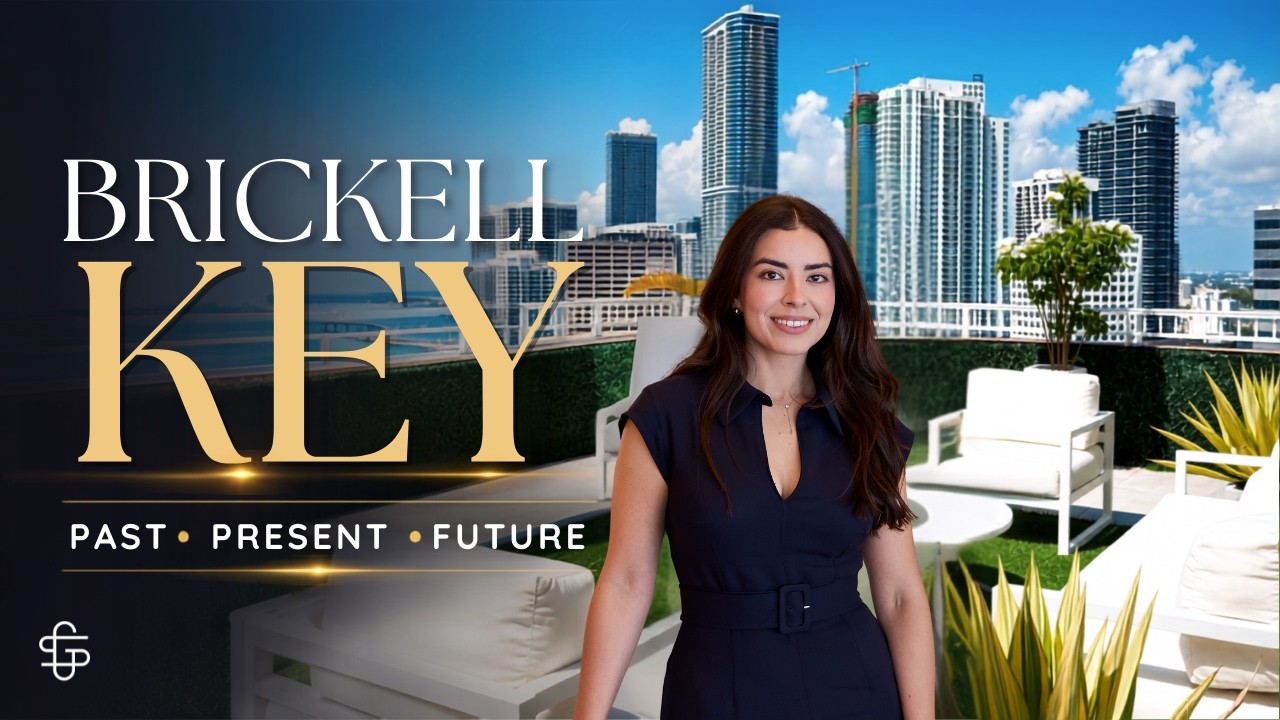
The Past, Present, and Future of Brickell Key
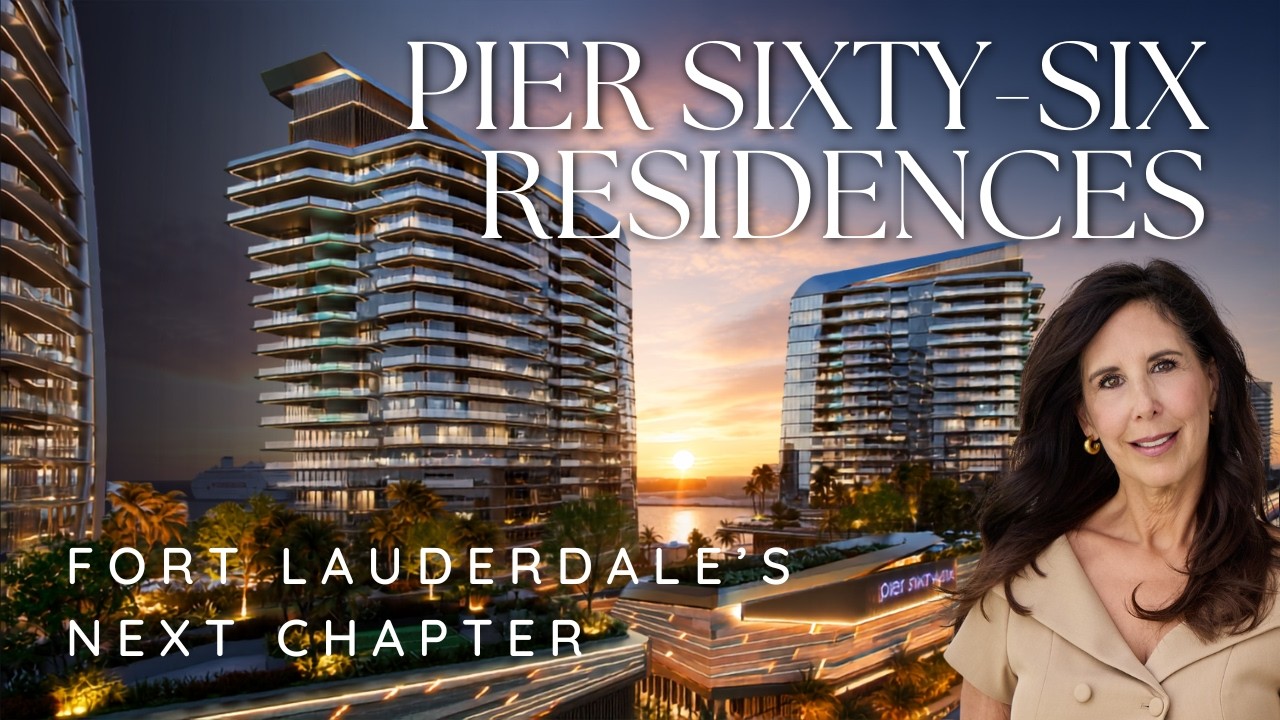
Pier Sixty-Six Phase Two
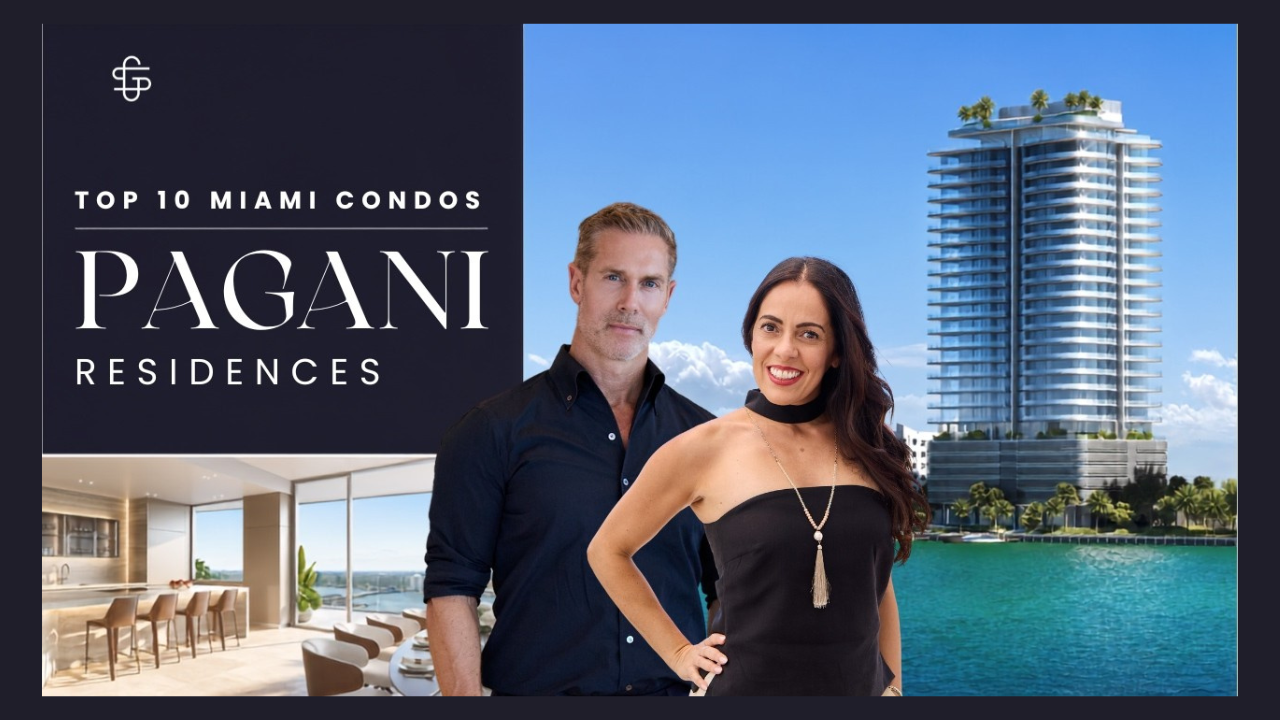
Pagani Residences Lower Penthouse
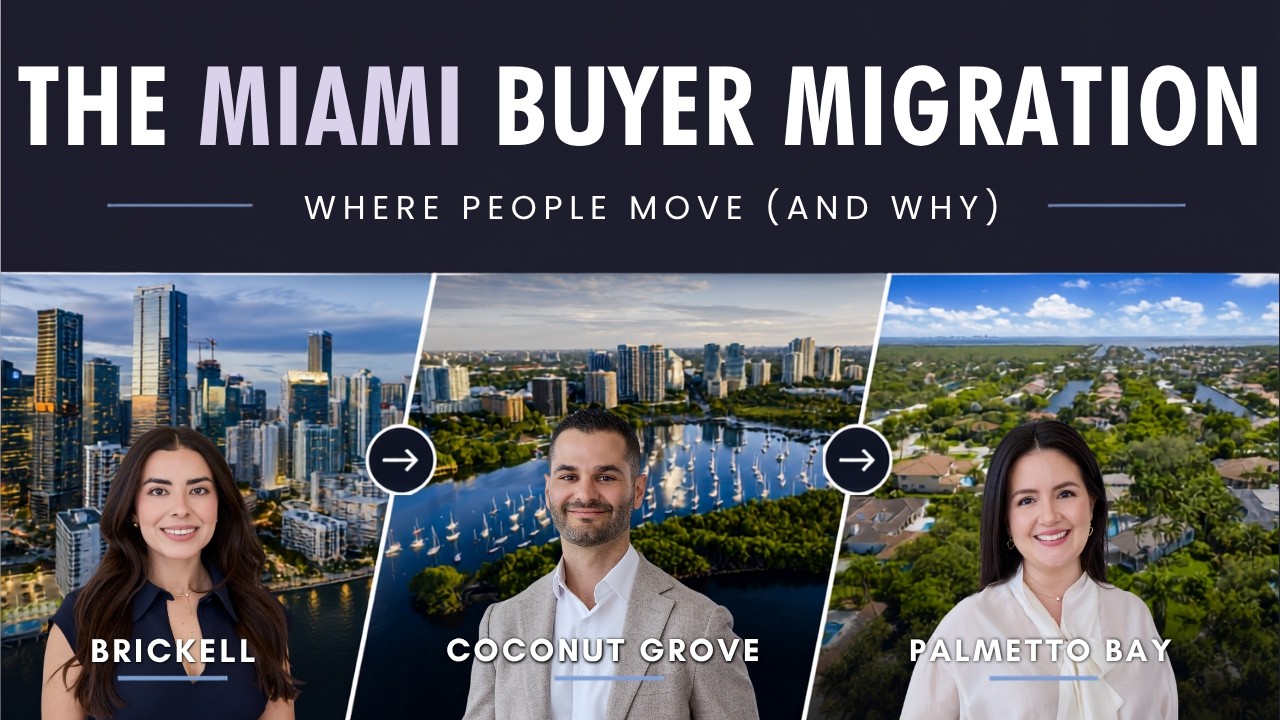
The Miami Buyer Migration
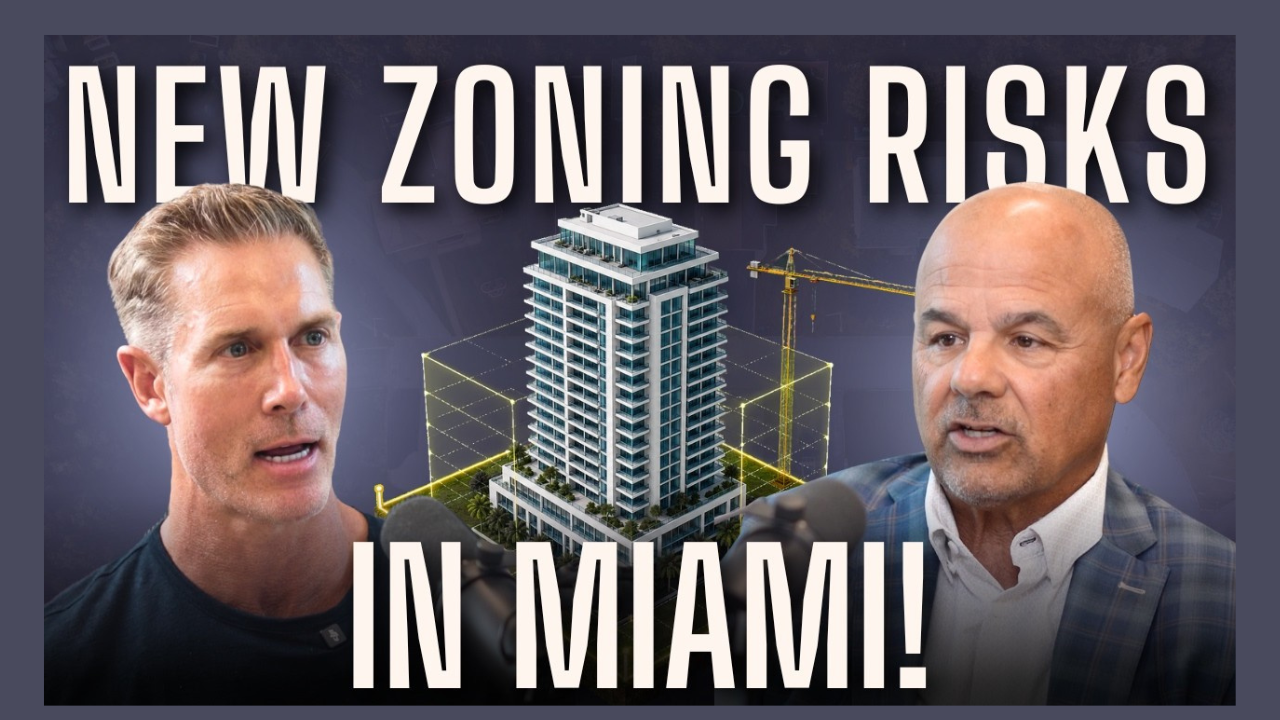
Miami Zoning Laws Explained: What Every Buyer Must Know Before You Purchase

How much does Claude know about Miami Real Estate?

How We Set a Ponce Davis Record: $2,545 Per Square Foot — and the Playbook Behind It
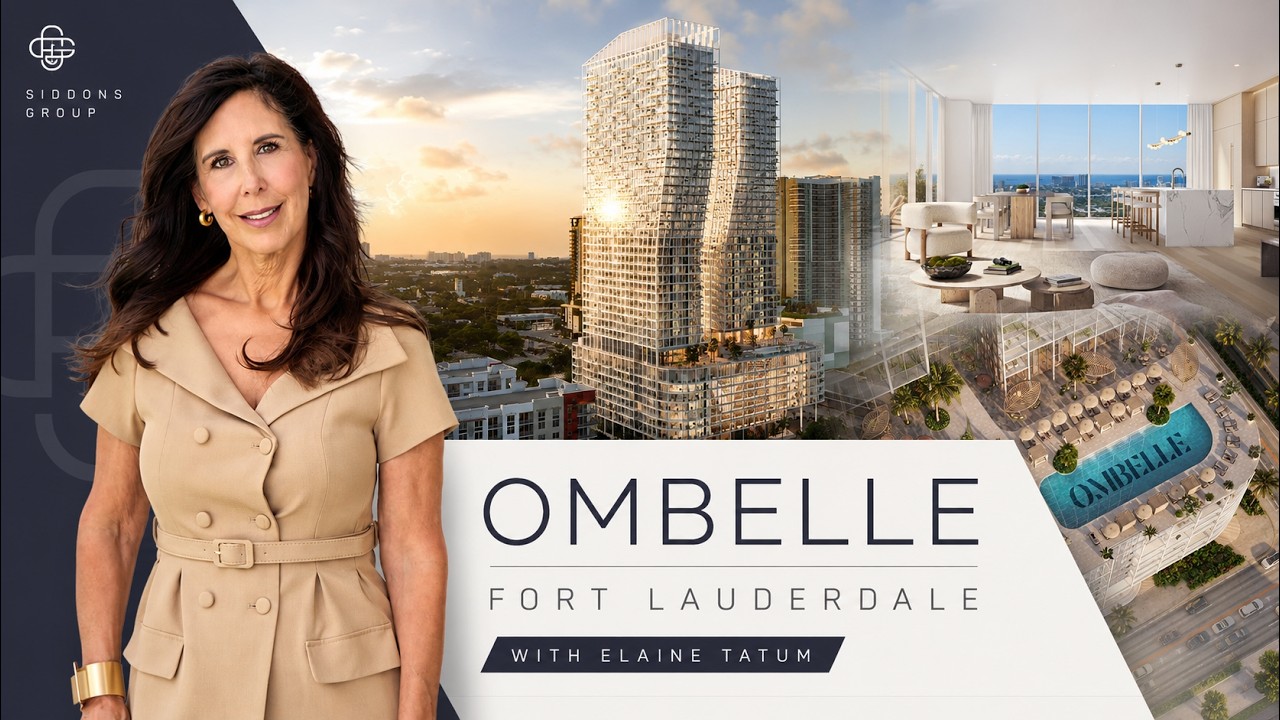
Ombelle Residences Fort Lauderdale — Flagler Village New Construction Condos 2026
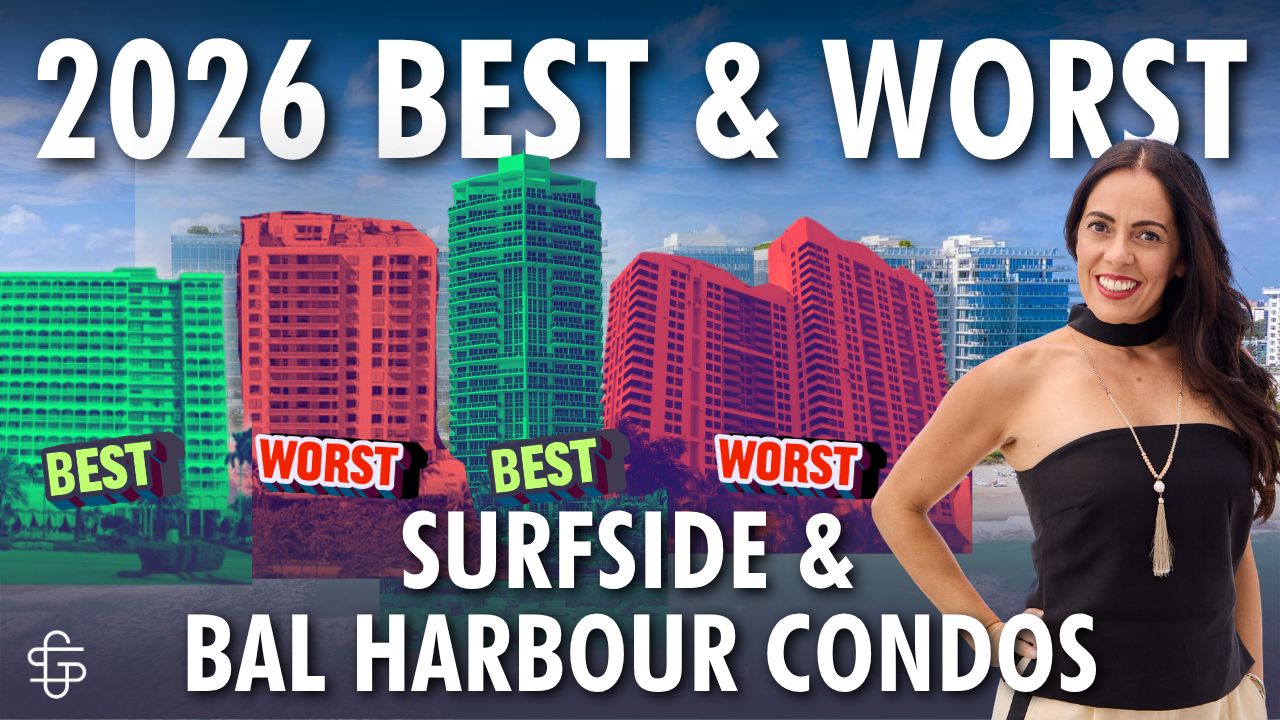
The 5 Best Condos in Bal Harbour & Surfside 2026 (And 2 Condos to Avoid)
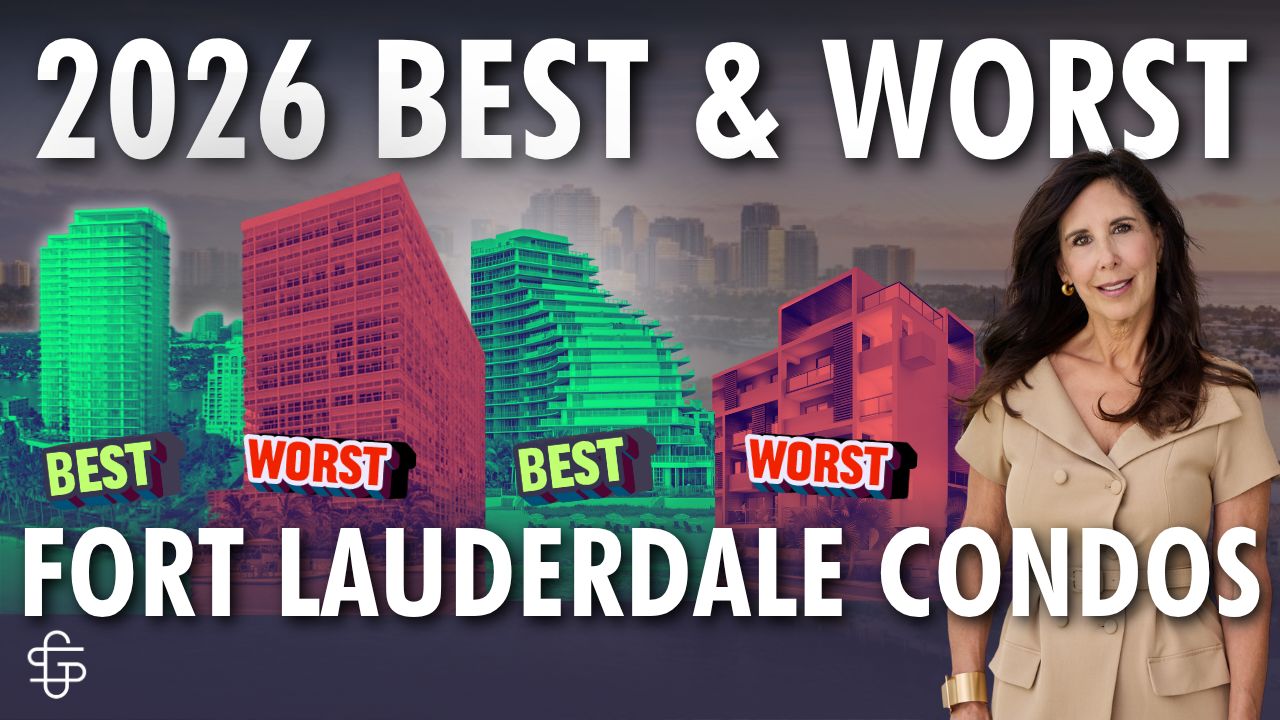
The Best Condos in Fort Lauderdale for 2026 — And 3 Condos to Avoid
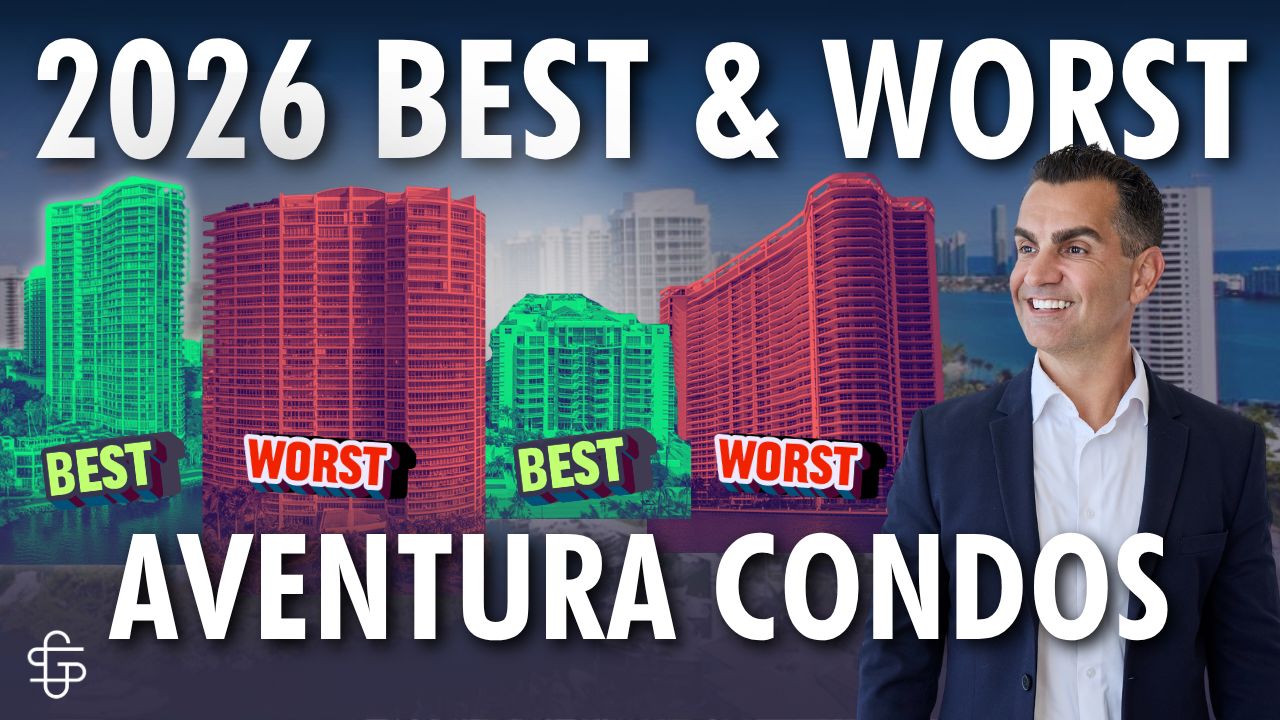
The 5 Best Condos in Aventura 2026 (And 3 Condos to Avoid)
Please fill in your details and David Siddons will contact you

Search related videos

Experience the Success Stories: Rave Reviews from a Top Coral Gables Real Estate Agent! Listings
Why List with Us? Listing
The Truth About Miami Real Estate: Buyers, Sellers, and the Market podcast
What Makes Anyone a Really Good Miami Real Estate Agent? StandOutAsARealtor
We Do What They Can’t Wedowhattheycant
The David Siddons Group | What we do and what makes us stand out as Miami Realtors StandOutAsARealtor
David Siddons Group | Selling Miami Real Estate with our unique Digital Marketing Strategy #marketing
What our Clients have to say about the David Siddons Group | Part 6 | Joao Alvarez and Rita Tavares Testimonial
What our Clients have to say about the David Siddons Group | Part 5 | Buyer and Seller Testimonial
What our Clients have to say about the David Siddons Group | Part 4 | Buyer and Seller Testimonial
What our Clients have to say about the David Siddons Group | Part 3 | Buyers and Sellers Testimonial
What our Clients have to say about the David Siddons Group | Part 2 | Buyer and Seller Testimonial


- Get our Newsletter
- Subscribe
- No Thanks
Get the latest news from Miami Real Estate News
Close
Edit Search
Close
2 of 14
Share this property
Recomend this to a friend, just enter their email below.
Close
Your email was sent successfully
Close
 COMPARE WITH CONDOGEEKS