














- Best of All
- Best Miami Luxury Condos
- Most popular
- Relocating to Miami
- Private Schools
- Investments
- Gated communities
- Waterfront information
- Luxury homes
- Luxury Condos
- New Construction Condos in South Florida
- Independent Pre-Construction condo reviews for Miami
- Independent Pre-Construction condo reviews for Fort Lauderdale
Fort Lauderdale Waterfront Homes For Sale Buying Guide
The Buyers Guide to Fort Lauderdale Waterfront Homes
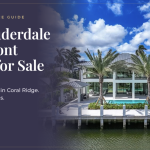
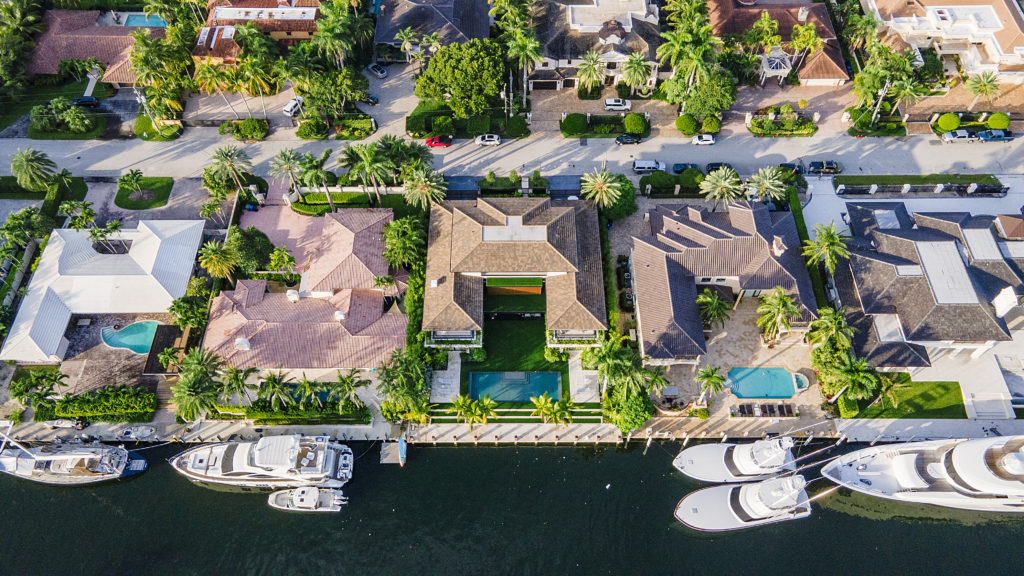
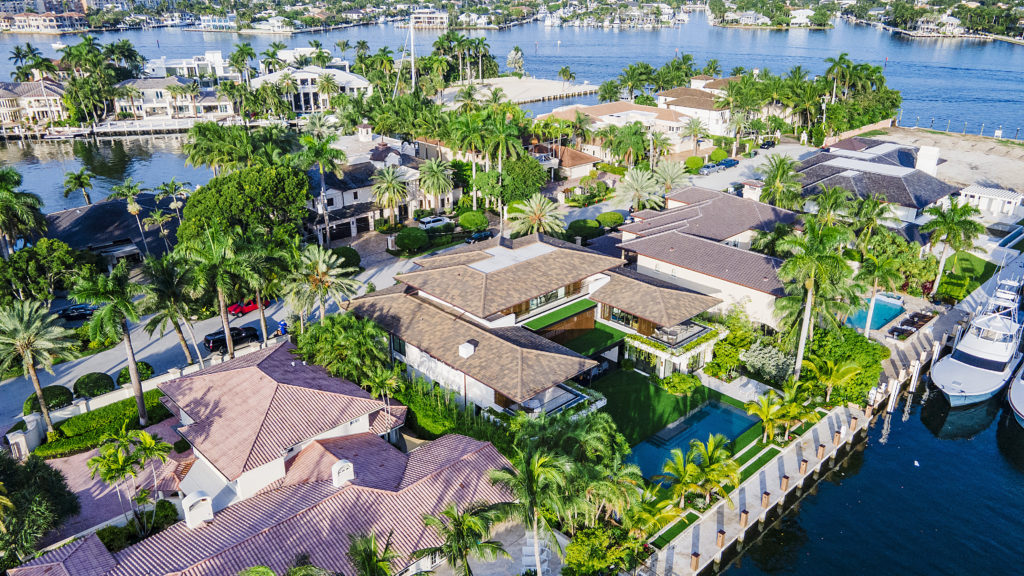
Hello and welcome to the Fort Lauderdale Waterfront Homes For Sale Buying Guide. In this blog, we will review important waterfront home buying considerations. Living on the water dramatically appeals to anyone who owns a boat, is seeking a waterfront lifestyle, or loves a waterfront view. Fort Lauderdale is a city unlike any other in the United States. It offers miles of navigable waterways giving Fort Lauderdale designations such as Boating Capital of the World and Venice of America. We will guide you through the essential considerations when purchasing a waterfront home in Fort Lauderdale.
Six Reasons Fort Lauderdale Offers the Best Waterfront Lifestyle
- Location: Fort Lauderdale offers 165 miles of navigable waterways plus ocean access.
- Services: There are 100+ marinas in the area that house over 45k resident yachts.
- Community: There are 50k+ vessels registered in the Fort Lauderdale area.
- Homes: Waterfront homes and condos line the waterways and provide private dockage and waterway access.
- Fort Lauderdale International Boat Show: FLIBS is the largest in-water boat show in the world.
- Destinations: There are many options for raft-up waterfront dining, sandbar gathering spots, and the Bahamas. Plus the many yacht clubs in the area.
Buying a Waterfront Home in Fort Lauderdale
In this section of the Fort Lauderdale Waterfront Home Guide, we will review items to consider for bringing home a boat. The David Siddons Group can expertly assist with your waterfront home purchase. As mentioned in the video, these are some important aspects we look out for:
Dock Condition
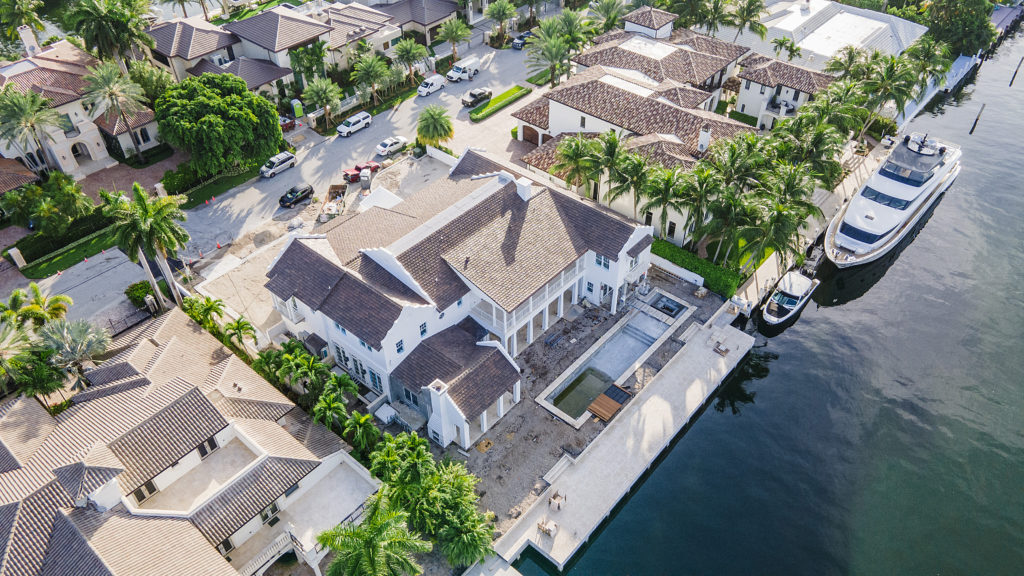
When you are looking at Fort Lauderdale waterfront homes for sale the condition and age of the dock are essential. There are various materials used in the construction of docks. Each type of material brings a different value, strength, and longevity to the dock. Docks made from concrete are perhaps the most expensive and durable option; composite material docks would be the next level of quality, followed by wood docks with pressure-treated wood decking. The main differences between composite material decking and wood decking are maintenance and cost. Pressure-treated wood decking looks great at first but eventually will require care for mold and rot versus composite decking, which is low maintenance, mold, and rot resistant. Some concrete & composite docks come with warranties. Be sure to include a request for a warranty transfer at the purchase closing.
Dockside Power and Water
Another dock feature you should check is dockside power and water. These options are convenient for most boats but necessary for larger vessels. You should make sure to include an inspection of the dock construction, dockside power, and water in your due diligence inspection before purchase.
Setbacks
Every waterway in Fort Lauderdale has specified setbacks for docking a boat. Setbacks are calculated from the property line at the bow and stern sides of the vessel. Typical setbacks are 5 feet or 10 feet from each end. So, for example, if you plan to dock an 80-foot boat in a neighborhood with a setback of 10 feet, you will need a home with a minimum of 100 feet of waterfront. This minimum would allow enough space for the vessel and the 10 feet of setbacks on each end of the boat.
Canal Width
The Beam of your boat will determine the width of the canal that your boat will require. The 30% rule will apply to all canals in Fort Lauderdale. The 30% rule informs that a vessel cannot take up more than 30% of the canal width. This rule is calculated from the seawall. Riparian Rights are legally governed in Florida, so it is best to confirm the width of the canal if you think your vessel is close to the 30% measurement.
Canal Depth
The draft measures the minimum water depth your boat can safely navigate. The canal depths will vary throughout the waterways of Fort Lauderdale. Some neighborhoods have canal depths as low as five feet and others up to eleven feet. It is best to thoroughly investigate the requirements of your boat and match it with the canal access to the home. The published depths sometimes are not always accurate due to sediment in the canals. Sediment buildup is a natural occurrence and can change the canal depth over time.
Seawalls
No matter if the home is new construction, the seawall should be inspected before purchase. Seawalls tend to develop cracks and become damaged over time. Repairing a seawall is not an inexpensive proposition, and the condition of the seawall is a fundamental consideration when making a purchase offer. It is also important to note that Broward County has passed an ordinance that states: Tidal flood barriers shall have a minimum elevation of five (5) feet NAVD88. Applications for new or substantially repaired, or substantially rehabilitated tidal flood barriers submitted before January 1, 2035, may be permitted a minimum elevation of four (4) feet NAVD88, if designed and constructed to accommodate a minimum height of five (5) feet NAVD88 by January 1, 2050. This height is significant to consider when purchasing an older home. Seawall construction costs are currently averaging approximately $700 per foot to raise to the new level.
Bridge Access
Not all bridges open to allow access to boating traffic. It is essential to know if your boat can navigate the waterways unhindered. The term “fixed Bridge” refers to a bridge that does not open. The bridge heights are published to confirm height sufficiency.
How to Minimize Environmental Impacts to a Waterfront Home
The marine environment is beautiful, but the effects of location, sun exposure, salt, wind, and moisture can damage a property. These are some of the environmental considerations that will add value, enjoyment, and peace of mind to a waterfront home.
Storm Protection: Additional storm protection adds value and peace of mind to a home purchase. Impact Windows are one way to improve storm protection. However, they are an investment purchase. Not all impact windows are the same. There is a minimum standard for all newly installed impact windows in South Florida. Make sure you purchase from a qualified provider that pulls a permit. Pulling a permit ensures that a Code Inspector will verify that the windows meet the minimum required standard. Most homeowners are confused by the impact window ratings. Here is a link from Alco Windows that helps explain the different window ratings.
Marine Grade Materials: When purchasing a waterfront home, check the exterior for marine grade materials. The materials that hold up best due to salt and sun exposure are stainless steel, aluminum, and powder-coated metals. These are considerations when selecting outdoor fixtures, fans, appliances, and AC covers.
Waterway Activity: Property located on busy, trafficked waterways can be subject to the seawall degrading faster than a seawall on a quieter canal.
Location on Canal: Property near a canal terminus can be affected by stagnated water or a buildup of debris in the canal waterway. Typically properties located at the terminus are the least valued on a canal waterway, and properties on canal point lots are the most valuable.
Top Waterfront Neighborhoods in Fort Lauderdale
Coral Ridge Waterfront Homes for Sale
Harbor Beach Waterfront Homes for Sale
Bay Colony Waterfront Homes for Sale
Las Olas Waterfront Homes for Sale
Rio Vista Waterfront Homes for Sale
Get to Know the David Siddons Group
We are the David Siddons Group, a top ranking group of real estate experts that sell throughout South Florida. We are known for our analytical expertise and depth of real estate knowledge. Our team of Territory Sales Directors offer detailed insight and expertise for their respective areas.
Elaine Tatum is the David Siddons Group Sales Director for Fort Lauderdale, a waterfront sales expert and author of this blog. Get to know more about us on our award winning website. Luxlifemiamiblog.com was voted THE BEST in South Florida by our peers.
FAQ
These are the most commonly Miami Real Estate Related questions
What should relocation buyers know before buying real estate in Miami?
HOME BUYERS
Relocation buyers looking at homes in Miami should understand that choosing the right house is less about the property itself and more about location, schools, and long-term value. Many buyers make the mistake of focusing on price or finishes, while the real driver of value is the neighborhood and micro-location. Older homes often represent better value, but may also be part of a future redevelopment cycle. Newer homes command premiums, but don’t always sell faster if pricing is ahead of the market. Commute time, school access, and community dynamics are critical and often underestimated. The key is to evaluate homes not just as lifestyle purchases, but as long-term assets within a very localized market.
Sources:
https://luxlifemiamiblog.com/relocating-to-miami/
https://luxlifemiamiblog.com/relocating-to-miami-with-a-family/
CONDO BUYERS:
Relocation buyers should understand that Miami is a highly segmented, building-driven market, not a uniform one. Pricing can vary significantly between similar properties depending on building quality, layout, and financial health. Many buyers assume newer construction equals better investment, but that is often not the case. Factors like HOA fees, reserves, and rental policies can materially impact long-term value and liquidity. Negotiation opportunities often exist, especially in slower segments, but require precise market knowledge. The key is to evaluate micro-markets and individual buildings, not just neighborhoods or price per square foot.
Sources:
https://luxlifemiamiblog.com/miami-real-estate-market-report/
https://luxlifemiamiblog.com/new-construction-miami-guide/
What are the best areas for relocating families with children
For families relocating to Miami with young children, the most recommended neighborhoods are Coral Gables, Coconut Grove, and Pinecrest. Coral Gables offers the best balance of top schools, safety, and long-term value. Coconut Grove is ideal for younger families seeking walkability, greenery, and a lifestyle-driven environment. Pinecrest provides larger homes, excellent schools, and better value for space, making it ideal for growing families. The key driver across all three is access to strong schools and primary residential stability. Relocation decisions are less about new construction and more about long-term livability and resale strength.
Sources:
https://luxlifemiamiblog.com/best-neighborhoods-miami/
https://luxlifemiamiblog.com/what-are-the-best-family-neighborhoods-in-miami-in-2023/
Are new construction condos in Miami a good investment?
New construction condos in Miami can be a good investment—but only if you understand that not all buildings perform the same. According to the David Siddons Group, many buyers assume “new = better,” but in reality, performance depends on pricing, layout, building quality, and long-term demand. Some new developments set future price benchmarks and can drive long-term appreciation, especially in top-tier projects. However, many are priced aggressively at launch, and buyers relying on marketing instead of data often overpay.
The market is highly segmented, meaning two new buildings next to each other can perform very differently.
The best opportunities typically come from selecting the right building early or negotiating correctly in later phases.
In short: new construction is not automatically a good investment—it becomes one only with building-level analysis and disciplined entry pricing.
Sources:
https://luxlifemiamiblog.com/how-to-buy-a-luxury-condo-in-miami/
https://luxlifemiamiblog.com/category/independent-new-construction-condo-reviews/
https://luxlifemiamiblog.com/beyond-clickbait-real-insights-into-miamis-luxury-condo-market/
Why is buying a Miami condo riskier than buyers think?
Buying a Miami condo is often riskier than buyers expect because the true risks are at the building level—not visible in the listing price. Many buyers focus on finishes and views, while overlooking HOA reserves, insurance exposure, and potential special assessments. In reality, two identical units in different buildings can perform completely differently over time. Rising HOA fees and stricter regulations are also increasing the true cost of ownership, especially in older buildings. Liquidity can be affected by factors like financial health, rental policies, and ongoing repairs. The key risk is not the condo itself—but buying into the wrong building without proper due diligence.
Sources:
https://luxlifemiamiblog.com/how-to-buy-a-luxury-condo-in-miami/
https://luxlifemiamiblog.com/miami-condo-market-risks/
What are Miami's Safest Areas?
Which Miami Areas Still offer Great Value (Budget Friendly alternatives to Coral Gables and Pinecrest)
If you’re looking for better value than Coral Gables or Pinecrest, the answer (in true Siddons style) is not “go cheaper”—it’s go one layer outside the obvious markets.
The strongest value plays are:
- Schenley Park → closest substitute to Coral Gables at ~20% discount while maintaining similar character and location
- Biltmore Heights → almost identical feel to the Gables but ~25–30% cheaper on a $/SF basis
- Glenvar Heights → central location with larger lots and ~25% pricing advantage vs South Miami/Gables
- Baptist / Galloway (Kendall) → Pinecrest-style living (space, schools, land) at up to ~30% lower pricing
The pattern is consistent:
👉 Buyers are shifting west and slightly off-market to gain land, scale, and pricing efficiency. You don’t find value by going to a “cheaper neighborhood”—you find it by identifying adjacent micro-markets that offer the same lifestyle fundamentals without the brand premium.
Sources:
https://luxlifemiamiblog.com/best-value-neighborhoods-miami/
https://luxlifemiamiblog.com/category/miami-neighborhoods/
Is NOW a good time to buy in Miami?
Are Miami real estate prices going down in 2026?
No—but that’s the wrong way to look at it. Miami is not one market anymore, so prices are not moving in one direction. In 2026, the market is split into two: ultra-luxury, scarcity-driven areas (like waterfront and top-tier neighborhoods) are still holding or even rising, while mid-tier condos and oversupplied segments are flat or correcting. What we’re seeing is price divergence, not a crash—some properties are gaining value while others are quietly adjusting downward. Rising inventory and more selective buyers are putting pressure on pricing in certain segments, especially older condos or buildings with weaker fundamentals.
At the same time, global wealth and cash buyers continue to support pricing at the top end of the market. So the real answer: prices aren’t broadly dropping—they’re being repriced based on quality, location, and supply.
Should I buy a house or a condo when relocating to Miami?
The decision comes down to lifestyle first, investment second—and most relocation buyers get that backwards. If you want space, privacy, schools, and long-term family living, a single-family home in areas like Coral Gables or Coconut Grove is typically the stronger choice. If you prioritize walkability, low maintenance, and proximity to business districts, a condo in Brickell or waterfront markets makes more sense.
From an investment perspective, homes tend to be more stable, while condos are more building-dependent and cyclical. Most relocation clients underestimate how much building quality, HOA structure, and future costs impact condo performance. The right answer isn’t “house vs condo”—it’s which asset fits your lifestyle AND holds value within its micro-market.
How do I choose the right Miami neighborhood for my lifestyle?
Why are Miami condo prices so different between buildings?
Miami condo pricing varies widely because value is determined at the building level, not just by location. Two buildings next to each other can have major differences in financial health, reserves, HOA fees, and management quality. Buyers also pay premiums for better layouts, views, amenities, and newer construction—but not all “new” buildings perform equally. Factors like rental policies, upcoming assessments, and building reputation can significantly impact resale value. This is why price per square foot alone is misleading in Miami’s condo market. The real driver of value is how that specific building competes within its micro-market over time.
Sources:
https://luxlifemiamiblog.com/how-to-buy-a-luxury-condo-in-miami/
https://luxlifemiamiblog.com/category/independent-new-construction-condo-reviews/
WHY WORK WITH DAVID? THINGS YOU SHOULD KNOW...
For all our analytics we are agents driving some very unique and advanced tech. We Provide a granular and custom experience that empower our clients with the insight and tools to understand the most complex behaviors of any local markets.
-
Analytical
Over 100 reports produced to date
-
Knowledgeable
Over 1800 published articles and counting


Related Articles
Fort Lauderdale vs Miami Waterfront Homes
Viceroy Fort Lauderdale Residences: What No One Else Is Telling Buyers
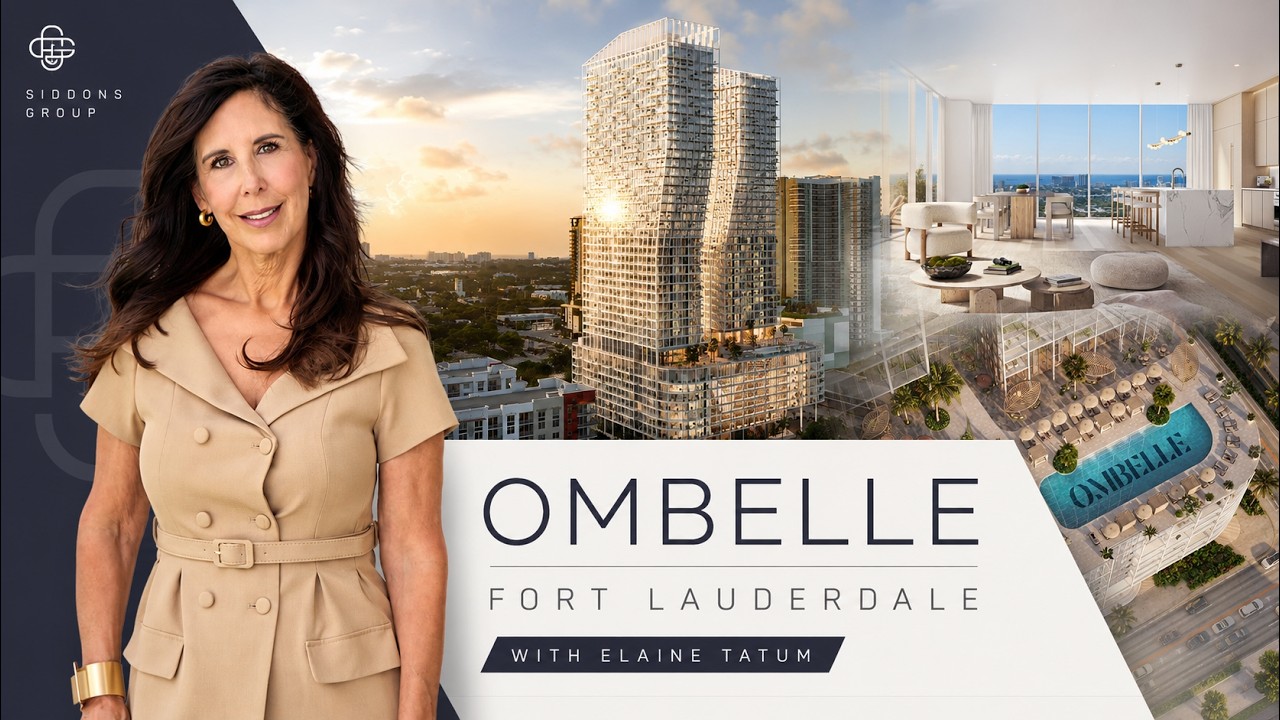
Ombelle Residences Fort Lauderdale — Flagler Village New Construction Condos 2026
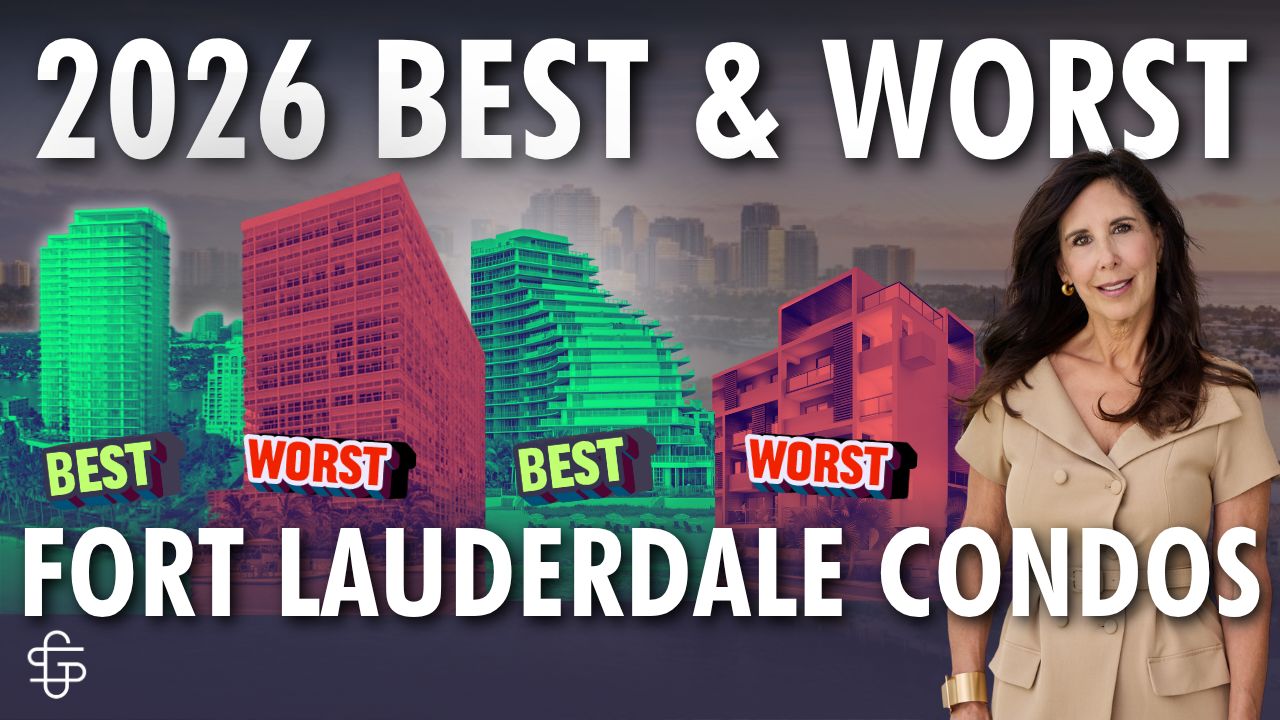
The Best Condos in Fort Lauderdale for 2026 — And 3 Condos to Avoid
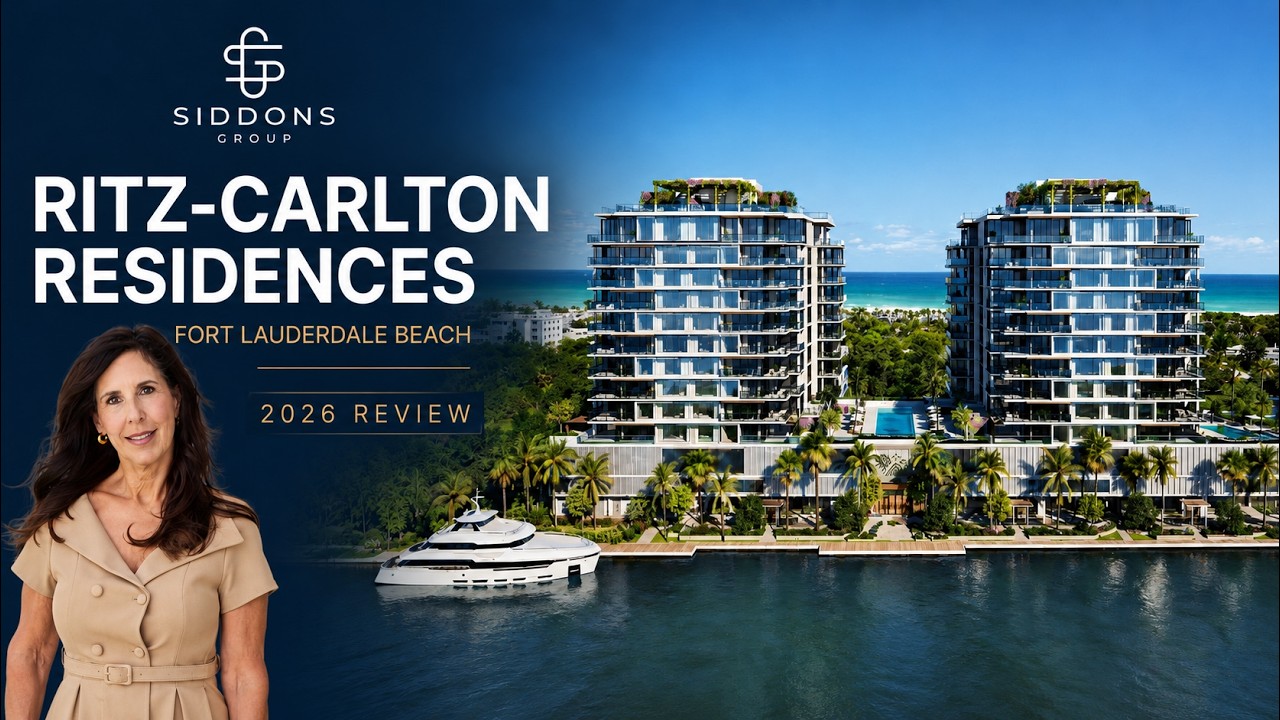
The Ritz-Carlton Residences Fort Lauderdale Beach: Why This Project Deserves a Serious Look in 2026
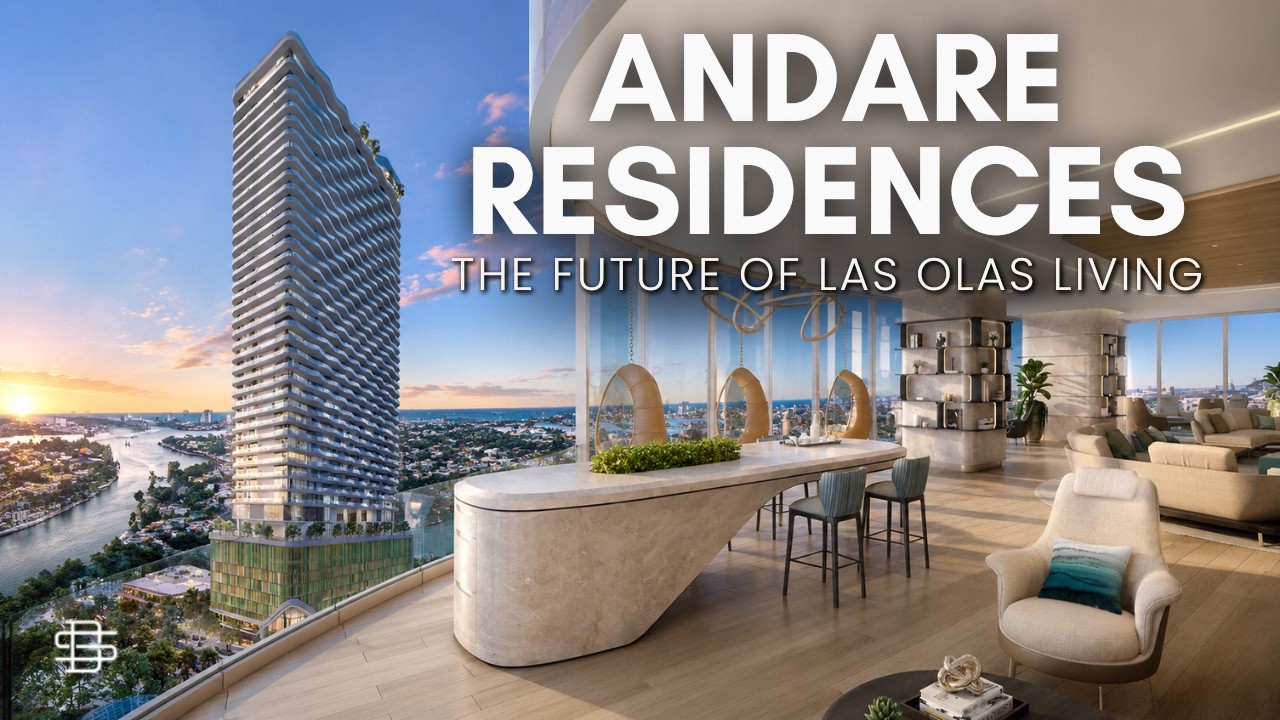
Andare Residences by Pininfarina: Italian Design Meets the Future of Downtown Fort Lauderdale
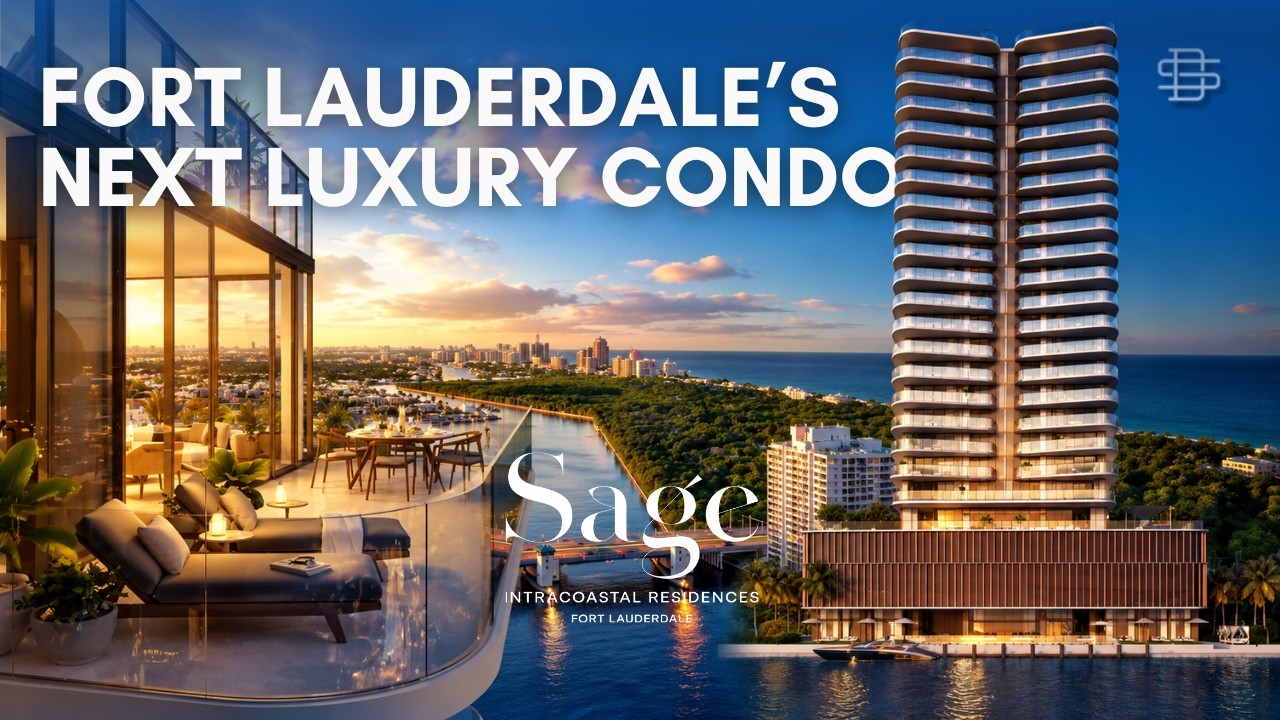
Sage Intracoastal Residences Fort Lauderdale: Boutique Luxury, Waterfront Living & Construction Momentum

Sixth & Rio Fort Lauderdale: Boutique Riverfront Condos in the SoLo District with 2026 Delivery
Fort Lauderdale Luxury Real Estate Update Q1 2026 | A Quiet Market Shift is Underway

First Look: The Ritz-Carlton Residences Fort Lauderdale Beach
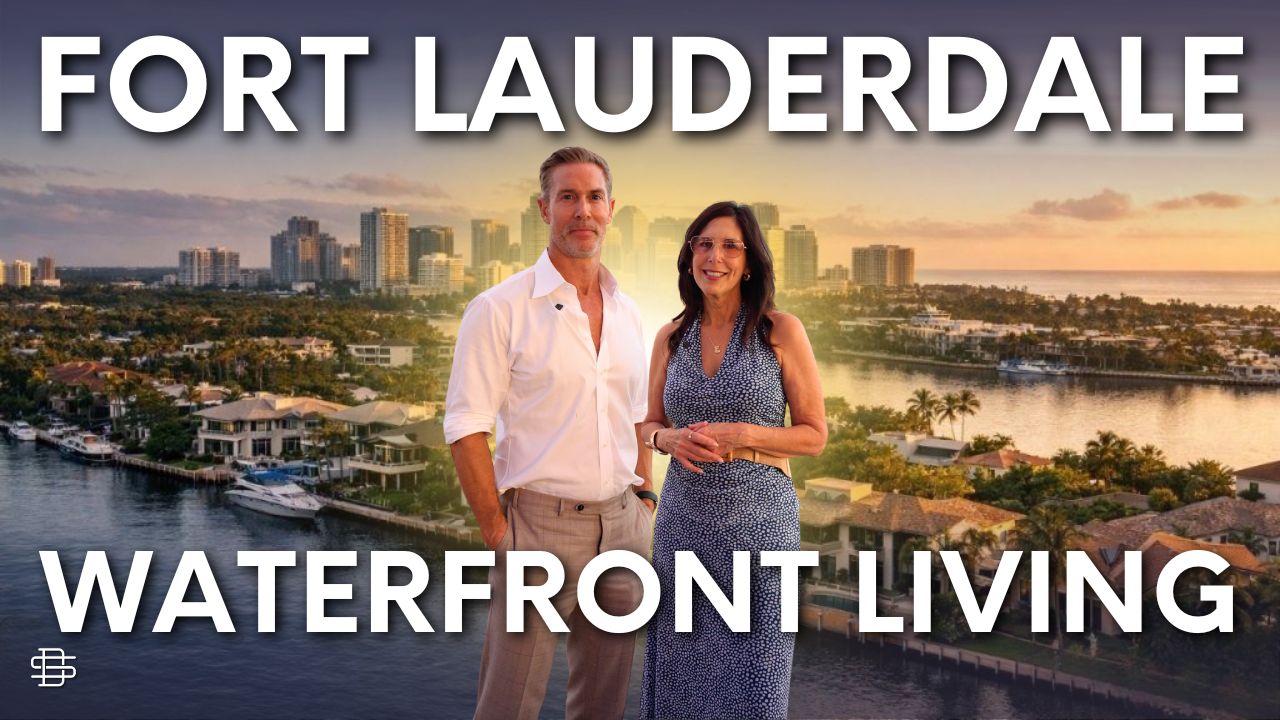
Luxury waterfront homes Fort Lauderdale | Where Value Is Defined by Water

Fort Lauderdale Development Boom | 2025 Real Estate & Lifestyle Outlook

The Best and Worst Condos in Fort Lauderdale for 2025

Buy Now or Regret Waiting? How Rate Cuts Could Reshape Fort Lauderdale Luxury Real Estate.
Please fill in your details and David Siddons will contact you

Search related videos

Must-See Fort Lauderdale Pre-Construction Condos! Don’t Miss Out! FortLauderdale
Fort Lauderdale Real Estate Forecast | Market Predictions for 2024 Education
Solemar Pompano Beach: Luxurious 3 Bedroom New Construction Condo Overlooking the Beach fort lauderdale
Exclusive First Look! NEW Fort Lauderdale Pre Construction Condos FortLauderdale
Luxury Waterfront Homes Showdown: Miami vs. Fort Lauderdale fort lauderdale
The Best Fort Lauderdale New Construction Condos FortLauderdale
Fort Lauderdale Real Estate Expert | Client Appreciation Sunset Cruise FortLauderdale
Fort Lauderdale: The Hottest South Florida Market – All in 5 Minutes! FortLauderdale
Inside Salato Pompano Beach with Elaine Tatum | 40 Brand New Condo Residences FortLauderdale
The Best Gated Communities in Fort Lauderdale FortLauderdale
Inside the Brand New Sixth and Rio Residences in Fort Lauderdale FortLauderdale
#BetterDecisions The Evolution and Livability of Downtown Fort Lauderdale fort lauderdale


- Get our Newsletter
- Subscribe
- No Thanks
Get the latest news from Miami Real Estate News
Close
Edit Search
Close
2 of 14
Share this property
Recomend this to a friend, just enter their email below.
Close
Your email was sent successfully
Close
 COMPARE WITH CONDOGEEKS