

















- Best of All
- Best Miami Luxury Condos
- Most popular
- Relocating to Miami
- Private Schools
- Investments
- Gated communities
- Waterfront information
- Luxury homes
- Luxury Condos
- New Construction Condos in South Florida
- Independent Pre-Construction condo reviews for Miami
- Independent Pre-Construction condo reviews for Fort Lauderdale
Fort Lauderdale Real Estate Market Report 2022/2023 (Part 3)
Part 3 | What is Happening in the Fort Lauderdale Real Estate Market? | Fort Lauderdale Real Estate Market Economics
In Part 3 we discuss the reasons WHY changes are occurring in the Fort Lauderdale Real Estate Market. Typical market reports usually present numbers and charts without the necessary context for the reader to comprehend what the numbers mean and “why” the market is reacting in a certain way. In this section of the report we will review current Economic Influencers and how they are impacting the housing market in Fort Lauderdale. This review will help us forecast how these impacts could play out over time.
Fort Lauderdale Real Estate Market Report 2022 | The Effect of Interest Rates
The shift to a transitional housing market started in May 2022 with the shift in messaging about the hikes to interest rates. It was the aggressive approach by the Federal Reserve that created market uncertainty. In response, the euphoria and quick decision making of this business cycle has transitioned to a more cautious approach to real estate trades.
Transitions are always a certainty but they do not have to mean disaster. Consider the historical interest rates in the chart below. To provide context, the rate quote at the end of July 2022 on a 30-year fixed mortgage is 5.60% with an APR of 5.61%, according to Bankrate.com.


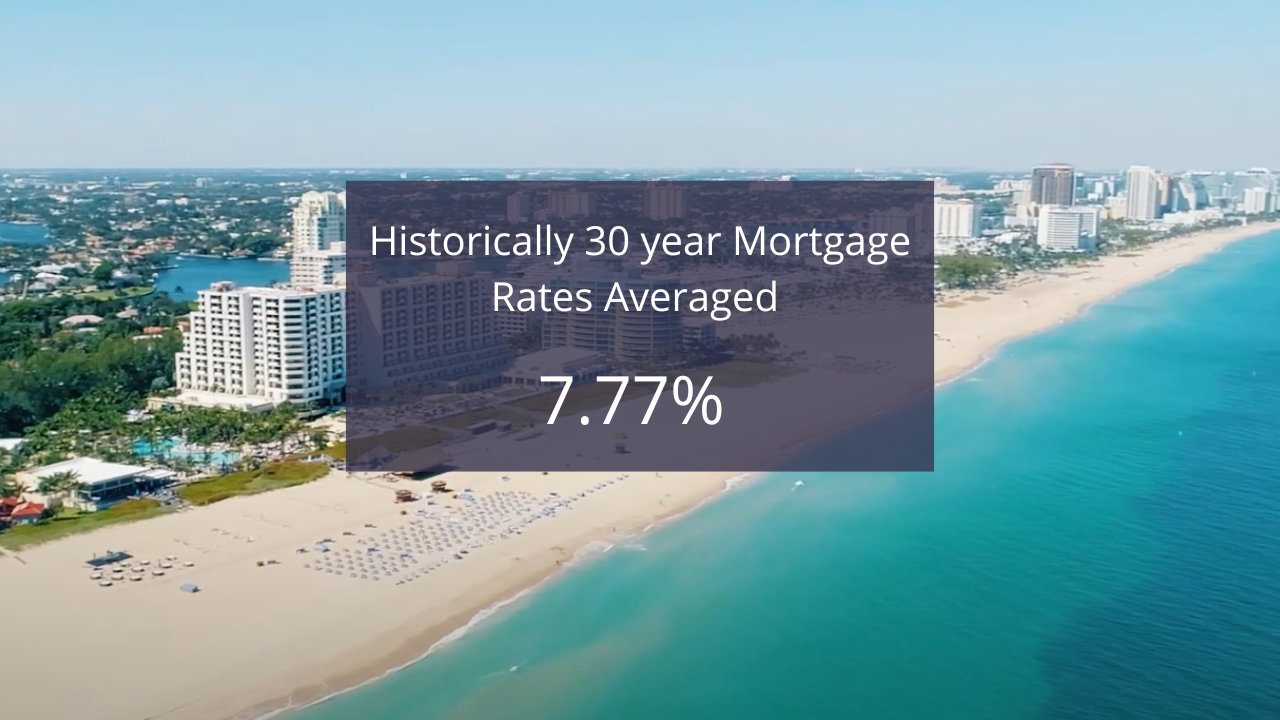
Primary home buyers. Interest rates have historically been much higher. Historically rates have averaged 7.77%. Interest rates in recent years were at the lowest levels until 2022. The low interest rates supercharged real estate sales in Fort Lauderdale . Buyer psychology was affected by the low interest rates because house payments were manageable. Buyers were able to stretch their budgets and were more aggressive in offer negotiations. Now that interest rates are rising the cash “flush” Buyer Psychology has switched to a more conservative stance. This does not mean the downfall of the real estate market. This just signals that Buyers’ are returning to a more normal buying psychology. They are more cautious and overbidding for overvalued properties will no longer be acceptable.
Investors are the most sensitive to rising interest rates. They carefully consider the carrying costs of investment purchases. As discussed in Part 2 -The Rental Market, Fort Lauderdale Investor purchases delivered excellent rental ROI (return on investment).
The increased interest rates have not yet impacted the gains from rental income. It is likely though that soon Tenant Psychology will also become more conservative and a shift is anticipated in the lowering of rental rates.
Interest rates into 2023. What is likely to come in the coming 6 months? In a recent article in Forbes, the 30-year, fixed-mortgage rate forecasts of several experts are shared and the opinion is that they will vary from just above 5% to as high as 7% by the end of 2022. To put this information into historical data context, between April 1971 and June 2022, 30-year mortgage rates averaged 7.77 percent. So even with the 30-year FRM above 5%, rates are still relatively affordable.
Fort Lauderdale Real Estate Market Report 2022 | The Effect of Inflation
According to a report from Forbes, inflation in the U.S. was 8.6% at the beginning of July 2022. To put this number into context, the long-term average inflation rate in the U.S. is around 3.2% and in 2021 the interest rate averaged 4.70%. In other words, the current year over year increase to inflation is +82%.
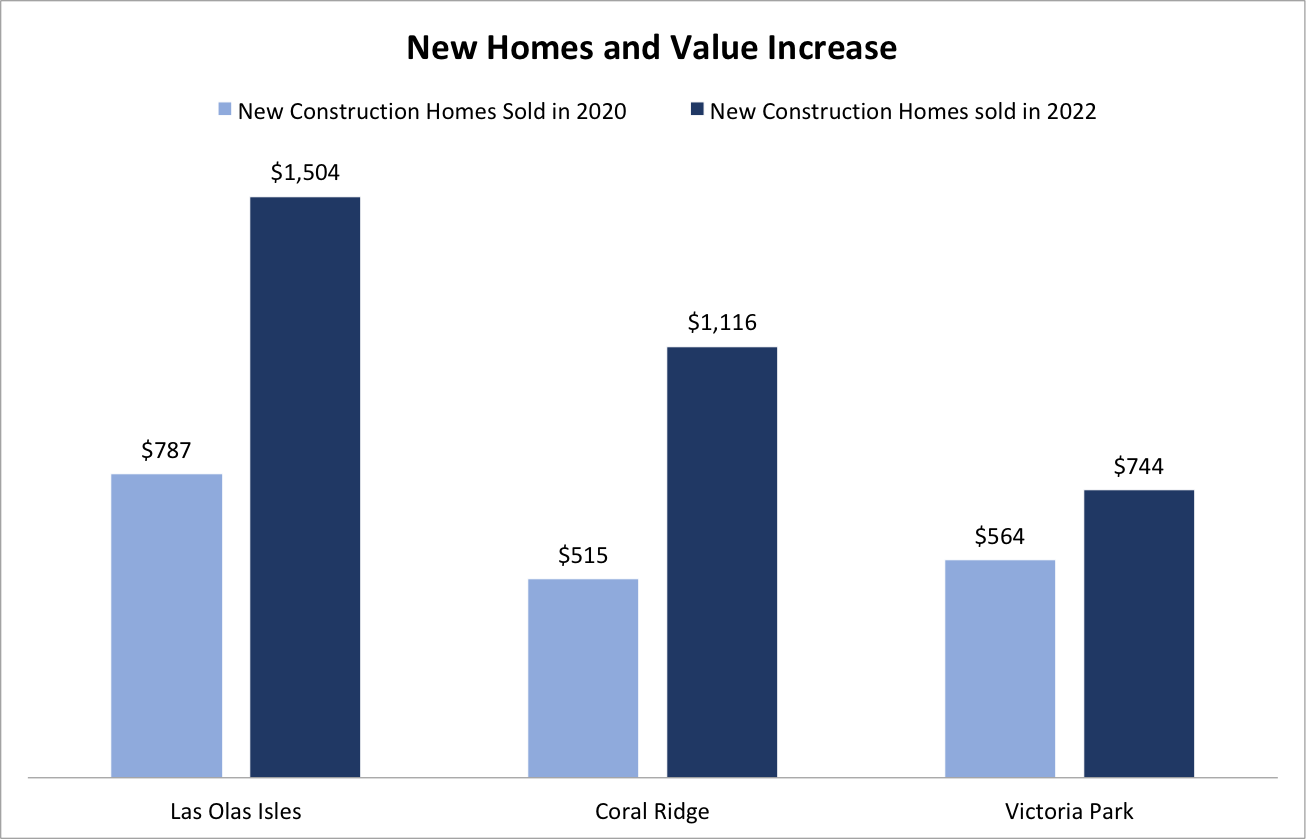
The effects of increased inflation are very evident in new construction homes and condos. Increased inflation raises the cost of labor and building materials for new construction. Supply chain issues further exacerbated the increased costs of building materials. We see this reflected in the increased price per square foot valuations of new homes and condos. The chart below shows neighborhood examples of price increases for new construction homes since 2020.
Fort Lauderdale Real Estate Market Report 2022 | The Effect of the Stock Market
In 2022, the stock market entered bear market territory. According to an article in Fortune, bear markets historically on average last 16 months. Michael Burry of The Big Short fame figures we are about halfway through this bear market. In a correcting stock market investors experience both positive and negative psychology.
Negative Outcome: The psychology of a hefty portfolio boosts investor confidence but the reverse is true in a down market. A sliding stock market creates a psychology of caution & doubt as portfolio values diminish. Investors respond to a down market in several ways from “stick it out” in hopes of market bounce back to “cut the losses” by selling off stocks. In either scenario investors are much more protective of their assets and how they are utilized.
Positive Outcome: As investors look to recover from stock market losses they might consider selling their secondary properties or downsizing. This would have a welcome effect on the housing market where more inventory is needed. Another option in a down market would be a turn to real estate, which has historically provided a good hedge against inflation. According to an article by Claire Ballentine and Alice Kantor as published in Bloomberg, “Real estate is considered one approach to hedge against inflation, given the asset class usually has little correlation with stocks and bonds. So
naturally, investor interest is soaring — even against the backdrop of a super hot real estate market, a low supply of houses and mortgage rates threatening to creep up.”
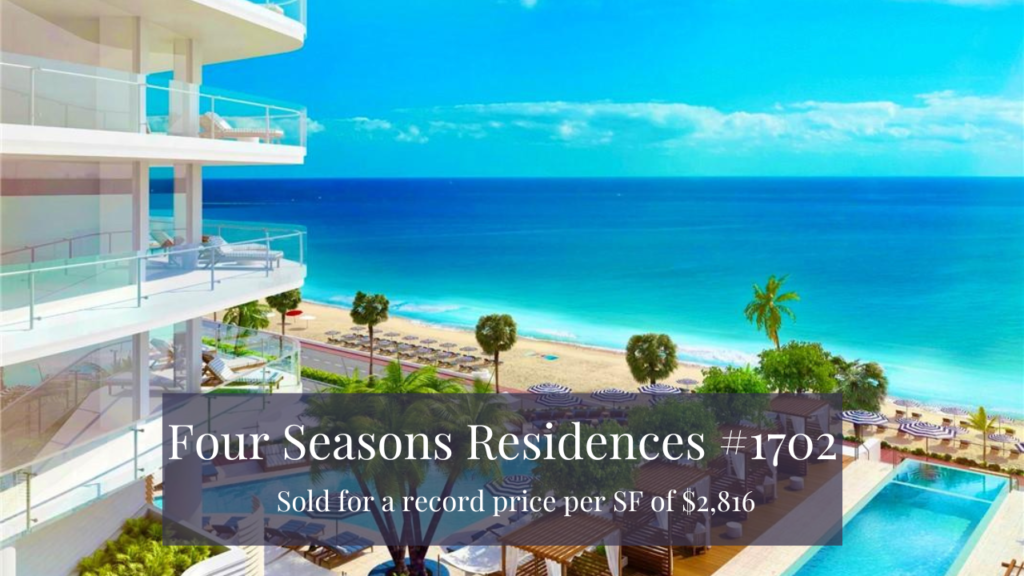
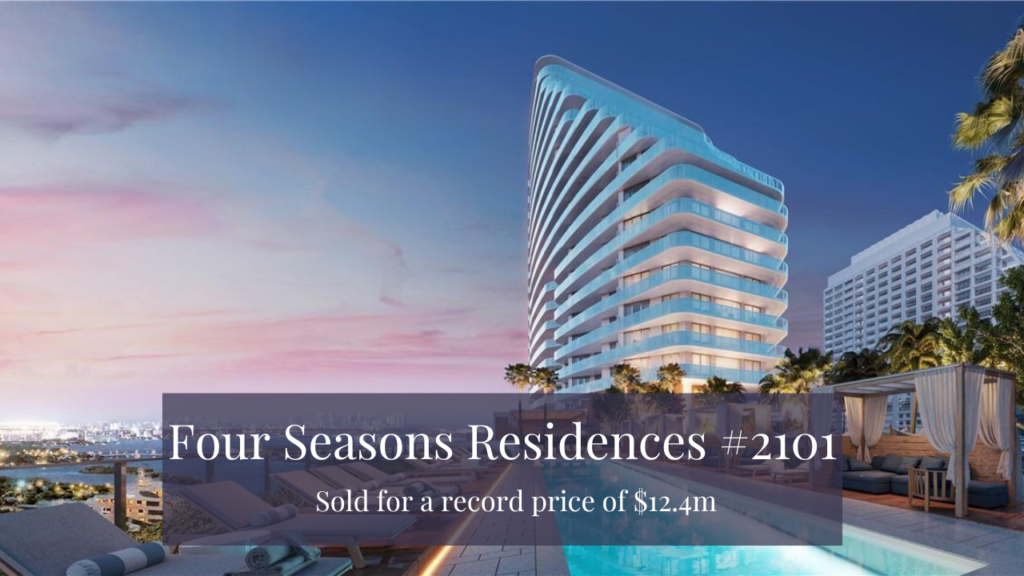
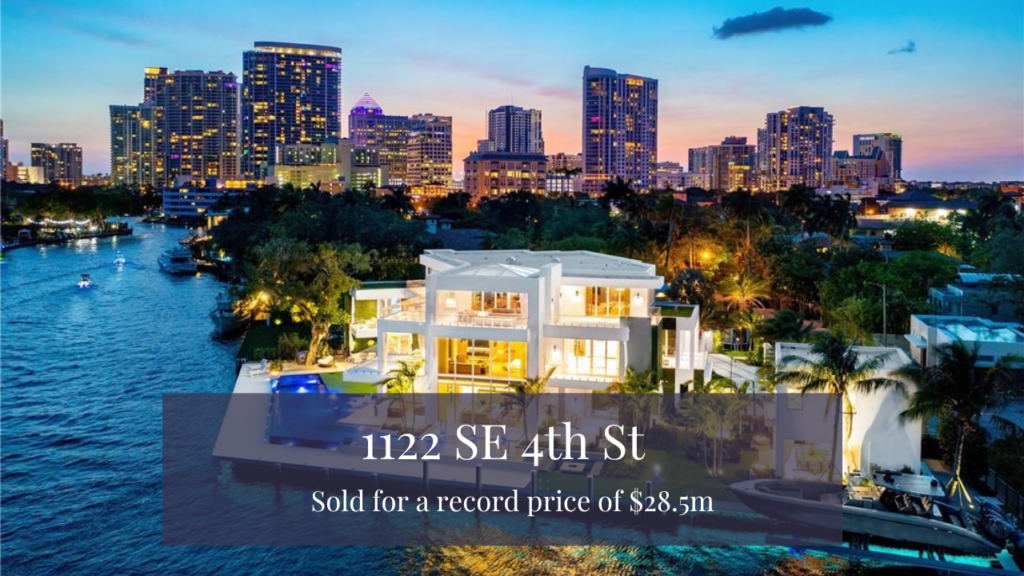
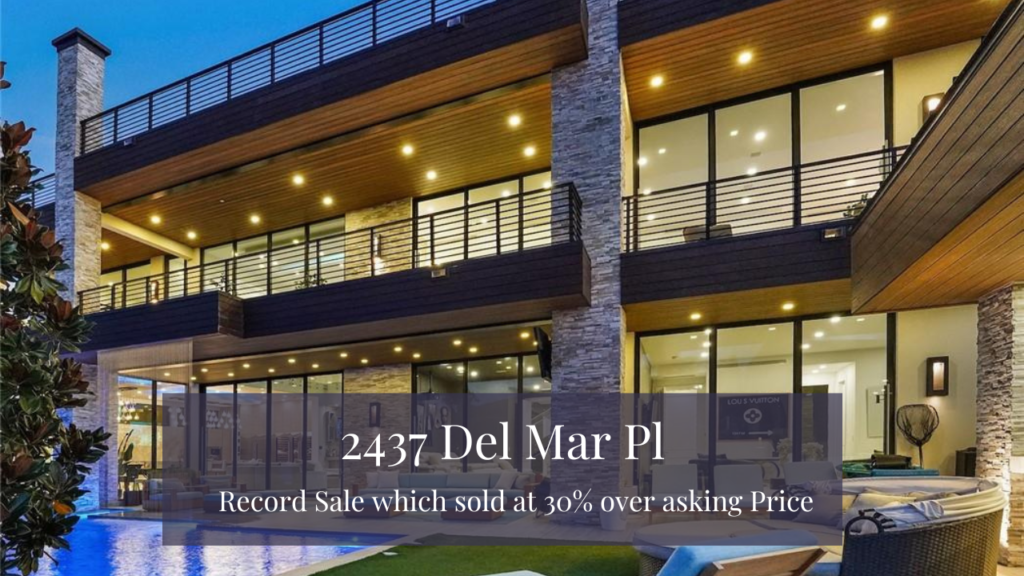
See below some recent Record Breaking sales.
Fort Lauderdale Real Estate Market Report 2022 | The Effect of Supply Chain Issues
Buyers are hesitating to purchase land for new home construction due to supply chain issues impacting construction costs and causing delays. Buyers are more inclined to consider new construction projects that are currently underway or fully completed. Also due to supply chain issues, Buyers are shying away from remodeling projects. Supply Chain issues have not only impacted the availability of construction materials but also fittings, fixtures, appliances and furnishings. All of these components are necessary in the construction and remodel process.
Fort Lauderdale Real Estate Market Report 2022 | The Effect of Mass Migration and Corporate Relocations.
Fort Lauderdale has been the recipient of considerable migration. Migration over the last two years has been driving home prices up and saturating our private social clubs and private schools. As one realtor was quoted: ‘It’s easier to find a home than find a space in school’. The waiting lists are long and this is a frustration for many newcomers to Fort Lauderdale. This is an issue for “private” schools and clubs but many of the best lifestyle features in Fort Lauderdale can still be obtained.
Top Neighborhoods such as Las Olas Isles, Victoria Park, Harbor Beach, Rio Vista and Coral Ridge are assigned to A rated public schools. It’s nice to know you have this option while you wait for a private school slot to open up. Some neighborhoods also come with a private beach club such as Sea Ranch Lakes and the Surf Club at Harbor
Beach. All this plus our year round beautiful weather, boating, beach access, cultural & sporting venues.
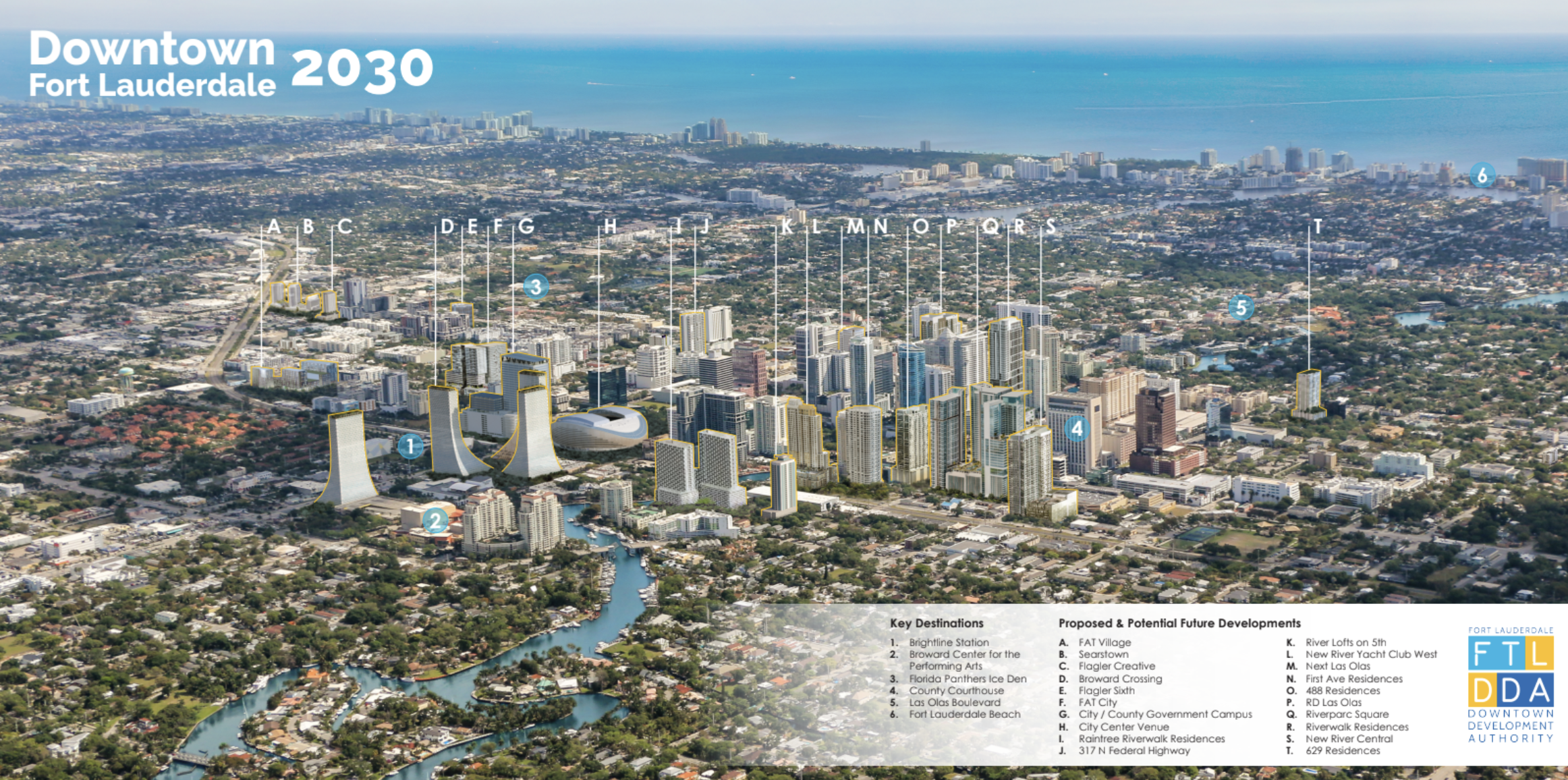
Fort Lauderdale continues to focus on improving and adapting the livability of the city to accommodate the expected population growth. Capital expenditures include $1.5 billion in new construction, $23 billion airport expansion, open space parks in the downtown area, improved aquatic center, new marina, Panthers Ice Stadium, DRV Pink Soccer Stadium and expanded cultural venues.
Corporate relocations to Ft Lauderdale: From Forbes: “What once was considered a vacation-only destination, Fort Lauderdale is thriving and poised to continue attracting high-profile businesses, an emerging talent pool and significant investment in infrastructure,” says Jenni Morejon, president of the Fort Lauderdale Downtown Development Authority (DDA).”

FAQ
These are the most commonly Miami Real Estate Related questions
What should relocation buyers know before buying real estate in Miami?
HOME BUYERS
Relocation buyers looking at homes in Miami should understand that choosing the right house is less about the property itself and more about location, schools, and long-term value. Many buyers make the mistake of focusing on price or finishes, while the real driver of value is the neighborhood and micro-location. Older homes often represent better value, but may also be part of a future redevelopment cycle. Newer homes command premiums, but don’t always sell faster if pricing is ahead of the market. Commute time, school access, and community dynamics are critical and often underestimated. The key is to evaluate homes not just as lifestyle purchases, but as long-term assets within a very localized market.
Sources:
https://luxlifemiamiblog.com/relocating-to-miami/
https://luxlifemiamiblog.com/relocating-to-miami-with-a-family/
CONDO BUYERS:
Relocation buyers should understand that Miami is a highly segmented, building-driven market, not a uniform one. Pricing can vary significantly between similar properties depending on building quality, layout, and financial health. Many buyers assume newer construction equals better investment, but that is often not the case. Factors like HOA fees, reserves, and rental policies can materially impact long-term value and liquidity. Negotiation opportunities often exist, especially in slower segments, but require precise market knowledge. The key is to evaluate micro-markets and individual buildings, not just neighborhoods or price per square foot.
Sources:
https://luxlifemiamiblog.com/miami-real-estate-market-report/
https://luxlifemiamiblog.com/new-construction-miami-guide/
What are the best areas for relocating families with children
For families relocating to Miami with young children, the most recommended neighborhoods are Coral Gables, Coconut Grove, and Pinecrest. Coral Gables offers the best balance of top schools, safety, and long-term value. Coconut Grove is ideal for younger families seeking walkability, greenery, and a lifestyle-driven environment. Pinecrest provides larger homes, excellent schools, and better value for space, making it ideal for growing families. The key driver across all three is access to strong schools and primary residential stability. Relocation decisions are less about new construction and more about long-term livability and resale strength.
Sources:
https://luxlifemiamiblog.com/best-neighborhoods-miami/
https://luxlifemiamiblog.com/what-are-the-best-family-neighborhoods-in-miami-in-2023/
Are new construction condos in Miami a good investment?
New construction condos in Miami can be a good investment—but only if you understand that not all buildings perform the same. According to the David Siddons Group, many buyers assume “new = better,” but in reality, performance depends on pricing, layout, building quality, and long-term demand. Some new developments set future price benchmarks and can drive long-term appreciation, especially in top-tier projects. However, many are priced aggressively at launch, and buyers relying on marketing instead of data often overpay.
The market is highly segmented, meaning two new buildings next to each other can perform very differently.
The best opportunities typically come from selecting the right building early or negotiating correctly in later phases.
In short: new construction is not automatically a good investment—it becomes one only with building-level analysis and disciplined entry pricing.
Sources:
https://luxlifemiamiblog.com/how-to-buy-a-luxury-condo-in-miami/
https://luxlifemiamiblog.com/category/independent-new-construction-condo-reviews/
https://luxlifemiamiblog.com/beyond-clickbait-real-insights-into-miamis-luxury-condo-market/
Why is buying a Miami condo riskier than buyers think?
Buying a Miami condo is often riskier than buyers expect because the true risks are at the building level—not visible in the listing price. Many buyers focus on finishes and views, while overlooking HOA reserves, insurance exposure, and potential special assessments. In reality, two identical units in different buildings can perform completely differently over time. Rising HOA fees and stricter regulations are also increasing the true cost of ownership, especially in older buildings. Liquidity can be affected by factors like financial health, rental policies, and ongoing repairs. The key risk is not the condo itself—but buying into the wrong building without proper due diligence.
Sources:
https://luxlifemiamiblog.com/how-to-buy-a-luxury-condo-in-miami/
https://luxlifemiamiblog.com/miami-condo-market-risks/
What are Miami's Safest Areas?
Which Miami Areas Still offer Great Value (Budget Friendly alternatives to Coral Gables and Pinecrest)
If you’re looking for better value than Coral Gables or Pinecrest, the answer (in true Siddons style) is not “go cheaper”—it’s go one layer outside the obvious markets.
The strongest value plays are:
- Schenley Park → closest substitute to Coral Gables at ~20% discount while maintaining similar character and location
- Biltmore Heights → almost identical feel to the Gables but ~25–30% cheaper on a $/SF basis
- Glenvar Heights → central location with larger lots and ~25% pricing advantage vs South Miami/Gables
- Baptist / Galloway (Kendall) → Pinecrest-style living (space, schools, land) at up to ~30% lower pricing
The pattern is consistent:
👉 Buyers are shifting west and slightly off-market to gain land, scale, and pricing efficiency. You don’t find value by going to a “cheaper neighborhood”—you find it by identifying adjacent micro-markets that offer the same lifestyle fundamentals without the brand premium.
Sources:
https://luxlifemiamiblog.com/best-value-neighborhoods-miami/
https://luxlifemiamiblog.com/category/miami-neighborhoods/
Is NOW a good time to buy in Miami?
Are Miami real estate prices going down in 2026?
No—but that’s the wrong way to look at it. Miami is not one market anymore, so prices are not moving in one direction. In 2026, the market is split into two: ultra-luxury, scarcity-driven areas (like waterfront and top-tier neighborhoods) are still holding or even rising, while mid-tier condos and oversupplied segments are flat or correcting. What we’re seeing is price divergence, not a crash—some properties are gaining value while others are quietly adjusting downward. Rising inventory and more selective buyers are putting pressure on pricing in certain segments, especially older condos or buildings with weaker fundamentals.
At the same time, global wealth and cash buyers continue to support pricing at the top end of the market. So the real answer: prices aren’t broadly dropping—they’re being repriced based on quality, location, and supply.
Should I buy a house or a condo when relocating to Miami?
The decision comes down to lifestyle first, investment second—and most relocation buyers get that backwards. If you want space, privacy, schools, and long-term family living, a single-family home in areas like Coral Gables or Coconut Grove is typically the stronger choice. If you prioritize walkability, low maintenance, and proximity to business districts, a condo in Brickell or waterfront markets makes more sense.
From an investment perspective, homes tend to be more stable, while condos are more building-dependent and cyclical. Most relocation clients underestimate how much building quality, HOA structure, and future costs impact condo performance. The right answer isn’t “house vs condo”—it’s which asset fits your lifestyle AND holds value within its micro-market.
How do I choose the right Miami neighborhood for my lifestyle?
Why are Miami condo prices so different between buildings?
Miami condo pricing varies widely because value is determined at the building level, not just by location. Two buildings next to each other can have major differences in financial health, reserves, HOA fees, and management quality. Buyers also pay premiums for better layouts, views, amenities, and newer construction—but not all “new” buildings perform equally. Factors like rental policies, upcoming assessments, and building reputation can significantly impact resale value. This is why price per square foot alone is misleading in Miami’s condo market. The real driver of value is how that specific building competes within its micro-market over time.
Sources:
https://luxlifemiamiblog.com/how-to-buy-a-luxury-condo-in-miami/
https://luxlifemiamiblog.com/category/independent-new-construction-condo-reviews/
WHY WORK WITH DAVID? THINGS YOU SHOULD KNOW...
For all our analytics we are agents driving some very unique and advanced tech. We Provide a granular and custom experience that empower our clients with the insight and tools to understand the most complex behaviors of any local markets.
-
Analytical
Over 100 reports produced to date
-
Knowledgeable
Over 1800 published articles and counting


Related Articles
Fort Lauderdale Waterfront Land Values
Fort Lauderdale Waterfront Homes in 2026
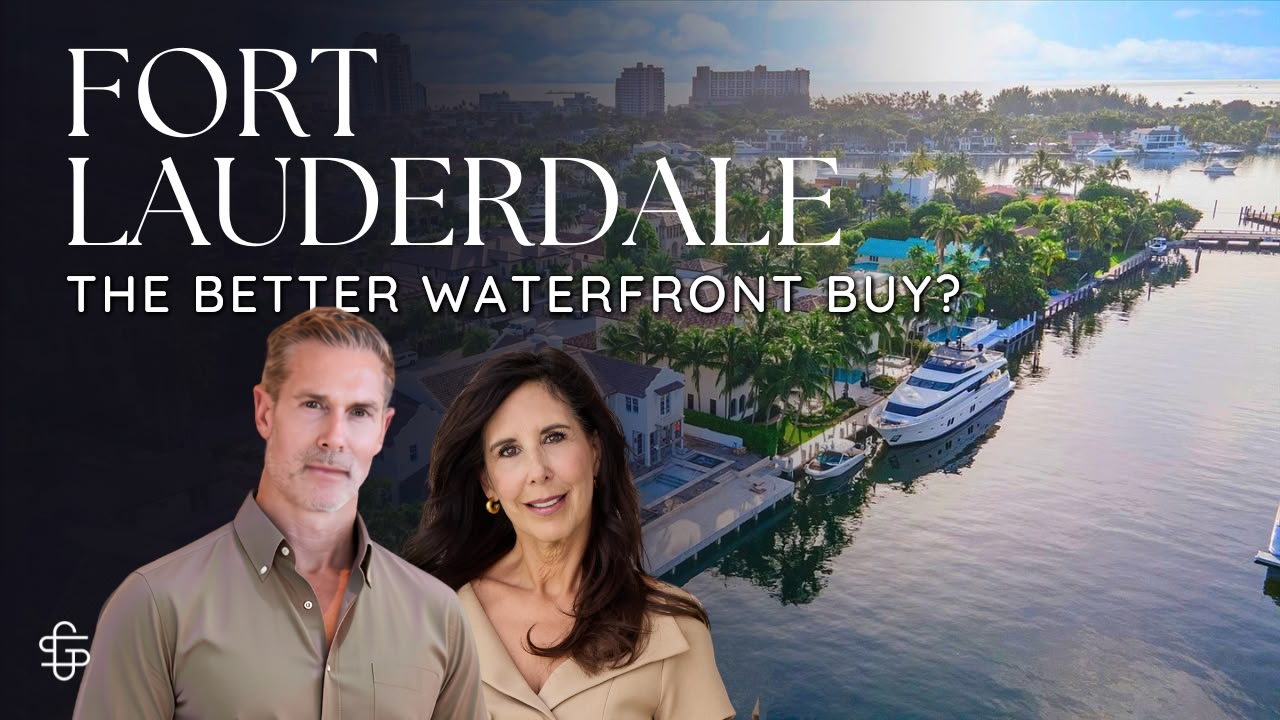
Fort Lauderdale vs Miami Waterfront Homes
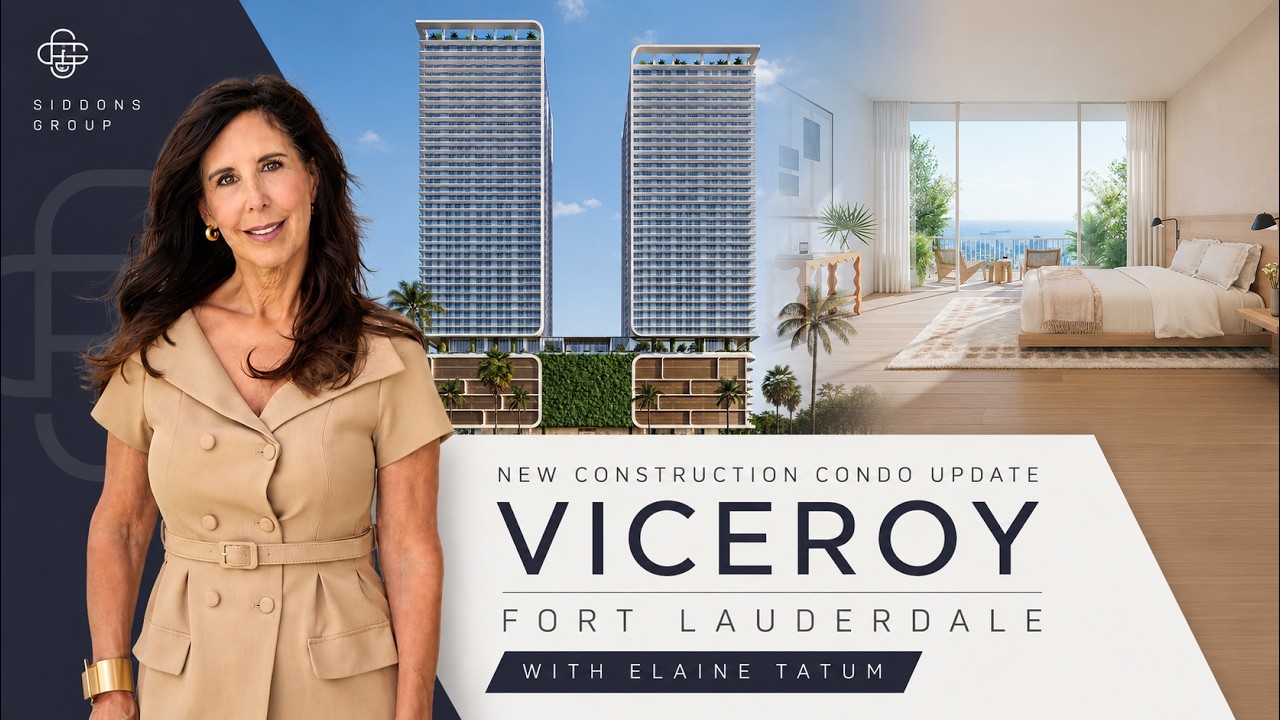
Viceroy Fort Lauderdale Residences: What No One Else Is Telling Buyers
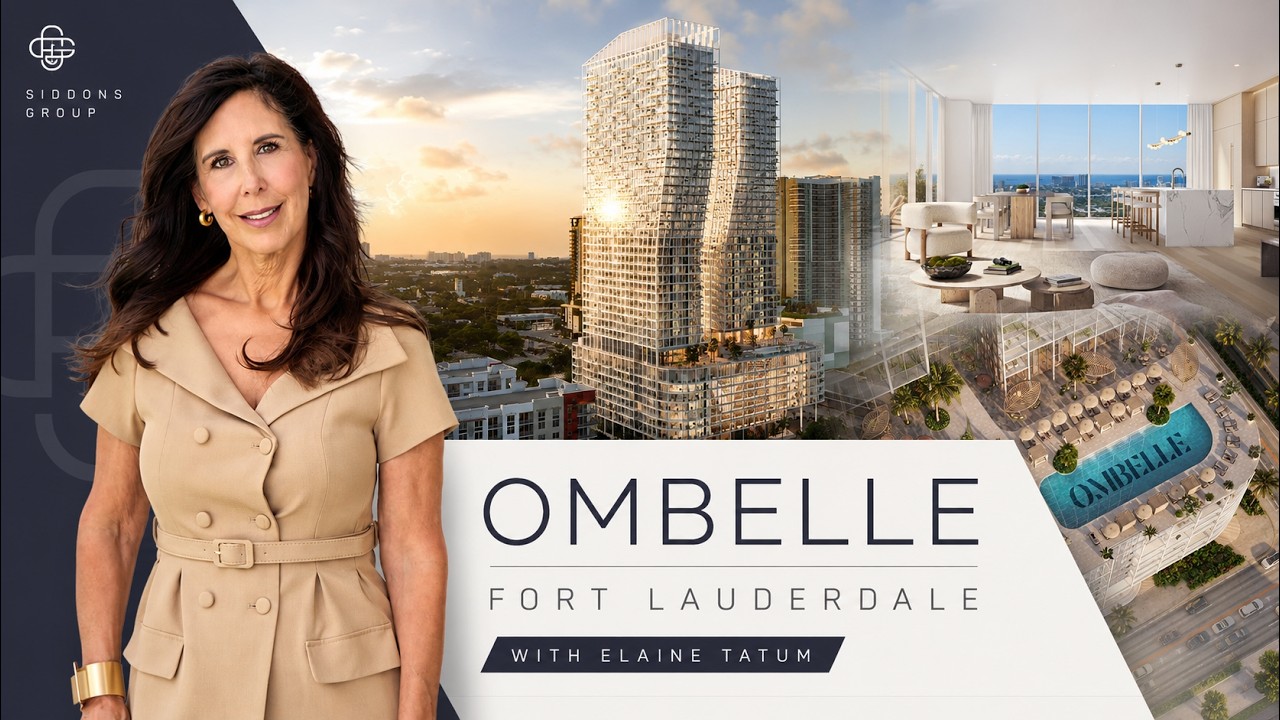
Ombelle Residences Fort Lauderdale — Flagler Village New Construction Condos 2026
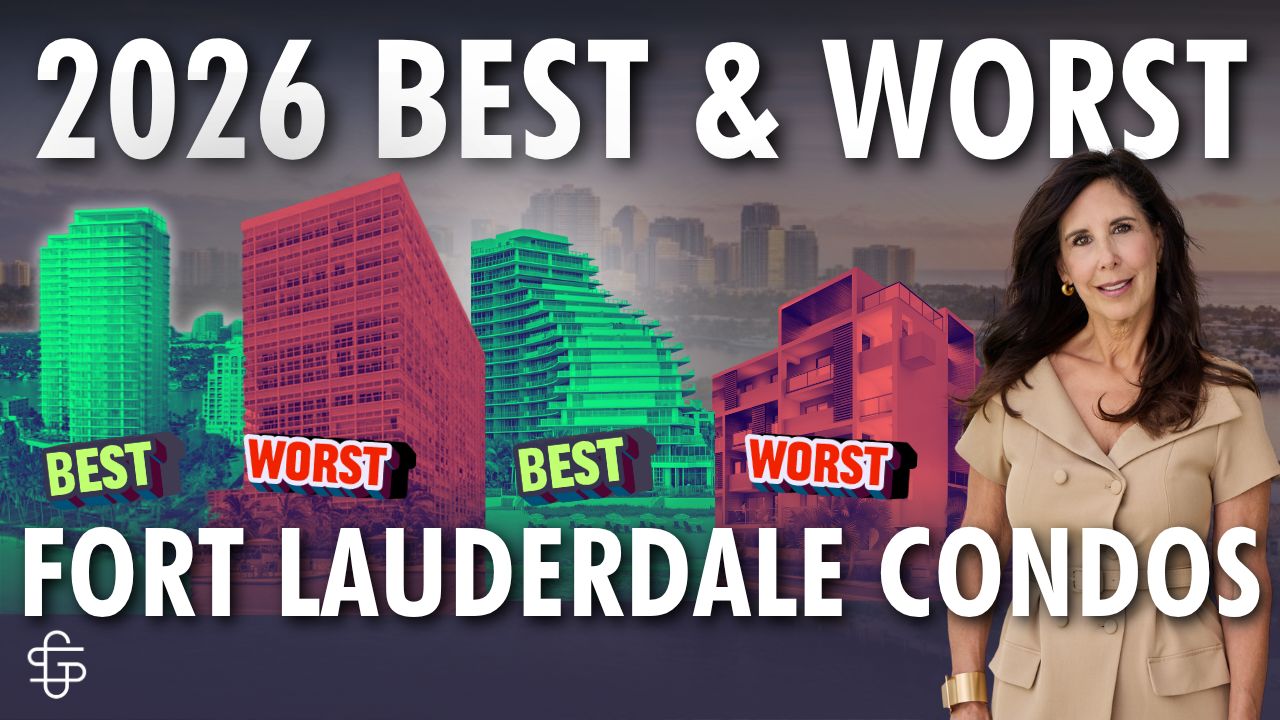
The Best Condos in Fort Lauderdale for 2026 — And 3 Condos to Avoid
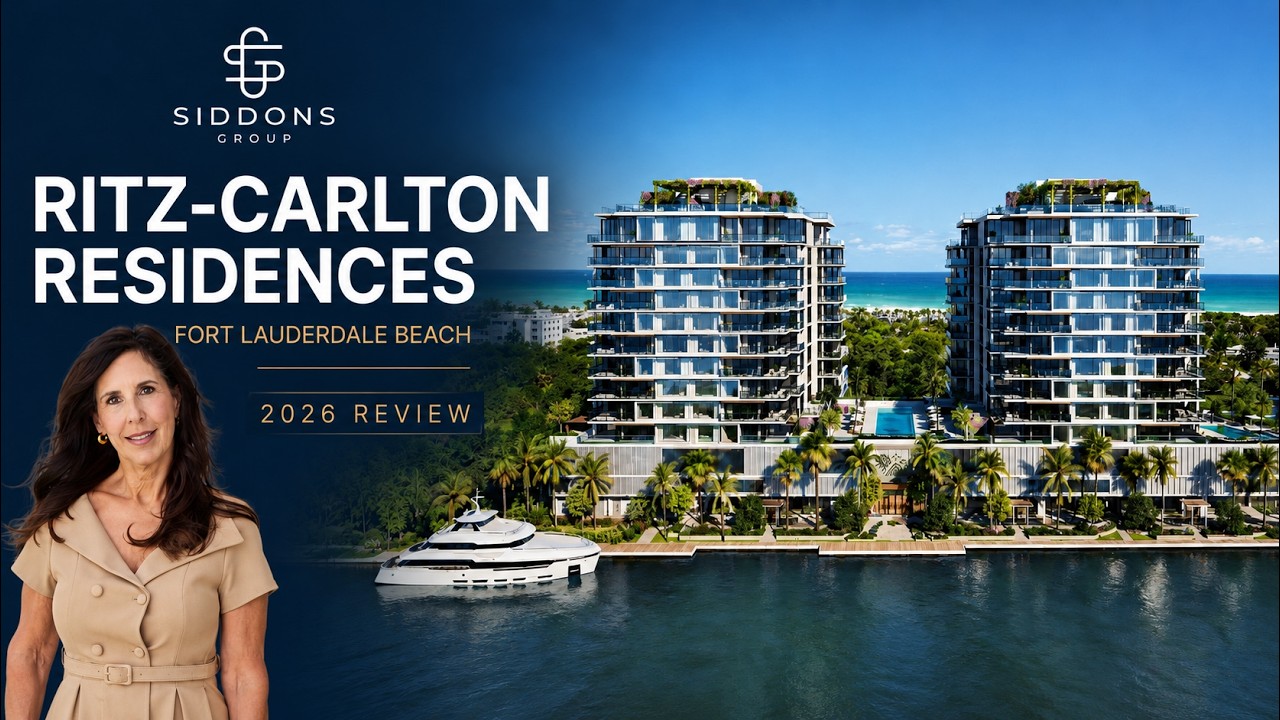
The Ritz-Carlton Residences Fort Lauderdale Beach: Why This Project Deserves a Serious Look in 2026

Andare Residences by Pininfarina: Italian Design Meets the Future of Downtown Fort Lauderdale
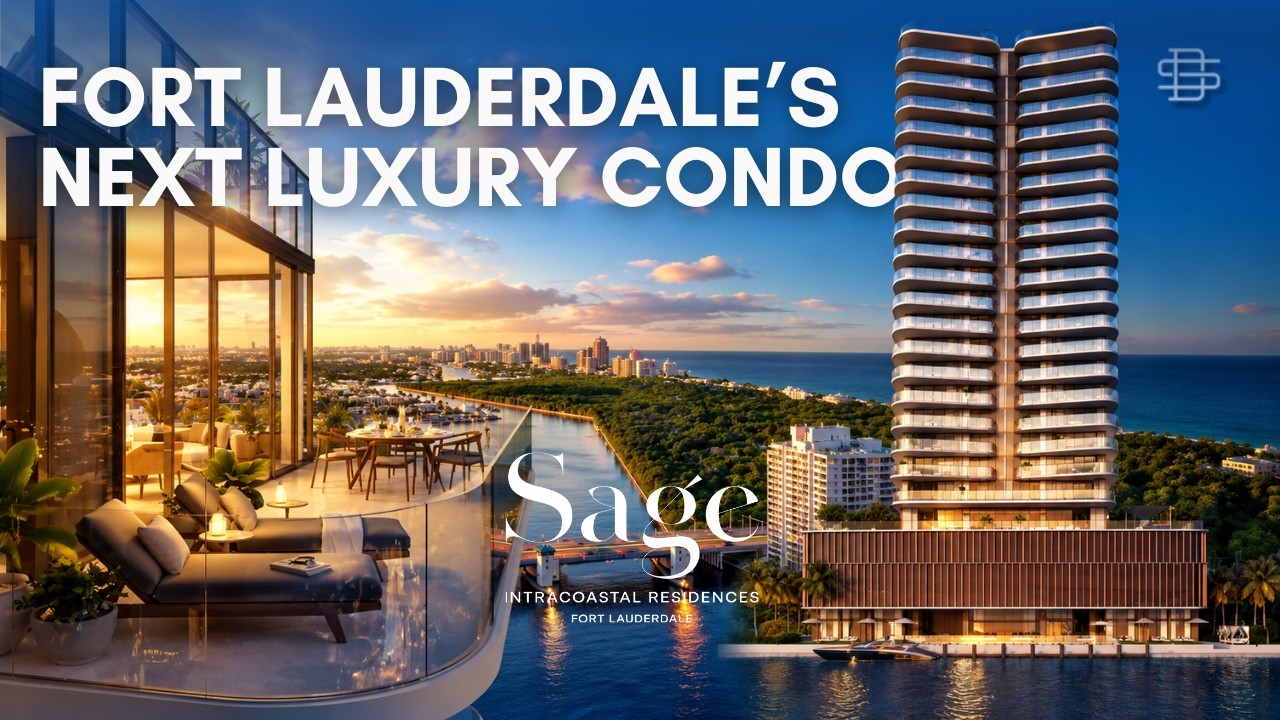
Sage Intracoastal Residences Fort Lauderdale: Boutique Luxury, Waterfront Living & Construction Momentum

Sixth & Rio Fort Lauderdale: Boutique Riverfront Condos in the SoLo District with 2026 Delivery
Fort Lauderdale Luxury Real Estate Update Q1 2026 | A Quiet Market Shift is Underway

First Look: The Ritz-Carlton Residences Fort Lauderdale Beach
Luxury waterfront homes Fort Lauderdale | Where Value Is Defined by Water

Fort Lauderdale Development Boom | 2025 Real Estate & Lifestyle Outlook
Please fill in your details and David Siddons will contact you

Search related videos

Must-See Fort Lauderdale Pre-Construction Condos! Don’t Miss Out! FortLauderdale
Fort Lauderdale Real Estate Forecast | Market Predictions for 2024 Education
Solemar Pompano Beach: Luxurious 3 Bedroom New Construction Condo Overlooking the Beach fort lauderdale
Exclusive First Look! NEW Fort Lauderdale Pre Construction Condos FortLauderdale
Luxury Waterfront Homes Showdown: Miami vs. Fort Lauderdale fort lauderdale
The Best Fort Lauderdale New Construction Condos FortLauderdale
Fort Lauderdale Real Estate Expert | Client Appreciation Sunset Cruise FortLauderdale
Fort Lauderdale: The Hottest South Florida Market – All in 5 Minutes! FortLauderdale
Inside Salato Pompano Beach with Elaine Tatum | 40 Brand New Condo Residences FortLauderdale
The Best Gated Communities in Fort Lauderdale FortLauderdale
Inside the Brand New Sixth and Rio Residences in Fort Lauderdale FortLauderdale
#BetterDecisions The Evolution and Livability of Downtown Fort Lauderdale fort lauderdale


- Get our Newsletter
- Subscribe
- No Thanks
Get the latest news from Miami Real Estate News
Close
Edit Search
Close
2 of 14
Share this property
Recomend this to a friend, just enter their email below.
Close
Your email was sent successfully
Close
 COMPARE WITH CONDOGEEKS