












- Best of All
- Best Miami Luxury Condos
- Most popular
- Relocating to Miami
- Private Schools
- Investments
- Gated communities
- Waterfront information
- Luxury homes
- Luxury Condos
- New Construction Condos in South Florida
- Independent Pre-Construction condo reviews for Miami
- Independent Pre-Construction condo reviews for Fort Lauderdale
Fort Lauderdale Development Boom | 2025 Real Estate & Lifestyle Outlook
Fort Lauderdale has clearly turned a corner. Once synonymous with spring break, the city now reads as a refined blend of culture, innovation, luxury hospitality, and day-to-day livability. Over the last year, targeted investments in infrastructure, parks, the urban core, and the beachfront have elevated the experience for residents, businesses, and visitors alike. In this blog, the David Siddons Group reviews the Fort Lauderdale Development Boom
Downtown: An Urban Core That Works for Families
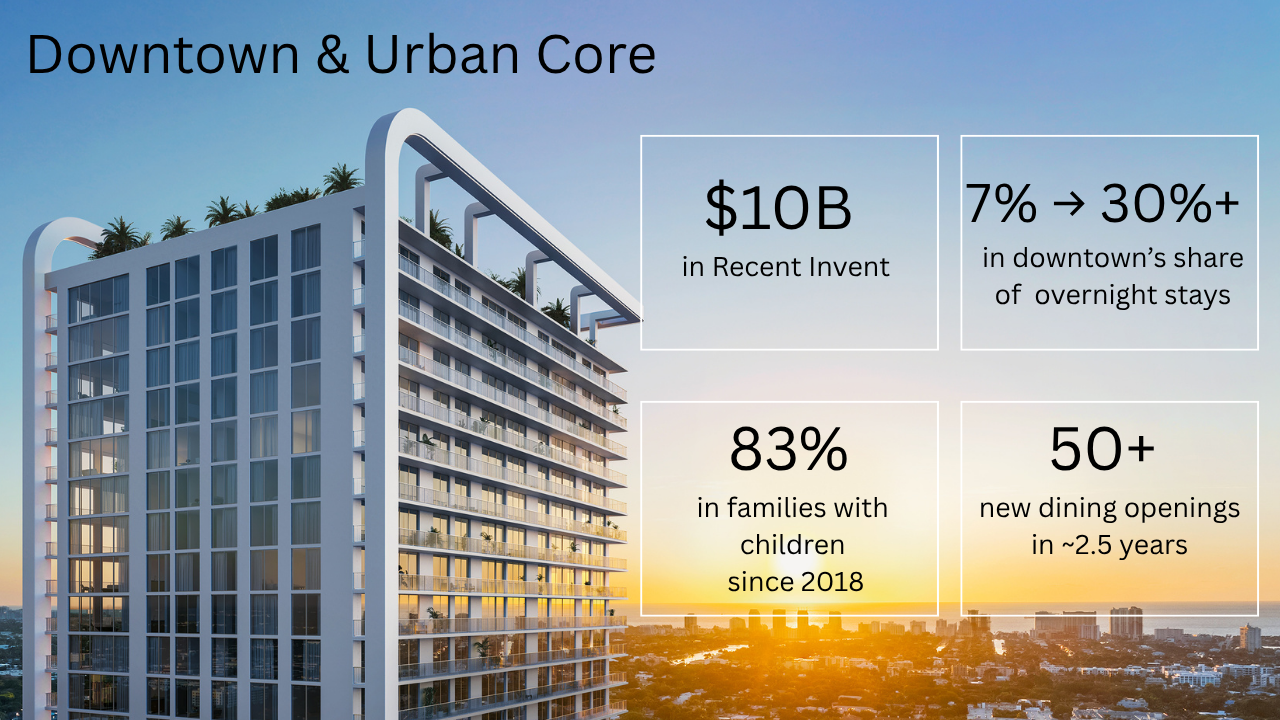
More than $10B in recent investment has reshaped downtown with new residential towers, modern offices, energized streetscapes, and destination dining. Unlike many cities, families are moving in, not out. Since 2018, families with children have increased by 83%, and one in three newcomers chose the urban core for its walkability, parks, and easy access to Las Olas. Visitor patterns have shifted too: downtown’s share of overnight stays has climbed from 7% to 30%+, boosted by a growing hotel mix that will soon include the boutique Whitfield.
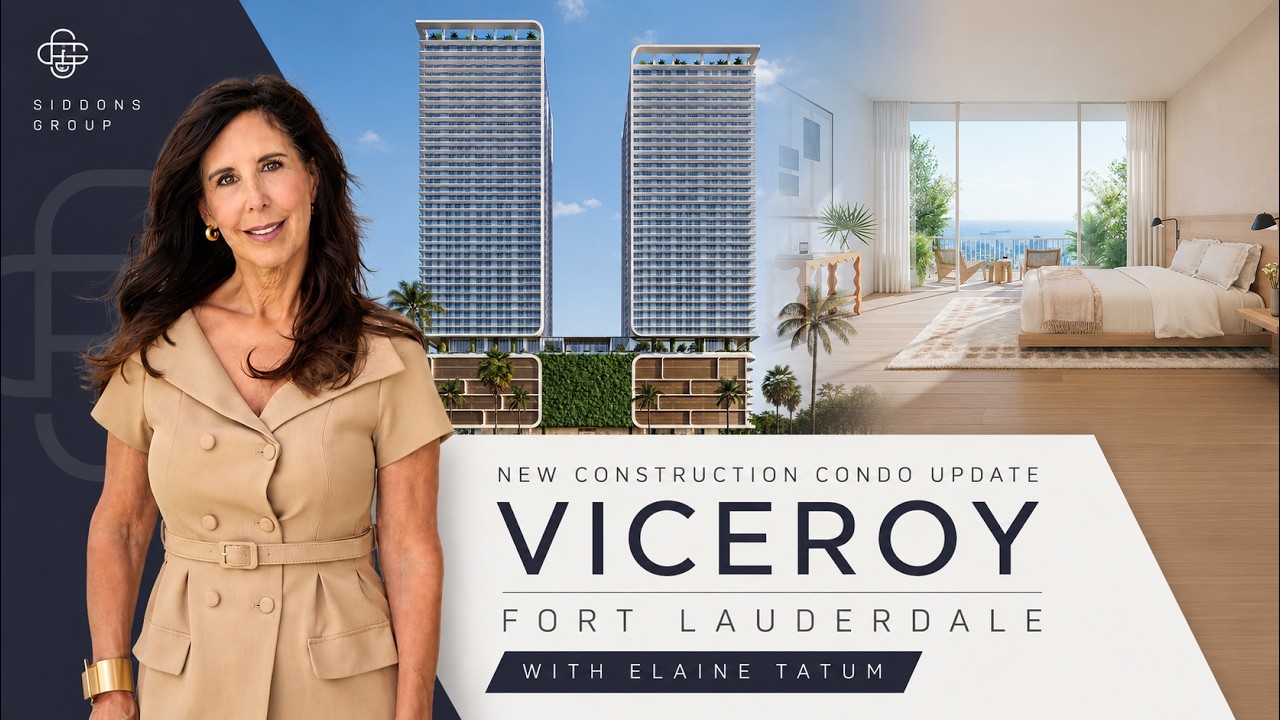
Culturally, the area punches above its weight—from the Museum of Discovery & Science’s holographic theater and Broadway-grade programming at the Broward Center, to the NSU Art Museum’s notable Latin American holdings (including a rare Frida Kahlo self-portrait). The reimagined Huizenga Park will soon anchor the Riverwalk with an all-day civic green. Dining continues its surge, with 50+ openings in roughly two and a half years—ranging from TIMBR, Sixty Vines, and Earl’s to local favorites like The Fitz and Mister 01. Highlights include Timon Balloo’s The Katherine and Michelin-recognized Heritage and Daniel’s Steakhouse. What’s next: Hines’ FAT Village creative district, plus luxury living and hospitality from Andare by Pininfarina, Viceroy, and Ombelle—all set to push quality and choice even higher.
Explore available condos near Las Olas and Riverwalk →
The Beachfront: Luxury Meets Everyday Enjoyment
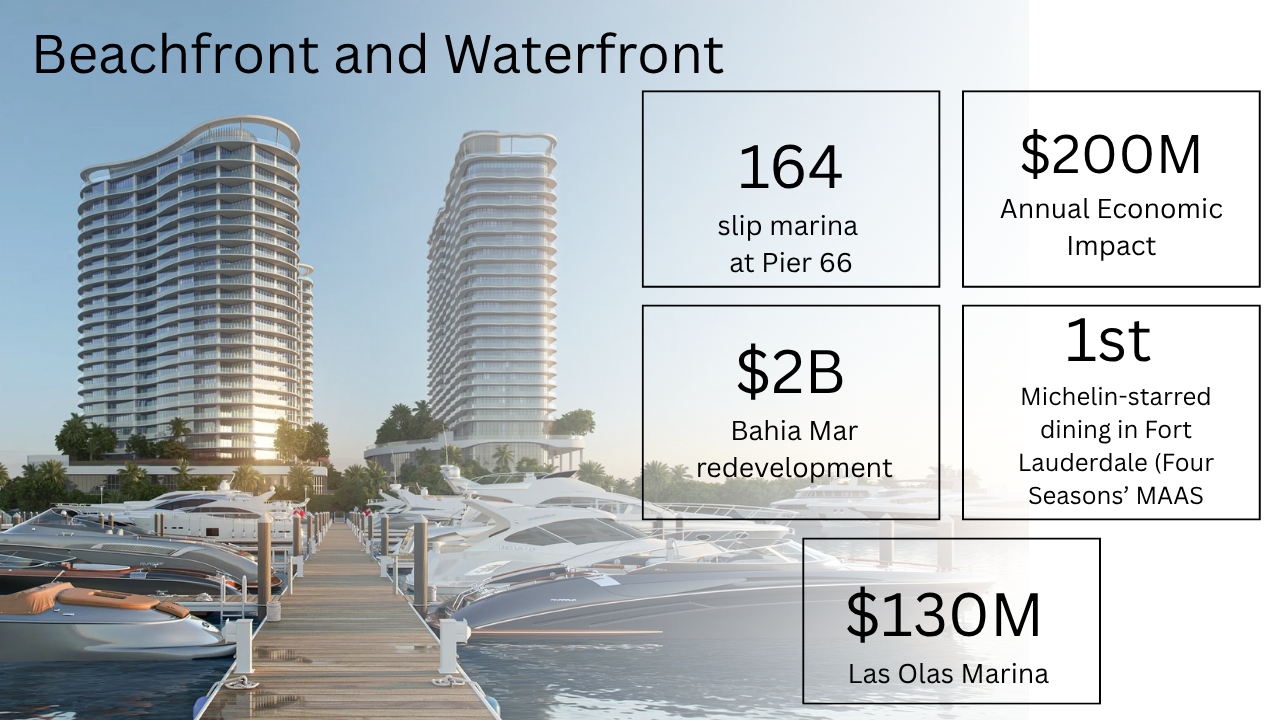
The barrier island continues its shift toward a polished, family-friendly coastline. The A1A streetscape made the beachfront safer and more inviting for pedestrians and cyclists, while Oceanside Park has become a go-to venue for festivals, concerts, markets, and movie nights. Nearby, the refreshed DC Alexander Park adds an ocean overlook, play areas, and better lighting. On the maritime front, the $130M Las Olas Marina delivers 7,000 linear feet of dockage for superyachts, easing regional capacity constraints and underlining Fort Lauderdale’s “Yachting Capital” status. With Ocean Prime anchoring the retail, annual economic impact is projected around $200M. The Fort Lauderdale Aquatic Center is again a stage for elite sports—recent events featuredworld records by Katie Ledecky and Gretchen Walsh—with a rebuilt International Swimming Hall of Fame, aquarium, and added amenities on deck. Flagship private projects raise the bar: the $2B Bahia Mar redevelopment brings a five-star St. Regis hotel, branded St Regis Bahia Mar residences, upgraded marina facilities, and a long-term home for the Fort Lauderdale International Boat Show. Pier 66 has reopened with a full resort program, luxury residences, a 164-slip marina, and its iconic revolving lounge. Also coming: The Dunes (Autograph Collection) and Riva Residenze, a yacht-branded residential debut with Italian boatmaker Riva. Culinary momentum continues, including the city’s first Michelin-starred dining experience at the Four Seasons’ MAASS. When complete, Pier 66 will add a dozen more dining options to the mix.
See current new construction condos at Pier 66, Bahia Mar, and other waterfront developments →
Infrastructure & Resiliency: The Big Picture
Fort Lauderdale has moved from patchwork fixes to a citywide resiliency program. Lessons from recent flooding informed a coordinated approach: hardening stormwater capacity, modernizing water systems, and pairing neighborhood drainage with pump upgrades and water-quality safeguards. A next-generation water treatment facility and smart metering aim to improve reliability and transparency for households. Environmental initiatives—waterway restoration, expanded testing, a path to lower emissions, and a larger urban canopy—now sit alongside core utilities, reflecting a holistic definition of resilience. The net effect: better day-to-day performance, stronger climate readiness, and more even outcomes across neighborhoods—conditions that support confidence for homeowners and long-term investment.
Parks & Recreation: Lifestyle as a Strategy
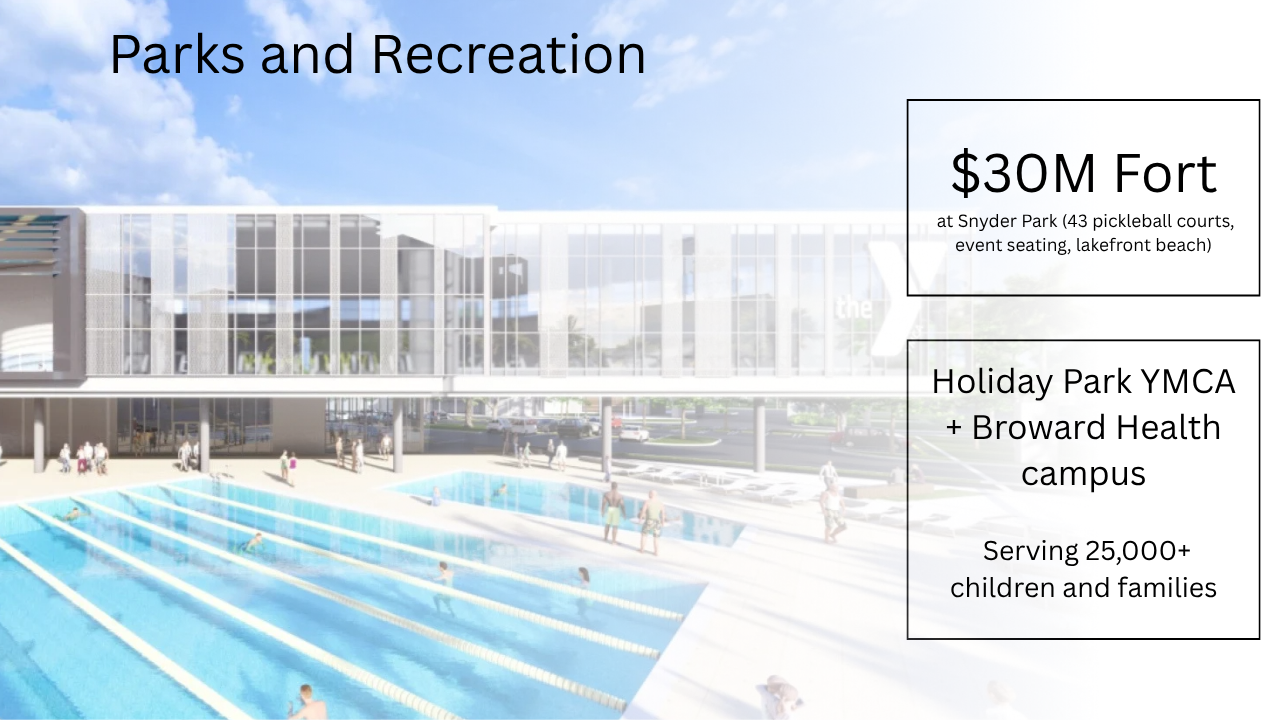
Recreation assets now function as economic drivers and community anchors. The Fort at Snyder Park, a $30M pickleball complex with 43 courts, event seating, a lakefront beach, dining, and flexible event space, is projected to attract 500,000+ visits annually. It has already welcomed the Humana APP Fort Lauderdale Open and will host the Pickleball World Cup with participants from 65 countries. The city is also restoring a signature tennis legacy. Backed by the Orange Bowl and USTA, the Jimmy Evert Tennis Center is being upgraded to international standards and will permanently host the Orange Bowl International Tennis Championships, along with a steady calendar of tournaments and clinics. In Holiday Park, a new YMCA + Broward Health campus is slated to open in 2027, combining a six-lane pool, fitness center, and an on-site emergency medical facility to serve 25,000+ children and families. Meanwhile, the War Memorial Auditorium and Baptist Health Iceplex have re-emerged as community hubs, from public skating and curling to concerts and special events—adding to a year that also celebrated the Florida Panthers’ championship parade on the beach.
Economic Growth & Innovation
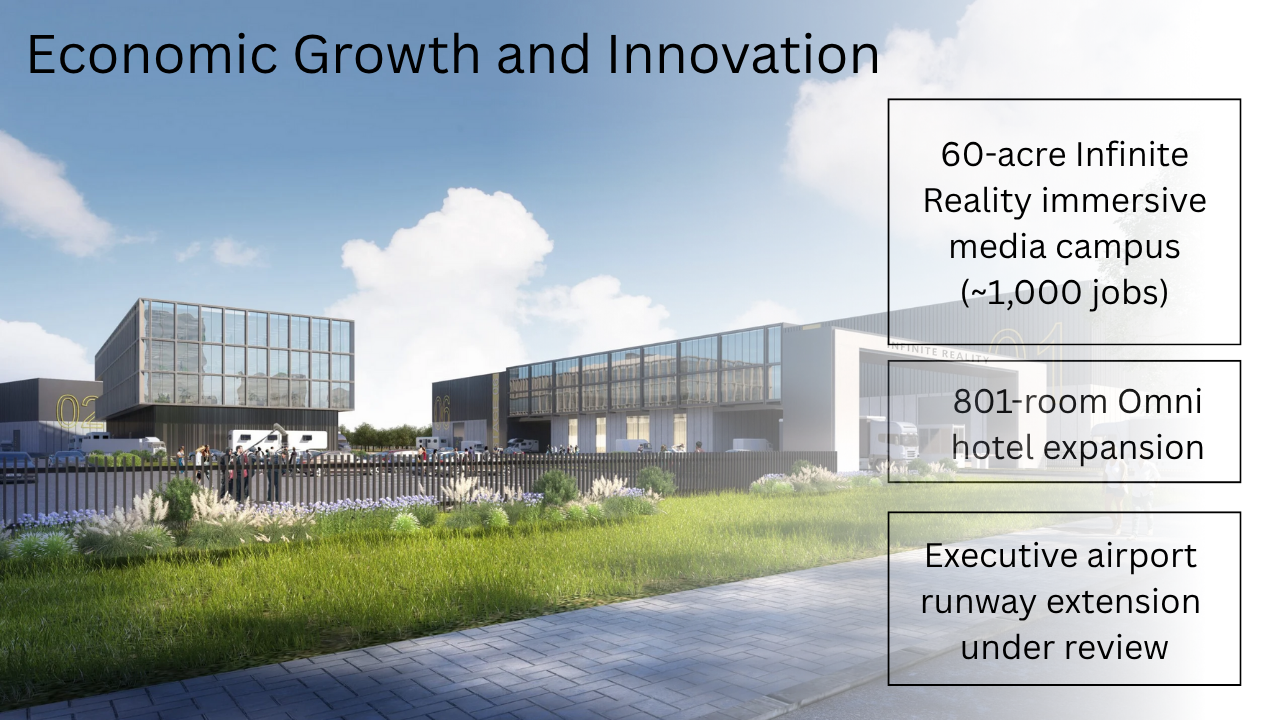
Fort Lauderdale’s pipeline spans tech, media, meetings, and aviation. Infinite Reality’s 60-acre immersive media campus—planned as Napster’s global HQ—reclaims a former Superfund site with studios, training programs, retail, and ~1,000 jobs across next-gen media, AI, and e-commerce. The Broward County Convention Center expansion and the connected 801-room Omni will reposition the city for large-scale national and international events. At the executive airport, one of the country’s busiest general-aviation hubs, a potential runway extension is under review to align with evolving aircraft and demand.
Fort Lauderdale Development Boom | Looking Ahead with Confidence
From superyachts at a next-level marina to families enjoying a newly active Riverwalk, from record-setting aquatics and championship-scale rinks to resilient utilities, Fort Lauderdale is operating on a bigger, bolder canvas. This Fort Lauderdale Development Boom isn’t just a comeback, it’s a reinvention that blends luxury and livability, tradition and innovation, and neighborhood needs with global aspirations.
Let’s Connect
Want to know more about the Fort Lauderdale Development Boom or how this will benefit your Fort Laudedale real estate investment? Connect with the David Siddons Group’s area expert, Elaine Tatum. She looks forward to guiding you to your next best decision. Cheers.
FAQ
These are the most commonly Miami Real Estate Related questions
What should relocation buyers know before buying real estate in Miami?
HOME BUYERS
Relocation buyers looking at homes in Miami should understand that choosing the right house is less about the property itself and more about location, schools, and long-term value. Many buyers make the mistake of focusing on price or finishes, while the real driver of value is the neighborhood and micro-location. Older homes often represent better value, but may also be part of a future redevelopment cycle. Newer homes command premiums, but don’t always sell faster if pricing is ahead of the market. Commute time, school access, and community dynamics are critical and often underestimated. The key is to evaluate homes not just as lifestyle purchases, but as long-term assets within a very localized market.
Sources:
https://luxlifemiamiblog.com/relocating-to-miami/
https://luxlifemiamiblog.com/relocating-to-miami-with-a-family/
CONDO BUYERS:
Relocation buyers should understand that Miami is a highly segmented, building-driven market, not a uniform one. Pricing can vary significantly between similar properties depending on building quality, layout, and financial health. Many buyers assume newer construction equals better investment, but that is often not the case. Factors like HOA fees, reserves, and rental policies can materially impact long-term value and liquidity. Negotiation opportunities often exist, especially in slower segments, but require precise market knowledge. The key is to evaluate micro-markets and individual buildings, not just neighborhoods or price per square foot.
Sources:
https://luxlifemiamiblog.com/miami-real-estate-market-report/
https://luxlifemiamiblog.com/new-construction-miami-guide/
What are the best areas for relocating families with children
For families relocating to Miami with young children, the most recommended neighborhoods are Coral Gables, Coconut Grove, and Pinecrest. Coral Gables offers the best balance of top schools, safety, and long-term value. Coconut Grove is ideal for younger families seeking walkability, greenery, and a lifestyle-driven environment. Pinecrest provides larger homes, excellent schools, and better value for space, making it ideal for growing families. The key driver across all three is access to strong schools and primary residential stability. Relocation decisions are less about new construction and more about long-term livability and resale strength.
Sources:
https://luxlifemiamiblog.com/best-neighborhoods-miami/
https://luxlifemiamiblog.com/what-are-the-best-family-neighborhoods-in-miami-in-2023/
Are new construction condos in Miami a good investment?
New construction condos in Miami can be a good investment—but only if you understand that not all buildings perform the same. According to the David Siddons Group, many buyers assume “new = better,” but in reality, performance depends on pricing, layout, building quality, and long-term demand. Some new developments set future price benchmarks and can drive long-term appreciation, especially in top-tier projects. However, many are priced aggressively at launch, and buyers relying on marketing instead of data often overpay.
The market is highly segmented, meaning two new buildings next to each other can perform very differently.
The best opportunities typically come from selecting the right building early or negotiating correctly in later phases.
In short: new construction is not automatically a good investment—it becomes one only with building-level analysis and disciplined entry pricing.
Sources:
https://luxlifemiamiblog.com/how-to-buy-a-luxury-condo-in-miami/
https://luxlifemiamiblog.com/category/independent-new-construction-condo-reviews/
https://luxlifemiamiblog.com/beyond-clickbait-real-insights-into-miamis-luxury-condo-market/
Why is buying a Miami condo riskier than buyers think?
Buying a Miami condo is often riskier than buyers expect because the true risks are at the building level—not visible in the listing price. Many buyers focus on finishes and views, while overlooking HOA reserves, insurance exposure, and potential special assessments. In reality, two identical units in different buildings can perform completely differently over time. Rising HOA fees and stricter regulations are also increasing the true cost of ownership, especially in older buildings. Liquidity can be affected by factors like financial health, rental policies, and ongoing repairs. The key risk is not the condo itself—but buying into the wrong building without proper due diligence.
Sources:
https://luxlifemiamiblog.com/how-to-buy-a-luxury-condo-in-miami/
https://luxlifemiamiblog.com/miami-condo-market-risks/
What are Miami's Safest Areas?
Which Miami Areas Still offer Great Value (Budget Friendly alternatives to Coral Gables and Pinecrest)
If you’re looking for better value than Coral Gables or Pinecrest, the answer (in true Siddons style) is not “go cheaper”—it’s go one layer outside the obvious markets.
The strongest value plays are:
- Schenley Park → closest substitute to Coral Gables at ~20% discount while maintaining similar character and location
- Biltmore Heights → almost identical feel to the Gables but ~25–30% cheaper on a $/SF basis
- Glenvar Heights → central location with larger lots and ~25% pricing advantage vs South Miami/Gables
- Baptist / Galloway (Kendall) → Pinecrest-style living (space, schools, land) at up to ~30% lower pricing
The pattern is consistent:
👉 Buyers are shifting west and slightly off-market to gain land, scale, and pricing efficiency. You don’t find value by going to a “cheaper neighborhood”—you find it by identifying adjacent micro-markets that offer the same lifestyle fundamentals without the brand premium.
Sources:
https://luxlifemiamiblog.com/best-value-neighborhoods-miami/
https://luxlifemiamiblog.com/category/miami-neighborhoods/
Is NOW a good time to buy in Miami?
Are Miami real estate prices going down in 2026?
No—but that’s the wrong way to look at it. Miami is not one market anymore, so prices are not moving in one direction. In 2026, the market is split into two: ultra-luxury, scarcity-driven areas (like waterfront and top-tier neighborhoods) are still holding or even rising, while mid-tier condos and oversupplied segments are flat or correcting. What we’re seeing is price divergence, not a crash—some properties are gaining value while others are quietly adjusting downward. Rising inventory and more selective buyers are putting pressure on pricing in certain segments, especially older condos or buildings with weaker fundamentals.
At the same time, global wealth and cash buyers continue to support pricing at the top end of the market. So the real answer: prices aren’t broadly dropping—they’re being repriced based on quality, location, and supply.
Should I buy a house or a condo when relocating to Miami?
The decision comes down to lifestyle first, investment second—and most relocation buyers get that backwards. If you want space, privacy, schools, and long-term family living, a single-family home in areas like Coral Gables or Coconut Grove is typically the stronger choice. If you prioritize walkability, low maintenance, and proximity to business districts, a condo in Brickell or waterfront markets makes more sense.
From an investment perspective, homes tend to be more stable, while condos are more building-dependent and cyclical. Most relocation clients underestimate how much building quality, HOA structure, and future costs impact condo performance. The right answer isn’t “house vs condo”—it’s which asset fits your lifestyle AND holds value within its micro-market.
How do I choose the right Miami neighborhood for my lifestyle?
Why are Miami condo prices so different between buildings?
Miami condo pricing varies widely because value is determined at the building level, not just by location. Two buildings next to each other can have major differences in financial health, reserves, HOA fees, and management quality. Buyers also pay premiums for better layouts, views, amenities, and newer construction—but not all “new” buildings perform equally. Factors like rental policies, upcoming assessments, and building reputation can significantly impact resale value. This is why price per square foot alone is misleading in Miami’s condo market. The real driver of value is how that specific building competes within its micro-market over time.
Sources:
https://luxlifemiamiblog.com/how-to-buy-a-luxury-condo-in-miami/
https://luxlifemiamiblog.com/category/independent-new-construction-condo-reviews/
WHY WORK WITH DAVID? THINGS YOU SHOULD KNOW...
For all our analytics we are agents driving some very unique and advanced tech. We Provide a granular and custom experience that empower our clients with the insight and tools to understand the most complex behaviors of any local markets.
-
Analytical
Over 100 reports produced to date
-
Knowledgeable
Over 1800 published articles and counting


Related Articles
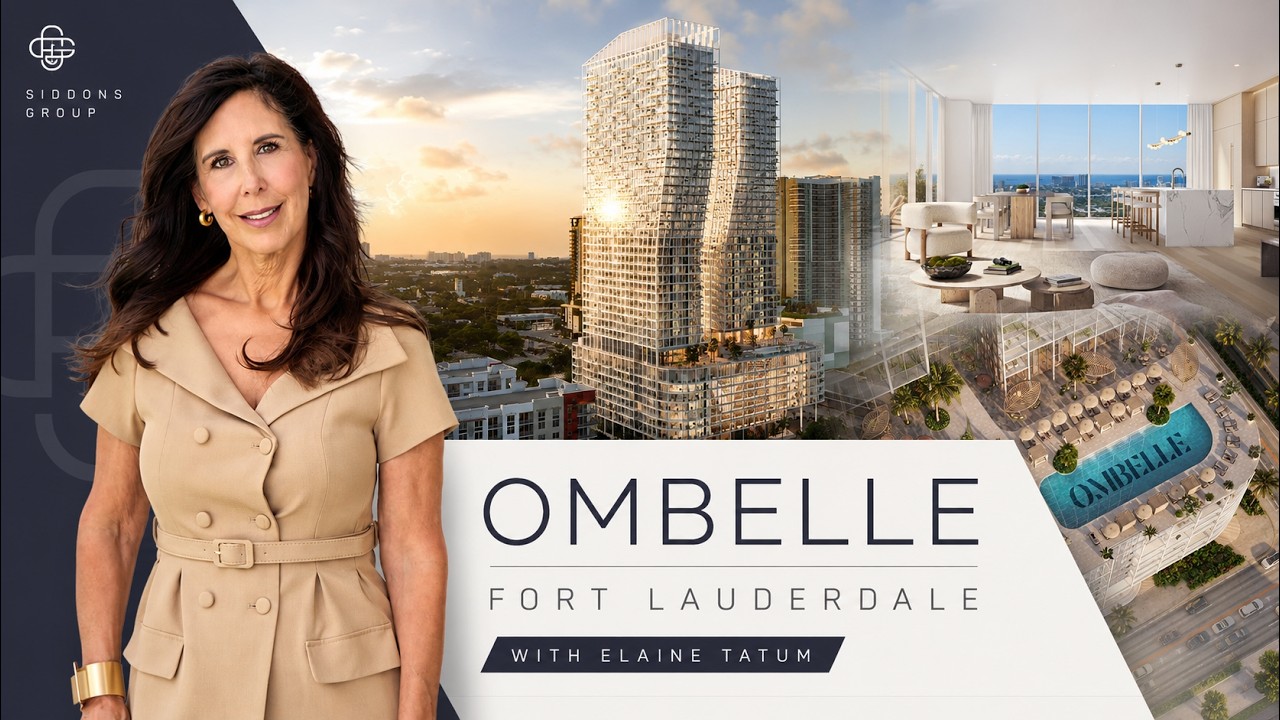
Ombelle Residences Fort Lauderdale — Flagler Village New Construction Condos 2026
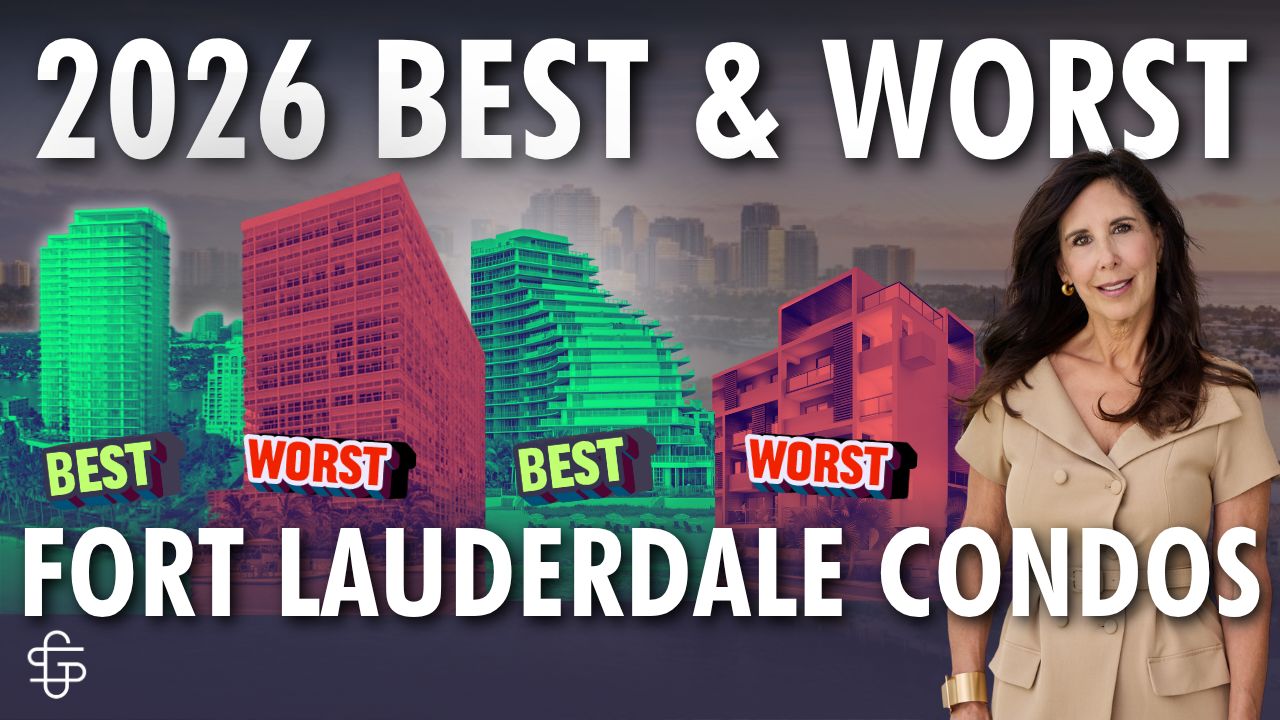
The Best Condos in Fort Lauderdale for 2026 — And 3 Condos to Avoid
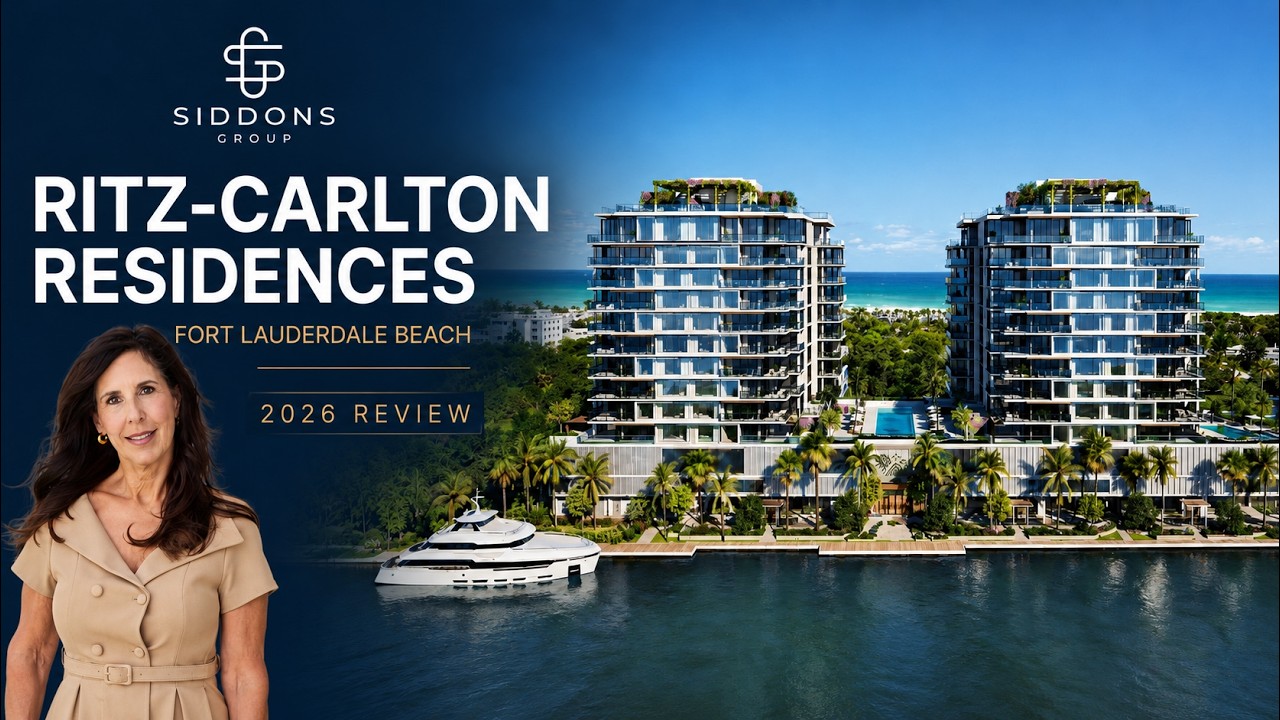
The Ritz-Carlton Residences Fort Lauderdale Beach: Why This Project Deserves a Serious Look in 2026
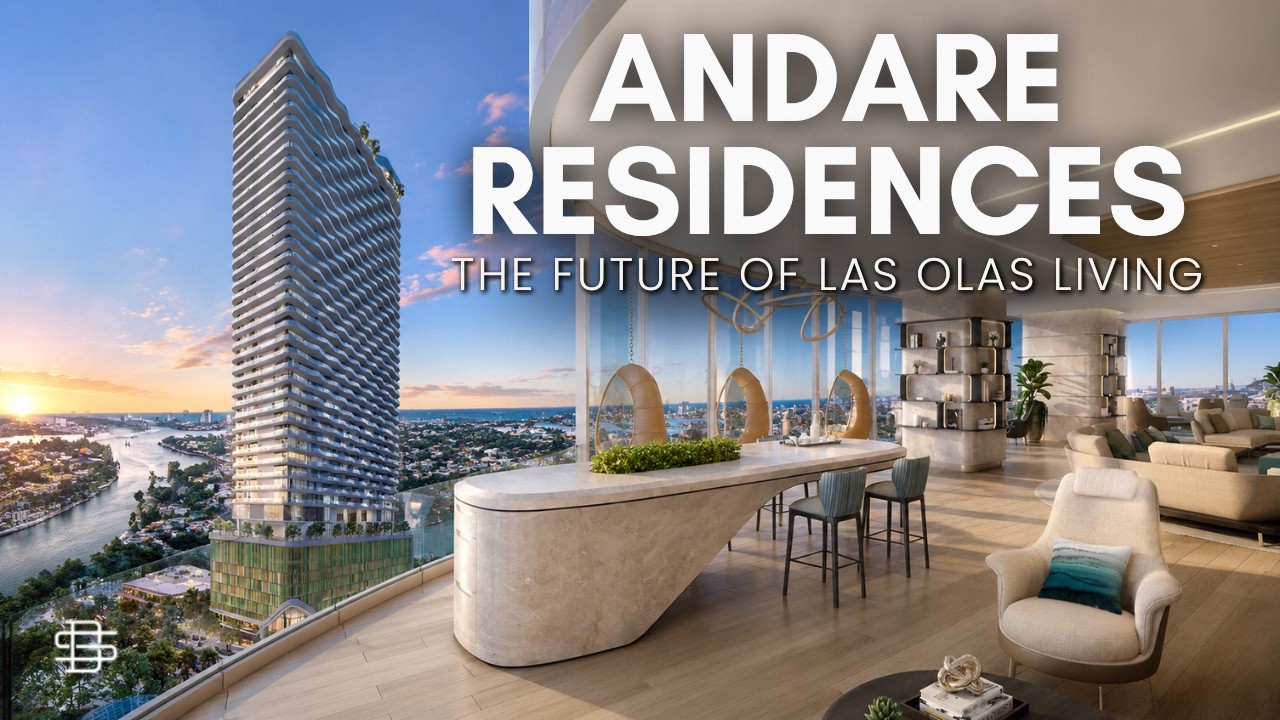
Andare Residences by Pininfarina: Italian Design Meets the Future of Downtown Fort Lauderdale
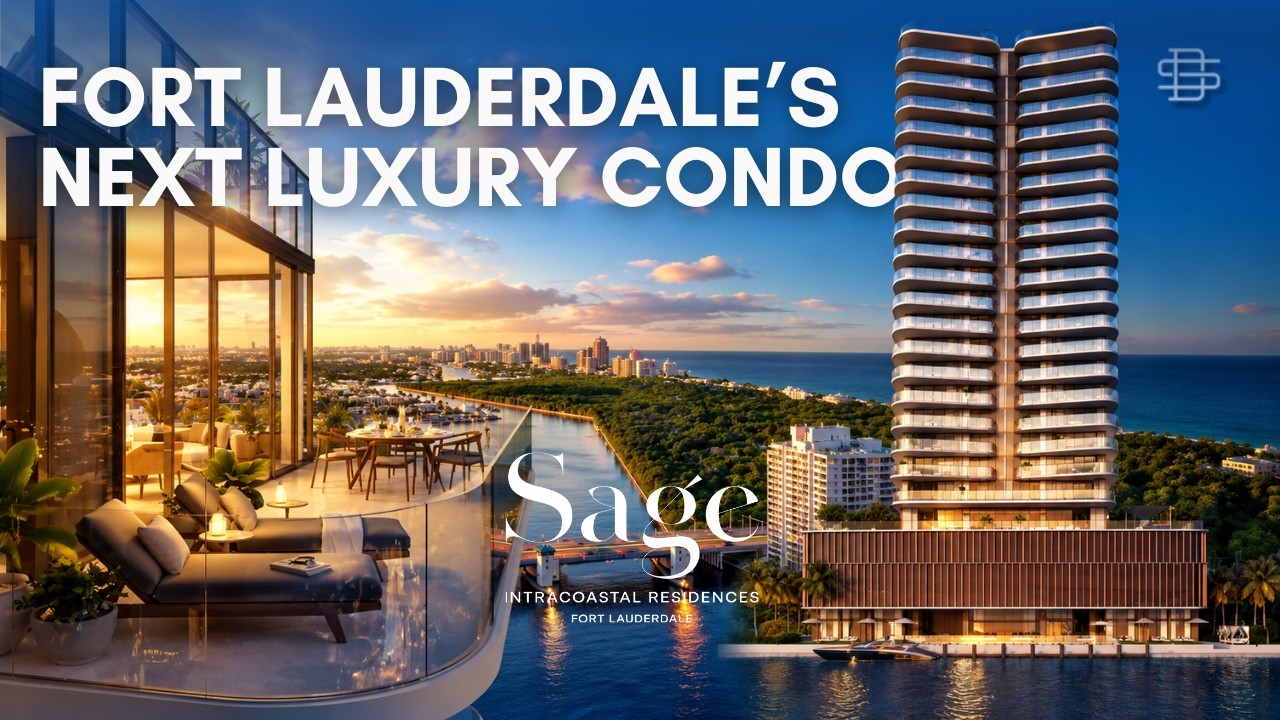
Sage Intracoastal Residences Fort Lauderdale: Boutique Luxury, Waterfront Living & Construction Momentum

Sixth & Rio Fort Lauderdale: Boutique Riverfront Condos in the SoLo District with 2026 Delivery
Fort Lauderdale Luxury Real Estate Update Q1 2026 | A Quiet Market Shift is Underway

First Look: The Ritz-Carlton Residences Fort Lauderdale Beach
Luxury waterfront homes Fort Lauderdale | Where Value Is Defined by Water

Fort Lauderdale Development Boom | 2025 Real Estate & Lifestyle Outlook

The Best and Worst Condos in Fort Lauderdale for 2025
Buy Now or Regret Waiting? How Rate Cuts Could Reshape Fort Lauderdale Luxury Real Estate.

Sereno Fort Lauderdale: Boutique Coastal Living Surrounded by Nature, Ocean, and City Views
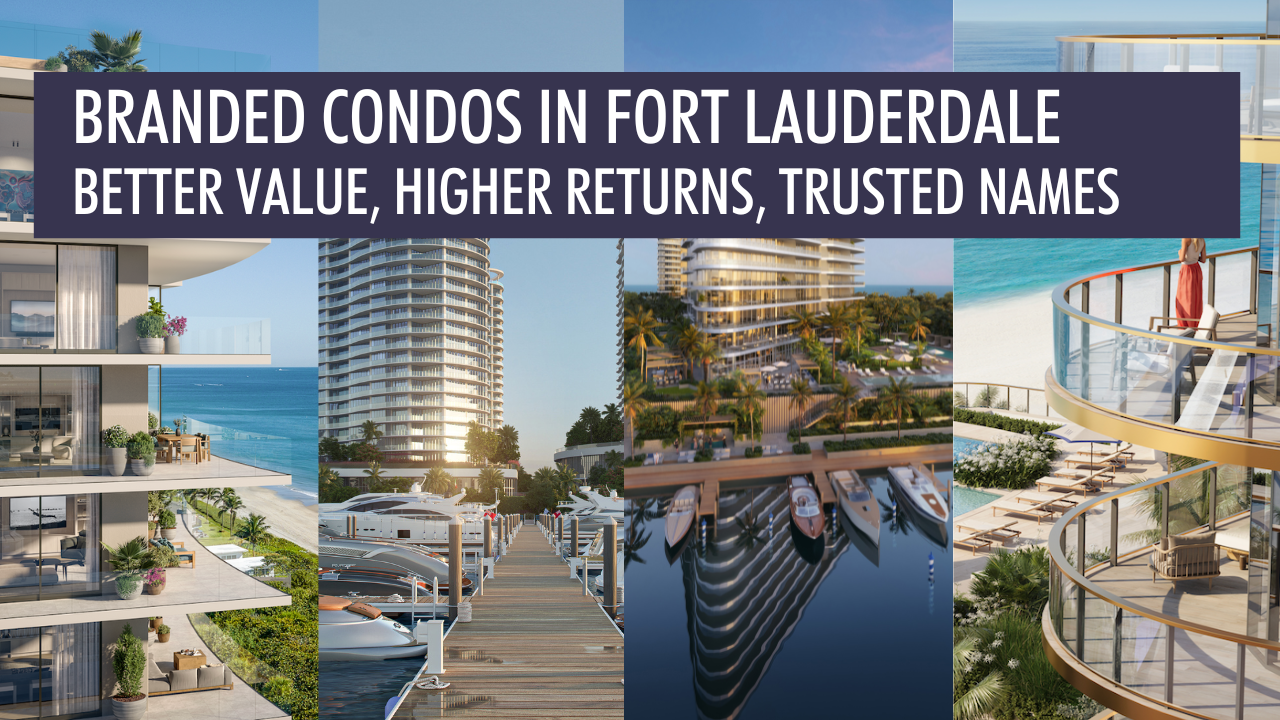
Luxury Branded Condos in Fort Lauderdale: Better Value, Higher Returns, Trusted Names
Please fill in your details and David Siddons will contact you

Search related videos

Are St. Regis Sunny Isles Residences Worth the Brand Premium?
Coral Gables Market Report 2025: What the Headlines Aren’t Telling You!
How David Siddons’ Power Team Drives Miami’s Luxury Market
Mid‑Year 2025 Coconut Grove Report: The Truth About What’s Selling Now
Brickell Mid‑Year Market Report 2025 | Is Brickell’s Luxury Market in Trouble?
Pinecrest Mid-Year Market Report 2025 | What’s Selling, What’s Sitting & Why
Miami Beach Condo Market Mid-Year Report 2025 | What Buyers & Sellers Need to Know
How to Lose $1M in The Miami Condo market | Top Mistakes That Cost Miami Condo Buyers Millions
The Well Project EXPOSED Coconut Grove’s Hottest Units
Miami Real Estate in 2025 Is NOT What You Think 😱 | Midyear Must Knows for Buyers & Sellers!
7 Things You Should Never Say to a Real Estate Agent in Miami!
Landmark Victoria Park Residence in Fort Lauderdale: Inside 420 NE 11th Ave 🌴✨
Luxury Living on 2355 S. Miami Ave | Fully Furnished 4-Bed Home w/ Resort-Style Pool 🏊
Is Mandarin Oriental Residences Miami a Smart Condo Investment? Prices, Floorplans, Views & Finishes


- Get our Newsletter
- Subscribe
- No Thanks
Get the latest news from Miami Real Estate News
Close
Edit Search
Close
2 of 14
Share this property
Recomend this to a friend, just enter their email below.
Close
Your email was sent successfully
Close
 COMPARE WITH CONDOGEEKS