












- Best of All
- Best Miami Luxury Condos
- Most popular
- Relocating to Miami
- Private Schools
- Investments
- Gated communities
- Waterfront information
- Luxury homes
- Luxury Condos
- New Construction Condos in South Florida
- Independent Pre-Construction condo reviews for Miami
- Independent Pre-Construction condo reviews for Fort Lauderdale
Top 5 Miami Neighborhoods to Buy in 2026
Coral Gables, Coconut Grove, Pinecrest, Miami Beach and Surfside
A data-driven guide for discerning buyers by David Siddons Group – Miami’s luxury real estate specialists
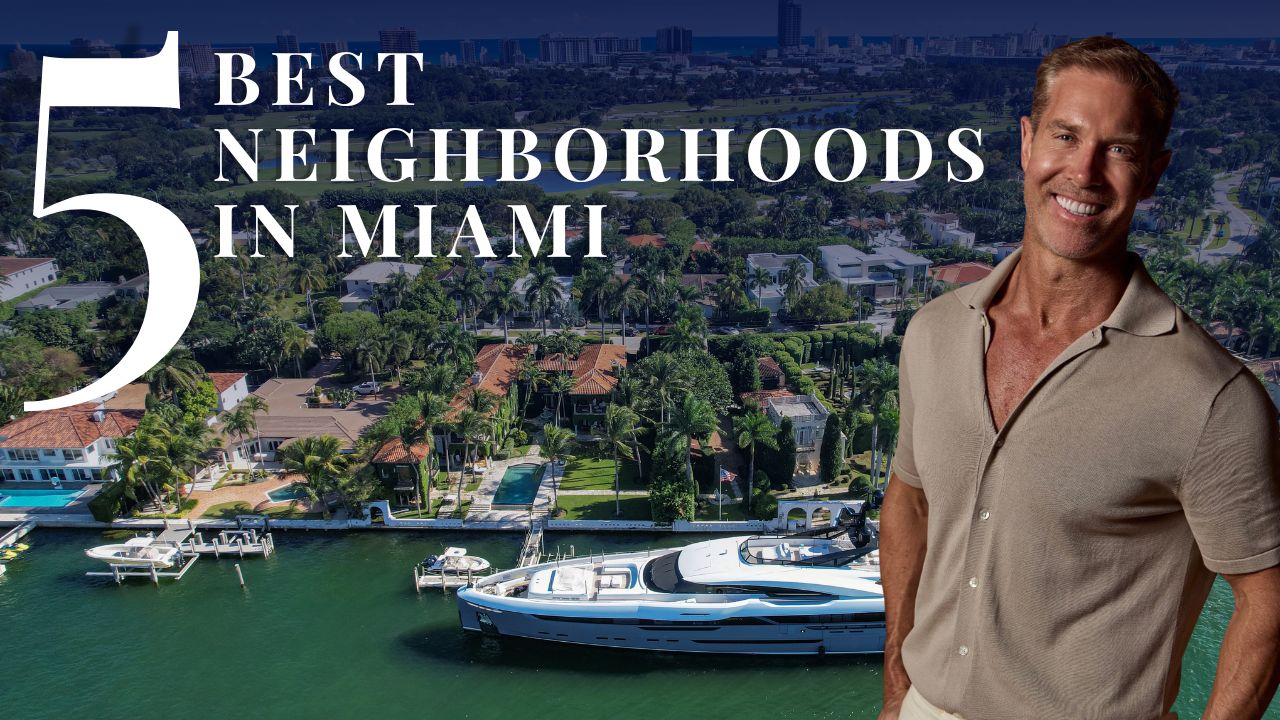
Introduction
If you are searching for the top 5 Miami neighborhoods to buy real estate in 2026, this guide was written for you. Not for the casual browser. Not for the speculator chasing headlines. For the HNWI buyer – the family relocating from New York or California, the European investor seeking a permanent base, the seasoned buyer who wants one source of truth before making a seven-, eight-, or nine-figure decision.
Miami’s luxury market in Q1 2026 posted a 21% increase in luxury sales, with dollar volume up 15.6% year-over-year. That headline, however, hides more than it reveals. The market has split. There are neighborhoods where well-priced, well-located homes trade in under 60 days and sellers hold their price. And there are neighborhoods where overpriced listings sit for six months. Knowing which is which – and which pockets within each neighborhood command a premium – is the difference between a great acquisition and an expensive mistake.
The five areas covered in this guide – #1 Coral Gables (Ponce Davis) | #2 Coconut Grove | #3 Pinecrest | #4 Miami Beach | #5 Surfside – are not chosen arbitrarily. Each has a structural reason to outperform in 2026: scarcity, end-user demand, elite schools, lifestyle resilience, or a combination of all four. None of them depend on speculative inflows or hype cycles to sustain value. That is exactly why HNWI buyers keep returning to them – and why the best assets in each of them are rarely available for long.
Top 5 Miami Neighborhoods to Buy in 2026
| Neighborhood & Property Search Links | KNOWN FOR | WHO IS IT FOR | VALUE INCREASE IN THE LAST 5 YEARS | BEST AREAS |
| Coral Gables | Legacy · Privacy · Preservation | Families prioritizing schools, privacy, and gated waterfront access | 77% | Gables Estates, Old Cutler Estates, Cocoplum, Hammock Lakes, Snapper Creek |
| Coconut Grove | Scarcity · Authenticity · Livability | Families seeking a village feel, walkability, or high-end condos that replace a home | 94% | South Grove, the Moorings, Hughes Cove, Entrada Estates |
| Ponce Davis | Discreet · Estate-Scale · Central | Buyers seeking central access, large lots, and new estate homes | 50% | Anything off the larger streets |
| Pinecrest | Land · Schools · Durability | Buyers seeking large lots with estate-scale homes | 80% | The North of Pinecrest (till 104th street, Stritter Estates, Sanctuary and Criterion Estates |
| Miami Beach | Prestige · Waterfront · Exclusivity | Lifestyle buyers prioritizing nearby energy and waterfront living | 67% | Sunset Islands, Ventian Islands, North Bay Rd, La Gorce Island, Palm, star or Hibiscus Island |
| Surfside | Ultra High End Condos | Lifestye and. Luxury Condos with Large Floor Plans | 69% | Surf Club Four Seasons, Fendi Residences, Arte, 87 Park |
Why These Miami Neighborhoods? The 2026 Framework
Before diving into each market, here is the lens we use to separate durable value from noise:
- Months of Inventory (MOI): Under 6 months is a seller’s market. 6–12 months is balanced. Above 12 months is buyer-leaning. We want to know MOI by price tier, not just overall – because the same neighborhood can be a seller’s market at $3M and a buyer’s market at $8M.
- Days on Market (DOM) and list-to-sale spreads: How fast are homes moving, and at what discount to ask? A tight DOM with discounts under 5% signals real conviction from buyers.
- End-user density: Investor-driven markets are volatile. Neighborhoods dominated by families who plan to stay – and whose children attend school nearby – are structurally more stable.
- Supply pipeline: How much new construction is coming? In Pinecrest and Ponce Davis, the answer is: very little. In Coconut Grove, controlled. That scarcity is the foundation of long-term value.
- Migration and demand catalysts: Corporate relocations, school rankings, proximity to financial hubs, and lifestyle quality all drive sustained demand. Every neighborhood in this guide scores well on these fundamentals.
1. Coral Gables: Miami’s Most Prestigious Address – and Still Moving
Why Coral Gables wins in 2026: Scarcity, prestige, and the deepest pool of end-user demand in South Florida. Coral Gables is not one market – it is a collection of micro-markets, each behaving differently by price tier and pocket. What makes it consistently rank as Miami’s number one neighborhood for HNWI buyers is simple: it delivers on every dimension that wealthy families and global buyers actually care about. Top-ranked private and public schools, including some of the most sought-after institutions in South Florida. A ten-minute drive to Brickell’s financial hub. Tree-lined streets, over 60 parks, walkable village centers, and a city government that has actively protected the neighborhood’s character for nearly a century. Gables Estates has been named the most expensive neighborhood in the United States – a designation that tells you everything about the caliber of buyer this market attracts.
Buyers from New York, California, and increasingly from European capitals arrive here seeking safety, stability, and long-term value. Coral Gables has delivered all three, without exception, for decades. That consistency is the product, not just the backdrop. It is also why inventory stays structurally tight across the most desirable pockets: people who buy here do not tend to leave. For the full Q1 2026 transaction data, price-per-SF by tier, and absorption rates, read our Coral Gables Q1 2026 Market Report.
What to Buy: Wide-frontage waterfront homes or new construction on premium lots east of US-1; renovated estates with clean orientation and strong school-district positioning; land for tear-down/rebuild in pockets like South Gables where new construction comps support the math.
What to Avoid: Older, unrenovated homes in flood-prone micro-pockets or on busy arterials; properties priced at new-construction levels without the finishes to support the ask; anything with deferred HOA maintenance or condo assessments in older mid-rise buildings along the Miracle Mile corridor.
A Note on Ponce Davis
Ponce Davis sits between East and West Coral Gables, and while it is technically unincorporated Miami-Dade, it feels like Coral Gables at its most private. Larger lots – many exceeding 20,000 square feet – lower density, and a resident profile of surgeons, executives, family offices, and global wealth that has made Miami home permanently. There are no speculative investors here. No short-term renters. No noise. The people who buy in Ponce Davis are committed to the address for the long term, which is precisely what keeps the market stable and the community exceptional.
What sets it apart from Coral Gables proper is the sheer scale and privacy of the homes, and the fact that a meaningful share of transactions happen entirely off-market. This is a neighborhood where knowing the right people matters as much as knowing the data. If Ponce Davis is on your list, call us before you start searching publicly – the best homes here rarely appear online.
Peak Inside this Brand New Custom Ponce Davis Home on an acre lot – Listed by the David Siddons
Private Access
The best homes in Miami never reach the public market
Off-market opportunities in Coral Gables, Ponce Davis, the Venetian Islands, and Surfside move through relationships, not listings. If you are serious about buying in 2026, the conversation starts here.
#2. Coconut Grove: Where Miami’s Wealthiest Families Actually Want to Live
Why Coconut Grove wins in 2026: The only Miami neighborhood where waterfront lifestyle, elite schools, walkable village culture, and genuine scarcity all converge in one address.
Coconut Grove attracts a buyer type that is nearly impossible to displace: wealthy families who are not here for the investment thesis, they are here for the life. Elite schools including Ransom Everglades and Carrollton. Bayfront parks and marinas. A genuine village with restaurants, galleries, and a community that actually knows its neighbors. A ten-minute drive to Brickell. And a protected coastline that, by design, will never be replicated or overdeveloped. That combination explains why the Grove was the standout performer of the Q1 2026 Miami market report – and why that performance has been consistent, not accidental. For the full data breakdown, read our Coconut Grove market report.
What sets the Grove apart from other high-end Miami neighborhoods is that the demand here is structural, not cyclical. It does not depend on interest rates or migration waves, though both support it. It depends on the fact that there is simply very little Grove left to buy. The condo pipeline is a fraction of what other Miami neighborhoods add in a single tower. Trophy buildings like Park Grove, Grove at Grand Bay, and Vita at Grove Isle have posted some of the strongest price-per-SF readings in all of Miami, and well-priced units move quickly. The tailwinds – continued migration from New York and California, European wealth seeking a permanent home in the Americas, a city government that has actively protected the neighborhood’s character – are not new. They are deepening.
What to Buy: Renovated single-family homes east of Main Highway or within gated communities; newer or fully modernized condos in trophy buildings with wide floor plans, bay views, and strong HOA reserves – particularly Park Grove, Vita, and Grove at Grand Bay.
What to Avoid: Dated homes in flood-prone areas or on busy streets; older condo buildings with rising assessments, compromised layouts, or views obstructed by newer construction; any building with pending special assessments that quietly erode the value of an otherwise attractive unit.
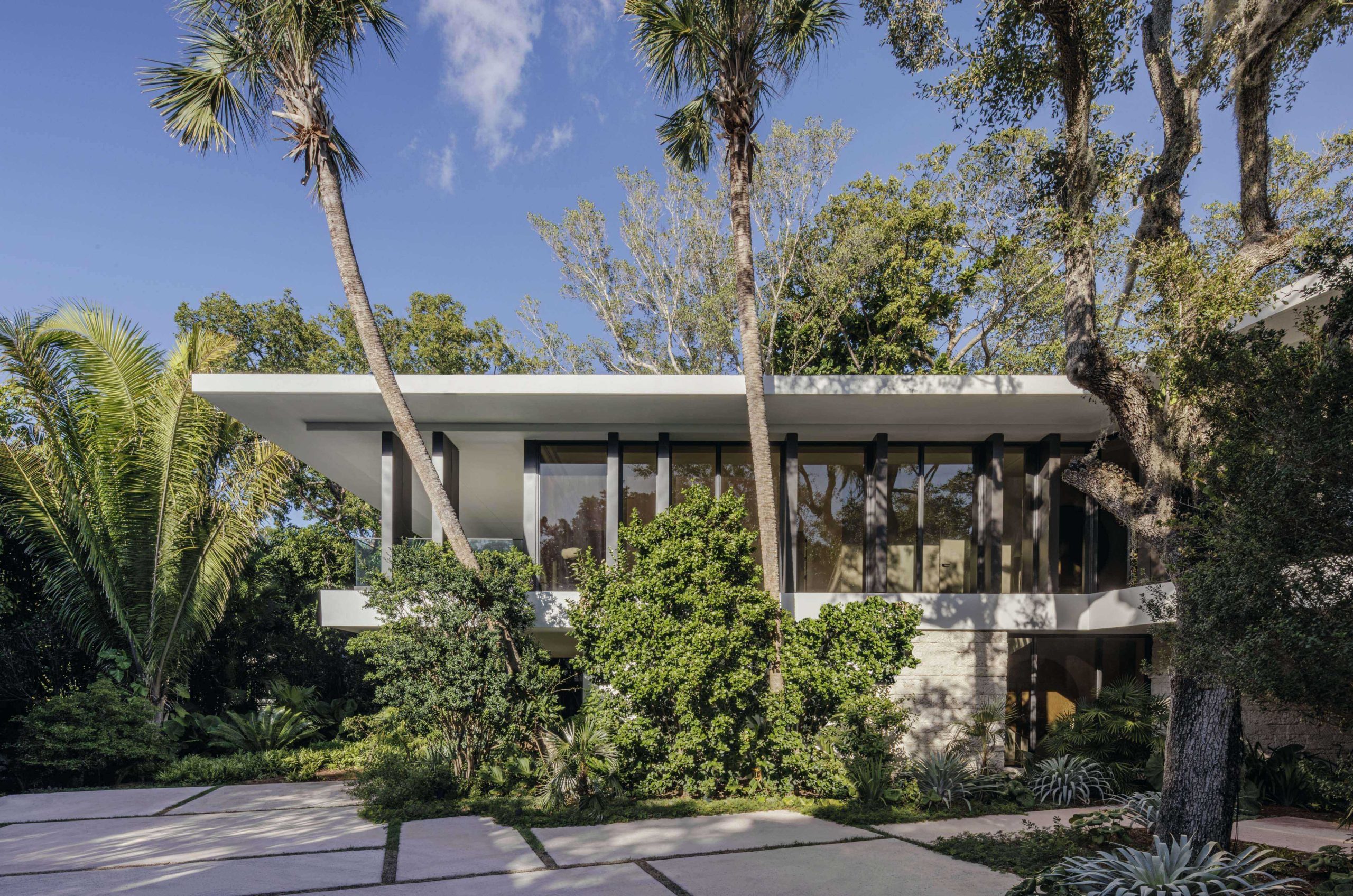
Undisclosed Coconut Grove Estate | Private Off-Market Offering in a Gated Enclave by the David Siddons Group
#3. Pinecrest: The Market That Smart Buyers Discovered Before the Headlines Did
Why Pinecrest wins in 2026: Strong and accelerating price momentum, a pure end-user buyer base, and land values that still trail its neighbors – but are closing the gap fast.
Pinecrest posted the strongest price acceleration of any neighborhood in the Q1 2026 Miami market report. For the full data, see our Pinecrest market report. What the numbers reflect is a market repricing itself to match a reality buyers have understood for some time: Pinecrest offers a quality of life that has historically been underpriced relative to Coral Gables and the Grove, and that gap is closing.
At its core, Pinecrest is a families-with-children market – and that is its greatest strength. The buyer here is not an investor or a pied-à-terre seeker. It is the executive household that wants Pinecrest Elementary or Palmer Trinity, a full-acre lot, and a house that actually accommodates real life – Five bedrooms, a pool, a three-car garage, room to grow. That demand is sticky and self-reinforcing. Families come, stay, and bring other families. Turnover is low. Rental inventory is virtually nonexistent. And because the supply pipeline for new construction remains limited, well-executed homes command a lasting premium at resale.
Land values here are still meaningfully more accessible than Coral Gables or the Grove, which makes Pinecrest one of the strongest markets in Miami for teardown-and-rebuild buyers who want new construction quality in a neighborhood with genuine long-term appreciation fundamentals. At the upper end of the market, there is currently more inventory than usual, which creates a genuine window for well-informed buyers. That window will not stay open indefinitely.
What to Buy: New construction or fully renovated homes on large lots in the best school corridors; teardown opportunities where the land cost supports the new construction math; well-positioned listings at the upper price tier where patient buyers currently have real leverage.
What to Avoid: Dated homes in less desired micro-pockets or on busy thoroughfares; properties priced at new-construction levels without the finishes to justify the comparison.
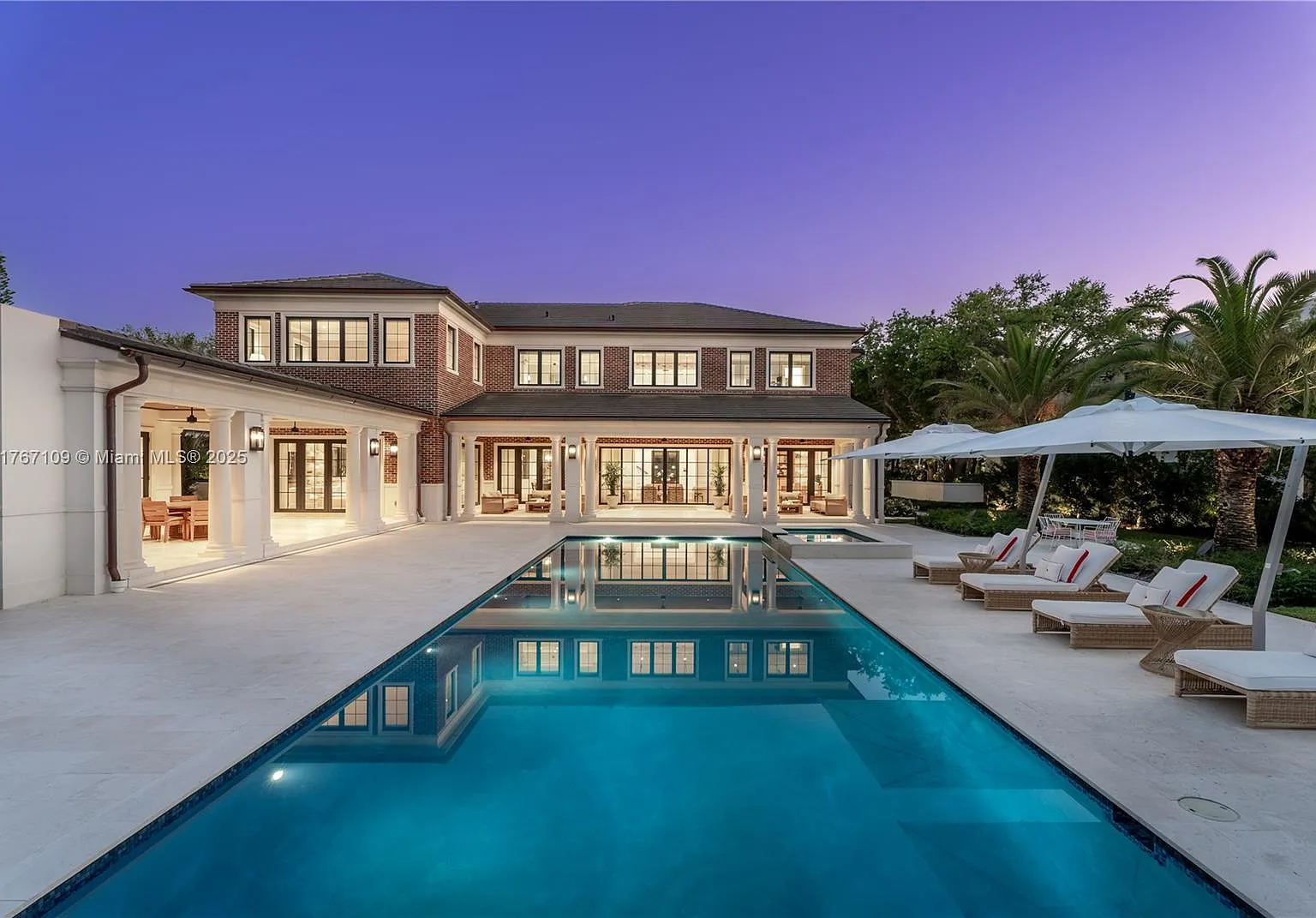
Sold By the David Siddons Group | A Custom Built Estate in Pinecrest
#4. Miami Beach: Trophy Islands and Gated Pockets for Buyers Who Know Exactly What They Want
Why Miami Beach wins in 2026: A finite island city with a protected coastline, world-class lifestyle, and a set of gated enclaves and trophy streets that continue to outperform the broader market year after year.
Miami Beach is not a monolithic market and treating it as one is the most common mistake buyers make here. The headline inventory numbers, the average days on market, the broad price-per-SF figures – none of them reflect what is actually happening in the pockets that matter to HNWI buyers. Those pockets are the gated islands and the trophy waterfront streets, and they operate by their own rules entirely.
The islands are the crown of Miami Beach real estate—defined by low density, large bay-facing lots, total privacy, and a resident community of families, executives, and global wealth that chooses to live here long-term. The Sunset Islands and the Venetian Islands (San Marino, Rivo Alto, Di Lido) offer a rare balance of seclusion and proximity, while Star, Palm, and Hibiscus Islands each remain gated, highly private, and consistently attract top-tier buyers. On the mainland, North Bay Road, La Gorce Island, and Allison Island draw a similar caliber of buyer, centered on waterfront living and prestige. What underpins demand is simple: scarcity. There are no new islands, no expanding gated enclaves, and limited turnover—keeping top-tier waterfront homes in these pockets resilient, often trading quickly and near asking even as broader market conditions fluctuate.
What to Buy: Turnkey, view-protected waterfront homes on the Sunset Islands, Venetian Islands, or North Bay Road; gated island properties on La Gorce or Allison Island where the lot quality and water access are uncompromised; any well-priced home in the $6M-$10M range within these enclaves where the current inventory build creates genuine buyer leverage.
What to Avoid: Non-waterfront or compromised-view homes priced as if the address alone carries the premium – it does not in this market; homes requiring major renovation on the open market where new construction comps will make the math difficult to justify; Pine Tree Drive properties if direct deep-water boat access is a priority for you, given the fixed bridge constraints; anything in the broader Miami Beach market outside these specific enclaves, where the softening is real and the recovery timeline is less certain.
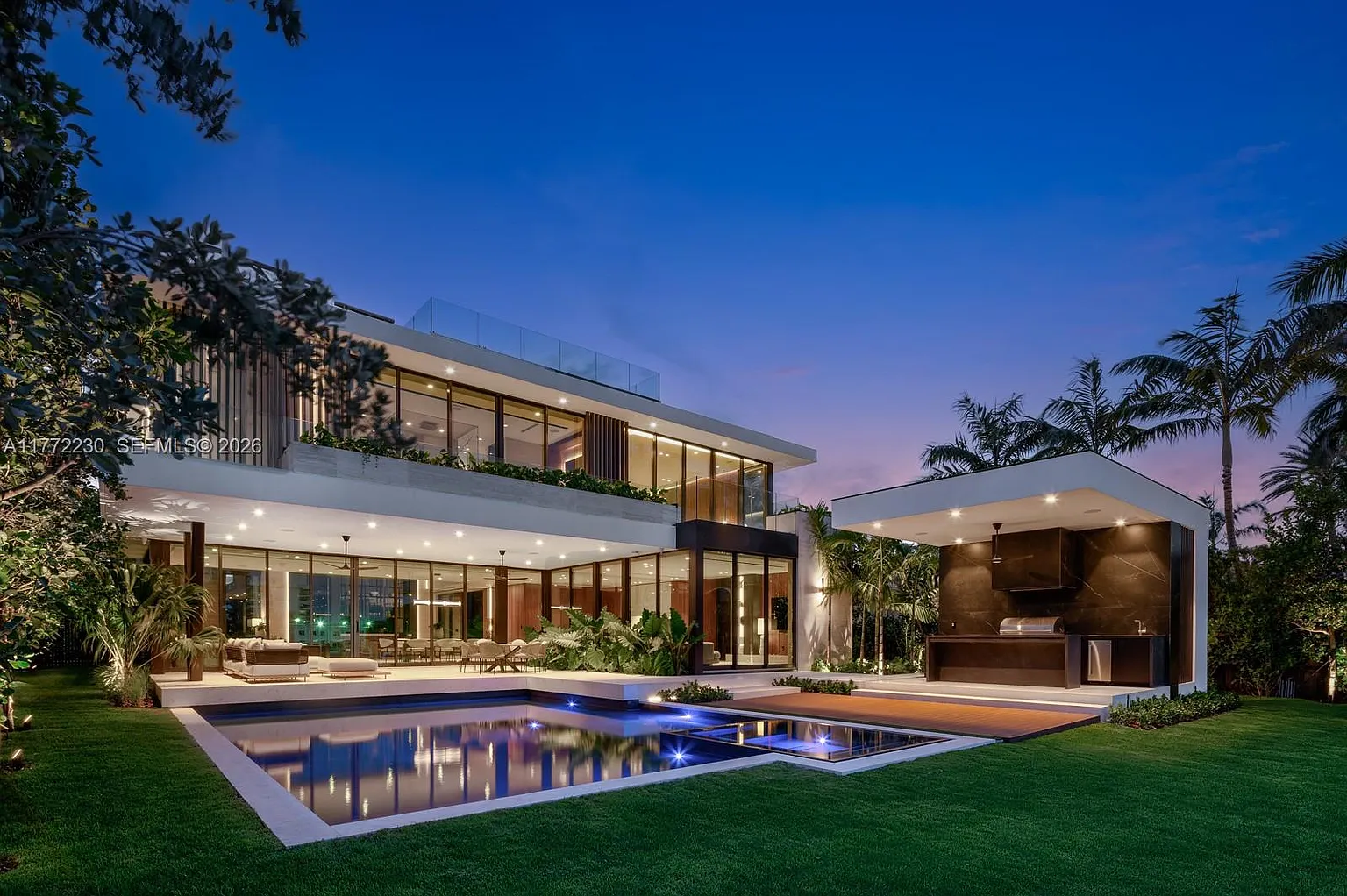
Recently sold by David Siddons Group – 5515 Pine Tree Dr in Miami Beach.
#5. Surfside Condos: One of the World’s Great Oceanfront Addresses – If You Know Which Buildings to Buy
Why Surfside wins in 2026: A small, exclusive market that has reinvented itself as a global luxury brand – with a clear divide between buildings that belong in that conversation and those that do not.
Surfside is no longer just a neighborhood on Miami’s coastline – it has become a genuine global address. The arrival of Fendi Chateau, The Surf Club Four Seasons, and Eighty Seven Park transformed a quiet enclave into one of the most prestigious condo markets in the world, ranking alongside the best of New York, London, and Monaco for the caliber of buyer it attracts. That transformation is still unfolding. The Delmore, designed by Zaha Hadid Architects and developed by DAMAC Properties, is under construction. Ocean House Surfside brings 25 exclusive residences to market, designed by Arquitectonica. The next chapter of ultra-boutique oceanfront living is being written here right now.
What draws HNWI buyers to Surfside is a combination that is nearly impossible to find elsewhere: true oceanfront with minimal density, five-star service, genuine privacy, and a residential scale that feels nothing like the towers of Brickell or even South Beach. The buyer profile is global – family offices, European wealth, Latin American ultra-high-net-worth individuals, and American buyers who want the best address Miami has to offer without the noise of a larger urban market. Many transactions at the top of this market happen entirely off-market and in cash.
But Surfside is also a market that rewards careful buyers and punishes careless ones. As our Surfside market report makes clear, this is a deeply bifurcated market. The best buildings have posted some of the strongest price-per-SF figures in all of Miami. The weakest have barely moved in years and carry risks – structural, financial, regulatory – that no oceanfront address can offset. In Surfside, the building is the investment thesis. The zip code is not enough.
What to Buy: Proven ultra-luxury boutique buildings – Arte, Fendi Chateau, Surf Club, Eighty Seven Park – and carefully vetted pre-construction opportunities. Residences with unobstructed ocean or bay views, full-service management, and buildings with clean reserve fund histories and no pending special assessments.
What to Avoid: Older oceanfront buildings where HOA fees appear suspiciously low for the age and location – this is almost always a sign of deferred maintenance and future liability, not a bargain; any building with unresolved structural compliance questions; mid-tier product that lacks the service profile or design pedigree to hold its value as the market continues to bifurcate toward the top.
Surf Club Four Seasons Residences: Miami’s Most Coveted Condo Recently closed on a $86M Penthouse

Private Consultation
20 minutes with David is worth more than 20 hours of searching online
A private briefing tailored to your budget, timeline, and the neighborhoods that actually fit your life. No pitch. No pressure. Just the data and the pockets most buyers never hear about.
How to Read the Market: KPIs That Separate Signal from Noise
The neighborhoods in this guide outperform because informed buyers understand market mechanics, not just marketing materials. Start with Months of Inventory by price tier – under 6 months is a seller’s market, and when it drops below 3 in a specific tier, as it has in Coconut Grove and Coral Gables at the $3M-$6M level, you are competing for a limited pool of quality assets and waiting has a cost. Pair that with Days on Market and list-to-sale spreads: when DOM shortens and discounts compress toward 5% or less the market is accelerating, and when they widen toward 10-14% you have leverage – the upper tier in Pinecrest is in that window right now. On pricing, always know the new construction comps before evaluating a resale – in every neighborhood the best new builds set the ceiling, and resales that cannot justify their ask against them will either reprice or sit. For condos specifically, HOA reserve levels, pending assessments, insurance cost trajectories, and Milestone Inspection compliance under Florida’s SB 4-D legislation are non-negotiable due diligence items, particularly in Surfside, Miami Beach, and any oceanfront market. Finally, watch migration and corporate demand – the buyer pool for every neighborhood in this guide draws from New York, California, and Europe, and those flows are not slowing. More European buyers entered the Miami market in 2025-2026 than at any point in the past decade. That demand depth is a floor under values in the best neighborhoods.
The Best Acquisitions in Miami Start with a Private Call
These neighborhoods do not wait. The inventory that defines each of these markets moves through relationships, off-market conversations, and advisors who know what is coming before it is listed. If you are serious about buying in 2026, the time to start that conversation is now – not after you have spent three months on the portals looking at what everyone else already passed on.
David Siddons has advised HNWI buyers, family offices, and global investors across these neighborhoods for over two decades, closing more than $3 billion in career sales. His team produces the most detailed, data-driven market intelligence in Miami luxury real estate – and more importantly, they act on what the data reveals.
Whether you are ready to move or still forming your thesis, the conversation is private, the advice is direct, and the goal is simple: to help you buy the right property, in the right pocket, at the right moment.
Call or text David: 305.508.0899 Email: [email protected]
FAQS
1. Is the Miami luxury real estate market still strong in 2026?
Yes, but with important nuance. Miami’s luxury market posted a 21% increase in sales and 15.6% growth in dollar volume in Q1 2026 – but the market has split. Neighborhoods with structural scarcity and end-user demand, such as Coral Gables, Coconut Grove, Pinecrest, and the trophy enclaves of Miami Beach, are outperforming strongly. Generic, investor-driven markets are softening. The buyers who understand this distinction are making excellent acquisitions right now. Those who treat Miami as one uniform market are making expensive mistakes.
2. What is the difference between Coral Gables and Ponce Davis?
Coral Gables is a fully incorporated city with its own government, strict architectural standards, and one of the deepest pools of luxury real estate inventory in South Florida. Ponce Davis sits between east and west Gables, in unincorporated Miami-Dade, and functions as Coral Gables at its most private expression: larger lots frequently exceeding 20,000 square feet, lower density, no through traffic, and a resident profile that skews toward family offices, executives, and global wealth making Miami their permanent home. Both neighborhoods attract the same caliber of buyer, but Ponce Davis offers more land and more privacy at a price point that reflects it. A meaningful share of transactions in Ponce Davis happen entirely off-market, which means the right advisor matters more than the right search portal.
3. Where do wealthy families relocating from New York or California buy in Miami?
The consistent answer across the past five years is Coral Gables, Coconut Grove, and Pinecrest for families prioritizing schools and lifestyle, and the Sunset Islands, Venetian Islands, and North Bay Road in Miami Beach for those prioritizing waterfront living and privacy. Ponce Davis attracts the buyer who wants the largest lots and the least visibility. Each of these markets has outperformed the broader Miami market precisely because the buyers who come here are end-users, not investors – they stay, they invest in their homes, and they refer other families. That self-reinforcing demand is what makes these neighborhoods structurally resilient.
4. Which Miami neighborhoods have the best schools for families moving from out of state?
Coral Gables and Pinecrest consistently rank at the top for school quality in Miami-Dade. Coral Gables is home to some of the most sought-after private institutions in South Florida, including Carrollton School of the Sacred Heart, Gulliver and Ransom Everglades, and its public school corridors are among the strongest in the county. Pinecrest Elementary routinely ranks as one of the best public elementary schools in Florida, and Palmer Trinity School draws families from across South Florida. Coconut Grove adds Ransom Everglades to the mix alongside its own strong school profile. For families where school quality is the primary driver, these three neighborhoods consistently deliver, and the long-term appreciation of homes within the best school corridors reflects that demand.
5. What are the best condo buildings to buy in Surfside, Miami?
Surfside is a bifurcated market and the building you choose determines the entire investment thesis. The top tier, Arte Surfside, Fendi Chateau, The Surf Club Four Seasons, and Eighty Seven Park, has posted some of the strongest price-per-square-foot figures in all of Miami and continues to attract cash buyers from Europe, Latin America, and across the United States. Emerging projects like The Delmore, designed by Zaha Hadid Architects, represent the next chapter of ultra-boutique oceanfront living. What to avoid is equally clear: older oceanfront buildings where HOA fees appear suspiciously low for their age and location are almost always carrying deferred maintenance, future assessment risk, or structural compliance exposure. In Surfside, the zip code is not the investment. The building is.
6. Is it better to buy a home or a condo in Miami in 2026?
It depends entirely on your lifestyle priorities and time horizon, but the structural case for single-family homes in supply-constrained neighborhoods remains stronger for most HNWI buyers in 2026. In markets like Coral Gables, Ponce Davis, Coconut Grove, and Pinecrest, the combination of limited land, strong school profiles, and end-user demand creates a floor under values that the condo market cannot always replicate. That said, the right condo in the right building, specifically trophy buildings in Coconut Grove and ultra-luxury boutique product in Surfside, has delivered consistent appreciation and serves a specific buyer well: the global traveler, the second-home buyer, or the buyer who wants a full-service lifestyle without the maintenance of a single-family estate. The honest answer is that both can be excellent acquisitions if you are buying in the right pocket with the right advisor.
7. How do I access off-market properties in Miami as an international buyer?
The vast majority of the best properties in Miami’s top neighborhoods, particularly in Ponce Davis, on the Venetian and Sunset Islands, and in Gables Estates, change hands through relationships rather than public listings. International buyers who rely solely on portal searches are seeing a fraction of what is genuinely available. The right entry point is a trusted local advisor with deep relationships in the specific neighborhoods you are targeting, someone who knows what is coming to market before it is listed and who has direct relationships with the families and family offices that own these properties. For international buyers specifically, the conversation about timing, structuring, and which neighborhoods match your lifestyle and investment goals is the most valuable first step, and it costs nothing to have it.
FAQ
These are the most commonly Miami Real Estate Related questions
What should relocation buyers know before buying real estate in Miami?
HOME BUYERS
Relocation buyers looking at homes in Miami should understand that choosing the right house is less about the property itself and more about location, schools, and long-term value. Many buyers make the mistake of focusing on price or finishes, while the real driver of value is the neighborhood and micro-location. Older homes often represent better value, but may also be part of a future redevelopment cycle. Newer homes command premiums, but don’t always sell faster if pricing is ahead of the market. Commute time, school access, and community dynamics are critical and often underestimated. The key is to evaluate homes not just as lifestyle purchases, but as long-term assets within a very localized market.
Sources:
https://luxlifemiamiblog.com/relocating-to-miami/
https://luxlifemiamiblog.com/relocating-to-miami-with-a-family/
CONDO BUYERS:
Relocation buyers should understand that Miami is a highly segmented, building-driven market, not a uniform one. Pricing can vary significantly between similar properties depending on building quality, layout, and financial health. Many buyers assume newer construction equals better investment, but that is often not the case. Factors like HOA fees, reserves, and rental policies can materially impact long-term value and liquidity. Negotiation opportunities often exist, especially in slower segments, but require precise market knowledge. The key is to evaluate micro-markets and individual buildings, not just neighborhoods or price per square foot.
Sources:
https://luxlifemiamiblog.com/miami-real-estate-market-report/
https://luxlifemiamiblog.com/new-construction-miami-guide/
What are the best areas for relocating families with children
For families relocating to Miami with young children, the most recommended neighborhoods are Coral Gables, Coconut Grove, and Pinecrest. Coral Gables offers the best balance of top schools, safety, and long-term value. Coconut Grove is ideal for younger families seeking walkability, greenery, and a lifestyle-driven environment. Pinecrest provides larger homes, excellent schools, and better value for space, making it ideal for growing families. The key driver across all three is access to strong schools and primary residential stability. Relocation decisions are less about new construction and more about long-term livability and resale strength.
Sources:
https://luxlifemiamiblog.com/best-neighborhoods-miami/
https://luxlifemiamiblog.com/what-are-the-best-family-neighborhoods-in-miami-in-2023/
Are new construction condos in Miami a good investment?
New construction condos in Miami can be a good investment—but only if you understand that not all buildings perform the same. According to the David Siddons Group, many buyers assume “new = better,” but in reality, performance depends on pricing, layout, building quality, and long-term demand. Some new developments set future price benchmarks and can drive long-term appreciation, especially in top-tier projects. However, many are priced aggressively at launch, and buyers relying on marketing instead of data often overpay.
The market is highly segmented, meaning two new buildings next to each other can perform very differently.
The best opportunities typically come from selecting the right building early or negotiating correctly in later phases.
In short: new construction is not automatically a good investment—it becomes one only with building-level analysis and disciplined entry pricing.
Sources:
https://luxlifemiamiblog.com/how-to-buy-a-luxury-condo-in-miami/
https://luxlifemiamiblog.com/category/independent-new-construction-condo-reviews/
https://luxlifemiamiblog.com/beyond-clickbait-real-insights-into-miamis-luxury-condo-market/
Why is buying a Miami condo riskier than buyers think?
Buying a Miami condo is often riskier than buyers expect because the true risks are at the building level—not visible in the listing price. Many buyers focus on finishes and views, while overlooking HOA reserves, insurance exposure, and potential special assessments. In reality, two identical units in different buildings can perform completely differently over time. Rising HOA fees and stricter regulations are also increasing the true cost of ownership, especially in older buildings. Liquidity can be affected by factors like financial health, rental policies, and ongoing repairs. The key risk is not the condo itself—but buying into the wrong building without proper due diligence.
Sources:
https://luxlifemiamiblog.com/how-to-buy-a-luxury-condo-in-miami/
https://luxlifemiamiblog.com/miami-condo-market-risks/
What are Miami's Safest Areas?
Which Miami Areas Still offer Great Value (Budget Friendly alternatives to Coral Gables and Pinecrest)
If you’re looking for better value than Coral Gables or Pinecrest, the answer (in true Siddons style) is not “go cheaper”—it’s go one layer outside the obvious markets.
The strongest value plays are:
- Schenley Park → closest substitute to Coral Gables at ~20% discount while maintaining similar character and location
- Biltmore Heights → almost identical feel to the Gables but ~25–30% cheaper on a $/SF basis
- Glenvar Heights → central location with larger lots and ~25% pricing advantage vs South Miami/Gables
- Baptist / Galloway (Kendall) → Pinecrest-style living (space, schools, land) at up to ~30% lower pricing
The pattern is consistent:
👉 Buyers are shifting west and slightly off-market to gain land, scale, and pricing efficiency. You don’t find value by going to a “cheaper neighborhood”—you find it by identifying adjacent micro-markets that offer the same lifestyle fundamentals without the brand premium.
Sources:
https://luxlifemiamiblog.com/best-value-neighborhoods-miami/
https://luxlifemiamiblog.com/category/miami-neighborhoods/
Is NOW a good time to buy in Miami?
Are Miami real estate prices going down in 2026?
No—but that’s the wrong way to look at it. Miami is not one market anymore, so prices are not moving in one direction. In 2026, the market is split into two: ultra-luxury, scarcity-driven areas (like waterfront and top-tier neighborhoods) are still holding or even rising, while mid-tier condos and oversupplied segments are flat or correcting. What we’re seeing is price divergence, not a crash—some properties are gaining value while others are quietly adjusting downward. Rising inventory and more selective buyers are putting pressure on pricing in certain segments, especially older condos or buildings with weaker fundamentals.
At the same time, global wealth and cash buyers continue to support pricing at the top end of the market. So the real answer: prices aren’t broadly dropping—they’re being repriced based on quality, location, and supply.
Should I buy a house or a condo when relocating to Miami?
The decision comes down to lifestyle first, investment second—and most relocation buyers get that backwards. If you want space, privacy, schools, and long-term family living, a single-family home in areas like Coral Gables or Coconut Grove is typically the stronger choice. If you prioritize walkability, low maintenance, and proximity to business districts, a condo in Brickell or waterfront markets makes more sense.
From an investment perspective, homes tend to be more stable, while condos are more building-dependent and cyclical. Most relocation clients underestimate how much building quality, HOA structure, and future costs impact condo performance. The right answer isn’t “house vs condo”—it’s which asset fits your lifestyle AND holds value within its micro-market.
How do I choose the right Miami neighborhood for my lifestyle?
Why are Miami condo prices so different between buildings?
Miami condo pricing varies widely because value is determined at the building level, not just by location. Two buildings next to each other can have major differences in financial health, reserves, HOA fees, and management quality. Buyers also pay premiums for better layouts, views, amenities, and newer construction—but not all “new” buildings perform equally. Factors like rental policies, upcoming assessments, and building reputation can significantly impact resale value. This is why price per square foot alone is misleading in Miami’s condo market. The real driver of value is how that specific building competes within its micro-market over time.
Sources:
https://luxlifemiamiblog.com/how-to-buy-a-luxury-condo-in-miami/
https://luxlifemiamiblog.com/category/independent-new-construction-condo-reviews/
WHY WORK WITH DAVID? THINGS YOU SHOULD KNOW...
For all our analytics we are agents driving some very unique and advanced tech. We Provide a granular and custom experience that empower our clients with the insight and tools to understand the most complex behaviors of any local markets.
-
Analytical
Over 100 reports produced to date
-
Knowledgeable
Over 1800 published articles and counting


Related Articles

Should You Stage Your Home Before Selling? What 1,266 Agents and Two Studies Found
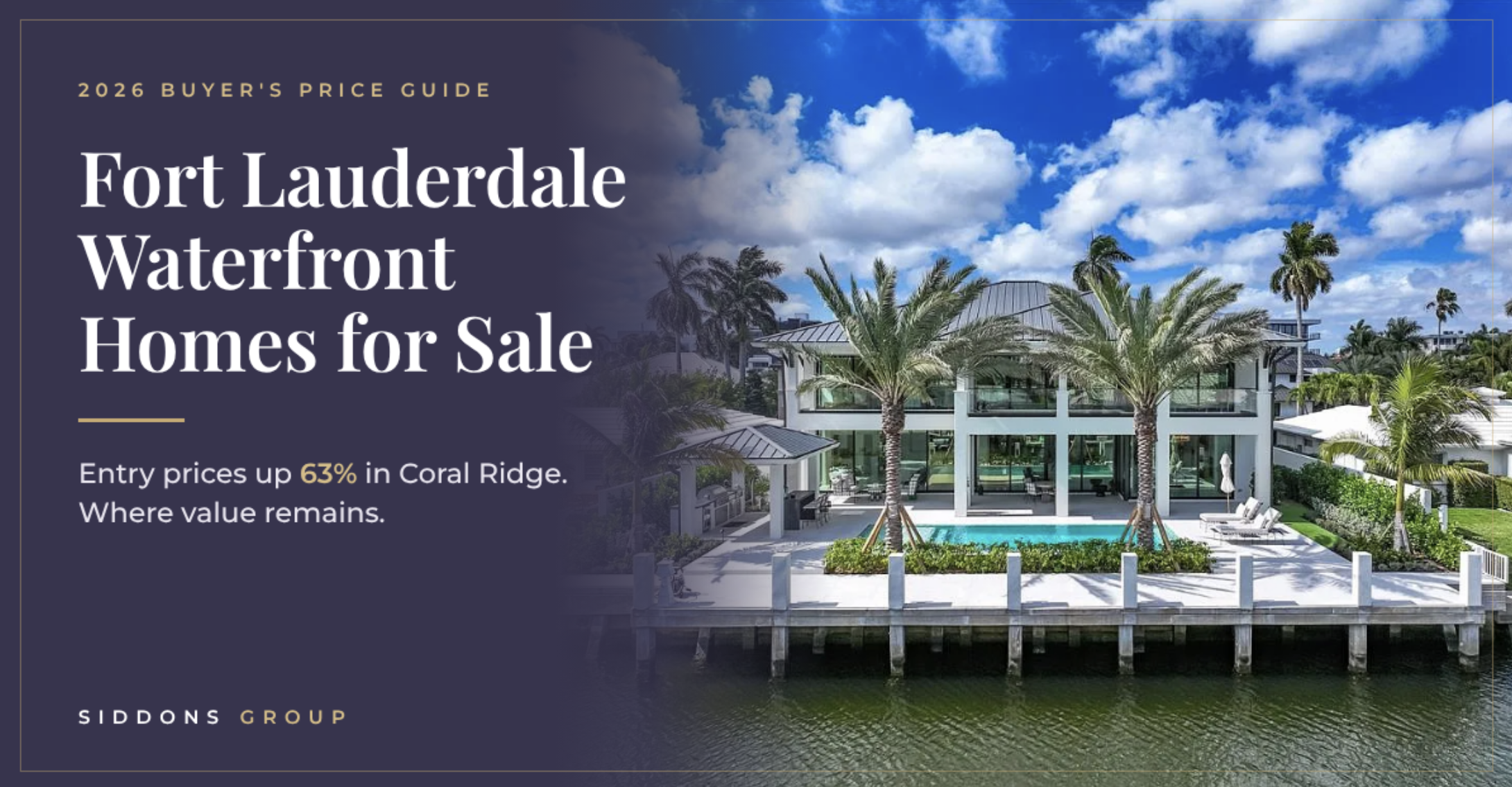
Fort Lauderdale Waterfront Homes in 2026
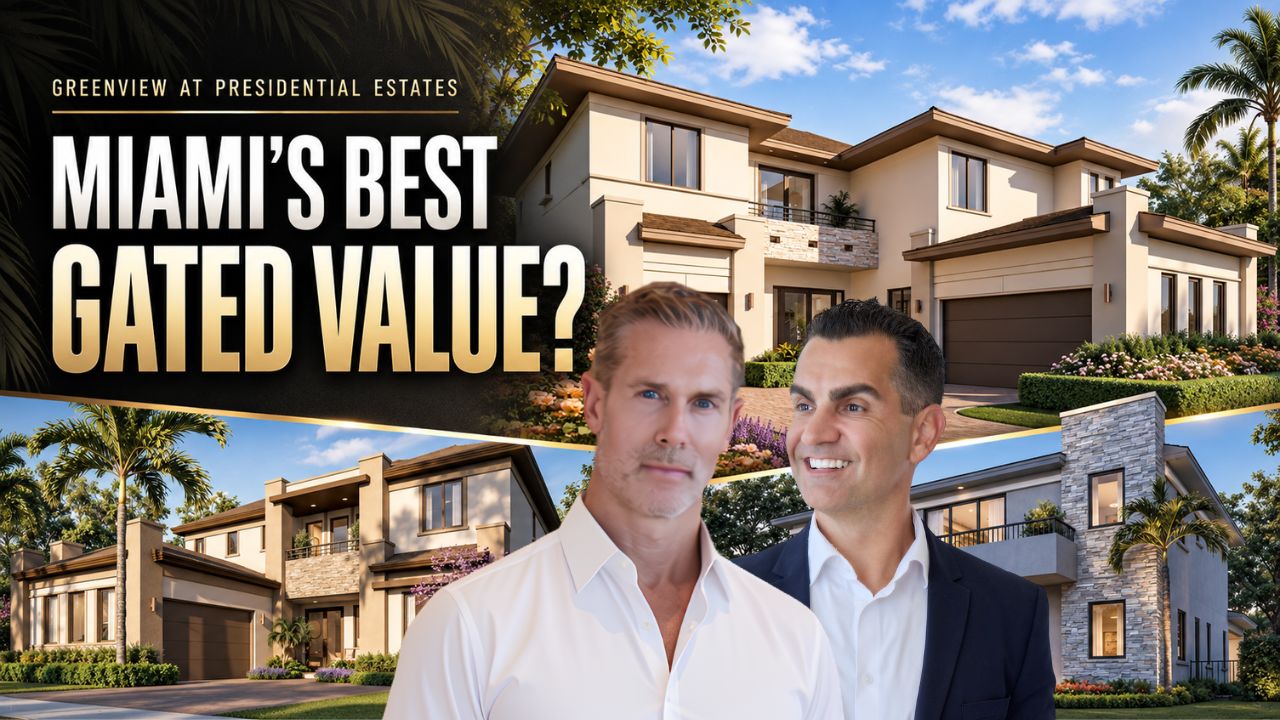
Greenview at Presidential Aventura
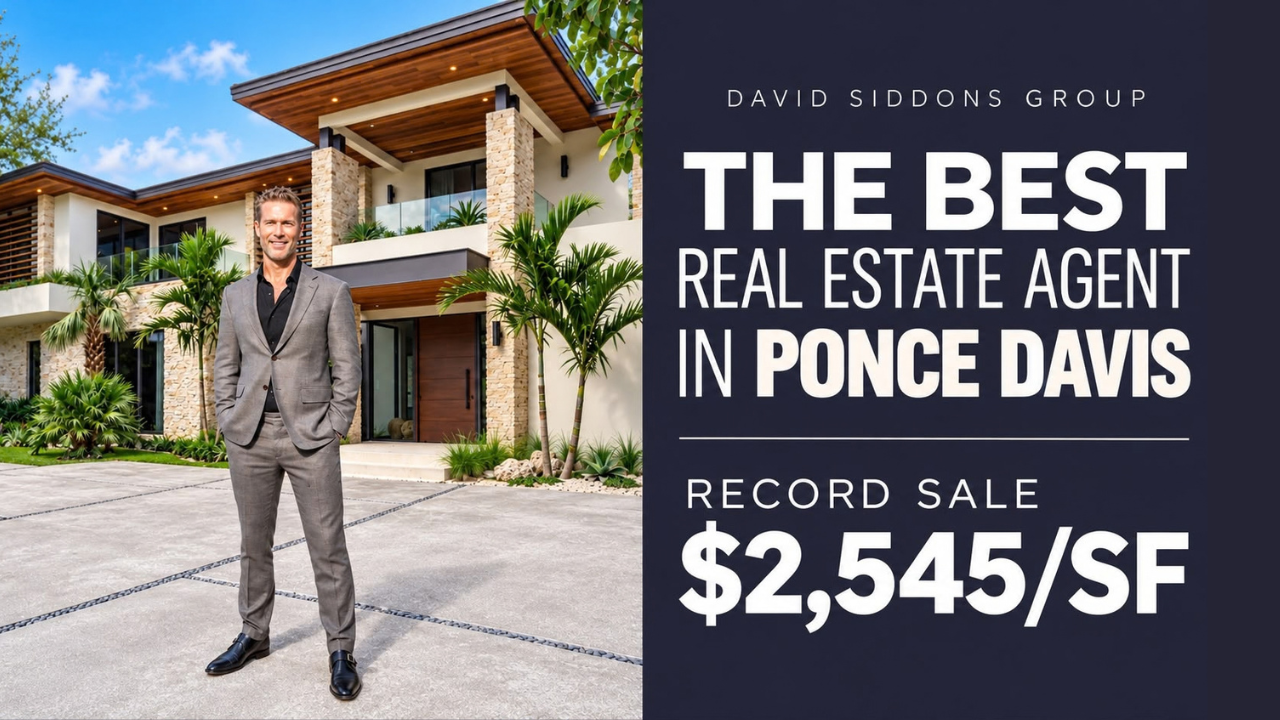
The Best Real Estate Agent in Ponce Davis
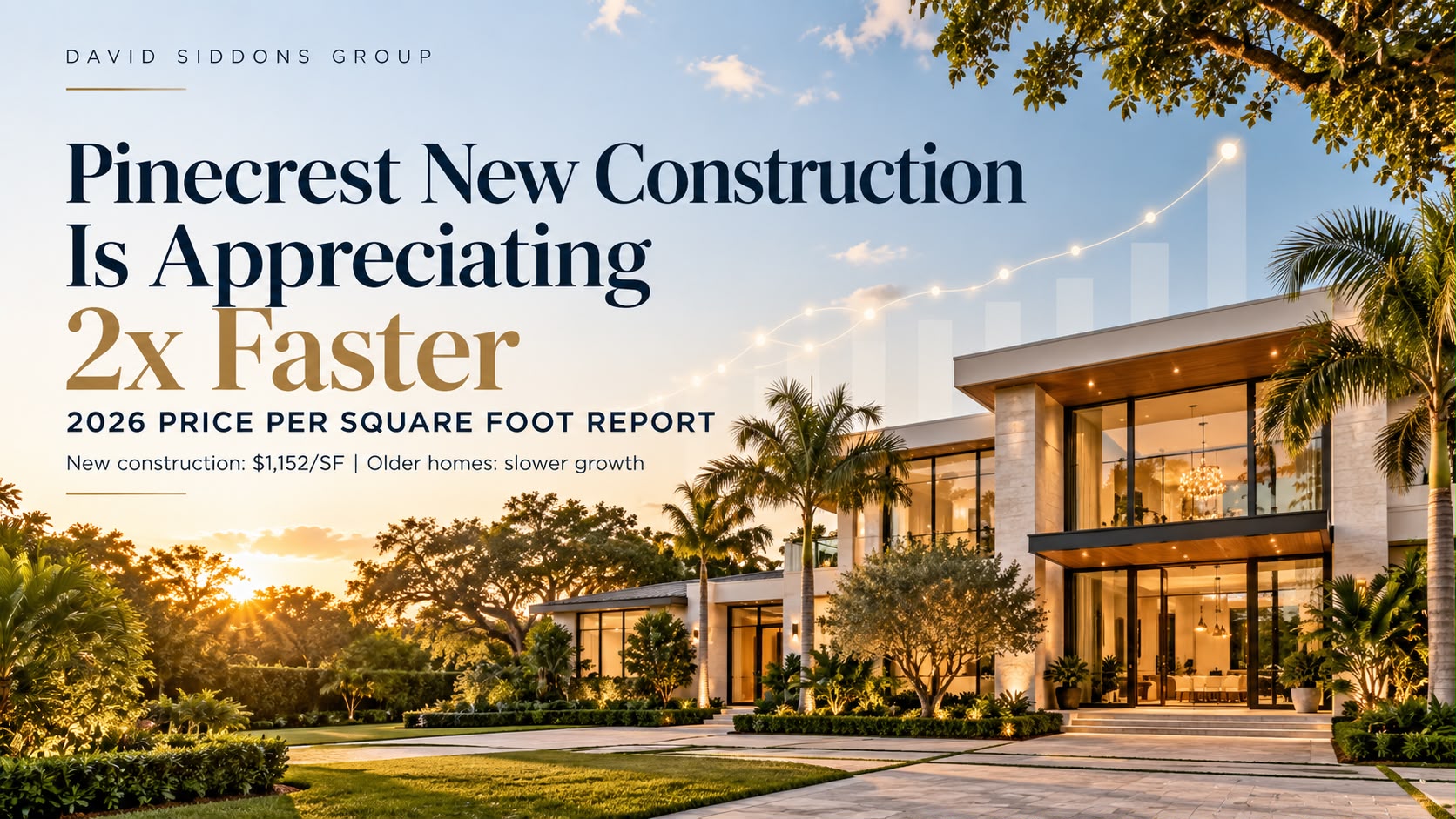
Pinecrest New Construction Is Appreciating 2x Faster Than Older Homes
Inside 1428 Brickell: Why Ytech Skipped the Hotel Brand to Build Brickell’s Best Finishes
Brickell’s Office Boom: What It Means for Luxury Housing in Coral Gables and Coconut Grove
Palmetto Bay Land Values Are Rising. Is Your Home Worth More as Land?

Killian Drive: Kendall’s Luxury New Construction Corridor Hits $1,000/SF
Pinecrest’s 4 Best Streets in 2026
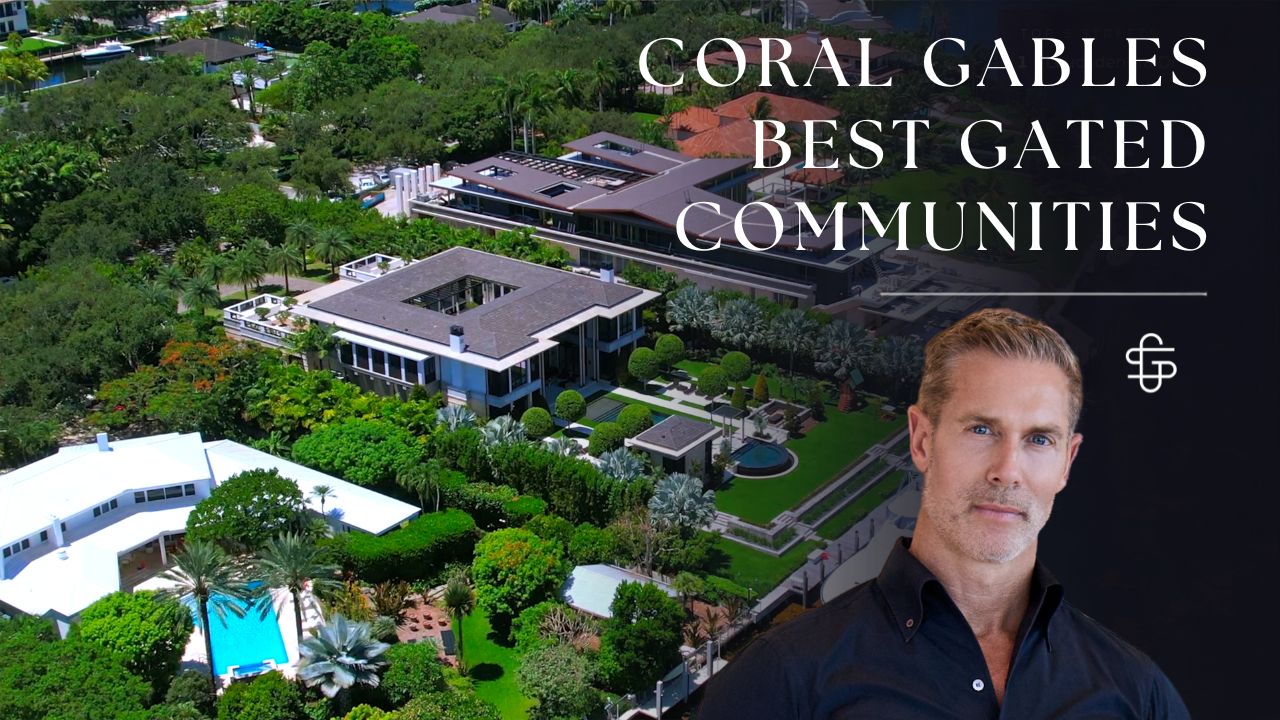
The 5 Best Luxury Streets in Miami’s Gated Communities
The Real Estate Team Behind the Agent: Why Systems Matter More Than Star Power
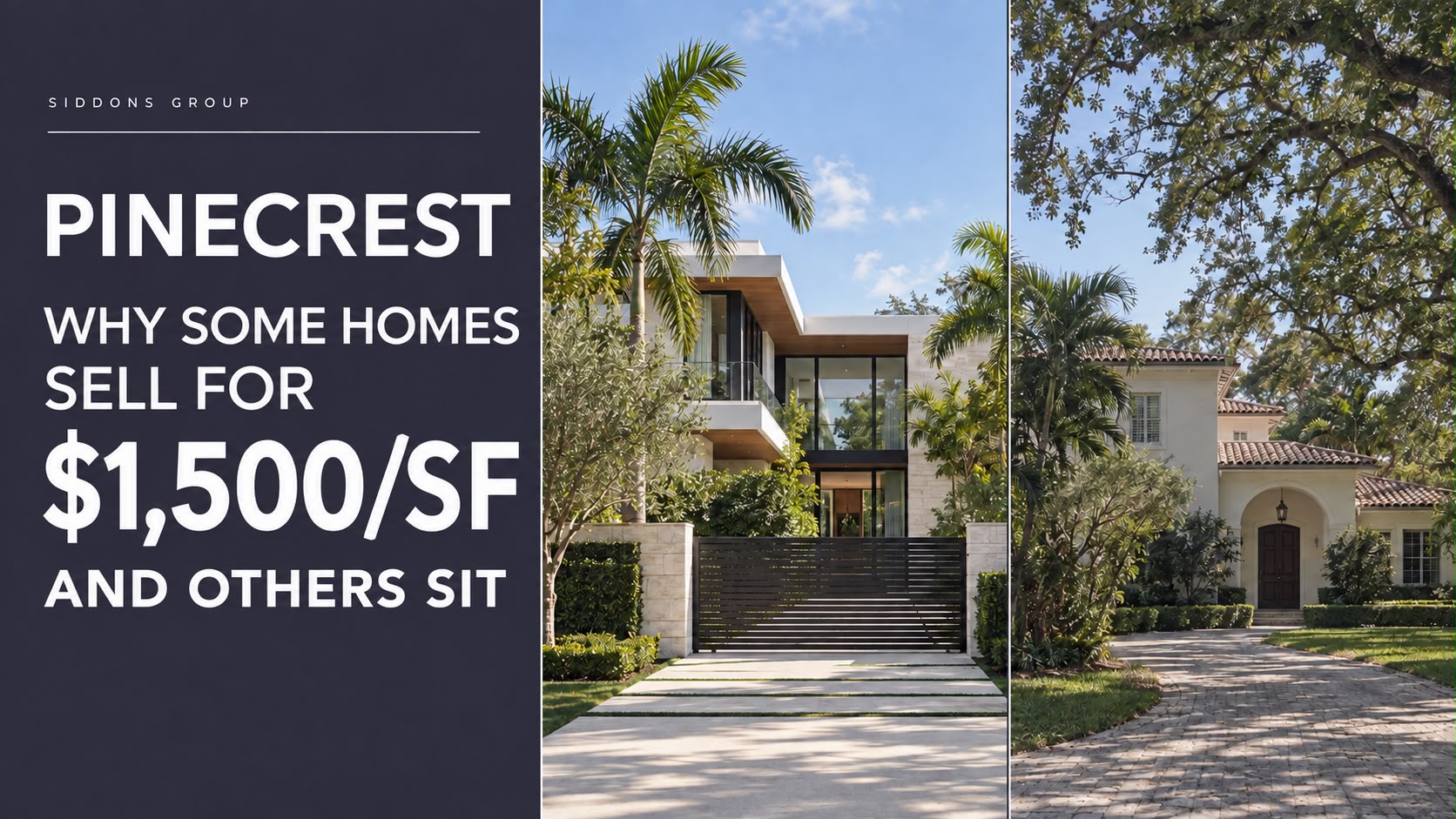
Selling a Home in Pinecrest: Why Some Homes Sell for $1,500/SF and Others Sit

We Built the Largest YouTube Audience of Any Miami Real Estate Team.
Please fill in your details and David Siddons will contact you

Search related videos

Are St. Regis Sunny Isles Residences Worth the Brand Premium?
Coral Gables Market Report 2025: What the Headlines Aren’t Telling You!
How David Siddons’ Power Team Drives Miami’s Luxury Market
Mid‑Year 2025 Coconut Grove Report: The Truth About What’s Selling Now
Brickell Mid‑Year Market Report 2025 | Is Brickell’s Luxury Market in Trouble?
Pinecrest Mid-Year Market Report 2025 | What’s Selling, What’s Sitting & Why
Miami Beach Condo Market Mid-Year Report 2025 | What Buyers & Sellers Need to Know
How to Lose $1M in The Miami Condo market | Top Mistakes That Cost Miami Condo Buyers Millions
The Well Project EXPOSED Coconut Grove’s Hottest Units
Miami Real Estate in 2025 Is NOT What You Think 😱 | Midyear Must Knows for Buyers & Sellers!
7 Things You Should Never Say to a Real Estate Agent in Miami!
Landmark Victoria Park Residence in Fort Lauderdale: Inside 420 NE 11th Ave 🌴✨
Luxury Living on 2355 S. Miami Ave | Fully Furnished 4-Bed Home w/ Resort-Style Pool 🏊
Is Mandarin Oriental Residences Miami a Smart Condo Investment? Prices, Floorplans, Views & Finishes


- Get our Newsletter
- Subscribe
- No Thanks
Get the latest news from Miami Real Estate News
Close
Edit Search
Close
2 of 14
Share this property
Recomend this to a friend, just enter their email below.
Close
Your email was sent successfully
Close
 COMPARE WITH CONDOGEEKS