















- Best of All
- Best Miami Luxury Condos
- Most popular
- Relocating to Miami
- Private Schools
- Investments
- Gated communities
- Waterfront information
- Luxury homes
- Luxury Condos
- New Construction Condos in South Florida
- Independent Pre-Construction condo reviews for Miami
- Independent Pre-Construction condo reviews for Fort Lauderdale
Redefining Real Estate Marketing in South Florida: The Winning Formula of Marketing Partnerships
Jason Matouk is a real estate agent and content creator who showcases stunning luxury homes in Florida on his YouTube channel. He highlights top real estate options in the area, and his online videos have garnered a significant following. He has amassed 188,000 subscribers on YouTube, 760,000 followers on TikTok, and 150,000 followers on Instagram. Although our focus is on numbers and analytics, Jason excels through a different approach to marketing himself. Today, we’ll explore the story behind his success, how he has experienced the market, and we discuss how we can blend our skills to benefit our clients.
Understanding the Luxury Real Estate Market Through Video Showcases
Showcasing these videos gives you a unique perspective on the market. Each home, especially in the luxury segment, is distinct, making it challenging to compare and quantify specific features. Lower-end homes, which usually offer similar basic features and finishes, differ mainly in square footage, garage availability, or the presence of a pool, making comparisons simpler. In contrast, evaluating high-end finishes or unique features in luxury homes is more complex. The exposure to these luxury properties provides a comprehensive understanding of market offerings, what buyers value, and how properties compare. How do you value a large terrace or large water frontage? In the ultra-luxury market, value often depends more on buyer preferences and willingness to pay rather than traditional comps. Documenting all these luxury homes, offers insights beyond standard comparisons.
The Shift in Quality and Value in Luxury Real Estate
The shift in quality and value is very apparent. Newer constructions during the early pandemic were built to high standards with excellent finishes and features to justify their high prices. For instance, a $10 million home from that period felt truly custom, with impeccable craftsmanship. Today, you might find a $30 million home that doesn’t match the quality of a $10 million home from three years ago. Many modern properties are often mass-produced and lack character, with quality homes becoming rarer as builders cut corners and sell standard designs as custom.
Property prices have surged significantly, with waterfront properties that once cost $10 million now commanding $25 million. However, the market has slowed, influenced by higher interest rates and tough construction loans, making it more challenging for builders to secure their profit margins. Buyers are cautious about breaking price records unless a property truly stands out. Even with a softer market and rising interest rates, we expect to see a doubling of sales for homes priced above $10 million this year compared to last.
High-End Custom Homes
High-end custom homes are costly, with extremely high price-per-square-foot. To succeed in custom building, you must deliver excellence, but it’s challenging to achieve good profit margins, leading many to avoid this path. While custom homes fetch top dollar, those who own them often don’t want to sell unless the price is exceptionally high. Such transactions frequently happen off-market because sellers prefer waiting for the right buyer who appreciates the quality and is willing to pay the price. If you are one of these buyers who cannot find that perfect, custom home in the current market, please give me a call. We can locate the perfect property for you, even if it’s not currently listed.

A 100% Custom home in Ponce Davis, bought as a shell home from a developer.
Pricing the Unpriceable: When Are Luxury Home Prices Too High?
Above $30 million or even $50 million, comparable sales data no longer exist. For unique properties like a 5-acre estate with a mega mansion on the beach, the price depends solely on what an individual is willing to pay, as such properties are one-of-a-kind. Often, sellers set high “make me move” prices, which can deter buyers who perceive the market as overpriced. These asking prices are often aspirational, and the homes rarely sell for those amounts. For instance, a property listed at $50 million might eventually sell for $30 million, though buyers may not realize the flexibility.

The Shore Club Miami Beach put its PH under contract for more than $120M. A prime example of a property that is hard to compare.
Today’s Sellers
Today, sellers tend to be more realistic. With high construction costs and loans, developers often need to sell properties quickly to manage their financial obligations. Conversely, owners who benefit from low interest rates and taxes and have no immediate plans to move are less motivated to sell. Additionally, there is often emotional attachment to the property, leading owners to overvalue their “best-looking” home.
Style Differences across the US
California features builders who create extraordinarily lavish homes with impeccable finishes and top-notch build quality, with no corners cut. Consequently, buyers from California often feel underwhelmed by Miami homes . The genuinely nice custom homes are seldom put up for sale. In contrast, the expensive often ostentatious homes, might not impress Californian buyers, as they lack the custom, high-end touches prevalent in California, often being just large in size. It can be challenging to convey the same level of quality to these buyers.
New York City’s real estate market is distinguished by its older condos. The market tends to favor unique, custom homes over spec homes, as they generally retain their value better. Properties in NYC often remain on the market for extended periods and may need significant renovations. However, sellers typically exhibit patience, awaiting buyers who recognize and appreciate the property’s potential.
In contrast, Miami’s property market emphasizes swift completion and rapid turnover, with a sense of urgency in sales. The city showcases a diverse range of architectural styles, blending traditional and contemporary elements, unlike the more uniform designs seen in California and NY. Miami’s luxury market, however, continues to raise its standards, particularly in prestigious properties and upscale condominiums. There is a growing demand for premium finishes and amenities in large units, driven by the expectations of wealthy out-of-town buyers. High-profile developments, such as the $50 million penthouses at Mandarin Oriental, the $120M penthouse at the Shore Club, Rivage or Six on Fisher Island attract significant media attention and shape the landscape of Miami’s high-end real estate.
Real Estate Marketing in Florida: Turning Views into Sales
The reach of these videos is immense, but leveraging it effectively requires skill. Viewers are drawn to the content, but the challenge is converting their interest into sales. It’s crucial to understand the value and quality of finishes, identify what is exceptional, and recognize when something is overpriced. Being knowledgeable about the materials, such as types of stone or flooring, helps in appreciating and comparing properties accurately.
As a seller, partnering with Jason can be highly advantageous. His videos have achieved significant viewership, with some garnering up to 1.3 million views on YouTube and 20 million on TikTok, alongside many videos with 300,000 to 500,000 views. This substantial exposure, while largely aspirational, has also facilitated numerous deals. The key is to maintain a consistent presence and continuously engage with this broad audience.
Our Integrated Approach to Crafting Premier Real Estate Marketing
When large-scale marketing is combined with detailed market knowledge, it creates a powerful strategy. For sellers, this means attracting a wide audience while showcasing the unique qualities of your property, leading to faster and potentially more lucrative sales. For buyers, it translates to making educated choices and finding a property that truly fits your needs and expectations. At the high end finishes are everything and identifying what ads value and what does not is paramount.
In real estate, the magic happens when exposure meets expertise. With the right marketing and a keen understanding of the market, both buyers and sellers can achieve their goals and enjoy a smoother, more rewarding real estate journey.
Schedule a Meeting with David and Jason (In Person of Via Zoom)
Do you want to discuss buying, selling or real estate marketing in South Florida, you can schedule a meeting below.
FAQ
These are the most commonly Miami Real Estate Related questions
What should relocation buyers know before buying real estate in Miami?
HOME BUYERS
Relocation buyers looking at homes in Miami should understand that choosing the right house is less about the property itself and more about location, schools, and long-term value. Many buyers make the mistake of focusing on price or finishes, while the real driver of value is the neighborhood and micro-location. Older homes often represent better value, but may also be part of a future redevelopment cycle. Newer homes command premiums, but don’t always sell faster if pricing is ahead of the market. Commute time, school access, and community dynamics are critical and often underestimated. The key is to evaluate homes not just as lifestyle purchases, but as long-term assets within a very localized market.
Sources:
https://luxlifemiamiblog.com/relocating-to-miami/
https://luxlifemiamiblog.com/relocating-to-miami-with-a-family/
CONDO BUYERS:
Relocation buyers should understand that Miami is a highly segmented, building-driven market, not a uniform one. Pricing can vary significantly between similar properties depending on building quality, layout, and financial health. Many buyers assume newer construction equals better investment, but that is often not the case. Factors like HOA fees, reserves, and rental policies can materially impact long-term value and liquidity. Negotiation opportunities often exist, especially in slower segments, but require precise market knowledge. The key is to evaluate micro-markets and individual buildings, not just neighborhoods or price per square foot.
Sources:
https://luxlifemiamiblog.com/miami-real-estate-market-report/
https://luxlifemiamiblog.com/new-construction-miami-guide/
What are the best areas for relocating families with children
For families relocating to Miami with young children, the most recommended neighborhoods are Coral Gables, Coconut Grove, and Pinecrest. Coral Gables offers the best balance of top schools, safety, and long-term value. Coconut Grove is ideal for younger families seeking walkability, greenery, and a lifestyle-driven environment. Pinecrest provides larger homes, excellent schools, and better value for space, making it ideal for growing families. The key driver across all three is access to strong schools and primary residential stability. Relocation decisions are less about new construction and more about long-term livability and resale strength.
Sources:
https://luxlifemiamiblog.com/best-neighborhoods-miami/
https://luxlifemiamiblog.com/what-are-the-best-family-neighborhoods-in-miami-in-2023/
Are new construction condos in Miami a good investment?
New construction condos in Miami can be a good investment—but only if you understand that not all buildings perform the same. According to the David Siddons Group, many buyers assume “new = better,” but in reality, performance depends on pricing, layout, building quality, and long-term demand. Some new developments set future price benchmarks and can drive long-term appreciation, especially in top-tier projects. However, many are priced aggressively at launch, and buyers relying on marketing instead of data often overpay.
The market is highly segmented, meaning two new buildings next to each other can perform very differently.
The best opportunities typically come from selecting the right building early or negotiating correctly in later phases.
In short: new construction is not automatically a good investment—it becomes one only with building-level analysis and disciplined entry pricing.
Sources:
https://luxlifemiamiblog.com/how-to-buy-a-luxury-condo-in-miami/
https://luxlifemiamiblog.com/category/independent-new-construction-condo-reviews/
https://luxlifemiamiblog.com/beyond-clickbait-real-insights-into-miamis-luxury-condo-market/
Why is buying a Miami condo riskier than buyers think?
Buying a Miami condo is often riskier than buyers expect because the true risks are at the building level—not visible in the listing price. Many buyers focus on finishes and views, while overlooking HOA reserves, insurance exposure, and potential special assessments. In reality, two identical units in different buildings can perform completely differently over time. Rising HOA fees and stricter regulations are also increasing the true cost of ownership, especially in older buildings. Liquidity can be affected by factors like financial health, rental policies, and ongoing repairs. The key risk is not the condo itself—but buying into the wrong building without proper due diligence.
Sources:
https://luxlifemiamiblog.com/how-to-buy-a-luxury-condo-in-miami/
https://luxlifemiamiblog.com/miami-condo-market-risks/
What are Miami's Safest Areas?
Which Miami Areas Still offer Great Value (Budget Friendly alternatives to Coral Gables and Pinecrest)
If you’re looking for better value than Coral Gables or Pinecrest, the answer (in true Siddons style) is not “go cheaper”—it’s go one layer outside the obvious markets.
The strongest value plays are:
- Schenley Park → closest substitute to Coral Gables at ~20% discount while maintaining similar character and location
- Biltmore Heights → almost identical feel to the Gables but ~25–30% cheaper on a $/SF basis
- Glenvar Heights → central location with larger lots and ~25% pricing advantage vs South Miami/Gables
- Baptist / Galloway (Kendall) → Pinecrest-style living (space, schools, land) at up to ~30% lower pricing
The pattern is consistent:
👉 Buyers are shifting west and slightly off-market to gain land, scale, and pricing efficiency. You don’t find value by going to a “cheaper neighborhood”—you find it by identifying adjacent micro-markets that offer the same lifestyle fundamentals without the brand premium.
Sources:
https://luxlifemiamiblog.com/best-value-neighborhoods-miami/
https://luxlifemiamiblog.com/category/miami-neighborhoods/
Is NOW a good time to buy in Miami?
Are Miami real estate prices going down in 2026?
No—but that’s the wrong way to look at it. Miami is not one market anymore, so prices are not moving in one direction. In 2026, the market is split into two: ultra-luxury, scarcity-driven areas (like waterfront and top-tier neighborhoods) are still holding or even rising, while mid-tier condos and oversupplied segments are flat or correcting. What we’re seeing is price divergence, not a crash—some properties are gaining value while others are quietly adjusting downward. Rising inventory and more selective buyers are putting pressure on pricing in certain segments, especially older condos or buildings with weaker fundamentals.
At the same time, global wealth and cash buyers continue to support pricing at the top end of the market. So the real answer: prices aren’t broadly dropping—they’re being repriced based on quality, location, and supply.
Should I buy a house or a condo when relocating to Miami?
The decision comes down to lifestyle first, investment second—and most relocation buyers get that backwards. If you want space, privacy, schools, and long-term family living, a single-family home in areas like Coral Gables or Coconut Grove is typically the stronger choice. If you prioritize walkability, low maintenance, and proximity to business districts, a condo in Brickell or waterfront markets makes more sense.
From an investment perspective, homes tend to be more stable, while condos are more building-dependent and cyclical. Most relocation clients underestimate how much building quality, HOA structure, and future costs impact condo performance. The right answer isn’t “house vs condo”—it’s which asset fits your lifestyle AND holds value within its micro-market.
How do I choose the right Miami neighborhood for my lifestyle?
Why are Miami condo prices so different between buildings?
Miami condo pricing varies widely because value is determined at the building level, not just by location. Two buildings next to each other can have major differences in financial health, reserves, HOA fees, and management quality. Buyers also pay premiums for better layouts, views, amenities, and newer construction—but not all “new” buildings perform equally. Factors like rental policies, upcoming assessments, and building reputation can significantly impact resale value. This is why price per square foot alone is misleading in Miami’s condo market. The real driver of value is how that specific building competes within its micro-market over time.
Sources:
https://luxlifemiamiblog.com/how-to-buy-a-luxury-condo-in-miami/
https://luxlifemiamiblog.com/category/independent-new-construction-condo-reviews/
WHY WORK WITH DAVID? THINGS YOU SHOULD KNOW...
For all our analytics we are agents driving some very unique and advanced tech. We Provide a granular and custom experience that empower our clients with the insight and tools to understand the most complex behaviors of any local markets.
-
Analytical
Over 100 reports produced to date
-
Knowledgeable
Over 1800 published articles and counting


Related Articles
Edgewater Miami Condo Market 2026: $1M+ Resale at $968 a Foot vs. $2,000 for Pre-Construction
Buying or Selling a Condo in Litigation in South Florida: Red Flag or Opportunity?
The 2028 Brickell Condo Cliff: Which Buildings Are at Risk and Where Smart Money Is Moving

Should You Stage Your Home Before Selling? What 1,266 Agents and Two Studies Found
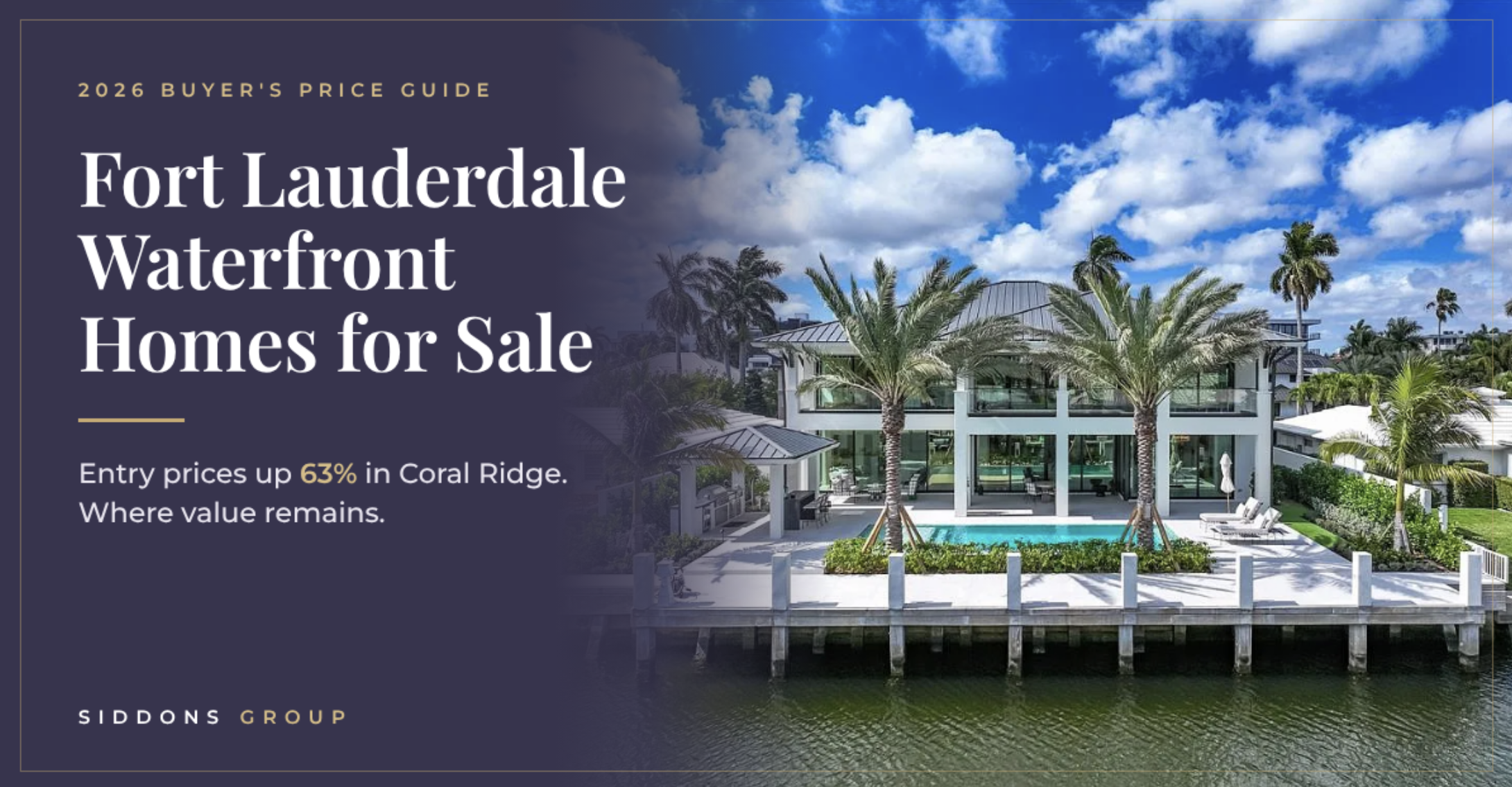
Fort Lauderdale Waterfront Homes in 2026
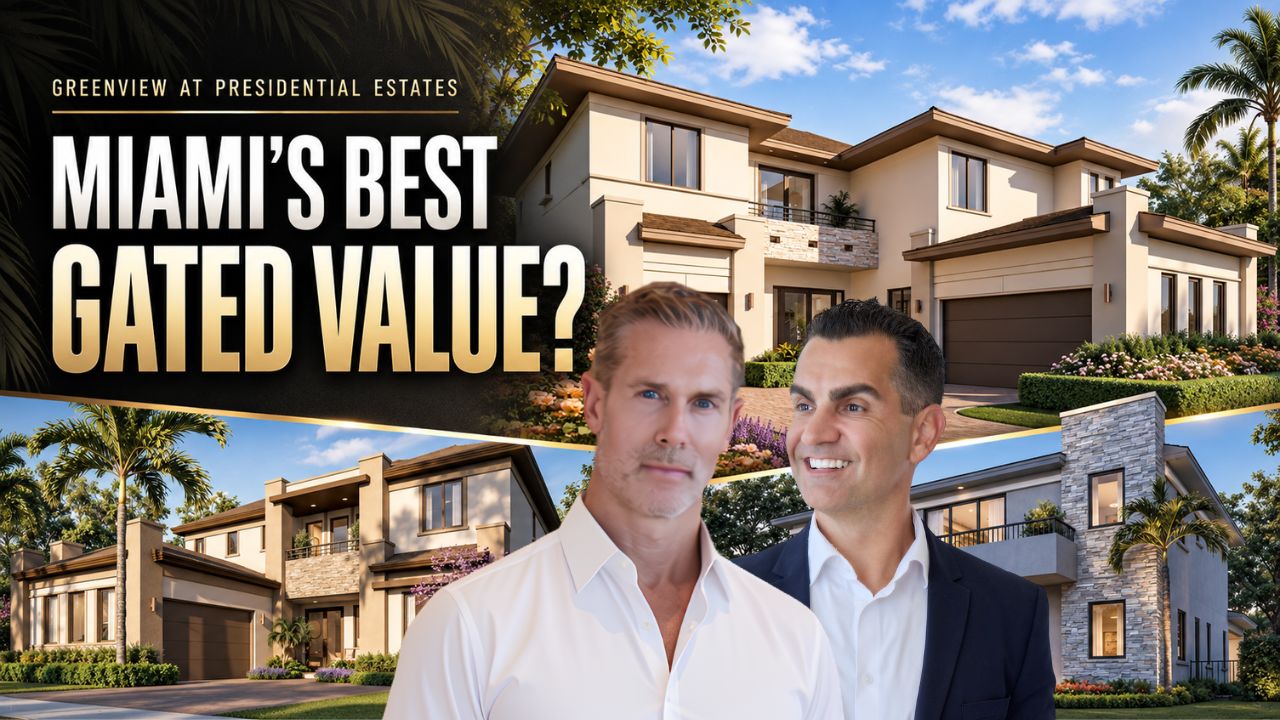
Greenview at Presidential Aventura
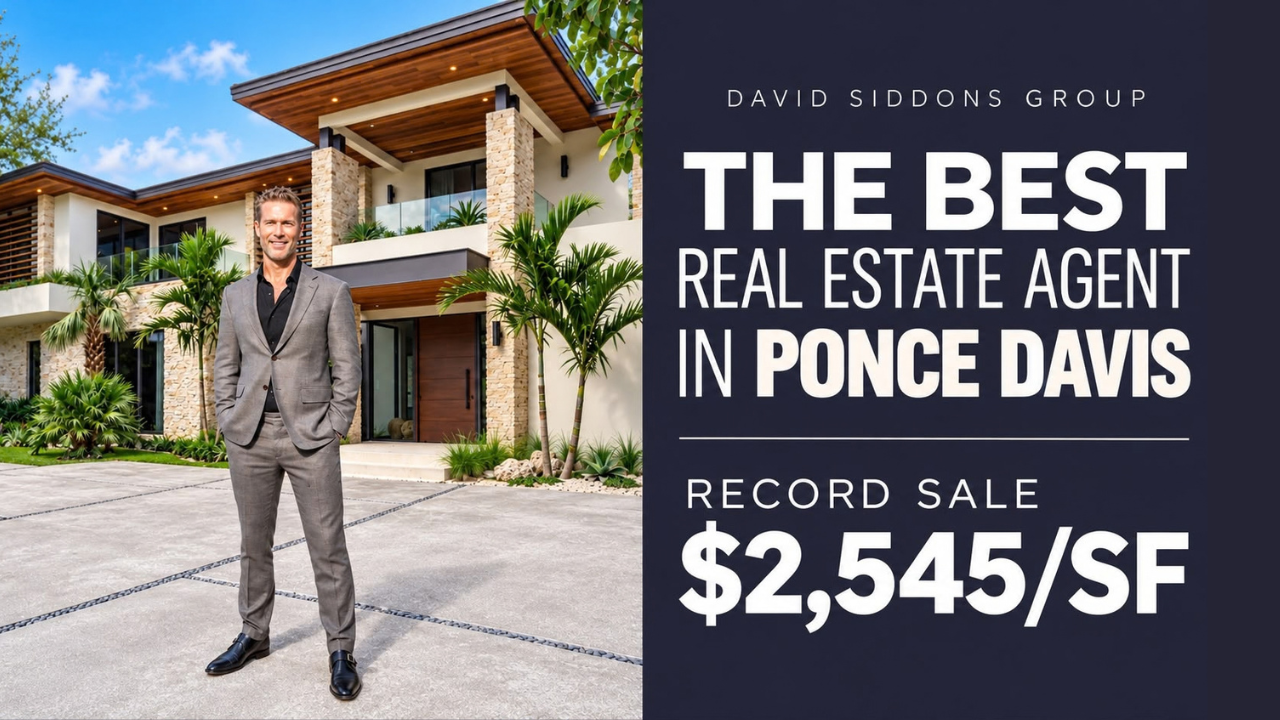
The Best Real Estate Agent in Ponce Davis
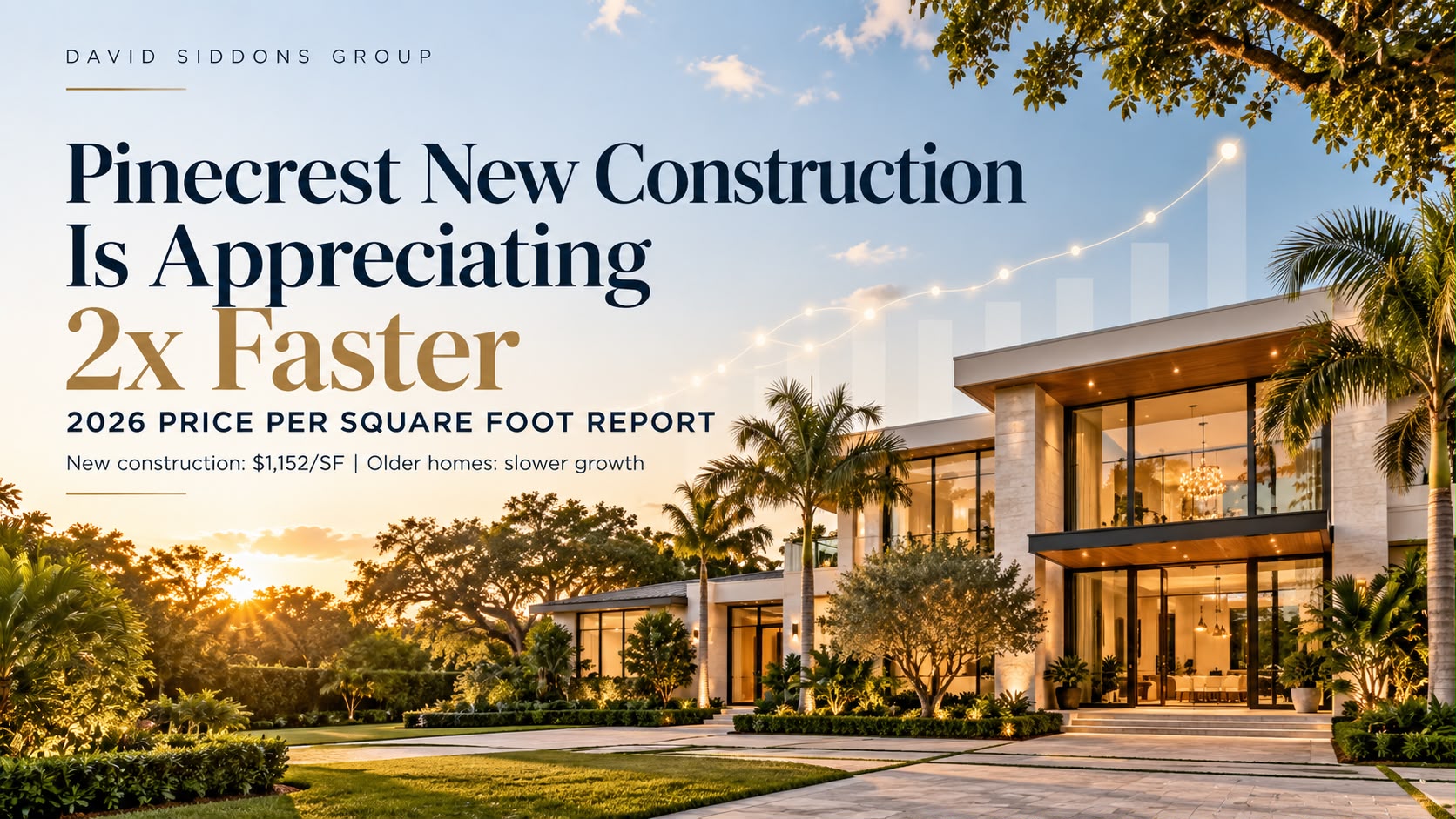
Pinecrest New Construction Is Appreciating 2x Faster Than Older Homes
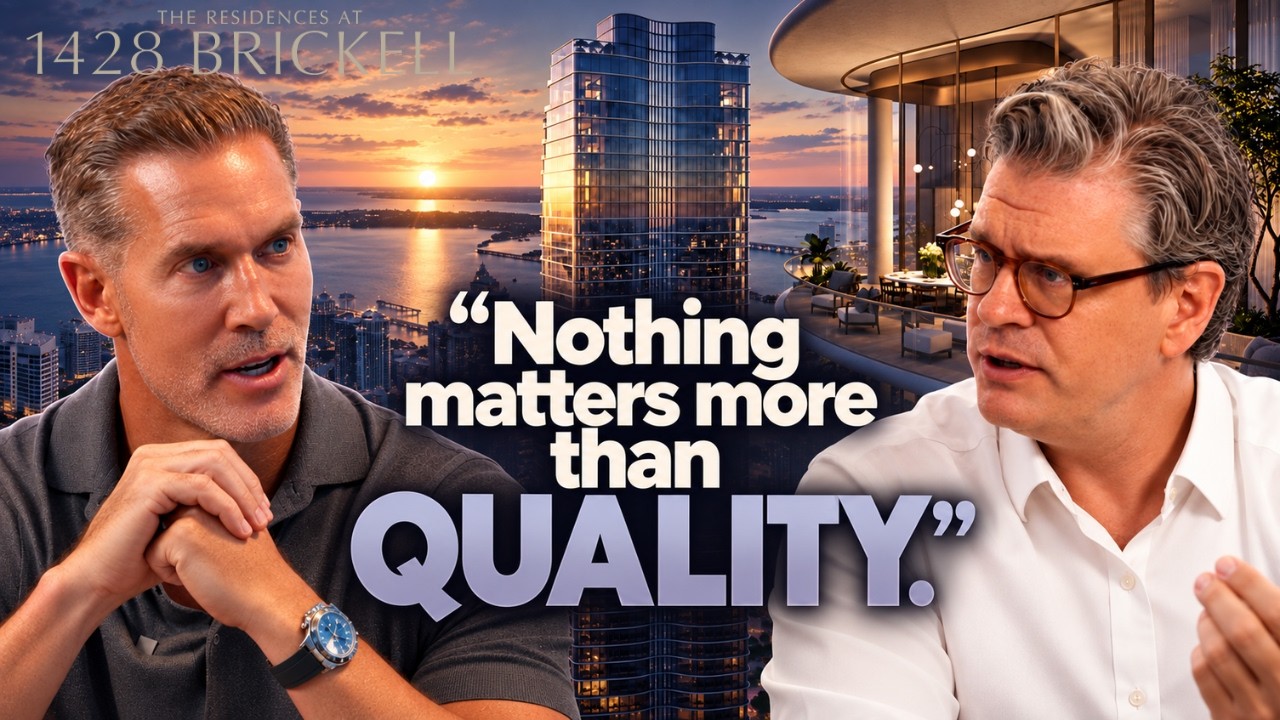
Inside 1428 Brickell: Why Ytech Skipped the Hotel Brand to Build Brickell’s Best Finishes
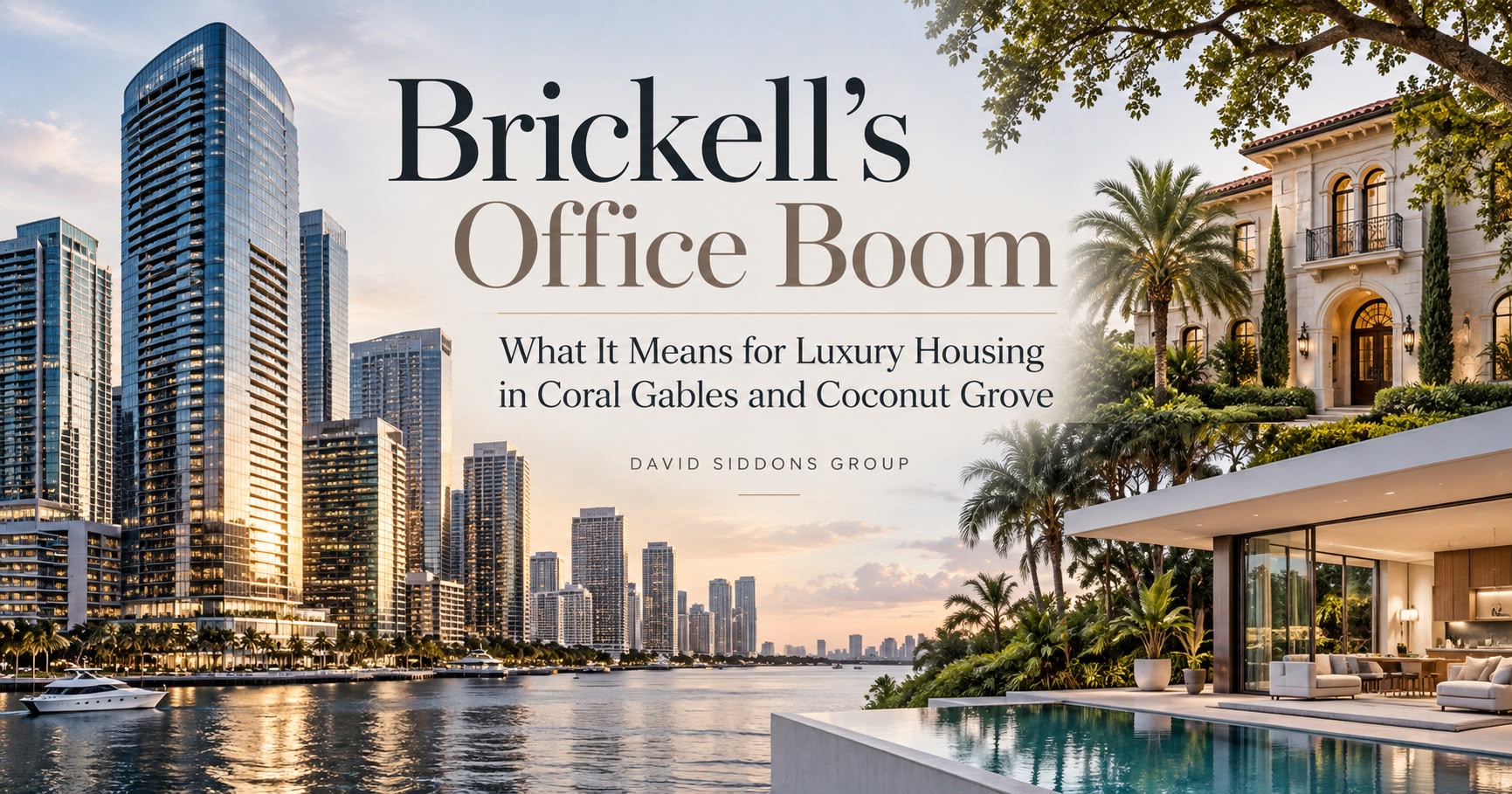
Brickell’s Office Boom: What It Means for Luxury Housing in Coral Gables and Coconut Grove
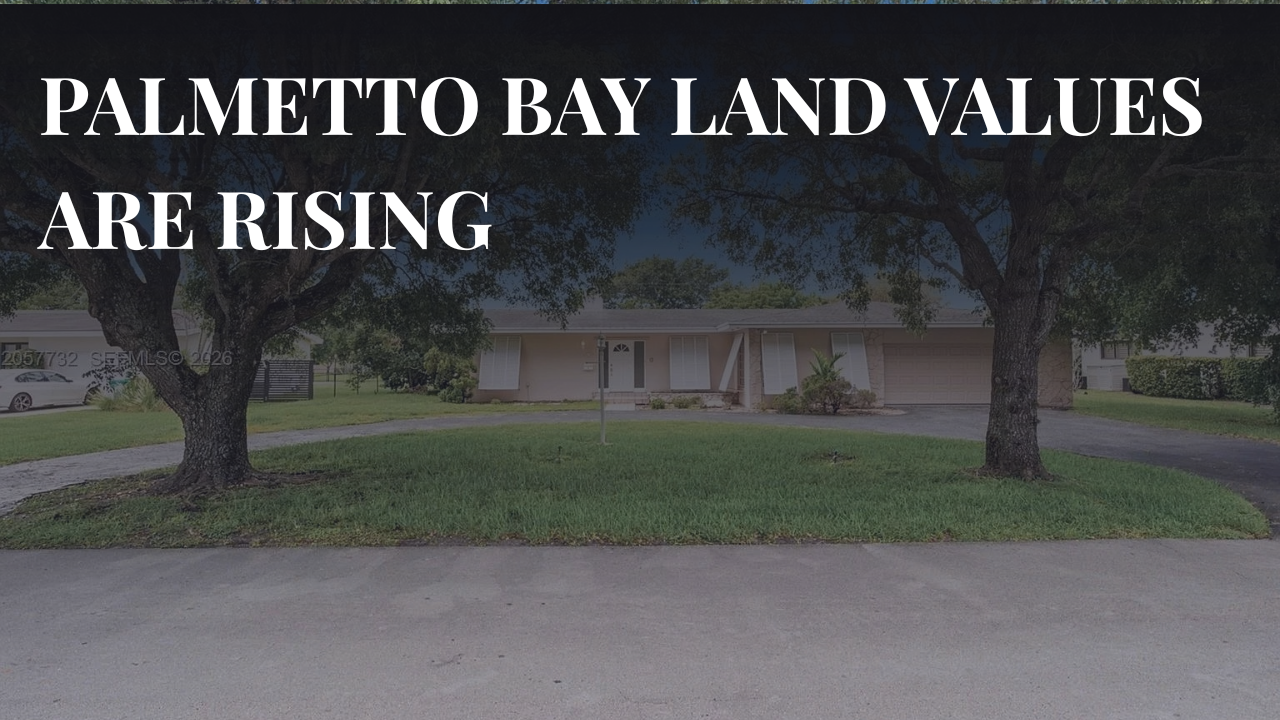
Palmetto Bay Land Values Are Rising. Is Your Home Worth More as Land?
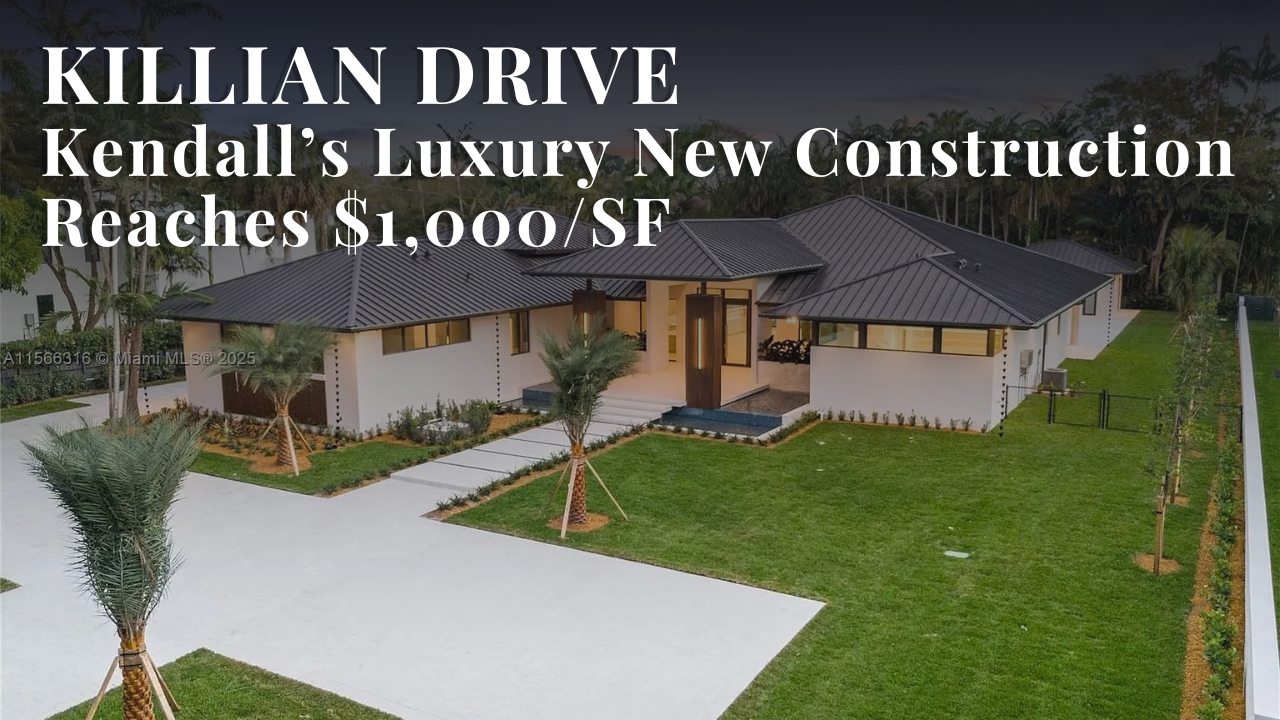
Killian Drive: Kendall’s Luxury New Construction Corridor Hits $1,000/SF
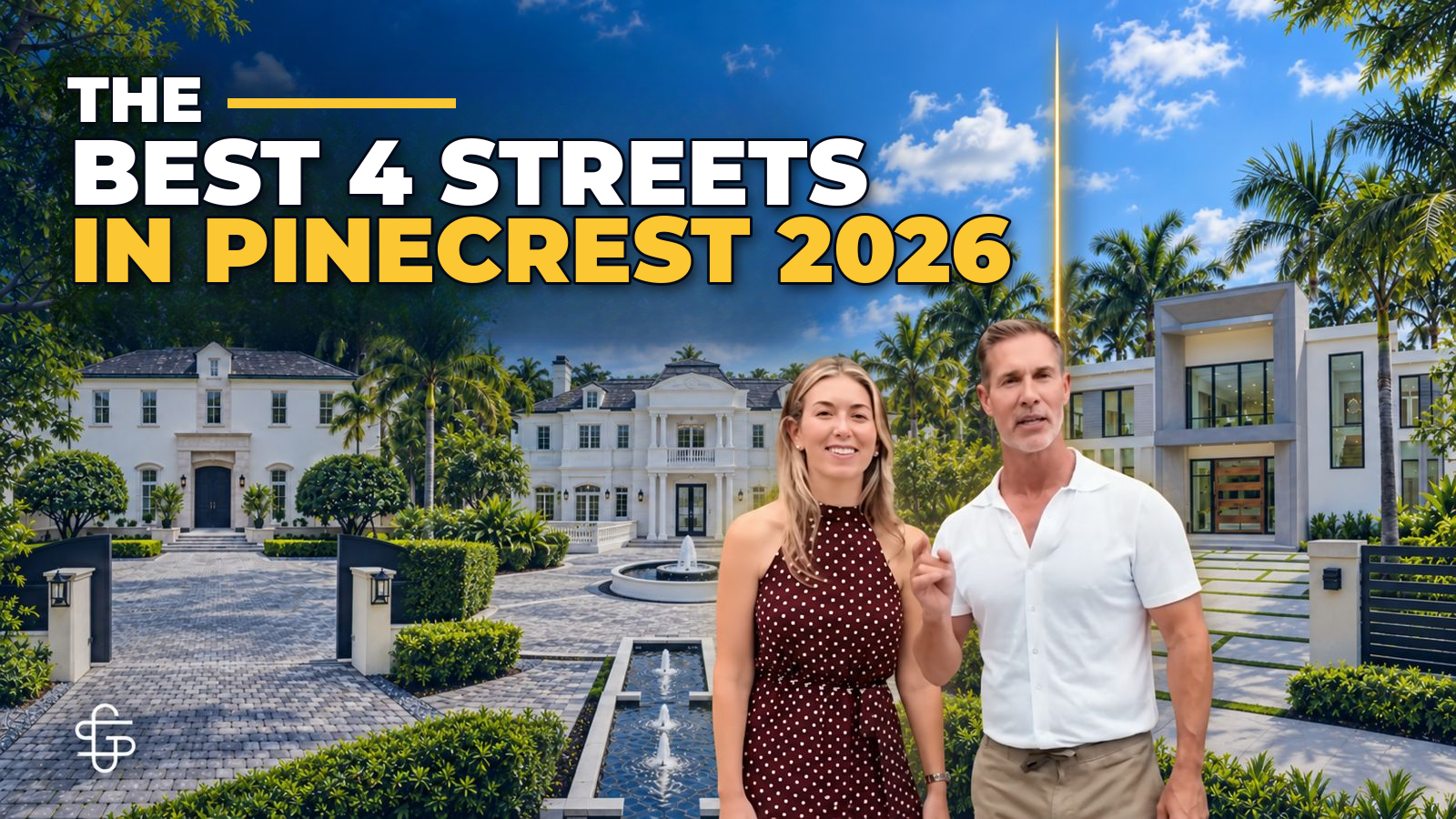
Pinecrest’s 4 Best Streets in 2026
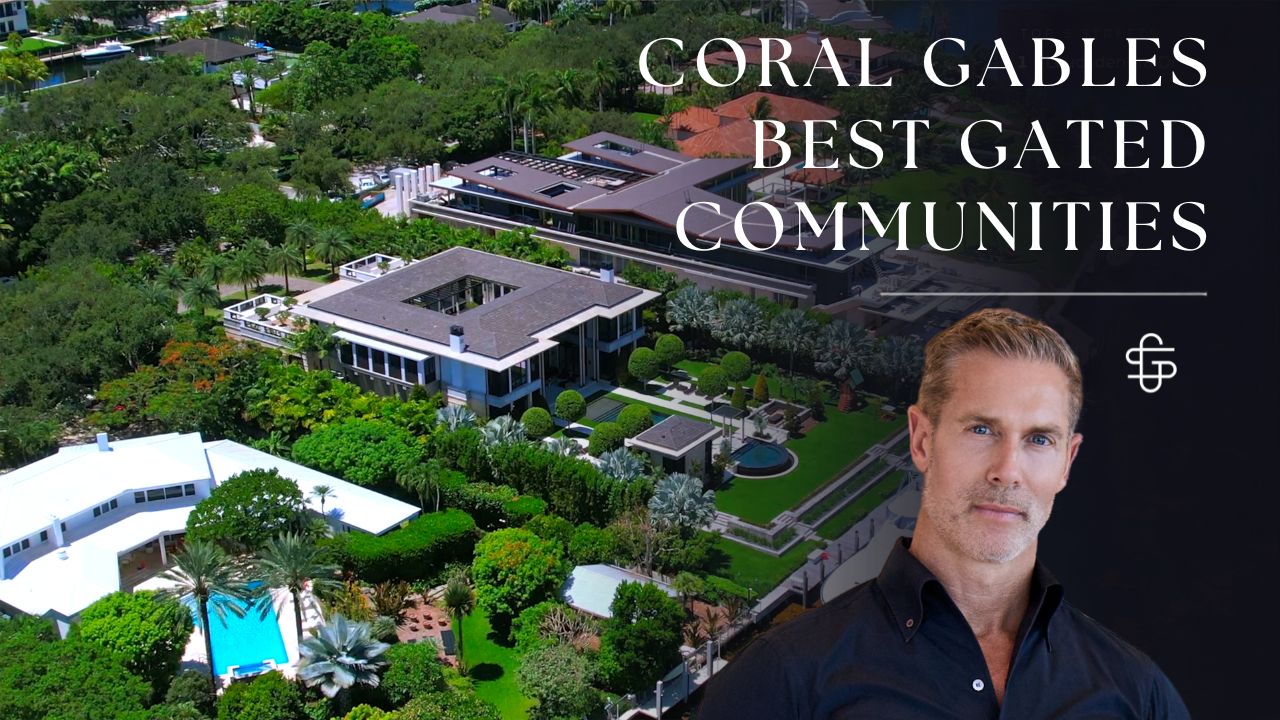
The 5 Best Luxury Streets in Miami’s Gated Communities
Please fill in your details and David Siddons will contact you

Search related videos

Are St. Regis Sunny Isles Residences Worth the Brand Premium?
Coral Gables Market Report 2025: What the Headlines Aren’t Telling You!
How David Siddons’ Power Team Drives Miami’s Luxury Market
Mid‑Year 2025 Coconut Grove Report: The Truth About What’s Selling Now
Brickell Mid‑Year Market Report 2025 | Is Brickell’s Luxury Market in Trouble?
Pinecrest Mid-Year Market Report 2025 | What’s Selling, What’s Sitting & Why
Miami Beach Condo Market Mid-Year Report 2025 | What Buyers & Sellers Need to Know
How to Lose $1M in The Miami Condo market | Top Mistakes That Cost Miami Condo Buyers Millions
The Well Project EXPOSED Coconut Grove’s Hottest Units
Miami Real Estate in 2025 Is NOT What You Think 😱 | Midyear Must Knows for Buyers & Sellers!
7 Things You Should Never Say to a Real Estate Agent in Miami!
Landmark Victoria Park Residence in Fort Lauderdale: Inside 420 NE 11th Ave 🌴✨
Luxury Living on 2355 S. Miami Ave | Fully Furnished 4-Bed Home w/ Resort-Style Pool 🏊
Is Mandarin Oriental Residences Miami a Smart Condo Investment? Prices, Floorplans, Views & Finishes


- Get our Newsletter
- Subscribe
- No Thanks
Get the latest news from Miami Real Estate News
Close
Edit Search
Close
2 of 14
Share this property
Recomend this to a friend, just enter their email below.
Close
Your email was sent successfully
Close
 COMPARE WITH CONDOGEEKS