



















- Best of All
- Best Miami Luxury Condos
- Most popular
- Relocating to Miami
- Private Schools
- Investments
- Gated communities
- Waterfront information
- Luxury homes
- Luxury Condos
- New Construction Condos in South Florida
- Independent Pre-Construction condo reviews for Miami
- Independent Pre-Construction condo reviews for Fort Lauderdale
Inside the Four Seasons Residences Coconut Grove | An Independent Review (Our 59th in Miami)
Miami’s condo market has a new standout:the Four Seasons Residences Coconut Grove. With decades of experience selling in the Grove, Chris Suarez and I take an independent, no-fluff look at this project. We break down what makes it unique, how it compares to resale and other new construction options, and why buyers are eagerly waiting. This isn’t just another condo review—it’s our 59th independent review with actionable insight from people who know the Grove inside and out, highlighting location, lifestyle, and long-term value in one of Miami’s most exclusive neighborhoods.

Four Seasons Coconut Grove: True Private Residences
The Four Seasons Coconut Grove isn’t just another branded condo—it’s a rare example of genuine Four Seasons private residences. Unlike typical licensing agreements that only offer the brand name, this project is fully managed to Four Seasons’ exacting standards, without a hotel component. With just 70 residences, owners enjoy daily access to world-class services while avoiding the transient traffic that comes with hotel operations. The brand’s hands-on approach ensures strict quality control, from staff training to building management. A 30-year licensing agreement guarantees long-term consistency. For buyers familiar with Four Seasons, the reputation alone signals exceptional service, luxury, and exclusivity, making this one of the most anticipated projects in Coconut Grove.
Hotel Perks vs. Private Luxury
Miami’s top-performing Four Seasons condos, like those in Brickell and Surfside’s Surf Club, leverage hotel components to deliver vibrant amenities, external revenue streams, and strong brand recognition. By contrast, the Four Seasons Coconut Grove offers private, resident-focused luxury without a hotel, giving owners full access to the legendary Four Seasons service in an intimate, low-traffic environment. This approach maximizes privacy and exclusivity, though it forgoes the financial benefits and additional services that a hotel component can provide. For buyers seeking a quieter, fully personalized experience, this trade-off reinforces the Grove’s unique appeal.
What Sets the Four Seasons Apart?
1 Location, Views, and Exclusive Living
Set on prime water frontage in Coconut Grove, this building’s design prioritizes both views and privacy. With only 70 residences, the low-density layout ensures minimal neighbors and maximum exclusivity. The southeast “trophy line” corner units offer the most coveted light and views, while every unit is thoughtfully oriented to maximize water exposure. Combined with the brand and Surf Club access, this property represents a rare opportunity to secure a high-end residence where location, lifestyle, and prestige converge.
2. The Four Seasons Edge
The Four Seasons brand adds tangible value that goes far beyond luxury finishes. By linking this property to the invitation-only Four Seasons Surf Club, residents gain access to private beaches, multiple pools, and fine dining, without paying the membership fee. This connection provides a seamless lifestyle, letting residents enjoy resort-caliber experiences while living in a low-density, private building. From premium corner units to curated services, the brand delivers prestige, convenience, and exclusivity that few other developments can match.
3 Every Inch, Pure Four Seasons Luxury
Though the site isn’t enormous, every inch of this Four Seasons property is designed to maximize comfort, style, and lifestyle. Residents enjoy a signature ground-floor restaurant, a sixth-floor pool deck with cabanas and a bar, a fully serviced lounge, an owner’s party room, a children’s playroom, a state-of-the-art gym, and a world-class spa. Each amenity is carefully curated to deliver the legendary Four Seasons experience in a private, intimate setting.
Trophy Floor Plans: Why the “01” Line Stands Out
The Four Seasons Coconut Grove’s “01” line is the trophy floor plan for a reason. Expansive peripheral views capture the bay, South Bayshore Drive, and beyond. Interiors flow seamlessly with minimal corridors and generous room sizes. These include an 18×14 master, secondary bedrooms, and a junior suite that can double as a fifth bedroom. The master suite elevates privacy and convenience with dual bathrooms and two massive walk-in closets. This allows one resident to get ready without disturbing another. Flexible dens and media rooms can be reconfigured for Jack-and-Jill layouts or additional living space. This flexibility makes the units ideal for modern family life. Terraces are also exceptional: corner units wrap around the back, and center units extend from waterside to rear, giving every unit outdoor space on both sides and starting at 1,100 ft²—far larger than comparable Park Grove terraces.
Luxury in Every Line: Intelligent Design Beyond the Trophy Units
Beyond the trophy “01” line, each Four Seasons floor plan prioritizes light, sightlines, and livability. Units are designed for flexibility and balance: the 02 line offers roughly 4,000 ft². Compared to the more angular 01 line, the 02 layout feels more traditional and livable, boxier, with cleaner walls and a sense of space and balance that many buyers find appealing. Its southern exposure provides wide, open bay views. It also captures glimpses of the Brickell skyline to the left and the single-family neighborhoods of Gables Estates and Cocoplum to the south. While the 03 and 04 lines provide about 3,000 ft² with three bedrooms, dens, and media rooms. Every plan maximizes bay and city views, natural light, and outdoor access, while accommodating different budgets and lifestyle needs. From functional flow to thoughtful terrace placement, the design ensures that each unit, not just the trophy line, delivers high-end finishes, expansive vistas, and flexible spaces tailored for both daily living and entertaining.
- 01 Line (Trophy Residences facing North, East and West): ~3,974 ft² | $13M–$17M | ≈ $3,300 – $4,300 per ft²
- 02 Line (Balanced and Spacious facing South, East and North ): ~3,724 ft² | $12M–$16M | ≈ $3,200 – $4,300 per ft²
- 03 & 04 Lines (Flow-Through Residences East and West): ~3,000 ft² | $8.4M–$11M | ≈ $2,700–$3,800 per ft²
Luxury in the Details | Designed to Impress, Built to Endure
Every unit is equipped with finishes that go beyond standard luxury. Floors are natural travertine, and doors are carefully selected for both style and scale. The ceilings are 10’6”, fully flushed without drops, creating an open, airy feel comparable to taller heights. The penthouses present a ceiling hight of 11’6. Units include standard Lutron smart systems, an upgrade most developers reserve for optional packages. The team works closely with interior designers, providing credits or installation support to ensure homes are move-in ready on day one. Every detail, from master suite layouts and secondary bathrooms to properly designed laundry areas, prioritizes function, elegance, and convenience, making these residences exceptional from floor to finish.
The kitchens and bathrooms at Four Seasons set a new standard in luxury living. Kitchens, designed by Molteni, feature elegant natural stone countertops, custom wood cabinetry, and top-of-the-line Miele appliances, with options for light or dark finishes to suit your style. Thoughtful details like induction cooktops, seamless integrated AC vents, and well-planned layouts make them both beautiful and functional. Bathrooms continue this level of refinement, with full-height marble, custom millwork, and high-end fixtures that elevate the space, delivering a finish that’s halfway between what a top interior designer would create and what most developers offer. Every element is designed to feel premium, timeless, and effortless.
Optionality and Availability
Half of the building is already sold, a strong milestone that reflects buyer confidence and supports the developer’s construction plans. Despite this, there’s still ample inventory across every line and unit type, giving buyers a wide range of options to choose from. With construction underway and closings expected to begin in early 2028, buyers have the flexibility to select from premium units while the project is actively moving forward.
How do the Prices Compare?
What sets the Four Seasons Coconut Grove apart isn’t just the product; it’s the location and the lifestyle. The Grove offers a highly walkable, village-like environment that appeals to empty nesters, primary residents, and international buyers seeking a vibrant yet private community. The “red line” of pricing reflects a premium but attainable entry into this exclusive market, striking a balance between luxury finishes, size, and long-term value.
The Four Seasons Residences carry a premium that competes directly with the top-tier Miami market, including many beachfront towers. Coconut Grove units are priced notably above Park Grove (averaging around $3,300 per ft²) and Grove at Grand Bay (around $1,800 per ft²), and even surpass the final units at Vita, which are asking between $2,500 and $3,000 per ft². Justified by new construction, superior design, and the unmatched service of the Four Seasons brand. Even the more accessible lines remain within the same luxury tier, offering slightly smaller or more practical layouts at lower total prices, ensuring every residence delivers both sophistication and substance beyond just dollars per square foot.

Coconut Grove: Miami’s Quiet Outperformer
When you look at Miami’s condo markets over the last 15 years, Coconut Grove stands out as the clear winner. While neighborhoods like Brickell, Miami Beach, and Sunny Isles have seen their ups and downs, the Grove’s price-per-square-foot line rises steadily and consistently above the rest. That strength comes from two things: extremely limited new supply and a deep-rooted end-user market. Buyers here aren’t investors chasing rentals—they’re families and end users who value quality, location, and lifestyle. As a result, resale inventory is scarce, and bidding wars for prime lines like the “A” units at Park Grove are common. With interest rates expected to ease just as new projects like the Four Seasons Grove deliver, this neighborhood could see another jump in values—continuing a 15-year pattern of outperformance across Miami.
Highlighting the Grove’s strong appreciation over the past 15 years and the limited availability of newer inventory and rental units.
Final Words
I hope this blog has given you a clear picture of Coconut Grove and the opportunities in its condo market. Having studied every corner of the Grove and sold dozens of units, I can guide you through the market with firsthand insight and impartial analysis. If you live in the Grove or are considering a purchase here, don’t hesitate to reach out—I can walk you through the buildings, floor plans, and all the details you need. Be sure to check out the accompanying article for full breakdowns and data, and stay tuned for our next condo construction review.
FAQ
These are the most commonly Miami Real Estate Related questions
What should relocation buyers know before buying real estate in Miami?
HOME BUYERS
Relocation buyers looking at homes in Miami should understand that choosing the right house is less about the property itself and more about location, schools, and long-term value. Many buyers make the mistake of focusing on price or finishes, while the real driver of value is the neighborhood and micro-location. Older homes often represent better value, but may also be part of a future redevelopment cycle. Newer homes command premiums, but don’t always sell faster if pricing is ahead of the market. Commute time, school access, and community dynamics are critical and often underestimated. The key is to evaluate homes not just as lifestyle purchases, but as long-term assets within a very localized market.
Sources:
https://luxlifemiamiblog.com/relocating-to-miami/
https://luxlifemiamiblog.com/relocating-to-miami-with-a-family/
CONDO BUYERS:
Relocation buyers should understand that Miami is a highly segmented, building-driven market, not a uniform one. Pricing can vary significantly between similar properties depending on building quality, layout, and financial health. Many buyers assume newer construction equals better investment, but that is often not the case. Factors like HOA fees, reserves, and rental policies can materially impact long-term value and liquidity. Negotiation opportunities often exist, especially in slower segments, but require precise market knowledge. The key is to evaluate micro-markets and individual buildings, not just neighborhoods or price per square foot.
Sources:
https://luxlifemiamiblog.com/miami-real-estate-market-report/
https://luxlifemiamiblog.com/new-construction-miami-guide/
What are the best areas for relocating families with children
For families relocating to Miami with young children, the most recommended neighborhoods are Coral Gables, Coconut Grove, and Pinecrest. Coral Gables offers the best balance of top schools, safety, and long-term value. Coconut Grove is ideal for younger families seeking walkability, greenery, and a lifestyle-driven environment. Pinecrest provides larger homes, excellent schools, and better value for space, making it ideal for growing families. The key driver across all three is access to strong schools and primary residential stability. Relocation decisions are less about new construction and more about long-term livability and resale strength.
Sources:
https://luxlifemiamiblog.com/best-neighborhoods-miami/
https://luxlifemiamiblog.com/what-are-the-best-family-neighborhoods-in-miami-in-2023/
Are new construction condos in Miami a good investment?
New construction condos in Miami can be a good investment—but only if you understand that not all buildings perform the same. According to the David Siddons Group, many buyers assume “new = better,” but in reality, performance depends on pricing, layout, building quality, and long-term demand. Some new developments set future price benchmarks and can drive long-term appreciation, especially in top-tier projects. However, many are priced aggressively at launch, and buyers relying on marketing instead of data often overpay.
The market is highly segmented, meaning two new buildings next to each other can perform very differently.
The best opportunities typically come from selecting the right building early or negotiating correctly in later phases.
In short: new construction is not automatically a good investment—it becomes one only with building-level analysis and disciplined entry pricing.
Sources:
https://luxlifemiamiblog.com/how-to-buy-a-luxury-condo-in-miami/
https://luxlifemiamiblog.com/category/independent-new-construction-condo-reviews/
https://luxlifemiamiblog.com/beyond-clickbait-real-insights-into-miamis-luxury-condo-market/
Why is buying a Miami condo riskier than buyers think?
Buying a Miami condo is often riskier than buyers expect because the true risks are at the building level—not visible in the listing price. Many buyers focus on finishes and views, while overlooking HOA reserves, insurance exposure, and potential special assessments. In reality, two identical units in different buildings can perform completely differently over time. Rising HOA fees and stricter regulations are also increasing the true cost of ownership, especially in older buildings. Liquidity can be affected by factors like financial health, rental policies, and ongoing repairs. The key risk is not the condo itself—but buying into the wrong building without proper due diligence.
Sources:
https://luxlifemiamiblog.com/how-to-buy-a-luxury-condo-in-miami/
https://luxlifemiamiblog.com/miami-condo-market-risks/
What are Miami's Safest Areas?
Which Miami Areas Still offer Great Value (Budget Friendly alternatives to Coral Gables and Pinecrest)
If you’re looking for better value than Coral Gables or Pinecrest, the answer (in true Siddons style) is not “go cheaper”—it’s go one layer outside the obvious markets.
The strongest value plays are:
- Schenley Park → closest substitute to Coral Gables at ~20% discount while maintaining similar character and location
- Biltmore Heights → almost identical feel to the Gables but ~25–30% cheaper on a $/SF basis
- Glenvar Heights → central location with larger lots and ~25% pricing advantage vs South Miami/Gables
- Baptist / Galloway (Kendall) → Pinecrest-style living (space, schools, land) at up to ~30% lower pricing
The pattern is consistent:
👉 Buyers are shifting west and slightly off-market to gain land, scale, and pricing efficiency. You don’t find value by going to a “cheaper neighborhood”—you find it by identifying adjacent micro-markets that offer the same lifestyle fundamentals without the brand premium.
Sources:
https://luxlifemiamiblog.com/best-value-neighborhoods-miami/
https://luxlifemiamiblog.com/category/miami-neighborhoods/
Is NOW a good time to buy in Miami?
Are Miami real estate prices going down in 2026?
No—but that’s the wrong way to look at it. Miami is not one market anymore, so prices are not moving in one direction. In 2026, the market is split into two: ultra-luxury, scarcity-driven areas (like waterfront and top-tier neighborhoods) are still holding or even rising, while mid-tier condos and oversupplied segments are flat or correcting. What we’re seeing is price divergence, not a crash—some properties are gaining value while others are quietly adjusting downward. Rising inventory and more selective buyers are putting pressure on pricing in certain segments, especially older condos or buildings with weaker fundamentals.
At the same time, global wealth and cash buyers continue to support pricing at the top end of the market. So the real answer: prices aren’t broadly dropping—they’re being repriced based on quality, location, and supply.
Should I buy a house or a condo when relocating to Miami?
The decision comes down to lifestyle first, investment second—and most relocation buyers get that backwards. If you want space, privacy, schools, and long-term family living, a single-family home in areas like Coral Gables or Coconut Grove is typically the stronger choice. If you prioritize walkability, low maintenance, and proximity to business districts, a condo in Brickell or waterfront markets makes more sense.
From an investment perspective, homes tend to be more stable, while condos are more building-dependent and cyclical. Most relocation clients underestimate how much building quality, HOA structure, and future costs impact condo performance. The right answer isn’t “house vs condo”—it’s which asset fits your lifestyle AND holds value within its micro-market.
How do I choose the right Miami neighborhood for my lifestyle?
Why are Miami condo prices so different between buildings?
Miami condo pricing varies widely because value is determined at the building level, not just by location. Two buildings next to each other can have major differences in financial health, reserves, HOA fees, and management quality. Buyers also pay premiums for better layouts, views, amenities, and newer construction—but not all “new” buildings perform equally. Factors like rental policies, upcoming assessments, and building reputation can significantly impact resale value. This is why price per square foot alone is misleading in Miami’s condo market. The real driver of value is how that specific building competes within its micro-market over time.
Sources:
https://luxlifemiamiblog.com/how-to-buy-a-luxury-condo-in-miami/
https://luxlifemiamiblog.com/category/independent-new-construction-condo-reviews/
WHY WORK WITH DAVID? THINGS YOU SHOULD KNOW...
For all our analytics we are agents driving some very unique and advanced tech. We Provide a granular and custom experience that empower our clients with the insight and tools to understand the most complex behaviors of any local markets.
-
Analytical
Over 100 reports produced to date
-
Knowledgeable
Over 1800 published articles and counting


Related Articles

Greenview at Presidential Aventura

The Best Real Estate Agent in Ponce Davis

Pinecrest New Construction Is Appreciating 2x Faster Than Older Homes

Inside 1428 Brickell: Why Ytech Skipped the Hotel Brand to Build Brickell’s Best Finishes
Inside Ocean House Surfside
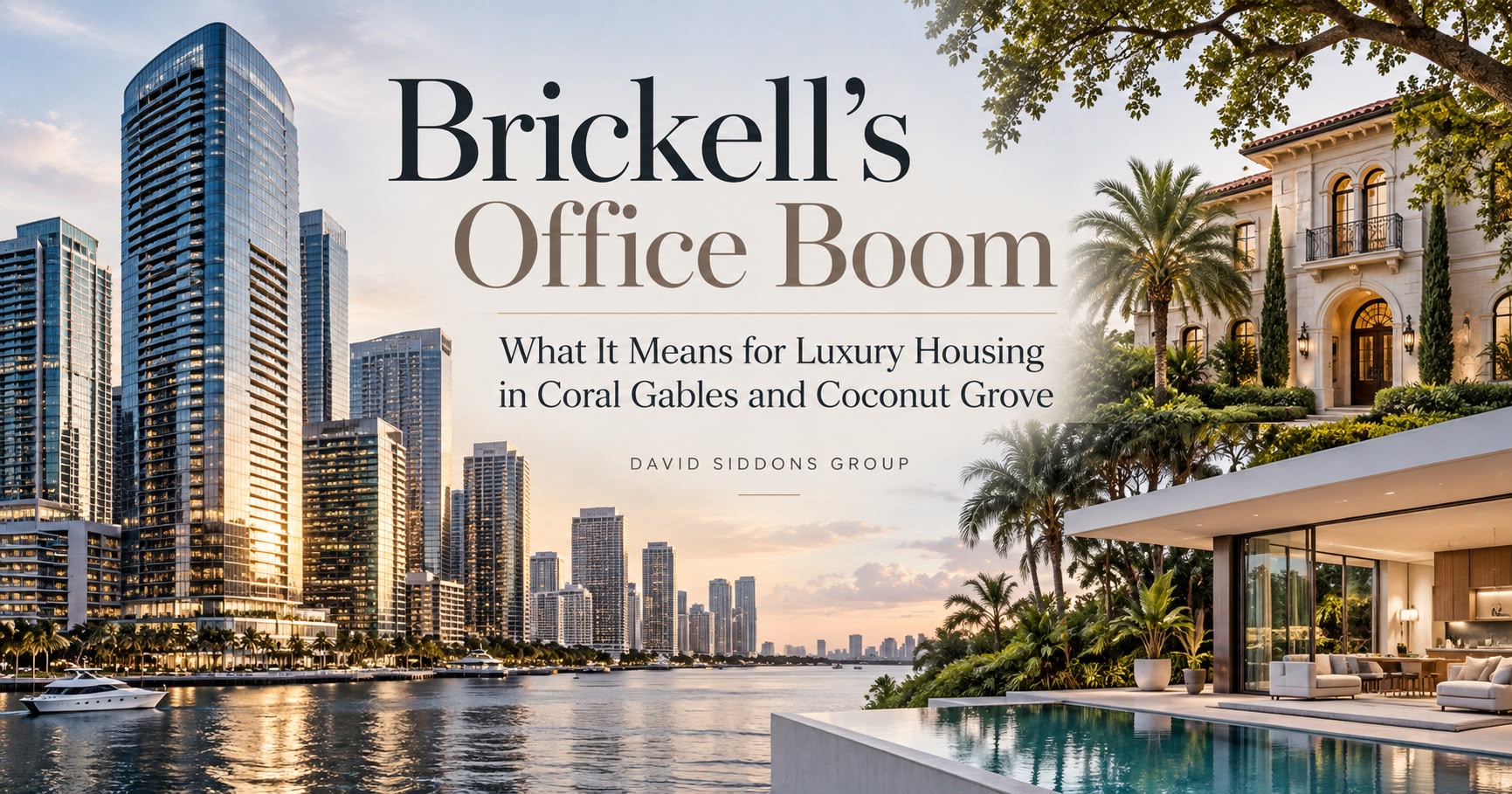
Brickell’s Office Boom: What It Means for Luxury Housing in Coral Gables and Coconut Grove
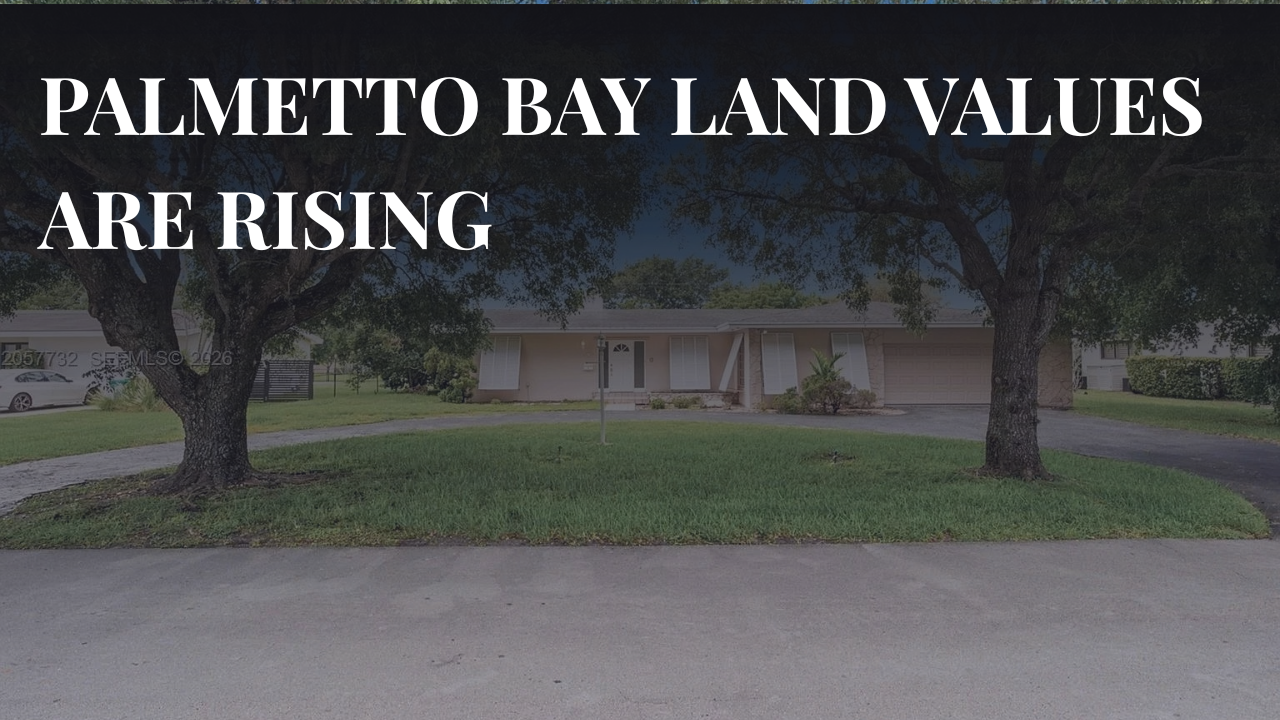
Palmetto Bay Land Values Are Rising. Is Your Home Worth More as Land?

Killian Drive: Kendall’s Luxury New Construction Corridor Hits $1,000/SF

Pinecrest’s 4 Best Streets in 2026
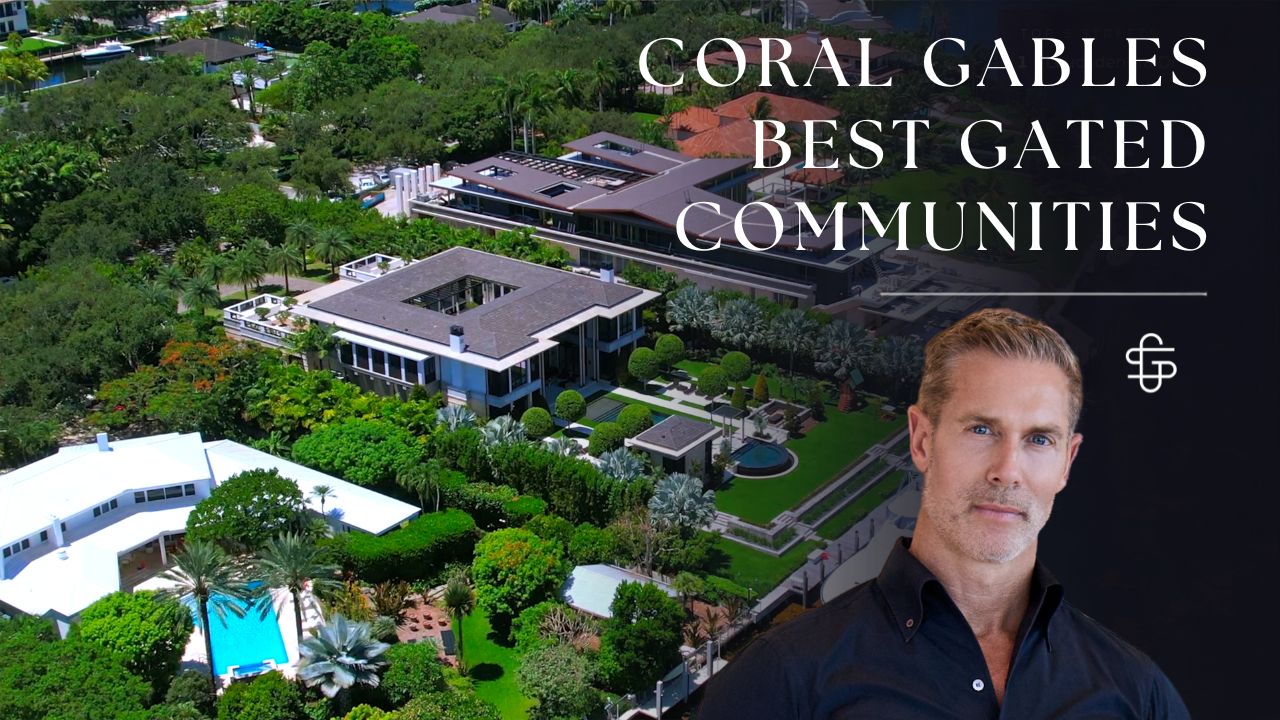
The 5 Best Luxury Streets in Miami’s Gated Communities

The Real Estate Team Behind the Agent: Why Systems Matter More Than Star Power
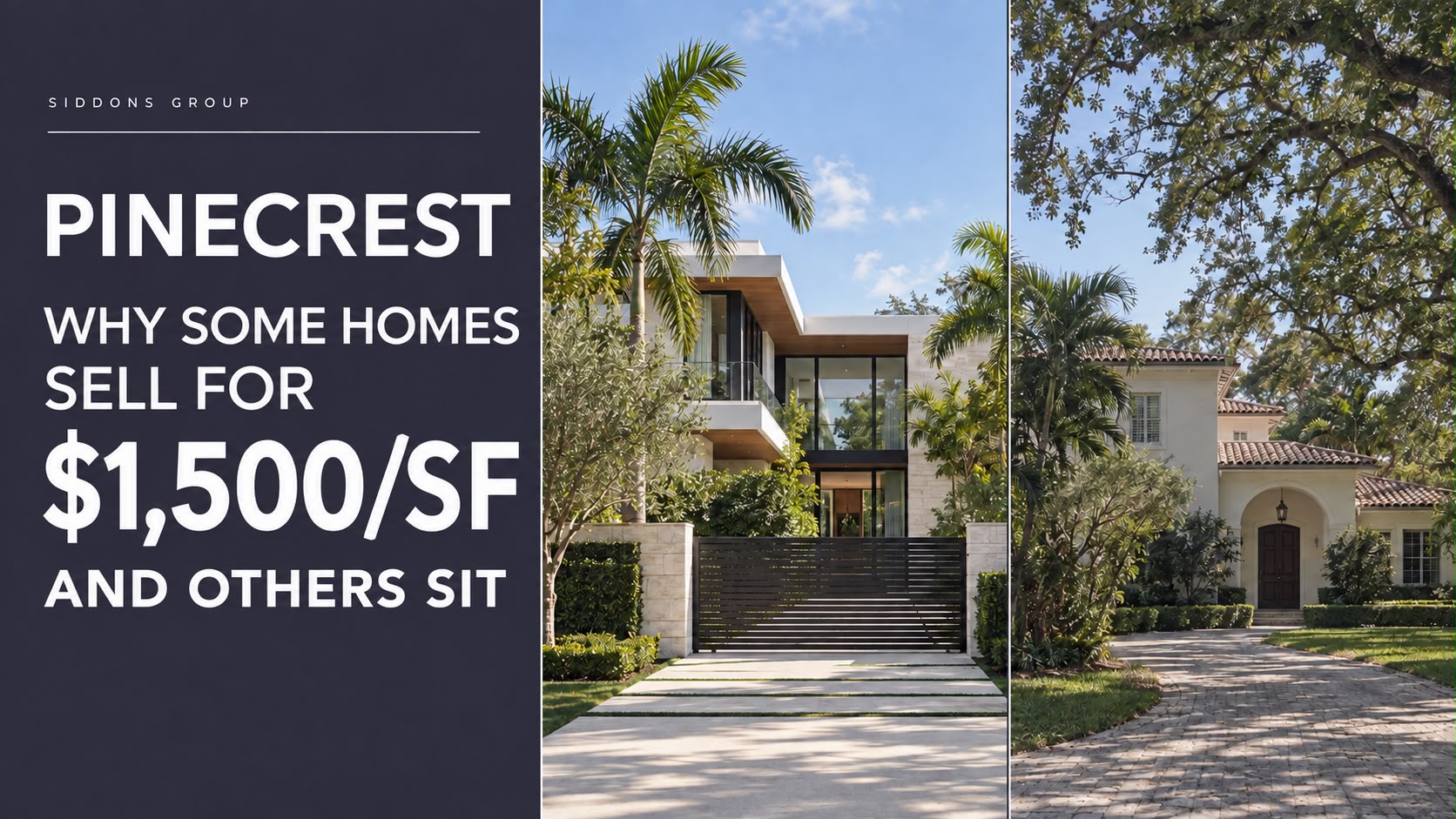
Selling a Home in Pinecrest: Why Some Homes Sell for $1,500/SF and Others Sit

We Built the Largest YouTube Audience of Any Miami Real Estate Team.

Empty Nesters in Miami: What Comes After the Big Family Home?
Please fill in your details and David Siddons will contact you

Search related videos

Are St. Regis Sunny Isles Residences Worth the Brand Premium?
Coral Gables Market Report 2025: What the Headlines Aren’t Telling You!
How David Siddons’ Power Team Drives Miami’s Luxury Market
Mid‑Year 2025 Coconut Grove Report: The Truth About What’s Selling Now
Brickell Mid‑Year Market Report 2025 | Is Brickell’s Luxury Market in Trouble?
Pinecrest Mid-Year Market Report 2025 | What’s Selling, What’s Sitting & Why
Miami Beach Condo Market Mid-Year Report 2025 | What Buyers & Sellers Need to Know
How to Lose $1M in The Miami Condo market | Top Mistakes That Cost Miami Condo Buyers Millions
The Well Project EXPOSED Coconut Grove’s Hottest Units
Miami Real Estate in 2025 Is NOT What You Think 😱 | Midyear Must Knows for Buyers & Sellers!
7 Things You Should Never Say to a Real Estate Agent in Miami!
Landmark Victoria Park Residence in Fort Lauderdale: Inside 420 NE 11th Ave 🌴✨
Luxury Living on 2355 S. Miami Ave | Fully Furnished 4-Bed Home w/ Resort-Style Pool 🏊
Is Mandarin Oriental Residences Miami a Smart Condo Investment? Prices, Floorplans, Views & Finishes


- Get our Newsletter
- Subscribe
- No Thanks
Get the latest news from Miami Real Estate News
Close
Edit Search
Close
2 of 14
Share this property
Recomend this to a friend, just enter their email below.
Close
Your email was sent successfully
Close
 COMPARE WITH CONDOGEEKS