
















- Best of All
- Best Miami Luxury Condos
- Most popular
- Relocating to Miami
- Private Schools
- Investments
- Gated communities
- Waterfront information
- Luxury homes
- Luxury Condos
- New Construction Condos in South Florida
- Independent Pre-Construction condo reviews for Miami
- Independent Pre-Construction condo reviews for Fort Lauderdale
Inside the Engine Room of the David Siddons Group | The Strategic Force Behind Every Deal
Operations Director Cris Buzolin on What It Takes to Run a Real Estate Machine
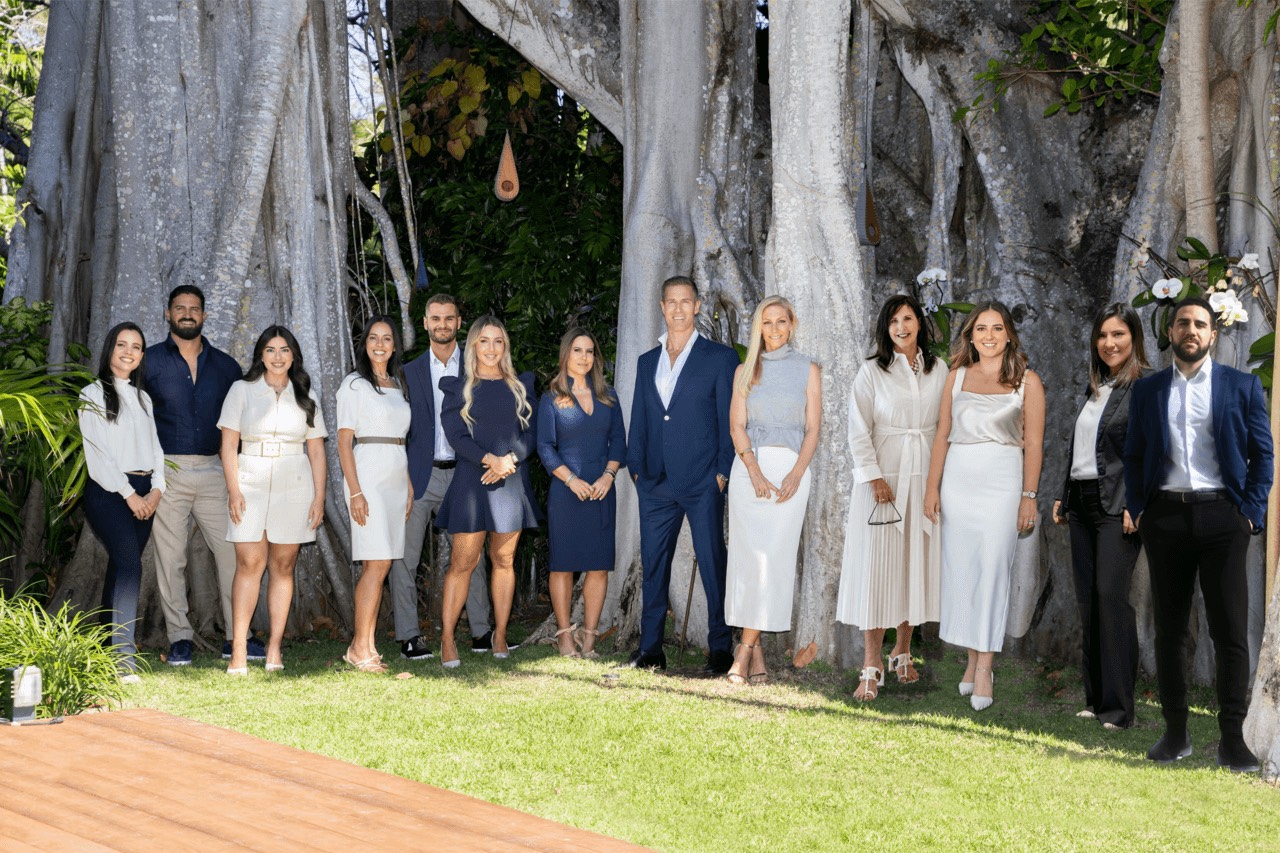
In this episode of the Better Decisions podcast, David Siddons is joined by Cris Buzolin, the Operations Director of the David Siddons Group. Cris plays one of the most vital roles in the success of the business and is referred to as “the Heart” of the Business. Cris is often the quiet force behind the scenes: organizing, supporting, solving problems before they happen, and helping clients and agents feel like they’re in good hands. This conversation brings her front and center, offering insight into how the group actually works behind the scenes—and why that structure, culture, and approach creates a better experience for clients and agents alike.
From Agent to Operations Director: A Role Built on Purpose
Cris’s journey started where many real estate careers do: as a local agent, in her case focusing on Pinecrest. But over time, her strengths began to shift toward something deeper—helping the business itself grow and run more effectively. As the team expanded, she found herself stepping in to support other agents, improve systems, and create structure. Eventually, this evolved into a full-time role overseeing operations. What makes her role unique is that it’s not just about systems or task management. Cris’s background is in psychology and human resources, which shaped her natural ability to lead with empathy and build a culture of trust. She understands how people work—how agents need to be supported, how clients need to feel heard, and how emotional the real estate journey can be. Because she was a buyer’s and seller’s agent herself, Cris isn’t operating from theory—she knows exactly what her team is going through and what clients need at every step. That experience allows her to step in at a high level or a detailed one, whether it’s helping with a contract, negotiating an inspection, or organizing logistics around a complicated move.
The Balance of Heart and Brain: Why This Team Works Differently
In many real estate teams, agents are expected to do everything—show homes, write contracts, manage vendors, market properties, negotiate, and handle client communication. That often leads to burnout, mistakes, or clients feeling like just another transaction. At the David Siddons Group, the roles are intentionally divided so everyone can focus on what they’re best at. David brings the analysis, strategy, and market insight. He’s deeply focused on data, valuations, and helping clients make financially sound decisions. Cris brings the emotional intelligence and people-first mindset. She helps clients feel comfortable, supported, and confident—not just in their investment, but in their experience. This balance of heart and brain is what keeps the team running smoothly—and keeps clients coming back. Whether it’s helping families relocate from abroad, getting kids settled in school, finding the right movers, or simply making the process feel less overwhelming, Cris is the one making sure clients feel taken care of every step of the way. Their dynamic isn’t just professional—it’s deeply collaborative. It’s why team members stay for years, why clients refer others, and why the group has earned a reputation for doing things differently.
Culture Over Commission: How Trust and Purpose Guide Everything
One of the most important takeaways from this episode is how much intention goes into the culture of the David Siddons Group. Cris and David reflect on the deliberate path they’ve taken in building the team—not chasing rapid expansion or adding agents by the dozen just to scale. Instead, they’ve prioritized steady, thoughtful growth, choosing quality over quantity at every step. Every hiring decision has been rooted in trust, aligned values, and a clear vision for long-term collaboration. It’s not about how fast the team can grow, but how deeply it can stay connected to its mission and each other.
This same philosophy applies to clients. Because the group generates a large volume of inbound leads through content, data, and referrals, they’re never pressured to chase a quick sale. That means the focus stays on what’s right for each client, not what closes fastest. We’re not just selling real estate, we’re guiding people through some of the biggest decisions of their lives.
That client-first approach shows up in everything, from honest market reports to difficult conversations about pricing or timing. Clients trust the advice because they know it comes from a place of integrity, not pressure. And that kind of trust is built over time, from the way the business is structured to the culture that supports it. As Cris says, this is a business built on relationships, not transactions. And in a world where real estate is often seen as fast-paced and flashy, this team’s quiet, consistent, deeply human approach is exactly what makes them different.

Behind the Brand: How the David Siddons Group Actually Works
If you’ve ever worked with us or followed our content, you probably know the name David Siddons. But what you may not see is the machine behind the man, the strategy, structure, and people that power the brand every single day. This isn’t a one-man show built on hustle. It’s a precision operation designed to deliver results at scale, without ever losing the personal touch. David may be the face of the group, but the reason he’s able to focus on what he does best: advising clients, selling, and producing market insights, is because the business is engineered to support him and every other agent on the team. At the center of that engine is Operations Director Cris Buzolin, the person keeping every moving part aligned, efficient, and accountable.
The David Siddons Group isn’t structured like a traditional real estate team. It’s built like a media and advisory company, with defined roles and expert players:
- Marketing Director (Loes) – Leads strategy, content, and inbound campaigns to attract high-quality clients.
- Systems Coordinator (Andrea) – Manages contracts, timelines, and logistics so nothing falls through the cracks.
- 13+ Territory Managers – Each covering a specific area from Palm Beach to Palmetto Bay, with deep local market expertise.
- Media & Creative Partners – From video to photography, they ensure every listing and piece of content is polished and on-brand.
This structure allows agents to do what they’re best at: building relationships, advising clients, and closing deals. For clients, it means you’re not just hiring an agent—you’re hiring a full-service, highly organized team that operates with clarity, care, and precision.
Territory Managers, Not Generalists
One of the most impactful pieces of the group’s structure is the use of territory managers. These are agents who live where they sell, and specialize deeply in their markets. That might sound obvious, but in reality, most buyers end up being shown homes by agents who aren’t experts in the area. Too often, agents try to hold on to clients even when the buyer’s needs evolve or shift to a different neighborhood. Instead of handing the client off to a better-suited colleague, they stretch themselves thin and end up providing poor guidance.
Here, that doesn’t happen.
- A buyer exploring both Miami Beach and Coral Gables will work with two local experts, not one person pretending to know both.
- The client stays within the same team, benefits from shared knowledge, and doesn’t have to start over.
- Agents share market data, reports, and off-market insights across the team so buyers always have a 360-degree view of what’s available.
- This isn’t just more efficient—it leads to better decisions, happier clients, and smarter outcomes.
A Team Built to Last—and Built to Work Together
At the David Siddons Group, collaboration isn’t just encouraged—it’s built into the structure. Each agent specializes in a specific territory, eliminating internal competition and creating deep local expertise. Weekly meetings are used to share off-market listings, buyer trends, and insights—so everyone stays ahead of the curve. This environment rewards teamwork, not ego. Agents contribute to reports, videos, and market blogs because it brings value to clients and strengthens the group’s reputation. And it works: most agents on the team have been in the business 8+ years and have stayed with the group long-term—rare in an industry known for turnover. Why do they stay? Because they’re treated as professionals with their own businesses, not just salespeople. Many run micro-teams or have dedicated support, and all benefit from a structure designed to grow their brand—not compete with it. For clients, this means you’re not just hiring an agent—you’re stepping into a high-functioning team with experience, trust, and a shared commitment to your success.
A Media-First Real Estate Group That Moves Like a Machine — but Feels Like a Family
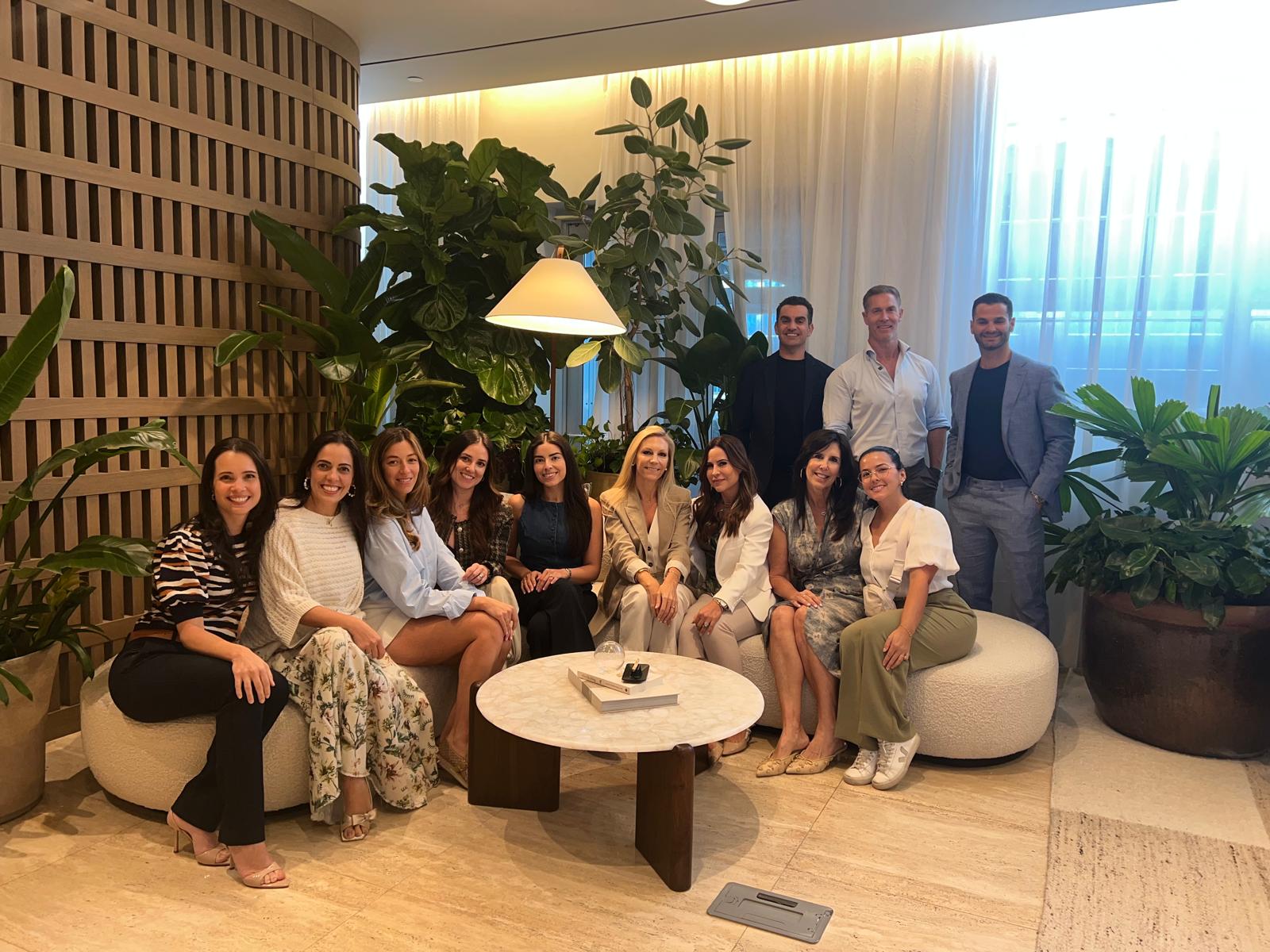
We’ve always said we’re more of a media company than a traditional real estate team. Over the years, we’ve created thousands of blogs, videos, podcasts, and market reports—not just for buyers and sellers, but for agents across the country who now follow our insights. That openness has built us a powerful national network. From L.A. to New York, Boston to Sarasota, we’ve earned trusted partners by sharing knowledge, not chasing deals.
Behind the scenes, we’re just as intentional. Weekly strategy calls, open house planning, and marketing brainstorms—nothing happens by accident. Every listing is worked, not just listed. And when a teammate needs backup, whether in Fort Lauderdale or a day before closing, we show up. One person creates the show, another delivers it. The results speak for themselves. That kind of structure offers something most real estate teams can’t: protection. We don’t celebrate when a property goes under contract—we stay alert until it closes. We’ve built systems and muscle memory to catch problems early and act fast. And yes, we’re obsessed—with doing the right thing, serving clients better, and spotting opportunities where others see roadblocks. That’s why our marketing works. That’s why our tech works and that’s why our site attracts thousands of serious, returning users—again and again. People often ask how we manage to do so much. The truth is, it’s a mix of media, operations, experience, and a lot of heart. We don’t just want to sell your home—we want to protect your outcome, earn your trust, and help you make the best decision possible.
A Hyperlocal Reach with Global Insight
We don’t just know the Miami market — we live it. With over 770,000 users on our site and thousands of locals who return regularly, we understand what people are searching for, block by block. From Brickell to Coconut Grove, Coral Gables to Fort Lauderdale, our geo-targeted approach allows us to match the right product with the right audience in real time. Whether it’s on or off-market, we know the inventory — and we ask better questions to uncover what a client really needs. Like when someone’s looking at a five-bedroom house but would be happier in a stunning two-bedroom that’s quietly preparing for market. That’s the power of human intuition supported by data.
Brokerage Alone Isn’t Enough — Collaboration Is Everything
Some agents lean on their brokerage’s name for credibility. We respect all the major players — Compass, Sotheby’s, Corcoran, Elliman — we’ve got great relationships with agents across all of them. But what makes us different is true collaboration. Inside Douglas Elliman, our reputation means we’re often called first when someone has a client moving to Miami. But we go further: we invite agents from outside our brokerage onto our podcasts, meet them for lunch, and treat them as partners, not competitors. Relationships are everything in this business — and we nurture them.
We Don’t Push Loyalty — We Earn It
Our clients don’t stick with us because of a contract. In fact, we rarely ask for one upfront. They choose us again and again because we make them feel heard, protected, and empowered. We’re not here for one transaction. We’re here to be your go-to advisors for years to come. That’s what “long-term value” really means. And that’s why we keep growing — not through ads or pressure, but through trust, results, and repeat business.
Connecting with the David Siddons Group
Want to know how this structure could benefit your sale or purchase? Whether you’re just browsing or thinking seriously about buying or selling, reach out—we’re here to help you make smarter decisions with the support of a full team behind you. Please call us at 305.508.0899 or schedule a meeting via the Calendar App Below.
FAQ
These are the most commonly Miami Real Estate Related questions
What should relocation buyers know before buying real estate in Miami?
HOME BUYERS
Relocation buyers looking at homes in Miami should understand that choosing the right house is less about the property itself and more about location, schools, and long-term value. Many buyers make the mistake of focusing on price or finishes, while the real driver of value is the neighborhood and micro-location. Older homes often represent better value, but may also be part of a future redevelopment cycle. Newer homes command premiums, but don’t always sell faster if pricing is ahead of the market. Commute time, school access, and community dynamics are critical and often underestimated. The key is to evaluate homes not just as lifestyle purchases, but as long-term assets within a very localized market.
Sources:
https://luxlifemiamiblog.com/relocating-to-miami/
https://luxlifemiamiblog.com/relocating-to-miami-with-a-family/
CONDO BUYERS:
Relocation buyers should understand that Miami is a highly segmented, building-driven market, not a uniform one. Pricing can vary significantly between similar properties depending on building quality, layout, and financial health. Many buyers assume newer construction equals better investment, but that is often not the case. Factors like HOA fees, reserves, and rental policies can materially impact long-term value and liquidity. Negotiation opportunities often exist, especially in slower segments, but require precise market knowledge. The key is to evaluate micro-markets and individual buildings, not just neighborhoods or price per square foot.
Sources:
https://luxlifemiamiblog.com/miami-real-estate-market-report/
https://luxlifemiamiblog.com/new-construction-miami-guide/
What are the best areas for relocating families with children
For families relocating to Miami with young children, the most recommended neighborhoods are Coral Gables, Coconut Grove, and Pinecrest. Coral Gables offers the best balance of top schools, safety, and long-term value. Coconut Grove is ideal for younger families seeking walkability, greenery, and a lifestyle-driven environment. Pinecrest provides larger homes, excellent schools, and better value for space, making it ideal for growing families. The key driver across all three is access to strong schools and primary residential stability. Relocation decisions are less about new construction and more about long-term livability and resale strength.
Sources:
https://luxlifemiamiblog.com/best-neighborhoods-miami/
https://luxlifemiamiblog.com/what-are-the-best-family-neighborhoods-in-miami-in-2023/
Are new construction condos in Miami a good investment?
New construction condos in Miami can be a good investment—but only if you understand that not all buildings perform the same. According to the David Siddons Group, many buyers assume “new = better,” but in reality, performance depends on pricing, layout, building quality, and long-term demand. Some new developments set future price benchmarks and can drive long-term appreciation, especially in top-tier projects. However, many are priced aggressively at launch, and buyers relying on marketing instead of data often overpay.
The market is highly segmented, meaning two new buildings next to each other can perform very differently.
The best opportunities typically come from selecting the right building early or negotiating correctly in later phases.
In short: new construction is not automatically a good investment—it becomes one only with building-level analysis and disciplined entry pricing.
Sources:
https://luxlifemiamiblog.com/how-to-buy-a-luxury-condo-in-miami/
https://luxlifemiamiblog.com/category/independent-new-construction-condo-reviews/
https://luxlifemiamiblog.com/beyond-clickbait-real-insights-into-miamis-luxury-condo-market/
Why is buying a Miami condo riskier than buyers think?
Buying a Miami condo is often riskier than buyers expect because the true risks are at the building level—not visible in the listing price. Many buyers focus on finishes and views, while overlooking HOA reserves, insurance exposure, and potential special assessments. In reality, two identical units in different buildings can perform completely differently over time. Rising HOA fees and stricter regulations are also increasing the true cost of ownership, especially in older buildings. Liquidity can be affected by factors like financial health, rental policies, and ongoing repairs. The key risk is not the condo itself—but buying into the wrong building without proper due diligence.
Sources:
https://luxlifemiamiblog.com/how-to-buy-a-luxury-condo-in-miami/
https://luxlifemiamiblog.com/miami-condo-market-risks/
What are Miami's Safest Areas?
Which Miami Areas Still offer Great Value (Budget Friendly alternatives to Coral Gables and Pinecrest)
If you’re looking for better value than Coral Gables or Pinecrest, the answer (in true Siddons style) is not “go cheaper”—it’s go one layer outside the obvious markets.
The strongest value plays are:
- Schenley Park → closest substitute to Coral Gables at ~20% discount while maintaining similar character and location
- Biltmore Heights → almost identical feel to the Gables but ~25–30% cheaper on a $/SF basis
- Glenvar Heights → central location with larger lots and ~25% pricing advantage vs South Miami/Gables
- Baptist / Galloway (Kendall) → Pinecrest-style living (space, schools, land) at up to ~30% lower pricing
The pattern is consistent:
👉 Buyers are shifting west and slightly off-market to gain land, scale, and pricing efficiency. You don’t find value by going to a “cheaper neighborhood”—you find it by identifying adjacent micro-markets that offer the same lifestyle fundamentals without the brand premium.
Sources:
https://luxlifemiamiblog.com/best-value-neighborhoods-miami/
https://luxlifemiamiblog.com/category/miami-neighborhoods/
Is NOW a good time to buy in Miami?
Are Miami real estate prices going down in 2026?
No—but that’s the wrong way to look at it. Miami is not one market anymore, so prices are not moving in one direction. In 2026, the market is split into two: ultra-luxury, scarcity-driven areas (like waterfront and top-tier neighborhoods) are still holding or even rising, while mid-tier condos and oversupplied segments are flat or correcting. What we’re seeing is price divergence, not a crash—some properties are gaining value while others are quietly adjusting downward. Rising inventory and more selective buyers are putting pressure on pricing in certain segments, especially older condos or buildings with weaker fundamentals.
At the same time, global wealth and cash buyers continue to support pricing at the top end of the market. So the real answer: prices aren’t broadly dropping—they’re being repriced based on quality, location, and supply.
Should I buy a house or a condo when relocating to Miami?
The decision comes down to lifestyle first, investment second—and most relocation buyers get that backwards. If you want space, privacy, schools, and long-term family living, a single-family home in areas like Coral Gables or Coconut Grove is typically the stronger choice. If you prioritize walkability, low maintenance, and proximity to business districts, a condo in Brickell or waterfront markets makes more sense.
From an investment perspective, homes tend to be more stable, while condos are more building-dependent and cyclical. Most relocation clients underestimate how much building quality, HOA structure, and future costs impact condo performance. The right answer isn’t “house vs condo”—it’s which asset fits your lifestyle AND holds value within its micro-market.
How do I choose the right Miami neighborhood for my lifestyle?
Why are Miami condo prices so different between buildings?
Miami condo pricing varies widely because value is determined at the building level, not just by location. Two buildings next to each other can have major differences in financial health, reserves, HOA fees, and management quality. Buyers also pay premiums for better layouts, views, amenities, and newer construction—but not all “new” buildings perform equally. Factors like rental policies, upcoming assessments, and building reputation can significantly impact resale value. This is why price per square foot alone is misleading in Miami’s condo market. The real driver of value is how that specific building competes within its micro-market over time.
Sources:
https://luxlifemiamiblog.com/how-to-buy-a-luxury-condo-in-miami/
https://luxlifemiamiblog.com/category/independent-new-construction-condo-reviews/
WHY WORK WITH DAVID? THINGS YOU SHOULD KNOW...
For all our analytics we are agents driving some very unique and advanced tech. We Provide a granular and custom experience that empower our clients with the insight and tools to understand the most complex behaviors of any local markets.
-
Analytical
Over 100 reports produced to date
-
Knowledgeable
Over 1800 published articles and counting


Related Articles
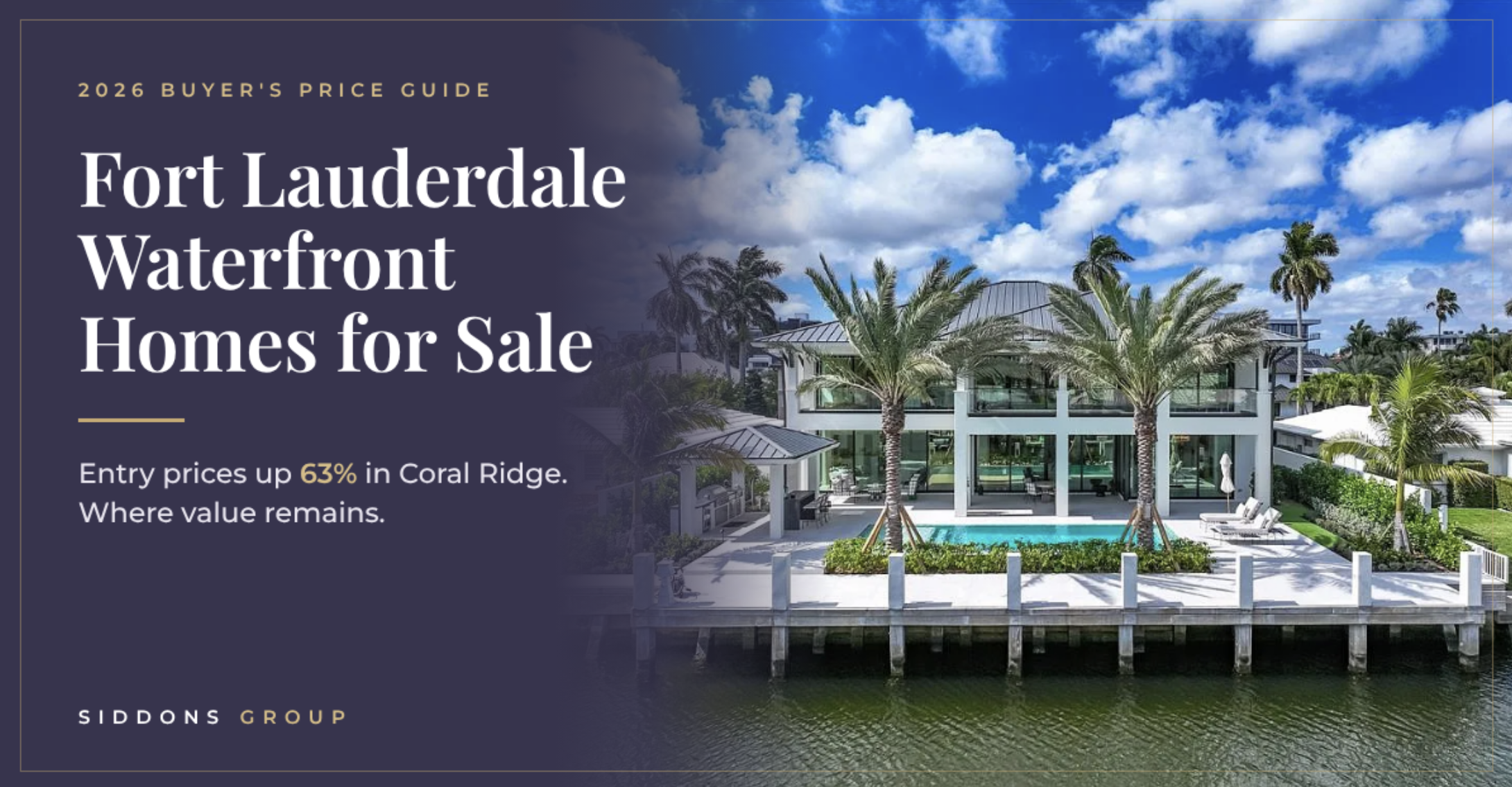
Fort Lauderdale Waterfront Homes in 2026
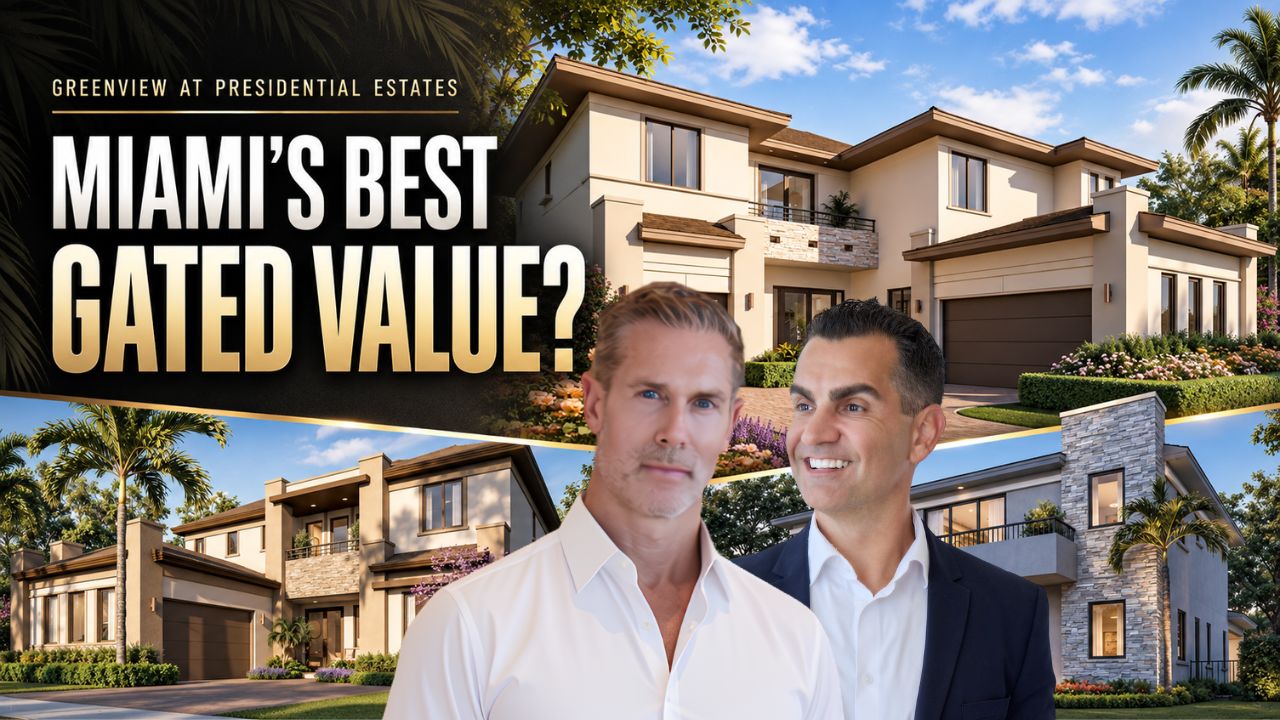
Greenview at Presidential Aventura
The Best Real Estate Agent in Ponce Davis
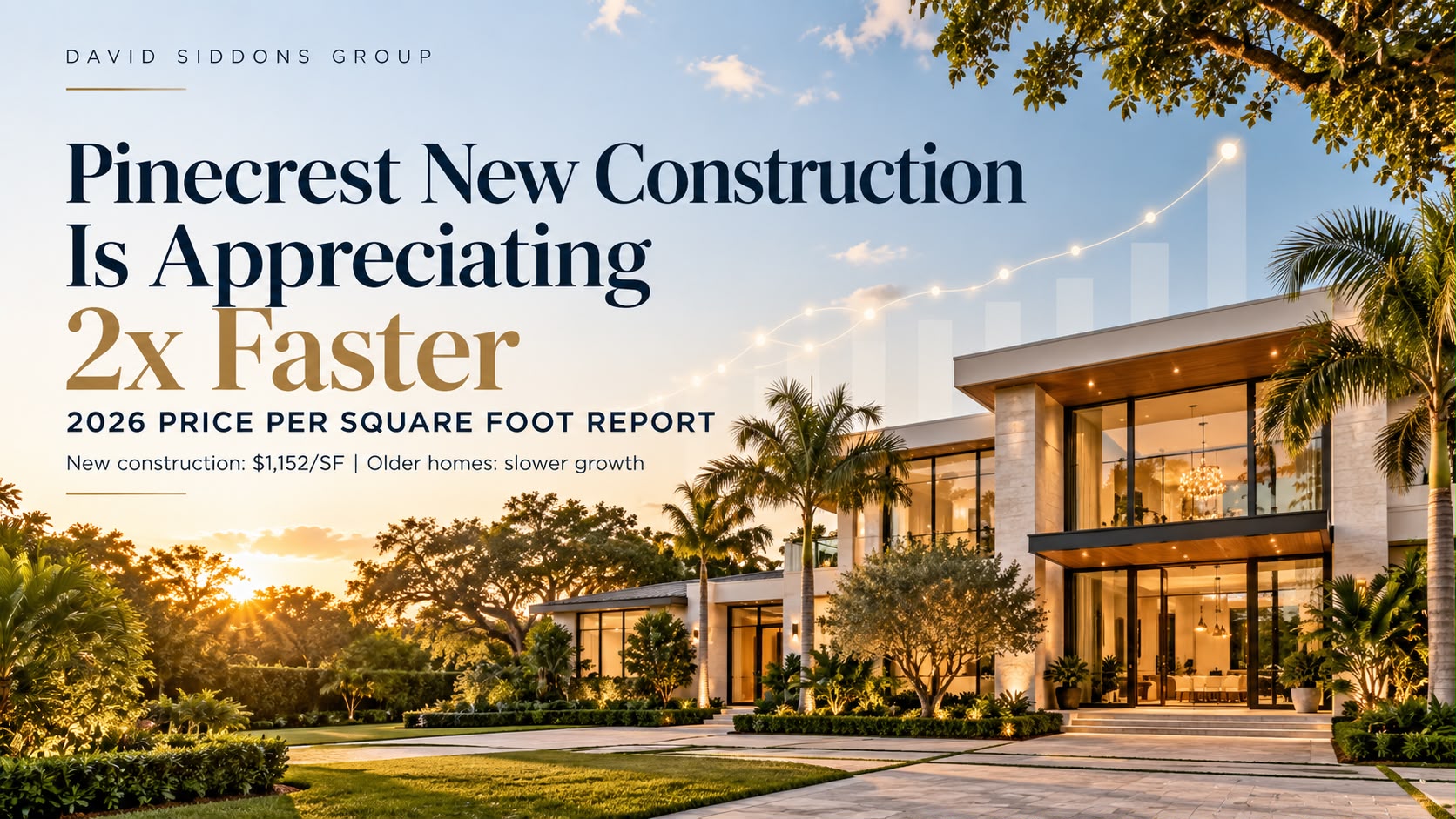
Pinecrest New Construction Is Appreciating 2x Faster Than Older Homes
Inside 1428 Brickell: Why Ytech Skipped the Hotel Brand to Build Brickell’s Best Finishes
Brickell’s Office Boom: What It Means for Luxury Housing in Coral Gables and Coconut Grove
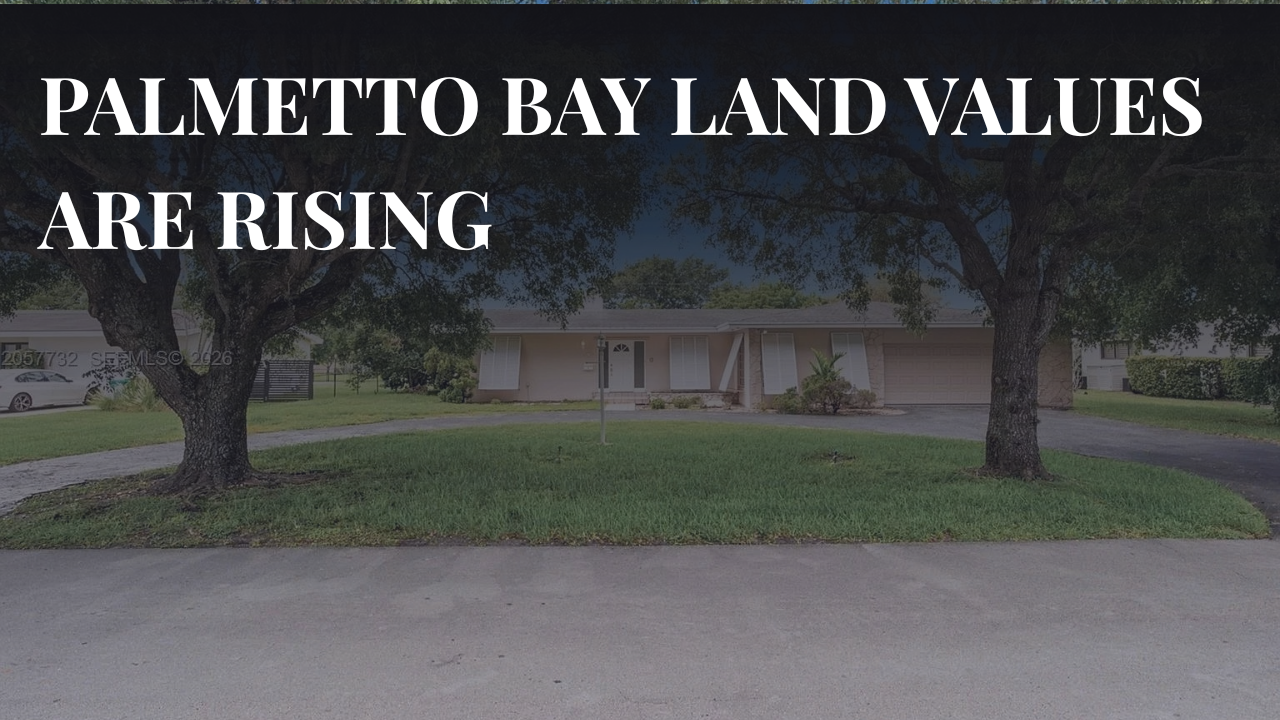
Palmetto Bay Land Values Are Rising. Is Your Home Worth More as Land?

Killian Drive: Kendall’s Luxury New Construction Corridor Hits $1,000/SF
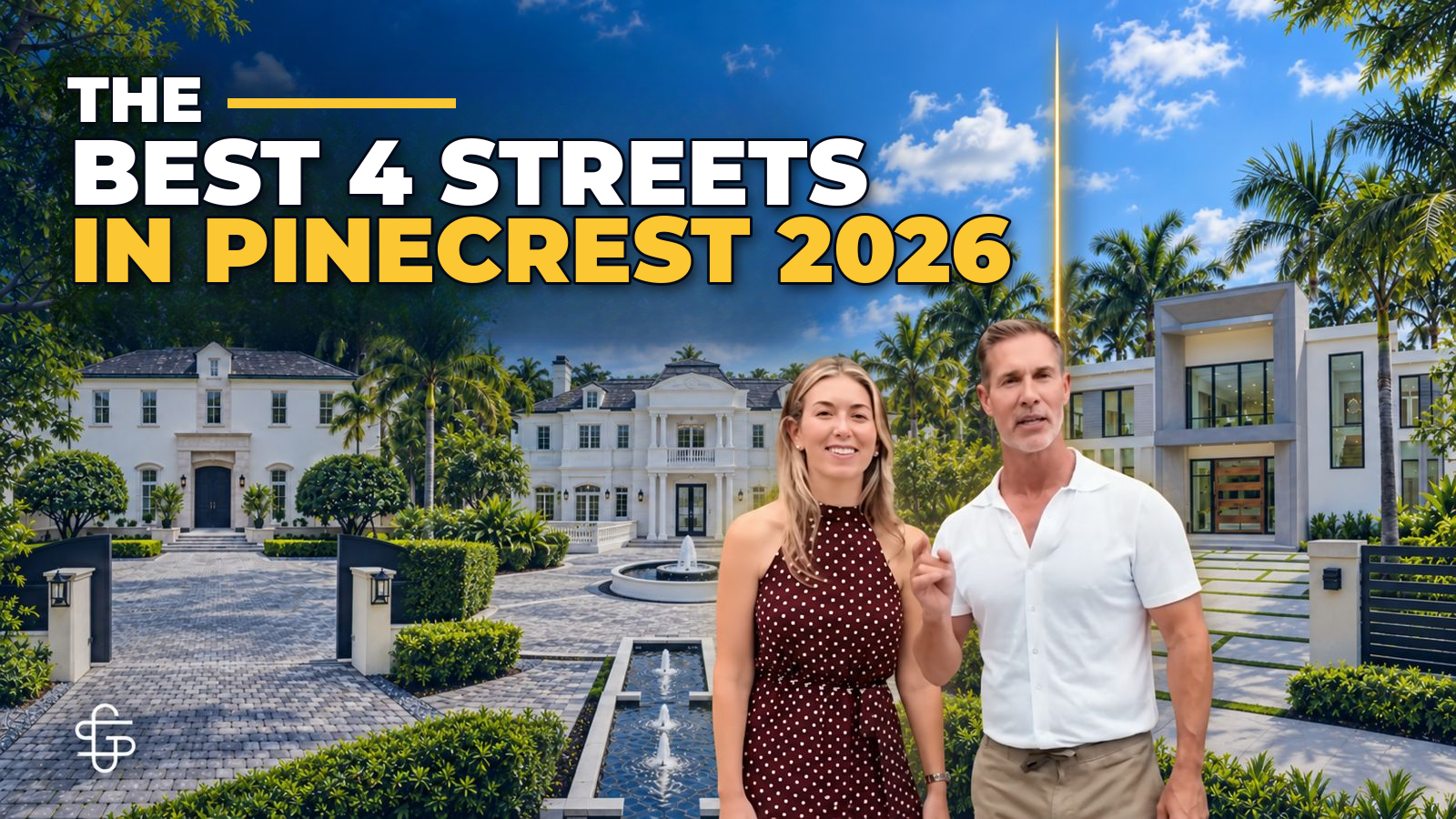
Pinecrest’s 4 Best Streets in 2026
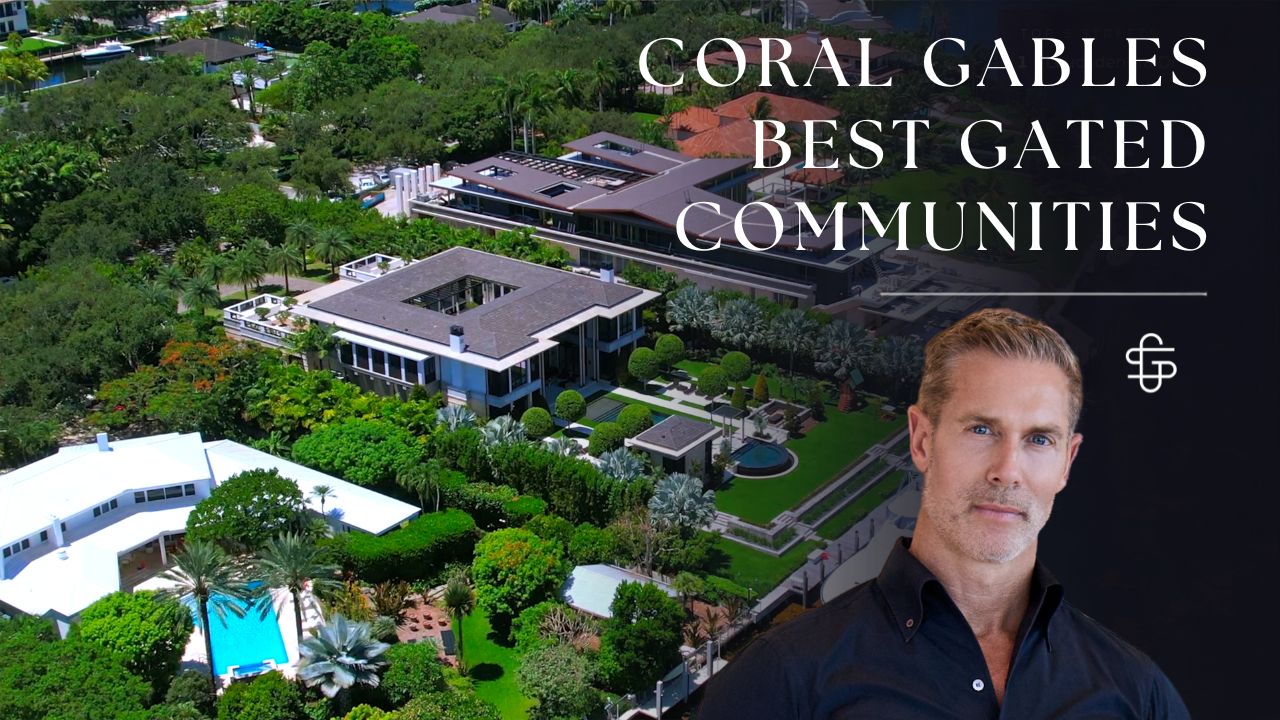
The 5 Best Luxury Streets in Miami’s Gated Communities
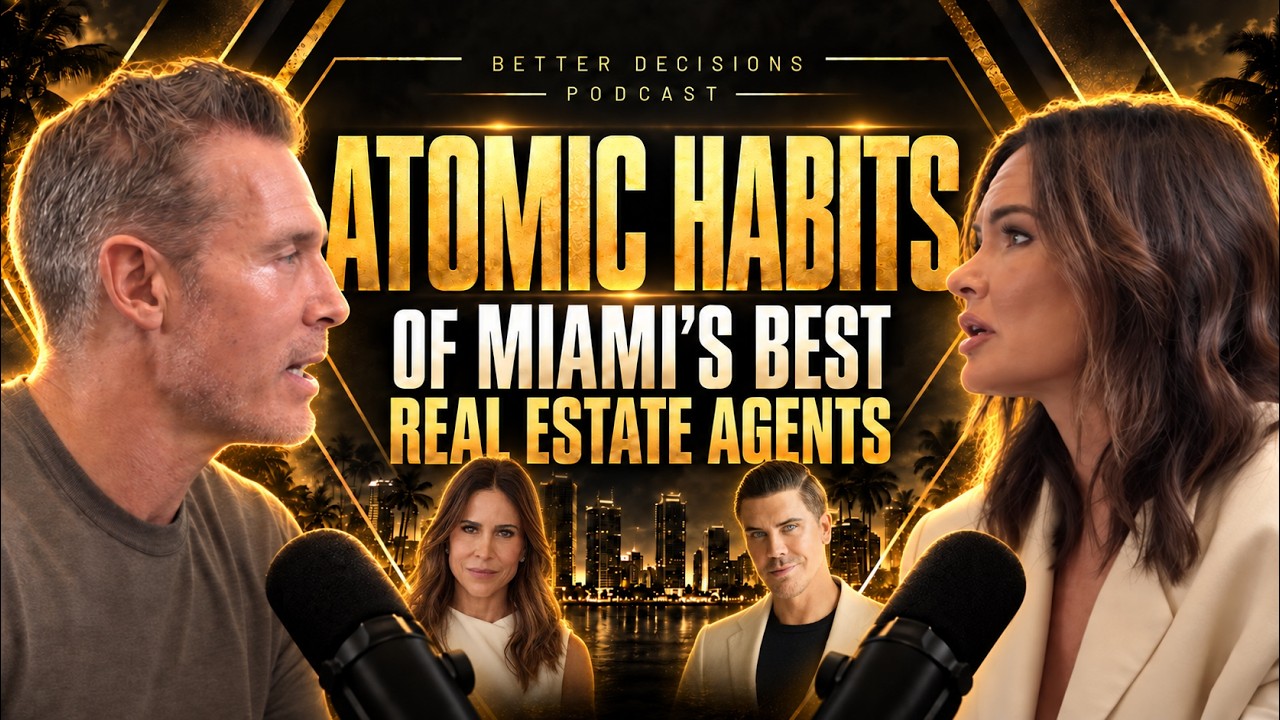
The Real Estate Team Behind the Agent: Why Systems Matter More Than Star Power
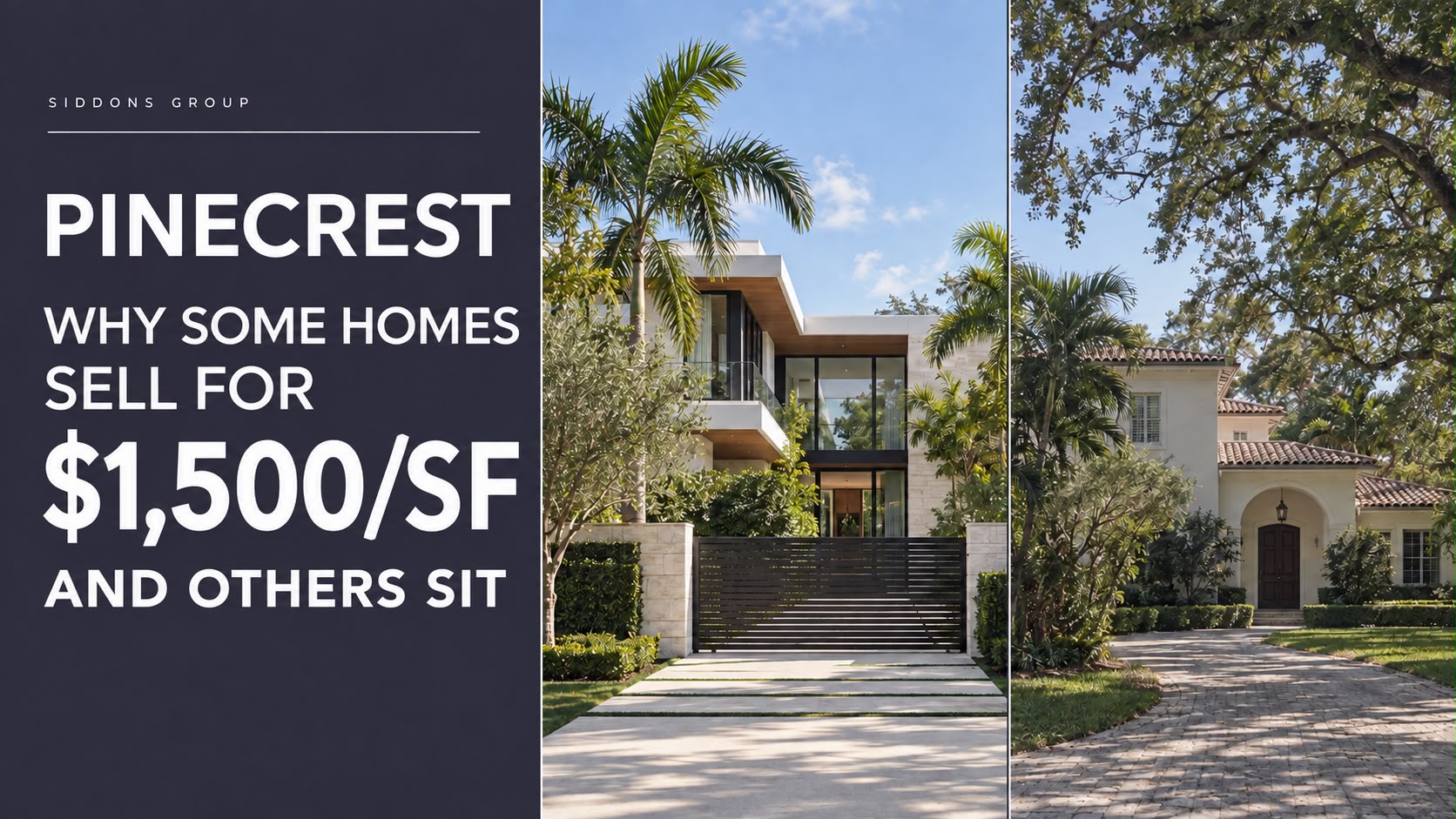
Selling a Home in Pinecrest: Why Some Homes Sell for $1,500/SF and Others Sit

We Built the Largest YouTube Audience of Any Miami Real Estate Team.
Empty Nesters in Miami: What Comes After the Big Family Home?
Please fill in your details and David Siddons will contact you

Search related videos

Are St. Regis Sunny Isles Residences Worth the Brand Premium?
Coral Gables Market Report 2025: What the Headlines Aren’t Telling You!
How David Siddons’ Power Team Drives Miami’s Luxury Market
Mid‑Year 2025 Coconut Grove Report: The Truth About What’s Selling Now
Brickell Mid‑Year Market Report 2025 | Is Brickell’s Luxury Market in Trouble?
Pinecrest Mid-Year Market Report 2025 | What’s Selling, What’s Sitting & Why
Miami Beach Condo Market Mid-Year Report 2025 | What Buyers & Sellers Need to Know
How to Lose $1M in The Miami Condo market | Top Mistakes That Cost Miami Condo Buyers Millions
The Well Project EXPOSED Coconut Grove’s Hottest Units
Miami Real Estate in 2025 Is NOT What You Think 😱 | Midyear Must Knows for Buyers & Sellers!
7 Things You Should Never Say to a Real Estate Agent in Miami!
Landmark Victoria Park Residence in Fort Lauderdale: Inside 420 NE 11th Ave 🌴✨
Luxury Living on 2355 S. Miami Ave | Fully Furnished 4-Bed Home w/ Resort-Style Pool 🏊
Is Mandarin Oriental Residences Miami a Smart Condo Investment? Prices, Floorplans, Views & Finishes


- Get our Newsletter
- Subscribe
- No Thanks
Get the latest news from Miami Real Estate News
Close
Edit Search
Close
2 of 14
Share this property
Recomend this to a friend, just enter their email below.
Close
Your email was sent successfully
Close
 COMPARE WITH CONDOGEEKS