















- Best of All
- Best Miami Luxury Condos
- Most popular
- Relocating to Miami
- Private Schools
- Investments
- Gated communities
- Waterfront information
- Luxury homes
- Luxury Condos
- New Construction Condos in South Florida
- Independent Pre-Construction condo reviews for Miami
- Independent Pre-Construction condo reviews for Fort Lauderdale
Miami Homeowners Insurance & Flood Insurance Insights
Insider Strategies for Buyers and Sellers
Today, it’s our privilege to welcome Hugo Garcia, Managing Shareholder at Florida General Counsel , to discuss a critical aspect of real estate: Miami Homeowners Insurance. Often overlooked but essential, we’ll explore what both buyers and sellers need to understand when navigating property transactions. Hugo specializes in legal action against insurance companies, ensuring they fulfill their obligations to policyholders.
Two years ago, Hugo joined us on the Podcast post-Hurricane Ian, where he predicted premium hikes of 200-300%. Sadly, this prediction has come true without relief in sight. Many properties left devastated by the storm still haven’t received the necessary assistance, with insurance companies failing to honor claims. Even those who’ve never filed a claim find themselves unsupported. Today, we’ll examine recent developments and discuss strategies for buyers and sellers to safeguard their interests.
South Florida Insurance Challenges: One-Sided Agreements
We’re witnessing an alarming trend of one-sided deals in the insurance landscape, where one party gains while the other loses out. Despite diligently paying their premiums, policyholders find themselves at a disadvantage when it comes to claiming coverage. Insurance companies often scrutinize every detail to avoid fulfilling their end of the agreement. Denials of coverage and inadequate payouts result in imbalanced agreements, leaving homeowners vulnerable.
In addition to facing denied claims, homeowners now bear the burden of significant attorney fees, which can amount to $100K or more. This financial strain is compounded by already substantial deductibles. Considering the average claim hovers around $250K, the exorbitant costs of legal representation may outweigh the potential benefits of challenging insurance decisions. Consequently, many homeowners are deterred from pursuing legal recourse.
In the South Florida market, insurance companies wield considerable power, effectively operating as a near monopoly. This dominance allows them to collectively set fees at similar levels across properties, further limiting homeowners’ options and exacerbating the imbalance of power.
Citizens’ Participation in the South Florida Market
Citizens Property Insurance Corporation is a government-backed insurance company. Initially, Citizens was established as the insurer of last resort, providing coverage to those who couldn’t obtain insurance from private companies or faced prohibitively high premiums. However, over time, more and more insurance companies left South Florida, at which point Citizen has transitioned into a prominent player in the market, essentially becoming a monopoly in many areas of Florida.
The Influence of Aging Properties on the Market
The growing prevalence of older properties is affecting market dynamics significantly. In particular, there is a notable increase in aging inventory, with a substantial portion of condos and homes falling into this category.
For instance, in the Tri-County area of Miami Dade, Broward and Palm Beach, there are approx. 18,000 condos.
- ∼85% is 30 years or older
- ∼11% is between 10 and 20 years old
- ∼4% is less than 10 years old
This existence of older properties is impacting various aspects of the market, including homeowner association (HOA) fees.
Increasing HOA Fees
HOA fees, especially in older buildings, have experienced a significant uptick. This trend is largely attributed to rising insurance premiums, driven by the proximity of these properties to coastal waters. Changes in legislation, mandating higher HOA budgets to address potential assessments over a 25-year period (while before this was 40 years), further exacerbate this issue. Given Miami’s coastal location, nearly all luxury condos are within a 3-mile radius of the ocean and are therefore susceptible to these regulatory changes. If a condo reaches the 25-year mark from the time of its delivery, it necessitates a major assessment, entailing considerable expenses to bring the property up to current standards.
Justifying The Miami Homeowners Insurance Rate Hikes
The increase in insurance premiums despite the absence of significant storms raises valid concerns, especially considering the significant profits some companies have reported in recent years. While it’s a business reality that profits fluctuate, the exponential growth in profits alongside substantial premium hikes can seem disproportionate and controversial. One contributing factor to this situation is the influence of lobbying efforts, where substantial financial resources are deployed to advocate for certain policies. For instance, recent changes in legislation have shifted the burden of legal fees onto clients, further complicating the situation for policyholders. Unfortunately, the lack of political intervention in addressing these issues exacerbates the monopoly-like situation within the insurance market.
These insurance companies are essentially shell companies. They collect money from premiums but often delay paying out claims. They calculate how long they can hold onto the money and figure out how much they need to pay lawyers or settle claims quietly. They know all the tricks and use them to their advantage. Even if you do everything right with your policy, these companies still prioritize making money. . With an abundance of claims and the new law requiring people to pay their own lawyer, many people give up because the process takes too long and becomes too costly.
In essence, while policyholders strive to fulfill their obligations, private insurers leverage their market dominance and knowledge to their advantage. This underscores the need for greater transparency, regulatory oversight, and accountability within the insurance industry to ensure fair treatment and protection for consumers.

Understanding the Relevance for Miami Property Owners
How does this impact me as a property owner in Miami? If your property is within the flood zone, your insurance premiums will likely keep rising unless there’s legislation to curb these increases. Additionally, if a major storm hits this year, premiums are bound to increase again. In recent years, there has been a significant 200-300% increase in premiums. Even though the upward trend can affect properties outside of flood zones as well, properties within the flood zone are affected most.
Appreciation of Homes
Additionally, properties in flood zones often experience slower value appreciation compared to those in lower-risk areas. The classification of zoning, particularly high-risk zones like AE compared to lower-risk zones like X, can significantly impact property values. For instance, homes situated in heavy flood zone can see its values decline due to insurance premiums surpassing property taxes, leading to a shift in buyer behavior. There will be a point that the home becomes uninsurable and therefore equivalent to land value.
Uninsurability
Furthermore, the inability to obtain insurance is becoming increasingly common, especially for older homes. Some of these properties are deemed too risky by insurance companies and simply cannot be insured. In these situations, the property’s worth might drop to match its land value alone, which can deter potential buyers unless they’re willing to pay in cash. Even those buyers will understand they can’t insure the property and may need to demolish it later, so they’ll only be paying for the land itself.
Self-insurance
Self-insurance is emerging as an alternative solution, where individuals set aside premiums in investment accounts instead of relying on traditional insurers like Citizens. This approach allows for greater control and flexibility, particularly for properties deemed uninsurable or facing exorbitant premiums.
Remodeling Older Homes
Despite these challenges, many homeowners in flood zone areas are opting to renovate older homes. However, it’s important to note that such renovations often do not alter the original construction date or impact insurance eligibility. Consequently, homeowners may find themselves investing substantial sums into properties that remain at risk of uninsurability in the event of a disaster.
Understanding the Relevance for Buyers
As a buyer, it is quintessential to look at in what zone the property is located in as well as the property’s age. It’s advisable to explore areas of Miami situated at higher elevations, where the risk of flooding is lower. Investing in non-flood zone areas can help protect your investment, as these properties tend to appreciate more over time. Meanwhile, those homes in flood-prone areas may face challenges in selling. Even if older homes undergo updates or renovations, there are still potential risks associated with their structural integrity, making it essential to approach such purchases with caution.
Despite newer homes typically offering lower insurance fees, it’s essential to prepare for rising costs due to their waterfront location. Most buyers in waterfront areas are aware of this reality and consider it a worthwhile trade-off for the unique benefits of the location. As long as you’re cognizant of the situation and understand the associated risks, you can make a decision based on what matters most to you.
Challenges in the Condo Market
If you own an older condo, particularly if you rely on a fixed income, it’s crucial to understand that the situation is unlikely to improve. Costs are projected to increase, and selling your property may become more challenging as prospective buyers become aware of rising HOA fees. If you’re considering selling, it may be prudent to do so sooner rather than later.
Advice for Buyers
Buyers should also be mindful of the circumstances. What appears affordable now may end up being costly if you only consider the condo’s initial price. Please thoroughly assess your potential purchase, including upcoming assessments, property management, HOA fees, and other relevant factors.
Foreclosure Trends Impacted by Insurance Crisis
The upcoming wave of foreclosures will be strongly influenced by the insurance crisis. As costs rise rapidly, many people won’t afford to pay anymore. Even owners of multimillion-dollar properties may stop paying their mortgages deliberately, allowing the bank to sell the assets. For instance, if you owe $3 million on a property worth $7 million (equity of $4 million), you might let the property be sold to clear the mortgage. Then, if the property sells for, say, $7 million at foreclosure, after clearing the mortgage and fees, the homeowner can claim the surplus. This strategy of not paying mortgages involves a whole business behind it and people will take advantage of this.
In Miami-Dade County, significant efforts have been made to prepare for floods, leading to a notable achievement recognized by the government. As a result, residents there are eligible for reduced flood insurance rates, akin to a special benefit. This recognition stems from the county’s advancement by two levels in flood preparedness. As a result, approximately 3.6 million individuals, will benefit from lower insurance premiums.
While it’s great news that there’s a discount now, it’s important to remember that these costs can change, especially if there’s a disaster. Sometimes, after disasters, insurance costs can go up again. So, while it’s good to enjoy the lower rates, it’s also wise to be prepared for the possibility that they might increase again in the future, especially if there’s a big flood or other disaster.
Conclusions
In conclusion, the insurance landscape has become increasingly challenging over the past year, and unfortunately, it’s unlikely to improve. When considering a purchase, it’s crucial to recognize the inherent risks involved. The real estate market operates under various pressures, and addressing these issues can be daunting for buyers. Realtors may hesitate to touch these topics as they prioritize sales. However, there are quality products available that circumvent these industry challenges. For those grappling with difficulties, these obstacles will likely only intensify.
Feel free to ask me any questions—I’m here to provide insights. My business is founded on the principle of empowering individuals to make informed decisions and fostering transparency within the industry. I hope this discussion has shed light on the complexities of the real estate landscape and the limitations of insurance. Take a close look at your contracts and proceed with caution when buying, or consider selling before it’s too late.
Schedule a Call with the David Siddons Group
FAQ
These are the most commonly Miami Real Estate Related questions
What should relocation buyers know before buying real estate in Miami?
HOME BUYERS
Relocation buyers looking at homes in Miami should understand that choosing the right house is less about the property itself and more about location, schools, and long-term value. Many buyers make the mistake of focusing on price or finishes, while the real driver of value is the neighborhood and micro-location. Older homes often represent better value, but may also be part of a future redevelopment cycle. Newer homes command premiums, but don’t always sell faster if pricing is ahead of the market. Commute time, school access, and community dynamics are critical and often underestimated. The key is to evaluate homes not just as lifestyle purchases, but as long-term assets within a very localized market.
Sources:
https://luxlifemiamiblog.com/relocating-to-miami/
https://luxlifemiamiblog.com/relocating-to-miami-with-a-family/
CONDO BUYERS:
Relocation buyers should understand that Miami is a highly segmented, building-driven market, not a uniform one. Pricing can vary significantly between similar properties depending on building quality, layout, and financial health. Many buyers assume newer construction equals better investment, but that is often not the case. Factors like HOA fees, reserves, and rental policies can materially impact long-term value and liquidity. Negotiation opportunities often exist, especially in slower segments, but require precise market knowledge. The key is to evaluate micro-markets and individual buildings, not just neighborhoods or price per square foot.
Sources:
https://luxlifemiamiblog.com/miami-real-estate-market-report/
https://luxlifemiamiblog.com/new-construction-miami-guide/
What are the best areas for relocating families with children
For families relocating to Miami with young children, the most recommended neighborhoods are Coral Gables, Coconut Grove, and Pinecrest. Coral Gables offers the best balance of top schools, safety, and long-term value. Coconut Grove is ideal for younger families seeking walkability, greenery, and a lifestyle-driven environment. Pinecrest provides larger homes, excellent schools, and better value for space, making it ideal for growing families. The key driver across all three is access to strong schools and primary residential stability. Relocation decisions are less about new construction and more about long-term livability and resale strength.
Sources:
https://luxlifemiamiblog.com/best-neighborhoods-miami/
https://luxlifemiamiblog.com/what-are-the-best-family-neighborhoods-in-miami-in-2023/
Are new construction condos in Miami a good investment?
New construction condos in Miami can be a good investment—but only if you understand that not all buildings perform the same. According to the David Siddons Group, many buyers assume “new = better,” but in reality, performance depends on pricing, layout, building quality, and long-term demand. Some new developments set future price benchmarks and can drive long-term appreciation, especially in top-tier projects. However, many are priced aggressively at launch, and buyers relying on marketing instead of data often overpay.
The market is highly segmented, meaning two new buildings next to each other can perform very differently.
The best opportunities typically come from selecting the right building early or negotiating correctly in later phases.
In short: new construction is not automatically a good investment—it becomes one only with building-level analysis and disciplined entry pricing.
Sources:
https://luxlifemiamiblog.com/how-to-buy-a-luxury-condo-in-miami/
https://luxlifemiamiblog.com/category/independent-new-construction-condo-reviews/
https://luxlifemiamiblog.com/beyond-clickbait-real-insights-into-miamis-luxury-condo-market/
Why is buying a Miami condo riskier than buyers think?
Buying a Miami condo is often riskier than buyers expect because the true risks are at the building level—not visible in the listing price. Many buyers focus on finishes and views, while overlooking HOA reserves, insurance exposure, and potential special assessments. In reality, two identical units in different buildings can perform completely differently over time. Rising HOA fees and stricter regulations are also increasing the true cost of ownership, especially in older buildings. Liquidity can be affected by factors like financial health, rental policies, and ongoing repairs. The key risk is not the condo itself—but buying into the wrong building without proper due diligence.
Sources:
https://luxlifemiamiblog.com/how-to-buy-a-luxury-condo-in-miami/
https://luxlifemiamiblog.com/miami-condo-market-risks/
What are Miami's Safest Areas?
Which Miami Areas Still offer Great Value (Budget Friendly alternatives to Coral Gables and Pinecrest)
If you’re looking for better value than Coral Gables or Pinecrest, the answer (in true Siddons style) is not “go cheaper”—it’s go one layer outside the obvious markets.
The strongest value plays are:
- Schenley Park → closest substitute to Coral Gables at ~20% discount while maintaining similar character and location
- Biltmore Heights → almost identical feel to the Gables but ~25–30% cheaper on a $/SF basis
- Glenvar Heights → central location with larger lots and ~25% pricing advantage vs South Miami/Gables
- Baptist / Galloway (Kendall) → Pinecrest-style living (space, schools, land) at up to ~30% lower pricing
The pattern is consistent:
👉 Buyers are shifting west and slightly off-market to gain land, scale, and pricing efficiency. You don’t find value by going to a “cheaper neighborhood”—you find it by identifying adjacent micro-markets that offer the same lifestyle fundamentals without the brand premium.
Sources:
https://luxlifemiamiblog.com/best-value-neighborhoods-miami/
https://luxlifemiamiblog.com/category/miami-neighborhoods/
Is NOW a good time to buy in Miami?
Are Miami real estate prices going down in 2026?
No—but that’s the wrong way to look at it. Miami is not one market anymore, so prices are not moving in one direction. In 2026, the market is split into two: ultra-luxury, scarcity-driven areas (like waterfront and top-tier neighborhoods) are still holding or even rising, while mid-tier condos and oversupplied segments are flat or correcting. What we’re seeing is price divergence, not a crash—some properties are gaining value while others are quietly adjusting downward. Rising inventory and more selective buyers are putting pressure on pricing in certain segments, especially older condos or buildings with weaker fundamentals.
At the same time, global wealth and cash buyers continue to support pricing at the top end of the market. So the real answer: prices aren’t broadly dropping—they’re being repriced based on quality, location, and supply.
Should I buy a house or a condo when relocating to Miami?
The decision comes down to lifestyle first, investment second—and most relocation buyers get that backwards. If you want space, privacy, schools, and long-term family living, a single-family home in areas like Coral Gables or Coconut Grove is typically the stronger choice. If you prioritize walkability, low maintenance, and proximity to business districts, a condo in Brickell or waterfront markets makes more sense.
From an investment perspective, homes tend to be more stable, while condos are more building-dependent and cyclical. Most relocation clients underestimate how much building quality, HOA structure, and future costs impact condo performance. The right answer isn’t “house vs condo”—it’s which asset fits your lifestyle AND holds value within its micro-market.
How do I choose the right Miami neighborhood for my lifestyle?
Why are Miami condo prices so different between buildings?
Miami condo pricing varies widely because value is determined at the building level, not just by location. Two buildings next to each other can have major differences in financial health, reserves, HOA fees, and management quality. Buyers also pay premiums for better layouts, views, amenities, and newer construction—but not all “new” buildings perform equally. Factors like rental policies, upcoming assessments, and building reputation can significantly impact resale value. This is why price per square foot alone is misleading in Miami’s condo market. The real driver of value is how that specific building competes within its micro-market over time.
Sources:
https://luxlifemiamiblog.com/how-to-buy-a-luxury-condo-in-miami/
https://luxlifemiamiblog.com/category/independent-new-construction-condo-reviews/
WHY WORK WITH DAVID? THINGS YOU SHOULD KNOW...
For all our analytics we are agents driving some very unique and advanced tech. We Provide a granular and custom experience that empower our clients with the insight and tools to understand the most complex behaviors of any local markets.
-
Analytical
Over 100 reports produced to date
-
Knowledgeable
Over 1800 published articles and counting


Related Articles
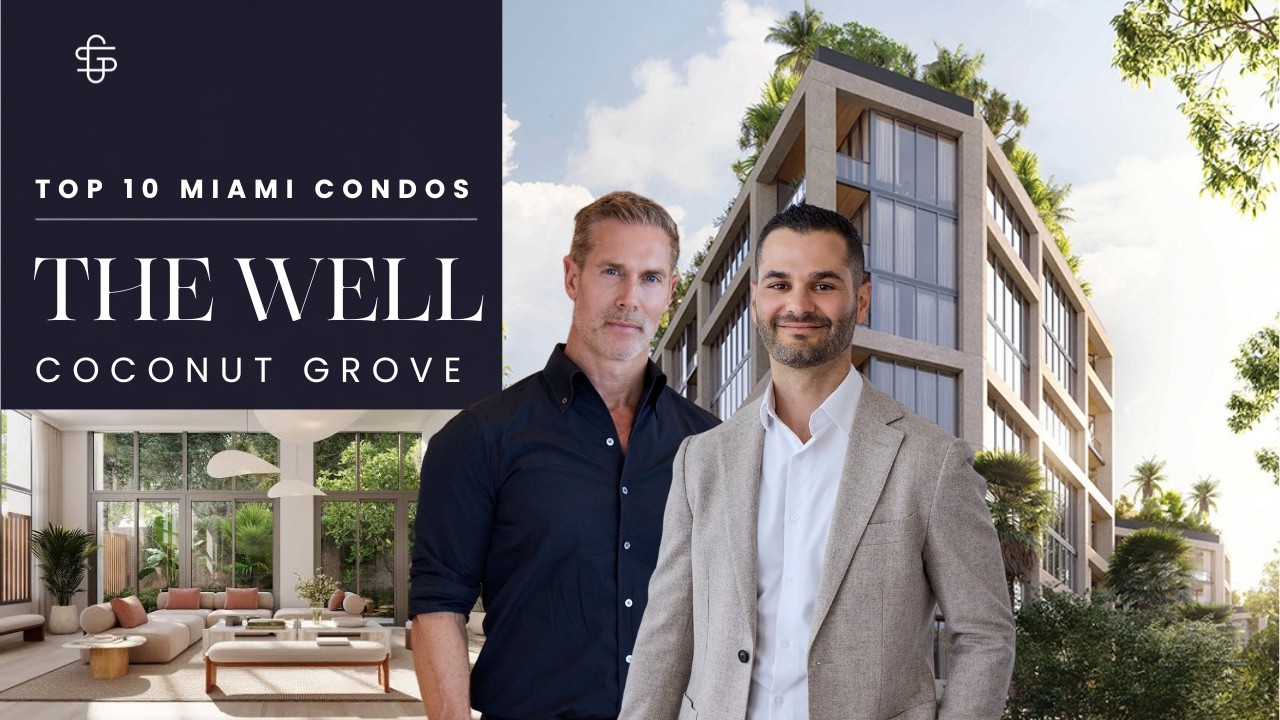
Coconut Grove’s Best New Penthouse for Sale in 2026: The Well Penthouses Explained
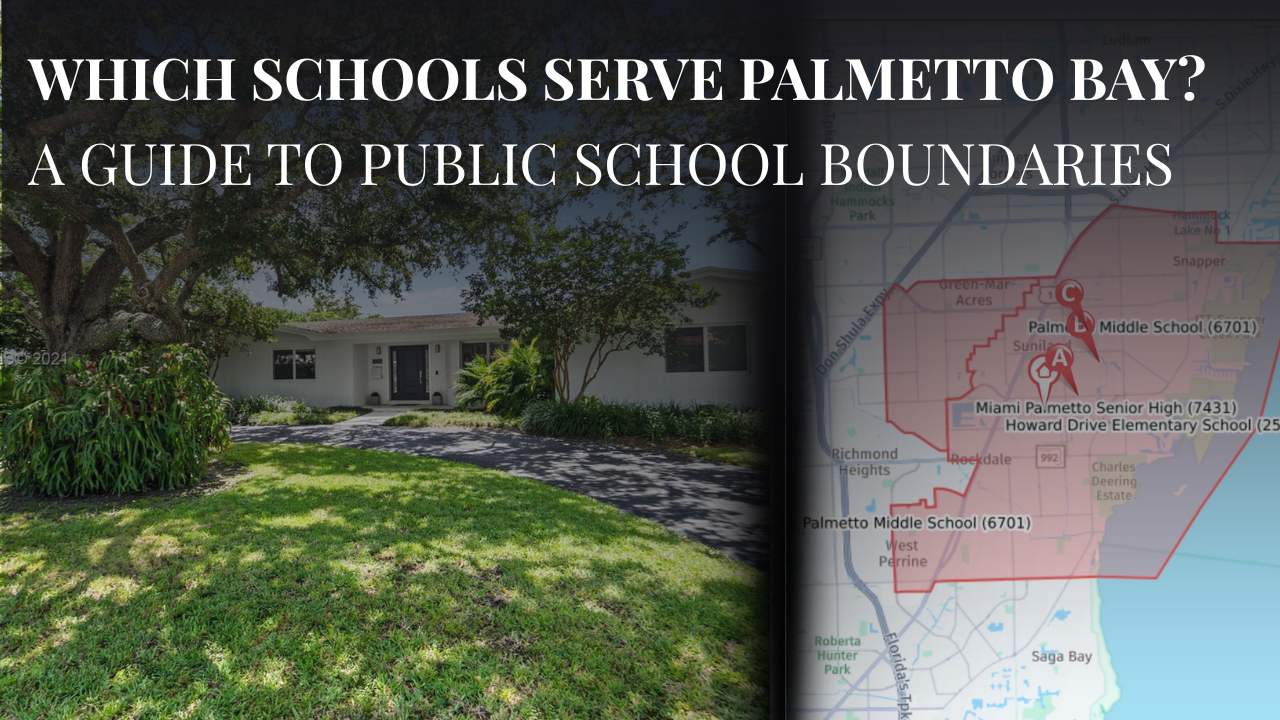
Which Schools Serve Palmetto Bay? A Guide to Public School Boundaries

Beyond the Developer Finish
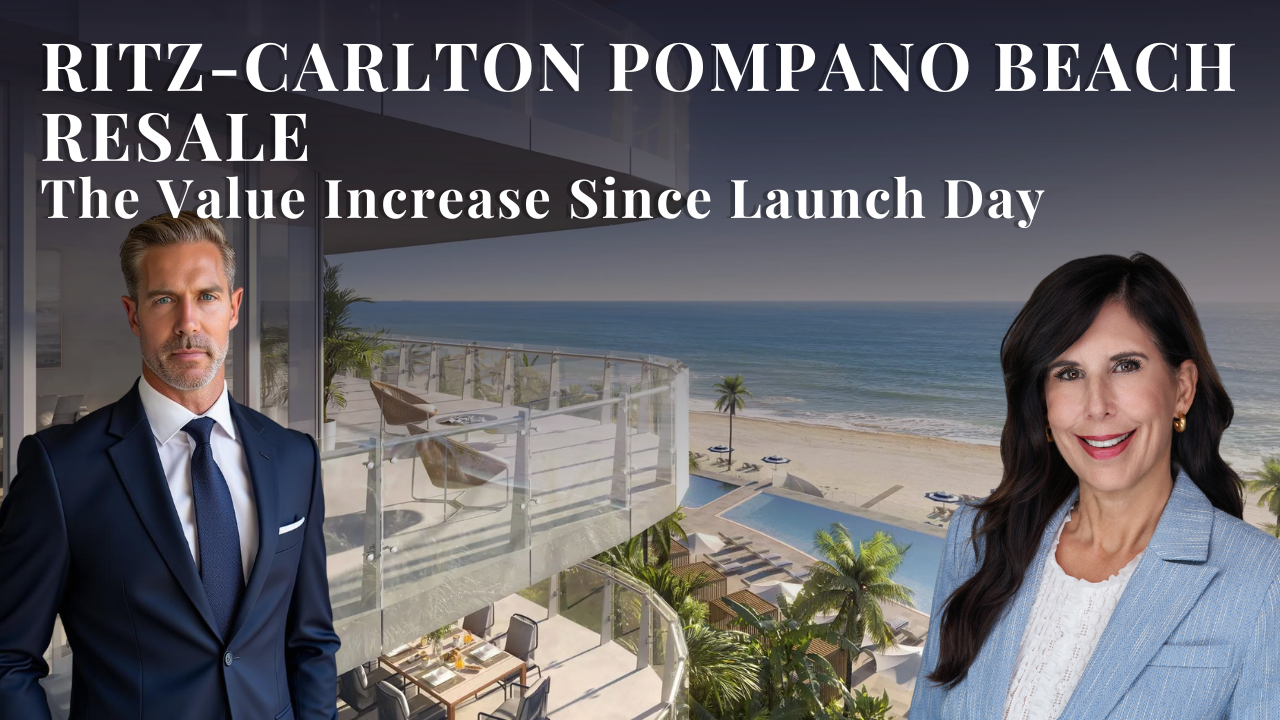
Ritz-Carlton Residences Pompano Beach Resale: The Opportunity After Closing
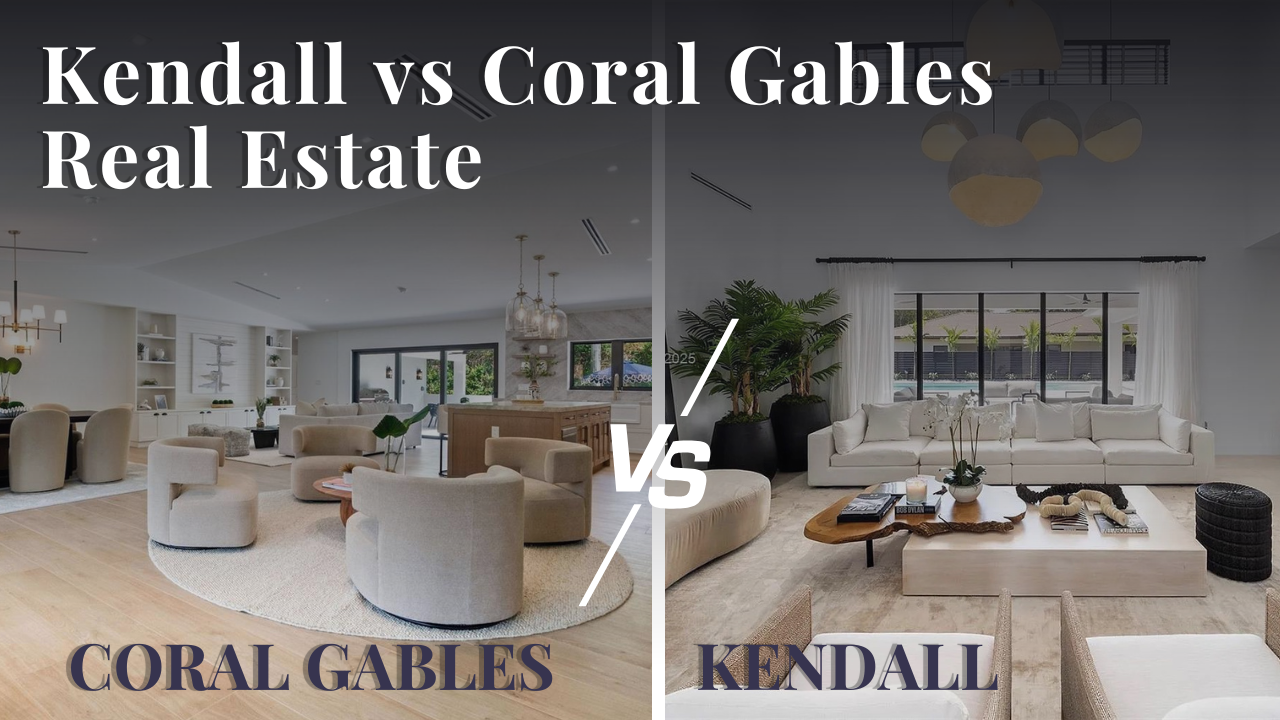
Kendall Real Estate vs. Coral Gables Real Estate: More Land, More House, Same Budget
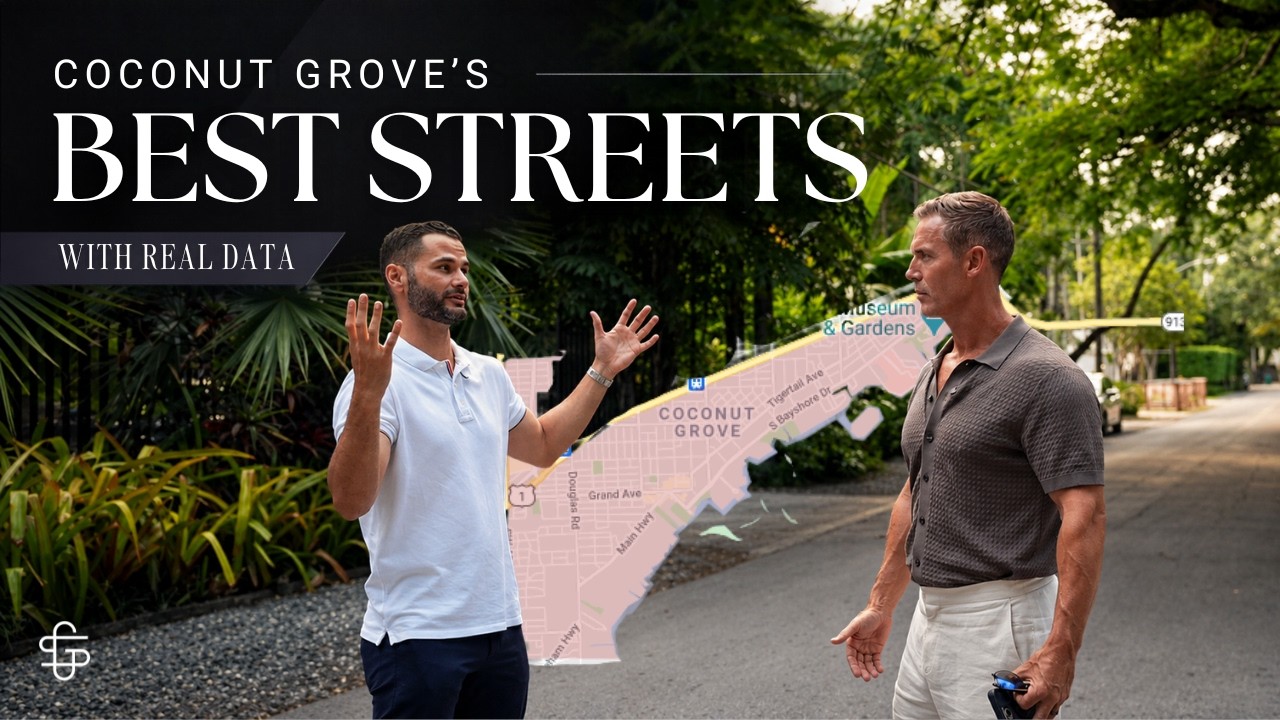
The 5 Best Streets in Coconut Grove: A Buyer’s Guide from the Agents Who Sell Them
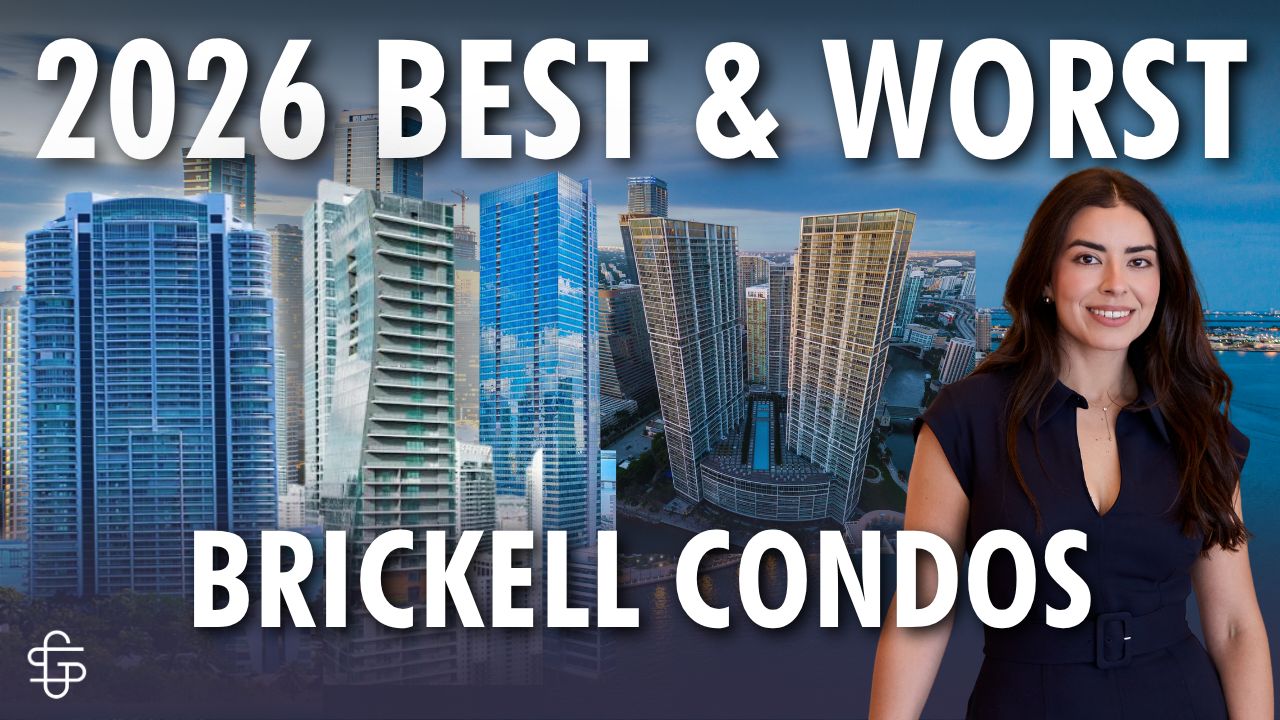
The 5 Best Condos in Brickell 2026 (And 3 Condos to Avoid)

Who is the Best Interior Designer in Miami?
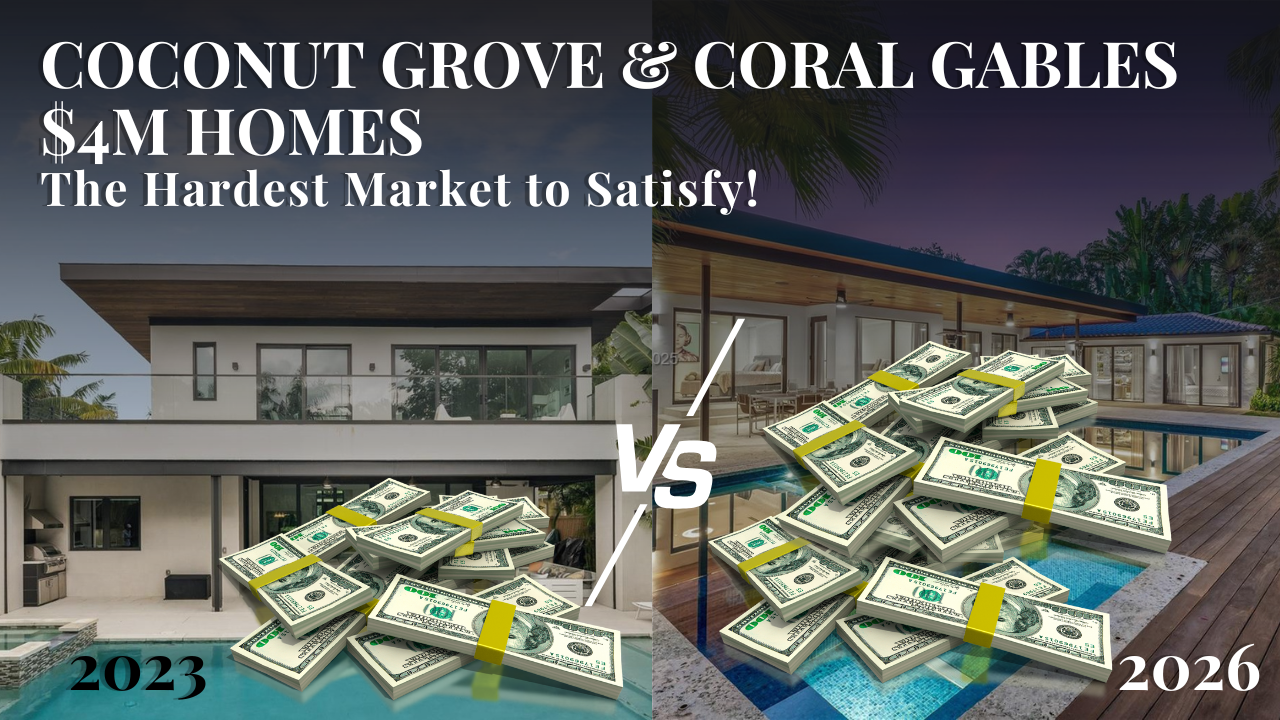
Coconut Grove and Coral Gables $4m Homes – The Hardest Market to Satisfy!

The Past, Present, and Future of Brickell Key
Pier Sixty-Six Phase Two
Pagani Residences Lower Penthouse
The Miami Buyer Migration
Miami Zoning Laws Explained: What Every Buyer Must Know Before You Purchase
Please fill in your details and David Siddons will contact you

Search related videos

Are St. Regis Sunny Isles Residences Worth the Brand Premium?
Coral Gables Market Report 2025: What the Headlines Aren’t Telling You!
How David Siddons’ Power Team Drives Miami’s Luxury Market
Mid‑Year 2025 Coconut Grove Report: The Truth About What’s Selling Now
Brickell Mid‑Year Market Report 2025 | Is Brickell’s Luxury Market in Trouble?
Pinecrest Mid-Year Market Report 2025 | What’s Selling, What’s Sitting & Why
Miami Beach Condo Market Mid-Year Report 2025 | What Buyers & Sellers Need to Know
How to Lose $1M in The Miami Condo market | Top Mistakes That Cost Miami Condo Buyers Millions
The Well Project EXPOSED Coconut Grove’s Hottest Units
Miami Real Estate in 2025 Is NOT What You Think 😱 | Midyear Must Knows for Buyers & Sellers!
7 Things You Should Never Say to a Real Estate Agent in Miami!
Landmark Victoria Park Residence in Fort Lauderdale: Inside 420 NE 11th Ave 🌴✨
Luxury Living on 2355 S. Miami Ave | Fully Furnished 4-Bed Home w/ Resort-Style Pool 🏊
Is Mandarin Oriental Residences Miami a Smart Condo Investment? Prices, Floorplans, Views & Finishes


- Get our Newsletter
- Subscribe
- No Thanks
Get the latest news from Miami Real Estate News
Close
Edit Search
Close
2 of 14
Share this property
Recomend this to a friend, just enter their email below.
Close
Your email was sent successfully
Close
 COMPARE WITH CONDOGEEKS