








































- Best of All
- Best Miami Luxury Condos
- Most popular
- Relocating to Miami
- Private Schools
- Investments
- Gated communities
- Waterfront information
- Luxury homes
- Luxury Condos
- New Construction Condos in South Florida
- Independent Pre-Construction condo reviews for Miami
- Independent Pre-Construction condo reviews for Fort Lauderdale
What are the Best Waterfront Point Lot homes in Fort Lauderdale?
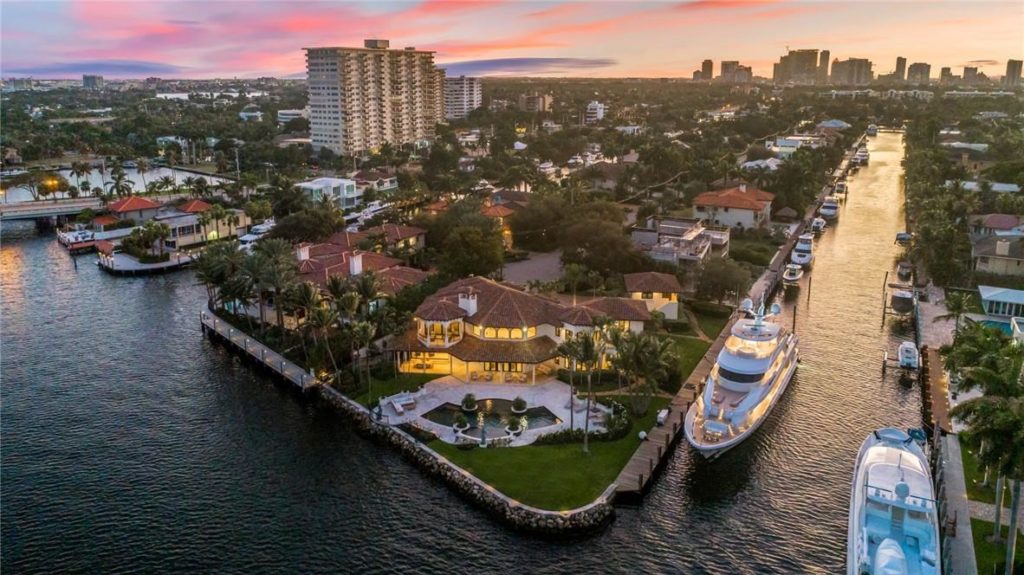
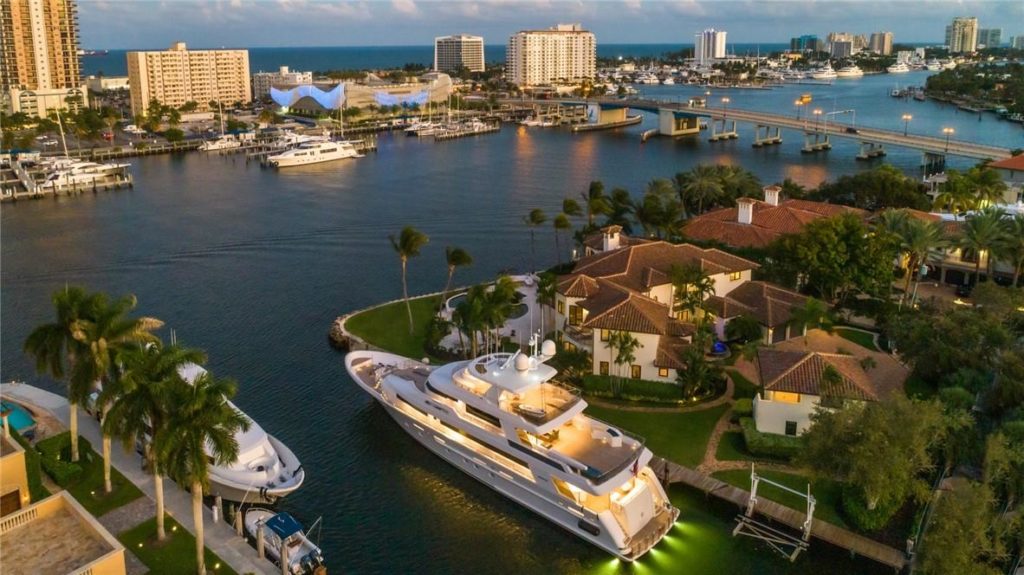
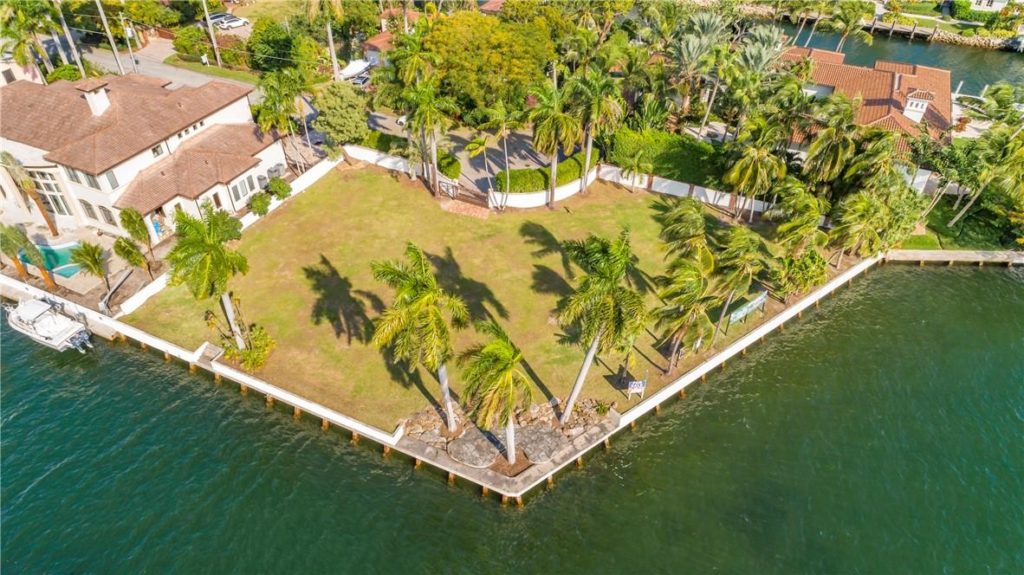
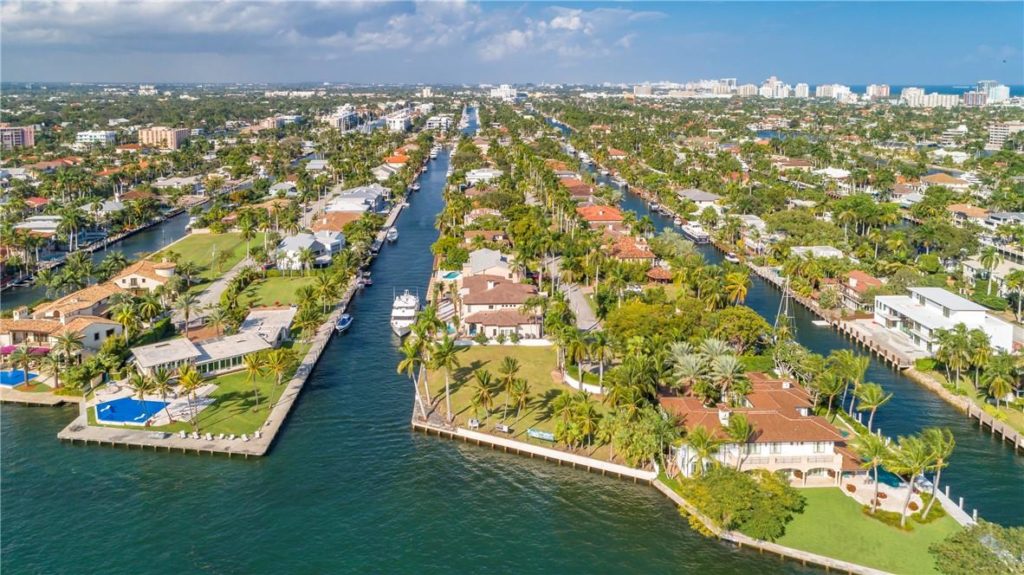
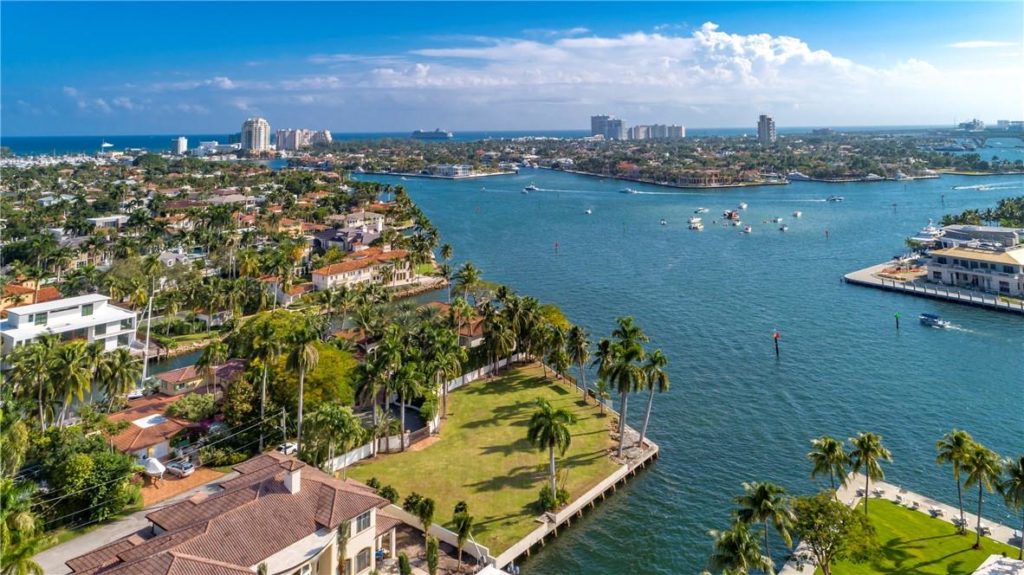
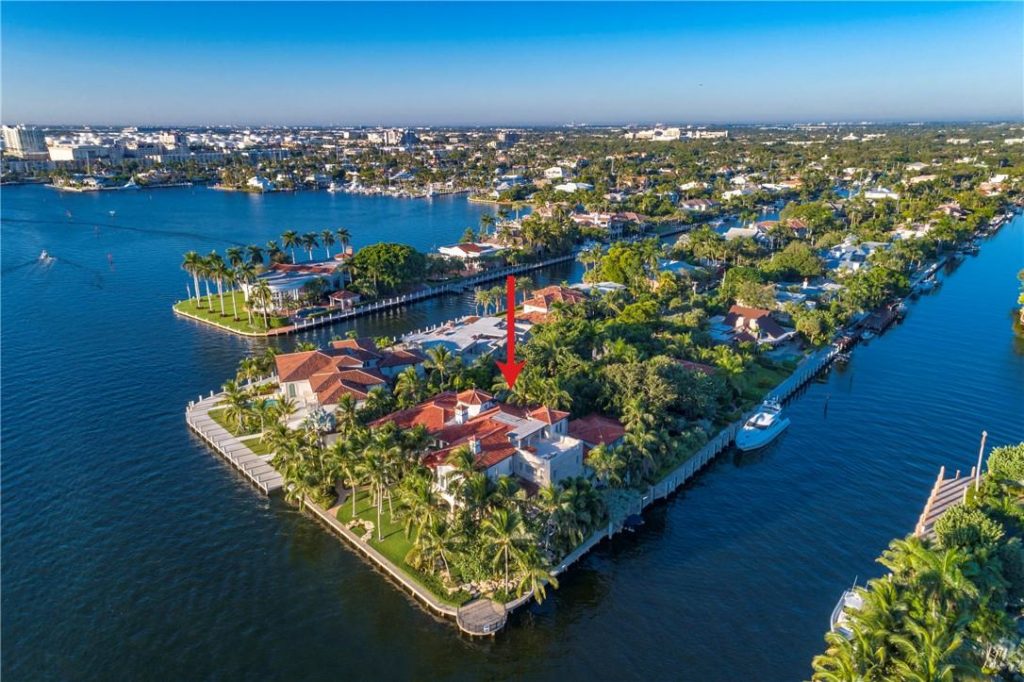
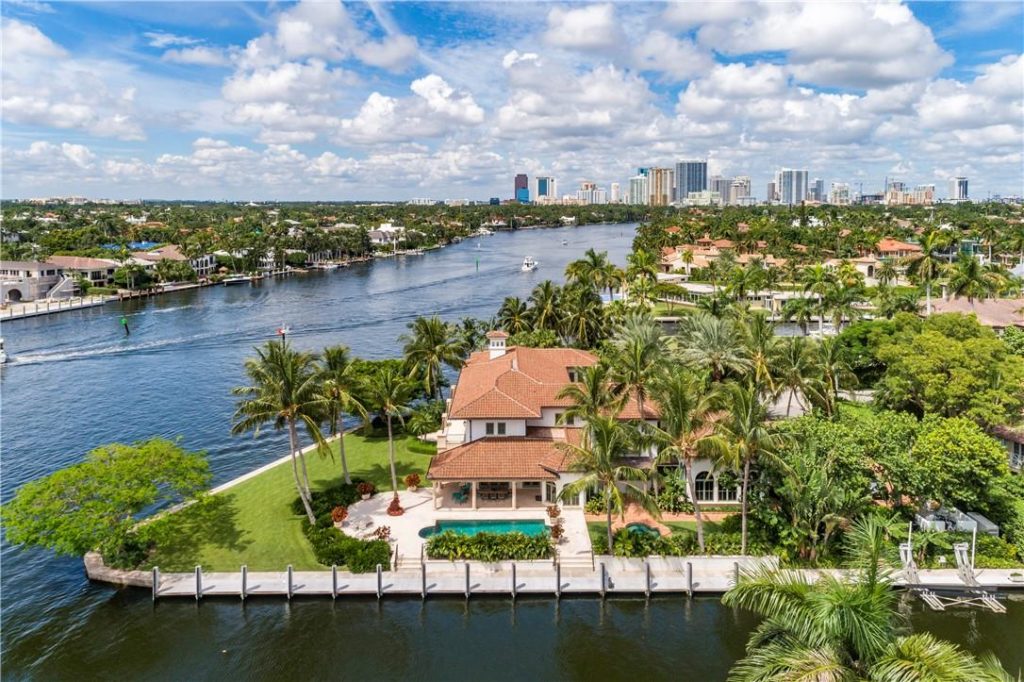
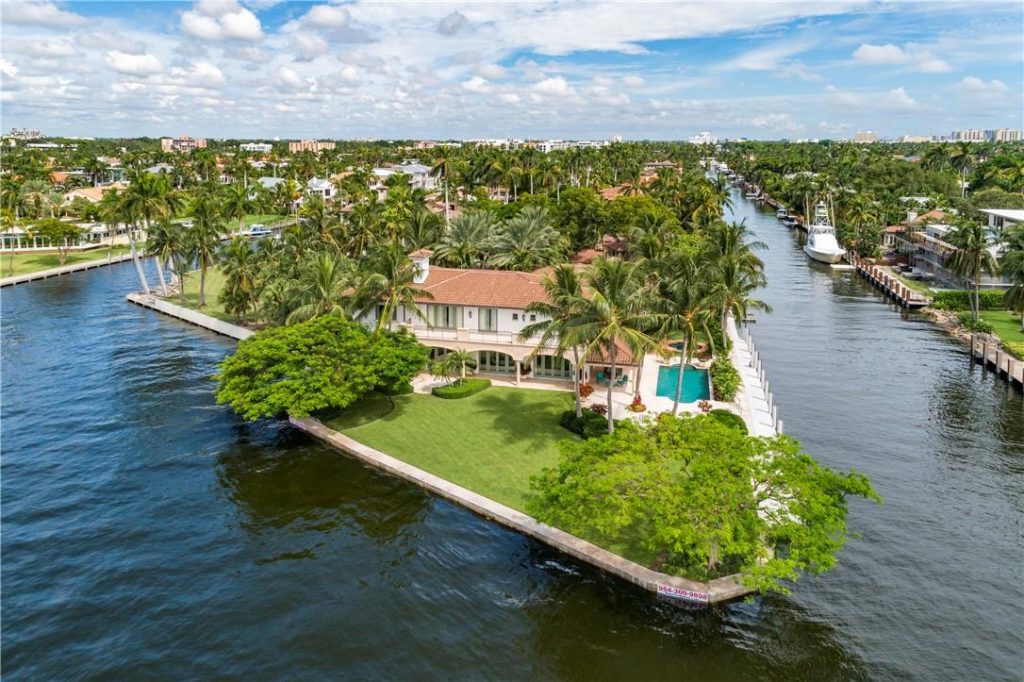
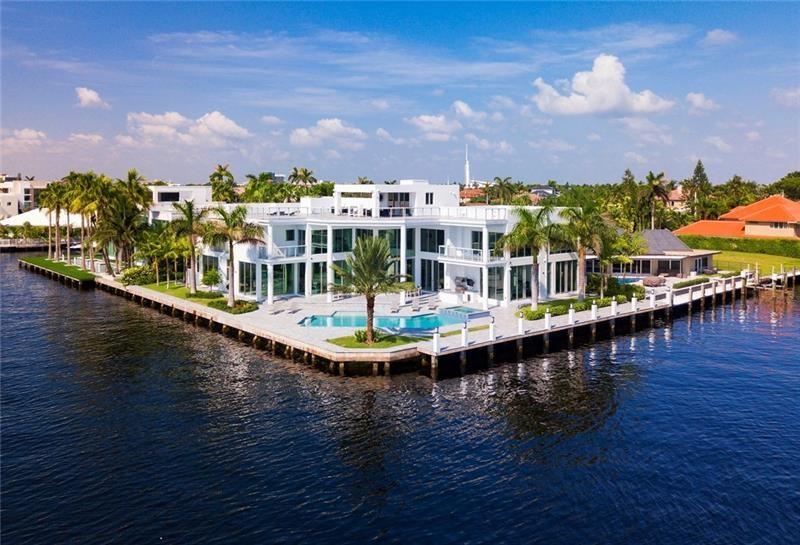
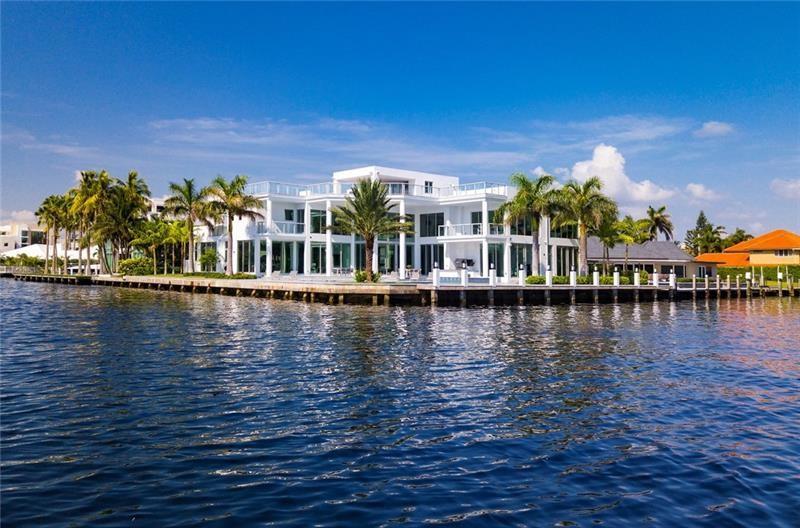
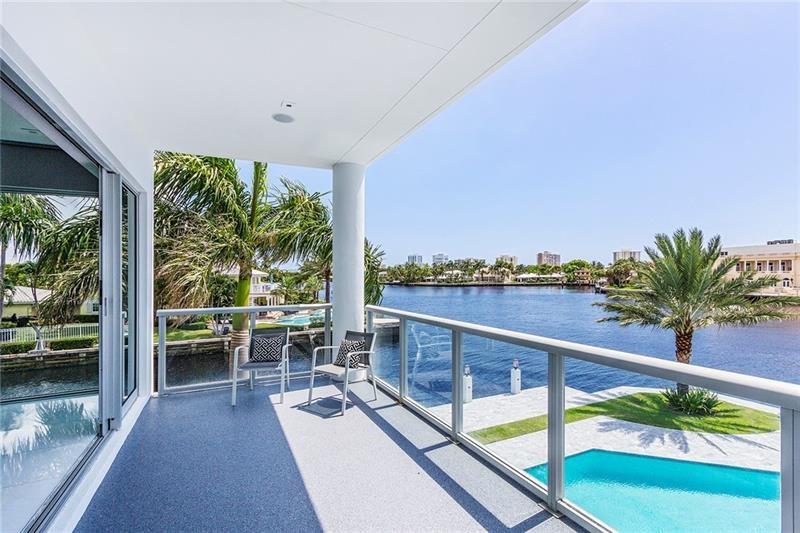
If you are a yachtsman and want the very best waterfront lot available then a Point Lot is what we would recommend. Point lot homes are distinctive due to their location at the end or point of a canal island. Point lots provide for the very best wide water views, privacy in the cul de sac of the street and the most accessible dockage for larger yachts. Point Lot homes are highly prized due to limited availability and offer the pinnacle of waterfront living.
Fort Lauderdale Waterfront Point Lot Homes Command the highest Prices
Due to the limited availability and high profile status on any given canal, Point Lots homes command the highest prices of the waterfront homes in Fort Lauderdale. They are in a pricing class all to themselves. Pricing for Point Lot properties does not follow a linear path. The prices escalate dramatically depending on the size of the lot and condition of the property. In neighborhoods with an average price per square foot of $600 for an interior lot ,the point lots average over $1,000 per square foot.
What to Consider when Buying A Fort Lauderdale Point Lot Home?
Here are a few things to consider if you are thinking about purchasing a point lot home:
1. How busy is the passing boat traffic?
1. How busy is the passing boat traffic?
2. Is the point lot located in an idle speed zone?
3. Does the property also offer quiet canal front dockage
4. What is the condition of the seawall?
3. Does the property also offer quiet canal front dockage
4. What is the condition of the seawall?
5. Is the canal depth sufficient?
6. Is there enough power at the dock for your vessel?
The best waterfront point lot homes currently available.
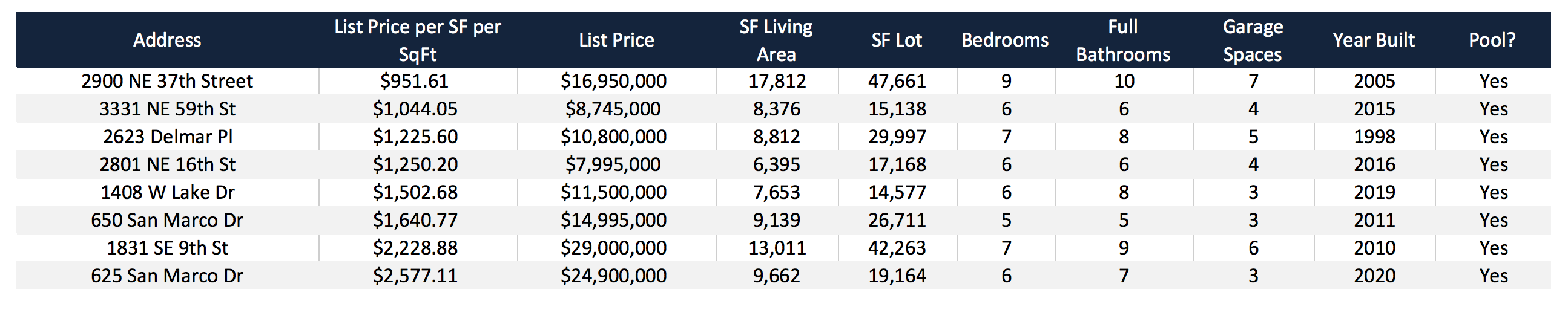
Below are a few of the best waterfront point lot homes currently available. The properties are also shown in the table below from the lowest priced property per SF to the highest prices property per SF
–
Contact us at the David Siddons Group for additional information about these magnificent waterfront homes or to discuss your particular waterfront needs 305.508.0899.
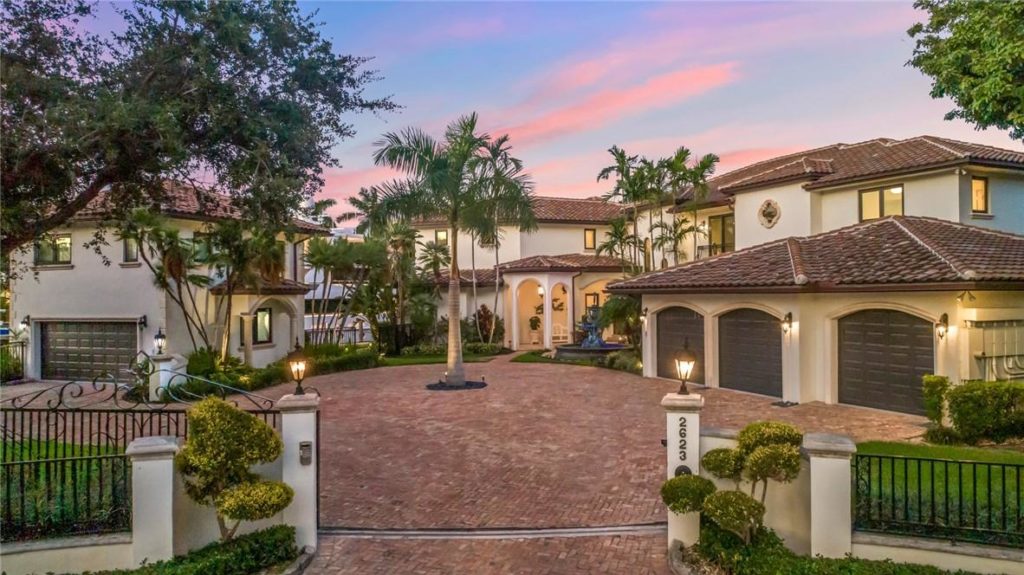
2623 Delmar Pl, Fort Lauderdale
7 Bedrooms | 8,5 Bathrooms | 8,812 SF | 29,997 SF
Listed for $10,800,000
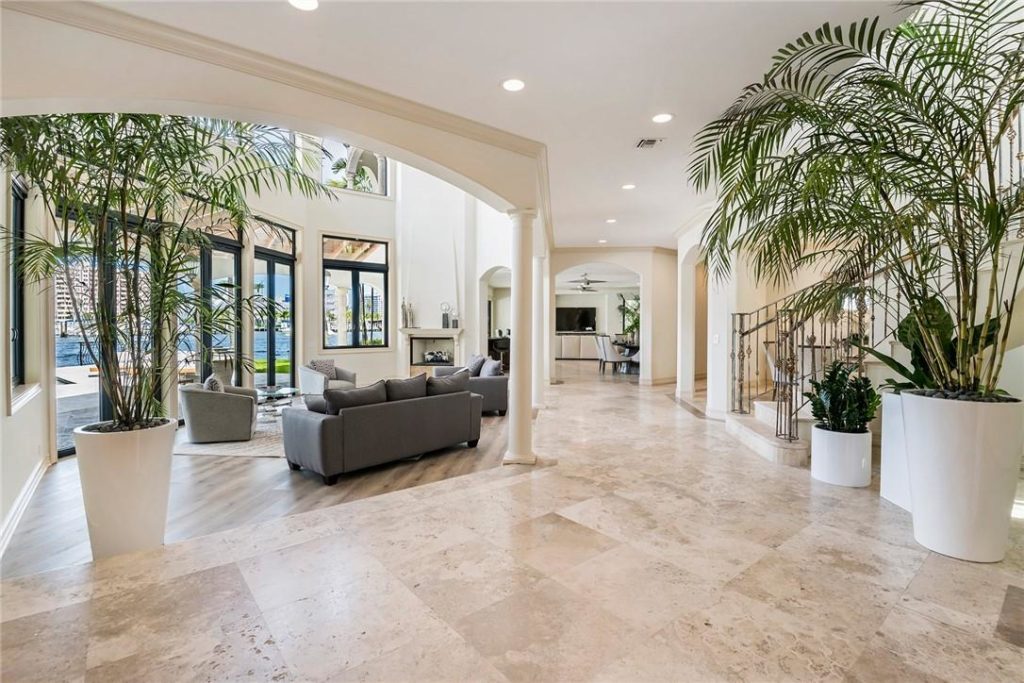
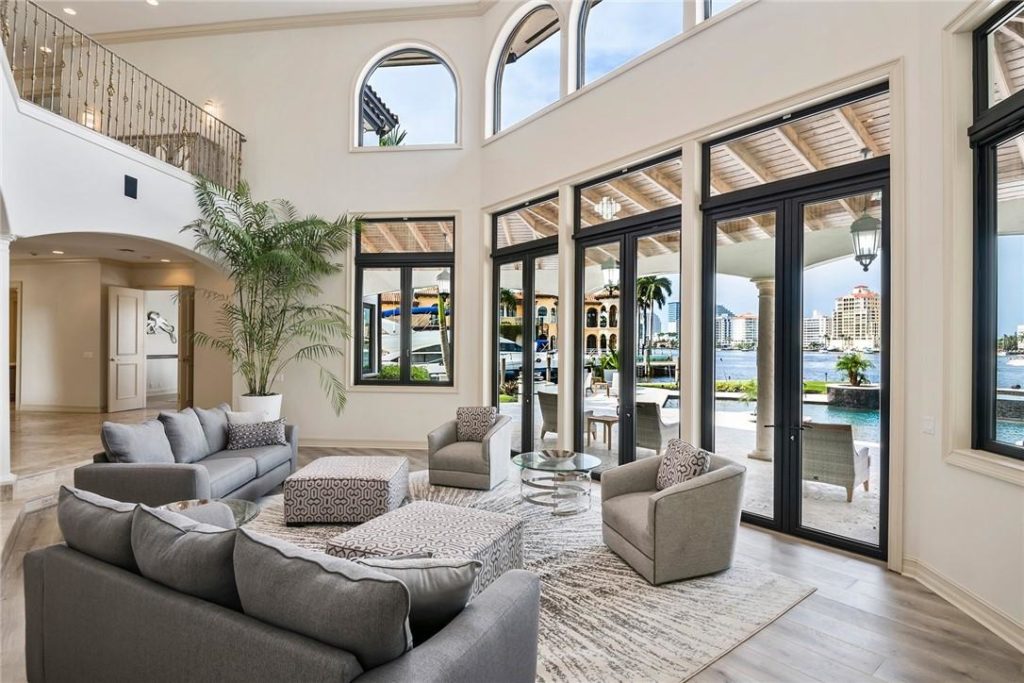
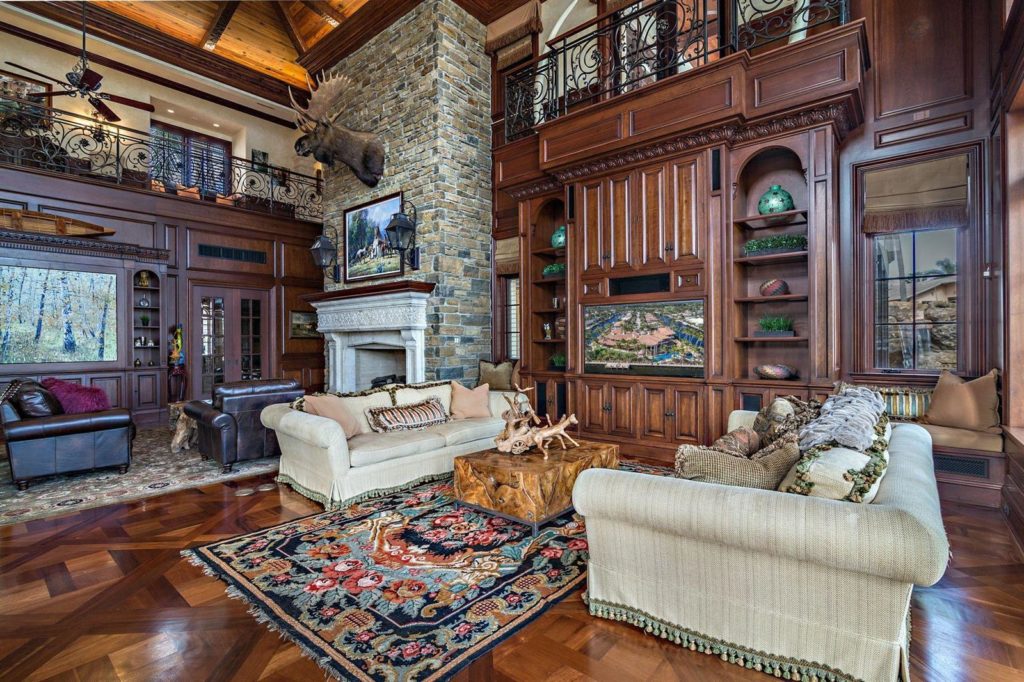
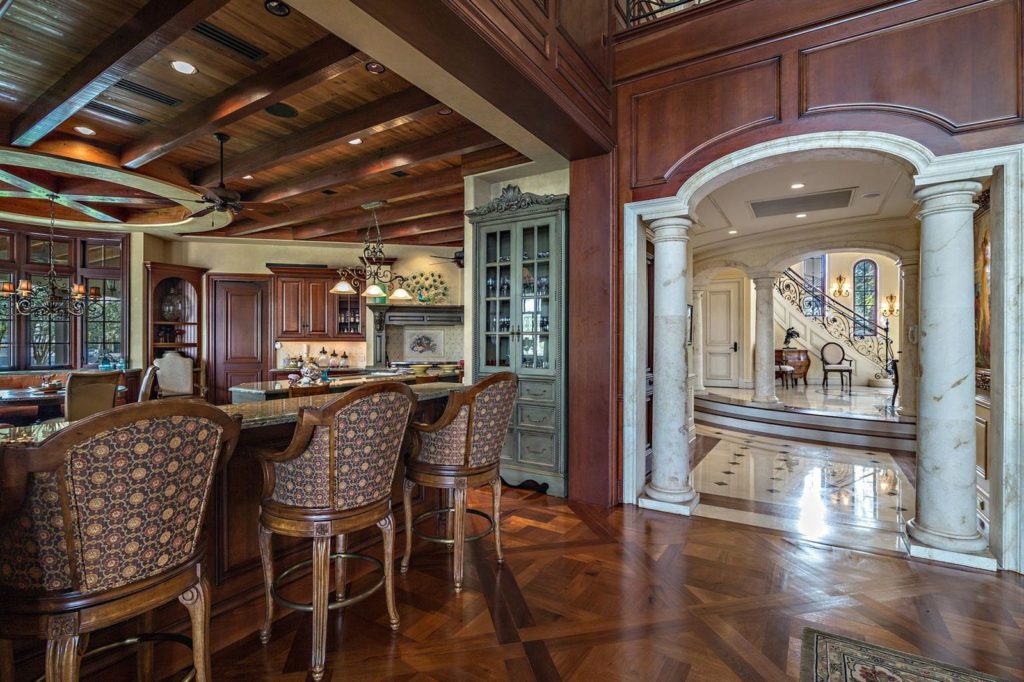
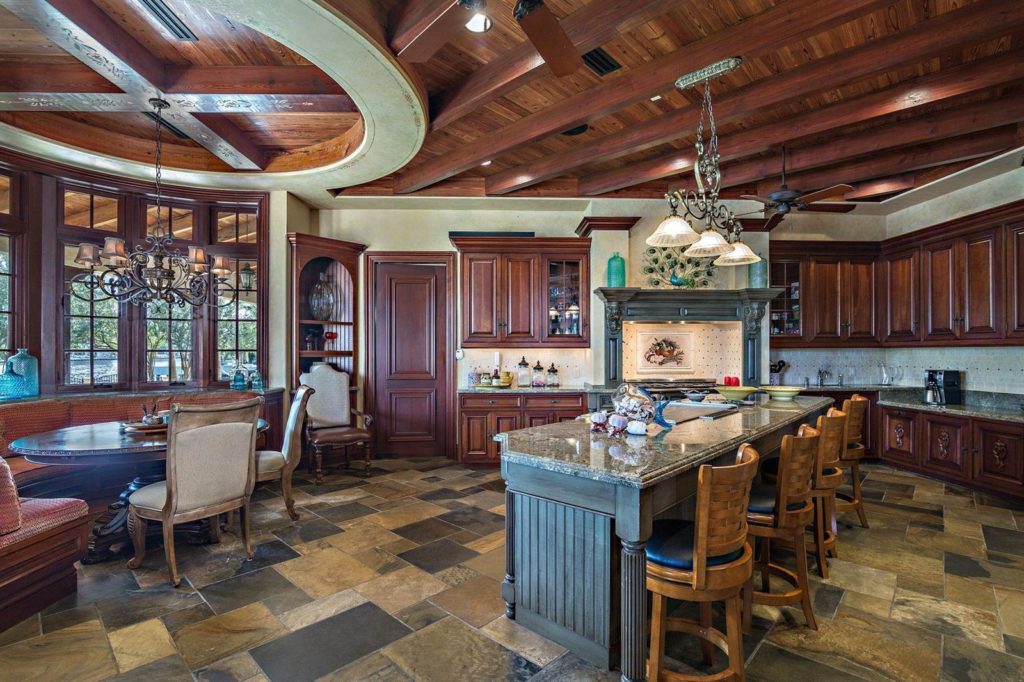
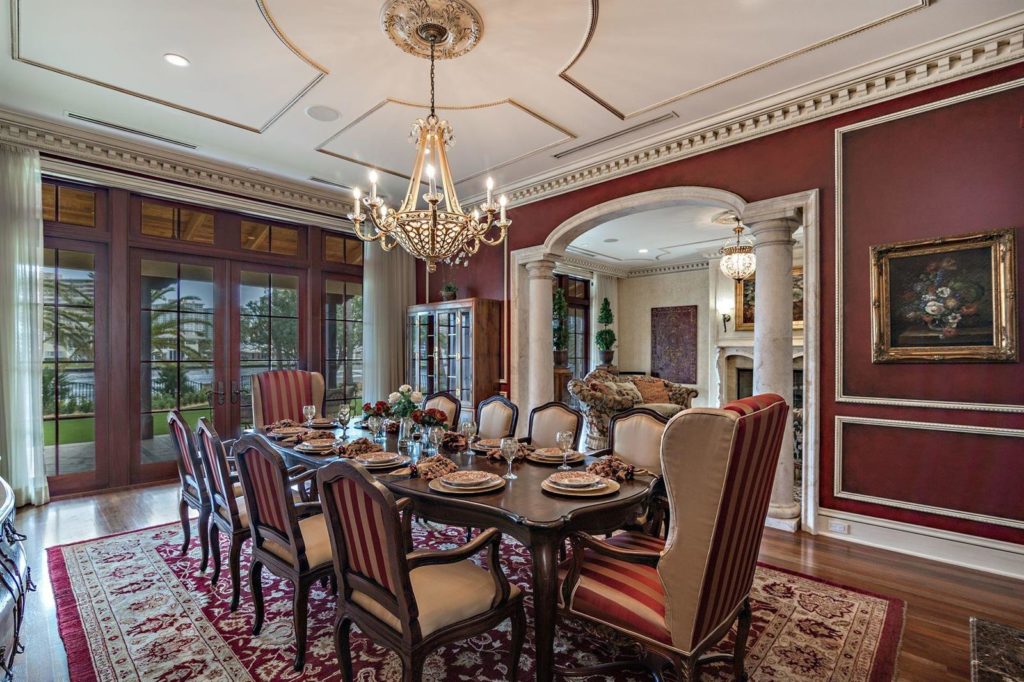
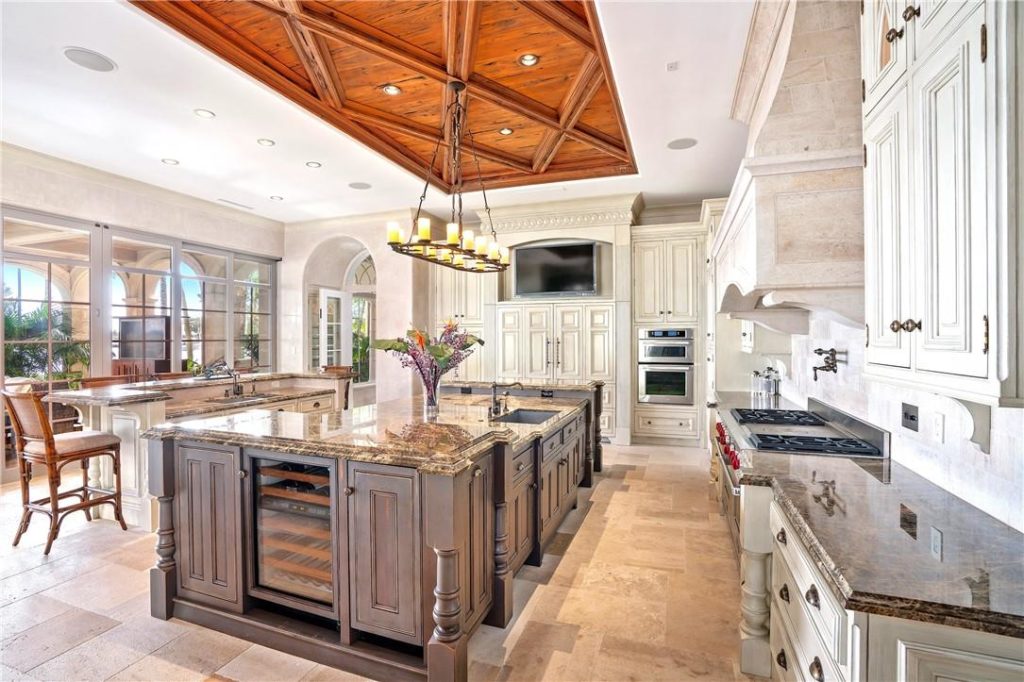
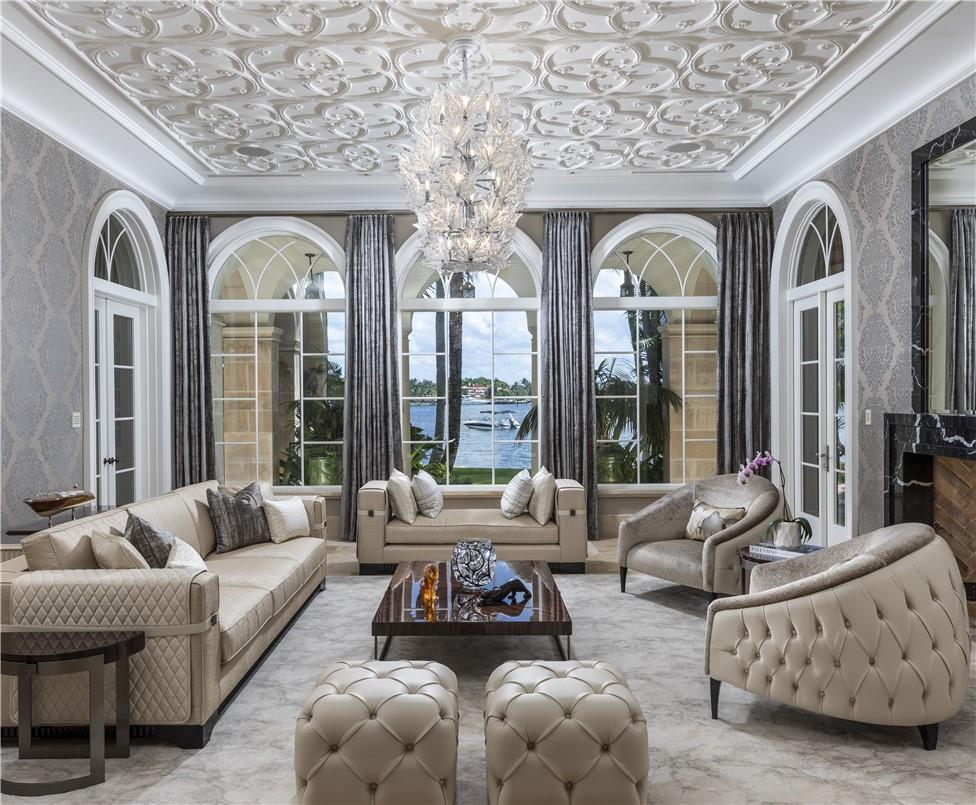
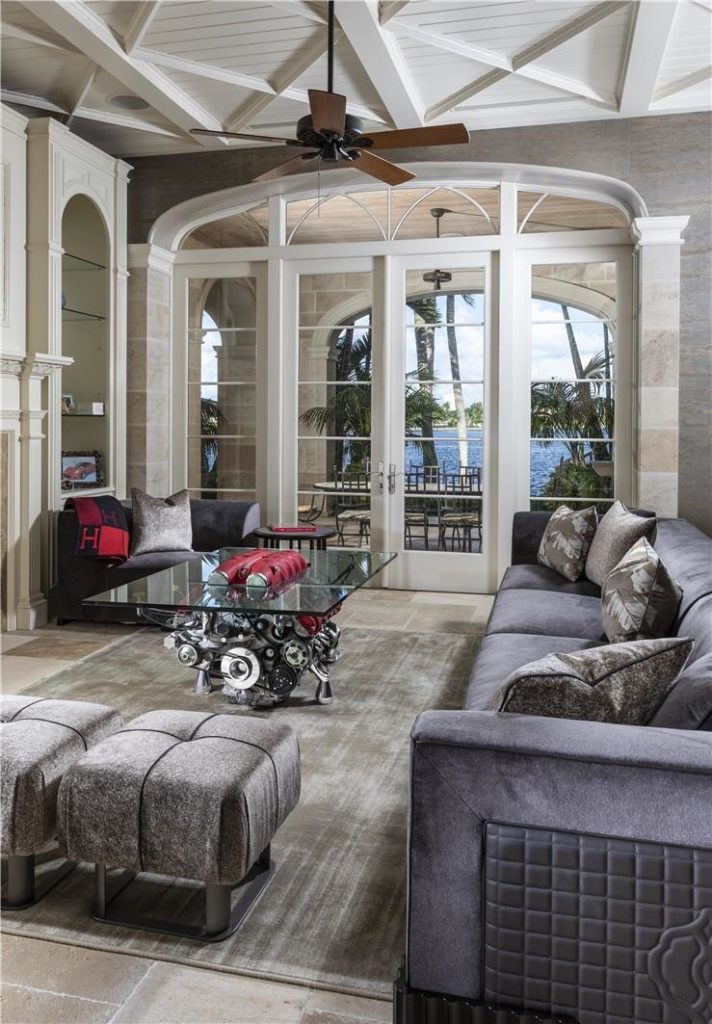
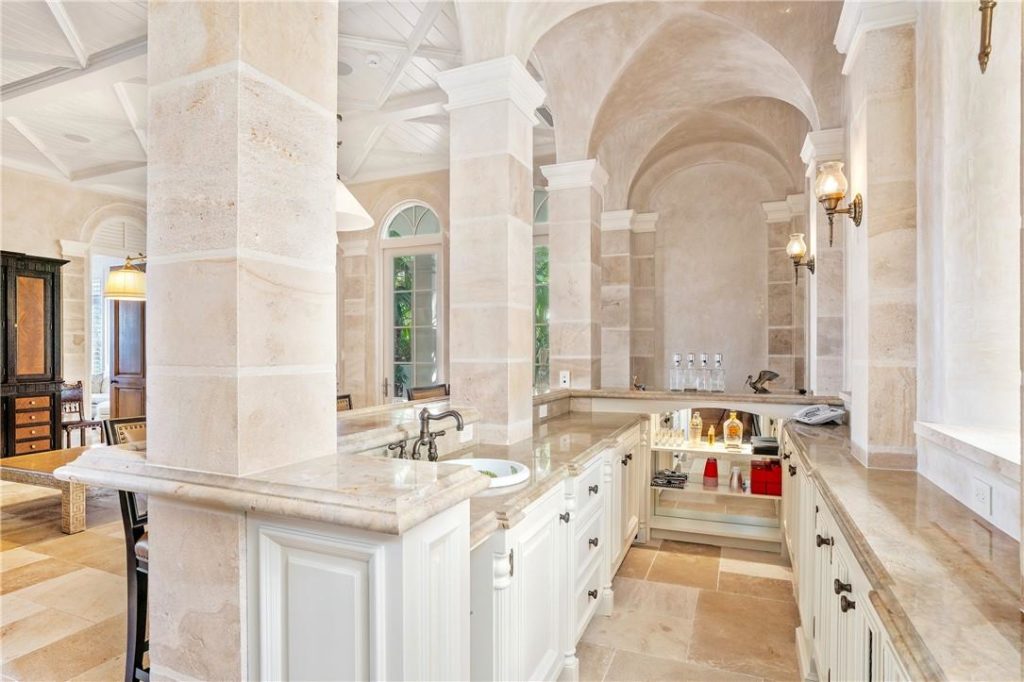
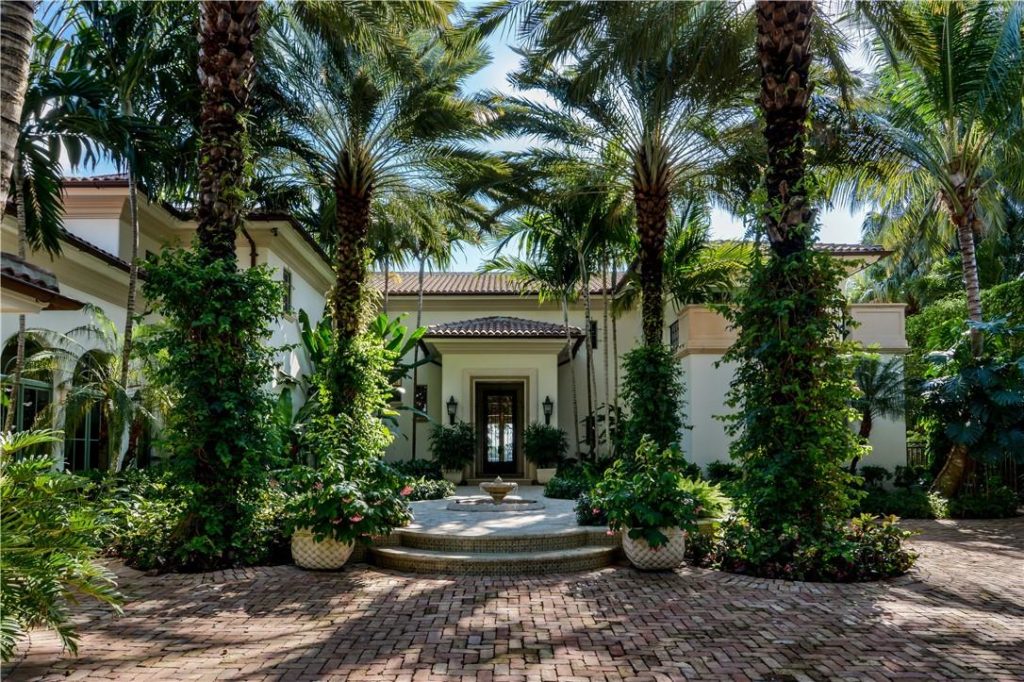
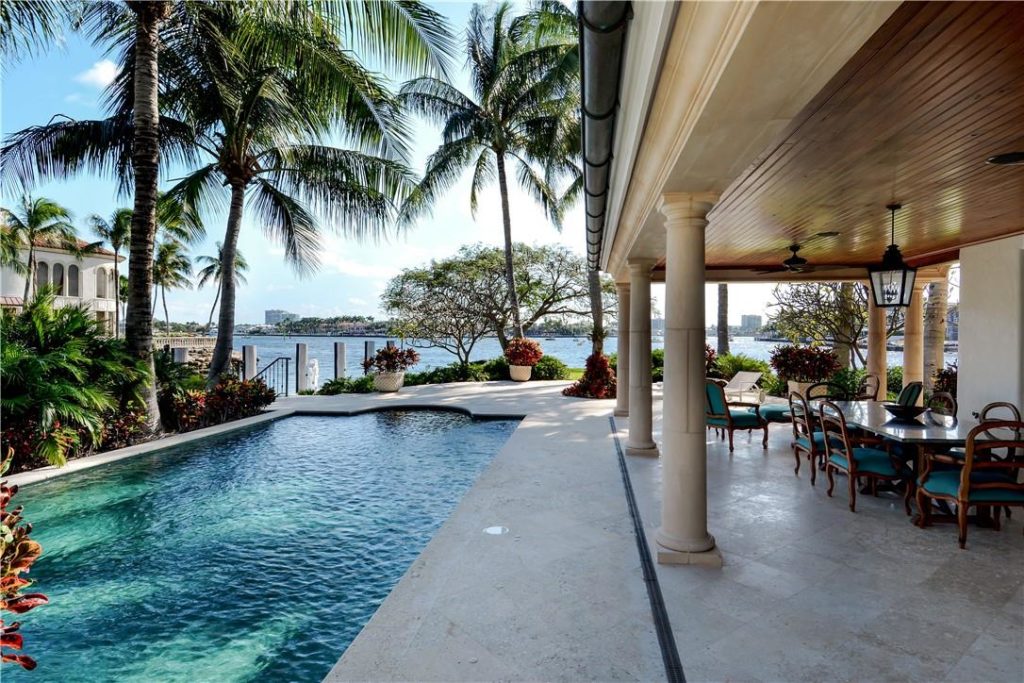
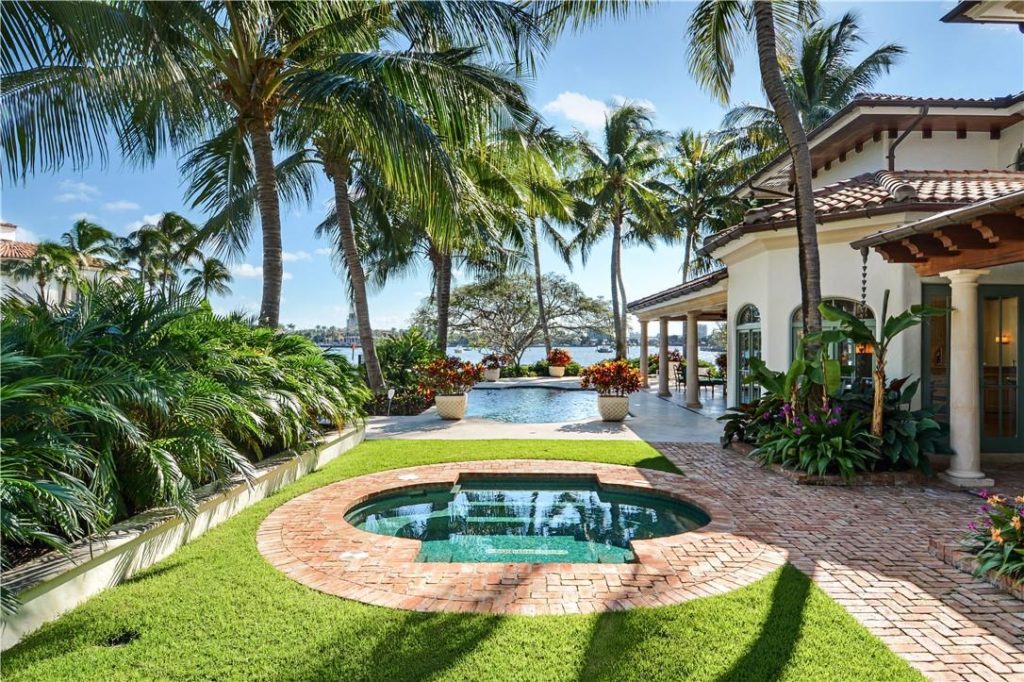
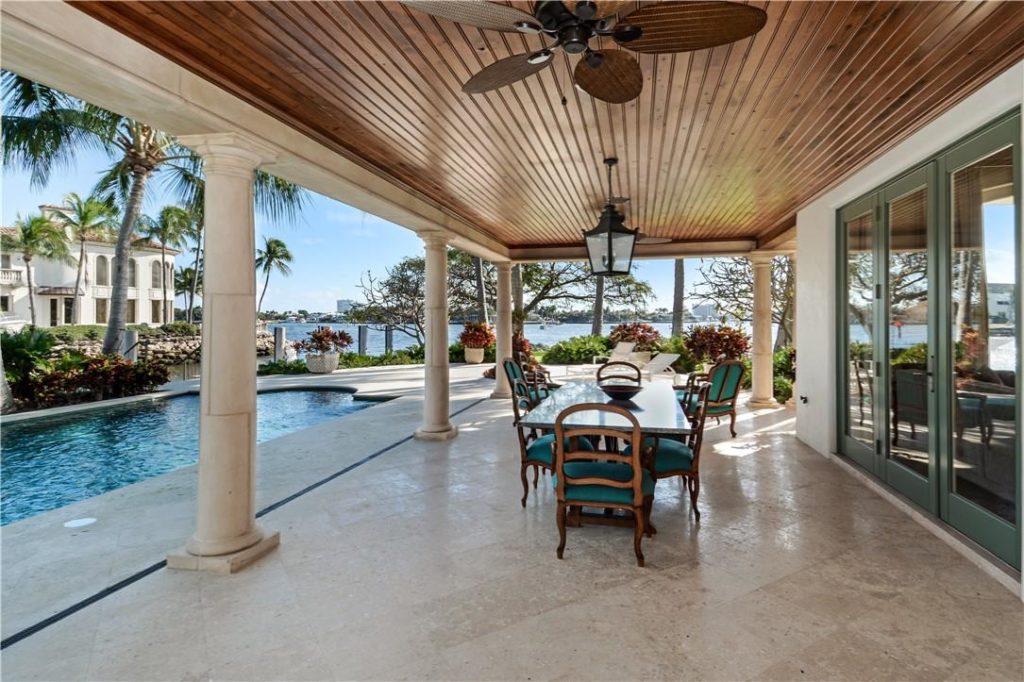
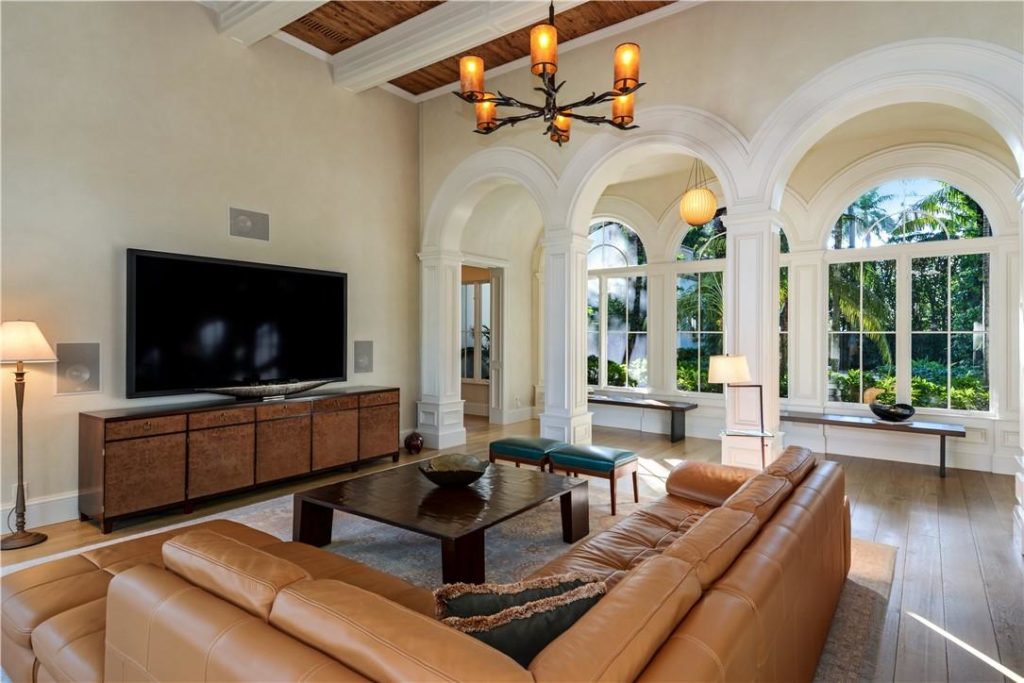
Presiding over one of the most envied locations in the heart of Fort Lauderdale’s world-renowned waterway, this Grand Point Estate is truly a landmark. Panoramic views from its 375 feet of frontage, peaceful lush gardens, a resort level pool and the ability to accommodate any yacht with its +/-210′ of dockage are just the beginning. Your baby will be safe in this no-wake area and smaller craft can rise above it all on an 18,000 lb. boat lift. Built-in 1998, this timeless manse boasts 8,812 sq. ft. Highlights include 7 bedrooms, 8.5 baths, detached guest home, 2012 Roof, all impact Windows & Doors, New HVAC System, 2 gas fireplaces, a chef’s kitchen that opens to the family room, and a collection of formal areas a bar, making the property ideal for entertaining.
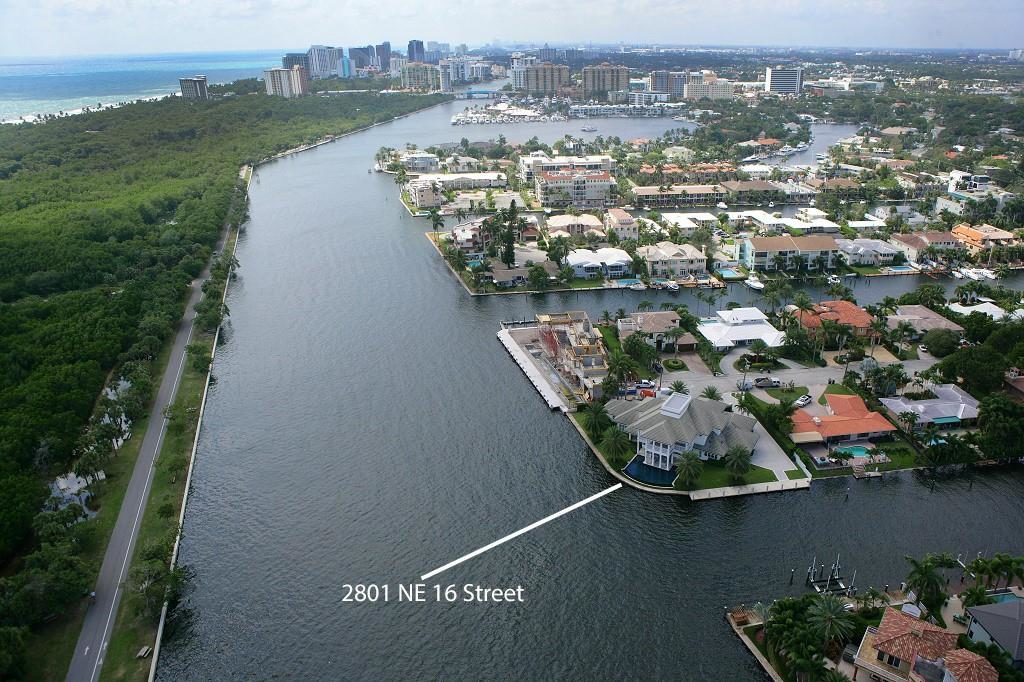
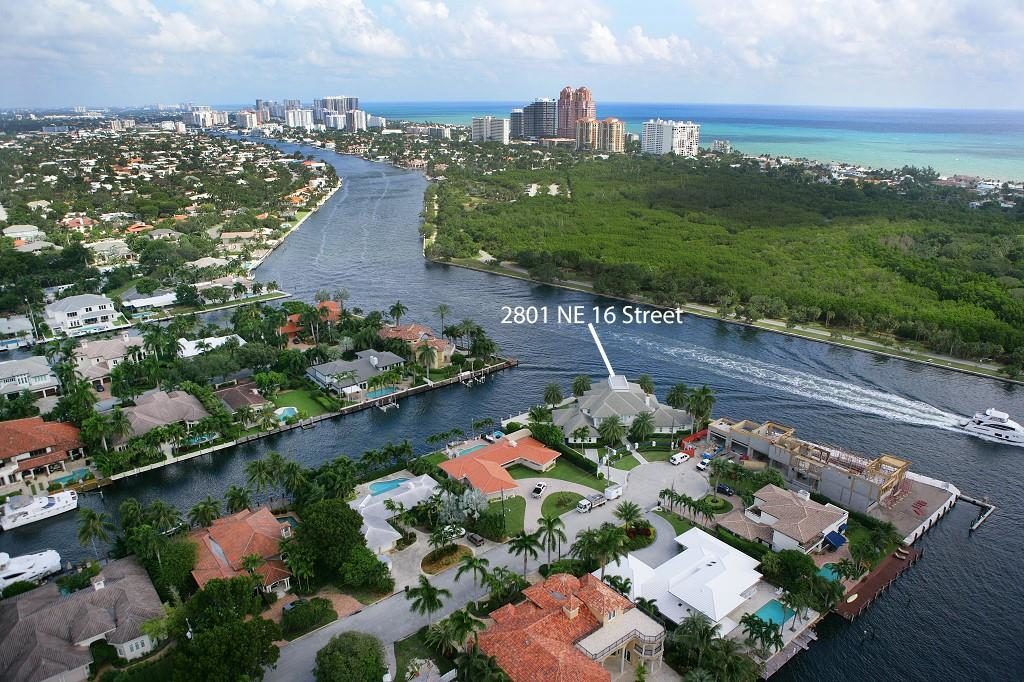
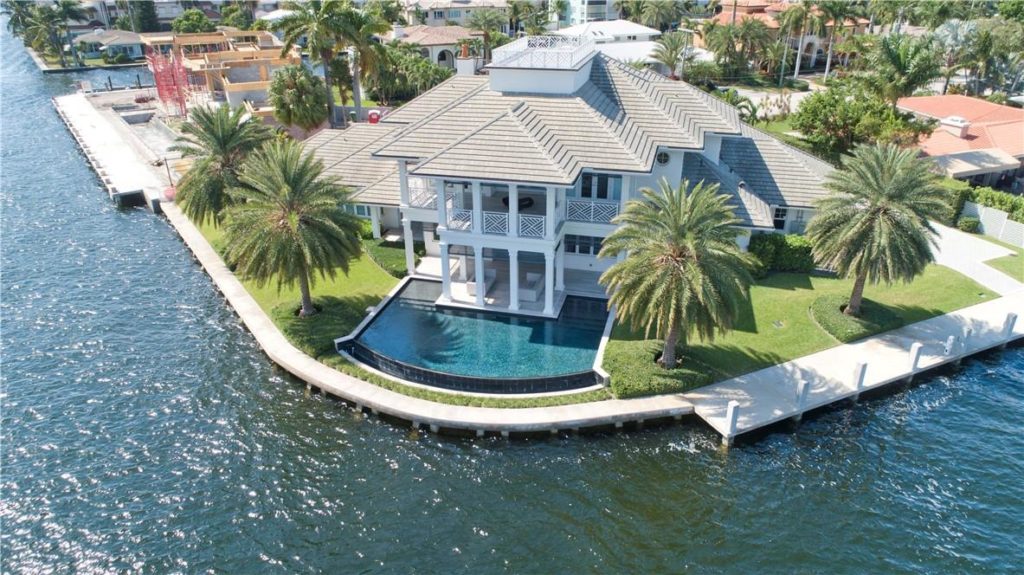
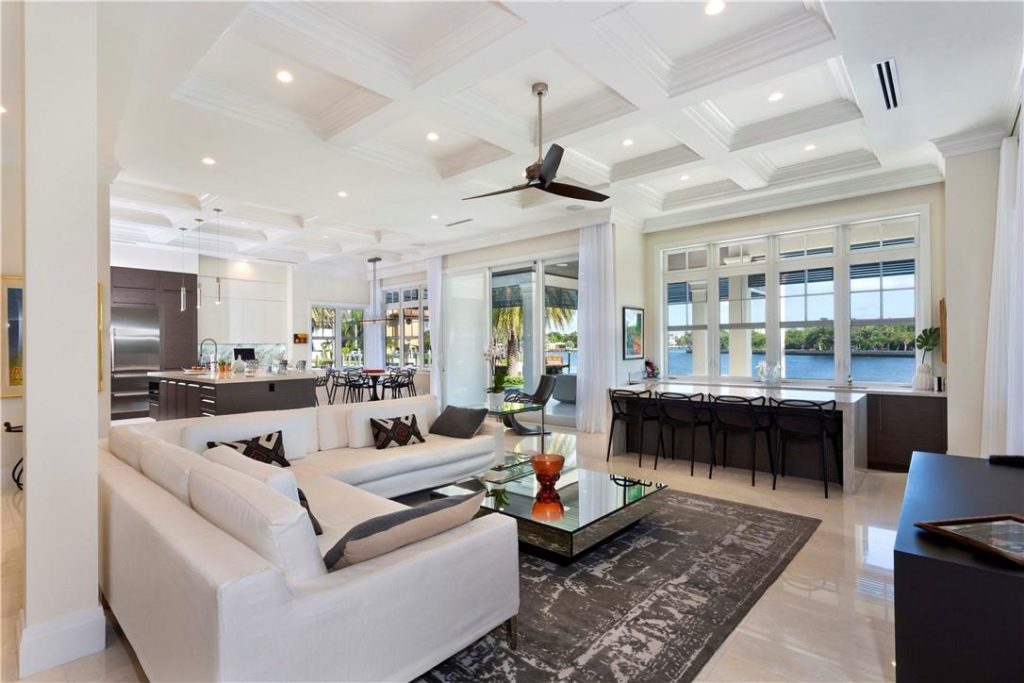
2801 NE 16th St, Fort Lauderdale
6 Bedrooms | 6,5 Bathrooms | 6,395 SF | 17,168 SF
Listed for $7,995,000
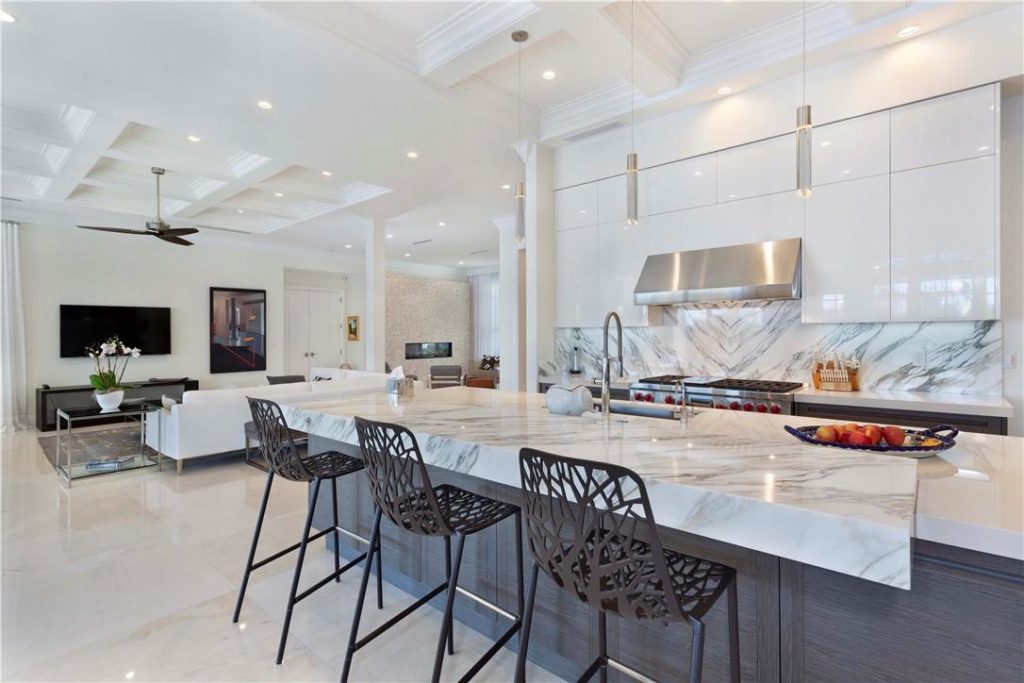
Direct Intracoastal Home has Panoramas of Birch State Park. 2016 Completion Custom Build by W.A. Bentz Construction. Architect George Storrs. Caribbean Design with Marble & Porcelain Floors, Transom Windows, Light & Neutral Interiors, Attractive Moldings, Tray Ceilings. Baths: Onyx & Marble. 11.5 Ft Ceilings, Elevator, Generator, Impact Glass, Privacy Gate, Four Bay Garage. 1st Level Master Suite: Water View, Sitting Room, Two Large Closets. Master Bath: Onyx Tops, Soaking Spa Tub, Two Water Closets. Living Area: Marble Floors, Wet Bar, Fireplace, Sub-Zero Wine Storage, Coffered Ceiling. Marble & Glass Staircase. Kitchen by Florense (Dkota Center) has Caesarstone Tops & Wolf Gas Range. 128 Ft Direct Intracoastal. 133 Ft Side Canal. Dock for Large Yacht. Control 4 Smart House.
2900 NE 37th Street, Fort Lauderdale
9 Bedrooms | 10 Bathrooms | 17,812 SF | 47,661 SF
Listed for $16,950,000
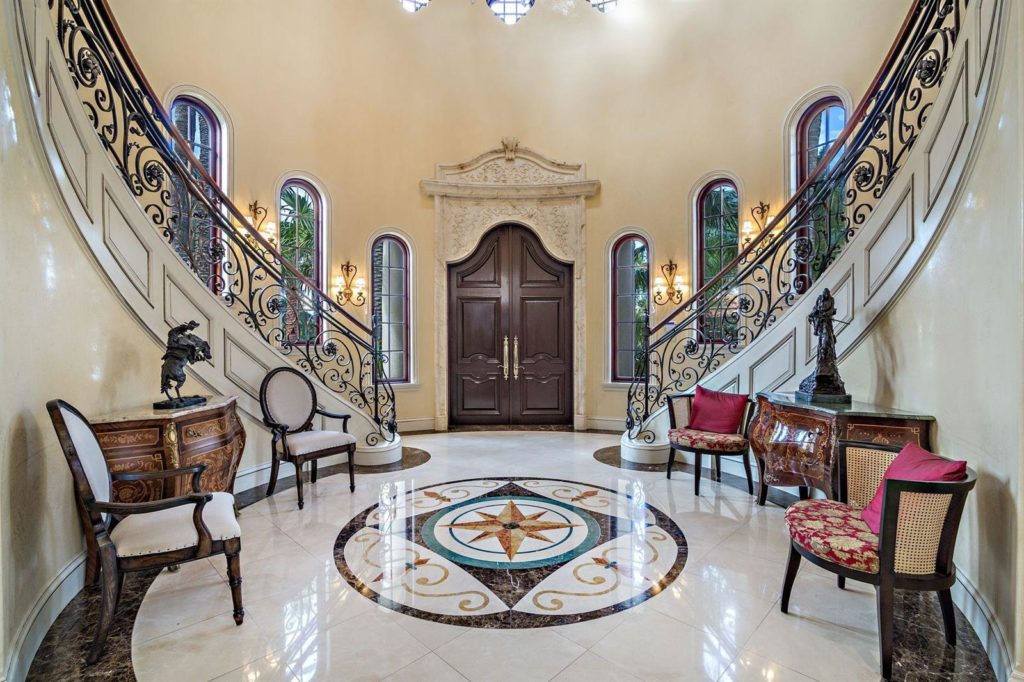
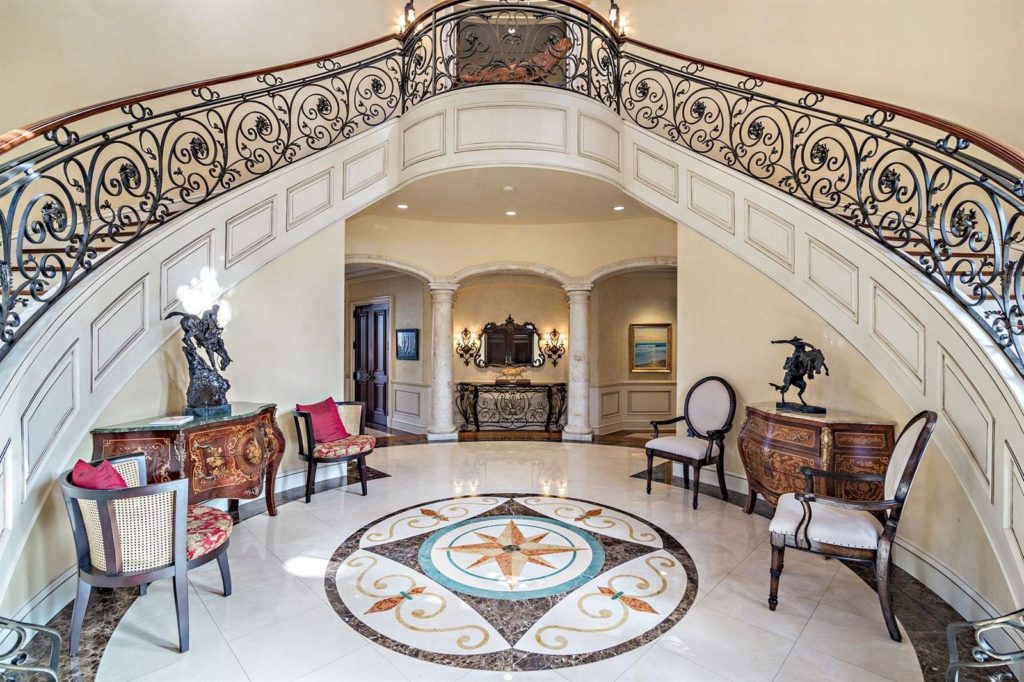
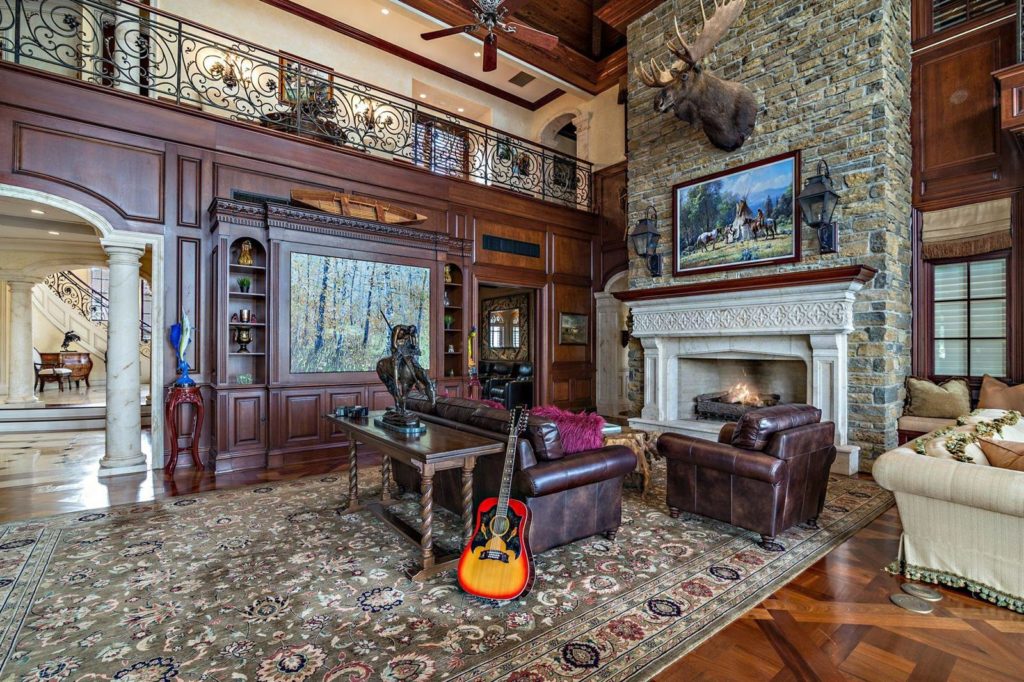
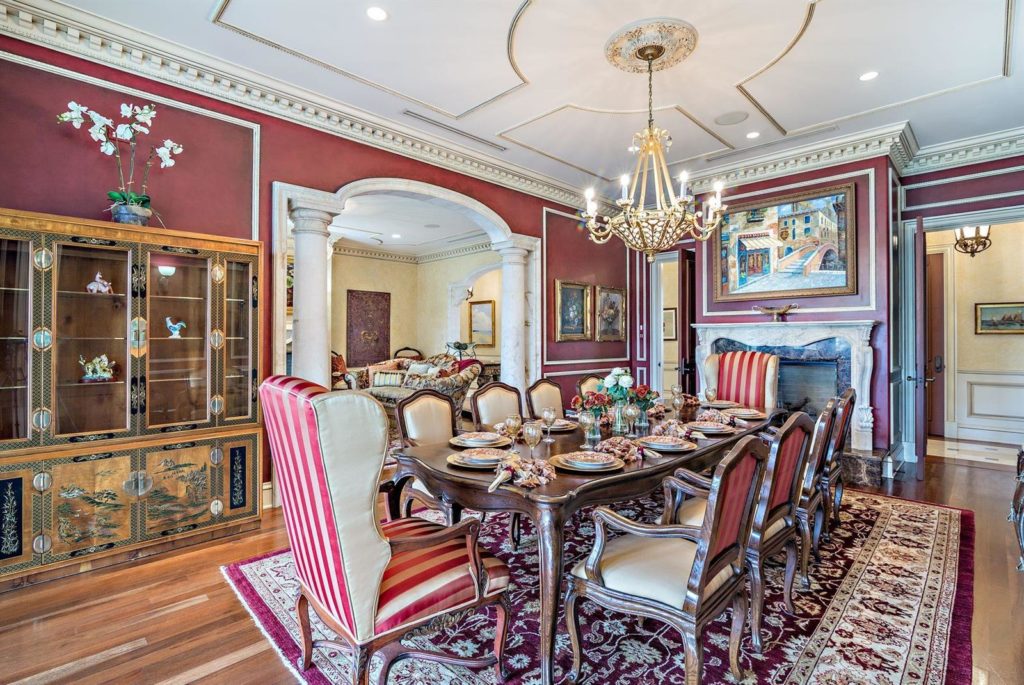
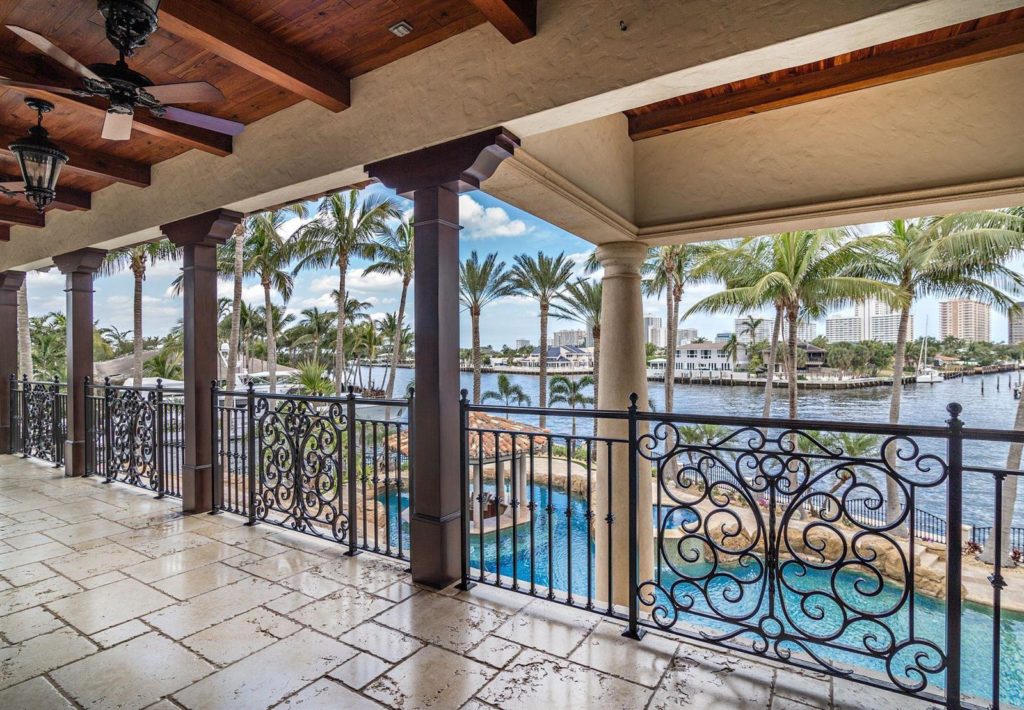
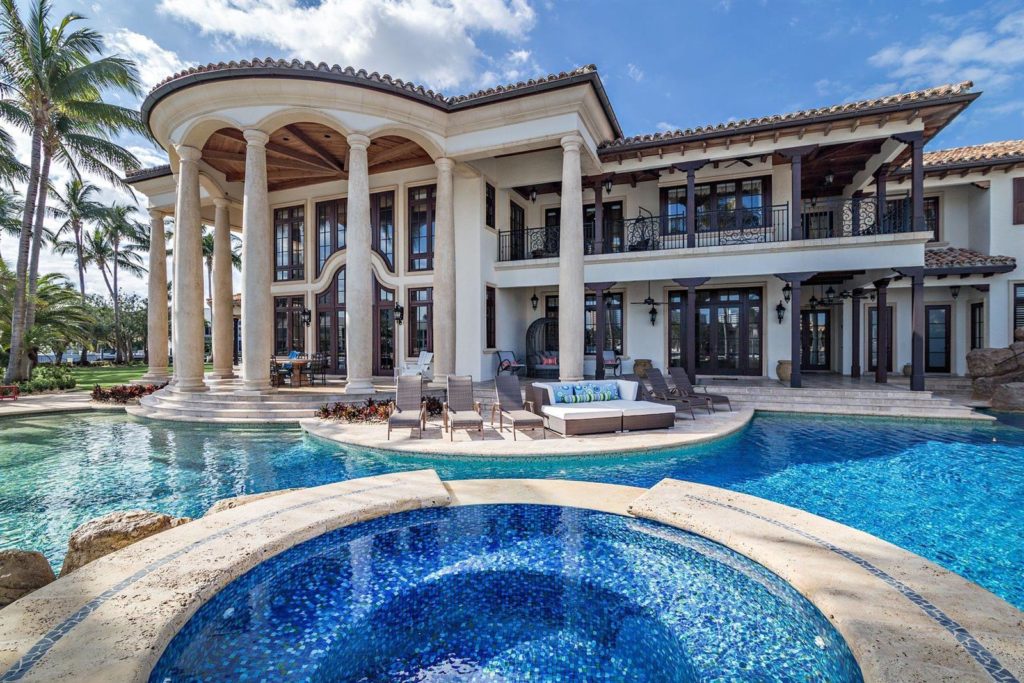
Built in 2004, by expert craftsman, this nearly 24,000 total square foot, 9 bedroom, 10 full and 6 half bath home encompasses one acre with 665′ of waterfront on 3 sides. There’s a resort size 102′ pool complete with a swim up grilling station, rock waterfall, waterside, grotto and large sun shelf. Enter into the 2-story foyer with grand double staircase. To the right you will see the elevator, a half bath, formal living and dining rooms and his office, with working fireplaces in each room. To the left and located just off the fully-equipped chef’s kitchen with breakfast nook and butler pantry, you enter into the 2-story Lodge-style gathering room with huge fireplace, wet bar and floor-to-ceiling windows offering breathtaking views. Down the hall, you’ll find a TV room, office, poker
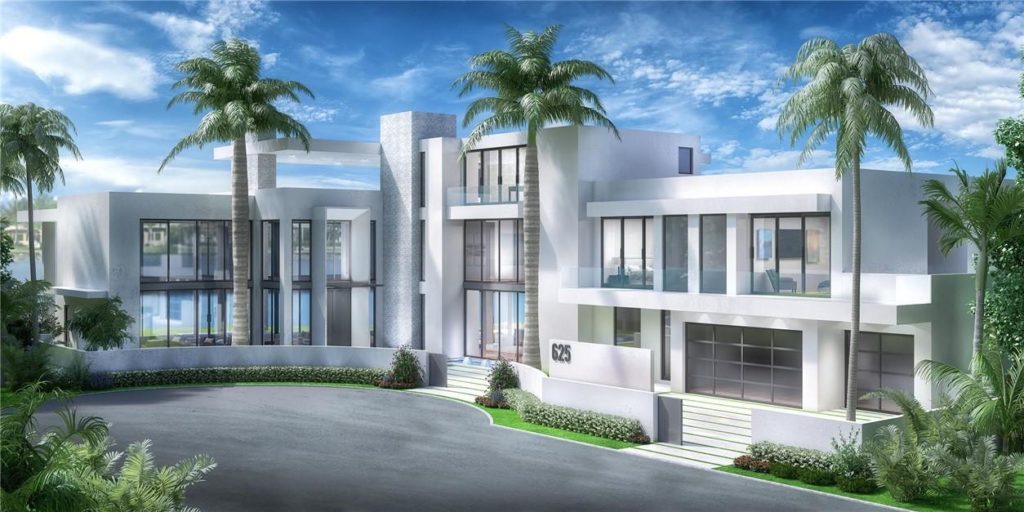
625 San Marco Dr, Fort Lauderdale
6 Bedrooms | 7.5 Bathrooms | 9,662 SF | 19,164 SF
Listed for $24,900,000
The ultimate yachting lifestyle estate! Brand new and impeccably designed point lot home located at the convergence of the New River and the Intracoastal Waterway. This incomparable property boasts 277′ of total water frontage, quick and easy ocean access, and breathtaking wide water views. IMPORTANT NOTE: This property is available for sale at any time during construction for an “as-is” sale price based on that phase of construction and not on any work contracted after closing to complete the project. Outstanding south Las Olas Isles location.
1408 W Lake Dr, Fort Lauderdale
6 Bedrooms | 8.5 Bathrooms | 7,653 SF | 14,577 SF
Listed for $11,500,000
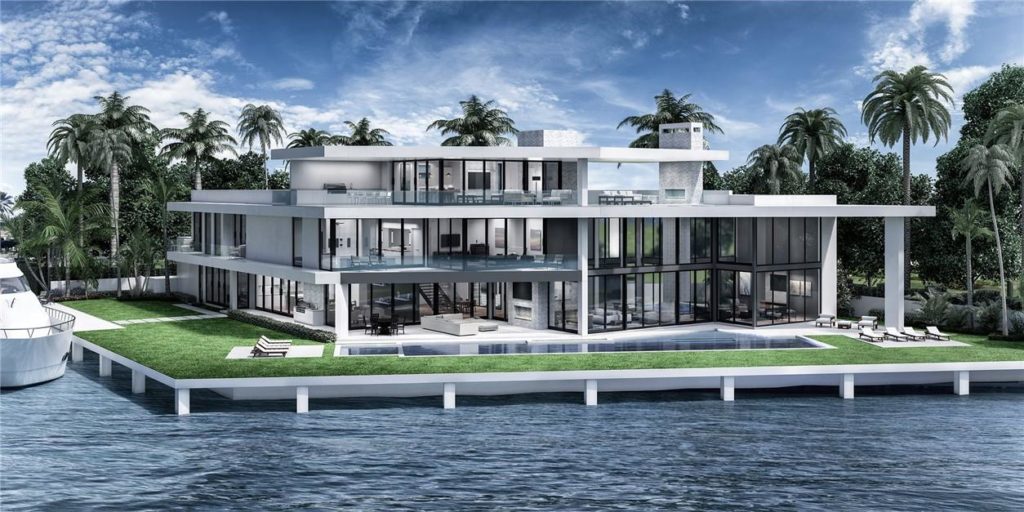
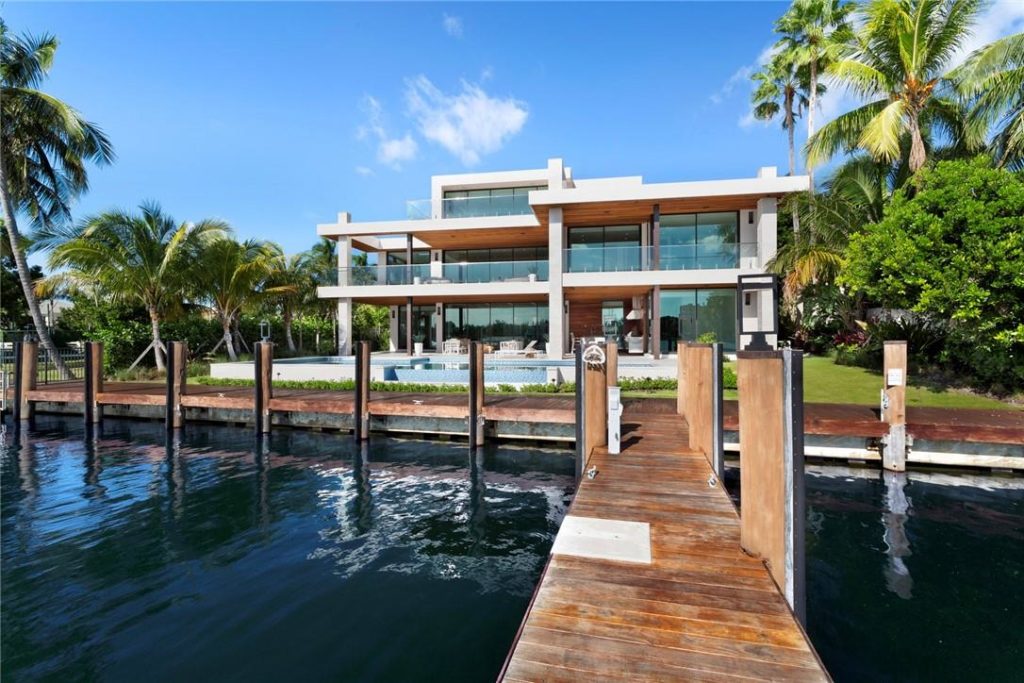
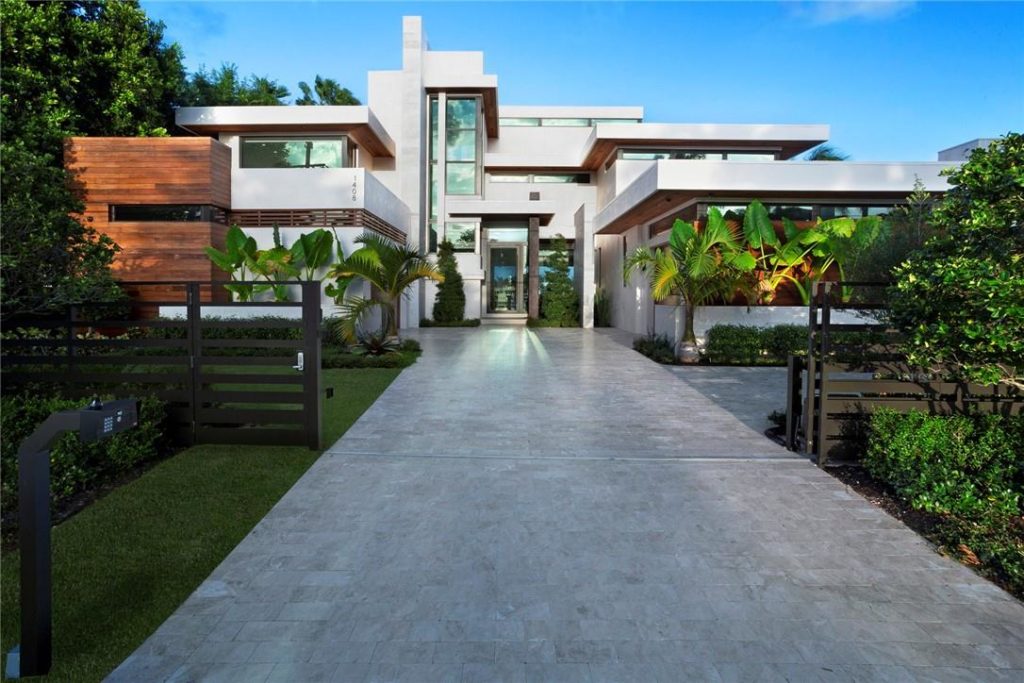
“New” Modern Tour De Force architectural masterpiece built and curated by Wightman Construction sited on 100+/- feet of deepwater on prized Lake Sylvan – Harbor Beach’s most desirable wide waterfront setting. A three-level artfully designed estate encased in glass, stone and organic/earthy wood detailing throughout. A Luxe master suite with lounge ,fireplace, spa-like bath and expansive private waterfront terrace. 3rd level entertainment Club Room w/sky deck. Other amenities include a complete Savant Home Automation System, Elevator, 100KW Gas Generator, Custom Downsview Kitchen. Resort-style Infinity Edge-Pool with entertainment lanai, summer kitchen finished with Turkish Limestone. Yacht Dock finished in Brazilian Teak minutes to ocean access. Shown by appt to pre-qualified buyers only.
1831 SE 9th St, Fort Lauderdale
7 Bedrooms | 9.5 Bathrooms | 13,011 SF | 42,263 SF
Listed for $29,000,000
Opulent & regal point lot estate w/437′ of deep WF & 170’+ full service, protected mega yacht dockage. Truly 1 of the most spectacular properties in all of South Florida w/astounding views. You are welcomed by rolling lawns & huge shade trees which grace this extraordinary property as you drive through the gate to the porte-cochere. Fully equipped chef’s kitchen, formal dining room, stately master suite w/full marble bath. Finishes include magnificent limestone floors, beamed ceilings, spectacular wine cellar, elevator & fireplace. Located in Rio Vista neighborhood, conveniently located to DT Fort Lauderdale, shopping, fine dining, nightlife, air & seaports, major highways!!
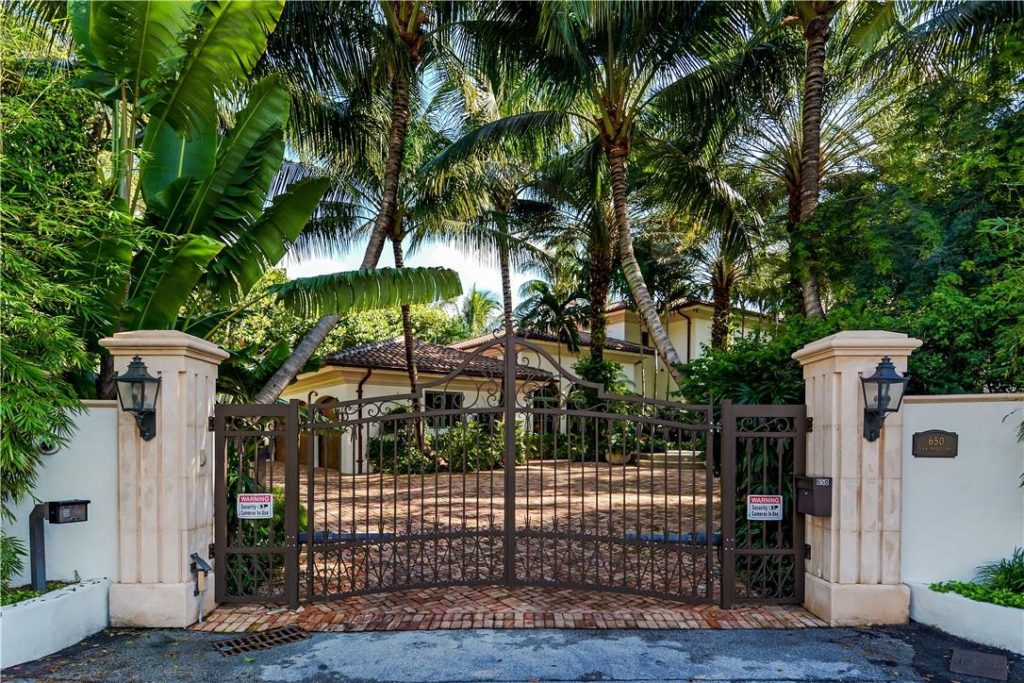
650 San Marco Dr, Fort Lauderdale
5 Bedrooms | 5.5 Bathrooms | 9,139 SF | 26,711 SF
Listed for $14,995,000
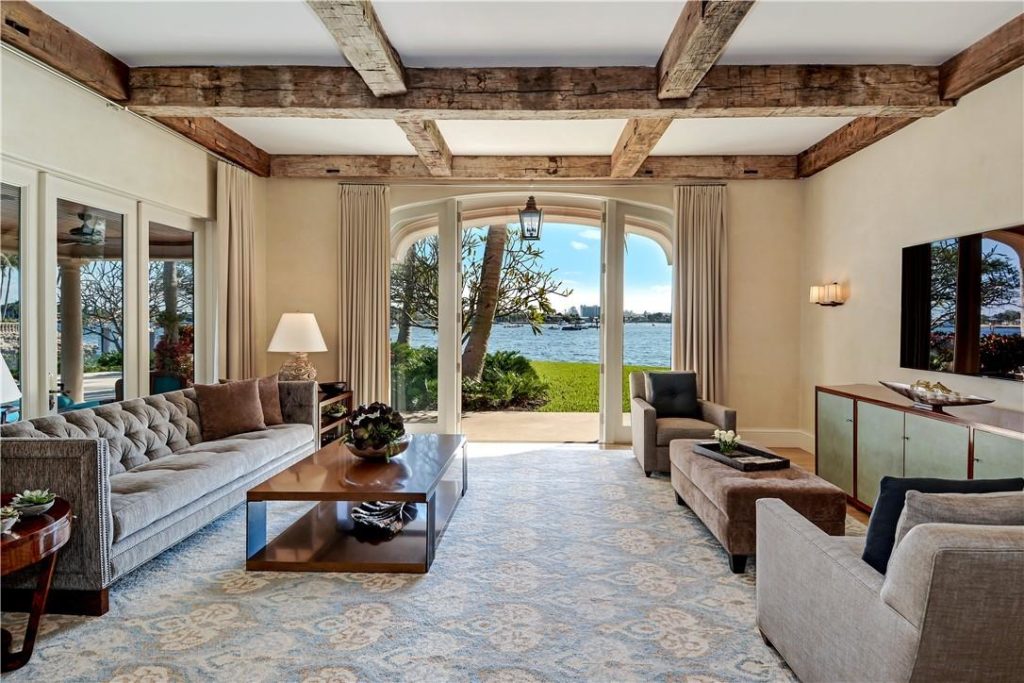
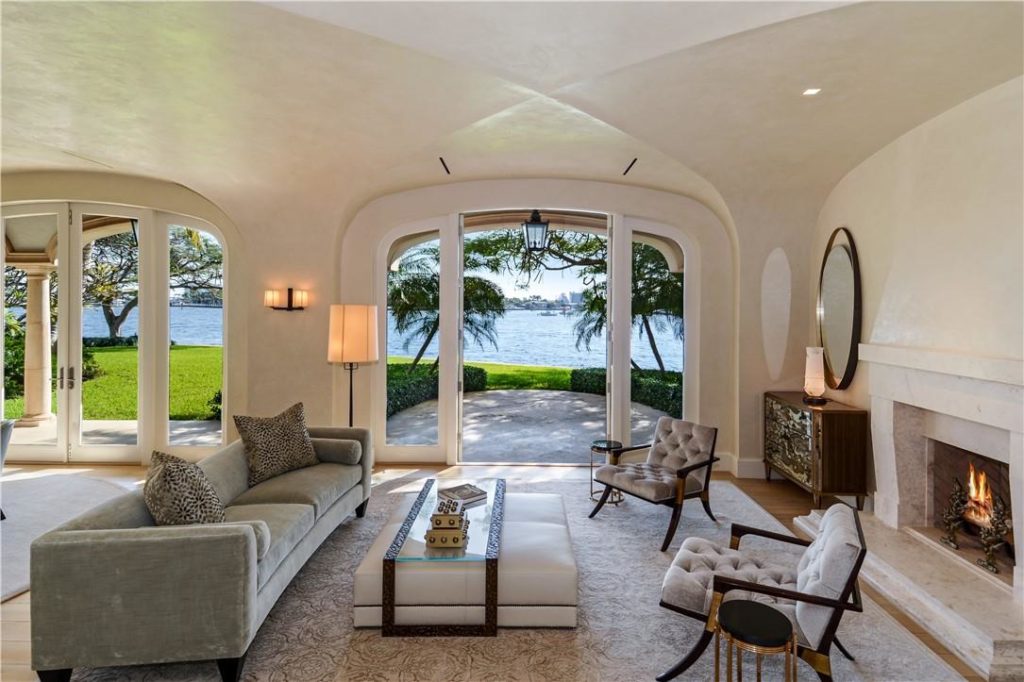
Exquisite gated southeast point lot estate w/mega yacht dockage, 425′ of deep water frontage & unsurpassed wide water views! Renovated in 2011, this is one of the most gorgeous properties in South Florida. Impeccable craftsmanship throughout, features include Venetian plaster walls, limestone & Siberian oak floors, beamed & coffered ceilings, fully equipped chef’s kitchen, 2 fireplaces, wine cellar & gym. Crestron smart home, security system, impact doors & windows, full house generator. Lush landscaping and pristinely manicured grounds. Prime south Las Olas Isles location, just minutes to the inlet!! PLEASE VISIT: 650SanMarcoDr.com
3331 NE 59th St, Fort Lauderdale
6 Bedrooms | 6.5 Bathrooms | 8,376 SF | 15,138 SF
Listed for $8,745,000
One-of-the-kind home. intracoastal modern home. Commercial glass elevator, full-view glass windows and fleet wood doors. Thasos marble floors throughout the house. Miele kitchen. Layout: 3 bedrooms suites first floor and additional 3 bedrooms on the second floor with a loft area, 3rd floor has enormous terrace with panoramic views of the intracoastal. automatic Lutron blinds, and smart home system. Extra-large pool with spa – heated. Front water fountains with glass bridge, circular driveway four car garage, marble exterior pavers, generator a must see home. Owner finacing available.
FAQ
These are the most commonly Miami Real Estate Related questions
What should relocation buyers know before buying real estate in Miami?
HOME BUYERS
Relocation buyers looking at homes in Miami should understand that choosing the right house is less about the property itself and more about location, schools, and long-term value. Many buyers make the mistake of focusing on price or finishes, while the real driver of value is the neighborhood and micro-location. Older homes often represent better value, but may also be part of a future redevelopment cycle. Newer homes command premiums, but don’t always sell faster if pricing is ahead of the market. Commute time, school access, and community dynamics are critical and often underestimated. The key is to evaluate homes not just as lifestyle purchases, but as long-term assets within a very localized market.
Sources:
https://luxlifemiamiblog.com/relocating-to-miami/
https://luxlifemiamiblog.com/relocating-to-miami-with-a-family/
CONDO BUYERS:
Relocation buyers should understand that Miami is a highly segmented, building-driven market, not a uniform one. Pricing can vary significantly between similar properties depending on building quality, layout, and financial health. Many buyers assume newer construction equals better investment, but that is often not the case. Factors like HOA fees, reserves, and rental policies can materially impact long-term value and liquidity. Negotiation opportunities often exist, especially in slower segments, but require precise market knowledge. The key is to evaluate micro-markets and individual buildings, not just neighborhoods or price per square foot.
Sources:
https://luxlifemiamiblog.com/miami-real-estate-market-report/
https://luxlifemiamiblog.com/new-construction-miami-guide/
What are the best areas for relocating families with children
For families relocating to Miami with young children, the most recommended neighborhoods are Coral Gables, Coconut Grove, and Pinecrest. Coral Gables offers the best balance of top schools, safety, and long-term value. Coconut Grove is ideal for younger families seeking walkability, greenery, and a lifestyle-driven environment. Pinecrest provides larger homes, excellent schools, and better value for space, making it ideal for growing families. The key driver across all three is access to strong schools and primary residential stability. Relocation decisions are less about new construction and more about long-term livability and resale strength.
Sources:
https://luxlifemiamiblog.com/best-neighborhoods-miami/
https://luxlifemiamiblog.com/what-are-the-best-family-neighborhoods-in-miami-in-2023/
Are new construction condos in Miami a good investment?
New construction condos in Miami can be a good investment—but only if you understand that not all buildings perform the same. According to the David Siddons Group, many buyers assume “new = better,” but in reality, performance depends on pricing, layout, building quality, and long-term demand. Some new developments set future price benchmarks and can drive long-term appreciation, especially in top-tier projects. However, many are priced aggressively at launch, and buyers relying on marketing instead of data often overpay.
The market is highly segmented, meaning two new buildings next to each other can perform very differently.
The best opportunities typically come from selecting the right building early or negotiating correctly in later phases.
In short: new construction is not automatically a good investment—it becomes one only with building-level analysis and disciplined entry pricing.
Sources:
https://luxlifemiamiblog.com/how-to-buy-a-luxury-condo-in-miami/
https://luxlifemiamiblog.com/category/independent-new-construction-condo-reviews/
https://luxlifemiamiblog.com/beyond-clickbait-real-insights-into-miamis-luxury-condo-market/
Why is buying a Miami condo riskier than buyers think?
Buying a Miami condo is often riskier than buyers expect because the true risks are at the building level—not visible in the listing price. Many buyers focus on finishes and views, while overlooking HOA reserves, insurance exposure, and potential special assessments. In reality, two identical units in different buildings can perform completely differently over time. Rising HOA fees and stricter regulations are also increasing the true cost of ownership, especially in older buildings. Liquidity can be affected by factors like financial health, rental policies, and ongoing repairs. The key risk is not the condo itself—but buying into the wrong building without proper due diligence.
Sources:
https://luxlifemiamiblog.com/how-to-buy-a-luxury-condo-in-miami/
https://luxlifemiamiblog.com/miami-condo-market-risks/
What are Miami's Safest Areas?
Which Miami Areas Still offer Great Value (Budget Friendly alternatives to Coral Gables and Pinecrest)
If you’re looking for better value than Coral Gables or Pinecrest, the answer (in true Siddons style) is not “go cheaper”—it’s go one layer outside the obvious markets.
The strongest value plays are:
- Schenley Park → closest substitute to Coral Gables at ~20% discount while maintaining similar character and location
- Biltmore Heights → almost identical feel to the Gables but ~25–30% cheaper on a $/SF basis
- Glenvar Heights → central location with larger lots and ~25% pricing advantage vs South Miami/Gables
- Baptist / Galloway (Kendall) → Pinecrest-style living (space, schools, land) at up to ~30% lower pricing
The pattern is consistent:
👉 Buyers are shifting west and slightly off-market to gain land, scale, and pricing efficiency. You don’t find value by going to a “cheaper neighborhood”—you find it by identifying adjacent micro-markets that offer the same lifestyle fundamentals without the brand premium.
Sources:
https://luxlifemiamiblog.com/best-value-neighborhoods-miami/
https://luxlifemiamiblog.com/category/miami-neighborhoods/
Is NOW a good time to buy in Miami?
Are Miami real estate prices going down in 2026?
No—but that’s the wrong way to look at it. Miami is not one market anymore, so prices are not moving in one direction. In 2026, the market is split into two: ultra-luxury, scarcity-driven areas (like waterfront and top-tier neighborhoods) are still holding or even rising, while mid-tier condos and oversupplied segments are flat or correcting. What we’re seeing is price divergence, not a crash—some properties are gaining value while others are quietly adjusting downward. Rising inventory and more selective buyers are putting pressure on pricing in certain segments, especially older condos or buildings with weaker fundamentals.
At the same time, global wealth and cash buyers continue to support pricing at the top end of the market. So the real answer: prices aren’t broadly dropping—they’re being repriced based on quality, location, and supply.
Should I buy a house or a condo when relocating to Miami?
The decision comes down to lifestyle first, investment second—and most relocation buyers get that backwards. If you want space, privacy, schools, and long-term family living, a single-family home in areas like Coral Gables or Coconut Grove is typically the stronger choice. If you prioritize walkability, low maintenance, and proximity to business districts, a condo in Brickell or waterfront markets makes more sense.
From an investment perspective, homes tend to be more stable, while condos are more building-dependent and cyclical. Most relocation clients underestimate how much building quality, HOA structure, and future costs impact condo performance. The right answer isn’t “house vs condo”—it’s which asset fits your lifestyle AND holds value within its micro-market.
How do I choose the right Miami neighborhood for my lifestyle?
Why are Miami condo prices so different between buildings?
Miami condo pricing varies widely because value is determined at the building level, not just by location. Two buildings next to each other can have major differences in financial health, reserves, HOA fees, and management quality. Buyers also pay premiums for better layouts, views, amenities, and newer construction—but not all “new” buildings perform equally. Factors like rental policies, upcoming assessments, and building reputation can significantly impact resale value. This is why price per square foot alone is misleading in Miami’s condo market. The real driver of value is how that specific building competes within its micro-market over time.
Sources:
https://luxlifemiamiblog.com/how-to-buy-a-luxury-condo-in-miami/
https://luxlifemiamiblog.com/category/independent-new-construction-condo-reviews/
WHY WORK WITH DAVID? THINGS YOU SHOULD KNOW...
For all our analytics we are agents driving some very unique and advanced tech. We Provide a granular and custom experience that empower our clients with the insight and tools to understand the most complex behaviors of any local markets.
-
Analytical
Over 100 reports produced to date
-
Knowledgeable
Over 1800 published articles and counting


Related Articles

St. Regis Bahia Mar Penthouse Review: A $22M Fort Lauderdale Sky Home at Half the Price of Miami
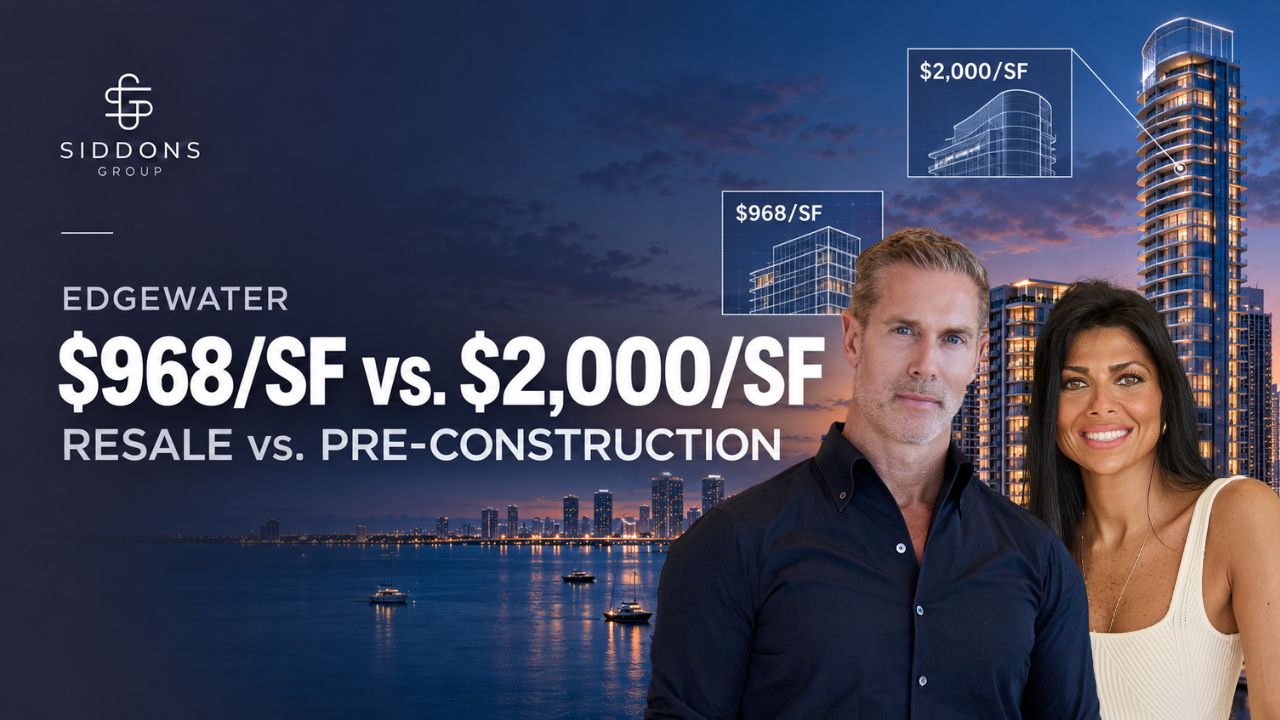
Edgewater Miami Condo Market 2026: $1M+ Resale at $968 a Foot vs. $2,000 for Pre-Construction

Buying or Selling a Condo in Litigation in South Florida: Red Flag or Opportunity?
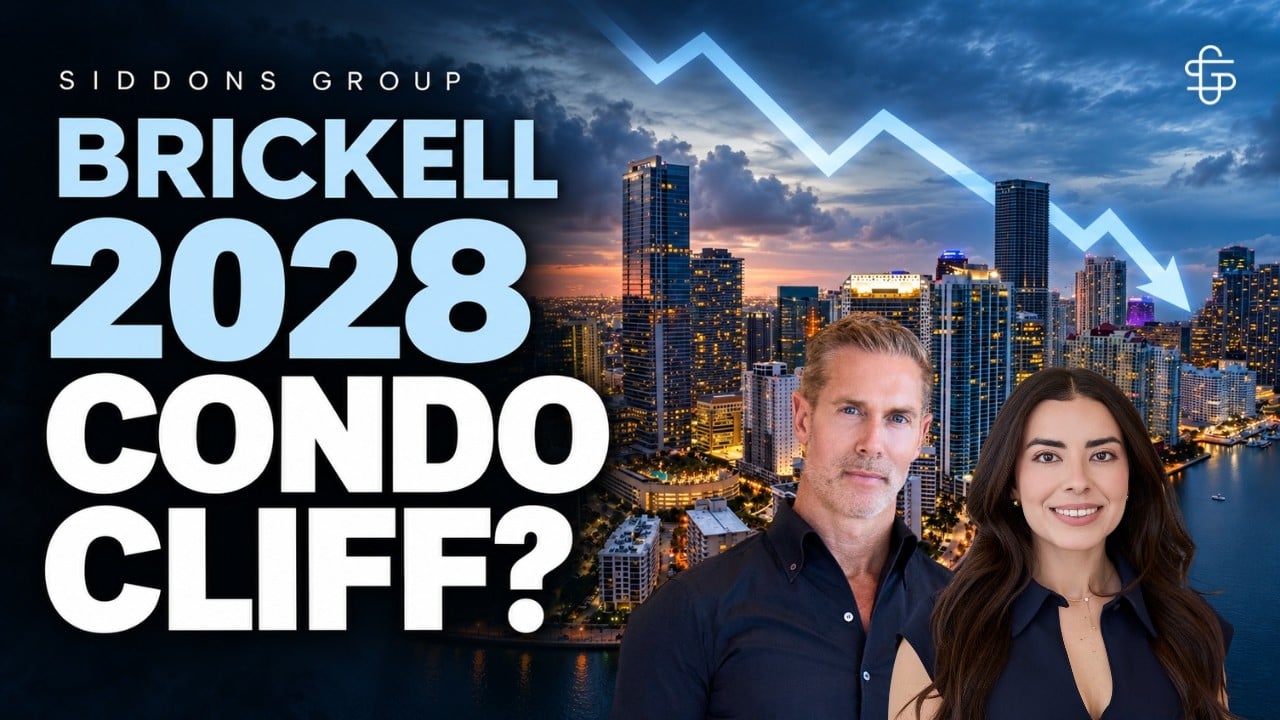
The 2028 Brickell Condo Cliff: Which Buildings Are at Risk and Where Smart Money Is Moving
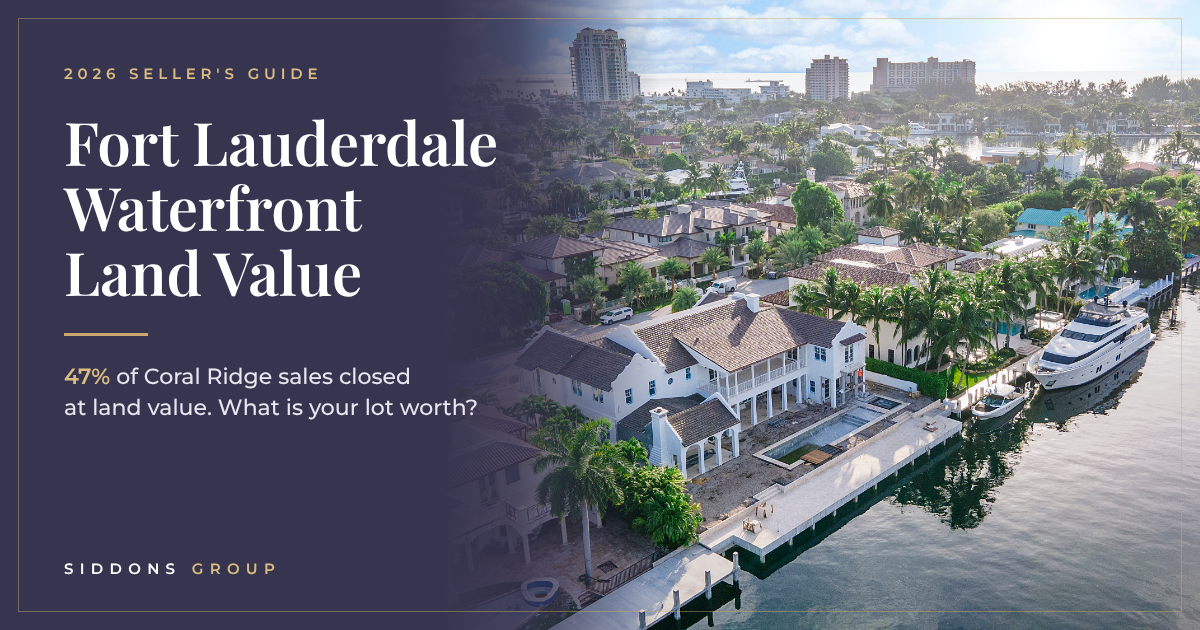
Fort Lauderdale Waterfront Land Values

Should You Stage Your Home Before Selling? What 1,266 Agents and Two Studies Found
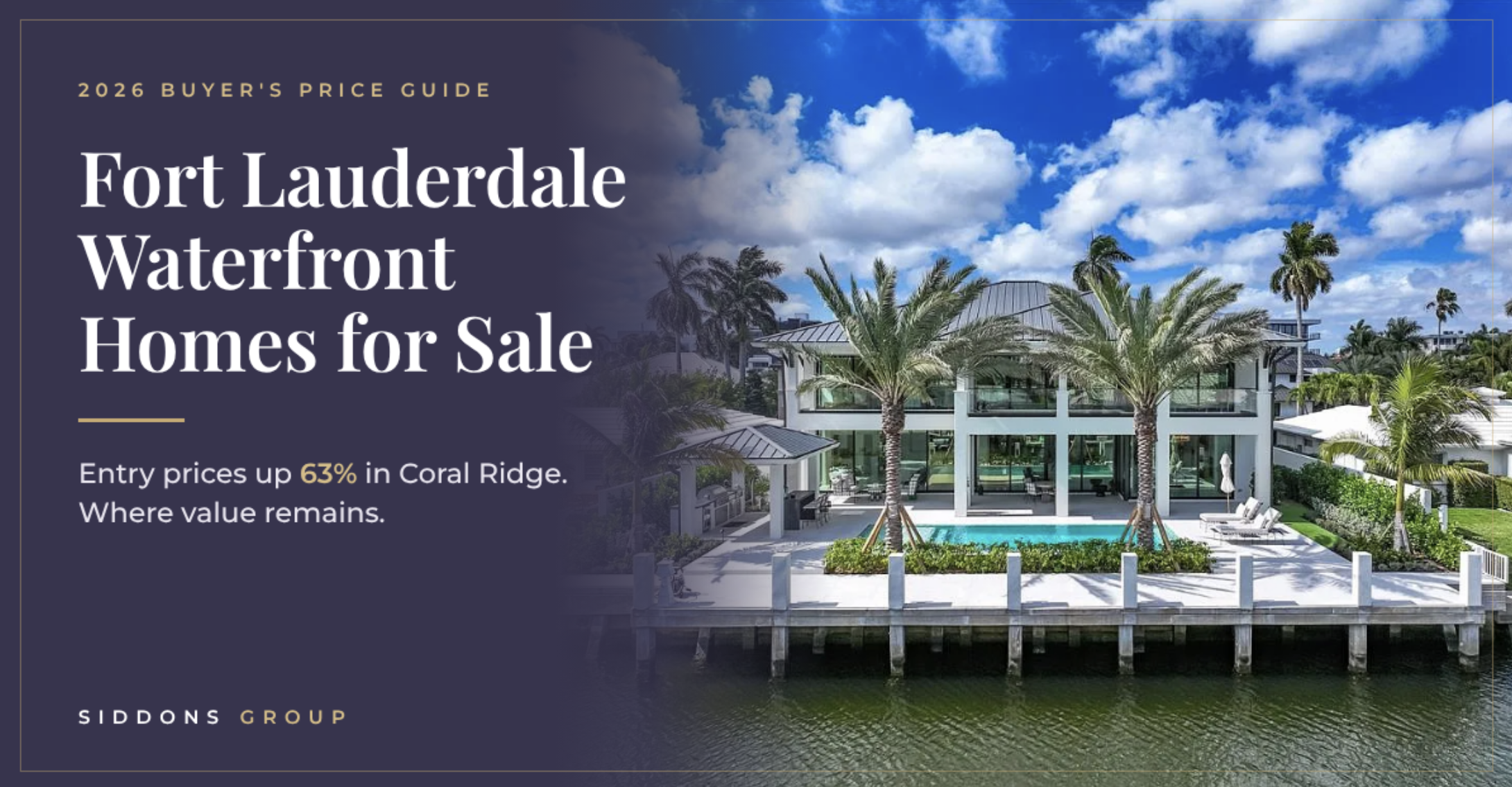
Fort Lauderdale Waterfront Homes in 2026

Greenview at Presidential Aventura
The Best Real Estate Agent in Ponce Davis
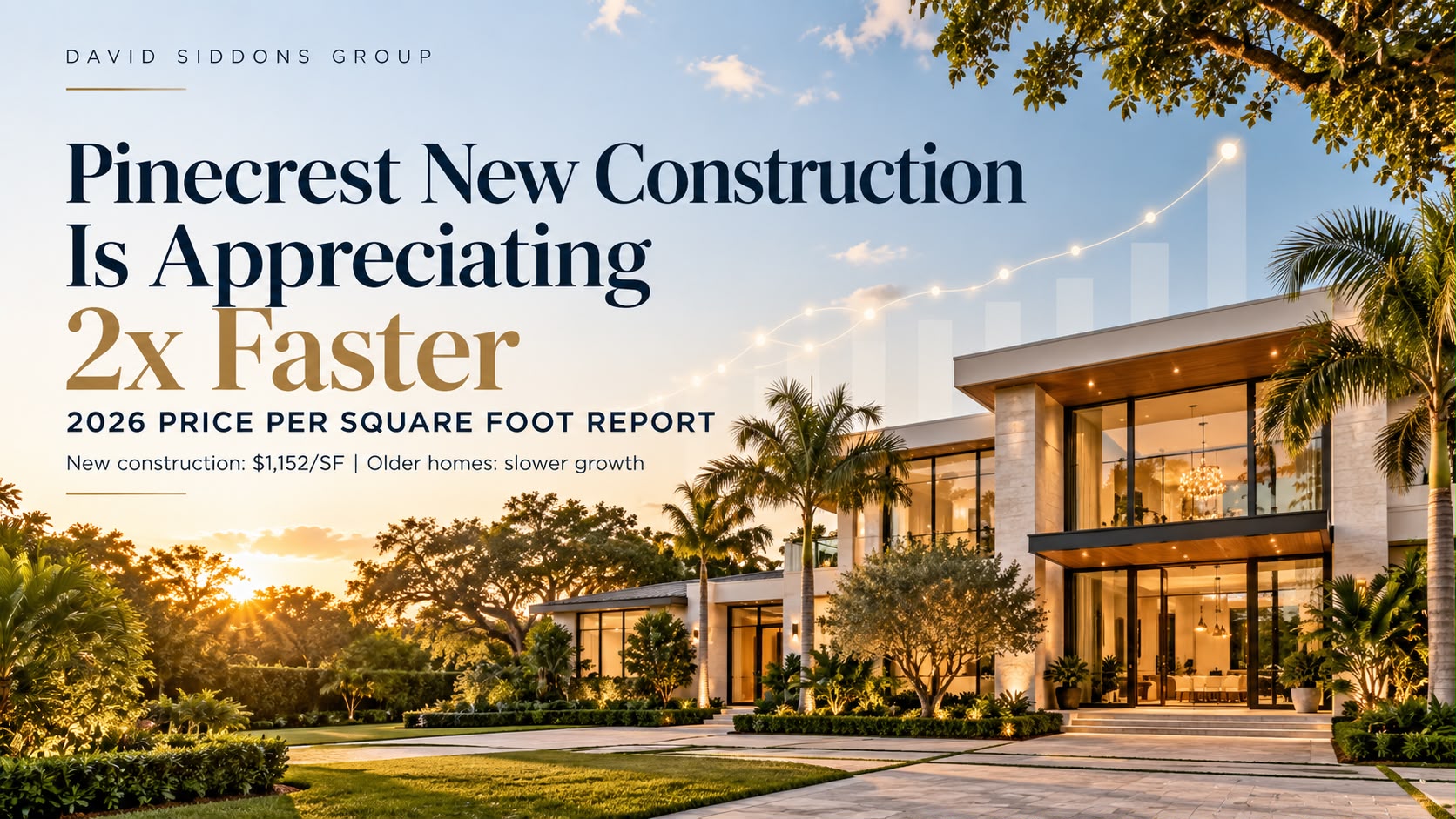
Pinecrest New Construction Is Appreciating 2x Faster Than Older Homes

Inside 1428 Brickell: Why Ytech Skipped the Hotel Brand to Build Brickell’s Best Finishes
Brickell’s Office Boom: What It Means for Luxury Housing in Coral Gables and Coconut Grove
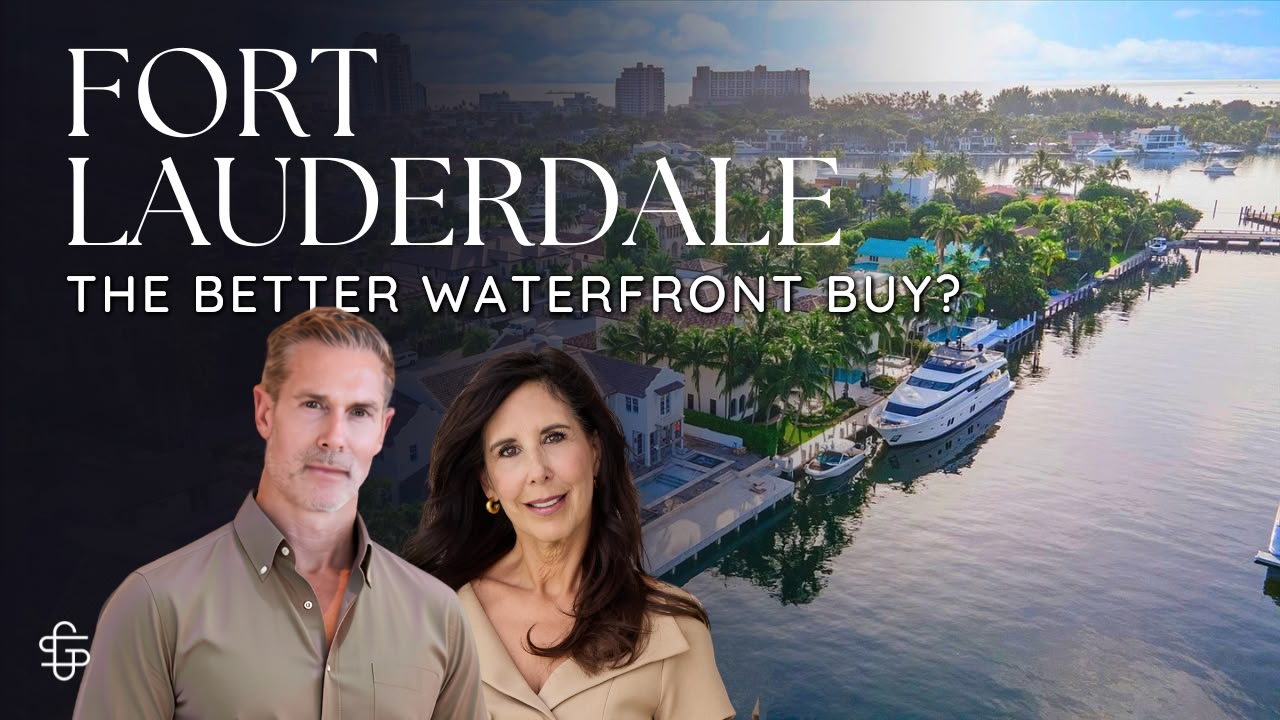
Fort Lauderdale vs Miami Waterfront Homes
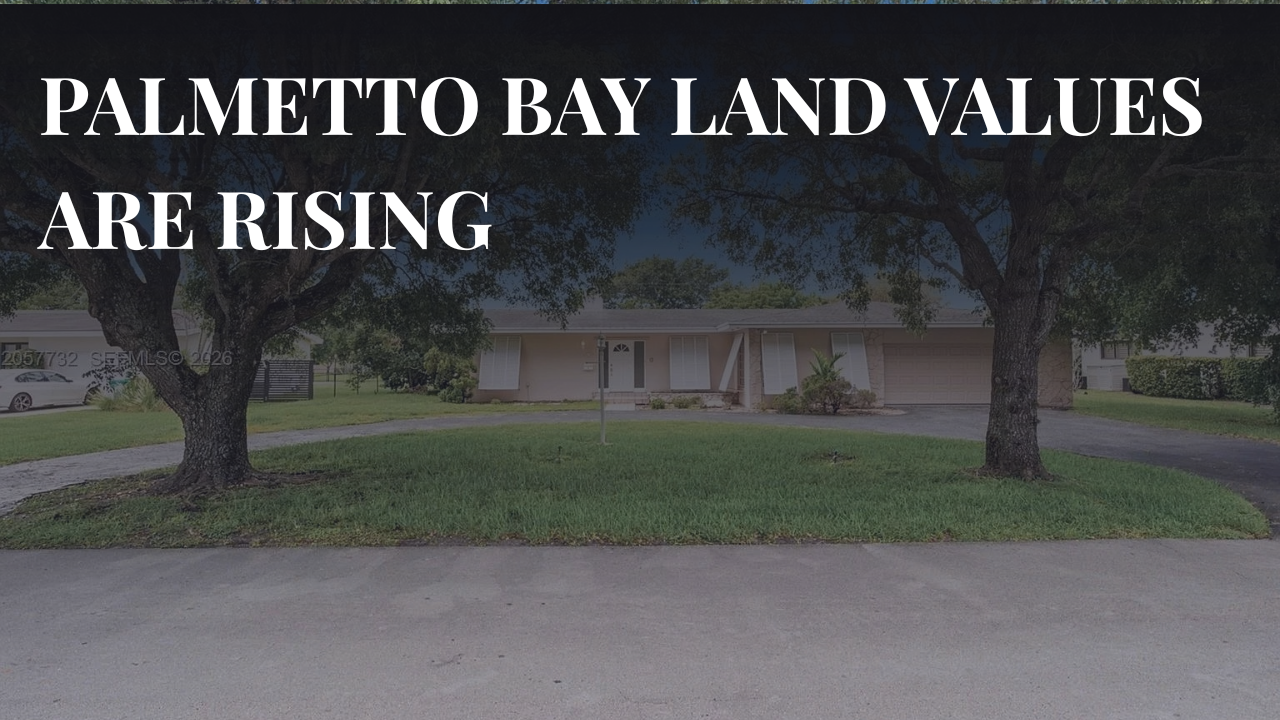
Palmetto Bay Land Values Are Rising. Is Your Home Worth More as Land?
Please fill in your details and David Siddons will contact you

Search related videos

Are St. Regis Sunny Isles Residences Worth the Brand Premium?
Coral Gables Market Report 2025: What the Headlines Aren’t Telling You!
How David Siddons’ Power Team Drives Miami’s Luxury Market
Mid‑Year 2025 Coconut Grove Report: The Truth About What’s Selling Now
Brickell Mid‑Year Market Report 2025 | Is Brickell’s Luxury Market in Trouble?
Pinecrest Mid-Year Market Report 2025 | What’s Selling, What’s Sitting & Why
Miami Beach Condo Market Mid-Year Report 2025 | What Buyers & Sellers Need to Know
How to Lose $1M in The Miami Condo market | Top Mistakes That Cost Miami Condo Buyers Millions
The Well Project EXPOSED Coconut Grove’s Hottest Units
Miami Real Estate in 2025 Is NOT What You Think 😱 | Midyear Must Knows for Buyers & Sellers!
7 Things You Should Never Say to a Real Estate Agent in Miami!
Landmark Victoria Park Residence in Fort Lauderdale: Inside 420 NE 11th Ave 🌴✨
Luxury Living on 2355 S. Miami Ave | Fully Furnished 4-Bed Home w/ Resort-Style Pool 🏊
Is Mandarin Oriental Residences Miami a Smart Condo Investment? Prices, Floorplans, Views & Finishes


- Get our Newsletter
- Subscribe
- No Thanks
Get the latest news from Miami Real Estate News
Close
Edit Search
Close
2 of 14
Share this property
Recomend this to a friend, just enter their email below.
Close
Your email was sent successfully
Close
 COMPARE WITH CONDOGEEKS