



















- Best of All
- Best Miami Luxury Condos
- Most popular
- Relocating to Miami
- Private Schools
- Investments
- Gated communities
- Waterfront information
- Luxury homes
- Luxury Condos
- New Construction Condos in South Florida
- Independent Pre-Construction condo reviews for Miami
- Independent Pre-Construction condo reviews for Fort Lauderdale
Pinecrest Real Estate Market Update Q1 2026
Pinecrest Market Analysis by David Siddons
This report is part of a 12-part series of in-depth market analyses by David Siddons, a real estate advisor specializing in Miami’s luxury residential markets. His work focuses on interpreting pricing trends, supply dynamics, and buyer behavior across neighborhoods such as Pinecrest, Coral Gables, and Coconut Grove—providing clients with a structured, data-driven framework for making real estate decisions.
Unlike general market updates, this analysis is designed to break down the underlying forces driving value in Pinecrest, helping buyers and sellers understand not just where the market is today, but how it is evolving and where opportunities and risks exist.
Introduction
Pinecrest enters 2026 with a level of clarity and momentum that sets it apart within Miami’s single-family landscape. What was once viewed as a quieter, value-oriented alternative to Coral Gables has firmly established itself as a premier destination for luxury buyers seeking space, privacy, and long-term livability. This is not a market defined by broad appreciation. It is a market defined by segmentation. New construction continues to push pricing boundaries, teardown land trades are resetting the baseline for future development, and older homes are increasingly judged against the cost of rebuilding. Buyers remain highly active, particularly those relocating from high-tax states, but they are analytical, patient, and focused on quality. The result is a more disciplined market. Well-positioned homes are trading efficiently, while aspirational pricing is being tested and often rejected. Pinecrest is not overheating—it is evolving into a mature, competitive, and increasingly strategic luxury market. There are 9 key points to discuss, so let’s dive into it.
1.Pricing Dynamics: New Construction Is Resetting the Market
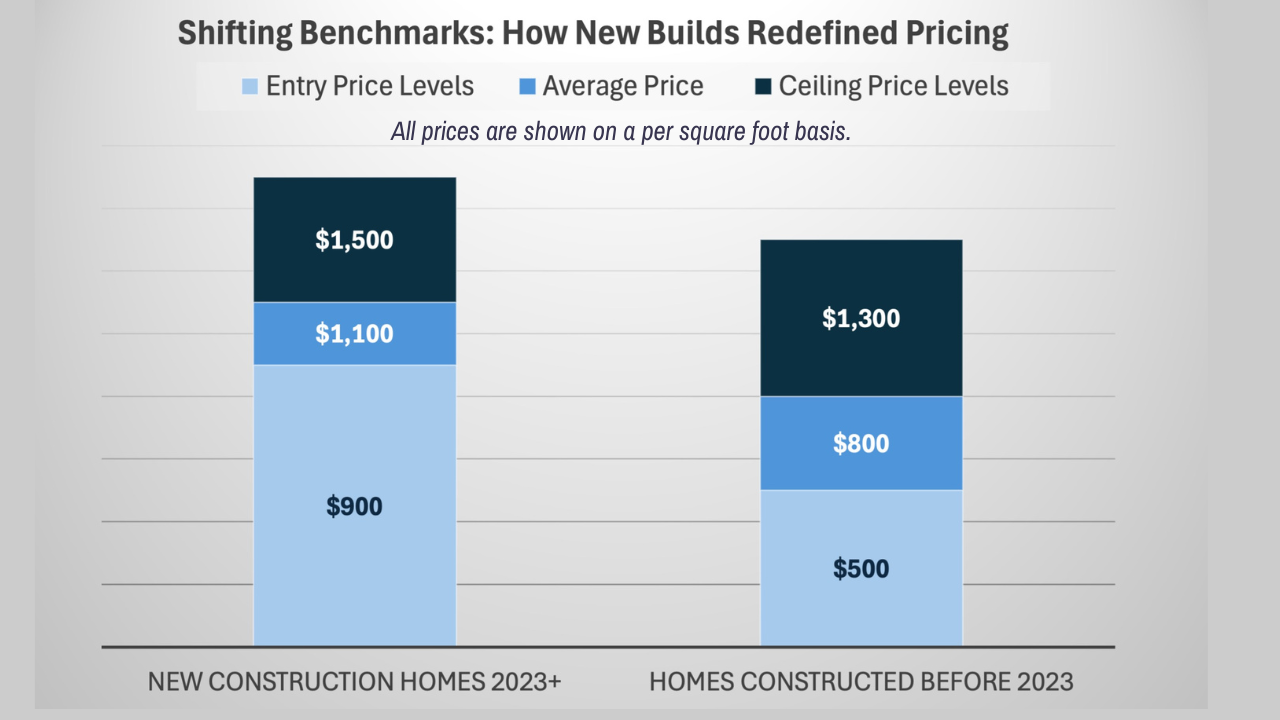
Pinecrest has seen a sharp upward shift in pricing, driven by limited inventory and strong demand from relocating families—but more importantly, pricing is no longer anchored by legacy homes. New construction has become the primary benchmark, setting value expectations across the entire market. Over the past 12 to 18 months, newly built estates have consistently achieved the highest price per square foot, pushing the top end from around $1,300 in 2025 to approximately $1,500 in 2026, with some new construction trading as high as $1,300–$1,800 per square foot.
This shift is being driven by rising construction costs, modern design preferences, and the premium buyers place on turnkey product. As developers underwrite at higher entry points, they effectively reset pricing across Pinecrest. The result is a widening gap: renovated older homes can still attract demand, but are often discounted unless they offer exceptional design or lot value. At the same time, entry-level pricing has largely disappeared, with most livable homes trading between $3M and $8M, while new construction typically starts above $8M.
In effect, the market is no longer just pricing the home—it is pricing the time, complexity, and uncertainty required to build it, establishing a new and higher pricing floor led by high-quality, move-in-ready product.
2. Land Value and Teardown Activity: Resetting the Floor
One of the most important underlying trends in Pinecrest is the steady escalation of land values. Teardown activity has increased, with buyers and developers acquiring older homes primarily for their lot potential rather than their existing structures. As a result, land pricing is quietly establishing a new floor for the market. Even properties in need of full renovation are commanding strong prices based on location, lot size, and development potential. This has a cascading effect, pushing up entry-level pricing across Pinecrest and reinforcing long-term value stability. For buyers, this means that waiting for “discounts” on older homes may be misguided. In many cases, the land itself justifies the price. Expect to pay around $3M-$4M for a good acre of land.
Show me the Best Pinecrest Properties
3. Supply Dynamics: The Illusion of Inventory
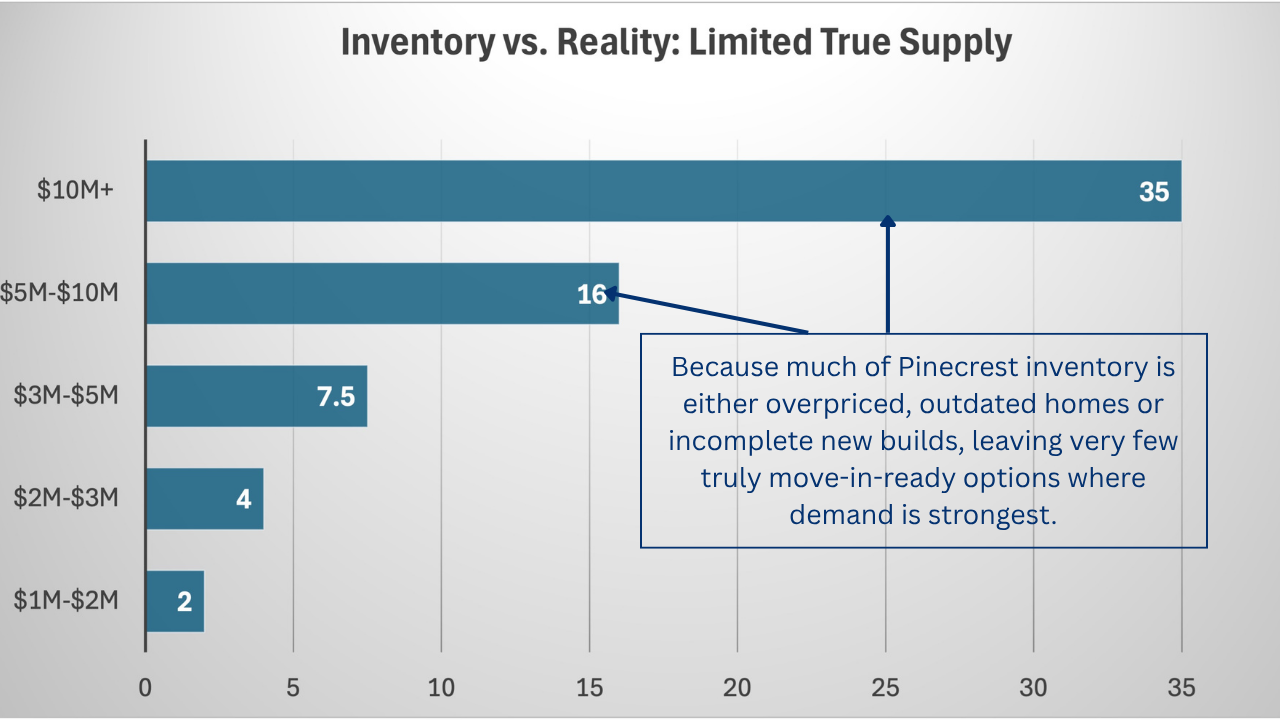
At first glance, Pinecrest may appear to have sufficient inventory, particularly in the higher price ranges. However, this supply is unevenly distributed and often misleading. A significant portion of available listings consists of either outdated homes priced aspirationally or new construction that is still under development. Truly move-in-ready, well-designed homes remain limited, especially in the $5M to $10M range where demand is strongest.
The gap between perceived inventory and usable inventory is one of the defining inefficiencies in the current market. Buyers may feel they have options, but when narrowed down to quality, location, and pricing alignment, the actual selection becomes far more constrained. As a result, well-positioned properties continue to transact quickly despite broader inventory levels.
4. Buyer Behavior: Analytical, Patient, and Quality-Driven
The buyer profile in Pinecrest has evolved significantly. Today’s buyers are informed, data-driven, and often guided by long-term lifestyle considerations rather than short-term speculation. Many are relocating from markets such as New York, California, and Illinois, drawn by Florida’s tax advantages, larger lot sizes, Lifestyle, and family-oriented environment. However, unlike the urgency-driven market of 2021 and early 2022, today’s buyers are deliberate. They are willing to wait, compare, and negotiate—but they will act decisively when the right opportunity presents itself. Quality has become the defining factor. Homes with strong architecture, thoughtful layouts, and high-end finishes command attention. Properties that fall short, whether in design, execution, or pricing, tend to linger.
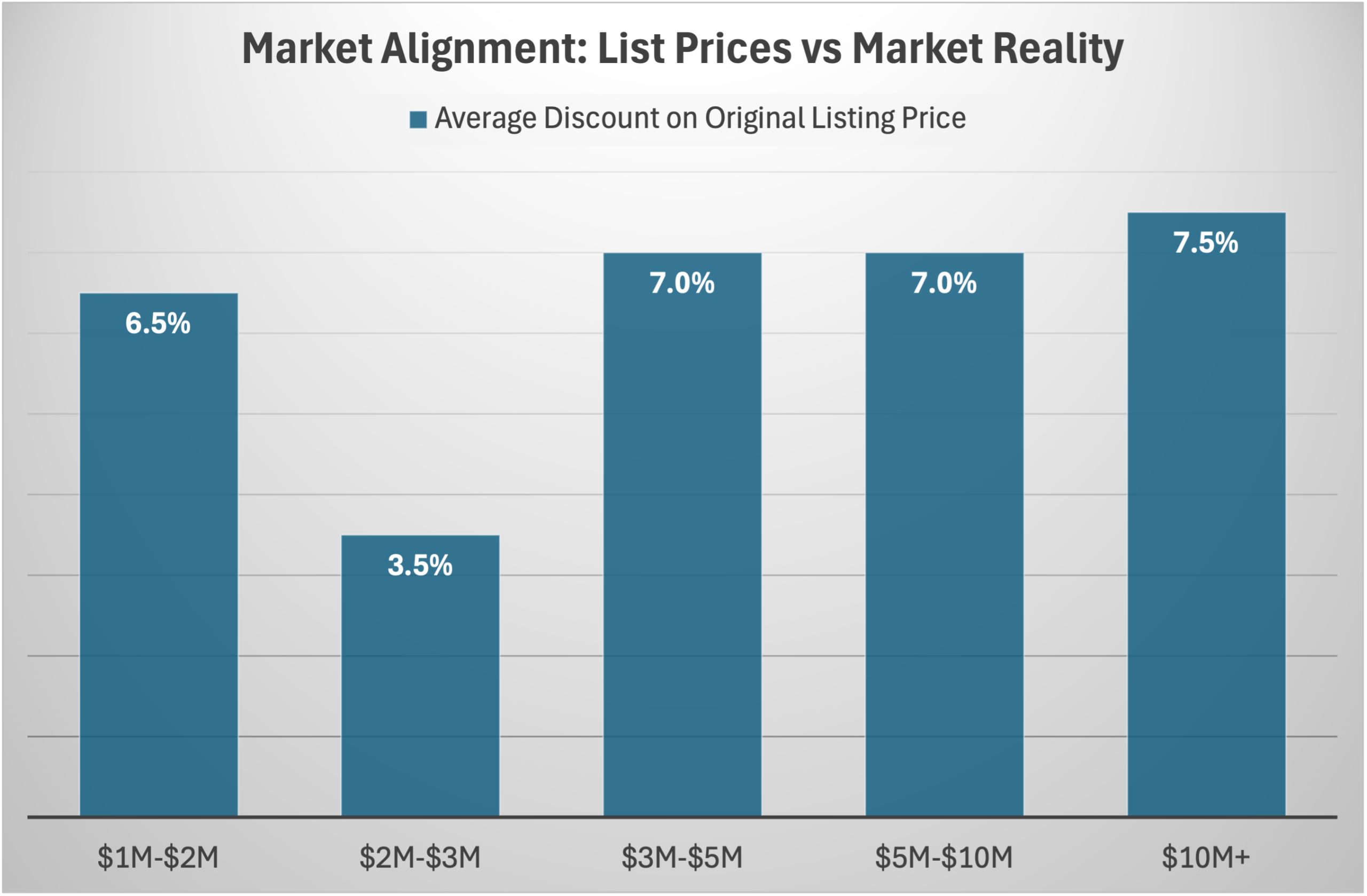
5. Market Alignment: Pricing vs. Reality
The divide in Pinecrest today is not between buyers and sellers, but between expectations and reality. Sellers who anchor their pricing to current comparable sales and market conditions are achieving successful outcomes within reasonable timeframes. Those who remain tied to peak pricing from previous cycles are experiencing longer days on market and increased negotiation pressure. This dynamic reinforces a key principle. The market is active, but it is no longer forgiving. Pricing strategy has become the most critical factor in determining whether a property trades efficiently or stagnates.
6. New Construction Pipeline: Opportunity and Risk
The pipeline of new construction in Pinecrest continues to expand, with multiple high-end projects underway or recently completed. This reflects strong developer confidence in the market, but it also introduces a degree of future competition. Not all new construction is created equal. Differences in design, build quality, and lot positioning can significantly impact performance. As more inventory comes online, the market will increasingly differentiate between exceptional product and commoditized builds. For buyers, this creates opportunity. For developers and sellers, it raises the stakes. Execution matters more than ever.
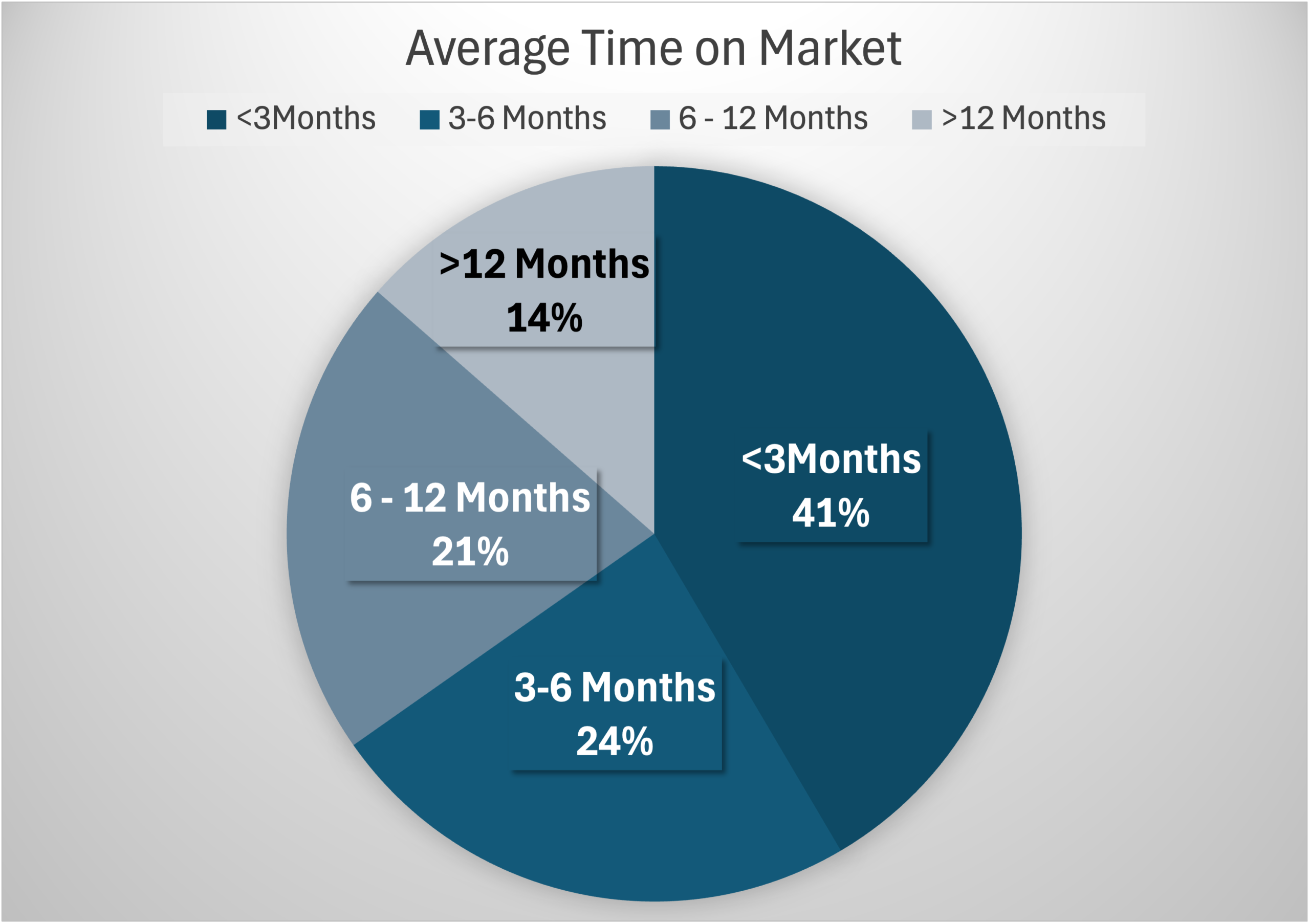
7. Time on Market and Liquidity: A Selective but Active Market
Transaction velocity in Pinecrest remains healthy, but it is increasingly tied to pricing precision and product quality. Homes that are well-priced and aligned with buyer expectations continue to sell within reasonable timeframes. Conversely, properties that enter the market above perceived value are experiencing extended marketing periods, often requiring price adjustments before securing a buyer. Longer days on market should not be interpreted as weakness. Instead, they reflect a more rational environment where buyers are unwilling to overpay and sellers must adjust accordingly. In addition, early-listed new builds often see slower traction, as builders are not quite ready to sell but want to test the market or buyers wait for clarity on delivery and finish.
8. Strategic Opportunity: Where Buyers and Sellers Can Win
Opportunities in Pinecrest exist, but they require a nuanced approach. For buyers, value can often be found in properties that need cosmetic updates, homes tied to specific timing pressures, or listings that have remained on the market long enough to invite negotiation. At the same time, waiting too long for prime new construction can be counterproductive, as well-priced turnkey homes tend to move quickly. For sellers, the opportunity lies in strategic positioning. Proper pricing, strong presentation, and timing the market effectively can result in competitive outcomes even in a more selective environment.
9. Outlook for 2026: A Market Defined by Discipline
Looking ahead, Pinecrest is expected to remain one of Miami’s most stable and desirable residential markets. The fundamentals; large lots, top schools, and a family-oriented lifestyle, continue to attract long-term buyers. The next phase of the market will be defined by discipline. Price growth is likely to continue at a measured pace, supported by rising construction costs and limited prime land. However, performance will vary significantly based on property type and positioning. This is not a market driven by speculation. It is driven by end-users making calculated decisions based on lifestyle, value, and long-term ownership.
Conclusion of this Pinecrest Real Estate Market Update Q1 2026
Pinecrest in 2026 is no longer an emerging market—it is an established luxury destination with its own internal dynamics and pricing structure. The shift toward a more analytical, segmented environment has created both clarity and opportunity. Buyers who understand the nuances of land value, construction quality, and pricing alignment can navigate the market with confidence. Sellers who adapt to these realities can achieve strong results. In a broader Miami landscape that continues to evolve, Pinecrest stands out for its stability, livability, and long-term appeal. It is a market where strategy matters, timing matters, and understanding the details makes all the difference.
What Relocation Buyers Need to Know — and How David Siddons Adds Value
Relocating to Pinecrest is not simply about finding a home—it’s about understanding land value, school-driven demand, and how micro-location impacts long-term appreciation. Many relocation buyers assume that newer construction or larger homes automatically translate into better investments, but in Pinecrest, pricing can vary significantly based on lot quality, street location, and future resale positioning.
David Siddons works with relocation buyers by breaking down these variables at a granular level—helping clients understand what truly drives value in Pinecrest and where the disconnect between asking price and market reality exists. His approach combines real-time transaction data with on-the-ground market insight, allowing buyers to identify opportunities, avoid overpaying, and make decisions with long-term clarity.
Having advised a significant number of relocation clients moving into Miami’s high-end residential markets, David understands the urgency, the information gap, and the need for a structured process. From initial market orientation to property selection and negotiation strategy, his role is to provide a clear, data-driven framework that removes uncertainty and positions buyers effectively from day one.
Work with David, The Pinecrest Market Specialist
Understanding the Pinecrest market requires more than reviewing listings—it requires interpreting pricing, land value, and supply dynamics at a granular level. David Siddons advises buyers and sellers by applying this same analytical framework to individual properties—helping clients identify opportunities, avoid overpaying, and position themselves effectively within the market. If you are considering buying or selling in Pinecrest, speaking directly with David Siddons can provide clarity on how to approach this market strategically. Connect with David Siddons by calling 305.508.0899, email to [email protected] or schedule a meeting via the application below.
FAQ
These are the most commonly Miami Real Estate Related questions
1. Why are Pinecrest home prices rising so quickly in 2026?
Pinecrest home prices are rising due to a combination of limited inventory, strong relocation demand, and the growing influence of new construction. Newly built homes are setting higher price benchmarks, often exceeding $1,500 per square foot, which is resetting values across the market. At the same time, rising construction costs and limited available land are pushing the overall pricing floor higher.
2. Is Pinecrest still a good place to invest in Miami real estate?
Yes, Pinecrest remains one of the most stable long-term investment markets in Miami. Large lot sizes, top-rated schools, and consistent demand from relocating families support long-term value. While short-term price growth may moderate, the market is driven by end-users rather than speculation, which helps preserve value over time.
3. Why is new construction driving the Pinecrest market?
New construction is driving the Pinecrest market because buyers are placing a premium on turnkey, move-in-ready homes. Developers are building at higher price points due to rising costs, which is pushing overall market values upward. As a result, older homes are increasingly being priced based on land value or redevelopment potential rather than their current condition.
4. What should buyers know before purchasing a home in Pinecrest?
Buyers should focus on land value, location, and build quality when purchasing in Pinecrest. Pricing can vary significantly depending on lot size, street location, and future resale potential. It is also important to understand that older homes may be valued primarily for redevelopment, meaning the land itself often justifies the price.
5. Should buyers wait for Pinecrest home prices to drop?
Waiting for prices to drop in Pinecrest may not be an effective strategy. The market is supported by strong fundamentals, including limited land supply and steady demand from relocation buyers. While some properties may offer negotiation opportunities, well-priced homes—especially new construction—tend to sell quickly, making timing the market difficult.
WHY WORK WITH DAVID? THINGS YOU SHOULD KNOW...
For all our analytics we are agents driving some very unique and advanced tech. We Provide a granular and custom experience that empower our clients with the insight and tools to understand the most complex behaviors of any local markets.
-
Analytical
Over 100 reports produced to date
-
Knowledgeable
Over 1800 published articles and counting


Related Articles

Selling Your Home in Miami?

Bal Harbour & Surfside Real Estate Market Q1 2026
Ranking The Best and Worst Miami New Construction Condos for 2026

Coral Gables Real Estate Market Q1 2026
Kendall Luxury Real Estate Market Update Q1 2026

Miami Real Estate Market Report Q1 2026: The Two-Market Reality Driving Prices

Sunny Isles Real Estate Market Q1 2026

Who Is the Best Real Estate Agent in Miami for New Construction Condos? (2026 Data-Driven Guide)

How to Buy a Luxury Condo in Miami (2026 Playbook for Smart Buyers)

Pinecrest Real Estate Market Update Q1 2026

Aventura Real Estate Market Report Q1 2026

Brickell Real Estate Market Report Q1 2026

Coconut Grove Real Estate Market Q1 2026 (Updated April 2026)

South of Fifth Real Estate Market Report Q1 2026
Please fill in your details and David Siddons will contact you

Search related videos

Are St. Regis Sunny Isles Residences Worth the Brand Premium?
Coral Gables Market Report 2025: What the Headlines Aren’t Telling You!
How David Siddons’ Power Team Drives Miami’s Luxury Market
Mid‑Year 2025 Coconut Grove Report: The Truth About What’s Selling Now
Brickell Mid‑Year Market Report 2025 | Is Brickell’s Luxury Market in Trouble?
Pinecrest Mid-Year Market Report 2025 | What’s Selling, What’s Sitting & Why
Miami Beach Condo Market Mid-Year Report 2025 | What Buyers & Sellers Need to Know
How to Lose $1M in The Miami Condo market | Top Mistakes That Cost Miami Condo Buyers Millions
The Well Project EXPOSED Coconut Grove’s Hottest Units
Miami Real Estate in 2025 Is NOT What You Think 😱 | Midyear Must Knows for Buyers & Sellers!
7 Things You Should Never Say to a Real Estate Agent in Miami!
Landmark Victoria Park Residence in Fort Lauderdale: Inside 420 NE 11th Ave 🌴✨
Luxury Living on 2355 S. Miami Ave | Fully Furnished 4-Bed Home w/ Resort-Style Pool 🏊
Is Mandarin Oriental Residences Miami a Smart Condo Investment? Prices, Floorplans, Views & Finishes


- Get our Newsletter
- Subscribe
- No Thanks
Get the latest news from Miami Real Estate News
Close
Edit Search
Close
Share this property
Recomend this to a friend, just enter their email below.
Close
Your email was sent successfully
Close
 COMPARE WITH CONDOGEEKS