
















- Best of All
- Best Miami Luxury Condos
- Most popular
- Relocating to Miami
- Private Schools
- Investments
- Gated communities
- Waterfront information
- Luxury homes
- Luxury Condos
- New Construction Condos in South Florida
- Independent Pre-Construction condo reviews for Miami
- Independent Pre-Construction condo reviews for Fort Lauderdale
Kobi Karp on the Future of Miami Real Estate: Architecture, Luxury Real Estate, and Sustainable Design
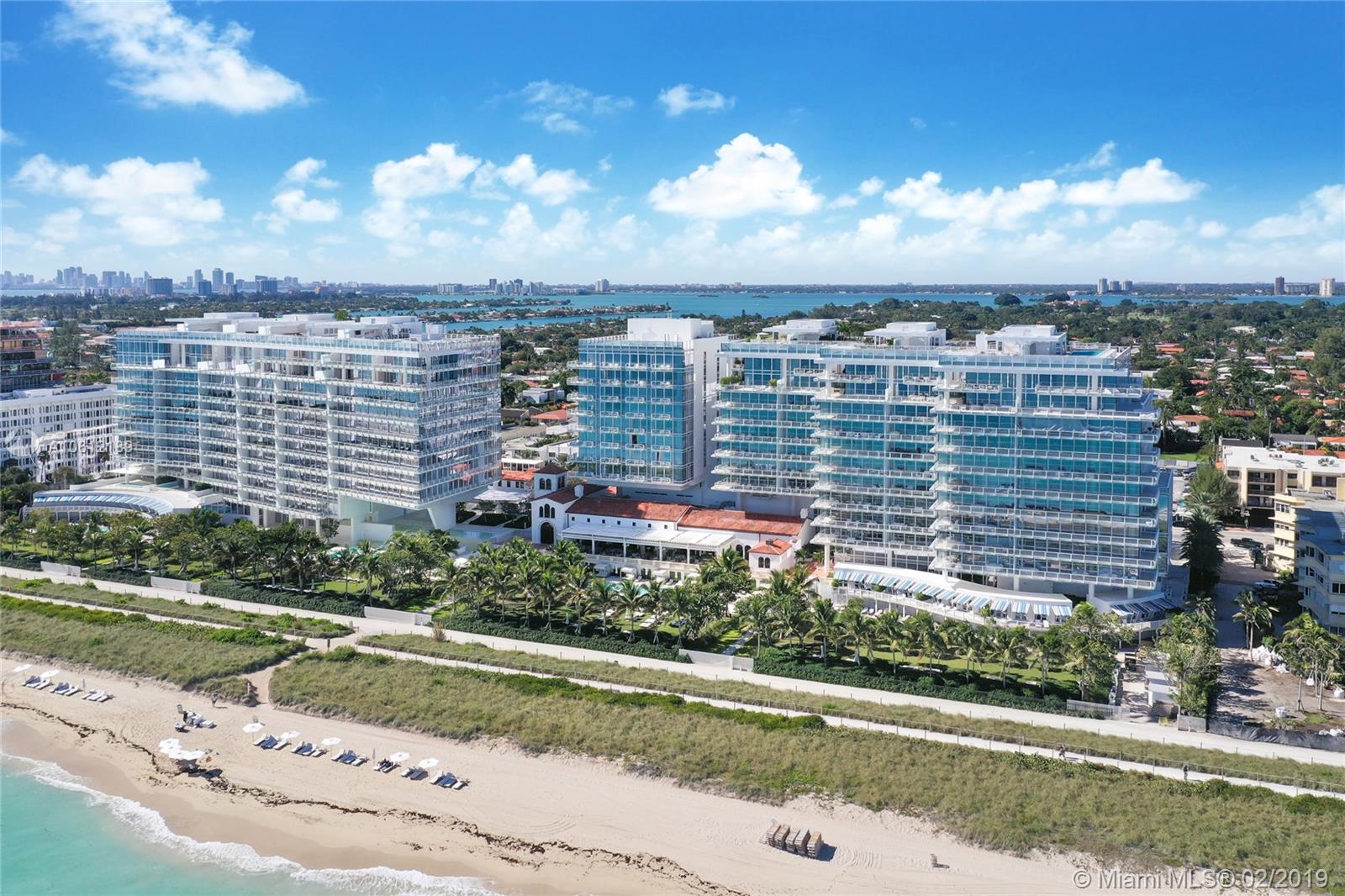
In today’s Better Decisions podcast, we sit down with renowned architect Kobi Karp, a visionary force in Miami’s real estate landscape. As a globally recognized starchitect, Kobi has played a pivotal role in shaping the city’s skyline with some of its most celebrated and high-performing residential and commercial projects, including Plaza del Sol and several other iconic developments such as the Surf Club Four Seasons Residences. Our conversation delves into the future of Miami—how the city is evolving, where it stands on the global stage, and what lies ahead for its architecture and real estate market. Whether you’re an investor, homeowner, or simply fascinated by urban development, this episode offers valuable insights from one of the industry’s leading minds.
Kobi Karp on the Future of Miami Real Estate: Architecture, Luxury Real Estate, and Sustainable Design
Right now, Kobi Karp is focused on transforming Miami Beach (South Beach) with the redevelopment of The Ritz-Carlton Residences, an ambitious project that reimagines two historic hotels—The Ritz on the Beach and The Sagamore. This collection of landmark buildings will be carefully restored and integrated into a newly designed, sculptural oceanfront residence, blending Miami’s architectural heritage with modern luxury. This approach mirrors what was done with The Raleigh Hotel in collaboration with developer Michael Shvo, where historic structures were preserved while a contemporary addition enhanced the property’s appeal. Similarly, other high-profile projects, such as Shoreclub and Four Seasons, follow this model—curating and revitalizing historic buildings while introducing a residential component to foster a stronger sense of community. This shift toward residential living aims to create a more immersive and connected experience, turning iconic hospitality properties into thriving, livable spaces.
How Challenging Is It to Restore or Rebuild Historic Condos?
Restoring or rebuilding old condos comes with significant challenges, especially as environmental factors and market demands evolve. Structural issues like steel corrosion and sand-infused concrete are common in historic buildings, making preservation a complex task. However, Kobi Karp believes in finding opportunities within these challenges—turning potential negatives into added value. For example, when he worked on The Surf Club in 2012, many doubted the feasibility of restoring the original 1929 structure. Yet, through careful design and strategic redevelopment, the project became one of the most successful in Miami, now commanding the highest price per square foot in the region—possibly even in all of South Florida. Kobi emphasizes the importance of embracing a building’s history while creating a unified architectural vision that not only restores structures but also revitalizes the surrounding community. The goal isn’t just to rebuild; it’s to preserve Miami’s architectural legacy and enhance it for future generations.
The Value of Environmental Engineering in Architecture
Environmental engineering plays a crucial role in modern architecture, influencing everything from urban planning and building preservation to optimizing design for natural elements like sunlight, wind, and views. This field integrates science and engineering principles to create sustainable, efficient, and resilient spaces, making it an essential foundation for architects who want to shape cities with long-term vision.
For Kobi Karp, environmental design was his first diploma, and it has profoundly shaped his approach to architecture and urban planning. His expertise allows him to think beyond traditional design, considering factors like sunlight orientation, moon cycles, wind patterns, and how people interact with their surroundings. Instead of just placing buildings where they fit, he strategizes how they will function within the greater ecosystem of a city.
The Future of Miami Real Estate: Designing in a Hostile Environment
One of the biggest challenges in architecture today is designing for a changing climate. As extreme weather events—hurricanes, heavy rains, fires, and rising sea levels—become more frequent, building codes must constantly evolve to ensure resilience. Structures need to be engineered for high winds, heavy rainfall, and environmental shifts, making sustainability not just an option, but a necessity. Kobi incorporates these principles into his work, ensuring that new developments are built to withstand the elements while still enhancing the urban experience. A great example is Palazzo Della Luna. When designing this luxury residence, many questioned why it wasn’t located directly on the beach. But Kobi saw the bigger picture—positioning it where ships come in and out, with sweeping views of the Miami Beach skyline, while also considering factors like storm impact, wind flow, and long-term sustainability. As the climate continues to change, so must the way we design. Architecture today isn’t just about aesthetics—it’s about longevity, safety, and adapting to an ever-shifting environment. By integrating environmental engineering principles, Kobi doesn’t just design buildings—he shapes how people interact with their city, ensuring that structures are both visionary and built to last.
Designing for the Future: Luxury and Beyond
We build for the future—creating everything from ultra-luxury residences to thoughtfully designed multifamily communities. As cities evolve, so do their neighborhoods, and our mission is to identify and shape the next great destinations. By balancing high-end development with smart urban planning, we ensure these areas thrive for both luxury buyers and everyday residents.
The Next Frontier of Luxury Real Estate
South Florida’s luxury market is expanding beyond traditional hotspots:
- Edgewater continues its rise as Miami’s premier waterfront district.
- Hollywood, Pompano Beach, and Hallandale are rapidly transforming, with high-end condominiums redefining these once-overlooked markets.
As demand for world-class residences grows, the key to long-term success is integrating first residences alongside luxury properties. A strong foundation of primary homeowners brings stability, vibrancy, and lasting value to these emerging neighborhoods.
Investing in a More Inclusive Future
Building for the future means addressing all segments of the market. In Overtown, we are developing affordable condos subsidized by the state to help alleviate the region’s severe housing shortage. By ensuring that development benefits a diverse range of residents, we contribute to a city that thrives at every level.
Pushing the Boundaries: How We’re Building Differently Today
A century ago, architecture and construction were limited by time, labor, and materials. Today, we’re leveraging AI, 3D technology, and advanced construction methods to build smarter and faster. Individual architects can now produce at an unprecedented pace, and AI-driven collaboration is transforming the way we design and develop. However, technology alone isn’t enough to meet market demand. While we push forward with new developments, we must also revitalize and optimize existing structures—making them stronger, more efficient, and better suited for modern living. A well-maintained building supports its neighborhood, just as a strong body supports a healthy life. Neglect, on the other hand, leads to decline—just as we’ve seen with buildings like the Champlain Towers. In Florida, we’re rebuilding West Palm Beach, fostering growth, and strengthening the community. The late 1980s saw an exodus from South Florida, but today, the region is thriving once again. Some buildings are worth preserving, while others must be replaced with better, more resilient spaces that elevate the cities of tomorrow.

The Future of Miami Real Estate (30 Years from Now): Building a Smarter, More Connected City
Miami’s future isn’t about expanding outward—it’s about building smarter within our existing infrastructure. While land is limited, there’s untapped potential in underdeveloped areas like the western corridor of Biscayne Boulevard and beyond. As we improve infrastructure and connectivity—particularly between Miami and Fort Lauderdale’s western regions—development will follow. Areas that have long been overlooked will become the next growth hubs, much like Wynwood and Edgewater, which have transformed into cultural and lifestyle destinations.
The Golden Era of Miami
Miami’s resilience during the pandemic set it apart. By staying open, we kept the market moving, and today, our properties command some of the highest prices per square foot. Shutdowns disrupt economies, stall development, and dampen confidence—Miami avoided that setback. What makes a property sell for top dollar? It’s not just location—it’s design, lifestyle, and how a space enhances well-being. Buyers aren’t just looking for real estate; they’re investing in quality of life. The right combination of thoughtful floor plans, lifestyle offerings, and emotional appeal is what drives demand and elevates Miami’s market. Since COVID, Miami has emerged stronger than ever. It’s not just a city—it’s a global destination where people want to live, invest, and thrive.
The Power of Functional Design in Miami’s Condos
A building’s architecture may be striking, but if the interior spaces don’t function well, it diminishes livability. Too often in Miami, we see beautifully designed condominiums with layouts that lack flow, have undersized secondary bedrooms, small closets, or inefficient use of space. No matter how luxurious the finishes, a poorly designed floor plan limits a home’s appeal and long-term value. The key to enduring success in condo development is functionality paired with quality of life. Decades later, buildings like Caribbean, Gran Venetian, and Capri remain highly desirable because they were designed with livability in mind.Spacious layouts, well-proportioned rooms, and thoughtful storage solutions make all the difference.
Moving forward, the future of Miami’s condo market isn’t just about building bigger or more luxurious—it’s about optimizing space to enhance everyday living. The most successful residences will be those that blend architectural excellence with practical, well-planned interiors that truly meet the needs of modern buyers.
Balancing Progress and Responsibility
What keeps him up at night isn’t just what we should be doing, but what we must avoid. Development can’t happen in isolation—we need to be mindful of civilization’s impact on the natural environment. Buyers today are more aware of factors like energy consumption, carbon footprints, and long-term costs. The future is promising, but only if we educate ourselves, prioritize community, and make sustainable choices. Take Miami, for example—a city constantly evolving yet always vulnerable. A direct hurricane hit will flood lower-lying areas like Brickell, which is why today’s buildings are elevated. Past mistakes have shaped smarter designs, from storm-resistant structures to improved urban planning. Miami functions like a sponge—its waters naturally rise and fall daily. While doomsday headlines will always circulate, the real story lies in how we adapt. Rather than dwelling on challenges, he focuses on solutions—analyzing data, not reacting to fear. His philosophy? Create value where others don’t see it, contribute to the community, and think beyond the headlines. Progress isn’t just about building; it’s about building smarter.
Connect with David Siddons
FAQ
These are the most commonly Miami Real Estate Related questions
What should relocation buyers know before buying real estate in Miami?
HOME BUYERS
Relocation buyers looking at homes in Miami should understand that choosing the right house is less about the property itself and more about location, schools, and long-term value. Many buyers make the mistake of focusing on price or finishes, while the real driver of value is the neighborhood and micro-location. Older homes often represent better value, but may also be part of a future redevelopment cycle. Newer homes command premiums, but don’t always sell faster if pricing is ahead of the market. Commute time, school access, and community dynamics are critical and often underestimated. The key is to evaluate homes not just as lifestyle purchases, but as long-term assets within a very localized market.
Sources:
https://luxlifemiamiblog.com/relocating-to-miami/
https://luxlifemiamiblog.com/relocating-to-miami-with-a-family/
CONDO BUYERS:
Relocation buyers should understand that Miami is a highly segmented, building-driven market, not a uniform one. Pricing can vary significantly between similar properties depending on building quality, layout, and financial health. Many buyers assume newer construction equals better investment, but that is often not the case. Factors like HOA fees, reserves, and rental policies can materially impact long-term value and liquidity. Negotiation opportunities often exist, especially in slower segments, but require precise market knowledge. The key is to evaluate micro-markets and individual buildings, not just neighborhoods or price per square foot.
Sources:
https://luxlifemiamiblog.com/miami-real-estate-market-report/
https://luxlifemiamiblog.com/new-construction-miami-guide/
What are the best areas for relocating families with children
For families relocating to Miami with young children, the most recommended neighborhoods are Coral Gables, Coconut Grove, and Pinecrest. Coral Gables offers the best balance of top schools, safety, and long-term value. Coconut Grove is ideal for younger families seeking walkability, greenery, and a lifestyle-driven environment. Pinecrest provides larger homes, excellent schools, and better value for space, making it ideal for growing families. The key driver across all three is access to strong schools and primary residential stability. Relocation decisions are less about new construction and more about long-term livability and resale strength.
Sources:
https://luxlifemiamiblog.com/best-neighborhoods-miami/
https://luxlifemiamiblog.com/what-are-the-best-family-neighborhoods-in-miami-in-2023/
Are new construction condos in Miami a good investment?
New construction condos in Miami can be a good investment—but only if you understand that not all buildings perform the same. According to the David Siddons Group, many buyers assume “new = better,” but in reality, performance depends on pricing, layout, building quality, and long-term demand. Some new developments set future price benchmarks and can drive long-term appreciation, especially in top-tier projects. However, many are priced aggressively at launch, and buyers relying on marketing instead of data often overpay.
The market is highly segmented, meaning two new buildings next to each other can perform very differently.
The best opportunities typically come from selecting the right building early or negotiating correctly in later phases.
In short: new construction is not automatically a good investment—it becomes one only with building-level analysis and disciplined entry pricing.
Sources:
https://luxlifemiamiblog.com/how-to-buy-a-luxury-condo-in-miami/
https://luxlifemiamiblog.com/category/independent-new-construction-condo-reviews/
https://luxlifemiamiblog.com/beyond-clickbait-real-insights-into-miamis-luxury-condo-market/
Why is buying a Miami condo riskier than buyers think?
Buying a Miami condo is often riskier than buyers expect because the true risks are at the building level—not visible in the listing price. Many buyers focus on finishes and views, while overlooking HOA reserves, insurance exposure, and potential special assessments. In reality, two identical units in different buildings can perform completely differently over time. Rising HOA fees and stricter regulations are also increasing the true cost of ownership, especially in older buildings. Liquidity can be affected by factors like financial health, rental policies, and ongoing repairs. The key risk is not the condo itself—but buying into the wrong building without proper due diligence.
Sources:
https://luxlifemiamiblog.com/how-to-buy-a-luxury-condo-in-miami/
https://luxlifemiamiblog.com/miami-condo-market-risks/
What are Miami's Safest Areas?
Which Miami Areas Still offer Great Value (Budget Friendly alternatives to Coral Gables and Pinecrest)
If you’re looking for better value than Coral Gables or Pinecrest, the answer (in true Siddons style) is not “go cheaper”—it’s go one layer outside the obvious markets.
The strongest value plays are:
- Schenley Park → closest substitute to Coral Gables at ~20% discount while maintaining similar character and location
- Biltmore Heights → almost identical feel to the Gables but ~25–30% cheaper on a $/SF basis
- Glenvar Heights → central location with larger lots and ~25% pricing advantage vs South Miami/Gables
- Baptist / Galloway (Kendall) → Pinecrest-style living (space, schools, land) at up to ~30% lower pricing
The pattern is consistent:
👉 Buyers are shifting west and slightly off-market to gain land, scale, and pricing efficiency. You don’t find value by going to a “cheaper neighborhood”—you find it by identifying adjacent micro-markets that offer the same lifestyle fundamentals without the brand premium.
Sources:
https://luxlifemiamiblog.com/best-value-neighborhoods-miami/
https://luxlifemiamiblog.com/category/miami-neighborhoods/
Is NOW a good time to buy in Miami?
Are Miami real estate prices going down in 2026?
No—but that’s the wrong way to look at it. Miami is not one market anymore, so prices are not moving in one direction. In 2026, the market is split into two: ultra-luxury, scarcity-driven areas (like waterfront and top-tier neighborhoods) are still holding or even rising, while mid-tier condos and oversupplied segments are flat or correcting. What we’re seeing is price divergence, not a crash—some properties are gaining value while others are quietly adjusting downward. Rising inventory and more selective buyers are putting pressure on pricing in certain segments, especially older condos or buildings with weaker fundamentals.
At the same time, global wealth and cash buyers continue to support pricing at the top end of the market. So the real answer: prices aren’t broadly dropping—they’re being repriced based on quality, location, and supply.
Should I buy a house or a condo when relocating to Miami?
The decision comes down to lifestyle first, investment second—and most relocation buyers get that backwards. If you want space, privacy, schools, and long-term family living, a single-family home in areas like Coral Gables or Coconut Grove is typically the stronger choice. If you prioritize walkability, low maintenance, and proximity to business districts, a condo in Brickell or waterfront markets makes more sense.
From an investment perspective, homes tend to be more stable, while condos are more building-dependent and cyclical. Most relocation clients underestimate how much building quality, HOA structure, and future costs impact condo performance. The right answer isn’t “house vs condo”—it’s which asset fits your lifestyle AND holds value within its micro-market.
How do I choose the right Miami neighborhood for my lifestyle?
Why are Miami condo prices so different between buildings?
Miami condo pricing varies widely because value is determined at the building level, not just by location. Two buildings next to each other can have major differences in financial health, reserves, HOA fees, and management quality. Buyers also pay premiums for better layouts, views, amenities, and newer construction—but not all “new” buildings perform equally. Factors like rental policies, upcoming assessments, and building reputation can significantly impact resale value. This is why price per square foot alone is misleading in Miami’s condo market. The real driver of value is how that specific building competes within its micro-market over time.
Sources:
https://luxlifemiamiblog.com/how-to-buy-a-luxury-condo-in-miami/
https://luxlifemiamiblog.com/category/independent-new-construction-condo-reviews/
WHY WORK WITH DAVID? THINGS YOU SHOULD KNOW...
For all our analytics we are agents driving some very unique and advanced tech. We Provide a granular and custom experience that empower our clients with the insight and tools to understand the most complex behaviors of any local markets.
-
Analytical
Over 100 reports produced to date
-
Knowledgeable
Over 1800 published articles and counting


Related Articles
Galloway Glen Real Estate 2026: What Homes Sell for in This Kendall Neighborhood
St. Regis Bahia Mar Penthouse Review: A $22M Fort Lauderdale Sky Home at Half the Price of Miami
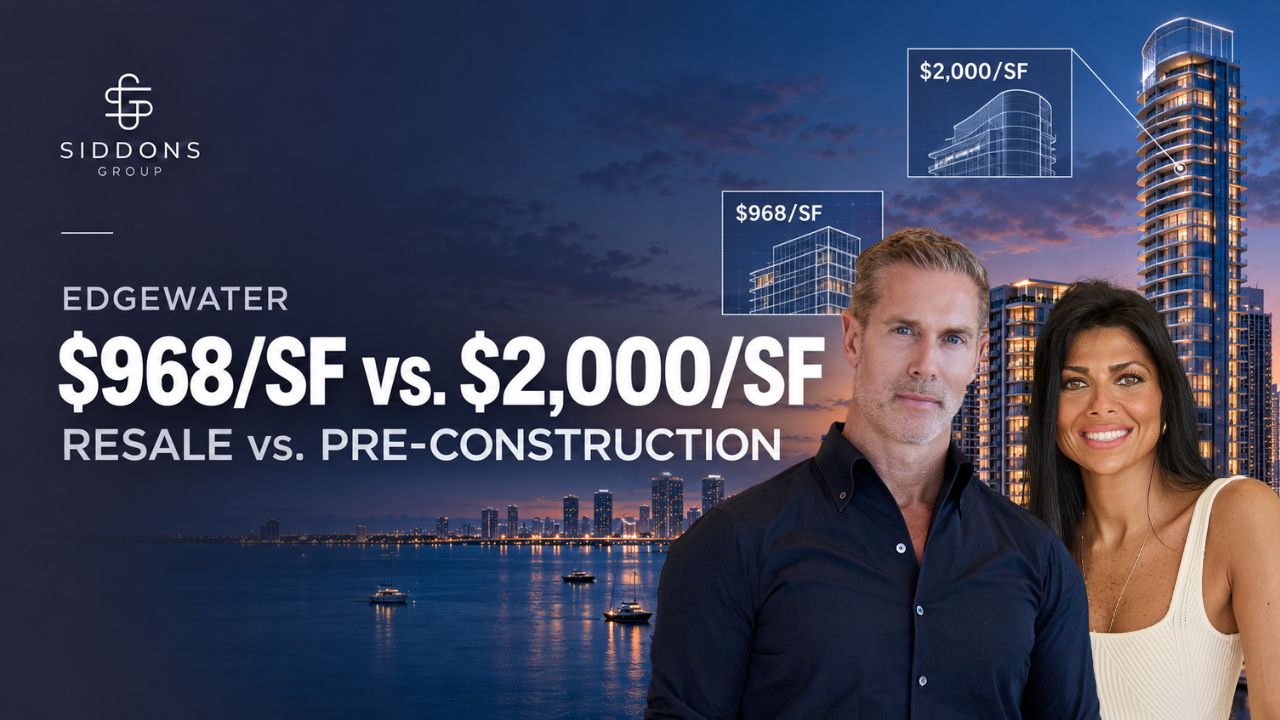
Edgewater Miami Condo Market 2026: $1M+ Resale at $968 a Foot vs. $2,000 for Pre-Construction
Buying or Selling a Condo in Litigation in South Florida: Red Flag or Opportunity?
The 2028 Brickell Condo Cliff: Which Buildings Are at Risk and Where Smart Money Is Moving

Should You Stage Your Home Before Selling? What 1,266 Agents and Two Studies Found
Fort Lauderdale Waterfront Homes in 2026
Greenview at Presidential Aventura
The Best Real Estate Agent in Ponce Davis
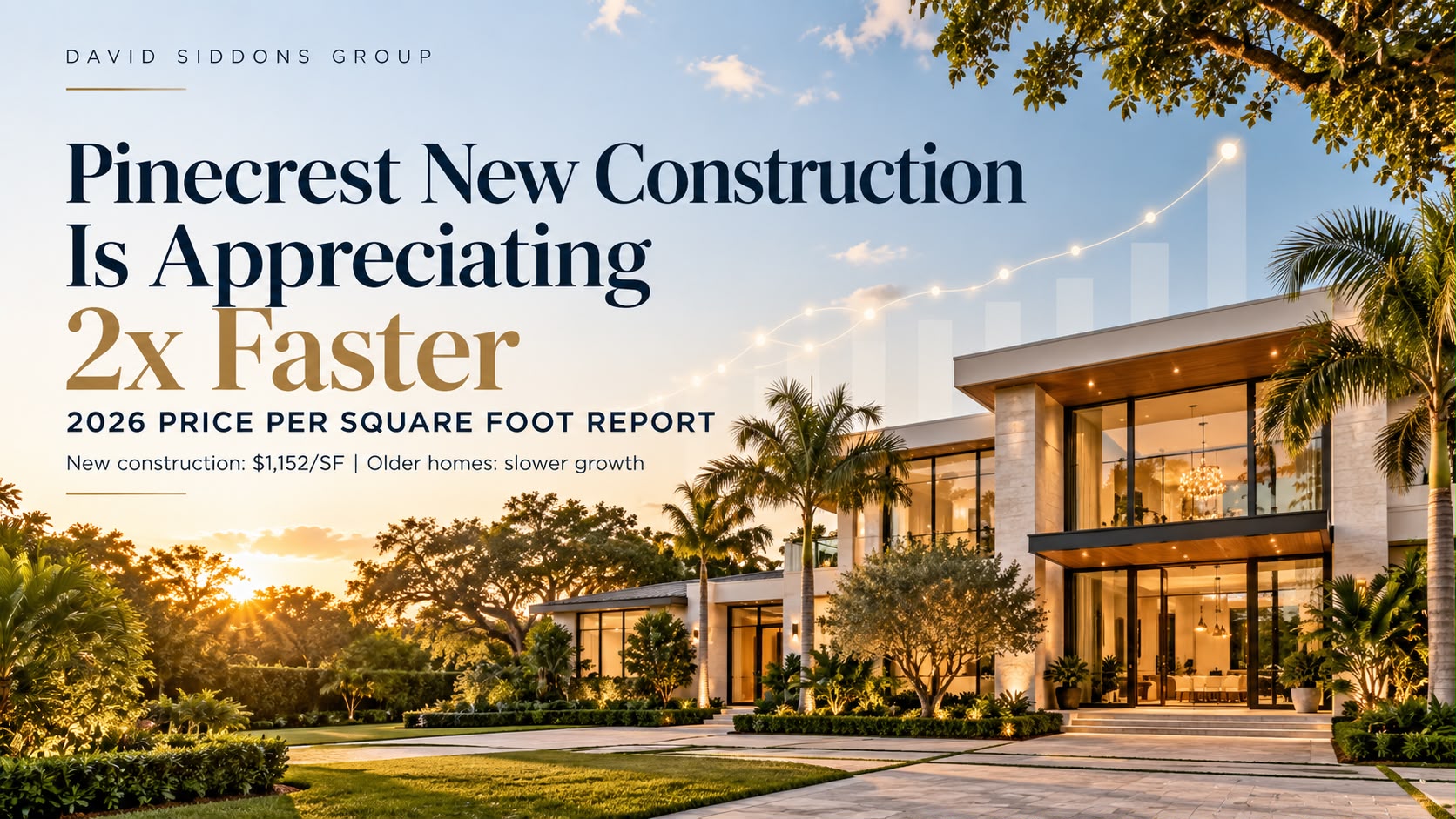
Pinecrest New Construction Is Appreciating 2x Faster Than Older Homes
Inside 1428 Brickell: Why Ytech Skipped the Hotel Brand to Build Brickell’s Best Finishes
Brickell’s Office Boom: What It Means for Luxury Housing in Coral Gables and Coconut Grove
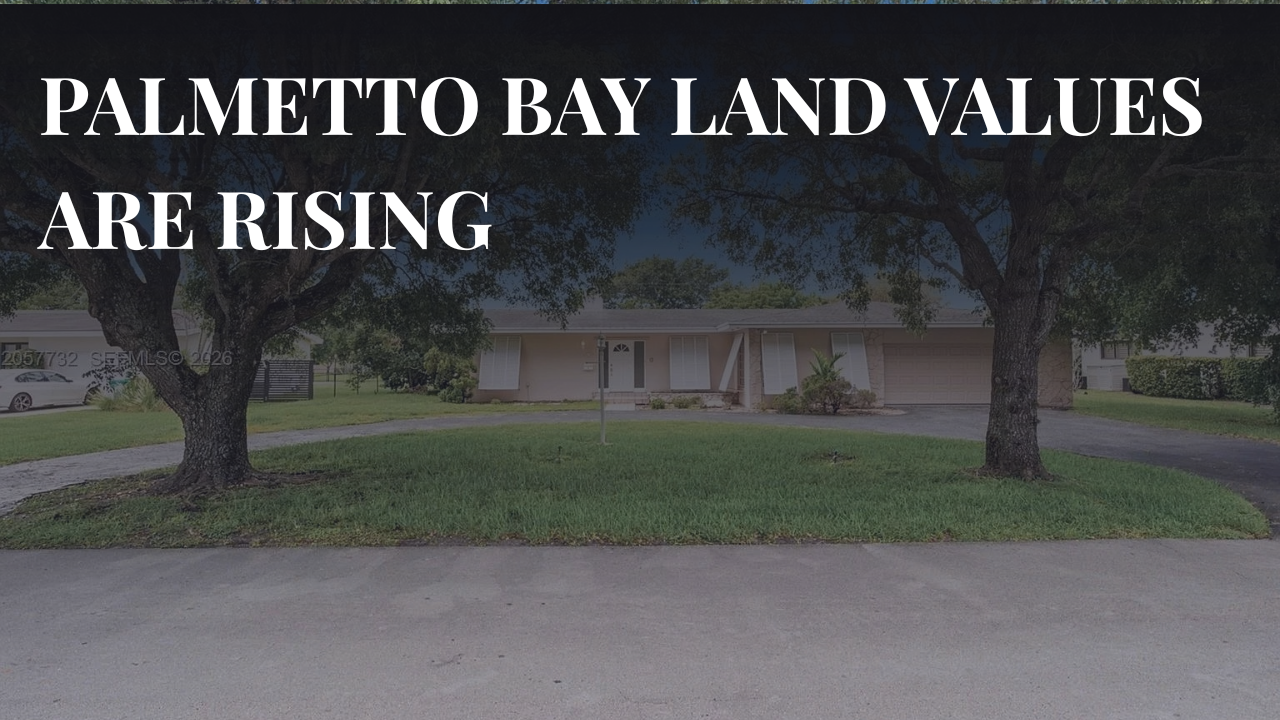
Palmetto Bay Land Values Are Rising. Is Your Home Worth More as Land?
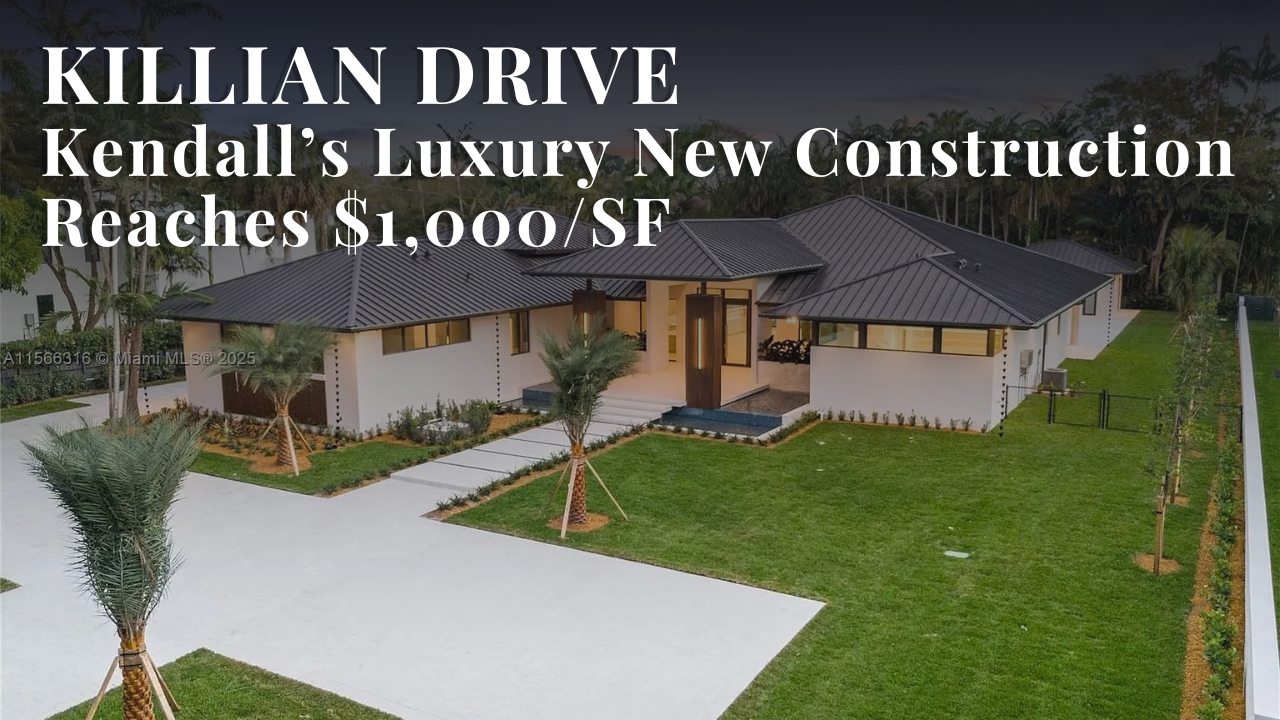
Killian Drive: Kendall’s Luxury New Construction Corridor Hits $1,000/SF
Please fill in your details and David Siddons will contact you

Search related videos

Are St. Regis Sunny Isles Residences Worth the Brand Premium?
Coral Gables Market Report 2025: What the Headlines Aren’t Telling You!
How David Siddons’ Power Team Drives Miami’s Luxury Market
Mid‑Year 2025 Coconut Grove Report: The Truth About What’s Selling Now
Brickell Mid‑Year Market Report 2025 | Is Brickell’s Luxury Market in Trouble?
Pinecrest Mid-Year Market Report 2025 | What’s Selling, What’s Sitting & Why
Miami Beach Condo Market Mid-Year Report 2025 | What Buyers & Sellers Need to Know
How to Lose $1M in The Miami Condo market | Top Mistakes That Cost Miami Condo Buyers Millions
The Well Project EXPOSED Coconut Grove’s Hottest Units
Miami Real Estate in 2025 Is NOT What You Think 😱 | Midyear Must Knows for Buyers & Sellers!
7 Things You Should Never Say to a Real Estate Agent in Miami!
Landmark Victoria Park Residence in Fort Lauderdale: Inside 420 NE 11th Ave 🌴✨
Luxury Living on 2355 S. Miami Ave | Fully Furnished 4-Bed Home w/ Resort-Style Pool 🏊
Is Mandarin Oriental Residences Miami a Smart Condo Investment? Prices, Floorplans, Views & Finishes


- Get our Newsletter
- Subscribe
- No Thanks
Get the latest news from Miami Real Estate News
Close
Edit Search
Close
2 of 14
Share this property
Recomend this to a friend, just enter their email below.
Close
Your email was sent successfully
Close
 COMPARE WITH CONDOGEEKS