















- Best of All
- Best Miami Luxury Condos
- Most popular
- Relocating to Miami
- Private Schools
- Investments
- Gated communities
- Waterfront information
- Luxury homes
- Luxury Condos
- New Construction Condos in South Florida
- Independent Pre-Construction condo reviews for Miami
- Independent Pre-Construction condo reviews for Fort Lauderdale
Best Neighborhoods to Invest in Miami 2026: Where Smart Money Is Really Buying and What the Headlines Miss
The Miami real estate headlines will tell you the market is either in a bubble or being taken over by billionaires. Both make for great clicks. If you are trying to identify the best neighborhoods to invest in Miami in 2026, neither tells you where to actually put your money. In this episode of the Better Decisions Podcast, host David sits down with Joe Biscaha, founder of Joe Sells Miami and one of South Florida’s most prolific real estate content creators, with over 200 videos documenting market shifts across Miami-Dade. Joe was born and raised in South Florida, started his career in tech, and has spent years at the intersection of luxury real estate and data-driven analysis. Together, they unpack the gap between what the media reports and where smart buyers are actually moving, from Brickell Key to Ponce Davis, and everywhere in between. If you want to stop following the crowd and start playing chess with your real estate decisions, this is the conversation you need to hear.
Is Miami in a Bubble? The Reality Behind the Headlines
The bubble narrative resurfaces every year, and it sounds convincing, especially when you see Miami properties that were worth $2.5 million five years ago now asking $5 million. But here is what the headlines consistently leave out: bubbles require overleveraged buyers who borrowed money they cannot pay back. That is simply not what is happening in Miami’s upper market. At the $10 million to $50 million price point, 85% of transactions are cash. These are not mortgage-backed buyers riding a wave of cheap debt. They are high-net-worth individuals deploying capital strategically, often quietly, and almost never showing up in the press. A price doubling without corresponding debt exposure is not a bubble. It is appreciation driven by demand and constrained supply.
The counterweight to the bubble story is the level of institutional and ultra-high-net-worth investment continuing to flow into Miami. Ken Griffin’s Citadel is building a tower in Brickell and has now committed to expanding it, adding 2 million square feet of office space after a very public confrontation with New York political rhetoric. Simon Property Group acquiring a major stake in Brickell City Centre is another signal. Big money is not leaving. It is doubling down.
Brickell: What the Smart Money Is Actually Buying
When Citadel employees started relocating to Miami, the assumption was that Brickell condos would ride a wave of appreciation. That has not played out. Mid-level Citadel staff are renting in Brickell. C-suite executives and senior hires are buying single-family homes in Coconut Grove, Coral Gables, and Ponce Davis. The reasons are consistent: families, schools, and space.
Brickell’s condo market at large is living and dying by rental income. Values are flat. Costs of living are rising. The bulk of Brickell is rental-grade inventory, and rental-grade inventory does not compound the way trophy assets do.
The smart money within Brickell is concentrated in one specific pocket: Brickell Key. The Mandarin Oriental Residences is now 75% sold and trading at $2,700 per square foot, while the broader Brickell resale market sits around $800 per square foot. A new price floor is being set at Brickell Key, with Four Seasons sales pushing past $2,500 per square foot and the ceiling now at $3,500. Developer David Martin is reportedly eyeing the neighboring Isola lot, and there is additional noise around the site next door. Ultra-wealthy buyers want geographic clustering, privacy, and comparable neighbors. Brickell Key is delivering all three.
The takeaway: If you are looking at Brickell, ignore the mass condo inventory. Focus on Brickell Key, where real price discovery is happening.
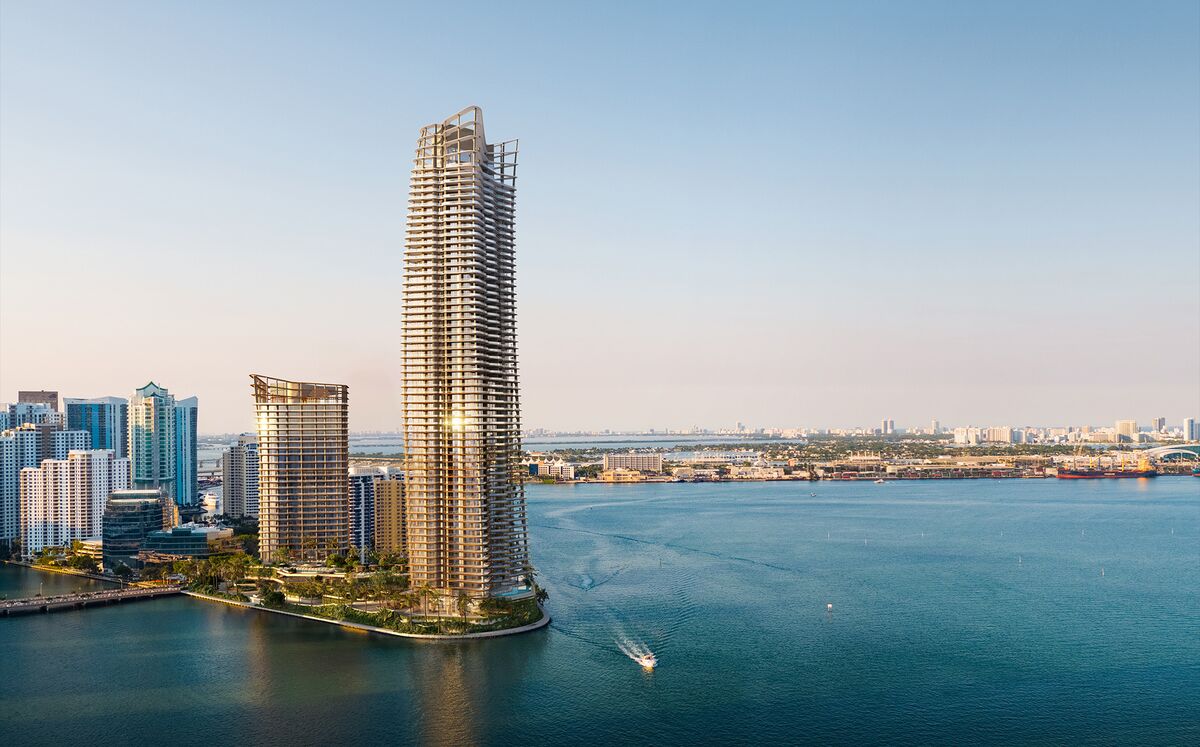
In Miami, the most generic condo developments are rarely the ones that deliver the strongest long-term performance. While they may serve a purpose, the real value appreciation typically happens in projects that are difficult to replicate — developments with exceptional views, intelligent floor plans, limited supply, and a distinctive overall footprint. Sophisticated buyers and investors understand this, which is why they tend to enter these projects early. Please find an overview of all new construction condos in Miami.
Edgewater and Wynwood: Not Yet What the Marketing Suggests
A lot of marketing dollars are being spent to position Edgewater and Wynwood as the next great residential play. The transit story is real. Brightline connectivity to Midtown, Wynwood, and Edgewater will matter eventually. But the residential appreciation has not materialized yet, and there are structural reasons why.
Developers marketing in this corridor have PR budgets, broker incentive programs, and carefully crafted talk tracks. Agents who attend lunch-and-learns get the narrative handed to them and go sell it to clients who may not be the right fit. One prominent example: a major Edgewater development delivered a product that fell short of its sales gallery promise, and the resale market for those units has been soft. Post-delivery, the developers went quiet on dollar-per-square-foot resale numbers, because there was nothing to celebrate.
The Standard in Midtown is currently facing appraisal gap issues, with buyers who attempted financing finding that valuations are not supporting contract prices. That does not make the press either.
The commercial case for parts of Allapattah is real, with significant parcels being acquired quietly. But from a pure residential standpoint, the story has not caught up to the marketing. Proceed with eyes open and data in hand.
Off-Market Intel
The best deals in Miami never make the market.
Smart buyers are moving quietly in Ponce Davis, Cocoplum, Banyan Lakes and beyond. Let's talk about what's available off-market before it disappears.
Book a 30-min call →South Miami and High Pines: The Story Nobody Is Publishing
One of the most compelling plays on the mainland is barely being discussed in media coverage, and that is largely by design. When money moves quietly, it does not issue press releases.
South Miami is becoming a second Coconut Grove. The team behind the Sunset Mall redevelopment is deploying serious capital into a pedestrianized, mixed-use retail environment, comparable to what CocoWalk did for Coconut Grove. The surrounding neighborhoods, Ponce Davis, High Pines, and Coral Gables, stand to benefit enormously once that development is complete.
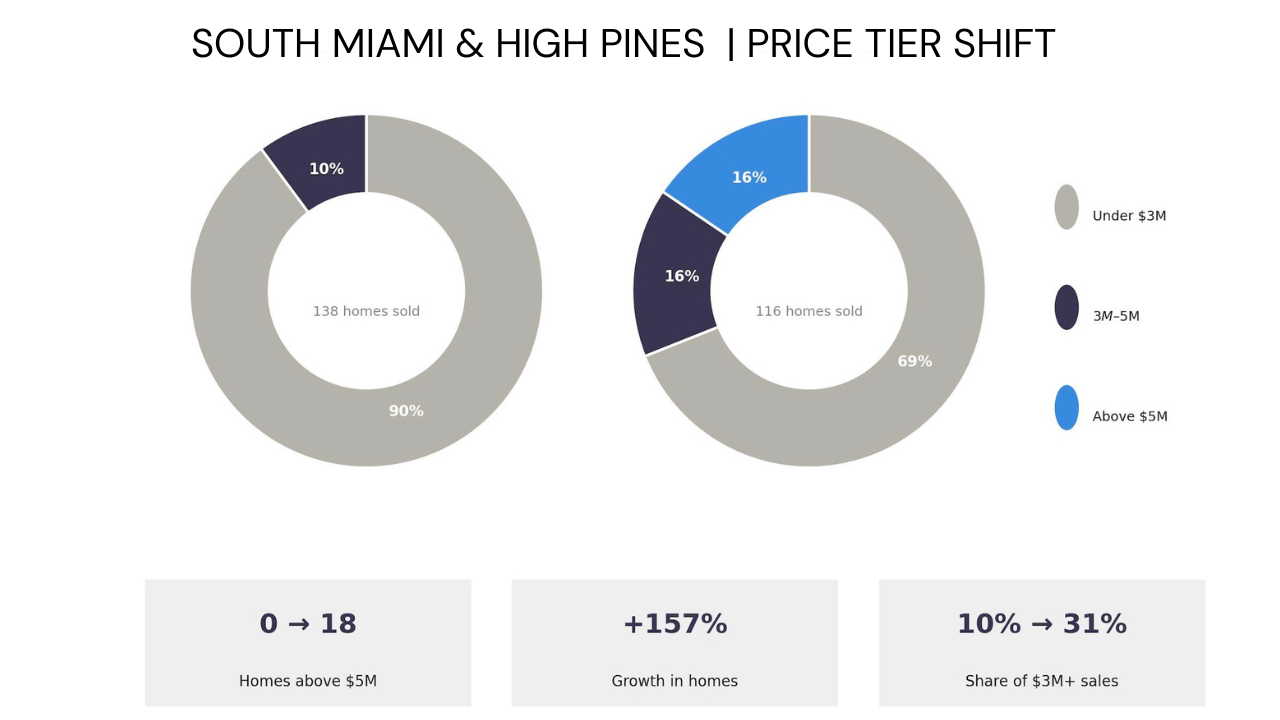
In High Pines specifically, homes that were trading at around $4 million three or four years ago are now selling in the mid-$7 million range. Four recent trades came in between $7.3 million and $7.8 million on homes in the 5,000 to 5,500 square foot range. That is not a blip. That is a new price floor establishing itself in a neighborhood that is almost entirely absent from mainstream real estate media.
When the Sunset Mall development comes online, the appreciation in surrounding neighborhoods could mirror and potentially exceed what Coconut Grove saw when CocoWalk was reimagined. If you are looking at the mainland and want a neighborhood with serious upside that is not yet priced in, High Pines and South Miami deserve your full attention.
Miami Beach: The Big Sales vs. the Smart Plays
A few headline transactions set the tone for Miami Beach‘s upper market. Mark Zuckerberg’s $170 million purchase on Indian Creek Island set a Miami-Dade residential record. Larry Page assembled a compound in Coconut Grove for $101.5 million. David Beckham paid $72.3 million for a waterfront mansion on North Bay Road with over 14,000 square feet and 124 feet of waterfront. An $86 million penthouse at Seaway at the Surf Club closed in late 2025, trading at roughly $8,000 per square foot, setting a new record for Miami Beach. Former Starbucks CEO Howard Schultz purchased a Surfside penthouse for approximately $44 million.
These numbers shape perception. But they are anomalies, not playbooks. A penthouse hitting the press does not mean every condo in Brickell or Edgewater is going to triple. The buyers behind these transactions operate with a completely different set of constraints and motivations than the people reading about them.
What these transactions do signal is that Miami Beach’s top tier has real pricing power, and the buyers are increasingly treating this as a primary or co-primary residence rather than a seasonal escape. That shift in use is why lot size and livability matter more than ever.
The Hidden Plays on Miami Beach
Dry lots are not getting the attention they deserve. The media focuses on waterfront. But there is a finite supply of dry lot homes near the Miami Beach Golf Club on Meridian Avenue and in the Nautilus neighborhood, where larger parcels offer golf course views that are genuinely rare on the island. Homes in that range, at $10 million to $12 million, represent a limited supply opportunity that is not being loudly promoted.
Pine Tree Drive is undergoing significant infrastructure investment right now, with road work and new development quietly changing the character of the street. A recent sale there closed at $23.75 million on the water, with strong dry lot comparables just across the street.
Sunset Islands dry lots are another off-media story. Three recent dry lot sales at 1800 West 27th Street, 2300 Sunset Drive, and 2500 Regatta Avenue all came in at $2,600 to $2,700 per square foot. Sunset Islands is a gated island community. As soon as gating enters the equation, you are well above $2,000 per square foot, and the waterfront tips of the islands are pushing toward $40 million to $60 million for the right properties.
The ultra-exclusive plays, like the Shore Club, the Raleigh, and a handful of other properties being sold with full privacy protections and no public sales announcements, are where the absolute top tier is transacting. Smart money moves quietly. It acts, but it does not announce.
Our recent sale at 5515 Pinetree Dr broke the sales record of $3,022 per SF with a staggering $3,394.31 per SF for this beautifully finished waterfront lot.
The Mainland Hidden Gems
Gables Estates
Gables Estates is on fire but doing its best to stay out of the news. Sales that made headlines include the $50 million sale of 41 Isla Vida to The Weeknd, a $55 million transaction at 34 Leucadendron, and a $55 million flip at 33 Alhambra that produced a $21 million profit in under eight months. Alex Perez of Mocha Construction recently acquired a tear-down waterfront lot at $24.3 million to build what will no doubt be another record-setter.
What does not make the press is the volume of private transactions in this neighborhood happening behind NDAs, with buyers whose identities are protected throughout the process. The first contact comes from financial advisors or assistants. The buyer surfaces only when a deal is moving forward. Gables Estates has acre lots throughout, a combination that is extraordinarily rare on the mainland, and demand is not cooling.
Old Cutler Bay and Cocoa Plum
Old Cutler Bay got a moment in the spotlight when 555 Old Cutler sold for $40 million. Other notable trades include 9330 Gallardo at $31 million ($3,450 per square foot) and a separate $47 million sale at $5,000 per square foot.
But the more interesting play may be neighboring Cocoa Plum. This gated community has a country club feel with pool, gym, tennis, and basketball, and it connects to the ultra-private Tahiti Beach. A 6,200 square foot home on the water sold in 2024 for $19.5 million without attracting any press coverage. Right now there are homes available under $15 million in Cocoa Plum, including one under $10 million, with new construction going up in the community. School accessibility is excellent, with proximity to Carrollton, Ransom, and other elite schools being a major driver for relocating families, and the sense of community is a genuine differentiator that gated waterfront neighborhoods at higher price points often cannot offer.
Ponce Davis
Ponce Davis may be the most underappreciated ultra-luxury dry lot neighborhood in Miami. The barriers to construction are relatively low because it is unincorporated Dade County. Lots run from half an acre to a full acre. It is walkable to South Miami, accessible to the airport, Coconut Grove, and Coral Gables, and the tree-lined streets offer a level of privacy that most of Miami Beach simply cannot match.
A property sold last year for $7 million. Less than nine months later, the new owners were offered $8 million. A $19.5 million new construction sale set the benchmark recently, and a separate $24 million purchase is currently undergoing a full renovation with a third floor addition, putting the all-in investment at close to $30 million. That means the new ceiling for a spectacular dry lot home in Ponce Davis will be in the $30 million-plus range, a number that would represent a near dry-lot record on the mainland. Stonegate, the 11-home gated community within Ponce Davis, is as close to a private enclave as the mainland offers at any price.
Banyan Lakes: The One Almost No One Knows About
Banyan Lakes is a freshly gated community of 46 homes on 88th Street, adjacent to Hammock Lakes and backing up to a 100-acre nature reserve. Four or five brand new homes are under construction there right now. Properties are currently available at $8.4 million and $11.5 million, with the $11.5 million home sitting on a waterfront acre with immediate livability. An acre on the water with reserve views at $8 to $11 million on the Miami mainland is rare in a way that has not been priced in yet. This is a neighborhood to watch closely before the rest of the market catches on.
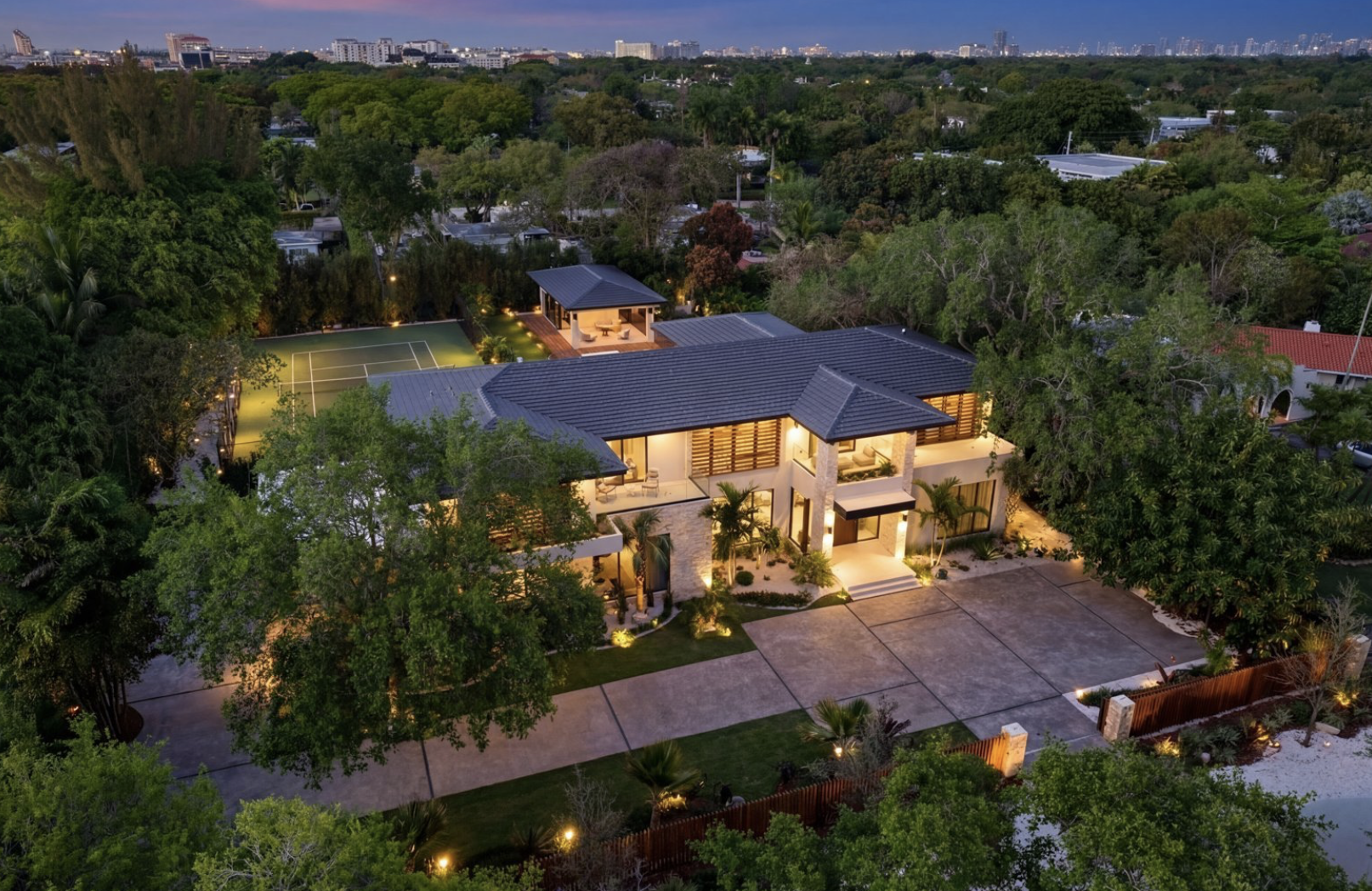
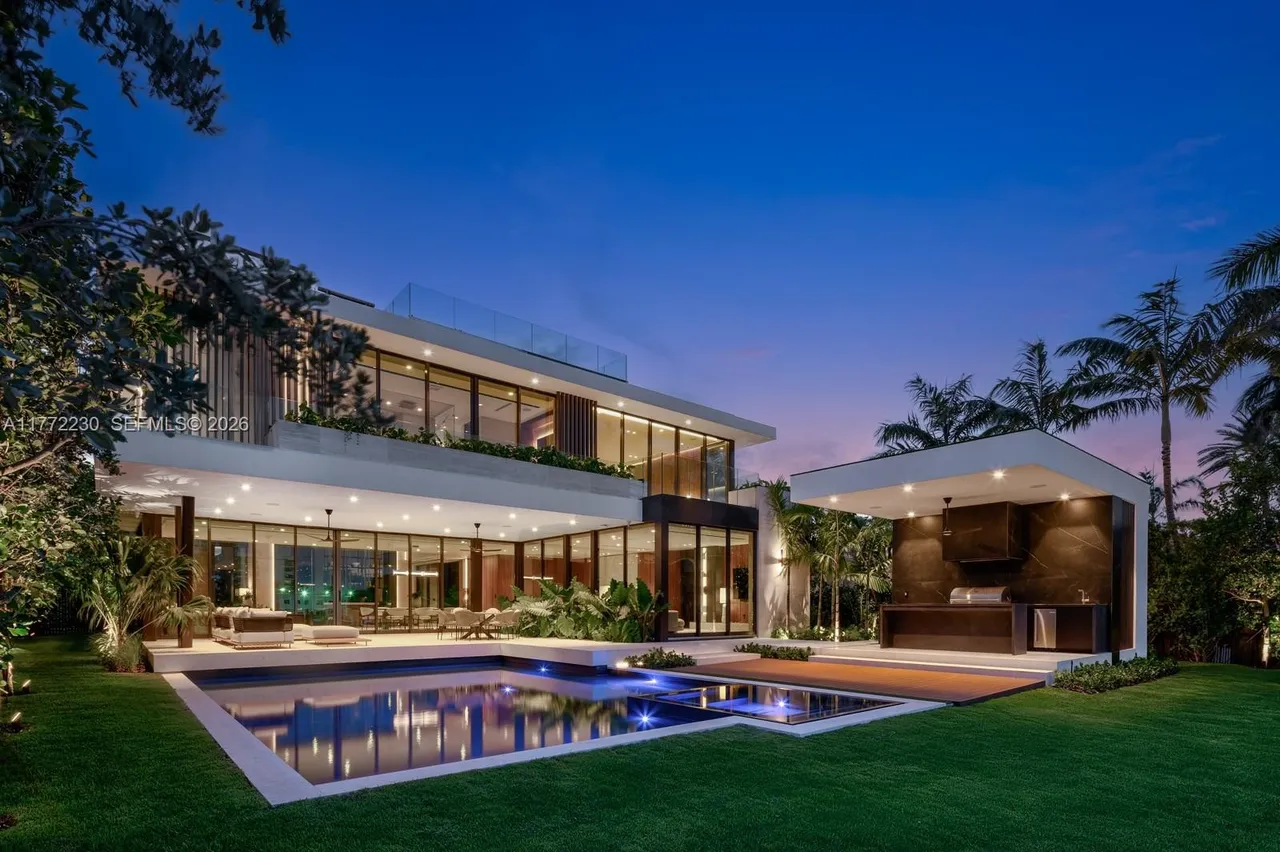
Ponce Davis is seeing record prices. In the last year, 10 homes sold above the $10M mark and 4 above the $15M mark. These are purely dry lot homes. We are currently listed the property on 5545 SW 81 St depicted above. This brand new custom home sits on an acre and is asking $22M. Preview this listing here.
What Smart Money Does Differently
The pattern across every neighborhood in this conversation is the same. The ultra-wealthy move before the media notices. They buy in gated communities, on quiet streets, with NDAs in place, through financial advisors and assistants who scout discreetly. By the time a neighborhood makes the Wall Street Journal or the Real Deal, the best opportunities are already under contract.
The media narrative is not wrong. It is just late, incomplete, and often shaped by developer marketing budgets. Reading the small print, understanding what product is destined for the rental pool versus what is capable of appreciating like a trophy asset, that is the difference between a great investment and a flat one. Rental-grade condo inventory in emerging neighborhoods will not do what single-family homes in Gables Estates or waterfront compounds in Old Cutler Bay have done. The math is different, and the data bears it out.
The neighborhoods with real momentum right now, High Pines, Ponce Davis, Banyan Lakes, Cocoa Plum, Brickell Key, Sunset Islands dry lots, and the pockets of Miami Beach that never make headlines, share a common thread: limited supply, strong buyer profiles, and a growing preference for space, privacy, and community over flashy renderings and rooftop pools.
Conclusions
The best neighborhoods to invest in Miami in 2026 share the same traits: limited supply, strong buyer profiles, and a growing premium on privacy and space over flashy amenities. High Pines, Ponce Davis, Banyan Lakes, Cocoa Plum, Brickell Key, Sunset Islands, and the quiet pockets of Miami Beach that never make headlines are where real appreciation is happening. By the time a neighborhood trends on social media or lands in the Wall Street Journal, the best opportunities are already under contract. If you want to get ahead of the curve, not behind it, this is the conversation to start now.”
FAQ
These are the most commonly Miami Real Estate Related questions
What should relocation buyers know before buying real estate in Miami?
HOME BUYERS
Relocation buyers looking at homes in Miami should understand that choosing the right house is less about the property itself and more about location, schools, and long-term value. Many buyers make the mistake of focusing on price or finishes, while the real driver of value is the neighborhood and micro-location. Older homes often represent better value, but may also be part of a future redevelopment cycle. Newer homes command premiums, but don’t always sell faster if pricing is ahead of the market. Commute time, school access, and community dynamics are critical and often underestimated. The key is to evaluate homes not just as lifestyle purchases, but as long-term assets within a very localized market.
Sources:
https://luxlifemiamiblog.com/relocating-to-miami/
https://luxlifemiamiblog.com/relocating-to-miami-with-a-family/
CONDO BUYERS:
Relocation buyers should understand that Miami is a highly segmented, building-driven market, not a uniform one. Pricing can vary significantly between similar properties depending on building quality, layout, and financial health. Many buyers assume newer construction equals better investment, but that is often not the case. Factors like HOA fees, reserves, and rental policies can materially impact long-term value and liquidity. Negotiation opportunities often exist, especially in slower segments, but require precise market knowledge. The key is to evaluate micro-markets and individual buildings, not just neighborhoods or price per square foot.
Sources:
https://luxlifemiamiblog.com/miami-real-estate-market-report/
https://luxlifemiamiblog.com/new-construction-miami-guide/
What are the best areas for relocating families with children
For families relocating to Miami with young children, the most recommended neighborhoods are Coral Gables, Coconut Grove, and Pinecrest. Coral Gables offers the best balance of top schools, safety, and long-term value. Coconut Grove is ideal for younger families seeking walkability, greenery, and a lifestyle-driven environment. Pinecrest provides larger homes, excellent schools, and better value for space, making it ideal for growing families. The key driver across all three is access to strong schools and primary residential stability. Relocation decisions are less about new construction and more about long-term livability and resale strength.
Sources:
https://luxlifemiamiblog.com/best-neighborhoods-miami/
https://luxlifemiamiblog.com/what-are-the-best-family-neighborhoods-in-miami-in-2023/
Are new construction condos in Miami a good investment?
New construction condos in Miami can be a good investment—but only if you understand that not all buildings perform the same. According to the David Siddons Group, many buyers assume “new = better,” but in reality, performance depends on pricing, layout, building quality, and long-term demand. Some new developments set future price benchmarks and can drive long-term appreciation, especially in top-tier projects. However, many are priced aggressively at launch, and buyers relying on marketing instead of data often overpay.
The market is highly segmented, meaning two new buildings next to each other can perform very differently.
The best opportunities typically come from selecting the right building early or negotiating correctly in later phases.
In short: new construction is not automatically a good investment—it becomes one only with building-level analysis and disciplined entry pricing.
Sources:
https://luxlifemiamiblog.com/how-to-buy-a-luxury-condo-in-miami/
https://luxlifemiamiblog.com/category/independent-new-construction-condo-reviews/
https://luxlifemiamiblog.com/beyond-clickbait-real-insights-into-miamis-luxury-condo-market/
Why is buying a Miami condo riskier than buyers think?
Buying a Miami condo is often riskier than buyers expect because the true risks are at the building level—not visible in the listing price. Many buyers focus on finishes and views, while overlooking HOA reserves, insurance exposure, and potential special assessments. In reality, two identical units in different buildings can perform completely differently over time. Rising HOA fees and stricter regulations are also increasing the true cost of ownership, especially in older buildings. Liquidity can be affected by factors like financial health, rental policies, and ongoing repairs. The key risk is not the condo itself—but buying into the wrong building without proper due diligence.
Sources:
https://luxlifemiamiblog.com/how-to-buy-a-luxury-condo-in-miami/
https://luxlifemiamiblog.com/miami-condo-market-risks/
What are Miami's Safest Areas?
Which Miami Areas Still offer Great Value (Budget Friendly alternatives to Coral Gables and Pinecrest)
If you’re looking for better value than Coral Gables or Pinecrest, the answer (in true Siddons style) is not “go cheaper”—it’s go one layer outside the obvious markets.
The strongest value plays are:
- Schenley Park → closest substitute to Coral Gables at ~20% discount while maintaining similar character and location
- Biltmore Heights → almost identical feel to the Gables but ~25–30% cheaper on a $/SF basis
- Glenvar Heights → central location with larger lots and ~25% pricing advantage vs South Miami/Gables
- Baptist / Galloway (Kendall) → Pinecrest-style living (space, schools, land) at up to ~30% lower pricing
The pattern is consistent:
👉 Buyers are shifting west and slightly off-market to gain land, scale, and pricing efficiency. You don’t find value by going to a “cheaper neighborhood”—you find it by identifying adjacent micro-markets that offer the same lifestyle fundamentals without the brand premium.
Sources:
https://luxlifemiamiblog.com/best-value-neighborhoods-miami/
https://luxlifemiamiblog.com/category/miami-neighborhoods/
Is NOW a good time to buy in Miami?
Are Miami real estate prices going down in 2026?
No—but that’s the wrong way to look at it. Miami is not one market anymore, so prices are not moving in one direction. In 2026, the market is split into two: ultra-luxury, scarcity-driven areas (like waterfront and top-tier neighborhoods) are still holding or even rising, while mid-tier condos and oversupplied segments are flat or correcting. What we’re seeing is price divergence, not a crash—some properties are gaining value while others are quietly adjusting downward. Rising inventory and more selective buyers are putting pressure on pricing in certain segments, especially older condos or buildings with weaker fundamentals.
At the same time, global wealth and cash buyers continue to support pricing at the top end of the market. So the real answer: prices aren’t broadly dropping—they’re being repriced based on quality, location, and supply.
Should I buy a house or a condo when relocating to Miami?
The decision comes down to lifestyle first, investment second—and most relocation buyers get that backwards. If you want space, privacy, schools, and long-term family living, a single-family home in areas like Coral Gables or Coconut Grove is typically the stronger choice. If you prioritize walkability, low maintenance, and proximity to business districts, a condo in Brickell or waterfront markets makes more sense.
From an investment perspective, homes tend to be more stable, while condos are more building-dependent and cyclical. Most relocation clients underestimate how much building quality, HOA structure, and future costs impact condo performance. The right answer isn’t “house vs condo”—it’s which asset fits your lifestyle AND holds value within its micro-market.
How do I choose the right Miami neighborhood for my lifestyle?
Why are Miami condo prices so different between buildings?
Miami condo pricing varies widely because value is determined at the building level, not just by location. Two buildings next to each other can have major differences in financial health, reserves, HOA fees, and management quality. Buyers also pay premiums for better layouts, views, amenities, and newer construction—but not all “new” buildings perform equally. Factors like rental policies, upcoming assessments, and building reputation can significantly impact resale value. This is why price per square foot alone is misleading in Miami’s condo market. The real driver of value is how that specific building competes within its micro-market over time.
Sources:
https://luxlifemiamiblog.com/how-to-buy-a-luxury-condo-in-miami/
https://luxlifemiamiblog.com/category/independent-new-construction-condo-reviews/
WHY WORK WITH DAVID? THINGS YOU SHOULD KNOW...
For all our analytics we are agents driving some very unique and advanced tech. We Provide a granular and custom experience that empower our clients with the insight and tools to understand the most complex behaviors of any local markets.
-
Analytical
Over 100 reports produced to date
-
Knowledgeable
Over 1800 published articles and counting


Related Articles
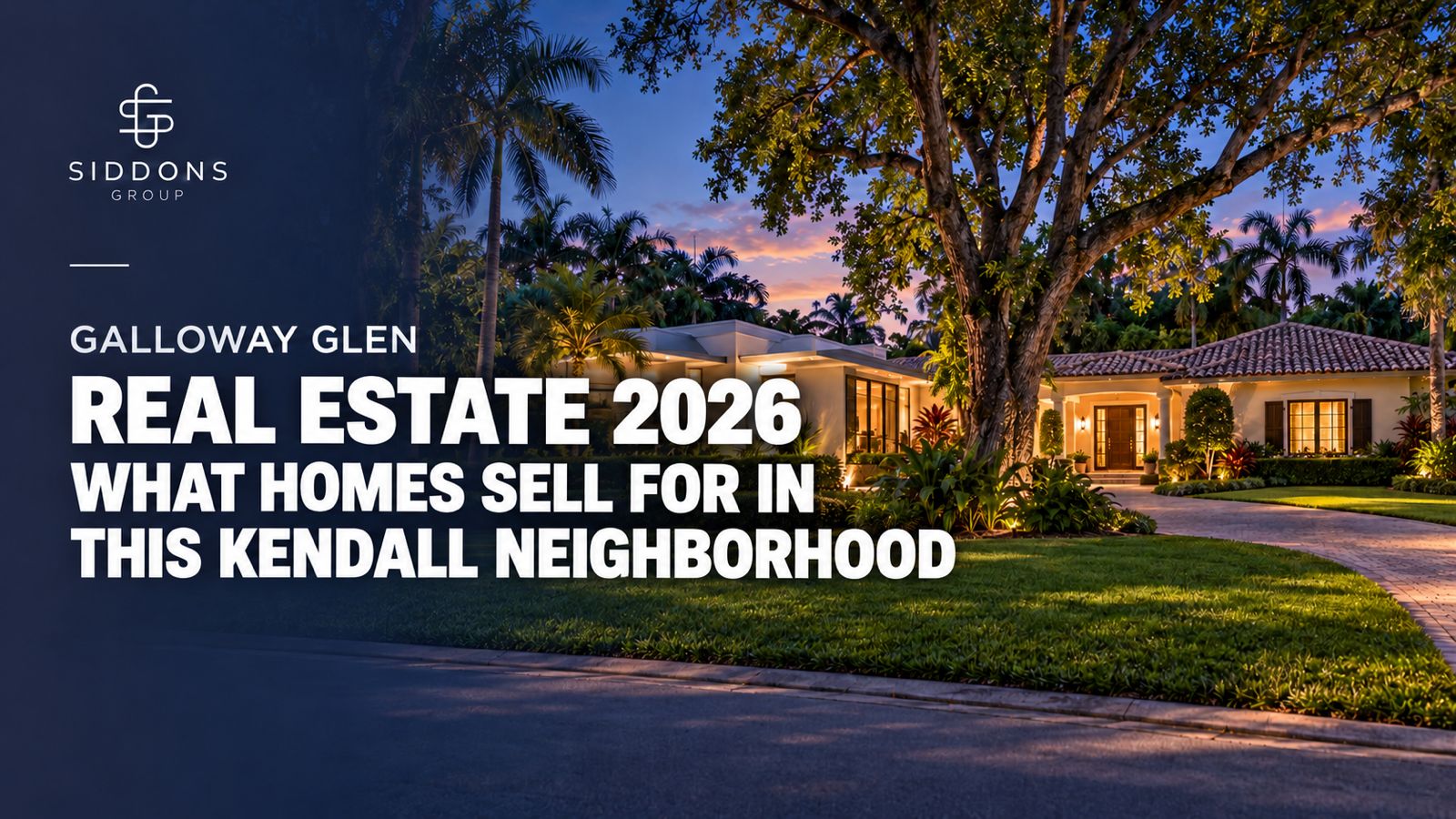
Galloway Glen Real Estate 2026: What Homes Sell for in This Kendall Neighborhood
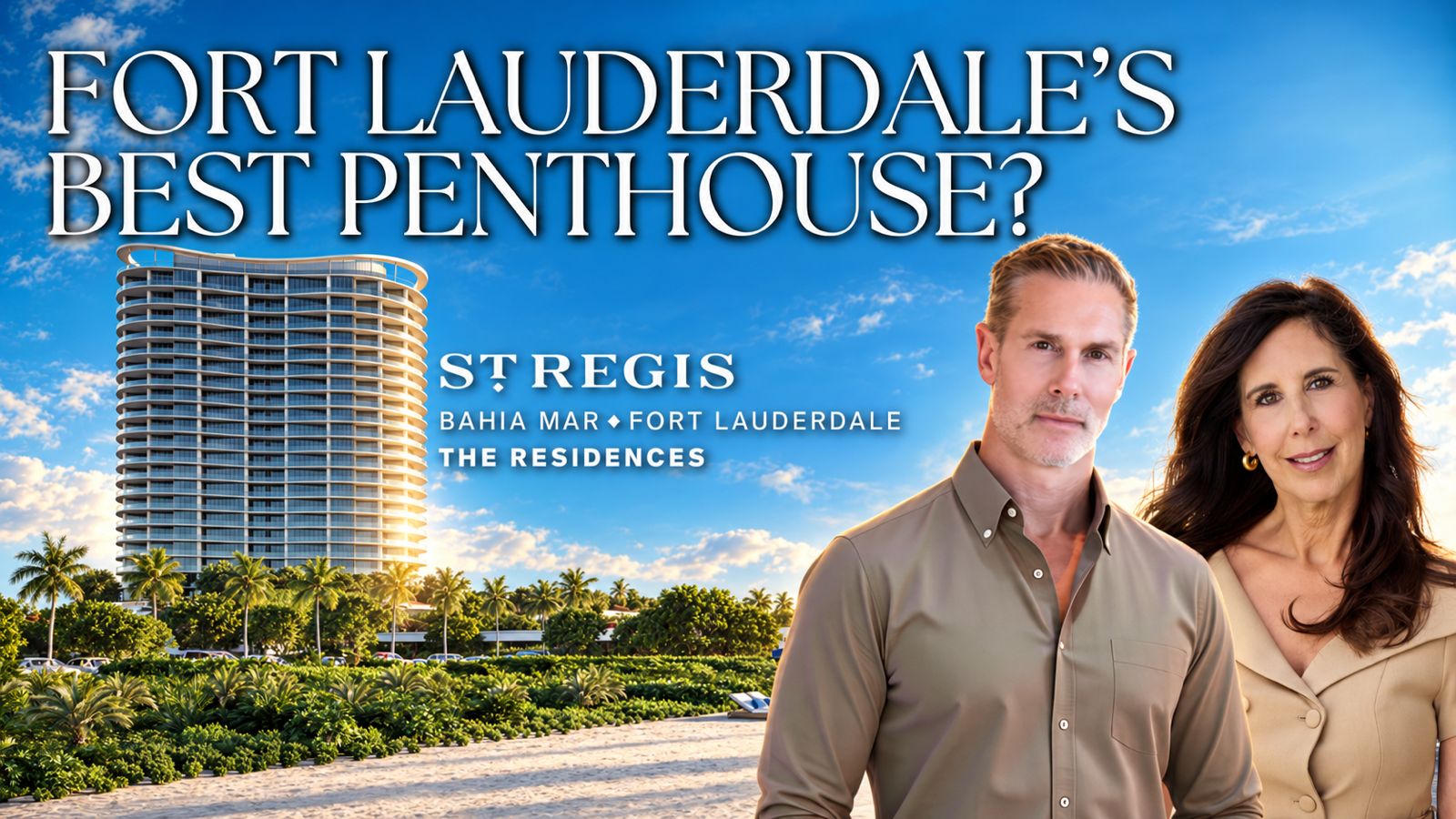
St. Regis Bahia Mar Penthouse Review: A $22M Fort Lauderdale Sky Home at Half the Price of Miami
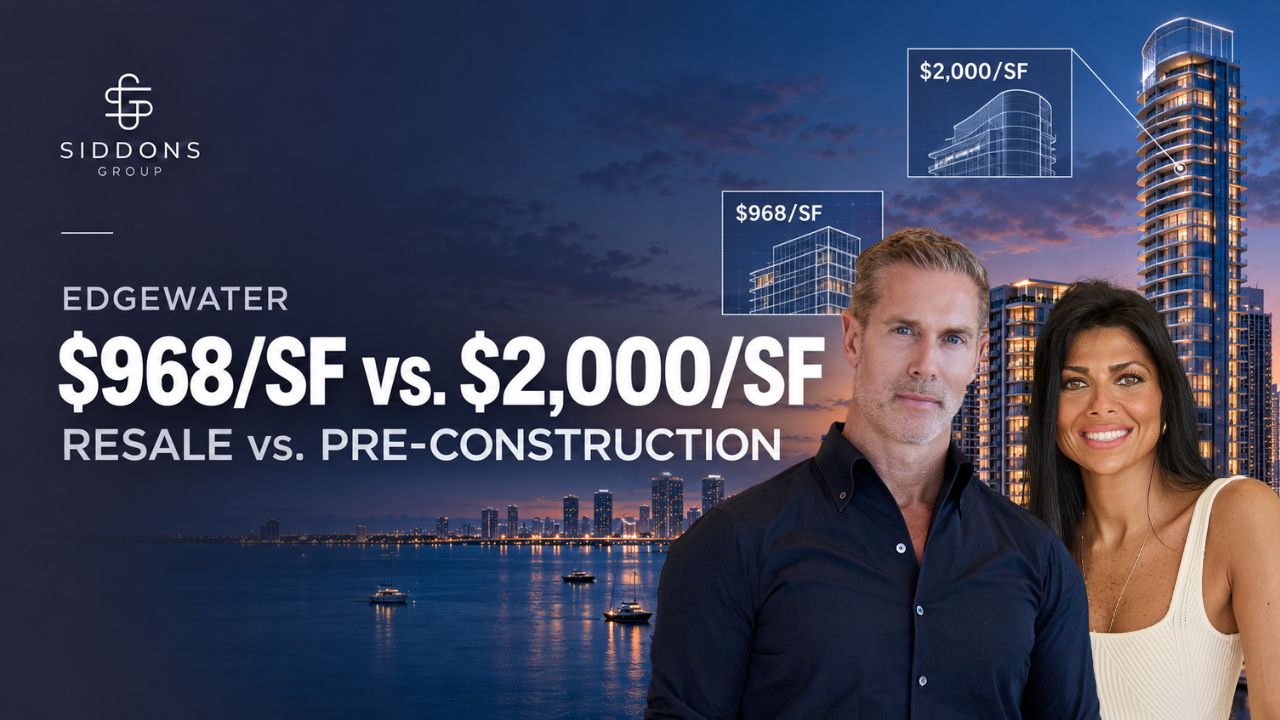
Edgewater Miami Condo Market 2026: $1M+ Resale at $968 a Foot vs. $2,000 for Pre-Construction

Buying or Selling a Condo in Litigation in South Florida: Red Flag or Opportunity?
The 2028 Brickell Condo Cliff: Which Buildings Are at Risk and Where Smart Money Is Moving

Should You Stage Your Home Before Selling? What 1,266 Agents and Two Studies Found
Fort Lauderdale Waterfront Homes in 2026

Greenview at Presidential Aventura
The Best Real Estate Agent in Ponce Davis
Pinecrest New Construction Is Appreciating 2x Faster Than Older Homes
Inside 1428 Brickell: Why Ytech Skipped the Hotel Brand to Build Brickell’s Best Finishes
Brickell’s Office Boom: What It Means for Luxury Housing in Coral Gables and Coconut Grove
Palmetto Bay Land Values Are Rising. Is Your Home Worth More as Land?

Killian Drive: Kendall’s Luxury New Construction Corridor Hits $1,000/SF
Please fill in your details and David Siddons will contact you

Search related videos

Are St. Regis Sunny Isles Residences Worth the Brand Premium?
Coral Gables Market Report 2025: What the Headlines Aren’t Telling You!
How David Siddons’ Power Team Drives Miami’s Luxury Market
Mid‑Year 2025 Coconut Grove Report: The Truth About What’s Selling Now
Brickell Mid‑Year Market Report 2025 | Is Brickell’s Luxury Market in Trouble?
Pinecrest Mid-Year Market Report 2025 | What’s Selling, What’s Sitting & Why
Miami Beach Condo Market Mid-Year Report 2025 | What Buyers & Sellers Need to Know
How to Lose $1M in The Miami Condo market | Top Mistakes That Cost Miami Condo Buyers Millions
The Well Project EXPOSED Coconut Grove’s Hottest Units
Miami Real Estate in 2025 Is NOT What You Think 😱 | Midyear Must Knows for Buyers & Sellers!
7 Things You Should Never Say to a Real Estate Agent in Miami!
Landmark Victoria Park Residence in Fort Lauderdale: Inside 420 NE 11th Ave 🌴✨
Luxury Living on 2355 S. Miami Ave | Fully Furnished 4-Bed Home w/ Resort-Style Pool 🏊
Is Mandarin Oriental Residences Miami a Smart Condo Investment? Prices, Floorplans, Views & Finishes


- Get our Newsletter
- Subscribe
- No Thanks
Get the latest news from Miami Real Estate News
Close
Edit Search
Close
2 of 14
Share this property
Recomend this to a friend, just enter their email below.
Close
Your email was sent successfully
Close
 COMPARE WITH CONDOGEEKS