















- Best of All
- Best Miami Luxury Condos
- Most popular
- Relocating to Miami
- Private Schools
- Investments
- Gated communities
- Waterfront information
- Luxury homes
- Luxury Condos
- New Construction Condos in South Florida
- Independent Pre-Construction condo reviews for Miami
- Independent Pre-Construction condo reviews for Fort Lauderdale
Coconut Grove, Coral Gables or Pinecrest? Ten Things Every Family Buyer Must Know Before Choosing
Most relocating families I meet are going it alone — scrolling Zillow, or arriving with an agent from New York or another Florida city they already know and trust. Both are a serious mistake. These markets carry significant off-market inventory that never touches a public portal, and Coconut Grove, Coral Gables and Pinecrest each have street-level pricing nuances you would simply never know about without being engaged locally. That gap in knowledge is exactly what separates families who secure the right home at the right price from those who overpay or miss entirely.
South Miami Corridor -- 2026
Which Neighborhood Is Right for Your Family?
Four distinct markets. Each one exceptional. Here is what separates them at the street level.
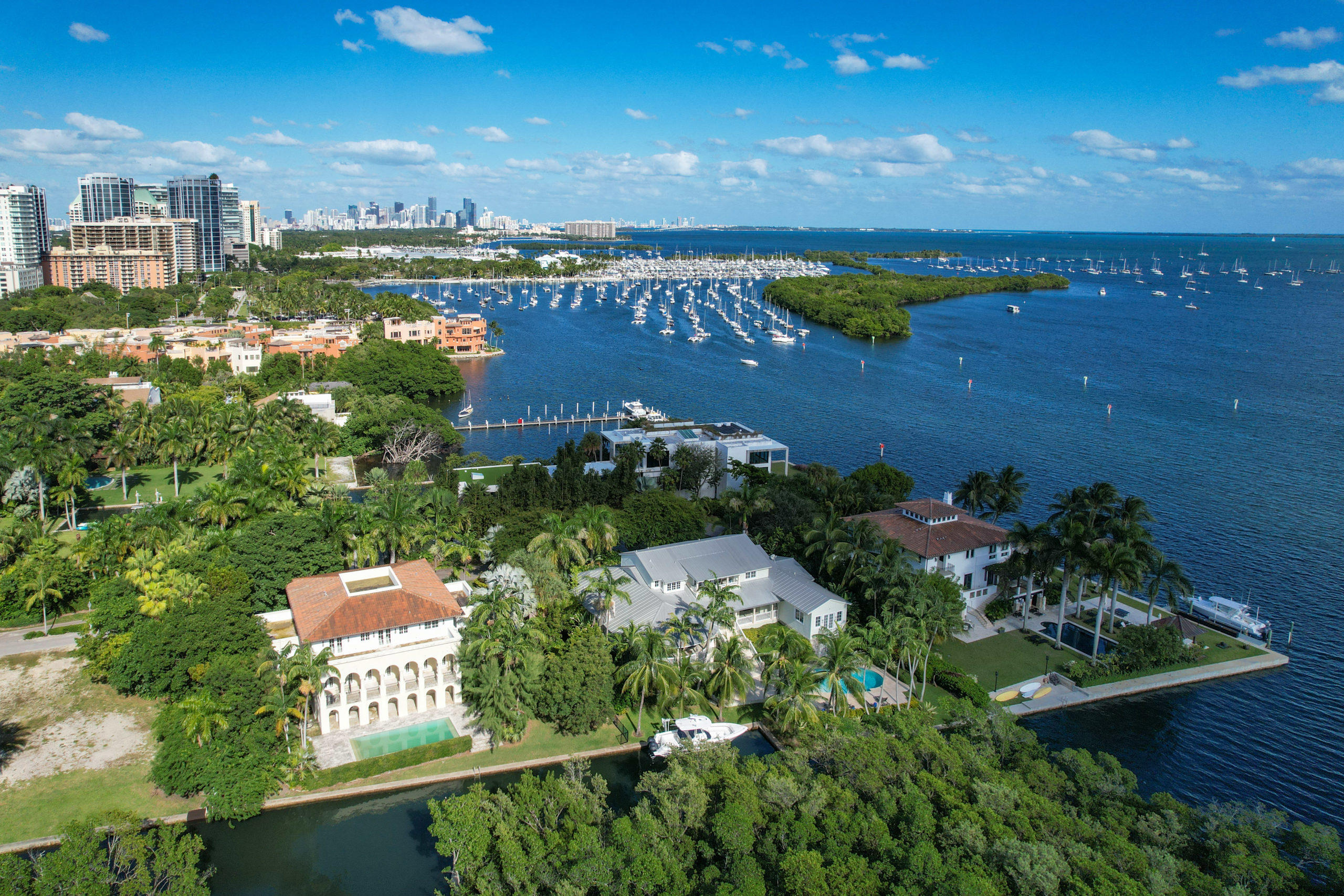 Coconut Grove
Coconut Grove
Walkable · Waterfront · Village Culture
~$2,000Per sq ft -- core streets
~20% offBusy corridor discount
Zoning: 80% lot coverage
Lots of 8,000 to 10,000 sq ft carry homes of 6,000 to 8,000 sq ft -- tight to property lines, heavy canopy overhead, minimal backyard. Dense, lush, and deliberately urban. Lifestyle happens at the front door.
Best for
Walkability, urban energy and waterfront access. Families who want to walk to Ransom Everglades and Carrollton School of the Sacred Heart from their front door.
Stands out for
The only neighborhood in South Florida where you can walk to two of its top private schools. Genuine village culture, bayfront proximity and a community identity found nowhere else in Miami. Camp Biscayne, The Moorings and Devon Court lead pricing in the micro-market.
Watch out for
Small lots, very large homes, heavy tree canopy -- less light, almost no usable backyard. Homes on LeJeune, Main Highway or Poinciana should carry a 20% discount vs quieter streets. If that discount is not in the asking price, you are overpaying.
Bottom line
Pay more, get less land, get maximum lifestyle and school proximity. The right call if walkability and energy matter as much as square footage.
Pay the premium, walk everywhere, accept the density.
Browse Coconut Grove Properties
 Coral Gables
Coral Gables
Prestige · Private Schools · Grand Boulevards
~$1,500East of US-1 (per sq ft)
~$1,200West of US-1 (per sq ft)
Zoning: 40% lot coverage
Larger lots, proportionally smaller homes, more usable yard, wide sidewalks and more natural light than the Grove. Ordered, open and civic -- a fundamentally different daily rhythm.
Best for
Families for whom private school access is non-negotiable. Buyers who want neighborhood prestige, structure and highly funded public services.
Stands out for
East of US-1 concentrates Ransom Everglades, Carrollton and Gulliver Preparatory in one corridor -- no other neighborhood clusters this school access so tightly. Gated options cover every lifestyle: Cocoplum and Old Cutler Bay for waterfront, Hammock Lakes for privacy without a marina. Gables Estates for ultra-luxury waterfront.
Watch out for
City millage adds meaningfully to your annual tax bill vs unincorporated areas. East and west of US-1 are two completely different markets in price and character -- do not treat them as one. The $300 per sq ft gap between the two sides is entirely school-driven.
Bottom line
The most school-driven market in the corridor. An east of US-1 address commands a premium that is entirely rational for families where private school placement is the priority.
School access and prestige, structured and ordered, higher tax cost.
Browse Coral Gables Properties
 Pinecrest
Pinecrest
Space · Value · Top Public Schools
~$1,500Top streets (per sq ft)
$3.5M -- $4MLand per acre
Zoning: 40% lot coverage
Same rule as Coral Gables -- but lots are exponentially larger, so the same 40% produces a completely different result. More land, more space, more privacy. Children have room to move in a way that is simply not possible in the Grove.
Best for
Families with middle or high schoolers. Buyers who prioritize lot size and quiet over walkability. Best value per square foot in the entire South Miami corridor.
Stands out for
Largest lots in the corridor at the lowest per-acre cost. Strong public schools -- Pinecrest Elementary and Miami Palmetto Senior High -- and nearby private options: Gulliver, Palmer Trinity and Columbus. West Suburban Drive sets the quality benchmark for the neighborhood.
Watch out for
No village center -- dining and retail require a drive to South Miami, Coconut Grove or Coral Gables. South of 120th Street, the commute to Brickell becomes meaningful and should factor into any decision. Generic spec-built homes in Pinecrest will not appreciate the way custom or gated product does.
Bottom line
The most land for the money -- but you trade lifestyle convenience for space. For families whose priorities are clear, it is the most rational choice in the corridor.
Maximum land for minimum price, quiet suburban lifestyle, drive for everything else.
Browse Pinecrest Properties
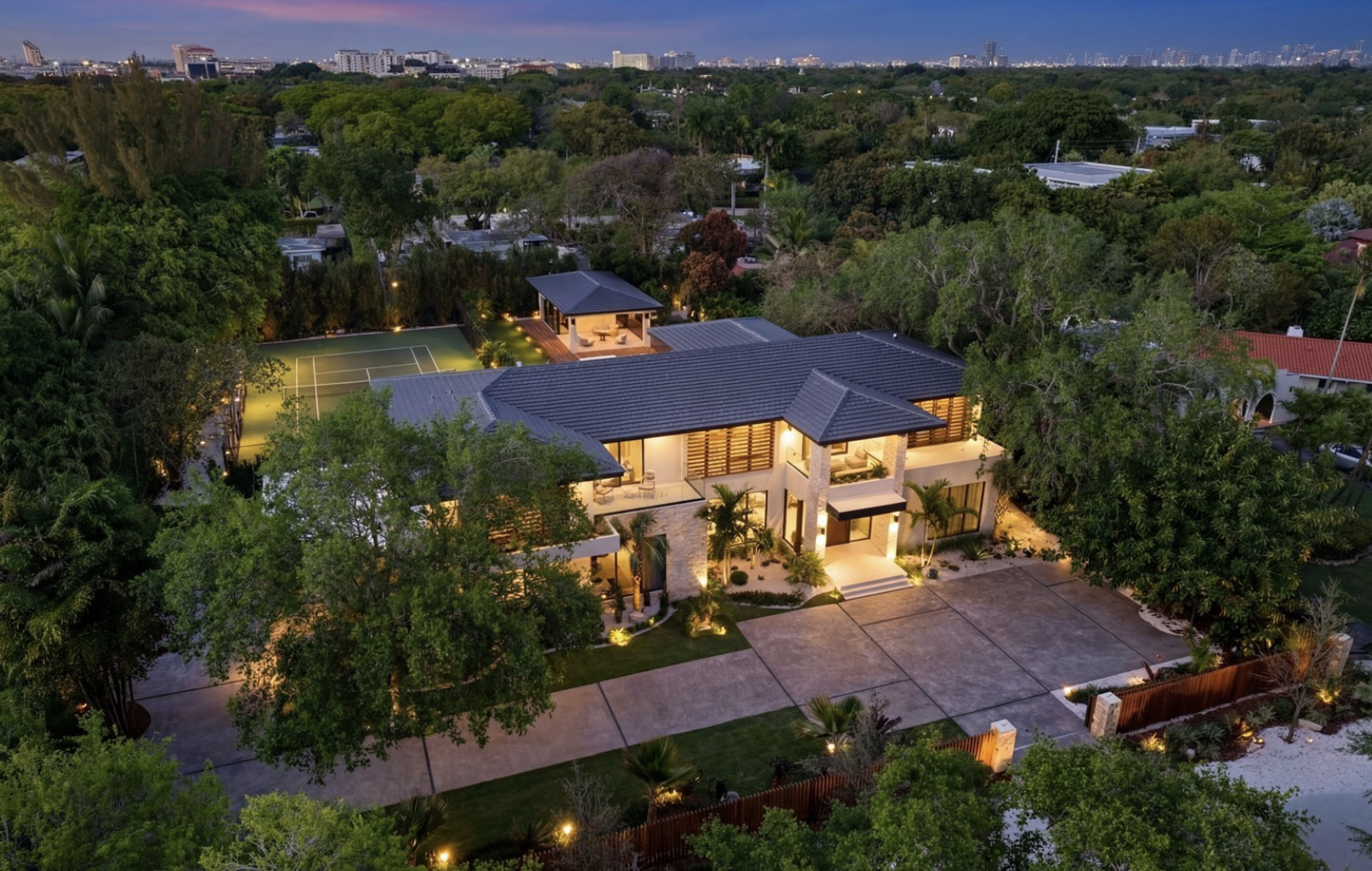 Ponce Davis
Ponce Davis
Estate Living · No City Tax · Leading Appreciation
$1,500 -- $2,000Per sq ft
~$8MLand per acre
Unincorporated Miami-Dade: No City Millage
No additional city tax vs Coral Gables -- a saving of tens of thousands annually on comparable properties. Lots frequently exceed 20,000 sq ft. Zero commercial activity. Mature canopy. True privacy. $20M+ homes exist here with no equivalent elsewhere on a dry lot.
Best for
Buyers who want estate living without the Coral Gables tax bill. Families who need serious land -- 20,000+ sq ft lots -- with full access to the Coral Gables school and lifestyle corridor.
Stands out for
Leading single-family price appreciation in the Miami corridor as of 2026. Five minutes to Coconut Grove, fifteen to Brickell, twenty-five to the beach. Immediately familiar to buyers arriving from London, New York or comparable cities. The tax saving vs Coral Gables is structural and recurring -- not a one-time advantage.
Watch out for
The best properties here move entirely off-market and rarely appear on Zillow or any public portal. Land at $8M per acre is not cheap -- but the annual tax saving partially offsets the premium vs Coral Gables at comparable price points. Without local relationships, you will not access this market.
Bottom line
The discovery that changes the calculation for many buyers. Estate land, top location, lower ongoing tax cost and the strongest appreciation trend in the corridor.
The best-kept secret: estate land, Gables location, lower taxes, strongest appreciation.
Browse Ponce Davis Properties
1. In Coconut Grove, walkability to the right schools sets the price — not the zip code
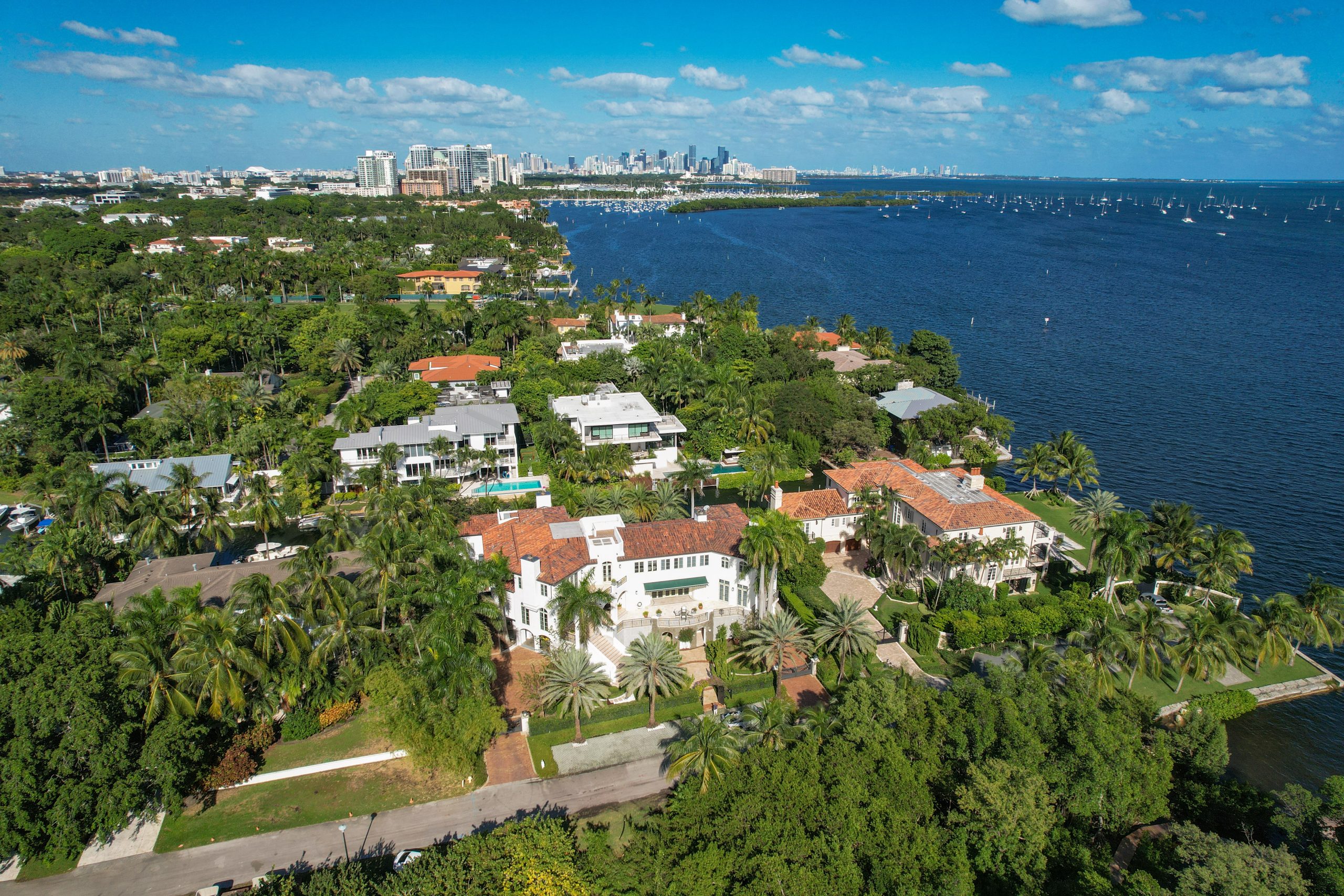
The single biggest pricing driver in the Grove is not the size of the home. It is proximity to Ransom Everglades and Carrollton School of the Sacred Heart. The closer a property sits to either school campus and the walkable core of Coconut Grove, the higher the price climbs. Camp Biscayne, The Moorings and Devon Court represent the most expensive micro-markets in the Grove because of exactly this dynamic.
Homes on the neighborhood’s busiest corridors (LeJeune, Main Highway, Poinciana) should carry a discount of approximately 20% against comparable properties on quieter streets. If that discount is not visible in the asking price, the seller is counting on you not knowing the local pricing logic.
Browse Homes in Coconut Grove gated communities on luxlifemiamiblog.com.
2. In Coral Gables, one road divides two completely different price tiers: US-1
Coral Gables east of US-1 and Coral Gables west of US-1 are, for practical purposes, two different markets. East of US-1, new construction runs at approximately $1,500 per square foot. West of US-1, comparable quality new construction comes in around $1,200 per square foot.
That $300 delta exists for one reason: Ransom Everglades, Carrollton and Gulliver Preparatory are all located east of US-1. For families with private school placement as a non-negotiable, east of US-1 is the only conversation that matters — and the market prices that accordingly.
3. If your family needs land, the search starts in Ponce Davis
For families who genuinely require outdoor space — a real yard, a serious pool, privacy — the conversation moves to Ponce Davis, which sits between the Gables and Pinecrest. Land here runs approximately $8 million per acre, and new homes are priced between $1,500 and $2,000 per square foot. There is no equivalent for lot size in this corridor at any lower price point.
Explore Ponce Davis homes on luxlifemiamiblog.com.
4. Pinecrest delivers the most value for families with older children
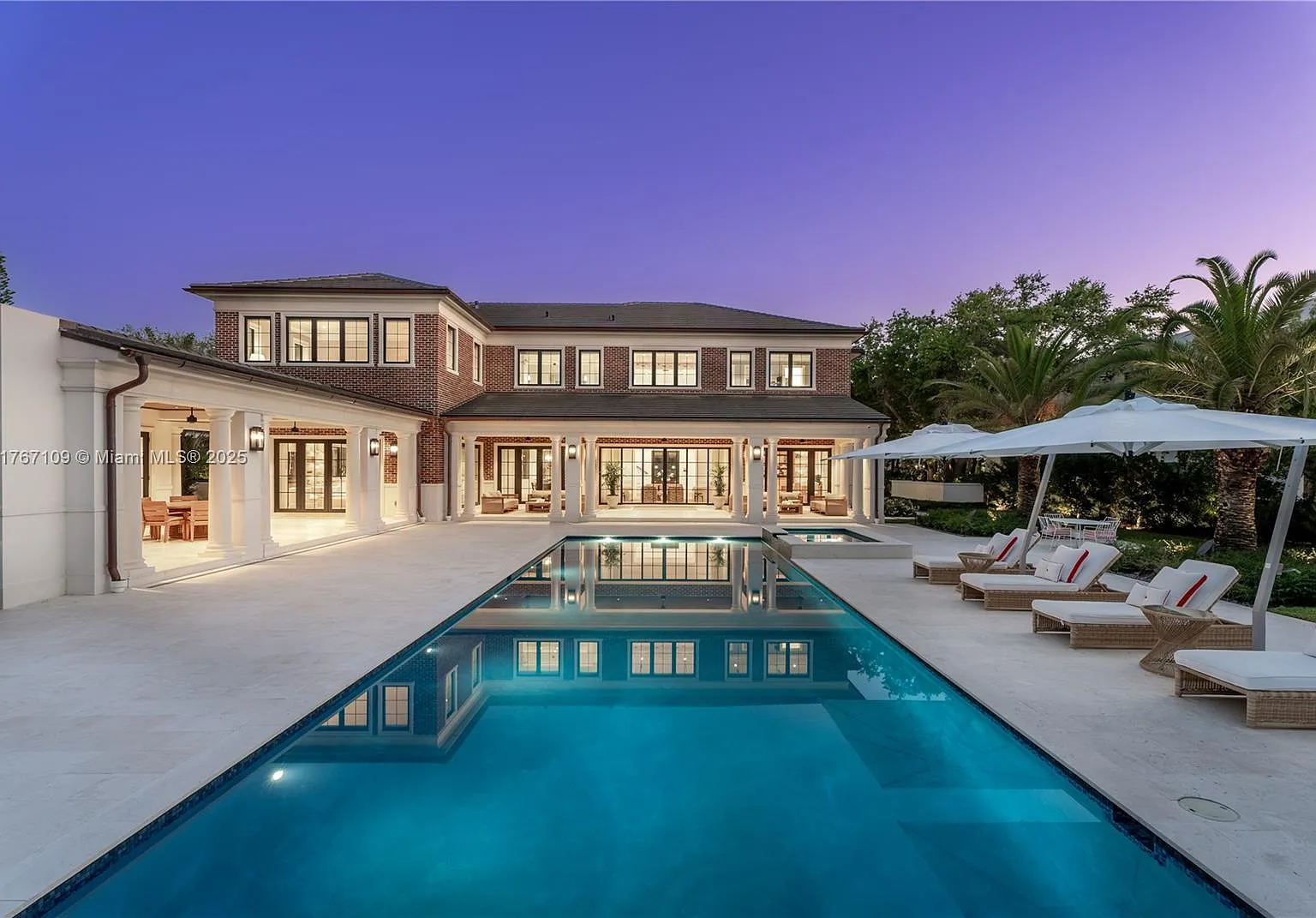
For families with middle or high schoolers — where lot size matters more than being walking distance from a lower school — Pinecrest consistently delivers the best value in the corridor. The best streets cluster around West Suburban Drive, with land values in the $3 to $4 million range. North Pinecrest gives easy access to South Miami’s shops and restaurants without the premium attached to the Grove or Gables.
For families who do not need a large lot (under 12,000 square feet) but want proximity to both corridors, High Pines and South Miami offer a rarely-discussed alternative — positioned precisely between Coral Gables and Pinecrest, and frequently overlooked by buyers arriving from out of state.
Book a Call with David
30 minutes with David will save you months of research.
These markets move fast and carry nuances that portals and out-of-town agents simply do not see. One direct conversation covers pricing logic, off-market inventory, school access and neighborhood fit -- everything you need to make a confident decision.
5. In Pinecrest, your address on the map is your price point
The further south you go in Pinecrest, the more accessible the pricing. The practical dividing line is 120th Street. North Pinecrest commands a premium. South Pinecrest is more accessible — with top prices across Pinecrest running around $1,500 per square foot. Whether the commute trade-off of living south of 120th works for your family’s school run and schedule is worth calculating before you fall in love with a home at the wrong end of the neighborhood.
6. The best homes in all three markets are off-market
There are approximately 386 new homes currently under construction or recently completed across these three neighborhoods. Most will never appear on Zillow, Realtor.com or any public portal. They circulate within a closed network of local agents who maintain active developer and seller relationships. Buyers relying solely on public portals — particularly those working with an agent from outside Miami — are seeing a fraction of what is actually available. Learn more about our Miami Off-Market listings here.
We have compiled this list. It is available exclusively to registered clients.

Bonus: Two Neighborhoods Most Buyers Overlook: Ponce Davis and High Pines
While Coconut Grove, Coral Gables and Pinecrest tend to dominate the conversation, two of the most compelling options for relocating families sit quietly between them and rarely get the attention they deserve. Ponce Davis is, for many of our clients, the discovery that changes everything. Tucked between Coral Gables, South Miami and Pinecrest, it offers true estate living — lots frequently exceeding 20,000 square feet, mature canopy trees, zero commercial activity, and a level of privacy that is genuinely rare in this city. New construction runs between $1,500 and $2,000 per square foot, land is approximately $8 million per acre, and because Ponce Davis sits in unincorporated Miami-Dade, there is no city millage on top of county taxes — a meaningful saving compared to Coral Gables at similar price points. As of 2026 it leads single-family appreciation in the corridor. The best properties move off-market and rarely surface on public portals. Explore Ponce Davis homes here. For families who want the same proximity without the land premium, High Pines offers new construction, tree-lined streets and a real neighborhood feel at prices still well below the Gables — and it remains one of the most undervalued pockets in South Miami for buyers coming from outside the market. Browse High Pines homes here.
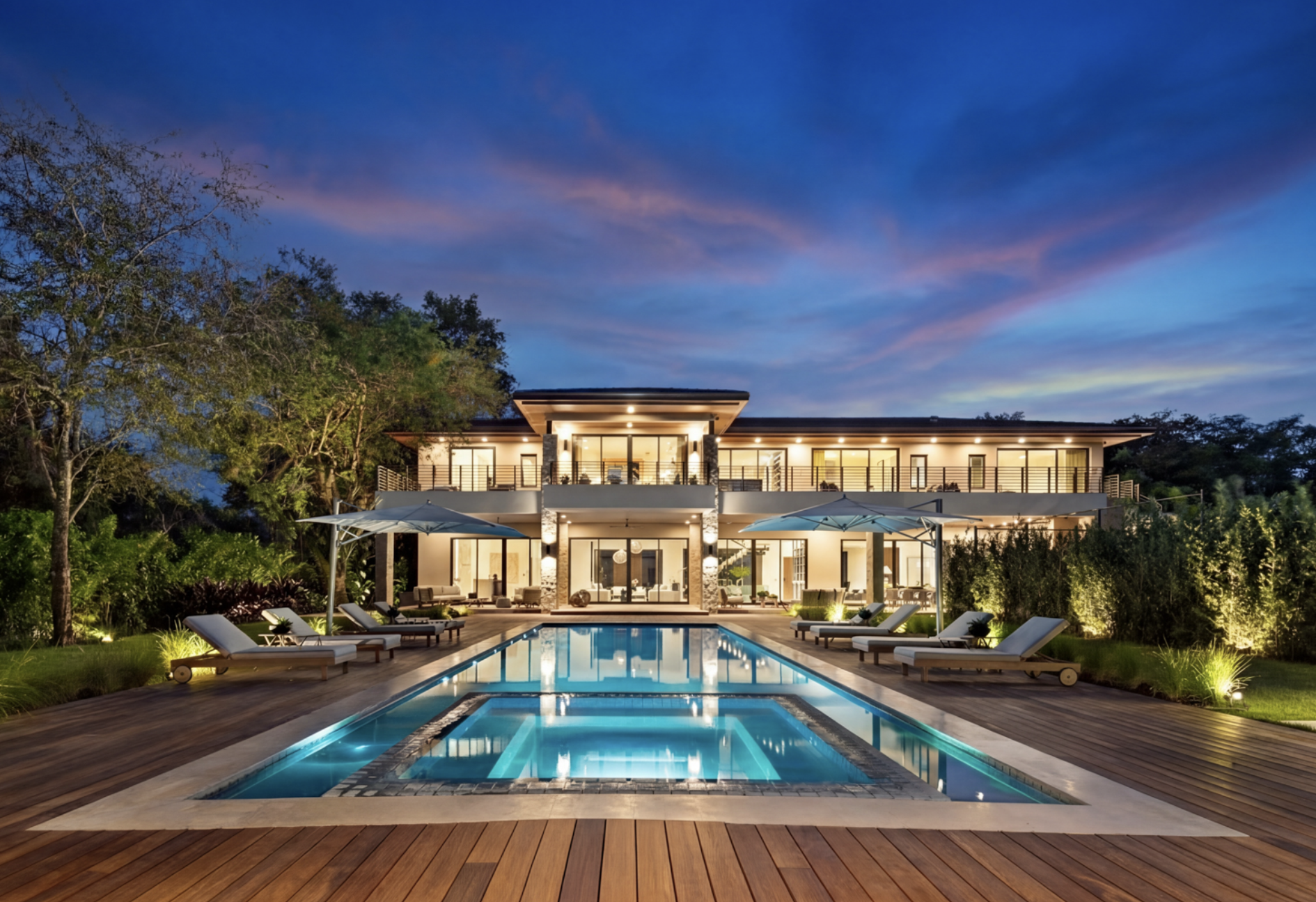
The David Siddons Group just put this spectacular brand new custom home in Ponce Davis under contract.
7. Gated communities in Coral Gables serve very different lifestyle needs
For families who want the added privacy and security of a gated environment — somewhere children can move freely — the options in Coral Gables each serve a distinct purpose. If waterfront access and boating are part of how your family lives, the conversation centers on Cocoplum, Gables Estates or Old Cutler Bay. If you want the security and privacy of a gated community without the water premium, Hammock Lakes is where that search starts.
Browse Coral Gables gated community properties on luxlifemiamiblog.com.
8. The zoning rules in each neighborhood determine what your home actually looks like
In Coconut Grove, you can build on up to 80% of your lot. The result is exactly what you see when you drive through: small lots of eight to ten thousand square feet carrying homes of six, seven, even eight thousand square feet, tight to the property lines, canopy closing overhead, little backyard to speak of. If outdoor space, light and room for children to move freely matters to your family, the Grove will feel constrictive regardless of the price tag.
In Coral Gables, the city limits construction to 40% of the lot. Homes sit on more land, yards are more usable, there are sidewalks, and the overall feel is more open. Pinecrest follows similar rules to Coral Gables but on lots that are exponentially larger — which is why a comparable budget buys a fundamentally different lifestyle the further south you go.
Before you fall in love with a floor plan, understand which zoning envelope it was built inside. The number of square feet in the house is only part of the picture.
9. Moving to Miami is more than a real estate decision
For most relocating families, private school placement is the first anxiety — and it is entirely manageable with the right timing and introductions. The path into Ransom Everglades, Carrollton, Gulliver, Palmer Trinity or St Thomas exists. It just needs to start earlier than most families assume and requires conversations that go well beyond submitting an online application. We have interviewed heads of schools, worked with educational consultants throughout the corridor and explored newer options such as Alpha School and we can walk you through the process directly. Access our private school guide for relocating families on luxlifemiamiblog.com.
What surprises families more is everything that comes after enrollment. You are not just buying a house — you are buying into a social fabric. Whether that fabric exists for your family in the right form will determine whether you thrive here or spend the first two years feeling like long-term tourists. Gyms, padel courts, tennis clubs, private members clubs, weekend restaurant culture, the social life that forms around your children’s school — all of it shapes the experience of actually living here and differs meaningfully depending on which neighborhood you choose.
Private School Placement
Navigating Miami's private schools is easier than you think -- with the right guidance.
Get in touch and we will walk you through everything.
10. The luxury market is not pausing for anyone
The $3 to $8 million segment across these three neighborhoods is stable and measured. Above that, particularly in the new construction segment, the market is the most active it has been in years. Buyers who are watching and waiting consistently find that the property they were considering has sold, and the next comparable has come in higher.
For a full analysis of how Coconut Grove, Coral Gables and Pinecrest have each performed over the past 12 months — including price-per-square-foot trends and days on market — [access the market report on luxlifemiamiblog.com].
One final thing: you can drive through all three neighborhoods in 20 minutes
Coconut Grove, Coral Gables and Pinecrest are geographically compact. On a relaxed weekend morning, you can drive through all three in 20 to 30 minutes. During the school run, that changes considerably — which is itself a piece of local knowledge that shapes how families need to think about which neighborhood actually fits their daily rhythm.
What I hope these ten points convey is not just familiarity with the geography, but genuine fluency in the numbers. I do not manage this market from a distance. I live it every day, alongside my own two children, in the same schools and neighborhoods I am describing.
If your family is considering a relocation to Miami and you want an honest picture of what the market looks like right now — not what the portals show — let’s connect. My number is 305.508.0899 and my email is [email protected].. The families who move quickly and with the right local intelligence are the ones who secure the best homes.
FAQ
These are the most commonly Miami Real Estate Related questions
What are the lifestyle differences between Coconut Grove, Coral Gables and Pinecrest?
This is the question I get asked more than any other, and it is the right place to start.
Coconut Grove is the most urban of the three. It has walkability, a genuine village center, waterfront culture and an energy that the other two do not replicate. Families here tend to value being close to cafes, weekend markets, the bay and the arts scene. The trade-off is density and noise on the busiest corridors.
Coral Gables is more formal. Wider avenues, Mediterranean architecture, a strong civic identity and some of the most coveted private school access in South Florida. Families in the Gables tend to be school-focused, often career-driven and drawn to the neighborhood’s sense of prestige and order.
Pinecrest is the quietest of the three — suburban in the best sense of the word. Large lots, wide streets, a slower pace. Families here tend to prioritize space and a strong school district without the price premium of the Gables. It attracts buyers who want the lifestyle without the posturing.
How to evaluate school districts before buying in Coconut Grove, Coral Gables or Pinecrest
Private school access is the dominant factor in all three neighborhoods, but it works differently in each.
In Coral Gables, being east of US-1 keeps you within reach of the three most sought-after private schools in South Florida. In the Grove, walkability to those same campuses (Ransom and Carrollton) is embedded into property values at the street level. In Pinecrest, the public school district (Miami-Dade’s top-rated Pinecrest Elementary and Miami Palmetto Senior High) is a genuine differentiator for families who want excellent schooling without navigating private school admissions.
Getting children enrolled in Miami’s top private schools as part of a move is competitive but entirely achievable with the right guidance and timing. We have interviewed heads of schools and educational consultants throughout this corridor and compiled what we know into a guide for relocating families. [Access the private school guide on luxlifemiamiblog.com.]
What are property taxes like in Coral Gables compared to the other neighborhoods?
All three neighborhoods sit within Miami-Dade County, so buyers pay both county and city millage rates. Coral Gables carries an additional city millage on top of the county rate, which means the effective property tax rate in the Gables is modestly higher than in unincorporated Pinecrest or in Coconut Grove. Florida’s homestead exemption reduces the assessed value for primary residence buyers, which softens the impact for full-time residents.
As a general rule: factor property taxes into your cost-per-year calculation, not just your purchase price. For buyers comparing east Coral Gables at $1,500 per square foot against west Coral Gables at $1,200, the tax difference compounds the price gap over time. A full breakdown specific to your target properties is something we walk through with every client.
What are the key neighborhood features to check before buying in these areas?
Beyond price per square foot, there are four things I tell every buyer to evaluate before committing:
School access by address, not by neighborhood. School zoning and private school proximity operate at the street level here. A few blocks can mean a $300 per square foot difference or a different school catchment entirely.
Commute during school hours. These neighborhoods are 20 to 30 minutes apart on a Sunday morning. During school drop-off, that changes substantially. Drive the route at the right time of day.
Gated community versus open street. Coral Gables offers gated options (Cocoplum and Old Cutler Bay for water access; Hammock Lakes for privacy without the marina premium) that carry both a lifestyle value and a pricing premium. Understand what you are buying before comparing across property types.
Social infrastructure. The right neighborhood for your family is not only about schools and square footage. Gyms, padel courts, tennis clubs, restaurant culture, private members’ clubs and school community social life all shape whether a family settles here quickly or spends two years feeling like visitors. We have put together a curated “socially essential” guide for this exact reason. Contact us to receive it.
WHY WORK WITH DAVID? THINGS YOU SHOULD KNOW...
For all our analytics we are agents driving some very unique and advanced tech. We Provide a granular and custom experience that empower our clients with the insight and tools to understand the most complex behaviors of any local markets.
-
Analytical
Over 100 reports produced to date
-
Knowledgeable
Over 1800 published articles and counting


Related Articles
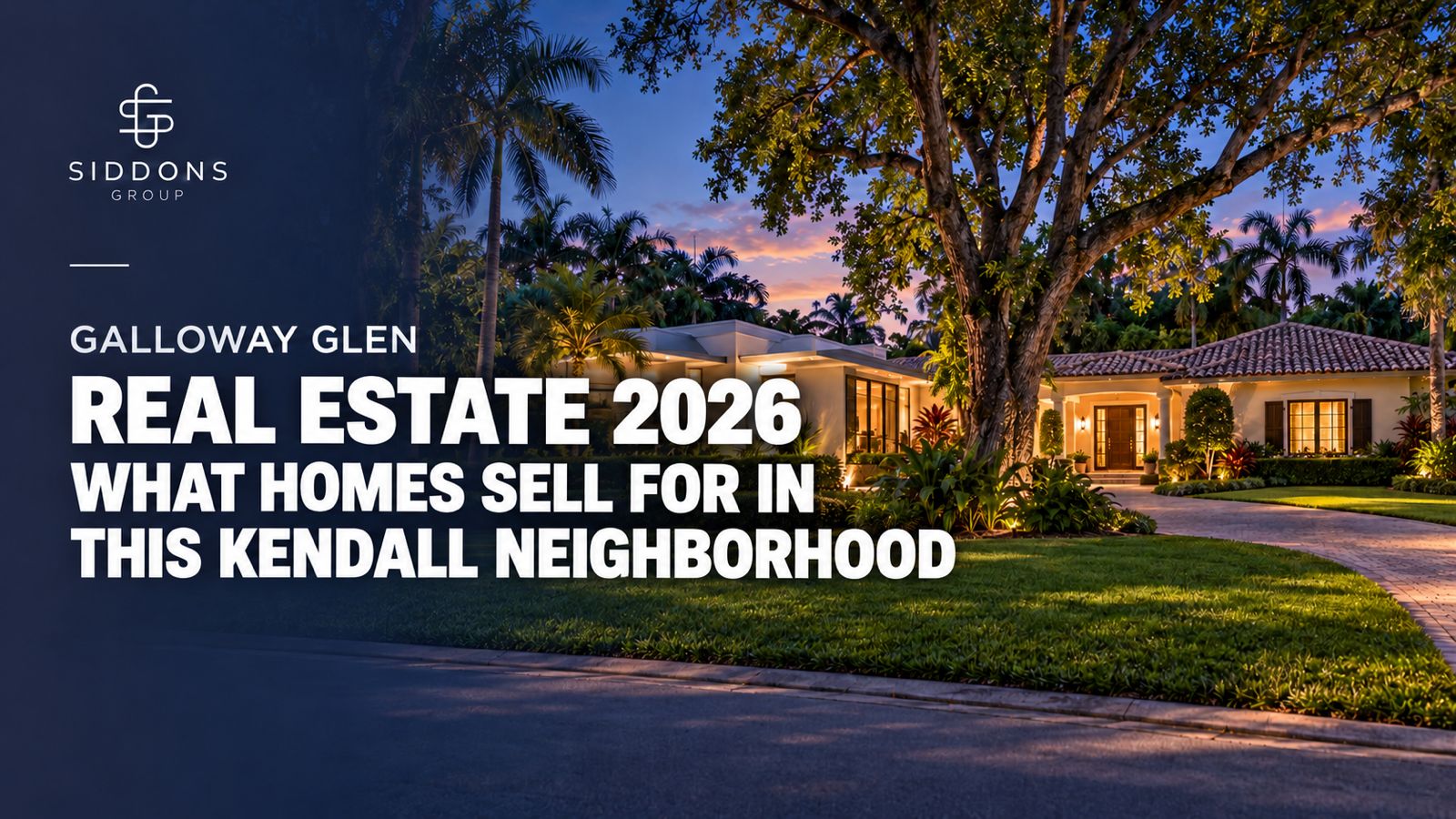
Galloway Glen Real Estate 2026: What Homes Sell for in This Kendall Neighborhood
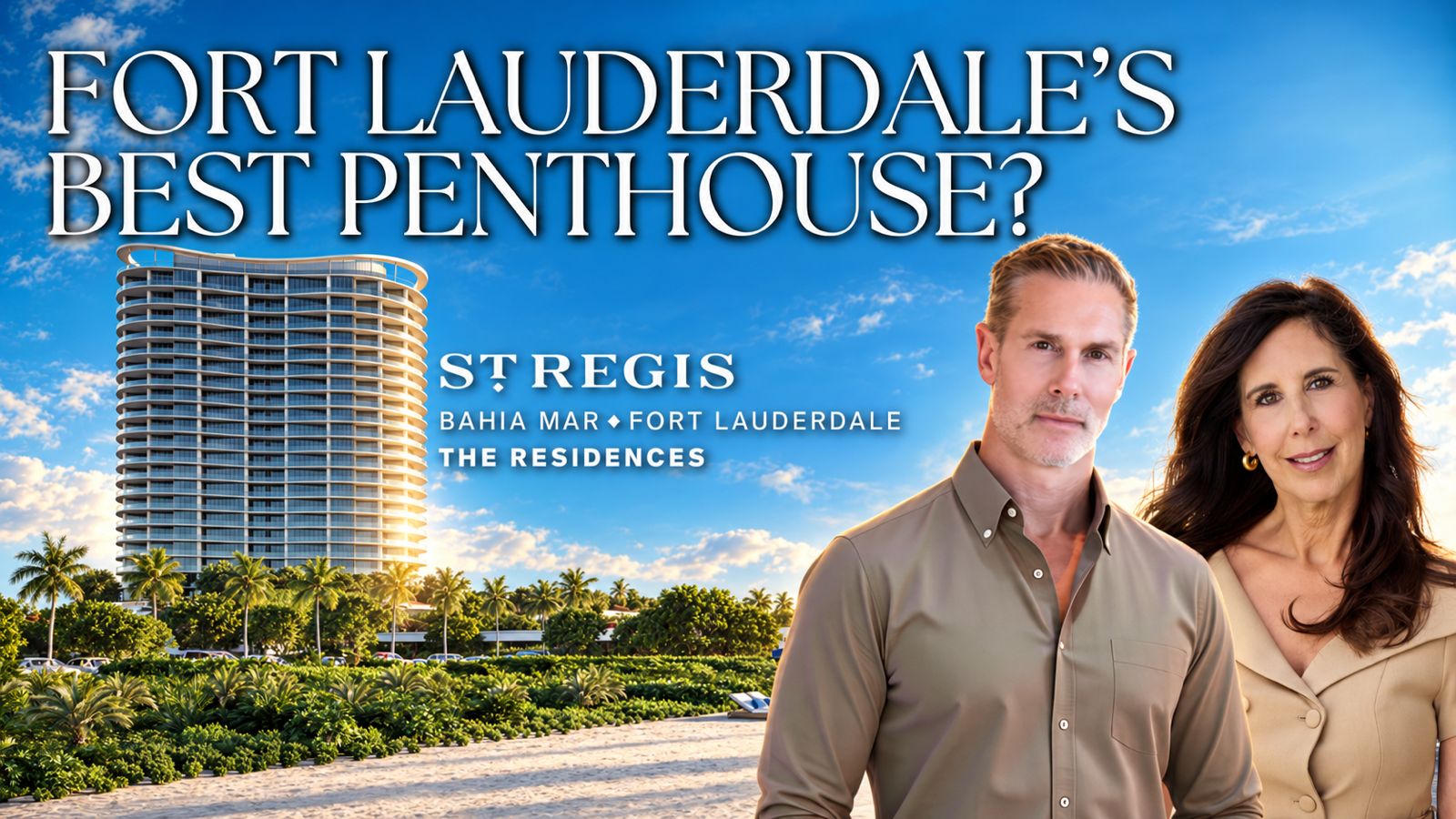
St. Regis Bahia Mar Penthouse Review: A $22M Fort Lauderdale Sky Home at Half the Price of Miami
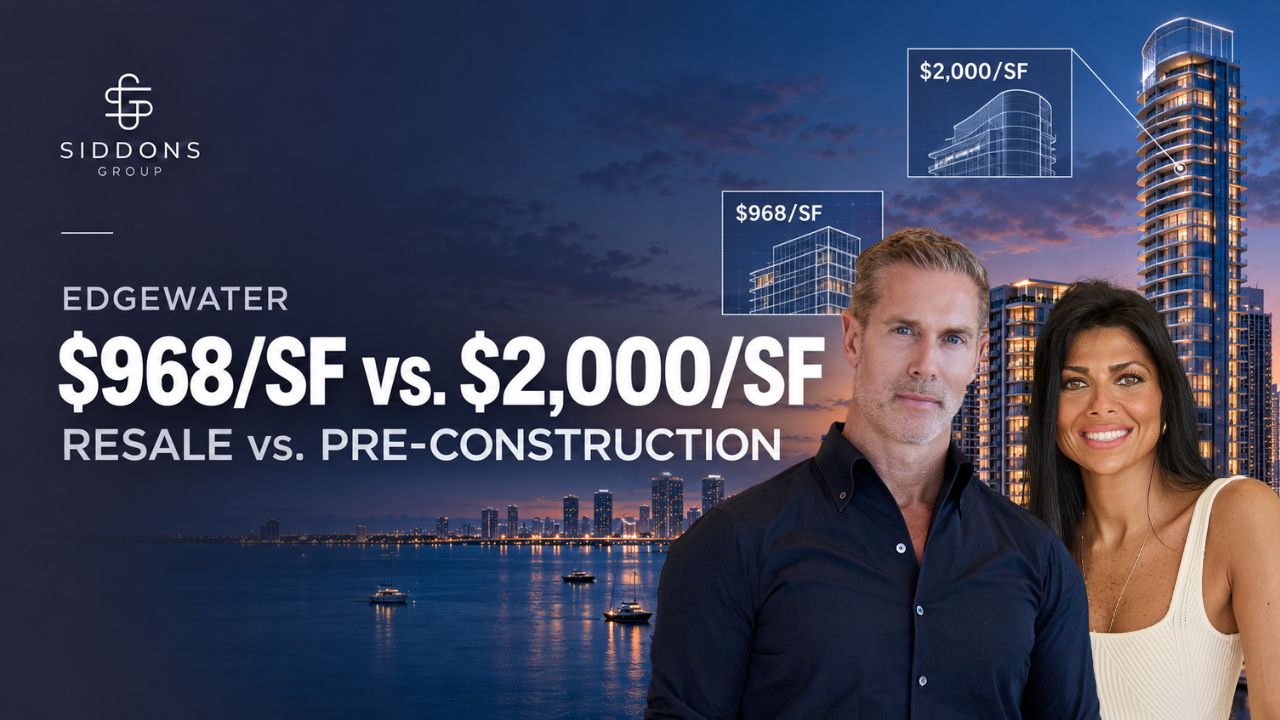
Edgewater Miami Condo Market 2026: $1M+ Resale at $968 a Foot vs. $2,000 for Pre-Construction

Buying or Selling a Condo in Litigation in South Florida: Red Flag or Opportunity?

The 2028 Brickell Condo Cliff: Which Buildings Are at Risk and Where Smart Money Is Moving

Should You Stage Your Home Before Selling? What 1,266 Agents and Two Studies Found
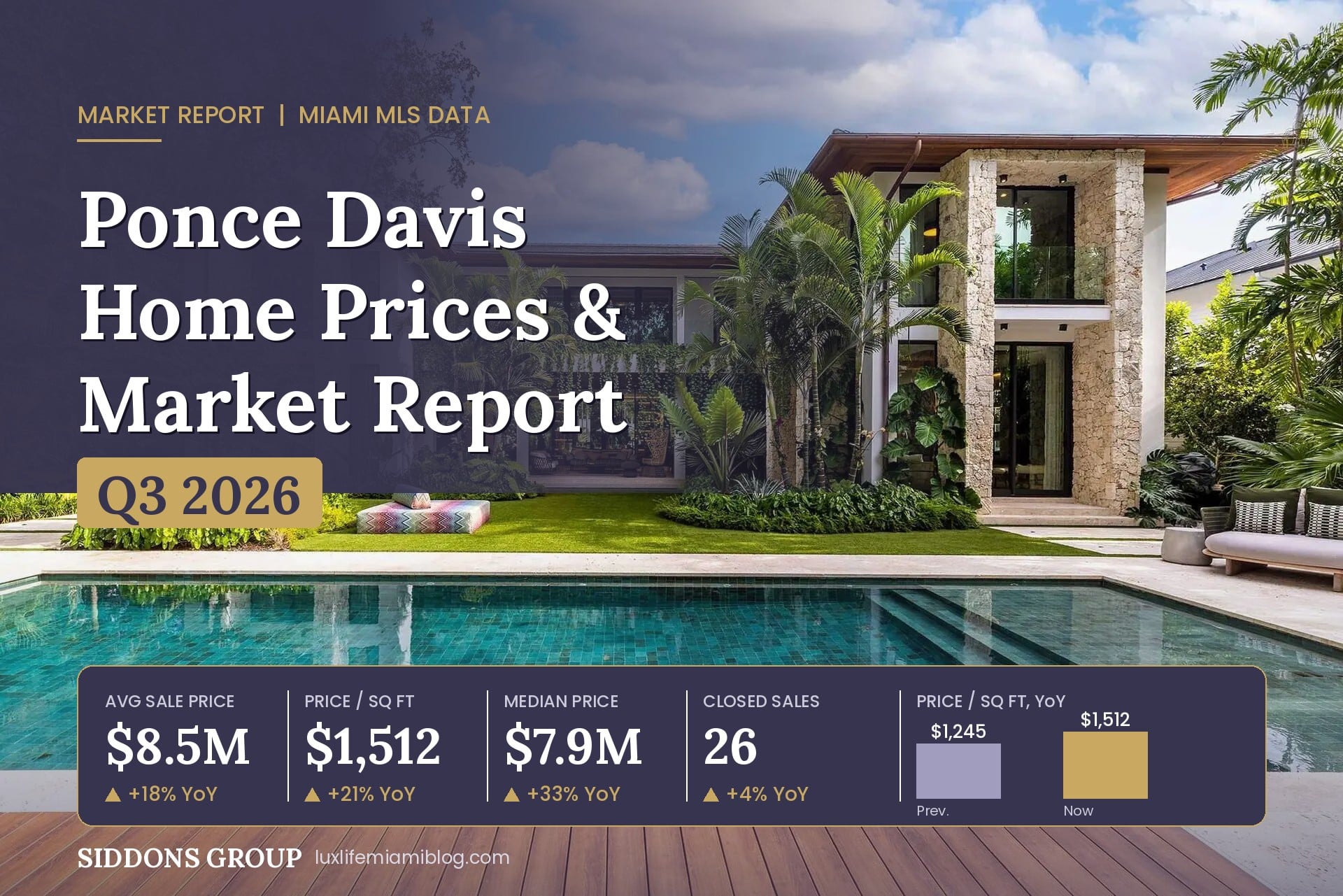
Ponce Davis Home Prices & Market Report: Q3 2026
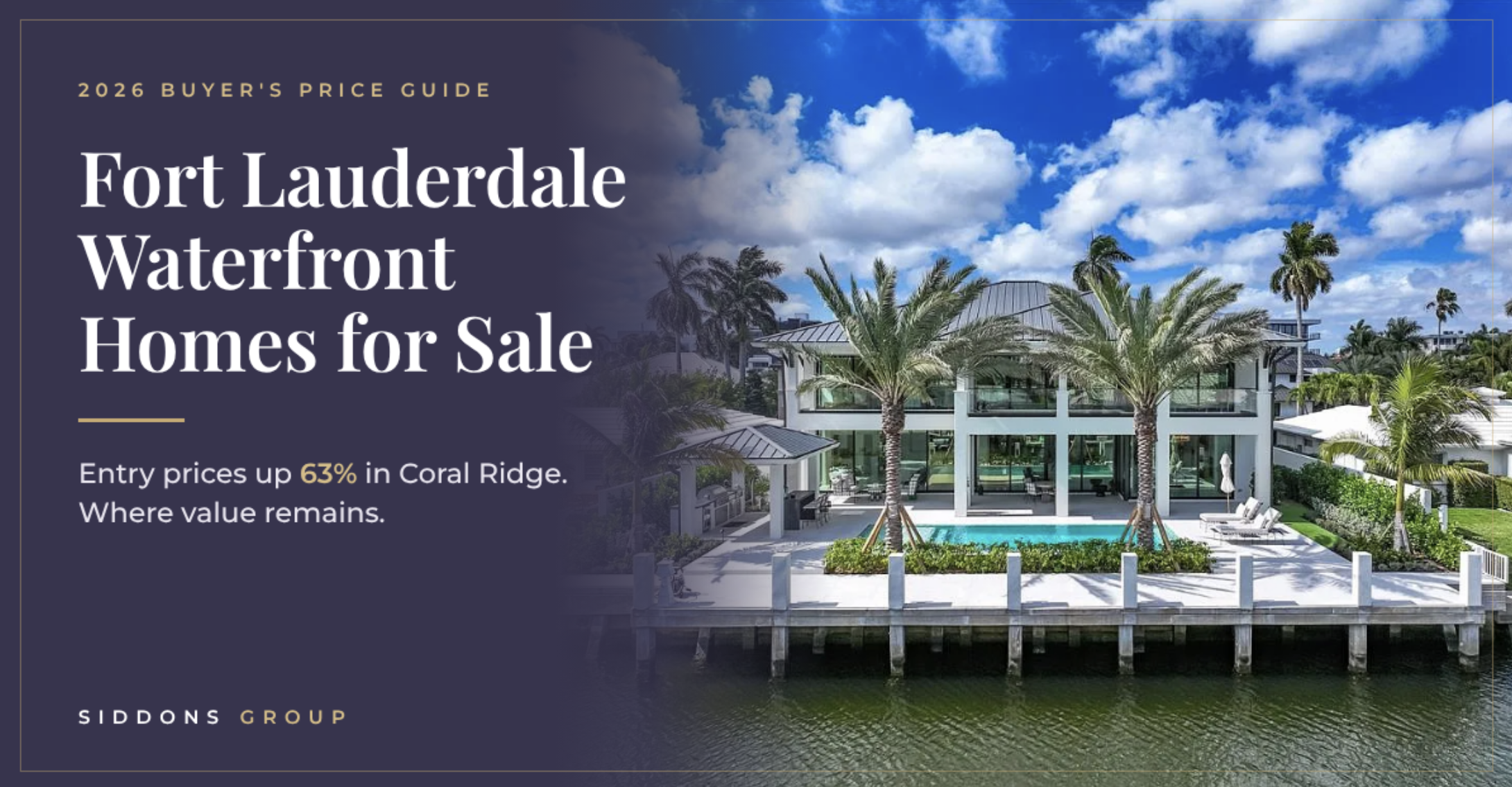
Fort Lauderdale Waterfront Homes in 2026

Greenview at Presidential Aventura
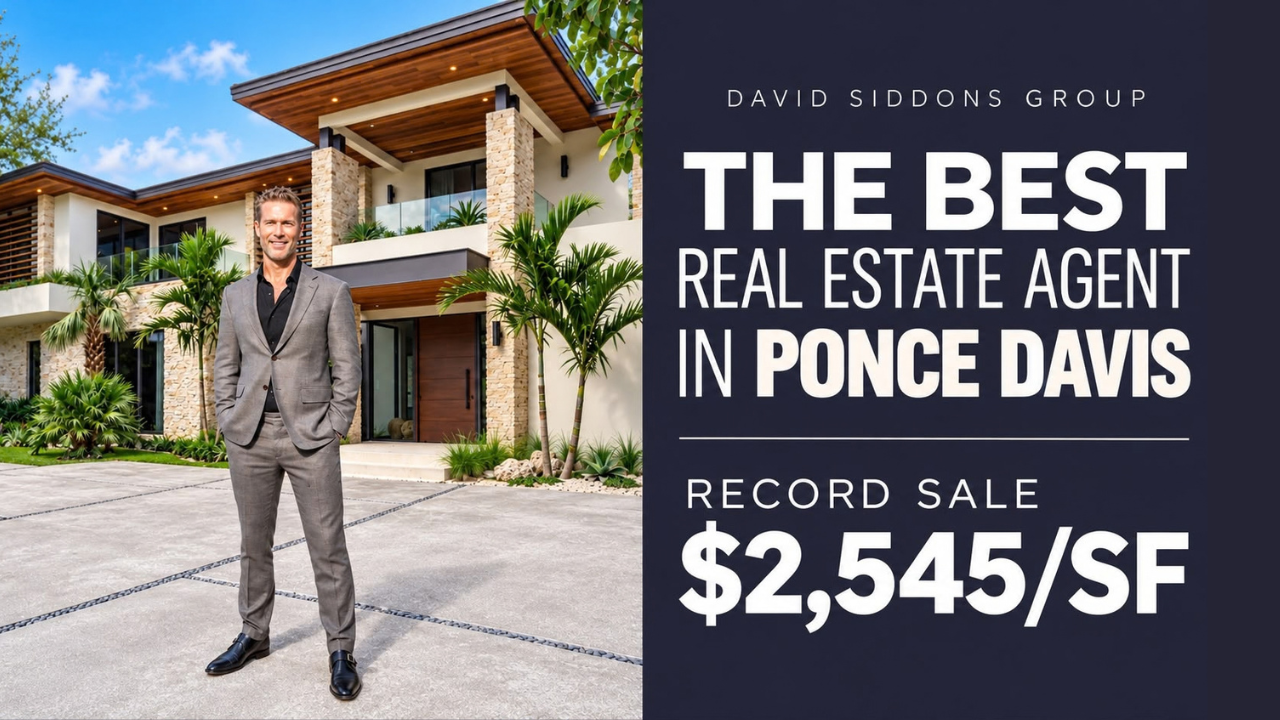
The Best Real Estate Agent in Ponce Davis
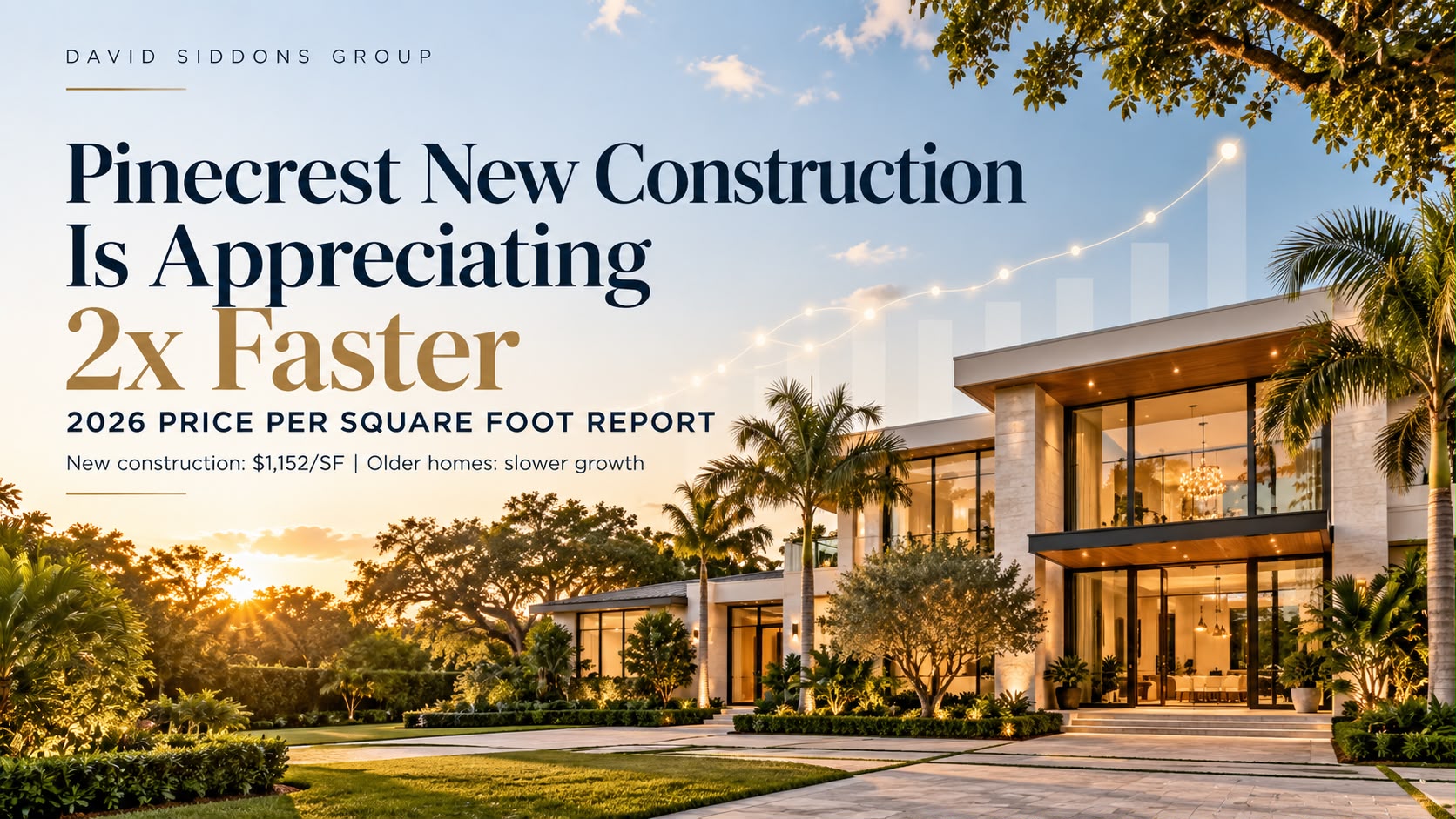
Pinecrest New Construction Is Appreciating 2x Faster Than Older Homes

Inside 1428 Brickell: Why Ytech Skipped the Hotel Brand to Build Brickell’s Best Finishes
Brickell’s Office Boom: What It Means for Luxury Housing in Coral Gables and Coconut Grove
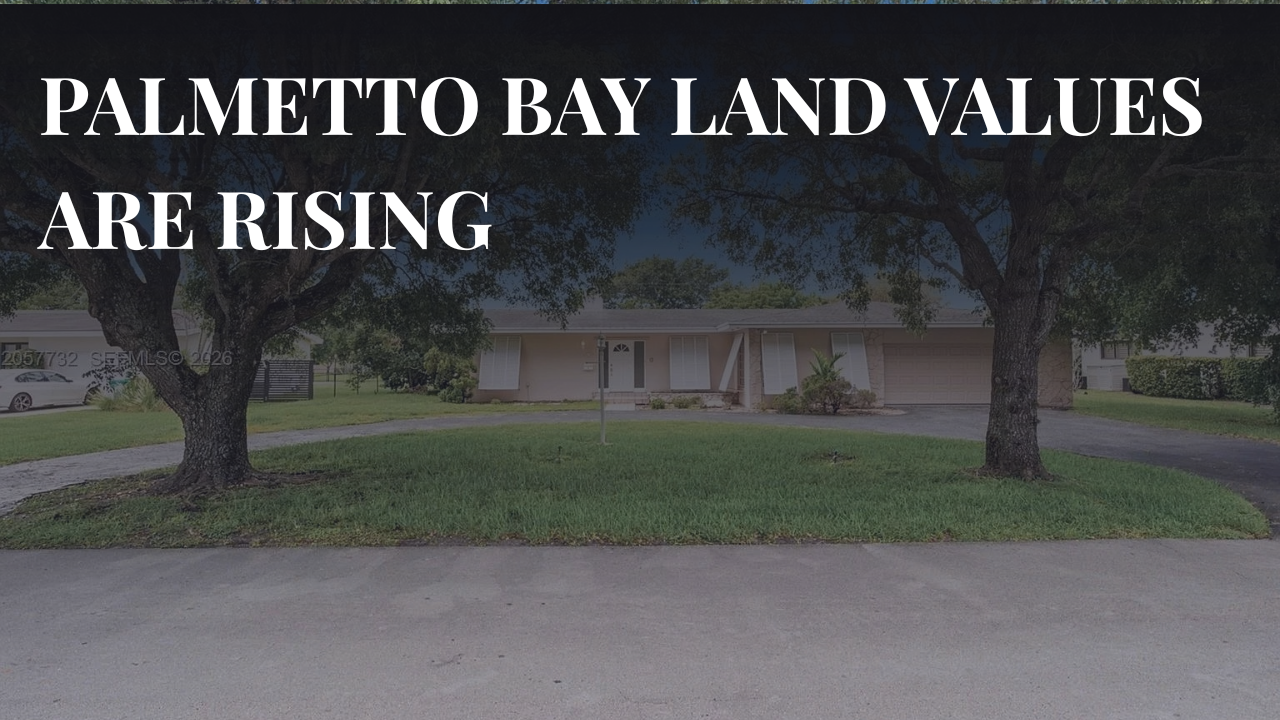
Palmetto Bay Land Values Are Rising. Is Your Home Worth More as Land?
Please fill in your details and David Siddons will contact you

Search related videos

Are St. Regis Sunny Isles Residences Worth the Brand Premium?
Coral Gables Market Report 2025: What the Headlines Aren’t Telling You!
How David Siddons’ Power Team Drives Miami’s Luxury Market
Mid‑Year 2025 Coconut Grove Report: The Truth About What’s Selling Now
Brickell Mid‑Year Market Report 2025 | Is Brickell’s Luxury Market in Trouble?
Pinecrest Mid-Year Market Report 2025 | What’s Selling, What’s Sitting & Why
Miami Beach Condo Market Mid-Year Report 2025 | What Buyers & Sellers Need to Know
How to Lose $1M in The Miami Condo market | Top Mistakes That Cost Miami Condo Buyers Millions
The Well Project EXPOSED Coconut Grove’s Hottest Units
Miami Real Estate in 2025 Is NOT What You Think 😱 | Midyear Must Knows for Buyers & Sellers!
7 Things You Should Never Say to a Real Estate Agent in Miami!
Landmark Victoria Park Residence in Fort Lauderdale: Inside 420 NE 11th Ave 🌴✨
Luxury Living on 2355 S. Miami Ave | Fully Furnished 4-Bed Home w/ Resort-Style Pool 🏊
Is Mandarin Oriental Residences Miami a Smart Condo Investment? Prices, Floorplans, Views & Finishes


- Get our Newsletter
- Subscribe
- No Thanks
Get the latest news from Miami Real Estate News
Close
Edit Search
Close
2 of 14
Share this property
Recomend this to a friend, just enter their email below.
Close
Your email was sent successfully
Close
 COMPARE WITH CONDOGEEKS