
















- Best of All
- Best Miami Luxury Condos
- Most popular
- Relocating to Miami
- Private Schools
- Investments
- Gated communities
- Waterfront information
- Luxury homes
- Luxury Condos
- New Construction Condos in South Florida
- Independent Pre-Construction condo reviews for Miami
- Independent Pre-Construction condo reviews for Fort Lauderdale
Building A Luxury Home in Miami: 11 Mistakes That Cost Millions (And How to Avoid Them)
Welcome back to the Better Decisions podcast. Today we’re tackling one of Miami’s most exciting but risky opportunities: building a luxury home in Miami. After 20 years of working with clients, one thing is clear: too many people go in unprepared, and the results can be costly. That’s why in this episode we’re breaking down 11 essential lessons every builder and future homeowner needs to know. I’m joined by Dany Sebaaly of Builcore, a luxury builder with more than 25 years of experience. From custom estates to full condo build-outs, Dany has seen it all. Together, we’ll share the insights that help you avoid mistakes, choose the right partners, and make smarter decisions whether you’re building, buying, or investing.
1. Choosing the Right Land
The foundation of any successful build starts with the land itself. Beyond the obvious “location, location, location,” buyers must ensure the property sits within a neighborhood that supports the future value of a luxury home. Surrounding home values, lot size, and street placement all play a critical role. A larger lot allows for more flexibility, a bigger house, pool, and outdoor living space—while a quiet street adds significant long-term value. Conversely, identical homes on busy streets can trade at up to a 20% discount, eroding margins and limiting resale potential. In short, the wrong lot choice can turn a great design into a poor investment.
2. Understanding Market Ceilings
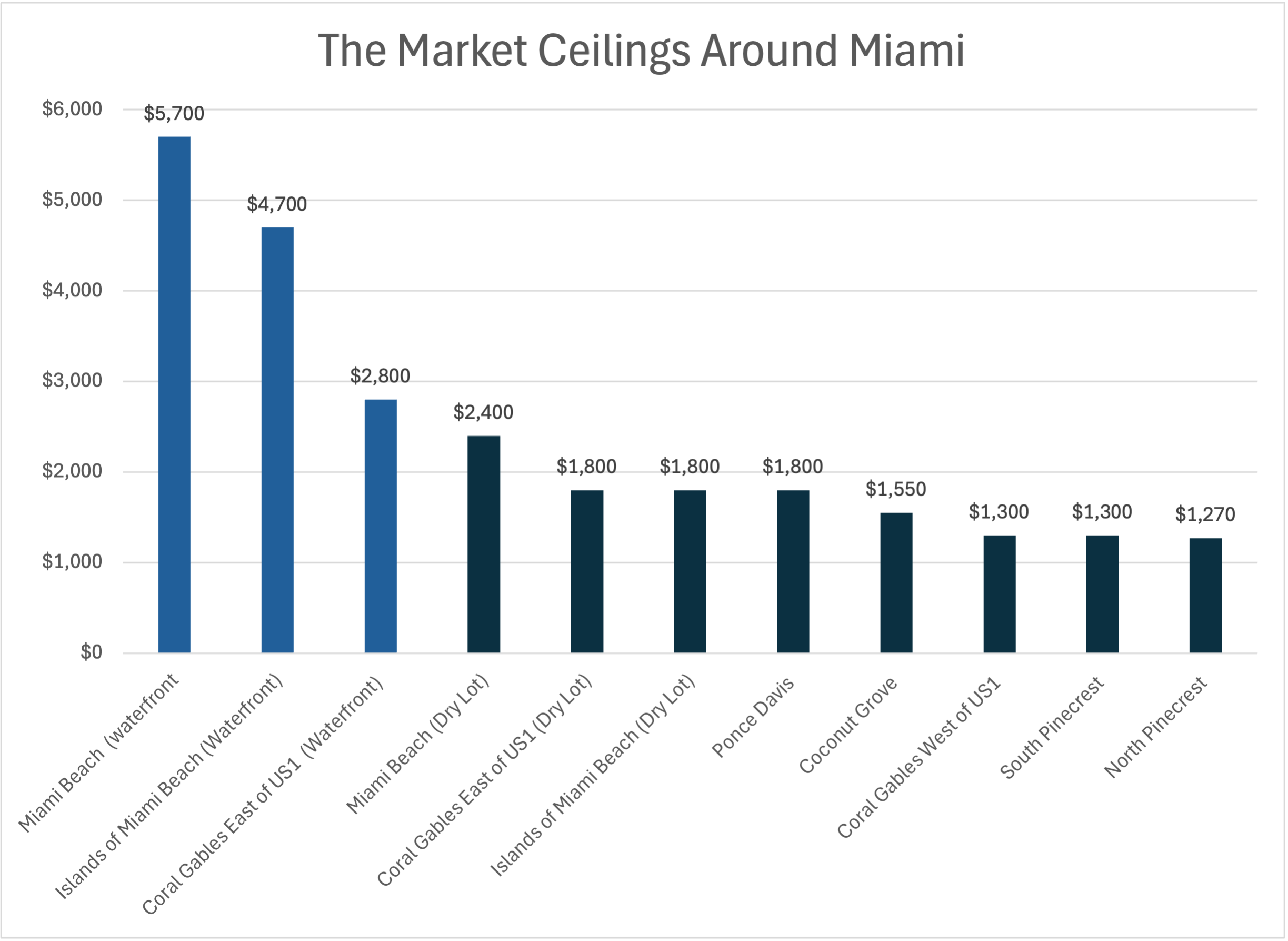
Equally important is aligning land cost and construction budget with the neighborhood’s price ceiling. Every area, from Pinecrest to Coconut Grove to Ponce Davis, has a threshold buyers are willing to pay per square foot. For example, Pinecrest tops out near $1,500 per square foot, while Ponce Davis can support closer to $1,800. Building beyond a neighborhood’s ceiling locks you into a home that will be overpriced relative to its market, no matter how well designed. Smart builders run the numbers before breaking ground, ensuring that total cost, including land and construction, stays in line with achievable resale values.
If you’re building a luxury home in Miami in a truly prime location, don’t underestimate how far buyers will go to set new price records. Think of point lots, gated communities, and communities like the Venetian Islands, or Gables Estates where scarcity trumps traditional pricing logic.The willingness to pay can exceed what most of us expect, and while we usually talk about market ceilings, there are moments when those limits don’t apply, and this is one of them. Miami’s definition of “ultra-luxury” still lags behind LA and NYC, so it’s time to raise the bar. The caveat: you can only push this high if the location is truly exceptional and nearly impossible to replicate.
Actionable takeaway: Run your cost per square foot against the neighborhood ceiling—unless the land is truly irreplaceable, never build beyond what the market can support.
3. Don’t Underestimate Construction Costs: Know Your True Cost per Square Foot

One of the biggest mistakes buyers make when building a luxury home in Miami is underestimating the true cost per square foot of construction. In today’s Miami luxury market, building costs for gross square footage typically start between $800 and $900 per square foot, which translates to $1,100 to $1,200 per net square foot once you account for under-air space. High-end waterfront homes can easily exceed $1,500 to $2,000 per square foot depending on finishes and design complexity. The key is to first define whether you’re calculating net, gross, or adjusted square footage, and then align those costs with the resale ceiling of the neighborhood. Spending $1,800 per foot in an area that only sells for $1,300 per foot is a guaranteed loss, but if the market supports $5,000 per foot—as we’ve seen on Venetian Islands—it can be justified. The actionable step: run the math before you build, tie your budget to market ceilings, and never assume construction will come in cheaper than these benchmarks.
4. Defining True Luxury: Where Custom Really Counts
Building a “custom home” does not automatically mean building a luxury home—the difference lies in the finishes and details. True luxury is defined by elements like natural stone flooring and walls, high-end lighting fixtures, silent and seamless HVAC systems, impact glass, fully tiled pools, premium plumbing fixtures, and integrated millwork. These are not cosmetic extras; they are the markers that elevate a property from simply “new construction” to a residence that commands premium pricing and long-term value. Skipping these features may save money upfront, but it guarantees your home will never achieve the price-per-square-foot ceiling of a true luxury build. The actionable takeaway: budget for luxury finishes from the outset, or you risk building an expensive home that sells at mid-market values.
5. Move Beyond the White Box: Add Warmth and Value
The era of cold, boxy stucco homes with shiny porcelain floors is over. Today’s buyers expect warmth and texture—stone accents, natural wood details, and thoughtful landscaping that softens the architecture and creates a sense of luxury from the curb. You don’t need to clad the entire home in stone, but strategically investing in accent walls, high-quality exterior finishes, and layered landscaping will instantly elevate a property’s appeal. The actionable takeaway: ditch the sterile “white box” aesthetic and budget for exterior stone and landscaping—these details are what make a home feel truly high-end and command higher resale values.
6. Landscaping Is Not an Afterthought, It’s a Value Driver

Building a Luxury Home in Miami: Landscaping Can Make or Break Your Sale.
Too many luxury homes are delivered with nothing more than grass and hedges, which instantly cheapens the property. True high-end landscaping requires investment—on a 20,000 sq. ft. lot, expect to budget at least $200K–$300K for layered plantings, accent trees, pool decking in premium materials (like Ipe or Camaru), and professional lighting. This level of detail transforms curb appeal, creates warmth, and supports higher resale values. In fact, properties marketed with advanced landscaping consistently break price-per-square-foot records because buyers perceive them as complete, move-in-ready luxury homes. The actionable takeaway: treat landscaping as a core part of your construction budget, not an optional upgrade—because without it, you will never achieve true luxury pricing.
7. Don’t Cut Corners on Architecture—It’s the Blueprint for Success
A great architect is far more than a stylist—they are the engineer of how your home actually functions. Good plans detail every structural, mechanical, electrical, and plumbing element, often across hundreds of pages. If those plans are incomplete or poorly executed, contractors will still build to them, and the result can be costly mistakes hidden behind the walls. Skimping on design fees—saving $200K on the architect only to face millions in problems later—is a false economy. The actionable takeaway: invest in a top-tier architect and design team from the start, because flawless execution begins long before construction breaks ground.
8. Build the Right Size—and Get the Layout Right
The sweet spot for a Miami luxury home is around 7,500–8,000 sq. ft.—large enough to deliver six bedrooms plus essentials like a home office, gym, butler’s kitchen, and generous outdoor living, without overshooting what the market values. Covered terraces are non-negotiable: plan for 1,500–2,000 sq. ft. of sheltered outdoor space so the home truly functions year-round. Just as critical as size is bedroom distribution. Families, who make up the bulk of luxury buyers, want the master and most bedrooms on the same level; stacking too many bedrooms upstairs can instantly shrink your buyer pool. The actionable takeaway: design for functionality, not just square footage—maximize covered outdoor living, plan for at least one guest suite downstairs, and ensure a layout that aligns with how real families actually live.
9. Understand the Timeline and Profitability
Building a luxury custom home isn’t a quick flip, it’s a three-year commitment from land purchase to completion. That timeline demands a hard look at opportunity cost: does the potential return justify tying up years of capital and effort? Experienced builders target a 30–33% margin, but the real risk comes from misjudging how the market will move during construction. The only smart approach is to run the full three-year math upfront, factoring not only today’s land and build costs but also the likely appreciation in resale values. If the numbers don’t pencil out now, the future won’t save a flawed deal.
Equally critical: finish the product. Buyers rarely trust imagination. An incomplete home — missing closets, wall treatments, landscaping, or staging — feels risky and undermines confidence, often stalling sales. The clock on marketability doesn’t truly start until the home looks finished, livable, and luxurious. The takeaway is clear: commit only if the math works, and don’t cut corners at the finish line — value is earned by delivering a complete, move-in-ready home.
10. Leverage Market Cycles and Location Scarcity
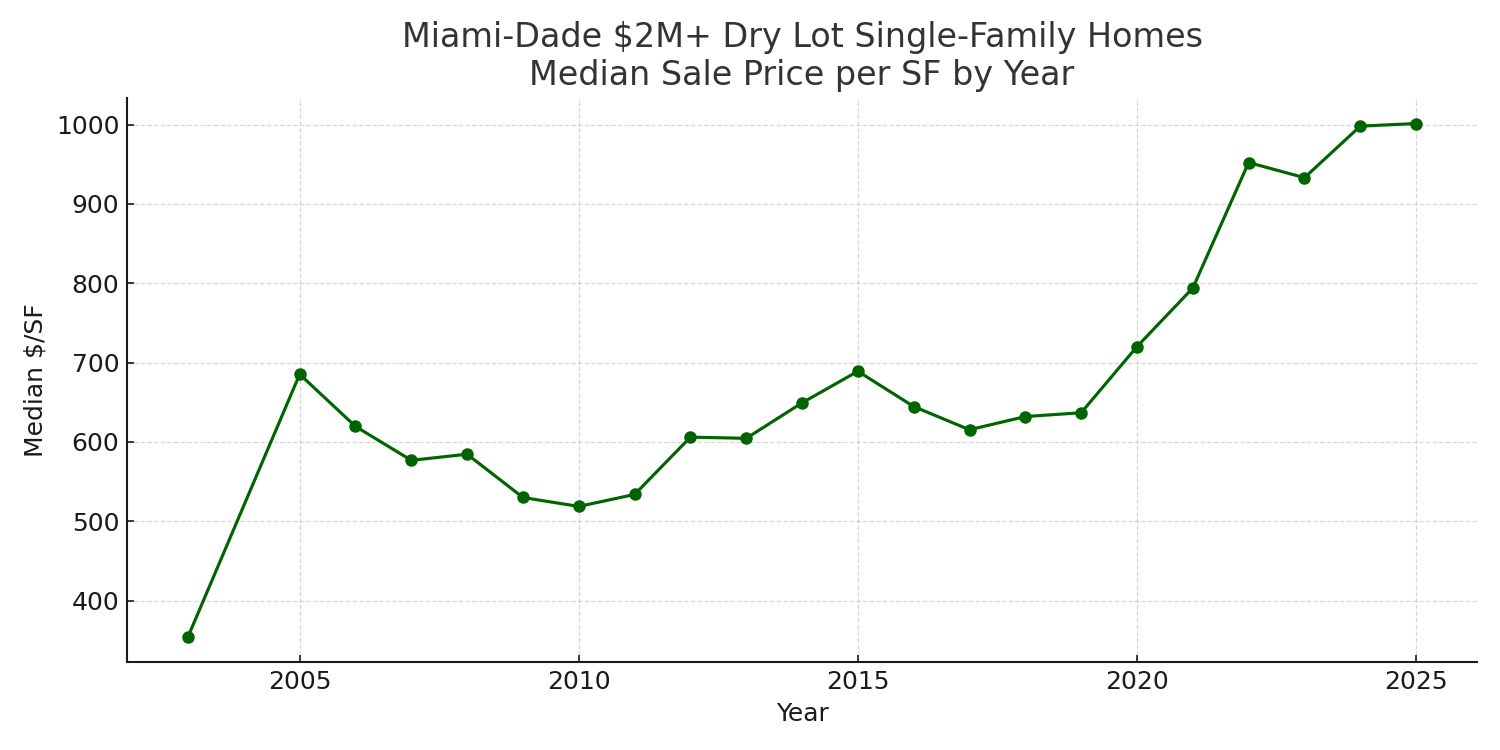
Unlike condos, which fluctuate with oversupply, Miami’s single-family luxury market is limited by land scarcity. Over the last 25 years, prices have trended upward with only brief flattenings, and each interest-rate drop has triggered 8–10% spikes in value. This means well-located custom builds often ride the market higher during the construction cycle. The key is to build in finite, undervalued pockets where demand is rising and supply is capped—places like High Pines (poised for growth with the Sunset Mall redevelopment), Cocoplum (with unmatched amenities), or point lots in Ponce Davis and Venetian Islands. The actionable takeaway: choose land in supply-constrained neighborhoods with proven ceilings, and your three-year build is far more likely to deliver outsized returns.
11. Commit to True Luxury

Building a Luxury Home in Miami: Luxury Is Defined by Craftsmanship, Architecture, and Finishes
The biggest takeaway is this: don’t confuse “faux luxury” with the real thing. True luxury isn’t about shiny finishes or superficial upgrades—it’s about craftsmanship, materials, architecture, and design that meet the expectations of the most discerning buyers. Today’s high-net-worth clients from New York, California, and beyond are accustomed to $30M–$60M estates in markets like Malibu or the Palisades, and they bring those same standards to Miami. The actionable takeaway: if you’re building in Miami’s top neighborhoods, don’t cut corners—commit to authentic luxury. It’s what attracts the highest-end buyers, sustains resale value, and elevates the market for everyone.
BONUS: Why 53% of New Homes Sit Unsold , And How to Avoid Joining Them
You don’t have the resources, the tools or the time! Unless you have built a monster database, which is constantly being fed, a very sophisticated social media presence with constant outreach and the willingness to really spend money on showcasing the property. In short if you don’t personally own a marketing & media company, track market economics like Ray Dalio, or know how to negotiate like Chris Voss, then trust in a group that does. Let us do the heavy lifting so you don’t have to! New homes don’t just sell themselves. In fact in a number of markets we have seen as much as 53% of new homes go unsold in the first 6 months.
Call us and we will detail our marketing plans to you and creative content style. We can show you our state-of-the art renderings and marketing packages we create for homes that are not finished yet and how we are leveraging AI and analytics to give ‘investment’ confidence and vision to how a house will eventually turn out. We also create seamless more ‘customizable experiences’ that work for both sides without crippling timelines and building logistics.
Conclusion: The Blueprint for Building Smarter in Miami
Building a luxury home in Miami is an incredible opportunity, but only if you approach it with discipline and foresight. The lessons are clear. Start by buying the right land: avoid busy streets, choose neighborhoods where values support your build, and remember that irreplaceable locations command prices that defy ceilings. Before you design, run the numbers: calculate your cost per square foot, compare it to the market ceiling, and make sure your project actually pencils out. Don’t chase size for its own sake, 7,500–8,000 sq. ft. is the sweet spot, and design homes that families actually want to live in, with thoughtful layouts and ample covered outdoor space. Invest in architecture and finishes that define true luxury: warm, inviting design, stone and wood accents, fully tiled pools, seamless HVAC, premium fixtures, and professional landscaping. Finish strong—buyers distrust incomplete homes, and skimping on staging, closets, or details can undo three years of hard work. Finally, don’t try to do it all yourself. Marketing and selling a true luxury product requires scale, data, and expertise. Partner with professionals who can position your property at the very top of the market.
The bottom line: commit to the right land, respect price thresholds, design for livability, invest in authentic luxury, finish every detail, and sell with the right team. Do these things, and you’ll not only build a home you love—you’ll build one that commands a premium in Miami’s most competitive markets.
Connect with the David Siddons Group
If you are considering building a luxury home in Miami or in case you are unsure on whether to build or to buy a finished product, please give us a call.
FAQ
These are the most commonly Miami Real Estate Related questions
What should relocation buyers know before buying real estate in Miami?
HOME BUYERS
Relocation buyers looking at homes in Miami should understand that choosing the right house is less about the property itself and more about location, schools, and long-term value. Many buyers make the mistake of focusing on price or finishes, while the real driver of value is the neighborhood and micro-location. Older homes often represent better value, but may also be part of a future redevelopment cycle. Newer homes command premiums, but don’t always sell faster if pricing is ahead of the market. Commute time, school access, and community dynamics are critical and often underestimated. The key is to evaluate homes not just as lifestyle purchases, but as long-term assets within a very localized market.
Sources:
https://luxlifemiamiblog.com/relocating-to-miami/
https://luxlifemiamiblog.com/relocating-to-miami-with-a-family/
CONDO BUYERS:
Relocation buyers should understand that Miami is a highly segmented, building-driven market, not a uniform one. Pricing can vary significantly between similar properties depending on building quality, layout, and financial health. Many buyers assume newer construction equals better investment, but that is often not the case. Factors like HOA fees, reserves, and rental policies can materially impact long-term value and liquidity. Negotiation opportunities often exist, especially in slower segments, but require precise market knowledge. The key is to evaluate micro-markets and individual buildings, not just neighborhoods or price per square foot.
Sources:
https://luxlifemiamiblog.com/miami-real-estate-market-report/
https://luxlifemiamiblog.com/new-construction-miami-guide/
What are the best areas for relocating families with children
For families relocating to Miami with young children, the most recommended neighborhoods are Coral Gables, Coconut Grove, and Pinecrest. Coral Gables offers the best balance of top schools, safety, and long-term value. Coconut Grove is ideal for younger families seeking walkability, greenery, and a lifestyle-driven environment. Pinecrest provides larger homes, excellent schools, and better value for space, making it ideal for growing families. The key driver across all three is access to strong schools and primary residential stability. Relocation decisions are less about new construction and more about long-term livability and resale strength.
Sources:
https://luxlifemiamiblog.com/best-neighborhoods-miami/
https://luxlifemiamiblog.com/what-are-the-best-family-neighborhoods-in-miami-in-2023/
Are new construction condos in Miami a good investment?
New construction condos in Miami can be a good investment—but only if you understand that not all buildings perform the same. According to the David Siddons Group, many buyers assume “new = better,” but in reality, performance depends on pricing, layout, building quality, and long-term demand. Some new developments set future price benchmarks and can drive long-term appreciation, especially in top-tier projects. However, many are priced aggressively at launch, and buyers relying on marketing instead of data often overpay.
The market is highly segmented, meaning two new buildings next to each other can perform very differently.
The best opportunities typically come from selecting the right building early or negotiating correctly in later phases.
In short: new construction is not automatically a good investment—it becomes one only with building-level analysis and disciplined entry pricing.
Sources:
https://luxlifemiamiblog.com/how-to-buy-a-luxury-condo-in-miami/
https://luxlifemiamiblog.com/category/independent-new-construction-condo-reviews/
https://luxlifemiamiblog.com/beyond-clickbait-real-insights-into-miamis-luxury-condo-market/
Why is buying a Miami condo riskier than buyers think?
Buying a Miami condo is often riskier than buyers expect because the true risks are at the building level—not visible in the listing price. Many buyers focus on finishes and views, while overlooking HOA reserves, insurance exposure, and potential special assessments. In reality, two identical units in different buildings can perform completely differently over time. Rising HOA fees and stricter regulations are also increasing the true cost of ownership, especially in older buildings. Liquidity can be affected by factors like financial health, rental policies, and ongoing repairs. The key risk is not the condo itself—but buying into the wrong building without proper due diligence.
Sources:
https://luxlifemiamiblog.com/how-to-buy-a-luxury-condo-in-miami/
https://luxlifemiamiblog.com/miami-condo-market-risks/
What are Miami's Safest Areas?
Which Miami Areas Still offer Great Value (Budget Friendly alternatives to Coral Gables and Pinecrest)
If you’re looking for better value than Coral Gables or Pinecrest, the answer (in true Siddons style) is not “go cheaper”—it’s go one layer outside the obvious markets.
The strongest value plays are:
- Schenley Park → closest substitute to Coral Gables at ~20% discount while maintaining similar character and location
- Biltmore Heights → almost identical feel to the Gables but ~25–30% cheaper on a $/SF basis
- Glenvar Heights → central location with larger lots and ~25% pricing advantage vs South Miami/Gables
- Baptist / Galloway (Kendall) → Pinecrest-style living (space, schools, land) at up to ~30% lower pricing
The pattern is consistent:
👉 Buyers are shifting west and slightly off-market to gain land, scale, and pricing efficiency. You don’t find value by going to a “cheaper neighborhood”—you find it by identifying adjacent micro-markets that offer the same lifestyle fundamentals without the brand premium.
Sources:
https://luxlifemiamiblog.com/best-value-neighborhoods-miami/
https://luxlifemiamiblog.com/category/miami-neighborhoods/
Is NOW a good time to buy in Miami?
Are Miami real estate prices going down in 2026?
No—but that’s the wrong way to look at it. Miami is not one market anymore, so prices are not moving in one direction. In 2026, the market is split into two: ultra-luxury, scarcity-driven areas (like waterfront and top-tier neighborhoods) are still holding or even rising, while mid-tier condos and oversupplied segments are flat or correcting. What we’re seeing is price divergence, not a crash—some properties are gaining value while others are quietly adjusting downward. Rising inventory and more selective buyers are putting pressure on pricing in certain segments, especially older condos or buildings with weaker fundamentals.
At the same time, global wealth and cash buyers continue to support pricing at the top end of the market. So the real answer: prices aren’t broadly dropping—they’re being repriced based on quality, location, and supply.
Should I buy a house or a condo when relocating to Miami?
The decision comes down to lifestyle first, investment second—and most relocation buyers get that backwards. If you want space, privacy, schools, and long-term family living, a single-family home in areas like Coral Gables or Coconut Grove is typically the stronger choice. If you prioritize walkability, low maintenance, and proximity to business districts, a condo in Brickell or waterfront markets makes more sense.
From an investment perspective, homes tend to be more stable, while condos are more building-dependent and cyclical. Most relocation clients underestimate how much building quality, HOA structure, and future costs impact condo performance. The right answer isn’t “house vs condo”—it’s which asset fits your lifestyle AND holds value within its micro-market.
How do I choose the right Miami neighborhood for my lifestyle?
Why are Miami condo prices so different between buildings?
Miami condo pricing varies widely because value is determined at the building level, not just by location. Two buildings next to each other can have major differences in financial health, reserves, HOA fees, and management quality. Buyers also pay premiums for better layouts, views, amenities, and newer construction—but not all “new” buildings perform equally. Factors like rental policies, upcoming assessments, and building reputation can significantly impact resale value. This is why price per square foot alone is misleading in Miami’s condo market. The real driver of value is how that specific building competes within its micro-market over time.
Sources:
https://luxlifemiamiblog.com/how-to-buy-a-luxury-condo-in-miami/
https://luxlifemiamiblog.com/category/independent-new-construction-condo-reviews/
WHY WORK WITH DAVID? THINGS YOU SHOULD KNOW...
For all our analytics we are agents driving some very unique and advanced tech. We Provide a granular and custom experience that empower our clients with the insight and tools to understand the most complex behaviors of any local markets.
-
Analytical
Over 100 reports produced to date
-
Knowledgeable
Over 1800 published articles and counting


Related Articles
The 2028 Brickell Condo Cliff: Which Buildings Are at Risk and Where Smart Money Is Moving

Should You Stage Your Home Before Selling? What 1,266 Agents and Two Studies Found
Fort Lauderdale Waterfront Homes in 2026

Greenview at Presidential Aventura
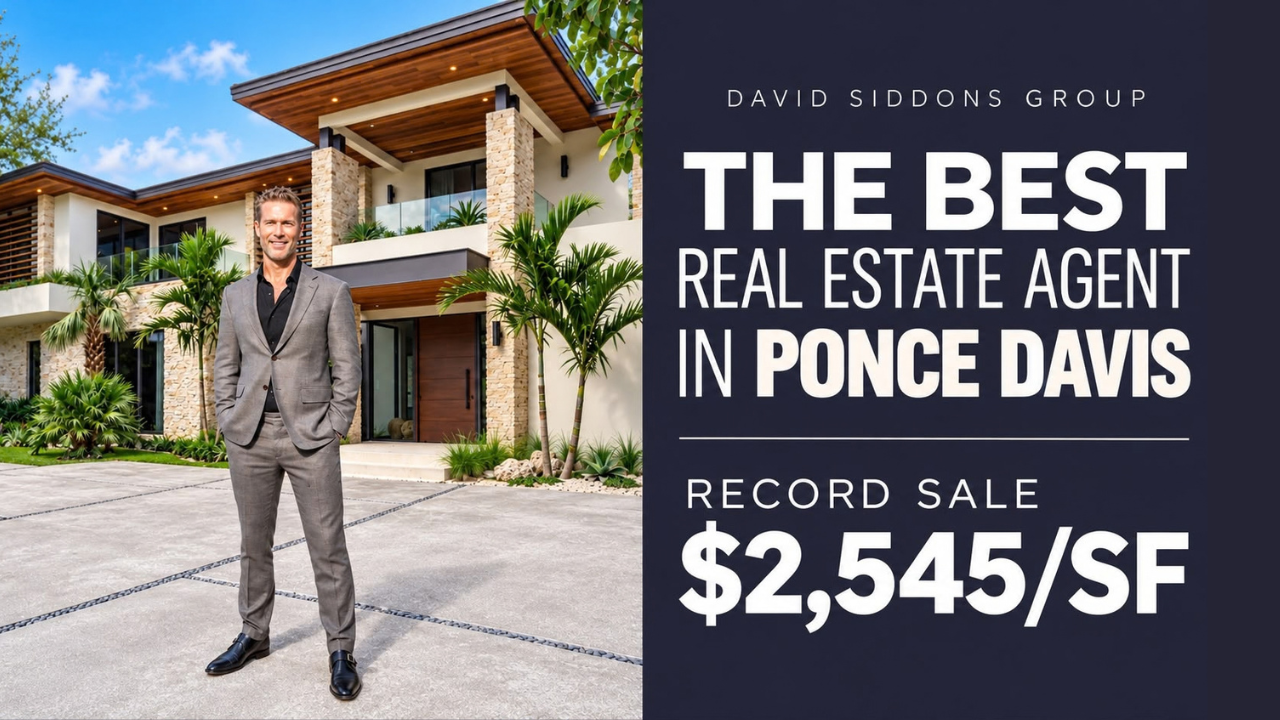
The Best Real Estate Agent in Ponce Davis
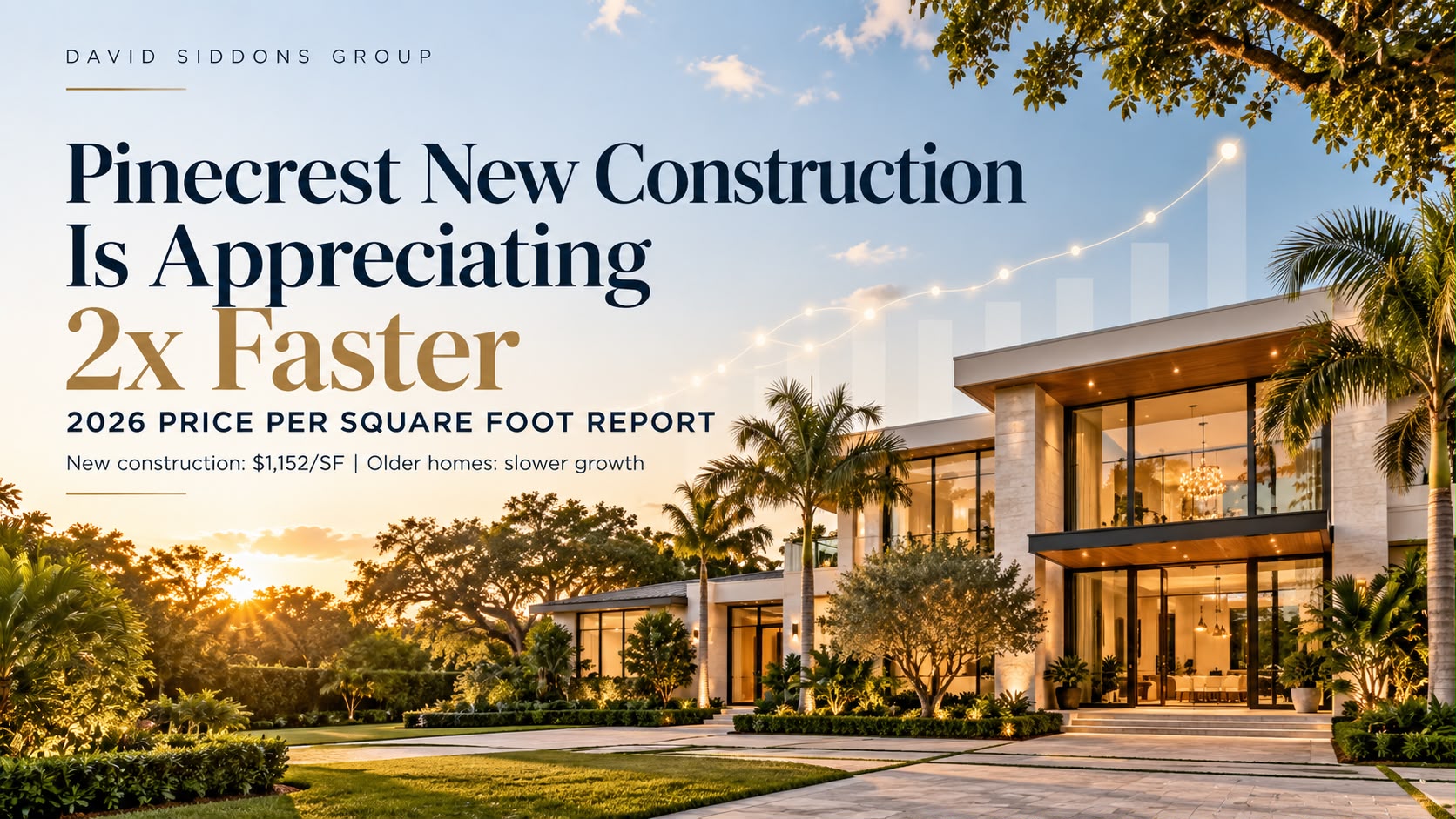
Pinecrest New Construction Is Appreciating 2x Faster Than Older Homes
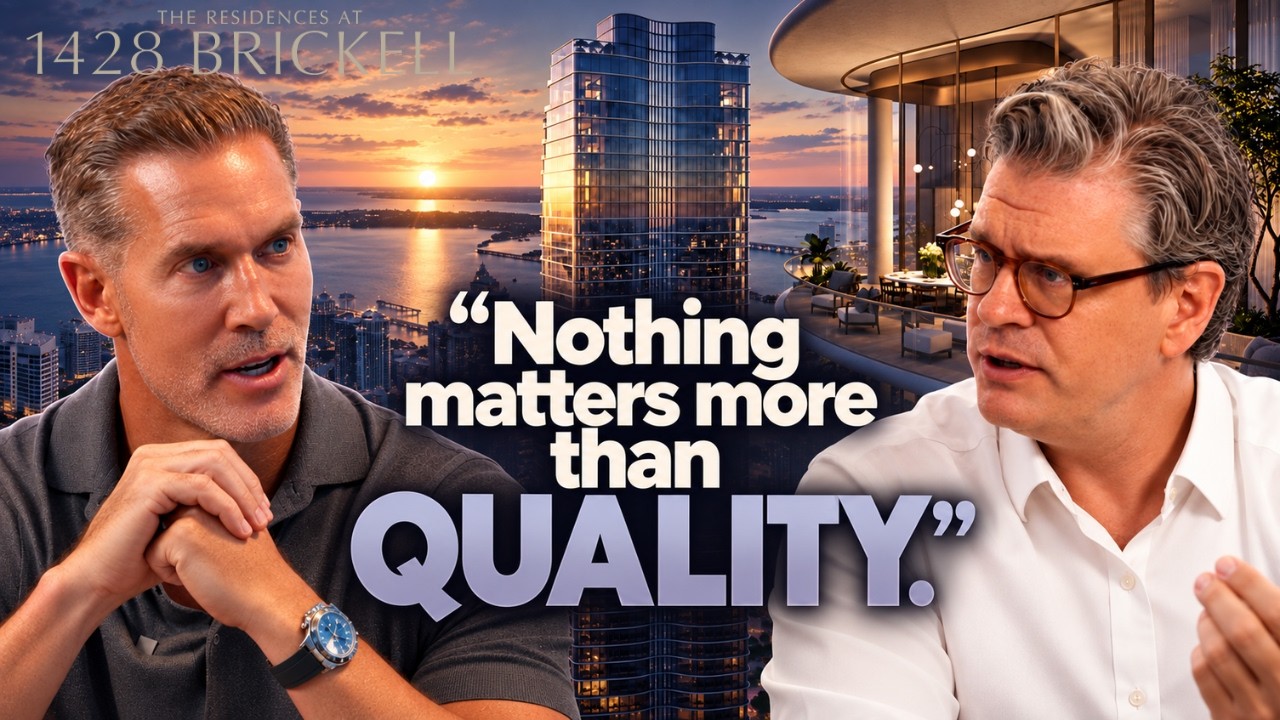
Inside 1428 Brickell: Why Ytech Skipped the Hotel Brand to Build Brickell’s Best Finishes
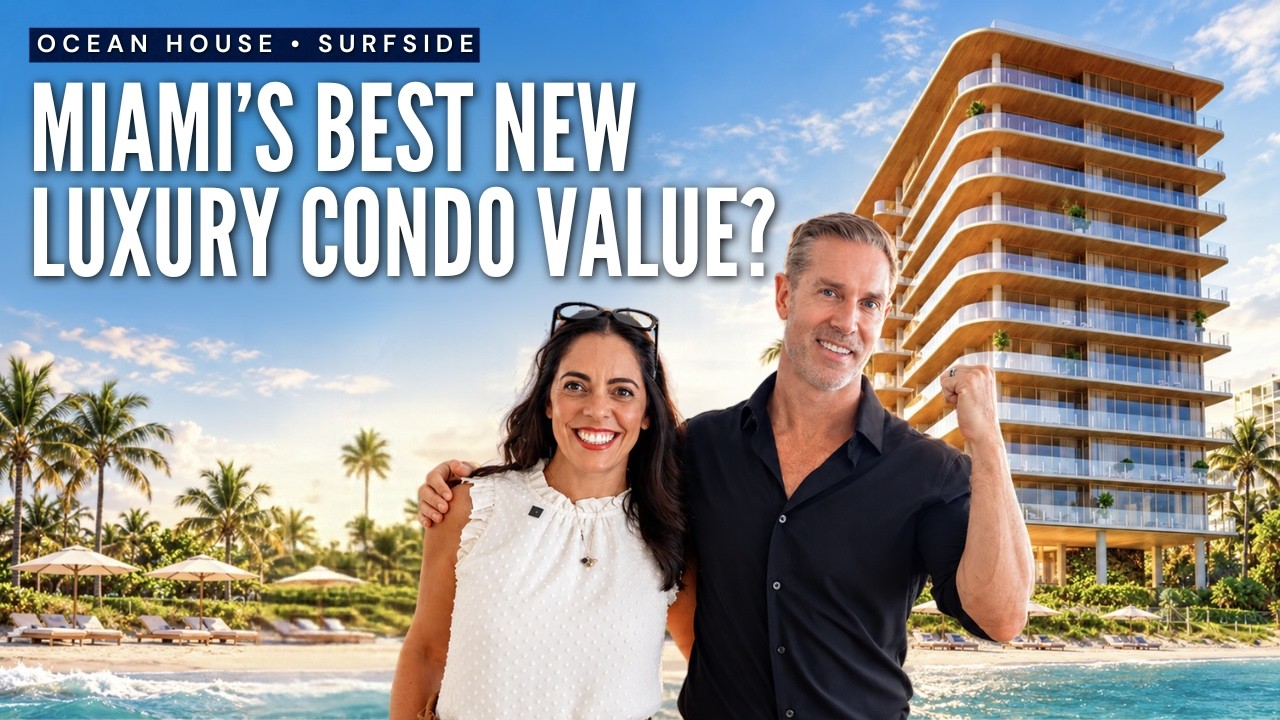
Inside Ocean House Surfside
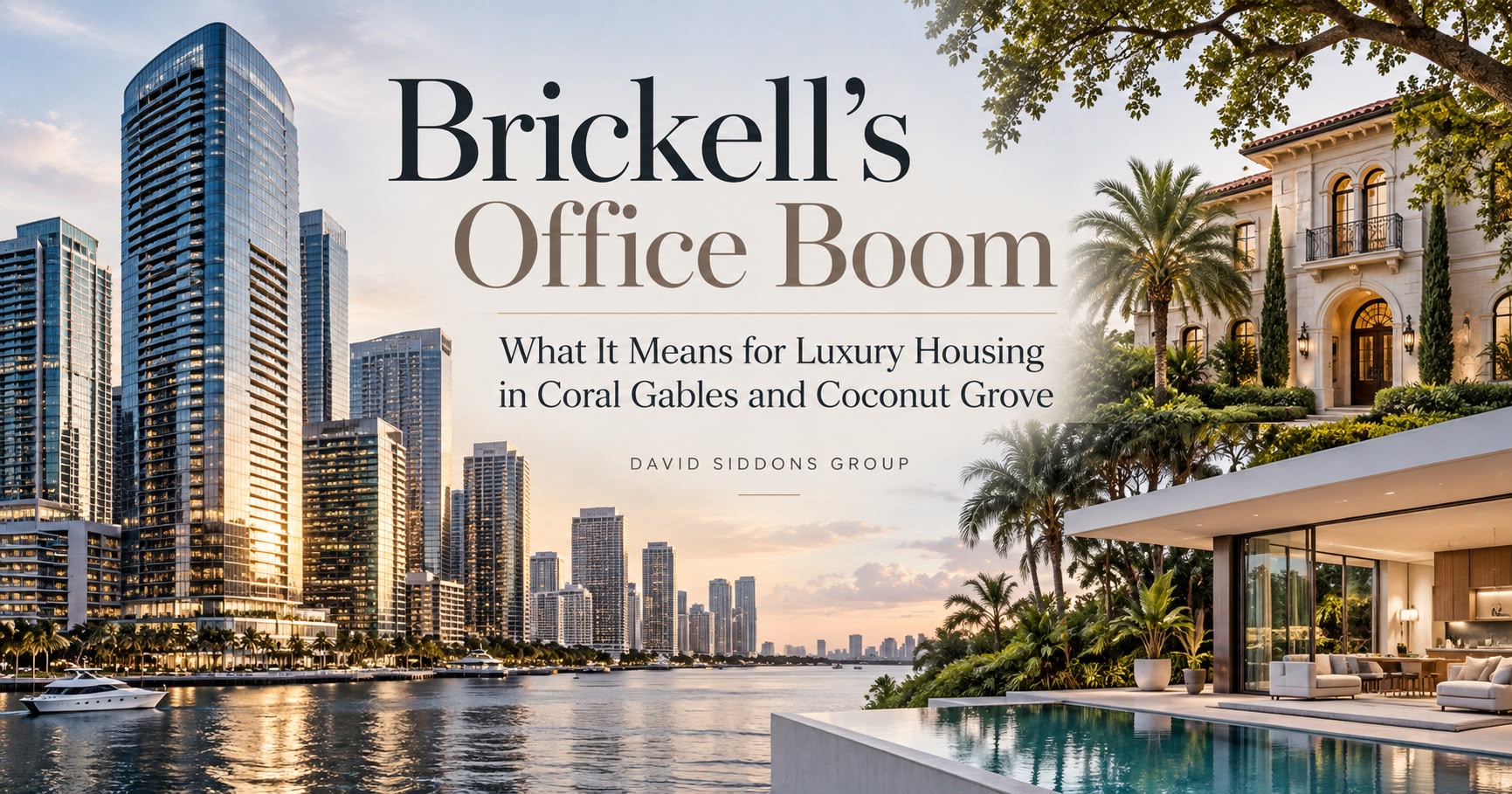
Brickell’s Office Boom: What It Means for Luxury Housing in Coral Gables and Coconut Grove
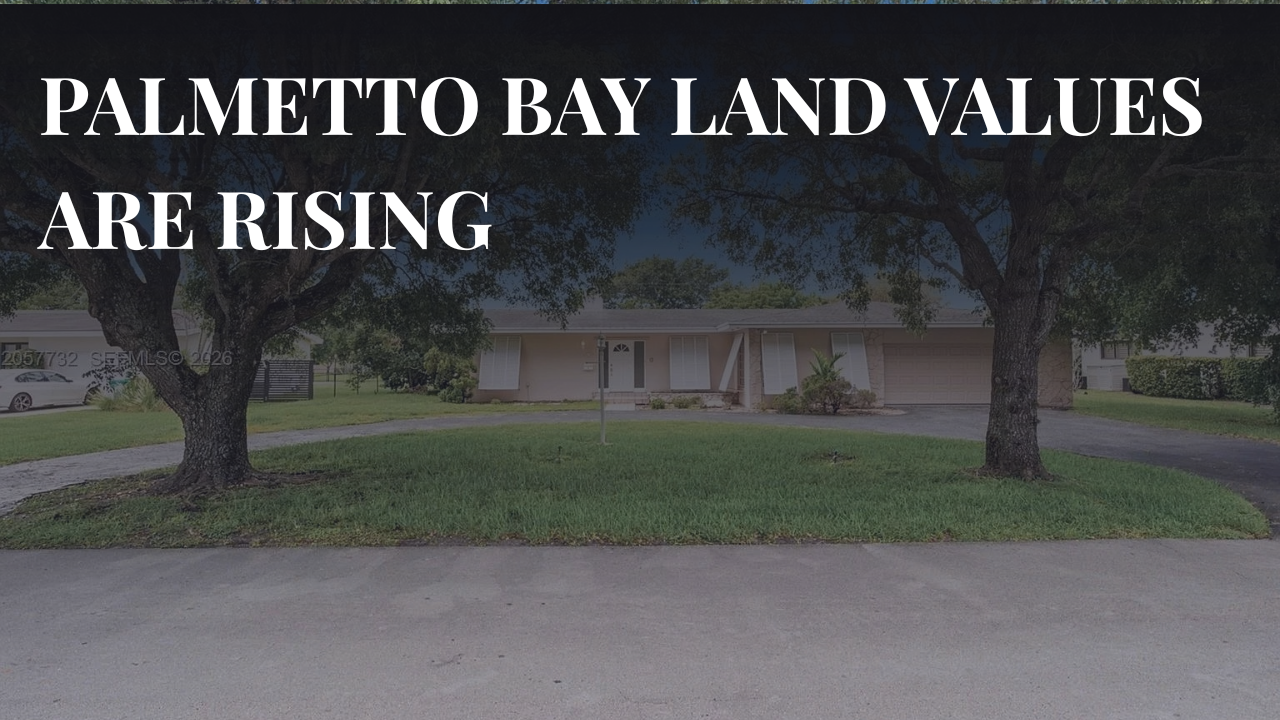
Palmetto Bay Land Values Are Rising. Is Your Home Worth More as Land?
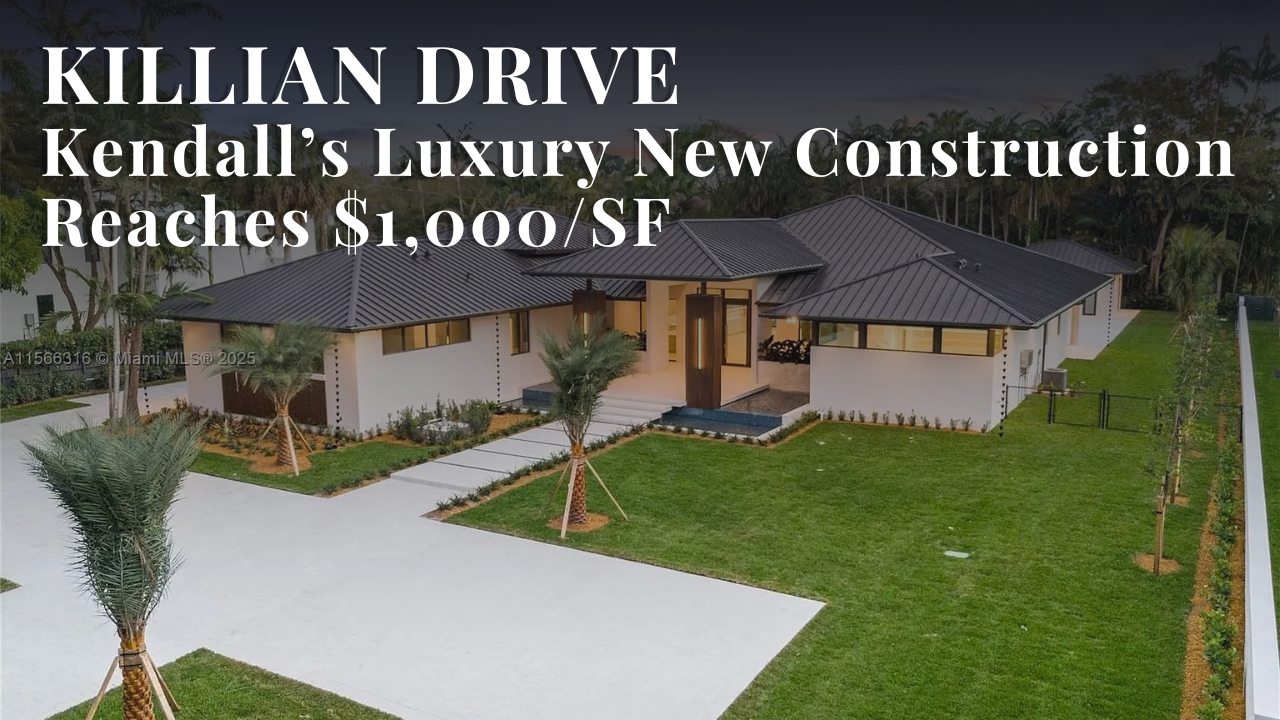
Killian Drive: Kendall’s Luxury New Construction Corridor Hits $1,000/SF
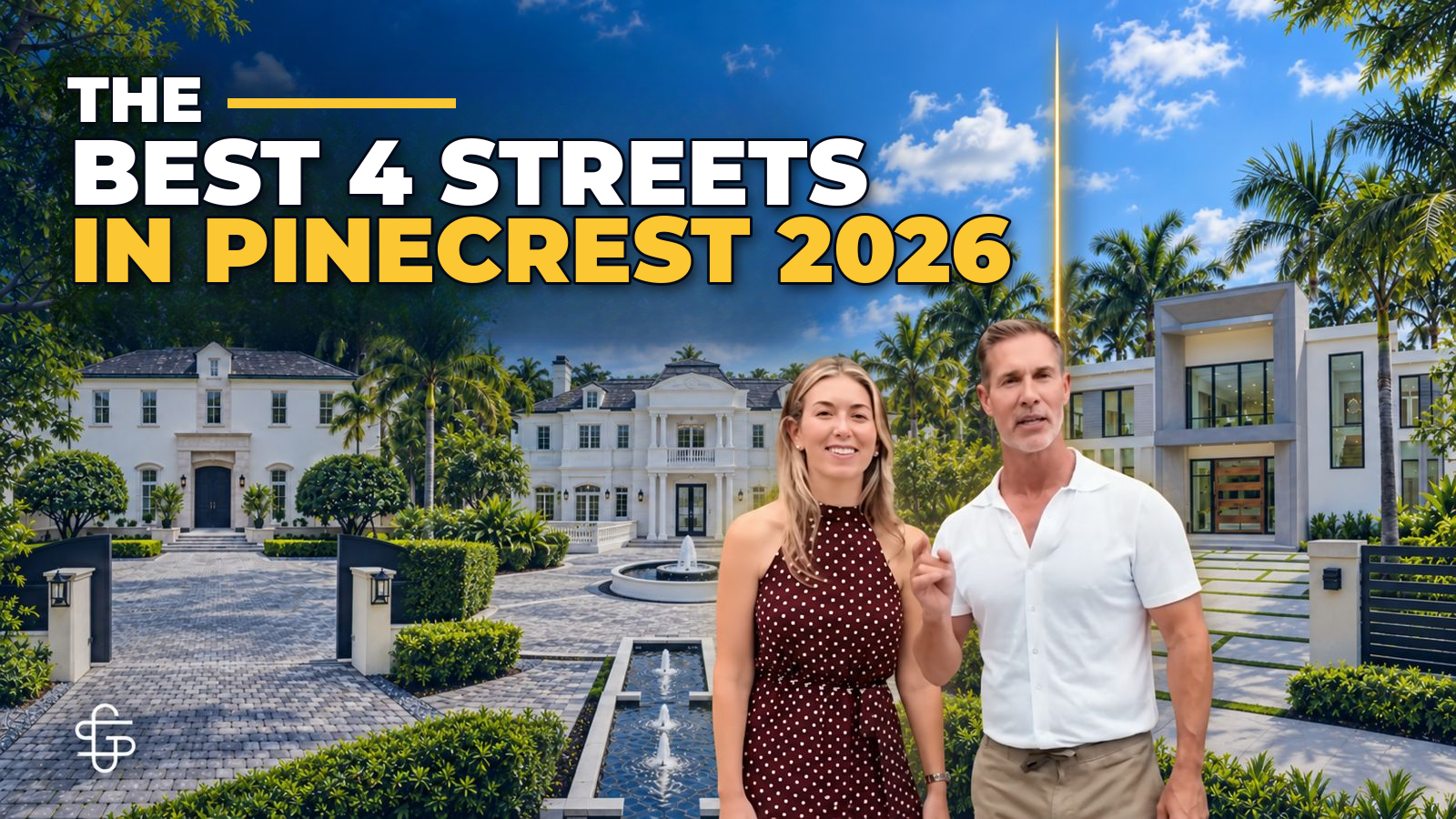
Pinecrest’s 4 Best Streets in 2026
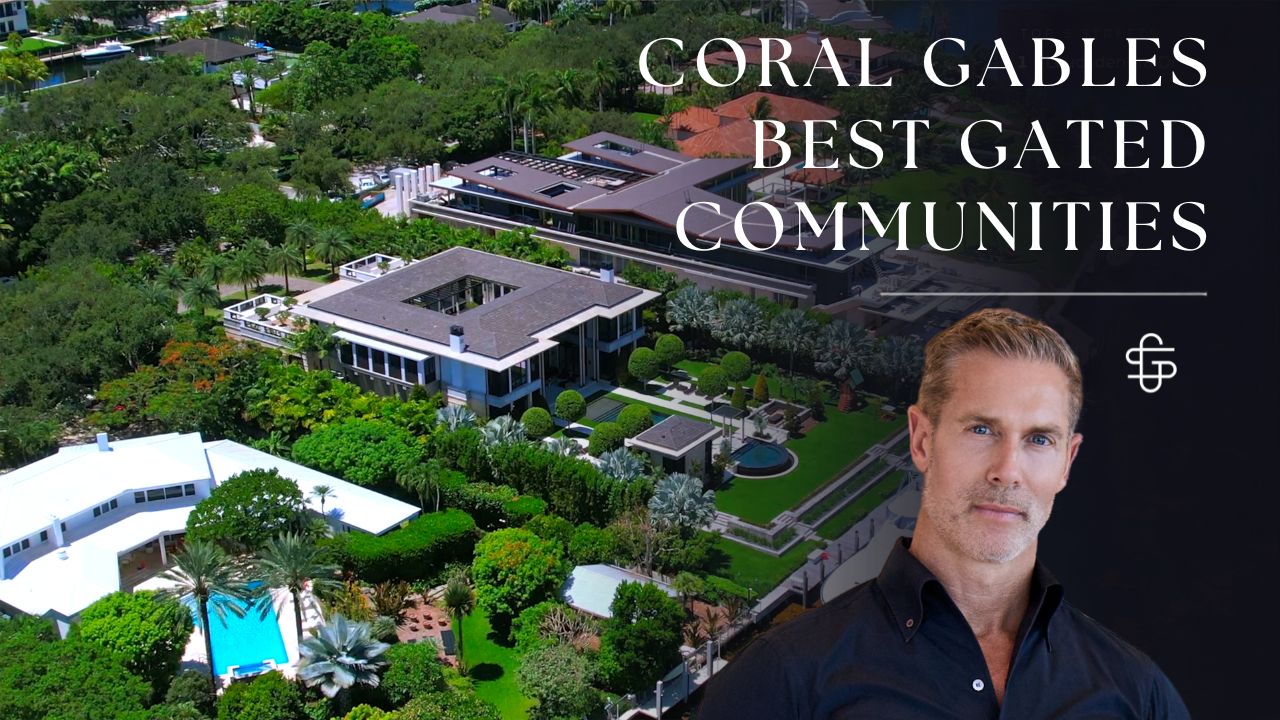
The 5 Best Luxury Streets in Miami’s Gated Communities

The Real Estate Team Behind the Agent: Why Systems Matter More Than Star Power
Please fill in your details and David Siddons will contact you

Search related videos

Are St. Regis Sunny Isles Residences Worth the Brand Premium?
Coral Gables Market Report 2025: What the Headlines Aren’t Telling You!
How David Siddons’ Power Team Drives Miami’s Luxury Market
Mid‑Year 2025 Coconut Grove Report: The Truth About What’s Selling Now
Brickell Mid‑Year Market Report 2025 | Is Brickell’s Luxury Market in Trouble?
Pinecrest Mid-Year Market Report 2025 | What’s Selling, What’s Sitting & Why
Miami Beach Condo Market Mid-Year Report 2025 | What Buyers & Sellers Need to Know
How to Lose $1M in The Miami Condo market | Top Mistakes That Cost Miami Condo Buyers Millions
The Well Project EXPOSED Coconut Grove’s Hottest Units
Miami Real Estate in 2025 Is NOT What You Think 😱 | Midyear Must Knows for Buyers & Sellers!
7 Things You Should Never Say to a Real Estate Agent in Miami!
Landmark Victoria Park Residence in Fort Lauderdale: Inside 420 NE 11th Ave 🌴✨
Luxury Living on 2355 S. Miami Ave | Fully Furnished 4-Bed Home w/ Resort-Style Pool 🏊
Is Mandarin Oriental Residences Miami a Smart Condo Investment? Prices, Floorplans, Views & Finishes


- Get our Newsletter
- Subscribe
- No Thanks
Get the latest news from Miami Real Estate News
Close
Edit Search
Close
2 of 14
Share this property
Recomend this to a friend, just enter their email below.
Close
Your email was sent successfully
Close
 COMPARE WITH CONDOGEEKS