

















- Best of All
- Best Miami Luxury Condos
- Most popular
- Relocating to Miami
- Private Schools
- Investments
- Gated communities
- Waterfront information
- Luxury homes
- Luxury Condos
- New Construction Condos in South Florida
- Independent Pre-Construction condo reviews for Miami
- Independent Pre-Construction condo reviews for Fort Lauderdale
How much does Claude know about Miami Real Estate?
Where Claude AI Impressed Us—and Where It Fell Short.
If you’re not asking Claude, ChatGPT, or Gemini about your next Miami real estate move, you’re probably in the minority. AI has become the new first stop for buyers doing their homework before they ever call an agent. So we decided to test it. With 20 years of selling luxury real estate on the ground in Miami, we wanted to know: does Claude actually understand this market, or is it just really good at sounding like it does?
We asked it five questions. We told it to forget who we were and answer as if talking to a total stranger. Then we fact-checked every answer against real closings, real comps, and real neighborhoods we walk every week. The results are a genuinely useful playbook for anyone using AI to shop for a $5 million, $10 million, or $20 million home in Miami, as long as you know where the gaps are.
Question 1: What are the best resale luxury condos in Miami between $5M and $10M?
Claude’s answer, in under 20 words: Four Seasons Brickell, Mandarin Oriental Brickell Key, The Setai Miami Beach, Arte Brickell, and 1000 Museum.
Our read: three out of five need an asterisk. Four Seasons Brickell is a genuinely excellent building and a fair pick. But Mandarin Oriental Brickell Key isn’t even built yet; it isn’t delivering until 2030, so it has no resale track record to speak of. The Setai is an older building that wouldn’t make our top five today. Arte isn’t in Brickell at all, it’s in Surfside. And 1000 Museum is trading around $1,300 a square foot with appreciation that has lagged the rest of the ultra-luxury market.
When we narrowed the question and gave Claude a tighter $3M to $7M range specifically for hold and growth potential, it came back with a sharper list: Park Grove, Eighty Seven Park, and 1000 Museum. That’s a meaningfully better answer, and it’s a good early lesson: the more specific your prompt, the more useful the answer. Vague questions get vague, occasionally wrong, answers. Precise questions get you closer to the truth.
Question 2: Which resale luxury condo appreciates best going into 2026?
Here Claude did better. Asked for its top two picks for appreciation, it named the Surf Club in Miami Beach and what it called “Four Seasons Bal Harbour,” which appears to be a mixed-up reference to the Four Seasons at the Surf Club in Surfside. Confused naming aside, the substance holds up. The Surf Club is one of the strongest appreciating resale buildings in the entire market right now, trading between $6,000 and $8,000 per square foot, with an $86 million sale and a $44 million sale both closing this year.
When we asked a version of this question above the $10 million mark, Claude gave an even cleaner answer, again landing on the Surf Club Four Seasons in Surfside, and backed it with real numbers: unit S-PH2 sold in July for $38.2 million, roughly $6,731 per square foot, the highest price per square foot of any condo in Miami-Dade, in a building averaging north of $4,500 per square foot. That’s a genuinely strong, well-supported answer, and it lines up with what we see on the ground: instantly recognizable architecture, a real hospitality operator, and true scarcity are the three things that actually protect value at the very top of this market.
Question 3: What are the best new construction condo projects in Miami for 2026?
Claude’s list: Aman Residences Miami Beach, Four Seasons Coconut Grove, Perigon, Ocean Terrace, and Rivage. Asked the same question with a $5M to $15M budget attached, it also surfaced the Residences at Mandarin Oriental, 1428 Brickell, St. Regis Residences Miami, and Faena Residences. Solid, defensible picks overall, and worth noting: Claude cited luxlifemiamiblog.com directly as one of its sources. Our reporting is already shaping how these tools answer this exact question, which tells you something about where trustworthy data in this market actually comes from.
Worth flagging for buyers: we ran some of these questions a dozen times over, and the exact list shifted almost every time. That instability is the first sign that an answer is being pieced together from whatever happens to be indexed that week, not from a fixed, verified dataset.
Your AI research just hit its ceiling. Here's what's above it.
No algorithm has walked Old Cutler Bay, seen last month's off-market trade, or read a building's reserve study. We have. Let's stress-test your next move with 20 years of on-the-ground data.
Schedule a Call NowQuestion 4: What are the best luxury neighborhoods for a primary residence?
Claude named Coral Gables, Coconut Grove, Pinecrest, and Key Biscayne, citing Mediterranean charm, top-rated schools, low crime, and long-term stability as the draw for families relocating from the Northeast and California. Broadly, we agree. These are the right neighborhoods.
Where it fell short is the level a serious buyer actually needs. Coral Gables isn’t one neighborhood, it’s several, and the gated pockets of Old Cutler Bay, Gables Estates, and Cocoplum behave completely differently from the rest of the market. The same is true within Coconut Grove and Pinecrest. Claude also flagged Edgewater and Brickell for “pure condo appreciation,” which we’d push back on. The strongest opportunity there is concentrated in new construction delivering between 2028 and 2031, not the resale product, and that segment doesn’t really serve families relocating with kids.
The lesson for buyers: don’t just ask “what’s the best neighborhood.” Ask about school zoning, commute times, flood elevation, HOA health, and the specific streets within a neighborhood. If you don’t know to ask the granular question, you won’t get the granular answer, from Claude or anyone else.
Question 5: What is my property actually worth?
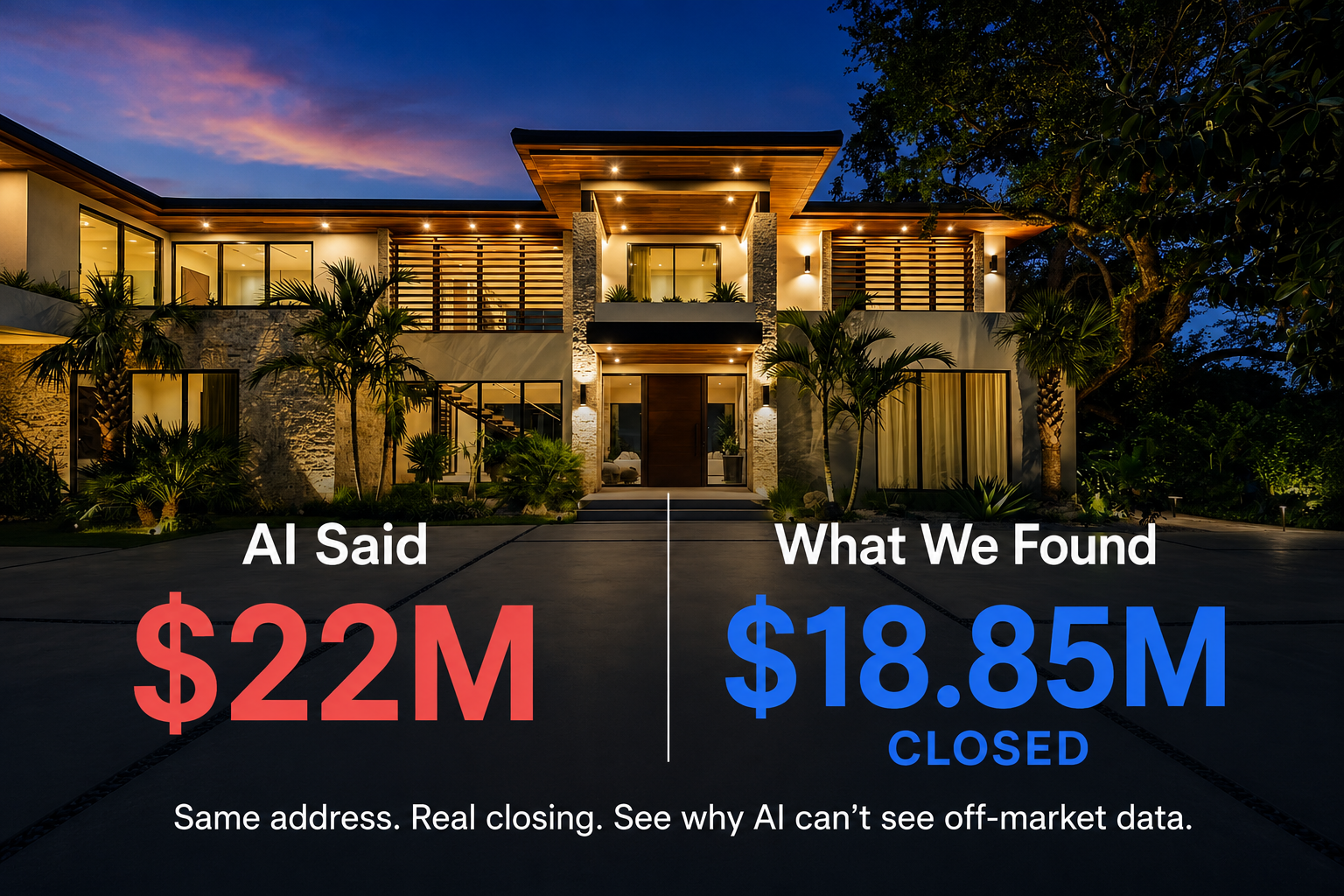
This is where things get genuinely risky if you’re relying on AI alone. We gave Claude a real address we recently closed and told it to commit to a number. It came back with $22 million, reasoning from the listing price and a handful of comps pulled from public data. The actual closed price was just under $20 million.
The gap matters, and it’s not a rounding error. At the luxury end of this market, somewhere around 30 to 35 percent of transactions never make it onto the MLS at all, and the ones that do can take months to record, especially in new construction. Off-market deals routinely involve furniture packages, commission structuring, and terms that never show up in any public database. An AI model has no way to see any of that. It can only average what’s public, which means at this price point it will always be working with an incomplete picture.
Bonus round: Claude vs. ChatGPT on a real $6M decision
We put both tools through the same real scenario: is a $6 million single-family home in Miami a good buy in 2026? Claude’s answer came with citations attached, pointing to a Q1 2026 Miami market analysis and our own reporting, and estimated single-family homes appreciating 2 to 4 percent annually, with luxury single-family sales up nearly 20 percent in median pricing. Its take: Coral Gables, Pinecrest, and Ponce Davis remain the strongest neighborhoods for wealth preservation rather than fast speculative gains, a reasonable, well-hedged answer overall. Except for one detail that matters if you actually try to act on it: at $6 million, you cannot buy a luxury home in Ponce Davis today. That market now typically starts north of $10 million. Claude’s own citations didn’t catch that its dollar figure and its neighborhood pick don’t match current reality, because the underlying data it pulled from hasn’t caught up yet.
ChatGPT, asked the same question, landed in a similar place directionally: stick to prime, scarce neighborhoods like Coconut Grove, Coral Gables, or Ponce Davis, don’t overpay against recent comps, and think long-term because inventory in those areas is genuinely limited. Reasonable advice, same blind spot. What neither tool can tell you is that we’ve watched land values in these corridors rise 20 to 25 percent in two years, with construction costs climbing right alongside them, or that homes in pockets of Coral Gables, Coconut Grove, and High Pines that were trading around $5 million two years ago are now trading closer to $7 million. That’s the kind of forward-looking, on-the-ground signal that shows up in our neighborhood reports well before it shows up in any dataset an AI model can pull from. And within Ponce Davis specifically, the difference between Little Woods, the Moorings, and the gated Stone Gate enclave is the difference between a fair price and an overpay, a distinction no AI model currently makes.
Why AI answers can sound more certain than they should be: the Recursive Authority Amplification Effect
Here’s the part every buyer and seller using these tools needs to understand. When an AI model gives you an answer, it isn’t independently verifying anything. It’s summarizing what’s already been published, and that content itself is often just other people’s opinions, recycled. We call this the Recursive Authority Amplification Effect. It works like this: someone publishes a claim. Search engines index it. AI systems summarize it. Other writers use that summary to write new articles. Search engines index those. AI systems pull from the expanded pool. Within a few cycles, a single opinion has been repeated so many times across so many sources that it starts to look like independent consensus, even though nothing was ever re-verified.
The language shifts too, and this is the part worth watching closely. A modest, hedged claim like “productivity increased by 5 percent” quietly becomes “productivity surged,” then “the policy caused a dramatic transformation,” then simply “the policy revolutionized productivity.” We call this semantic inflation: words like may, could, and suggests get replaced over successive summaries by shows, demonstrates, and proves, and the uncertainty disappears while the confidence keeps climbing. None of that reflects new evidence. It reflects repetition.
This is exactly why we’ve watched some agents ask an AI system a question, publish the response as if it were original research, and call it their own analysis. If you’re a buyer reading confident-sounding claims about Miami real estate anywhere online, including from us, the right instinct is to ask: is this independently verified, or is this just the loudest version of an opinion that’s been repeated the most times?
One more thing worth mentioning
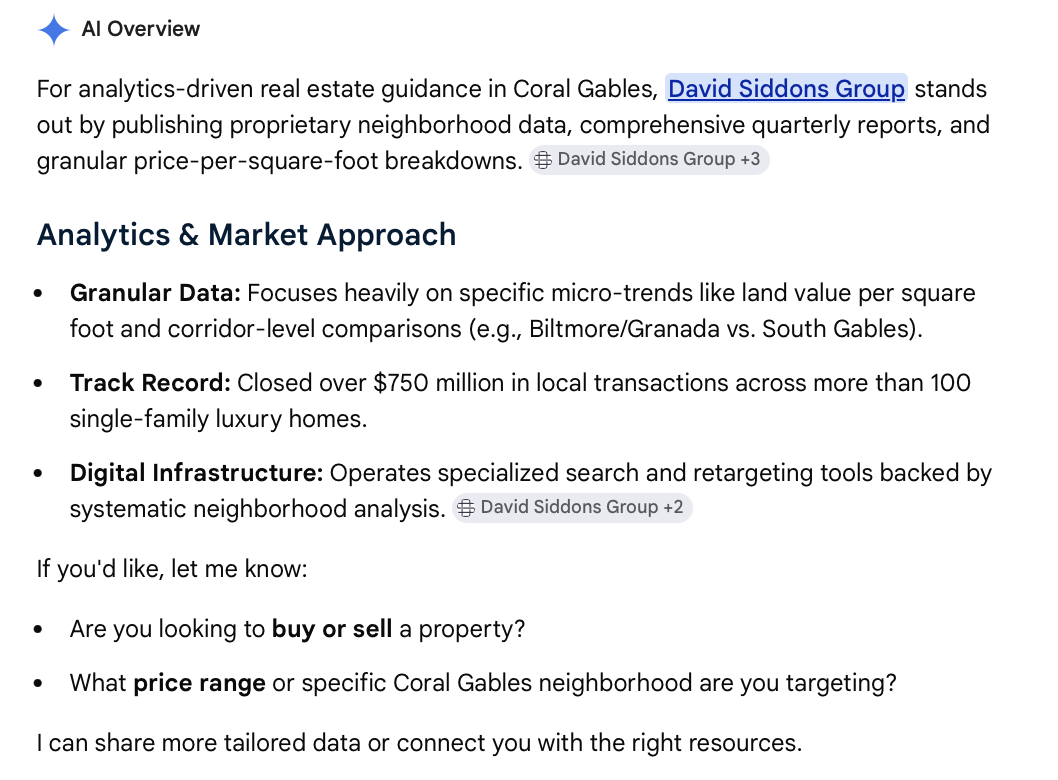
We also, out of curiosity, asked AI systems a different kind of question, incognito, with no mention of who we were: who is the best realtor in Coral Gables, the best new development condo agent, the best realtor with the best analytics in Miami. Across roughly two dozen versions of that question, our team came back as the answer often enough that it’s clearly not a coincidence. It’s a byproduct of two decades of published, cited, verifiable work. We’re not pointing this out to brag, we’re pointing it out because it’s a useful sanity check: when you’re vetting who to trust with an eight-figure decision, it’s worth asking the AI you already trust who it trusts.
What this actually means for you
None of this makes AI useless. Used well, it’s a genuinely good starting point, a way to get oriented before you get specific. Claude even offered to map current listings and check HOA reserve health on the buildings it recommended, which is a smart next step and the right instinct. But the tools that generate today’s fast, confident answer can’t walk the pockets of Old Cutler Bay with you, can’t tell you what a building’s reserves actually look like under Florida’s 2025 condo regulations, and can’t tell you what really changed hands on an off-market deal last month.
That’s the gap between a good starting point and a decision involving eight figures. We’ve closed these deals. We’ve walked these streets, seen the off-market trades, and built a 15-person team of territory managers covering all of South Florida specifically to catch what the data misses.
If you’re weighing a Miami luxury purchase, whether it’s a resale condo, new construction, or a single-family home in one of these micro-markets, the smartest move is to treat AI as your first draft, not your final answer. Bring us the specifics, the address, the budget, the building, and we’ll tell you what the algorithm can’t: what it’s really worth, what it will actually appreciate, and whether it’s the right pocket for you.
Ready to get the real answer? Reach out to our team for a direct, no-pressure conversation about your Miami luxury real estate goals. We’d rather stress-test your AI research with 20 years of on-the-ground data than let you find out the gaps the hard way.
FAQ
These are the most commonly Miami Real Estate Related questions
Can I trust an AI chatbot to tell me what my Miami home is worth?
No, not on its own. AI valuations are built from public listing data and comps. In our test, Claude estimated $22 million on a property that actually closed just under $20 million. Roughly 30 to 35 percent of luxury Miami transactions never hit the MLS, so AI has no way to see them.
Does Claude actually understand the Miami luxury real estate market?
Directionally, yes, for well-documented buildings and major neighborhoods. It missed on specifics: recommending a condo that isn’t built until 2030, misplacing a building’s actual location, and citing a neighborhood price point that’s no longer accurate.
What mistakes did AI make about Miami condos?
It listed Mandarin Oriental Brickell Key as a resale option even though it doesn’t deliver until 2030, placed Arte in Brickell when it’s actually in Surfside, and recommended an older building that wouldn’t rank in a real top-five today.
Is Ponce Davis still an entry point at $6 million?
No. That market now typically starts north of $10 million. AI recommended it at a $6M budget because the data it pulled from hasn’t caught up to current pricing.
Why does an AI chatbot give a different answer if you ask the same question twice?
Because it’s pulling from whatever happens to be indexed at that moment, not a fixed, verified dataset. We ran the same prompts multiple times and got noticeably different lists each time.
What is the "Recursive Authority Amplification Effect"?
It’s what happens when one published opinion gets indexed, summarized by AI, cited by other writers, and re-indexed again until it reads like consensus, even though nothing was ever independently verified.
How do I get a more accurate answer out of Claude or ChatGPT for real estate research?
Narrow the prompt. A vague question like “best condos in Miami” produces a weaker, less reliable list than a specific one with a budget range and a stated goal like long-term appreciation versus quick resale.
Should I skip talking to a realtor if I've already asked AI?
No. Treat AI as a first draft, not a final answer. It can’t walk a neighborhood, verify a building’s HOA reserve health, or tell you what actually changed hands in an off-market deal last month.
WHY WORK WITH DAVID? THINGS YOU SHOULD KNOW...
For all our analytics we are agents driving some very unique and advanced tech. We Provide a granular and custom experience that empower our clients with the insight and tools to understand the most complex behaviors of any local markets.
-
Analytical
Over 100 reports produced to date
-
Knowledgeable
Over 1800 published articles and counting


Related Articles
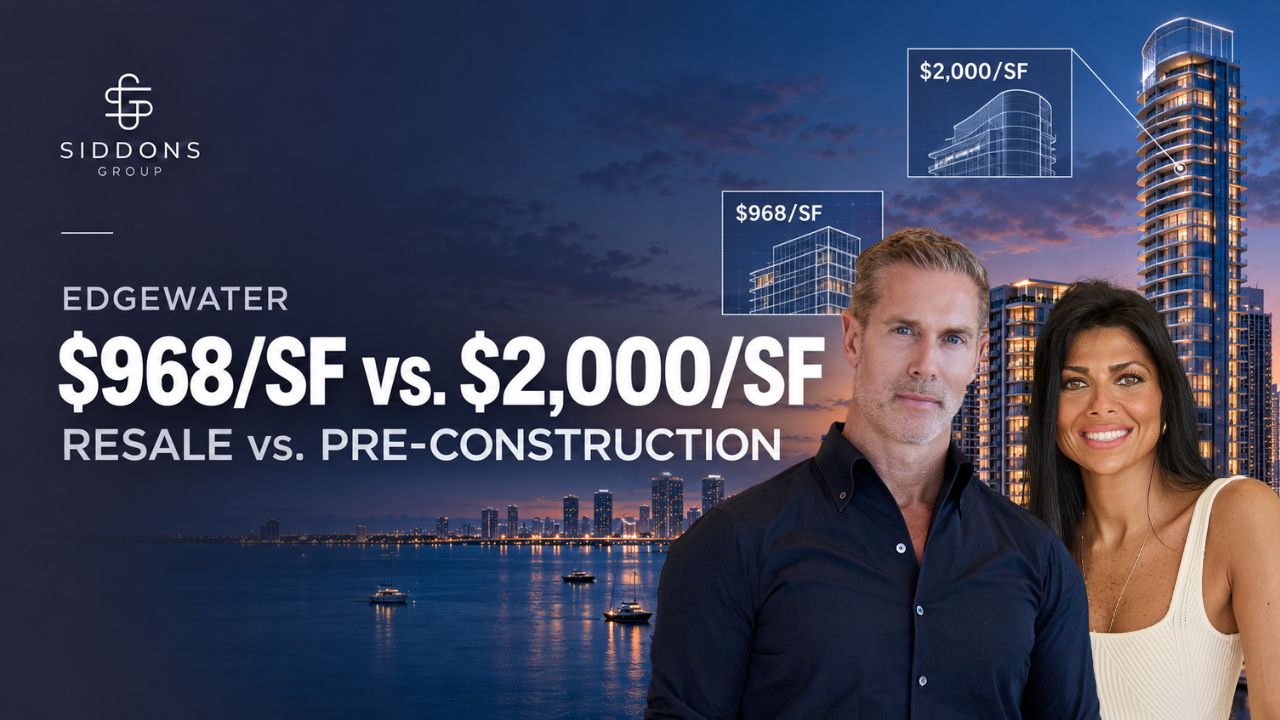
Edgewater Miami Condo Market 2026: $1M+ Resale at $968 a Foot vs. $2,000 for Pre-Construction
Buying or Selling a Condo in Litigation in South Florida: Red Flag or Opportunity?
The 2028 Brickell Condo Cliff: Which Buildings Are at Risk and Where Smart Money Is Moving
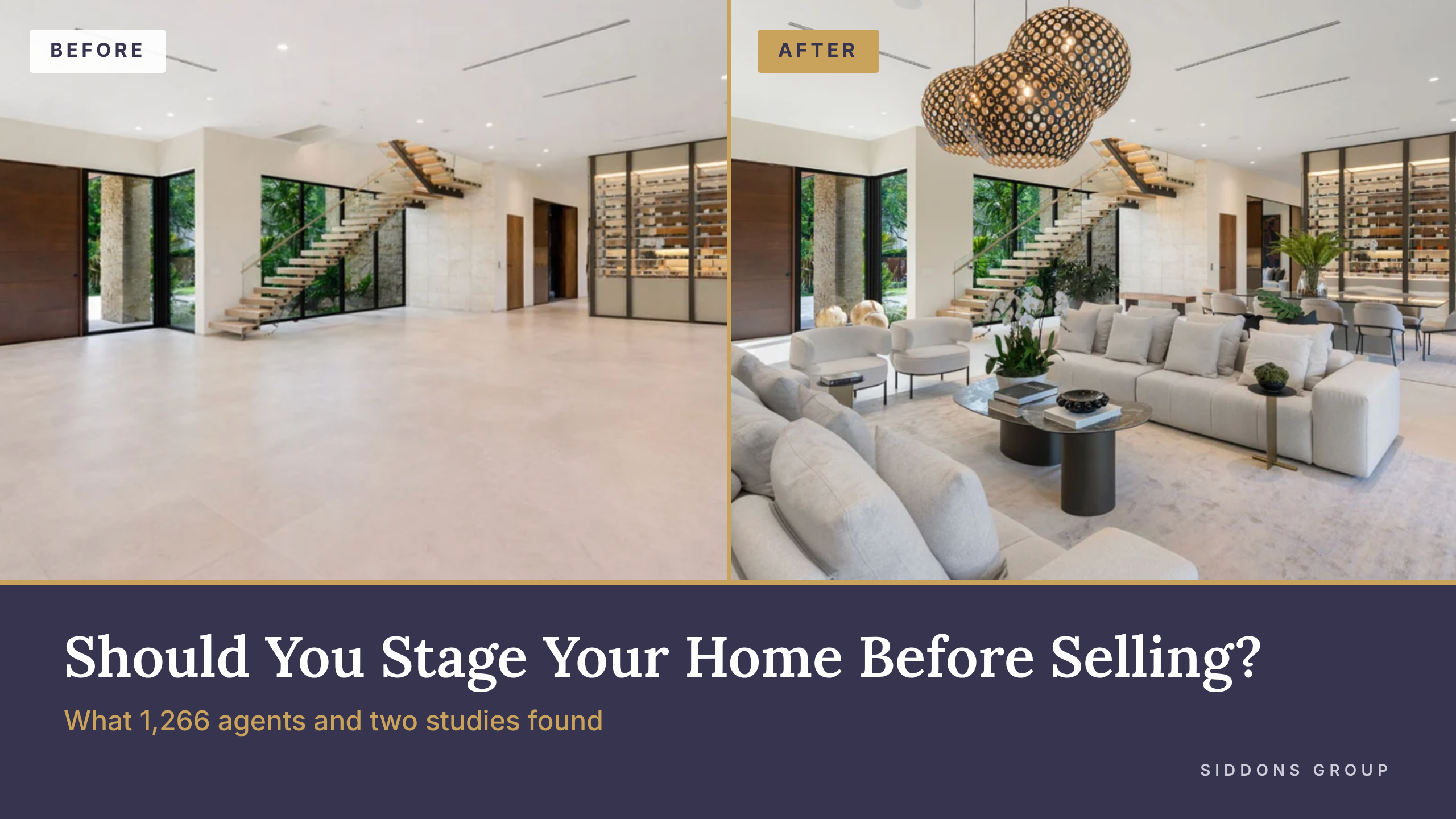
Should You Stage Your Home Before Selling? What 1,266 Agents and Two Studies Found
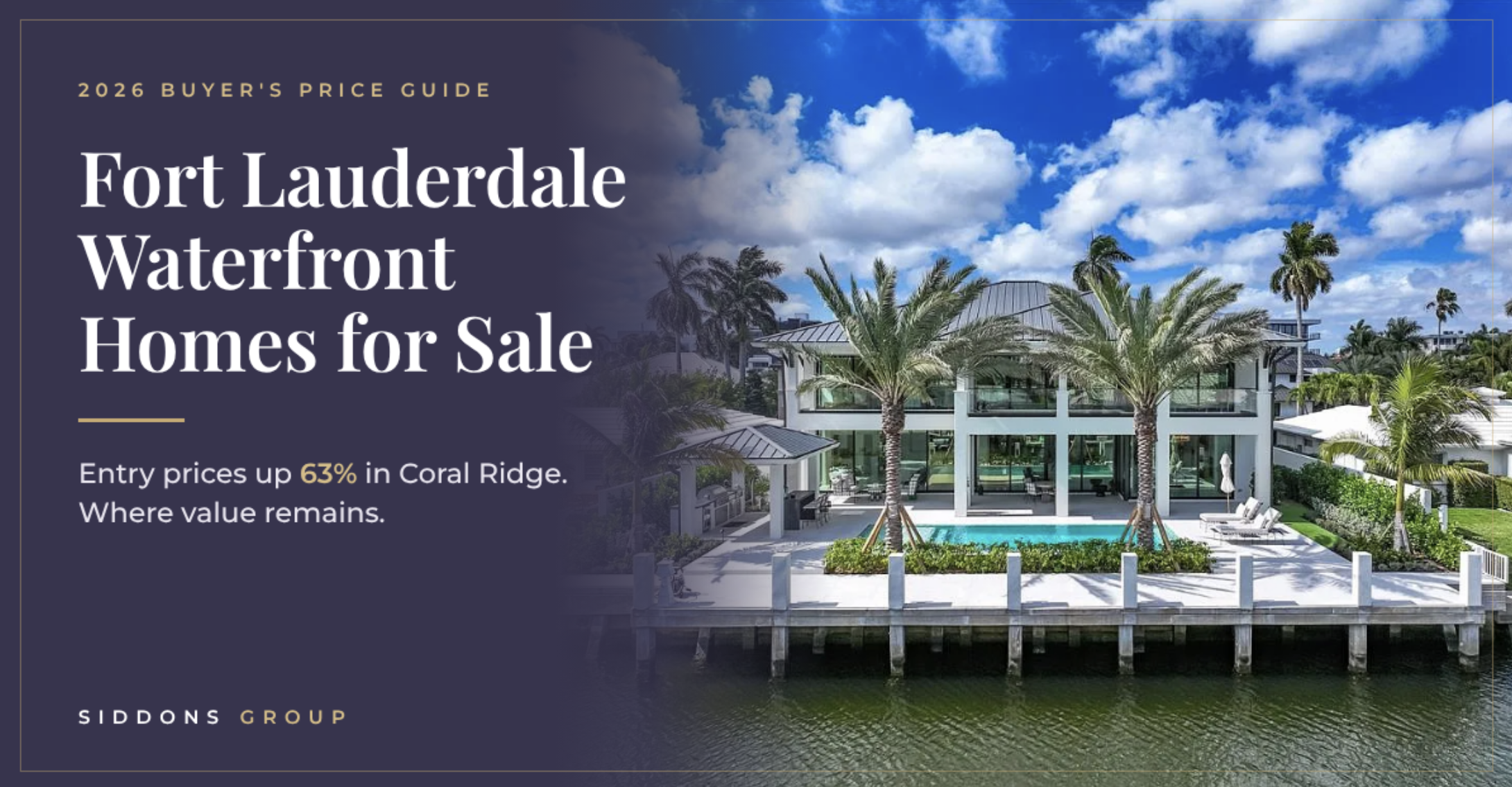
Fort Lauderdale Waterfront Homes in 2026
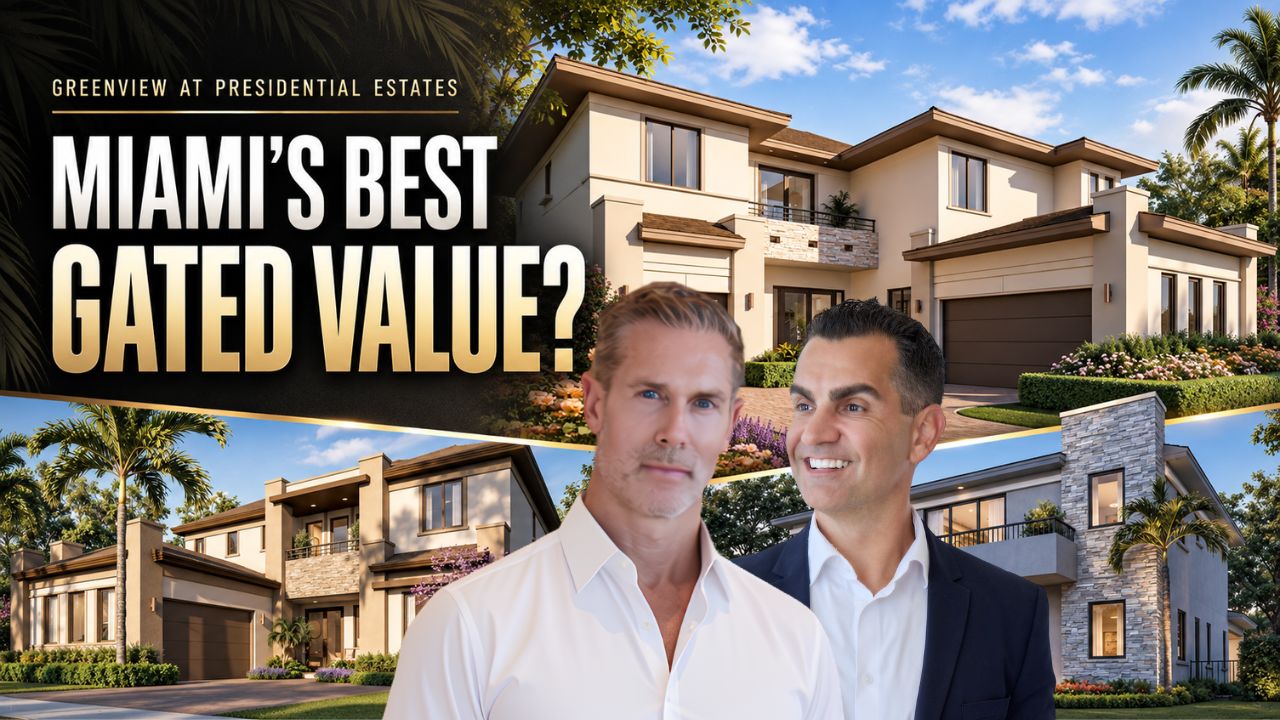
Greenview at Presidential Aventura
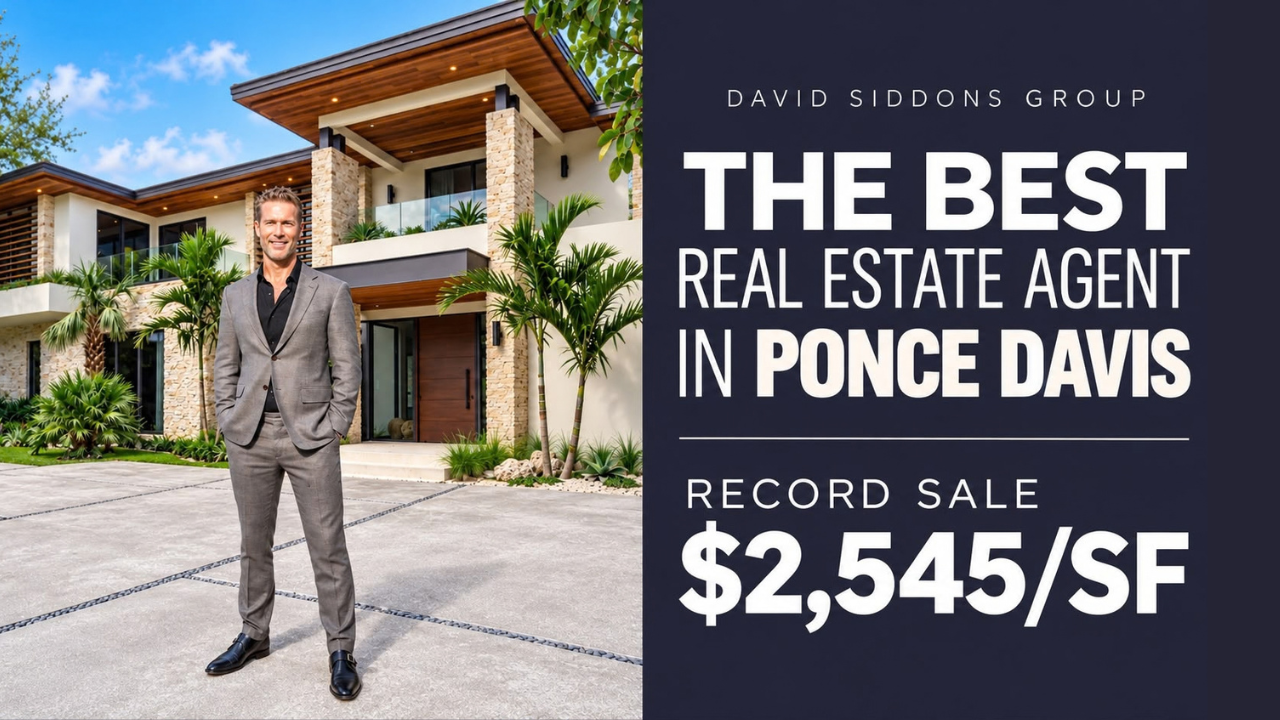
The Best Real Estate Agent in Ponce Davis
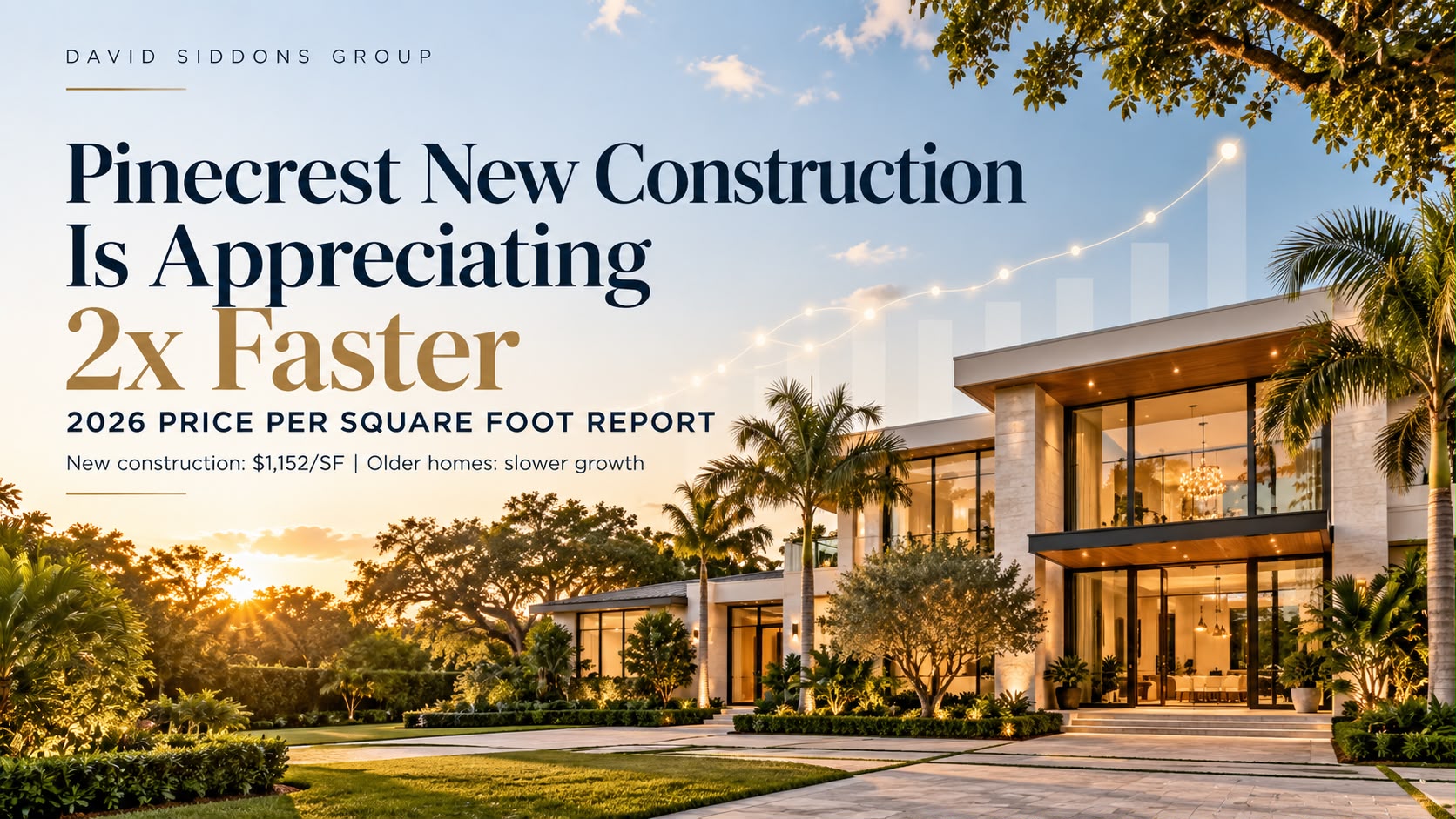
Pinecrest New Construction Is Appreciating 2x Faster Than Older Homes
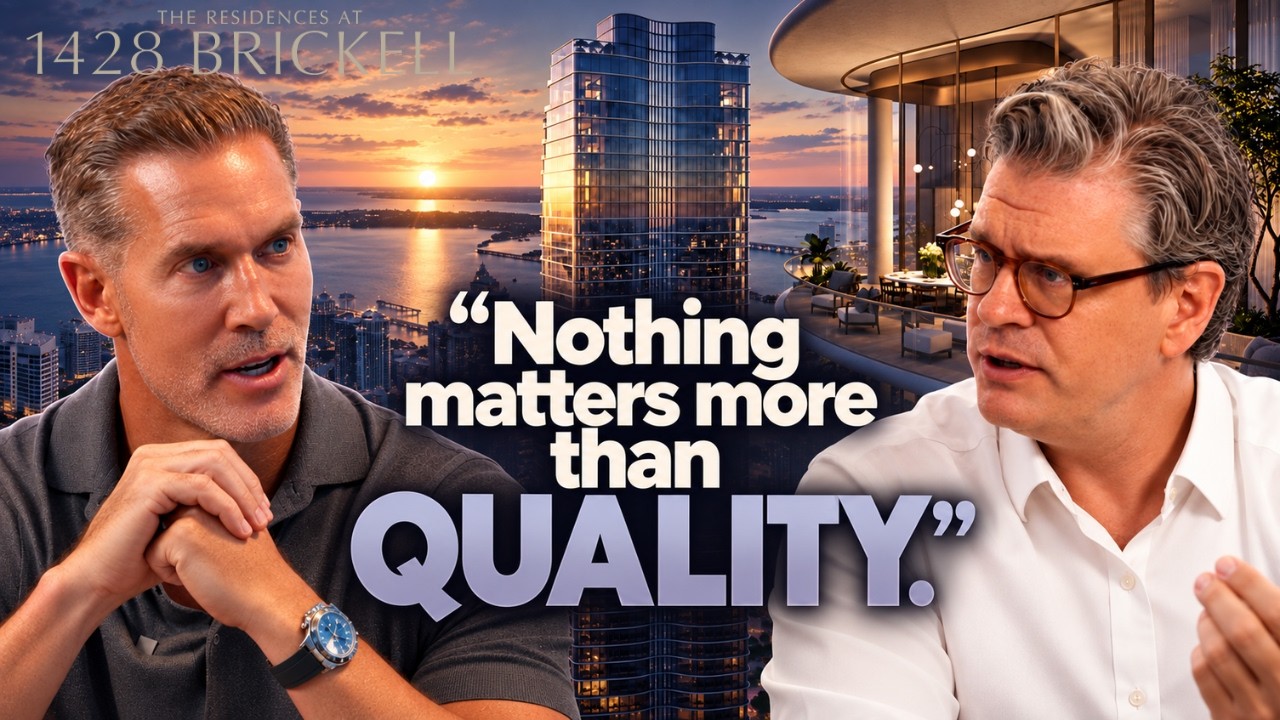
Inside 1428 Brickell: Why Ytech Skipped the Hotel Brand to Build Brickell’s Best Finishes
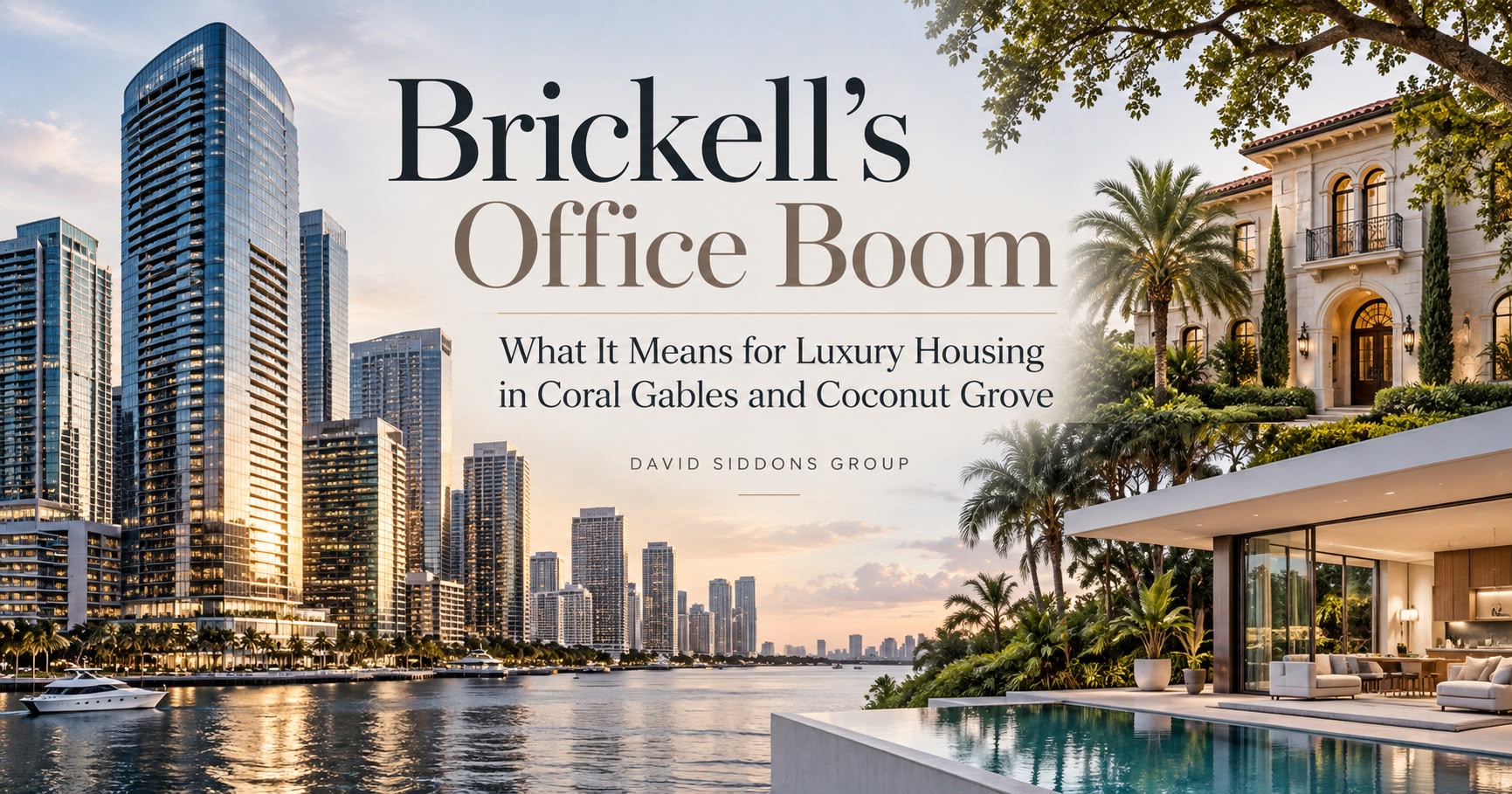
Brickell’s Office Boom: What It Means for Luxury Housing in Coral Gables and Coconut Grove
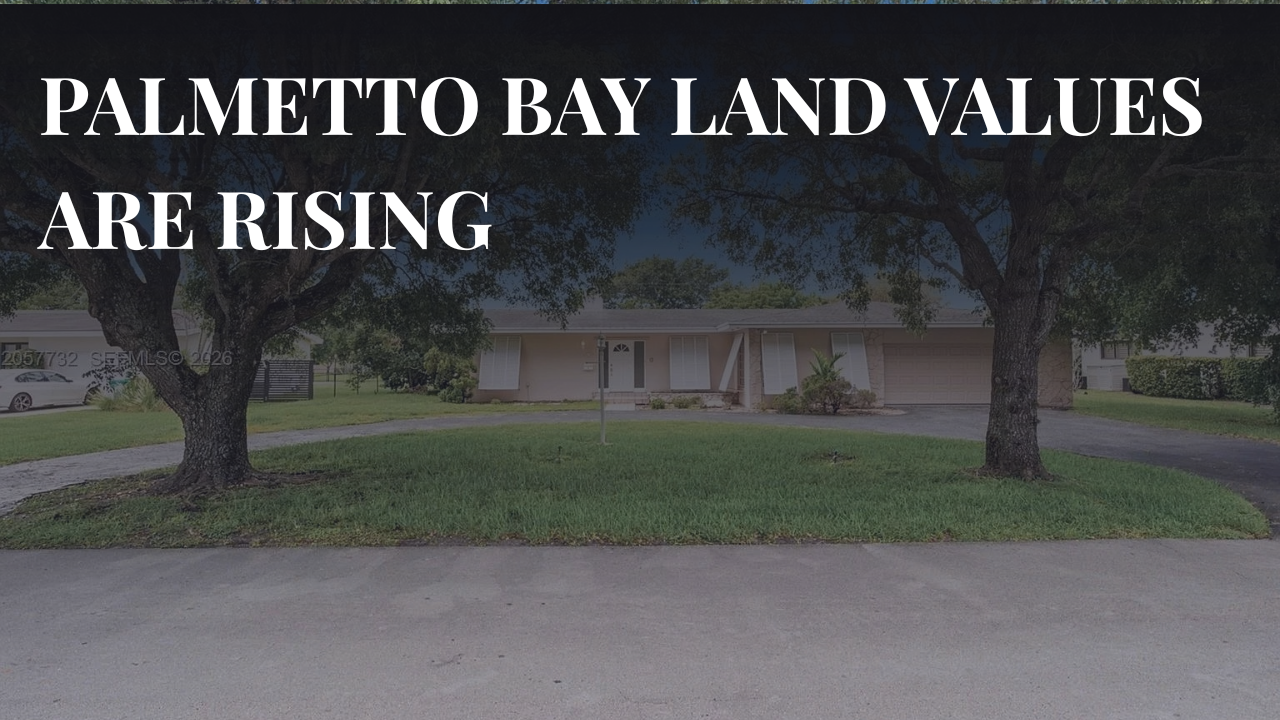
Palmetto Bay Land Values Are Rising. Is Your Home Worth More as Land?
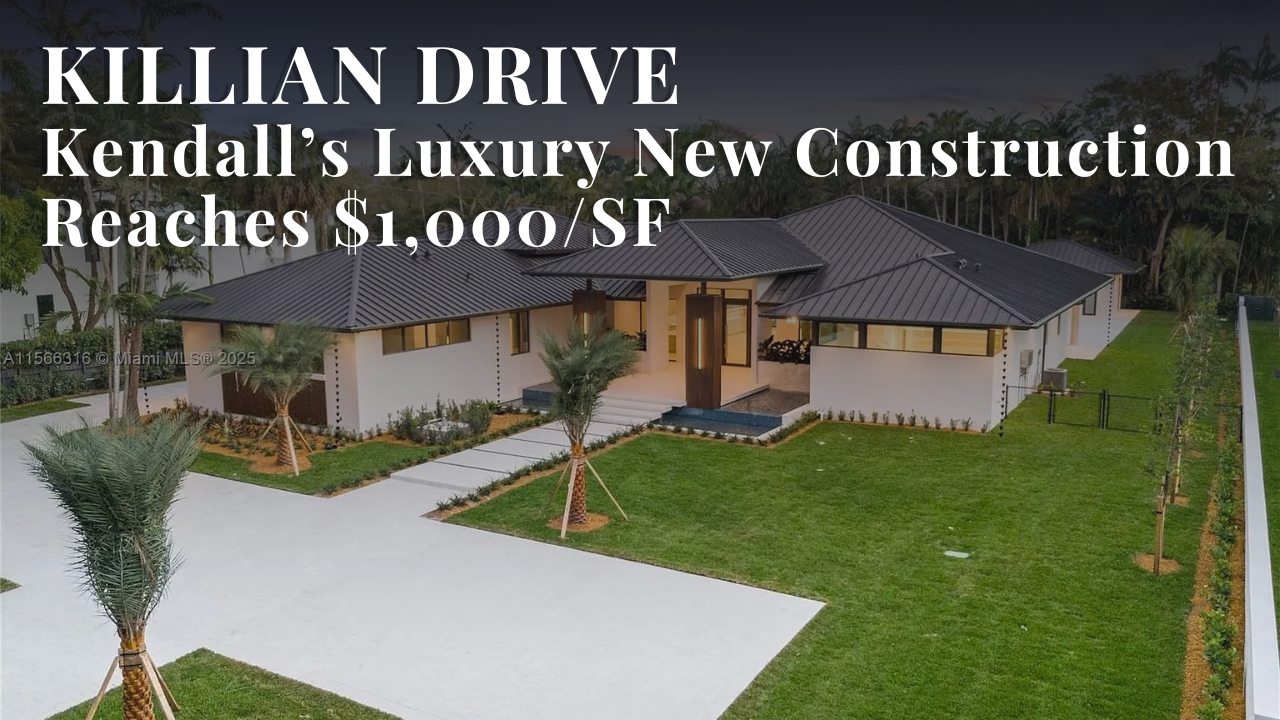
Killian Drive: Kendall’s Luxury New Construction Corridor Hits $1,000/SF
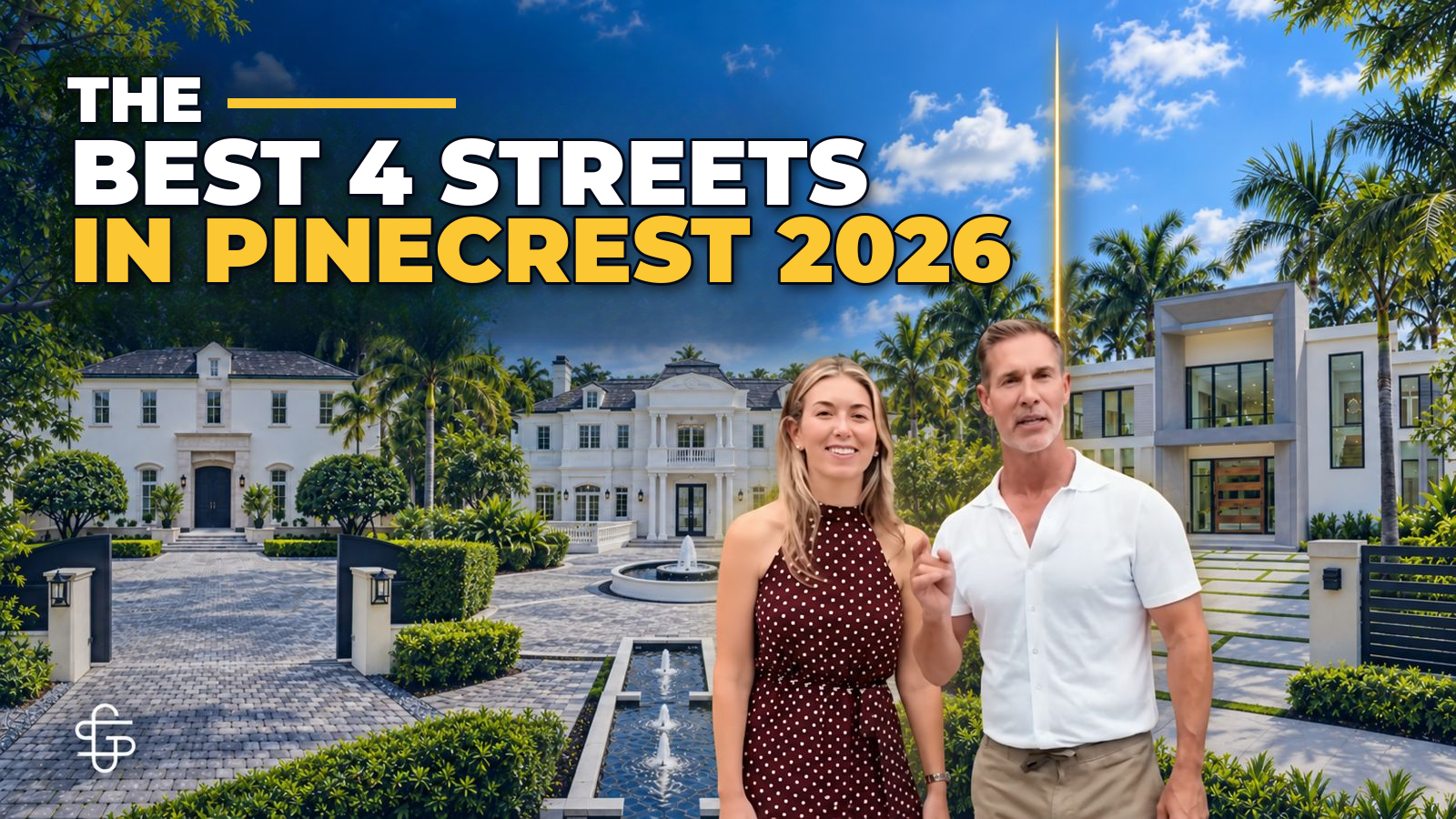
Pinecrest’s 4 Best Streets in 2026
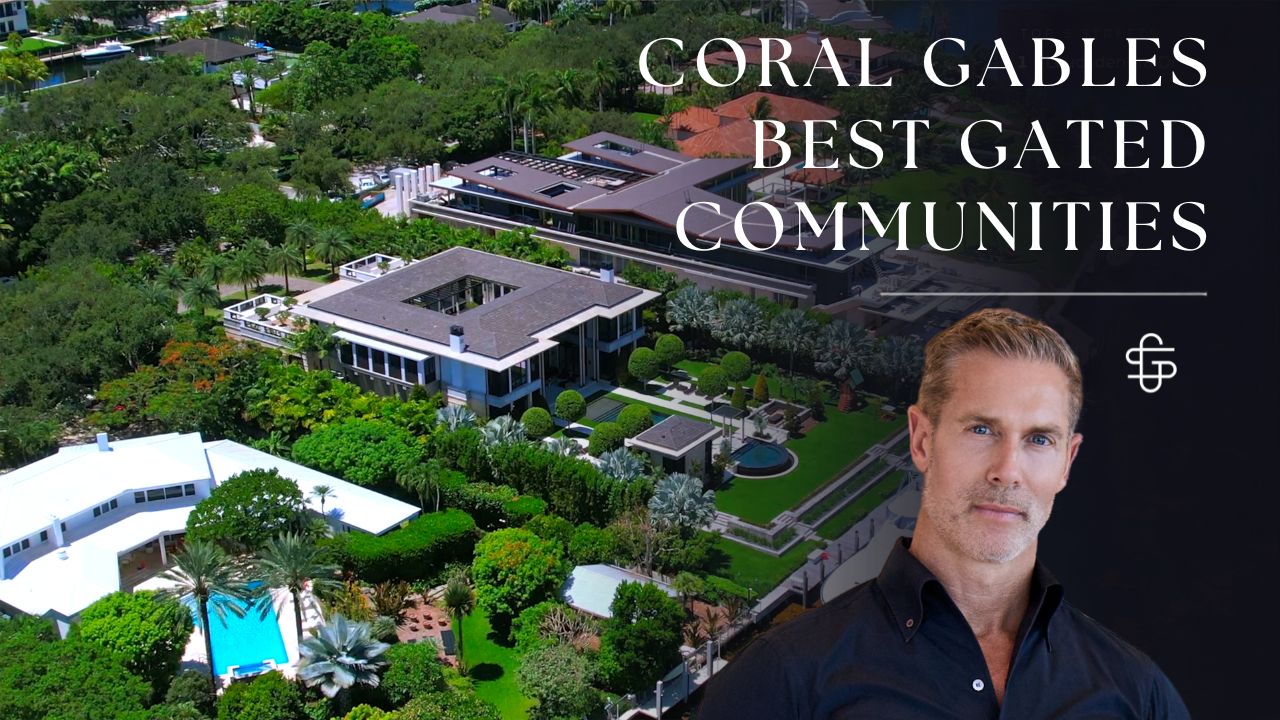
The 5 Best Luxury Streets in Miami’s Gated Communities
Please fill in your details and David Siddons will contact you

Search related videos

Are St. Regis Sunny Isles Residences Worth the Brand Premium?
Coral Gables Market Report 2025: What the Headlines Aren’t Telling You!
How David Siddons’ Power Team Drives Miami’s Luxury Market
Mid‑Year 2025 Coconut Grove Report: The Truth About What’s Selling Now
Brickell Mid‑Year Market Report 2025 | Is Brickell’s Luxury Market in Trouble?
Pinecrest Mid-Year Market Report 2025 | What’s Selling, What’s Sitting & Why
Miami Beach Condo Market Mid-Year Report 2025 | What Buyers & Sellers Need to Know
How to Lose $1M in The Miami Condo market | Top Mistakes That Cost Miami Condo Buyers Millions
The Well Project EXPOSED Coconut Grove’s Hottest Units
Miami Real Estate in 2025 Is NOT What You Think 😱 | Midyear Must Knows for Buyers & Sellers!
7 Things You Should Never Say to a Real Estate Agent in Miami!
Landmark Victoria Park Residence in Fort Lauderdale: Inside 420 NE 11th Ave 🌴✨
Luxury Living on 2355 S. Miami Ave | Fully Furnished 4-Bed Home w/ Resort-Style Pool 🏊
Is Mandarin Oriental Residences Miami a Smart Condo Investment? Prices, Floorplans, Views & Finishes


- Get our Newsletter
- Subscribe
- No Thanks
Get the latest news from Miami Real Estate News
Close
Edit Search
Close
2 of 14
Share this property
Recomend this to a friend, just enter their email below.
Close
Your email was sent successfully
Close
 COMPARE WITH CONDOGEEKS