

















- Best of All
- Best Miami Luxury Condos
- Most popular
- Relocating to Miami
- Private Schools
- Investments
- Gated communities
- Waterfront information
- Luxury homes
- Luxury Condos
- New Construction Condos in South Florida
- Independent Pre-Construction condo reviews for Miami
- Independent Pre-Construction condo reviews for Fort Lauderdale
Best and Worst Performing Condos in Miami Beach in 2025
Methodology
Miami Beach’s luxury condo market in 2025 is sharply divided. Some towers continue to command premium prices and maintain stability, while others face oversupply, deferred maintenance, and weak demand. In this report, we highlight the 3 best-performing condos, and the 3 underperformers. We break down why the top performers are thriving and why the others are struggling. Each building is analyzed across key metrics: price per square foot trends, sales velocity, inventory, HOA fees, reserve health, rental versus owner occupancy, and assessment risk. This is a curated selection, contact us for detailed insights on the full spectrum of Miami Beach luxury condos. If your building does not appear in the list please connect with us, and we tell you how your building has performed.

The 3 Best Performing Condos in Miami Beach

1 Continuum on South Beach
The Continuum on South Beach remains one of Miami Beach’s most prestigious oceanfront addresses, spanning two towers — the 40-story South Tower and the 37-story North Tower — with 521 residences on a private, 12-acre beachfront enclave at the southern tip of South of Fifth. Residents enjoy world-class amenities, including a full-service beach club, the Continuum Sporting Club & Spa, multiple resort pools, a private restaurant, concierge, valet, and 24-hour security. After post-pandemic appreciation, the market has stabilized at historically high pricing, with the average price per square foot rising to $3,192 in 2025 and several sales exceeding $4,000 per square foot. Limited inventory — just 20 units listed, representing only 3% of the building — keeps the condo in strong demand, while the current 14-month inventory signals a healthy luxury market. Average days on market have increased to 200, reflecting careful price positioning for discerning buyers, and only 13 sales have closed to date in 2025, compared to 23 in 2024. Monthly association dues average $2.45 per square foot, translating to roughly $4,900 per month for a 2,000-square-foot residence, a reasonable cost given the level of service and amenities. A recent special assessment will fund upgrades to the three-level gym and spa, ensuring the 23-year-old building remains world-class, while strong rental demand allows owners to charge premium rates without compromising quality, with less than 10% of units rented at any given time. Continuum’s combination of record-high pricing, stable sales velocity, low inventory, prestigious South of Fifth location, brand recognition, and resort-level amenities make it one of Miami Beach’s best-performing luxury condos in 2025.
Continuum Predictions for 2026: In 2021, Continuum saw a staggering 69 sales with prices reaching $4,250 per sqft. By 2025, sales slowed to just 15 (about 3% of total units) with a new ceiling of $4,850 per sqft, down from 2024’s pace. Still 60% of the top 10 most expensive sales on the beach happened at Continuum. This condo remains highly desirable thanks to its exceptional service and prime location. However, its older design and lower ceilings will likely cap future appreciation as newer projects enter the market. Don’t expect much, if any, price growth in 2026.
2. Portofino Tower
Portofino Tower, completed in 1996, is a landmark South of Fifth high-rise with 206 residences across 44 stories, showcasing panoramic ocean and bay views through floor-to-ceiling glass. Residences range from one to four bedrooms with 9-foot ceilings, while recently modernized amenities include a resort-style pool, fitness center with 180-degree views, tennis courts, spa, concierge, valet, and 24-hour security. Following post-pandemic appreciation, pricing has stabilized yet continues to outperform pre-COVID benchmarks, with average price per square foot rising from $1,258 in 2024 to $1,560 in 2025, and the highest sale reaching $2,340 per square foot. Market velocity has increased, with average days on market dropping from 220 to 143 and eight closed sales to date, while current listings represent just 5% of total inventory. Rental demand remains strong, with 23 leases recorded in 2025 and only four units available for rent, supporting investor confidence. Monthly HOA dues average $1.80 per square foot (roughly $3,620 for a 2,000-square-foot unit), reflecting inflationary trends and reserve funding. With its exclusive South of Fifth location, boutique scale, ongoing upgrades, and stable rental absorption, Portofino Tower remains one of Miami Beach’s best-performing condos in 2025 and shows continued potential for value growth.
Portofino predictions for 2026 – After a major ‘facelift’ finished September 2025 this condo looks like the real deal! The top trade was just at $1,570 per sqft, which for a Beach condo is affordable (not even mentioning it is located in South of Fifth). With so many prime buildings across Miami, charging well over $2,000 if not $3,000 per sqft, you really cannot expect prices to stay suppressed, expect a jump in 2026!
3. Eighty Seven Park
Eighty Seven Park designed by Renzo Piano and completed in 2019, is a 66-residence boutique tower on Miami Beach’s northern edge near North Shore Park. The glass tower blends modern minimalism with nature, offering expansive terraces, private gardens, and curated amenities including a full-service spa, wine bar, botanical gardens, and concierge services. Its limited scale and architectural pedigree make it one of Miami’s most exclusive addresses. In 2025, only three sales have closed to date, with average prices exceeding $3,000 per square foot, heavily influenced by a $29 million penthouse sale at $4,500 per square foot. Average days on market dropped sharply from nearly 600 to 120, reflecting renewed buyer confidence and strong demand for rare, move-in-ready ultra-luxury units. Only five active listings are available, representing roughly 7.5% of total residences, keeping supply tight and supporting values. HOA fees average $3.60 per square foot ($7,200/month for a 2,000-square-foot residence), reflecting the building’s personalized service, staff-to-resident ratio, and boutique exclusivity. With less than 4% of units rented annually, the tower remains an end-user market, emphasizing scarcity, architectural prestige, and lifestyle quality over rental yield. Eighty Seven Park exemplifies Miami Beach’s ultra-luxury evolution, combining design excellence, limited inventory, and sustained demand to remain one of the city’s most resilient and desirable condo assets.
87 Park Predictions for 2026 – Record-breaking sales have hit $4,500 per sqft, though many other units in Eighty Seven Park have closed for much less. This new high suggests a “rising tide lifts all boats” effect, likely boosting overall values. 2026 will be able to justify a higher price per sqft for South side facing units. However, be warned. The North side will face challenges as the Delmore is set to break ground and any unit owners who leave their sale too late will be faced with the noise and reality of a busy construction site in full effect!
The 3 Worst Performing Condos in Miami Beach

1 Roney Palace
Roney Palace has prime oceanfront location connected to the One Hotel South Beach complex. Despite resort-style amenities, its 565 units, aging infrastructure, predominant short-term rental presence, and the very touristic landscape create persistent market headwinds compared with more exclusive, owner-driven buildings in South of Fifth and more quiet pockets of Miami Beach. Average price went up slightly from $1,193/SF in 2023 to $1,256/SF in 2025 up to date. However, sales slowed sharply in the last couple of years, only 5 closings YTD vs 20 in 2024 and 30 in 202, and inventory is at record high with 51 active listings and years of supply. HOA fees increased 50-60% in the past few years to the current $2.15/SF, the highest for its age profile. Rental velocity decreased to 26 so far in 2025 vs 60 units rented per year both in 2023 and 2024. The rental supply currently shows 100 active listings on the Multiple listing system creating a tough competition and further downward pressure in the resale values and rental returns.
Conclusion: Roney Palace is an example of how rising operating costs, high investor concentration in such a high density condo can weigh on long-term performance. Although select renovated units have achieved strong prices, the broader building struggles with elevated inventory, slower turnover, and softening rental absorption, which is the oxygen of this type of predominantly investor product.
2 Carillon Center Tower
Located on Miami Beach’s northern shoreline, the Carillon Center Tower is part of the Carillon Wellness Resort. This 230-unit tower has ≈ 150 hotel suites and 80 private residences — a hybrid model that’s become a liability in 2025. Inventory has risen from 10-12 units in prior years to 33 active listings, making 5 long years of supply and 14% of the total inventory. Average pricing went from $969/SF in 2024 to $911/SF YTD with values ranging from $676 to $1,091/SF. This widespread reflects the building’s dual identity, with hotel-program units trading at significantly lower valuations than full condominium residences, which might seem counterintuitive as Investors and second/third home buyers are attracted by the exposure to both nightly and long-term income streams. HOAs are as high as $3.30/SF, offsetting the benefits of its famous spa and fitness facilities. Rental absorption is steady but returns are compressed by competition and fees.
Conclusion: The Carillon Center Tower faces one of the softest resale environments in Miami Beach for 2025. The surge in available inventory, wide pricing volatility, and rising carrying costs have pushed the building into a clear buyer’s market. While it continues to attract investors seeking flexible use options, its performance lags behind more traditional luxury condos due to market saturation and limited owner-occupant appeal.
3 Mondrian South Beach
Mondrian South Beach, a 342-unit Philippe Starck–designed hotel-condo hybrid on the Bay side of South Beach, initially drew strong investor interest for its trendy design and west-facing views. However, its performance has lagged behind the broader Miami Beach market due to high operating costs, heavy investor turnover, and aging interiors. The resale market has softened significantly in 2025: 41 active listings (~12% of units), only 4 sales year-to-date (down from 15 in 2023), and units linger on the market for an average of 15 months. Average closed prices per square foot have declined each year, from $683/SF in 2023, to $625/SF in 2024, and $619/SF this year—highlighting both falling prices and limited liquidity.
Rental performance has also weakened. Long-term rentals have nearly disappeared, leaving only 2–3 minimum 30-day rentals recorded per year versus 10–20 before 2023, while reliance on daily rentals increases management costs. High HOA fees ($3.50/SF), comparable to top-tier luxury buildings like Eighty Seven Park, further weigh on returns despite the property’s lack of exclusivity.
Conclusion :The Mondrian South Beach exemplifies how high operating expenses and hotel-condo structures are naturally against value appreciation over time. These carrying costs significantly erode investor returns, making it difficult for owners to justify pricing aligned with market expectations. The combination of hotel-program overhead and maintenance intensity keeps dues elevated while offering limited lifestyle or resale upside
Conclusions
The Best Performing condos in Miami Beach have these common traits:
- Owner-Driven, Not Investor-Driven →Most owners live there. Fewer rentals and less turnover means prices stay steady and resale values hold strong.
- Strong Financials →These buildings have solid reserves, realistic HOA fees and well-managed assessments — no big surprises.
- Scarcity + Reputation →Only a few units are ever for sale and the properties are brands with strong design and amenities.
- Stable Demand →Buyers here are end-users and long-term residents who value lifestyle and security over short-term price swings.
The Underperforming Condos have these common traits:
- Excessive HOA Fees → Often the result of delayed maintenance in the past, these very high Hoa fees are barely covered by rental returns
- Too Much Inventory →Too many investors and long sales (6-12 months or more) are hurting values.
- Older Buildings →Many were built 20+ years ago and now face higher insurance and new building codes and renovations translating into heavy special assessments*
- Assessments →Some owners are being hit with $70K-$180K repair bills, scaring off buyers and slowing sales
Connect with The David Siddons Group
Thinking of buying or selling in Miami Beach? I’ve analyzed every major building in these markets and can offer you a private strategy session to ensure you’re on the winning side. Don’t gamble with a million-dollar decision, I’ll help you separate true value from hidden risk. Whether you’re buying or selling, timing and building choice are everything. With years of experience guiding clients through Miami’s luxury condo market, I’ll make sure you protect and grow your investment.
Before you commit to a building, commit to a call — and get the insider’s edge you need to make the right move.
📞 Call me directly at (305) 508-0899 or schedule a meeting using the link below.
FAQ
These are the most commonly Miami Real Estate Related questions
What should relocation buyers know before buying real estate in Miami?
HOME BUYERS
Relocation buyers looking at homes in Miami should understand that choosing the right house is less about the property itself and more about location, schools, and long-term value. Many buyers make the mistake of focusing on price or finishes, while the real driver of value is the neighborhood and micro-location. Older homes often represent better value, but may also be part of a future redevelopment cycle. Newer homes command premiums, but don’t always sell faster if pricing is ahead of the market. Commute time, school access, and community dynamics are critical and often underestimated. The key is to evaluate homes not just as lifestyle purchases, but as long-term assets within a very localized market.
Sources:
https://luxlifemiamiblog.com/relocating-to-miami/
https://luxlifemiamiblog.com/relocating-to-miami-with-a-family/
CONDO BUYERS:
Relocation buyers should understand that Miami is a highly segmented, building-driven market, not a uniform one. Pricing can vary significantly between similar properties depending on building quality, layout, and financial health. Many buyers assume newer construction equals better investment, but that is often not the case. Factors like HOA fees, reserves, and rental policies can materially impact long-term value and liquidity. Negotiation opportunities often exist, especially in slower segments, but require precise market knowledge. The key is to evaluate micro-markets and individual buildings, not just neighborhoods or price per square foot.
Sources:
https://luxlifemiamiblog.com/miami-real-estate-market-report/
https://luxlifemiamiblog.com/new-construction-miami-guide/
What are the best areas for relocating families with children
For families relocating to Miami with young children, the most recommended neighborhoods are Coral Gables, Coconut Grove, and Pinecrest. Coral Gables offers the best balance of top schools, safety, and long-term value. Coconut Grove is ideal for younger families seeking walkability, greenery, and a lifestyle-driven environment. Pinecrest provides larger homes, excellent schools, and better value for space, making it ideal for growing families. The key driver across all three is access to strong schools and primary residential stability. Relocation decisions are less about new construction and more about long-term livability and resale strength.
Sources:
https://luxlifemiamiblog.com/best-neighborhoods-miami/
https://luxlifemiamiblog.com/what-are-the-best-family-neighborhoods-in-miami-in-2023/
Are new construction condos in Miami a good investment?
New construction condos in Miami can be a good investment—but only if you understand that not all buildings perform the same. According to the David Siddons Group, many buyers assume “new = better,” but in reality, performance depends on pricing, layout, building quality, and long-term demand. Some new developments set future price benchmarks and can drive long-term appreciation, especially in top-tier projects. However, many are priced aggressively at launch, and buyers relying on marketing instead of data often overpay.
The market is highly segmented, meaning two new buildings next to each other can perform very differently.
The best opportunities typically come from selecting the right building early or negotiating correctly in later phases.
In short: new construction is not automatically a good investment—it becomes one only with building-level analysis and disciplined entry pricing.
Sources:
https://luxlifemiamiblog.com/how-to-buy-a-luxury-condo-in-miami/
https://luxlifemiamiblog.com/category/independent-new-construction-condo-reviews/
https://luxlifemiamiblog.com/beyond-clickbait-real-insights-into-miamis-luxury-condo-market/
Why is buying a Miami condo riskier than buyers think?
Buying a Miami condo is often riskier than buyers expect because the true risks are at the building level—not visible in the listing price. Many buyers focus on finishes and views, while overlooking HOA reserves, insurance exposure, and potential special assessments. In reality, two identical units in different buildings can perform completely differently over time. Rising HOA fees and stricter regulations are also increasing the true cost of ownership, especially in older buildings. Liquidity can be affected by factors like financial health, rental policies, and ongoing repairs. The key risk is not the condo itself—but buying into the wrong building without proper due diligence.
Sources:
https://luxlifemiamiblog.com/how-to-buy-a-luxury-condo-in-miami/
https://luxlifemiamiblog.com/miami-condo-market-risks/
What are Miami's Safest Areas?
Which Miami Areas Still offer Great Value (Budget Friendly alternatives to Coral Gables and Pinecrest)
If you’re looking for better value than Coral Gables or Pinecrest, the answer (in true Siddons style) is not “go cheaper”—it’s go one layer outside the obvious markets.
The strongest value plays are:
- Schenley Park → closest substitute to Coral Gables at ~20% discount while maintaining similar character and location
- Biltmore Heights → almost identical feel to the Gables but ~25–30% cheaper on a $/SF basis
- Glenvar Heights → central location with larger lots and ~25% pricing advantage vs South Miami/Gables
- Baptist / Galloway (Kendall) → Pinecrest-style living (space, schools, land) at up to ~30% lower pricing
The pattern is consistent:
👉 Buyers are shifting west and slightly off-market to gain land, scale, and pricing efficiency. You don’t find value by going to a “cheaper neighborhood”—you find it by identifying adjacent micro-markets that offer the same lifestyle fundamentals without the brand premium.
Sources:
https://luxlifemiamiblog.com/best-value-neighborhoods-miami/
https://luxlifemiamiblog.com/category/miami-neighborhoods/
Is NOW a good time to buy in Miami?
Are Miami real estate prices going down in 2026?
No—but that’s the wrong way to look at it. Miami is not one market anymore, so prices are not moving in one direction. In 2026, the market is split into two: ultra-luxury, scarcity-driven areas (like waterfront and top-tier neighborhoods) are still holding or even rising, while mid-tier condos and oversupplied segments are flat or correcting. What we’re seeing is price divergence, not a crash—some properties are gaining value while others are quietly adjusting downward. Rising inventory and more selective buyers are putting pressure on pricing in certain segments, especially older condos or buildings with weaker fundamentals.
At the same time, global wealth and cash buyers continue to support pricing at the top end of the market. So the real answer: prices aren’t broadly dropping—they’re being repriced based on quality, location, and supply.
Should I buy a house or a condo when relocating to Miami?
The decision comes down to lifestyle first, investment second—and most relocation buyers get that backwards. If you want space, privacy, schools, and long-term family living, a single-family home in areas like Coral Gables or Coconut Grove is typically the stronger choice. If you prioritize walkability, low maintenance, and proximity to business districts, a condo in Brickell or waterfront markets makes more sense.
From an investment perspective, homes tend to be more stable, while condos are more building-dependent and cyclical. Most relocation clients underestimate how much building quality, HOA structure, and future costs impact condo performance. The right answer isn’t “house vs condo”—it’s which asset fits your lifestyle AND holds value within its micro-market.
How do I choose the right Miami neighborhood for my lifestyle?
Why are Miami condo prices so different between buildings?
Miami condo pricing varies widely because value is determined at the building level, not just by location. Two buildings next to each other can have major differences in financial health, reserves, HOA fees, and management quality. Buyers also pay premiums for better layouts, views, amenities, and newer construction—but not all “new” buildings perform equally. Factors like rental policies, upcoming assessments, and building reputation can significantly impact resale value. This is why price per square foot alone is misleading in Miami’s condo market. The real driver of value is how that specific building competes within its micro-market over time.
Sources:
https://luxlifemiamiblog.com/how-to-buy-a-luxury-condo-in-miami/
https://luxlifemiamiblog.com/category/independent-new-construction-condo-reviews/
WHY WORK WITH DAVID? THINGS YOU SHOULD KNOW...
For all our analytics we are agents driving some very unique and advanced tech. We Provide a granular and custom experience that empower our clients with the insight and tools to understand the most complex behaviors of any local markets.
-
Analytical
Over 100 reports produced to date
-
Knowledgeable
Over 1800 published articles and counting


Related Articles
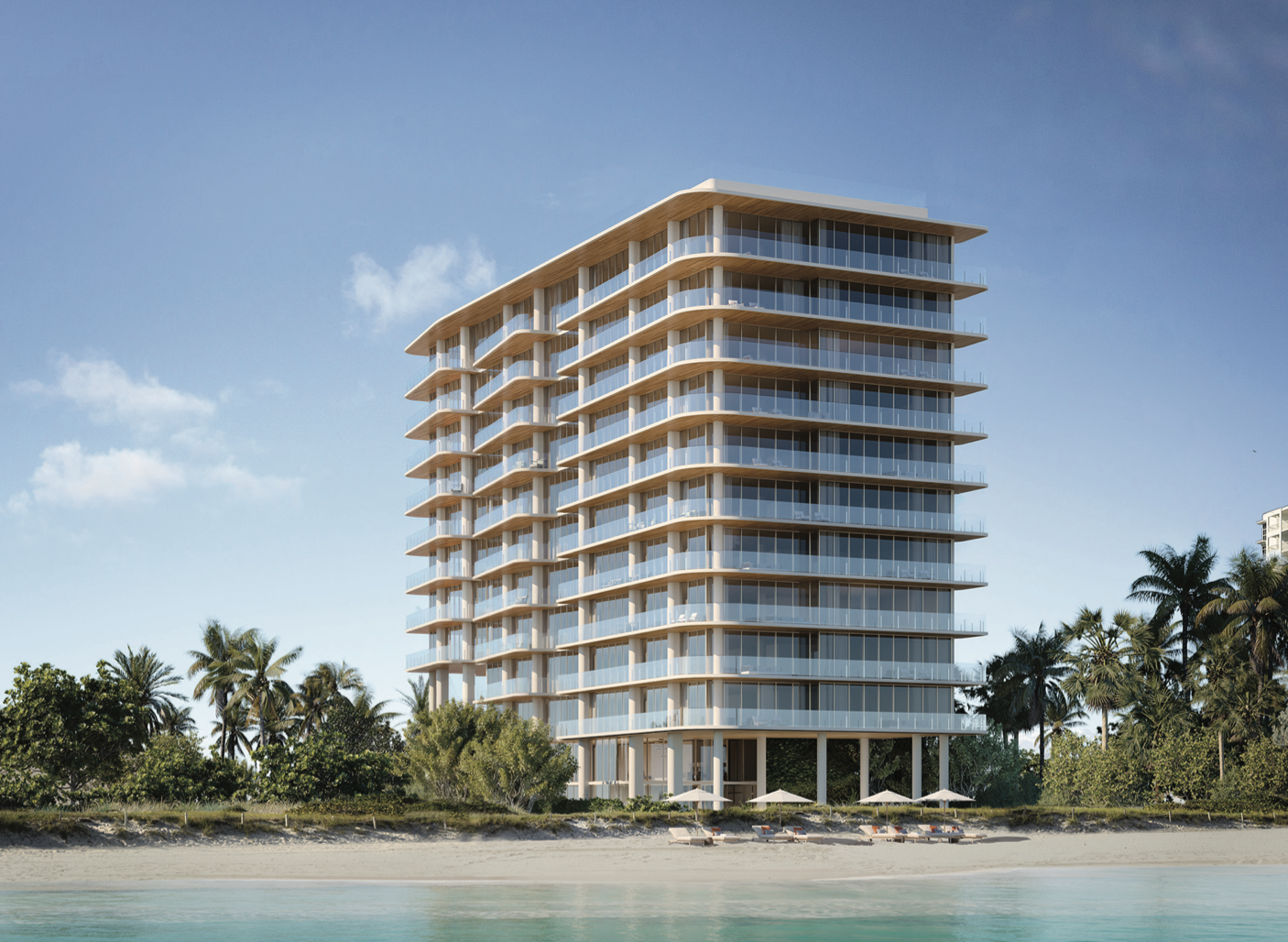
Inside Ocean House Surfside
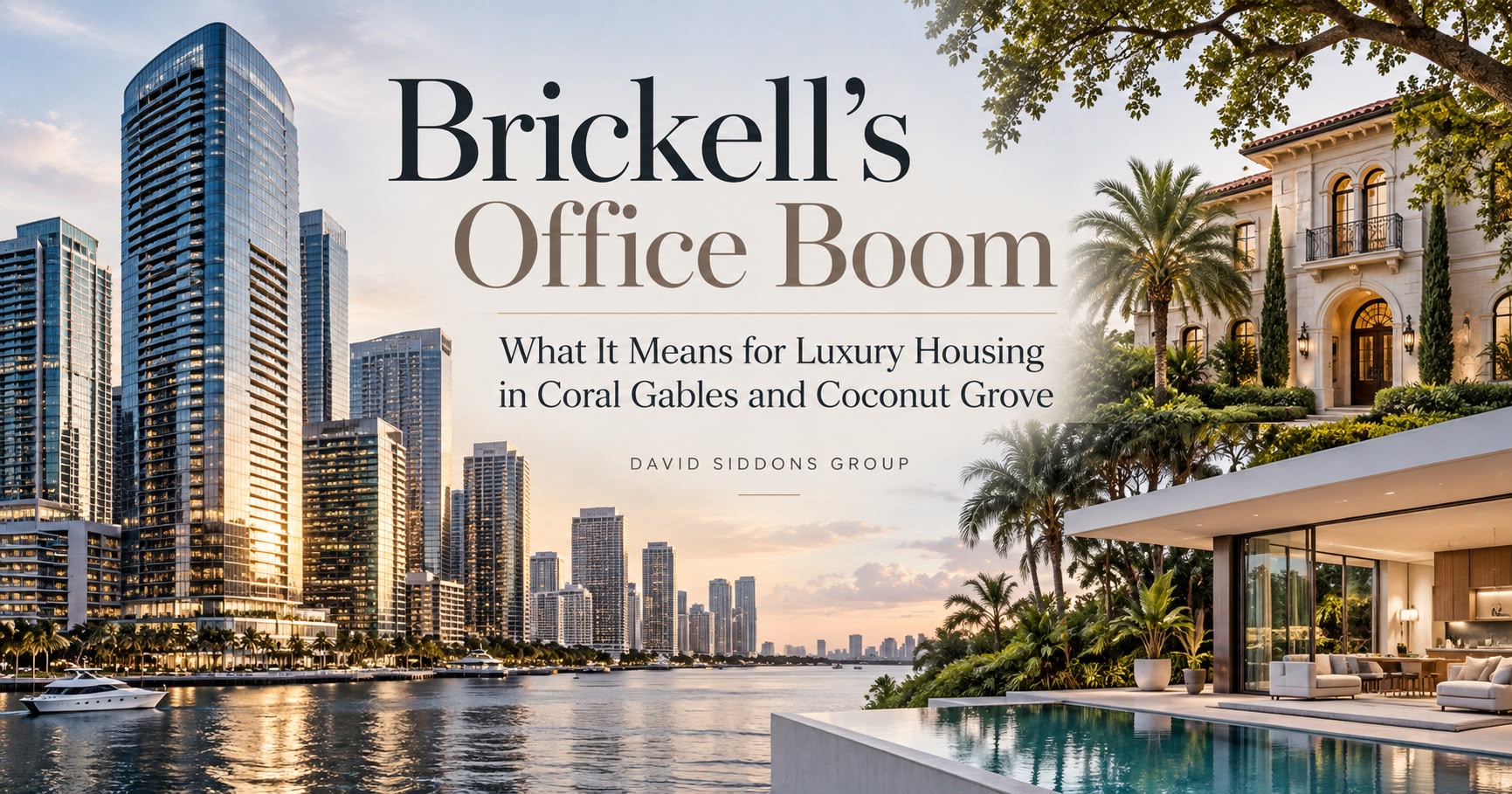
Brickell’s Office Boom: What It Means for Luxury Housing in Coral Gables and Coconut Grove
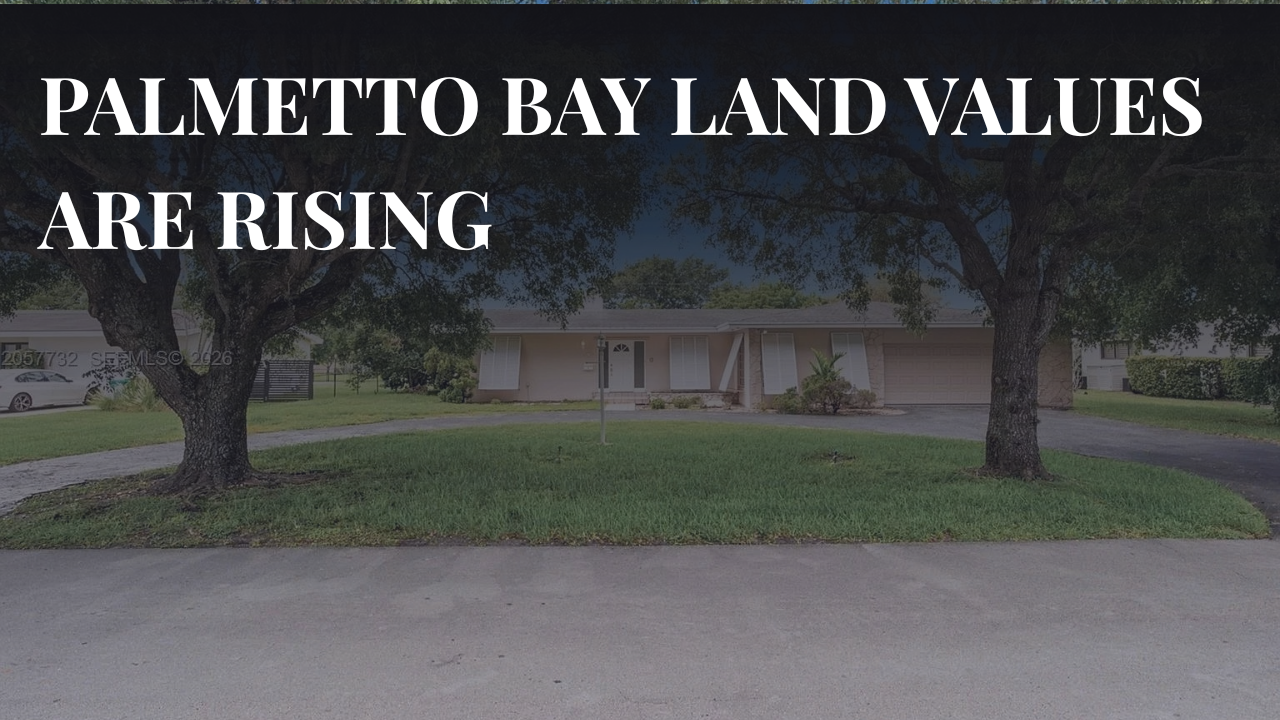
Palmetto Bay Land Values Are Rising. Is Your Home Worth More as Land?

Killian Drive: Kendall’s Luxury New Construction Corridor Hits $1,000/SF

Pinecrest’s 4 Best Streets in 2026
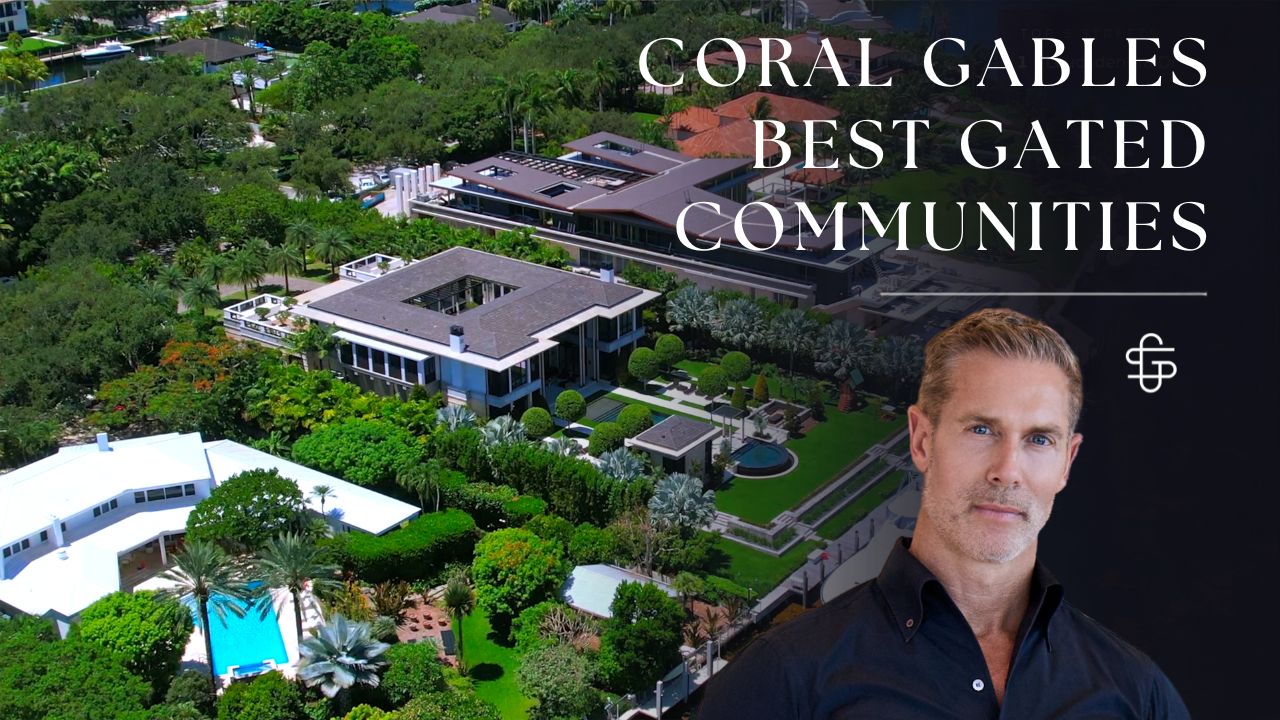
The 5 Best Luxury Streets in Miami’s Gated Communities

The Real Estate Team Behind the Agent: Why Systems Matter More Than Star Power
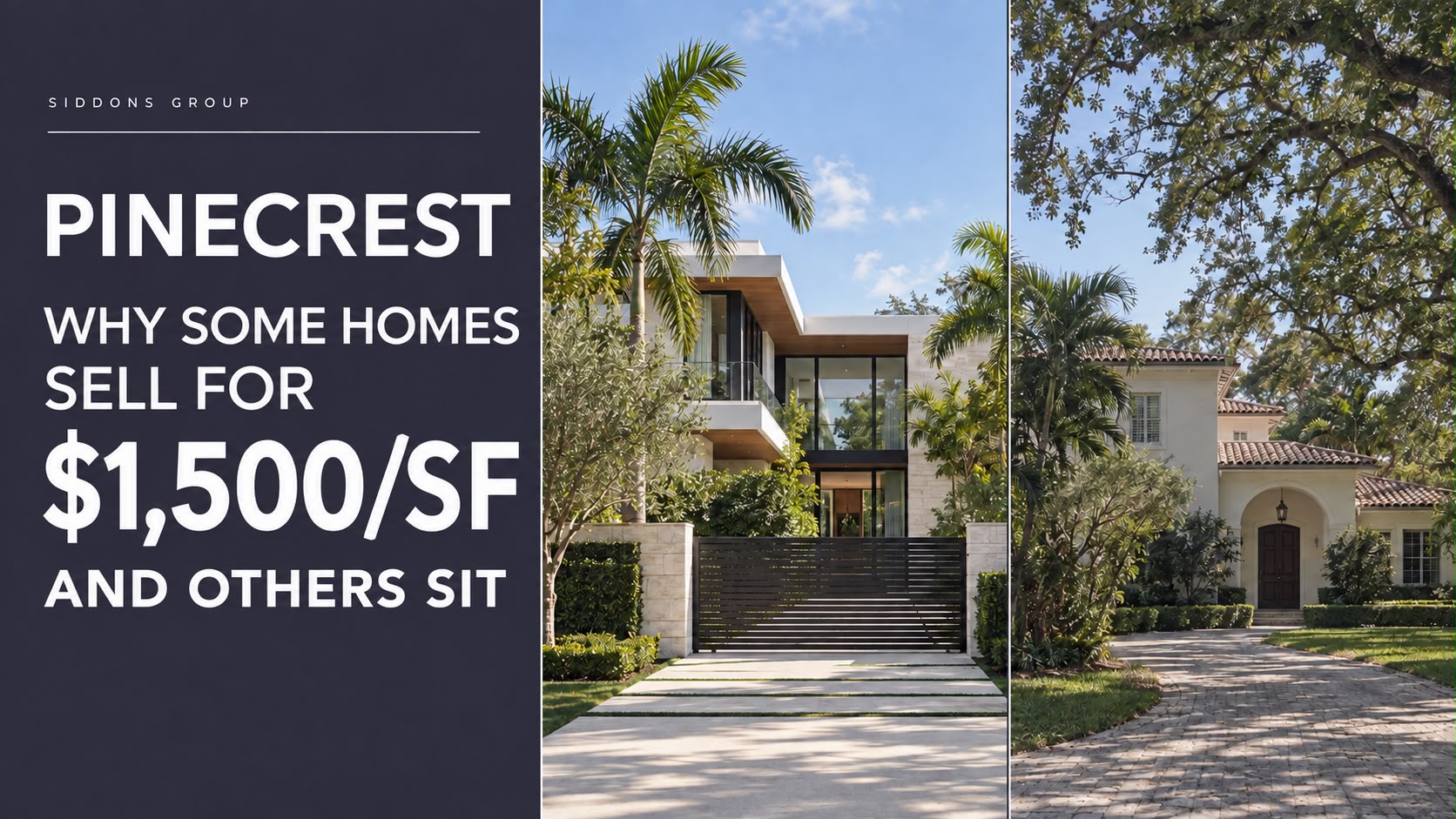
Selling a Home in Pinecrest: Why Some Homes Sell for $1,500/SF and Others Sit

We Built the Largest YouTube Audience of Any Miami Real Estate Team.

Empty Nesters in Miami: What Comes After the Big Family Home?
Palmetto Bay Has Almost No Inventory. So Why Are Homes Still Sitting?
Coconut Grove’s Best New Penthouse for Sale in 2026: The Well Penthouses Explained

Which Schools Serve Palmetto Bay? A Guide to Public School Boundaries

Beyond the Developer Finish
Please fill in your details and David Siddons will contact you

Search related videos

Are St. Regis Sunny Isles Residences Worth the Brand Premium?
Coral Gables Market Report 2025: What the Headlines Aren’t Telling You!
How David Siddons’ Power Team Drives Miami’s Luxury Market
Mid‑Year 2025 Coconut Grove Report: The Truth About What’s Selling Now
Brickell Mid‑Year Market Report 2025 | Is Brickell’s Luxury Market in Trouble?
Pinecrest Mid-Year Market Report 2025 | What’s Selling, What’s Sitting & Why
Miami Beach Condo Market Mid-Year Report 2025 | What Buyers & Sellers Need to Know
How to Lose $1M in The Miami Condo market | Top Mistakes That Cost Miami Condo Buyers Millions
The Well Project EXPOSED Coconut Grove’s Hottest Units
Miami Real Estate in 2025 Is NOT What You Think 😱 | Midyear Must Knows for Buyers & Sellers!
7 Things You Should Never Say to a Real Estate Agent in Miami!
Landmark Victoria Park Residence in Fort Lauderdale: Inside 420 NE 11th Ave 🌴✨
Luxury Living on 2355 S. Miami Ave | Fully Furnished 4-Bed Home w/ Resort-Style Pool 🏊
Is Mandarin Oriental Residences Miami a Smart Condo Investment? Prices, Floorplans, Views & Finishes


- Get our Newsletter
- Subscribe
- No Thanks
Get the latest news from Miami Real Estate News
Close
Edit Search
Close
2 of 14
Share this property
Recomend this to a friend, just enter their email below.
Close
Your email was sent successfully
Close
 COMPARE WITH CONDOGEEKS