














- Best of All
- Best Miami Luxury Condos
- Most popular
- Relocating to Miami
- Private Schools
- Investments
- Gated communities
- Waterfront information
- Luxury homes
- Luxury Condos
- New Construction Condos in South Florida
- Independent Pre-Construction condo reviews for Miami
- Independent Pre-Construction condo reviews for Fort Lauderdale
How Miami Insurance Premiums are more likely to wreck the value of your home than a Hurricane
How can the changing Miami insurance premiums wreck the value of your home? Hurricane Ian landed in Florida on Thursday evening, September 29, 2022. According to CoreLogic estimated losses from wind and flooding damages to residential and commercial properties in Florida, South Carolina, and other impacted states are between $41 billion and $70 billion. It marked the sixth consecutive year that the U.S. has been impacted by a slow-moving tropical cyclone that produced extreme rainfall and damaging floods: Harvey, Florence, Imelda, Sally, Ida, and Ian.

Since the beginning of 2023 insurance premiums for older homes have started to dramatically increase. These premiums have increased and yet Miami has not been directly hit by a major (level 4 or 5) hurricane since Hurricane Andrew in 1992.
Here is a story.. it is made up but the message is real.
Buying the Dream Home for Your Family
In a sunny and idyllic neighborhood of Miami, nestled amidst a lush landscape, stood a quaint 1950s home, a relic of the past. Its charming exterior exuded nostalgia, and it captured the hearts of the Adams family when they purchased it with dreams of transforming it into their forever home.
Aware of the property’s location in a flood zone, the Adams family took precautions during their renovation. They installed flood-resistant materials, installed hurricane-proof windows and doors, and fortified the structure to withstand the harsh elements that Miami’s tropical climate often brought.
Years passed, and the Adams family reveled in the joy of their beautifully renovated home. They had created a haven of comfort and cherished memories. However, the winds of change were soon to blow in their direction.
One fateful day, the weather forecasts predicted the imminent arrival of a powerful hurricane. Panic set in throughout Miami as residents prepared for the onslaught of nature’s fury. The Adams family, familiar with the routine, secured their home and braced themselves for the storm’s impact.
When the hurricane finally made landfall, its destructive force shook the very foundations of the city. Neighbors watched in horror as floodwaters inundated streets and houses succumbed to the relentless wind. The Adams family, filled with trepidation, feared the worst for their beloved home.
Miraculously, when the tempest subsided and the Adams family ventured outside, they were met with a sight that filled them with both relief and despair. Their home, though still standing strong, had been spared from the hurricane’s wrath. However, the aftermath held a cruel twist of fate.
The Destructive Power of Insurance Rates
As the Adams family breathed a sigh of relief, they soon discovered the harsh reality of the situation. The insurance company that had once provided coverage for their home had reassessed the risks in the flood zone and raised the premiums to exorbitant levels. The sudden increase made it financially unfeasible for the Adams family to maintain their insurance coverage.
Desperate to find a solution, they sought alternative insurance options, but they were met with the same unfortunate outcome. The risk associated with their property had become too high, and no insurance provider was willing to offer coverage at a reasonable cost.
The Adams family soon realized that their home, while spared from physical damage, had become a financial liability. Prospective buyers, aware of the insurance challenges, were reluctant to invest in a property with such unpredictable risks. The once-cherished dream of selling their renovated home at a profit seemed to slip further out of reach.
In a heart-wrenching decision, the Adams family realized that the only way to make their property insurable was to comply with the stringent new construction codes. This meant demolishing their beloved home, the result of years of hard work and investment, and starting from scratch.
Left with no other viable options, the Adams family made the painful choice to sell their property for a loss. The value of their renovation efforts and the memories they had carefully woven into the home evaporated in the face of the hurricane’s aftermath.
Lessons Learned
As the new owners took possession of the land, the Adams family was left to ponder the lessons learned. They reflected on the importance of understanding the risks associated with a home’s location and the potential consequences of increased insurance premiums. The bitter truth became clear: sometimes, the forces beyond our control can turn a dream into a nightmare.
The Adams family shared their cautionary tale with others, urging homeowners to evaluate the risks before making long-term investments in properties located in high-risk areas. They emphasized the importance of selling before disaster strikes, to avoid the crippling financial burden that could result from increased insurance costs.
In the end, the Adams family bid farewell to their beloved home, carrying with them the painful reminder of a valuable lesson learned.
The Facts About Miami Home Insurance
Since Chubb has pulled out of South Florida, Citizen is becoming the dominant insurance carrier. The insurance premiums for ‘older homes’ in flood zones have been set to rise by 300%. We often speak about older homes being subject to increasing insurance premiums. In reality, however, insurance premiums are not dependent on the age of the home, but rather on the elevation level of a home. It just happens that older homes under the previous code are built at lower elevations. Many homeowners in Miami have homes that are built according to older codes, on lower elevations, that they painstakingly renovated. If the current trend continues then these home renovations will be worthless as insurance becomes near impossible. On Miami Beach for example, down North Bay Rd many homeowners are now paying $250k a year for their homeowners insurance!
Citizen covers a maximum of $700K for hurricane insurance (related to wind). However, most of the home insurance coverage is closed off as Citizen is maxed out right now. A source at State Farm informed me that they are temporarily closed and are now referring clients to “DoverBay” and independent agents. These are in ‘substandard markets’. This means they are not backed by the state of Florida and if there is a storm there is no guarantee that they will pay out.
When it comes to flood insurance this is covered by FEMA, but the max coverage is $250k for internal structure and finish and $100k for personal property.
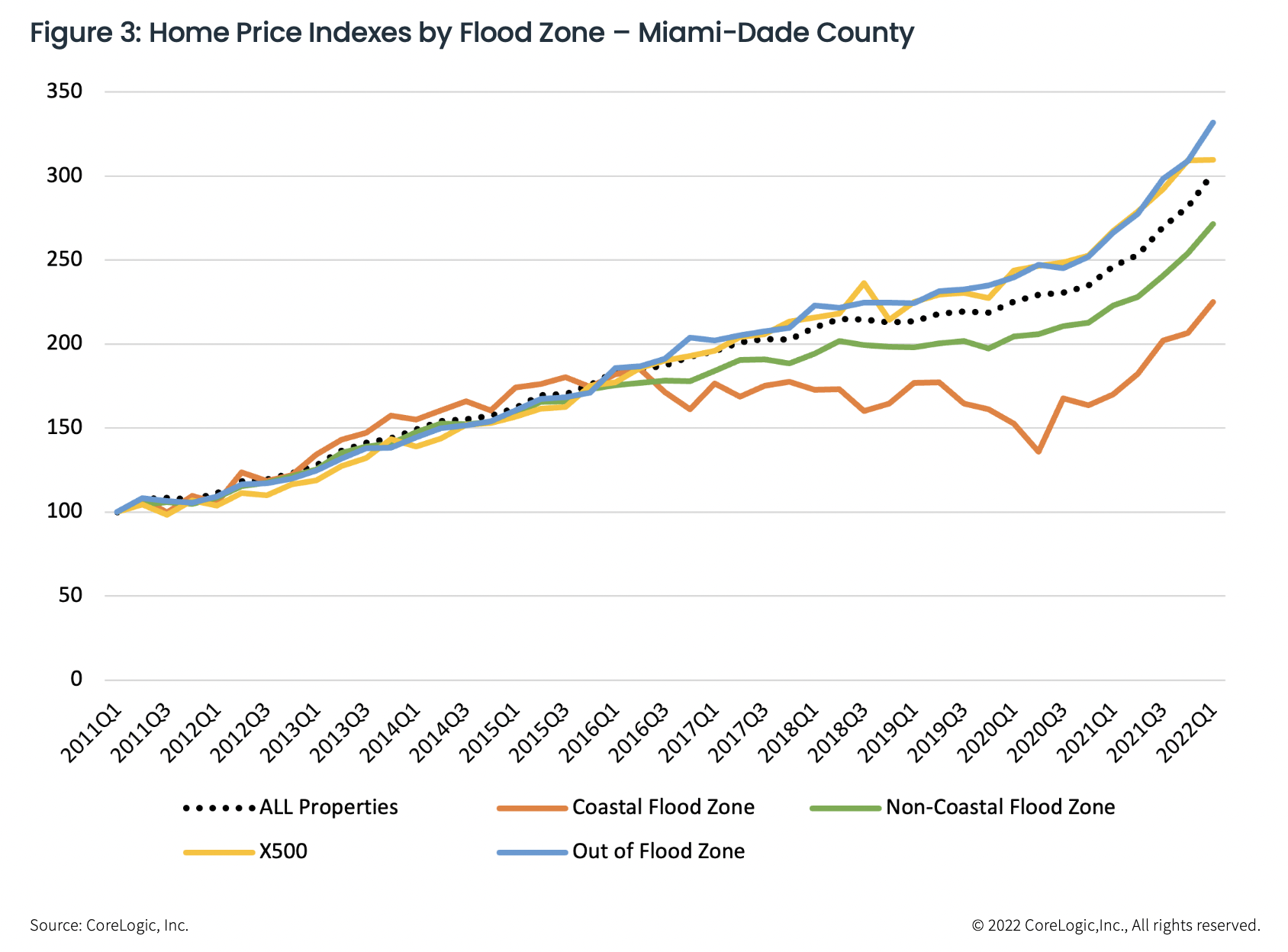
CoreLogic recently investigated the Impact of Flood Risk on Property Values in a Miami Case Study. For the full study please click here. We summarized the findings below.
The findings indicate that properties in flood zones in Miami sell for less and appreciate slower compared to similar properties outside flood zones. Mitigating the risk and improving property value can be achieved through strategies such as building homes at higher elevations, which can increase home value by 1.6% per foot of elevation in non-coastal flood zones. Being farther away from the 100-year floodplain, if not in a flood zone, can add 2.2% value to the property. Proximity to fire stations is advantageous due to their role in flood event response.
Watch our podcast interview with Hugo Garcia. He used to work for Citizen and now he fights them in court for payouts they often refuse to make to home owners.
Conclusions of the Changing Miami Home Insurance
What is underway right now is a premium shift that will affect homes built on lower elevation levels, often older homes. We wrote a hypothetical story, yes it is made up but the reality of the insurance is very real and the lesson we are trying to put across is that if you own an older home, built to old code in the flood zone your home insurance premium will in the future rise to levels where it becomes uninsurable. NOT IF BUT WHEN a hurricane or tropical storm hits Miami again and if your home receives even minor flood damage you could very quickly find your property (even renovated) could start to be viewed as land value to many buyers because the insurance premium is too high to cover the home or at worse the home become totally uninsurable.
Sellers
If you are a homeowner in the flood zone currently and your home is older (especially if it’s renovated), please call me. I will be happy to relay the communications I have had with experts as well as the changing psychology I am starting to see with buyers.
Buyers
If you are a buyer let me explain the different areas to avoid and the types of homes most at risk. I often use tools like the FIU storm surge simulator to show clients what happens in their area.
Schedule Time with David
FAQ
These are the most commonly Miami Real Estate Related questions
What should relocation buyers know before buying real estate in Miami?
HOME BUYERS
Relocation buyers looking at homes in Miami should understand that choosing the right house is less about the property itself and more about location, schools, and long-term value. Many buyers make the mistake of focusing on price or finishes, while the real driver of value is the neighborhood and micro-location. Older homes often represent better value, but may also be part of a future redevelopment cycle. Newer homes command premiums, but don’t always sell faster if pricing is ahead of the market. Commute time, school access, and community dynamics are critical and often underestimated. The key is to evaluate homes not just as lifestyle purchases, but as long-term assets within a very localized market.
Sources:
https://luxlifemiamiblog.com/relocating-to-miami/
https://luxlifemiamiblog.com/relocating-to-miami-with-a-family/
CONDO BUYERS:
Relocation buyers should understand that Miami is a highly segmented, building-driven market, not a uniform one. Pricing can vary significantly between similar properties depending on building quality, layout, and financial health. Many buyers assume newer construction equals better investment, but that is often not the case. Factors like HOA fees, reserves, and rental policies can materially impact long-term value and liquidity. Negotiation opportunities often exist, especially in slower segments, but require precise market knowledge. The key is to evaluate micro-markets and individual buildings, not just neighborhoods or price per square foot.
Sources:
https://luxlifemiamiblog.com/miami-real-estate-market-report/
https://luxlifemiamiblog.com/new-construction-miami-guide/
What are the best areas for relocating families with children
For families relocating to Miami with young children, the most recommended neighborhoods are Coral Gables, Coconut Grove, and Pinecrest. Coral Gables offers the best balance of top schools, safety, and long-term value. Coconut Grove is ideal for younger families seeking walkability, greenery, and a lifestyle-driven environment. Pinecrest provides larger homes, excellent schools, and better value for space, making it ideal for growing families. The key driver across all three is access to strong schools and primary residential stability. Relocation decisions are less about new construction and more about long-term livability and resale strength.
Sources:
https://luxlifemiamiblog.com/best-neighborhoods-miami/
https://luxlifemiamiblog.com/what-are-the-best-family-neighborhoods-in-miami-in-2023/
Are new construction condos in Miami a good investment?
New construction condos in Miami can be a good investment—but only if you understand that not all buildings perform the same. According to the David Siddons Group, many buyers assume “new = better,” but in reality, performance depends on pricing, layout, building quality, and long-term demand. Some new developments set future price benchmarks and can drive long-term appreciation, especially in top-tier projects. However, many are priced aggressively at launch, and buyers relying on marketing instead of data often overpay.
The market is highly segmented, meaning two new buildings next to each other can perform very differently.
The best opportunities typically come from selecting the right building early or negotiating correctly in later phases.
In short: new construction is not automatically a good investment—it becomes one only with building-level analysis and disciplined entry pricing.
Sources:
https://luxlifemiamiblog.com/how-to-buy-a-luxury-condo-in-miami/
https://luxlifemiamiblog.com/category/independent-new-construction-condo-reviews/
https://luxlifemiamiblog.com/beyond-clickbait-real-insights-into-miamis-luxury-condo-market/
Why is buying a Miami condo riskier than buyers think?
Buying a Miami condo is often riskier than buyers expect because the true risks are at the building level—not visible in the listing price. Many buyers focus on finishes and views, while overlooking HOA reserves, insurance exposure, and potential special assessments. In reality, two identical units in different buildings can perform completely differently over time. Rising HOA fees and stricter regulations are also increasing the true cost of ownership, especially in older buildings. Liquidity can be affected by factors like financial health, rental policies, and ongoing repairs. The key risk is not the condo itself—but buying into the wrong building without proper due diligence.
Sources:
https://luxlifemiamiblog.com/how-to-buy-a-luxury-condo-in-miami/
https://luxlifemiamiblog.com/miami-condo-market-risks/
What are Miami's Safest Areas?
Which Miami Areas Still offer Great Value (Budget Friendly alternatives to Coral Gables and Pinecrest)
If you’re looking for better value than Coral Gables or Pinecrest, the answer (in true Siddons style) is not “go cheaper”—it’s go one layer outside the obvious markets.
The strongest value plays are:
- Schenley Park → closest substitute to Coral Gables at ~20% discount while maintaining similar character and location
- Biltmore Heights → almost identical feel to the Gables but ~25–30% cheaper on a $/SF basis
- Glenvar Heights → central location with larger lots and ~25% pricing advantage vs South Miami/Gables
- Baptist / Galloway (Kendall) → Pinecrest-style living (space, schools, land) at up to ~30% lower pricing
The pattern is consistent:
👉 Buyers are shifting west and slightly off-market to gain land, scale, and pricing efficiency. You don’t find value by going to a “cheaper neighborhood”—you find it by identifying adjacent micro-markets that offer the same lifestyle fundamentals without the brand premium.
Sources:
https://luxlifemiamiblog.com/best-value-neighborhoods-miami/
https://luxlifemiamiblog.com/category/miami-neighborhoods/
Is NOW a good time to buy in Miami?
Are Miami real estate prices going down in 2026?
No—but that’s the wrong way to look at it. Miami is not one market anymore, so prices are not moving in one direction. In 2026, the market is split into two: ultra-luxury, scarcity-driven areas (like waterfront and top-tier neighborhoods) are still holding or even rising, while mid-tier condos and oversupplied segments are flat or correcting. What we’re seeing is price divergence, not a crash—some properties are gaining value while others are quietly adjusting downward. Rising inventory and more selective buyers are putting pressure on pricing in certain segments, especially older condos or buildings with weaker fundamentals.
At the same time, global wealth and cash buyers continue to support pricing at the top end of the market. So the real answer: prices aren’t broadly dropping—they’re being repriced based on quality, location, and supply.
Should I buy a house or a condo when relocating to Miami?
The decision comes down to lifestyle first, investment second—and most relocation buyers get that backwards. If you want space, privacy, schools, and long-term family living, a single-family home in areas like Coral Gables or Coconut Grove is typically the stronger choice. If you prioritize walkability, low maintenance, and proximity to business districts, a condo in Brickell or waterfront markets makes more sense.
From an investment perspective, homes tend to be more stable, while condos are more building-dependent and cyclical. Most relocation clients underestimate how much building quality, HOA structure, and future costs impact condo performance. The right answer isn’t “house vs condo”—it’s which asset fits your lifestyle AND holds value within its micro-market.
How do I choose the right Miami neighborhood for my lifestyle?
Why are Miami condo prices so different between buildings?
Miami condo pricing varies widely because value is determined at the building level, not just by location. Two buildings next to each other can have major differences in financial health, reserves, HOA fees, and management quality. Buyers also pay premiums for better layouts, views, amenities, and newer construction—but not all “new” buildings perform equally. Factors like rental policies, upcoming assessments, and building reputation can significantly impact resale value. This is why price per square foot alone is misleading in Miami’s condo market. The real driver of value is how that specific building competes within its micro-market over time.
Sources:
https://luxlifemiamiblog.com/how-to-buy-a-luxury-condo-in-miami/
https://luxlifemiamiblog.com/category/independent-new-construction-condo-reviews/
WHY WORK WITH DAVID? THINGS YOU SHOULD KNOW...
For all our analytics we are agents driving some very unique and advanced tech. We Provide a granular and custom experience that empower our clients with the insight and tools to understand the most complex behaviors of any local markets.
-
Analytical
Over 100 reports produced to date
-
Knowledgeable
Over 1800 published articles and counting


Related Articles
Which Schools Serve Palmetto Bay? A Guide to Public School Boundaries

Beyond the Developer Finish
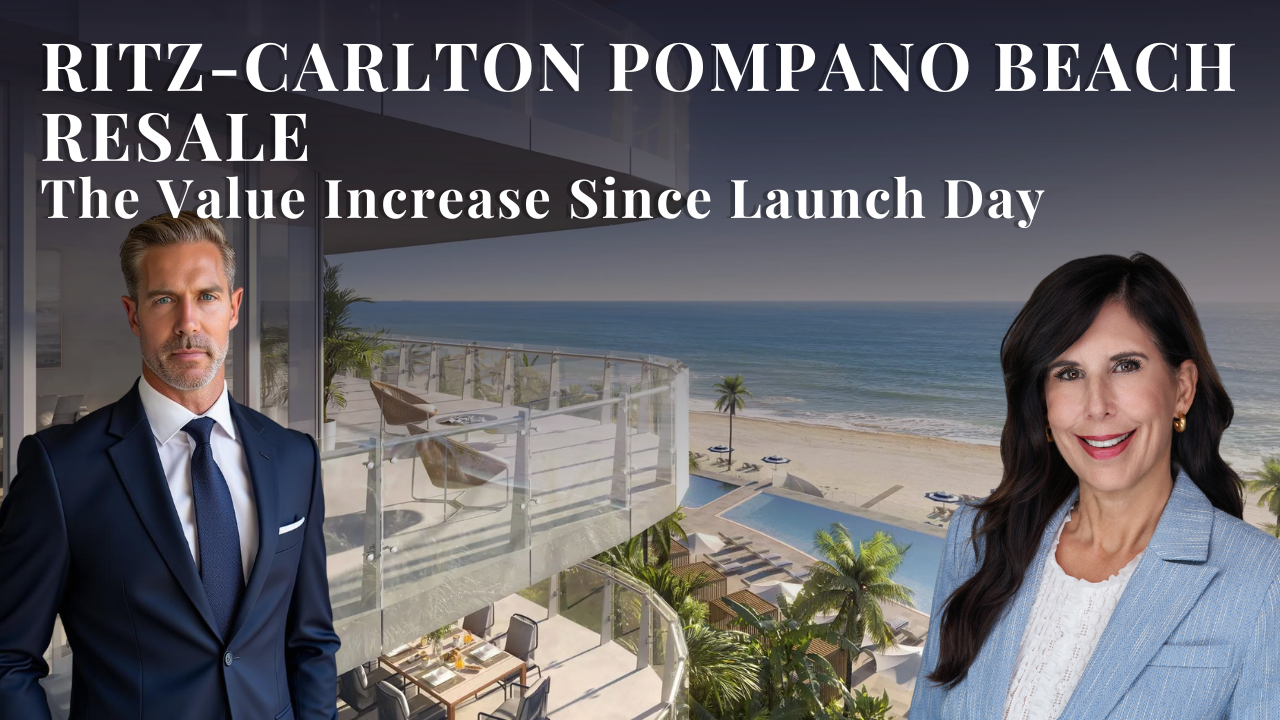
Ritz-Carlton Residences Pompano Beach Resale: The Opportunity After Closing
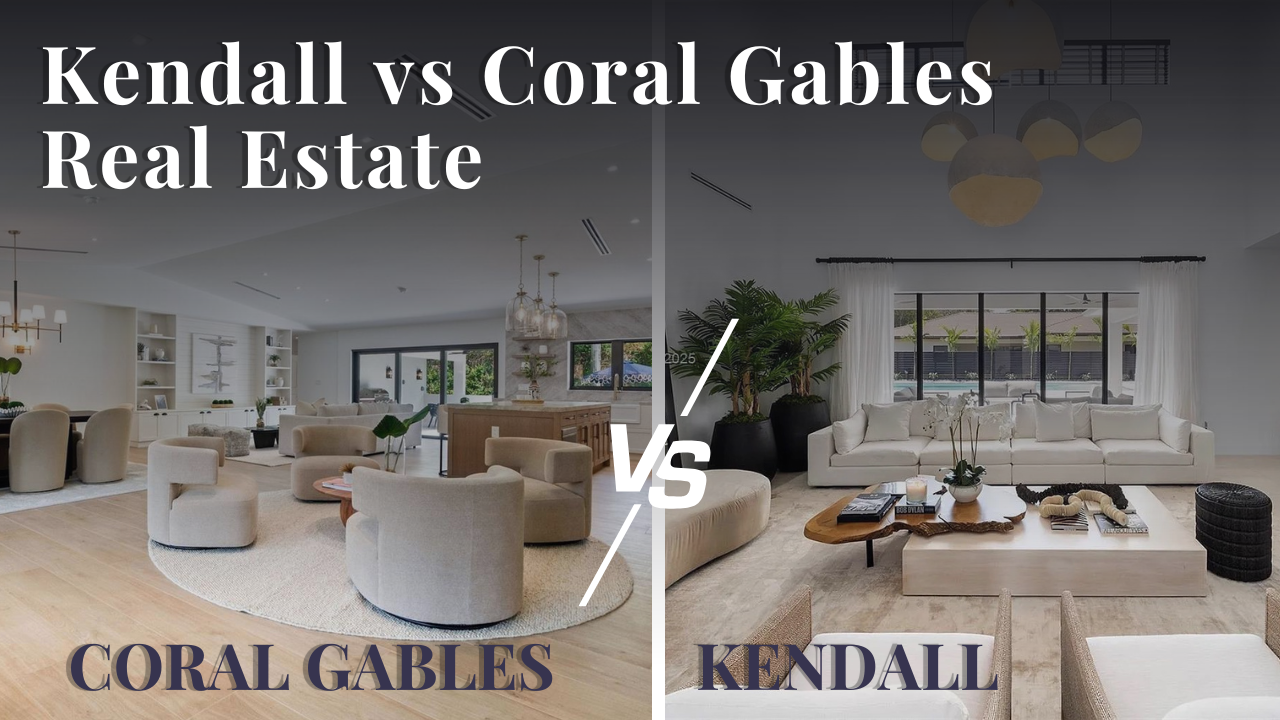
Kendall Real Estate vs. Coral Gables Real Estate: More Land, More House, Same Budget
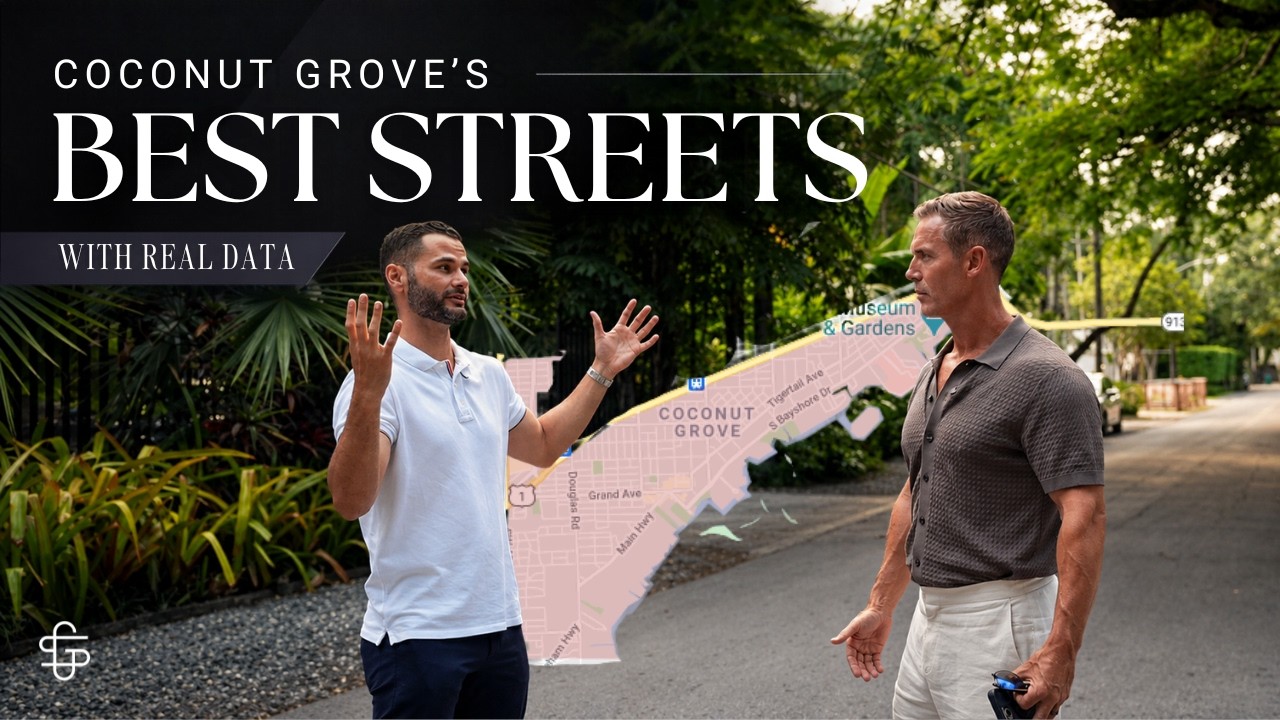
The 5 Best Streets in Coconut Grove: A Buyer’s Guide from the Agents Who Sell Them
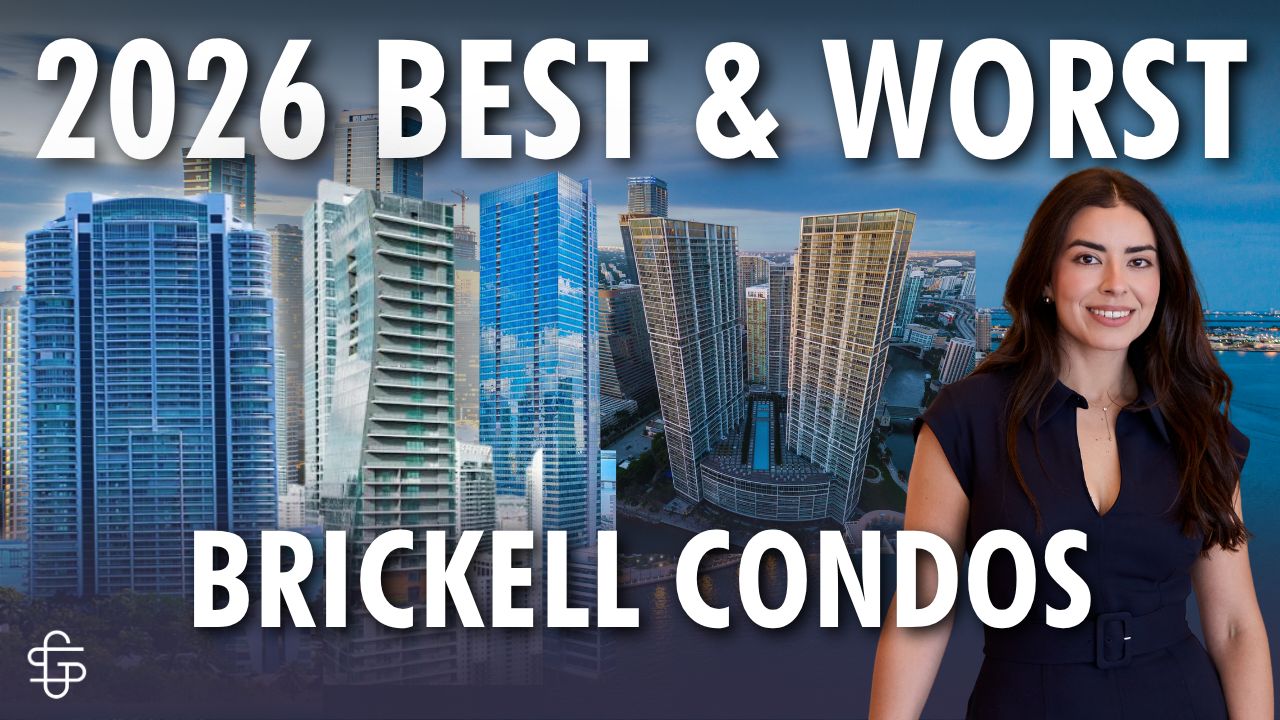
The 5 Best Condos in Brickell 2026 (And 3 Condos to Avoid)

Who is the Best Interior Designer in Miami?
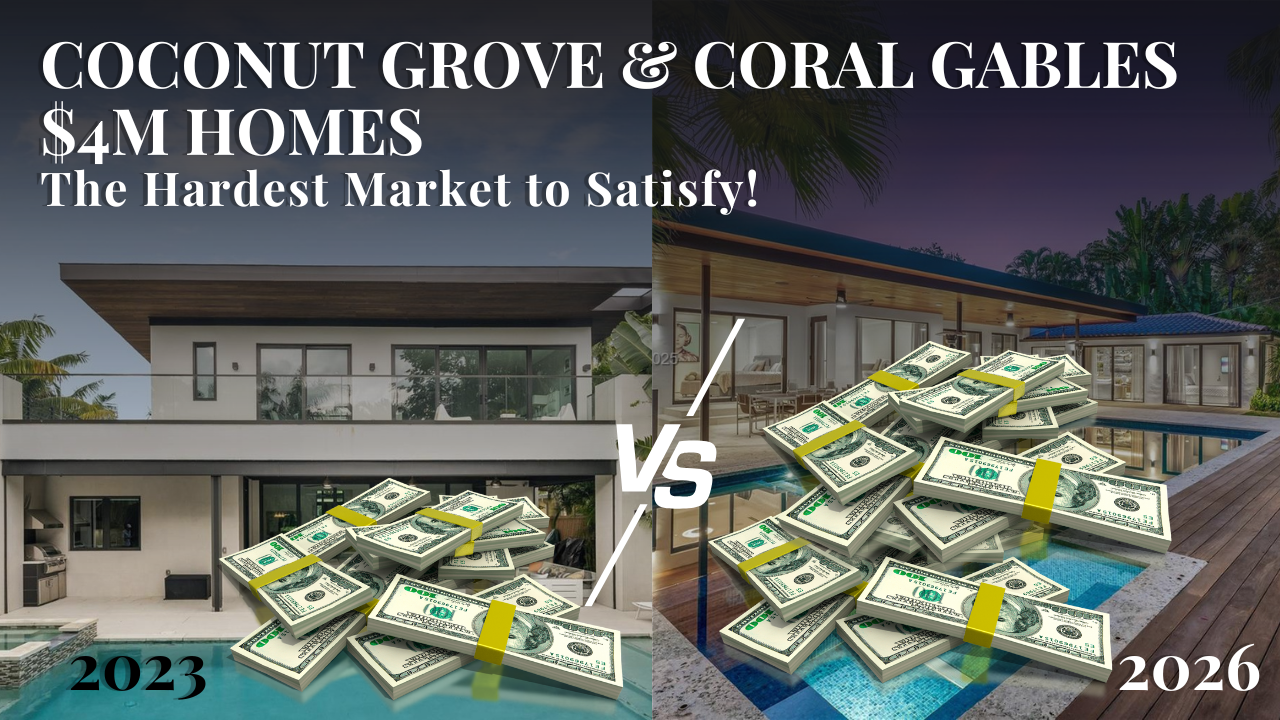
Coconut Grove and Coral Gables $4m Homes – The Hardest Market to Satisfy!
The Past, Present, and Future of Brickell Key
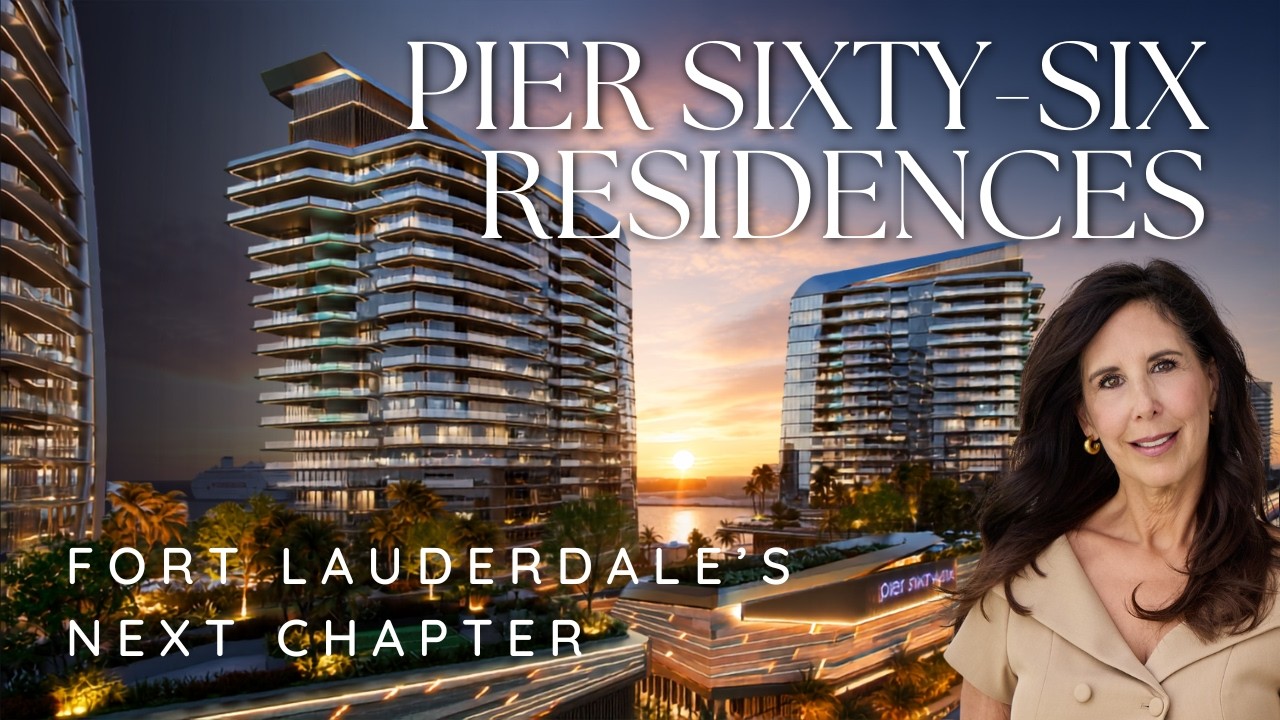
Pier Sixty-Six Phase Two

Pagani Residences Lower Penthouse
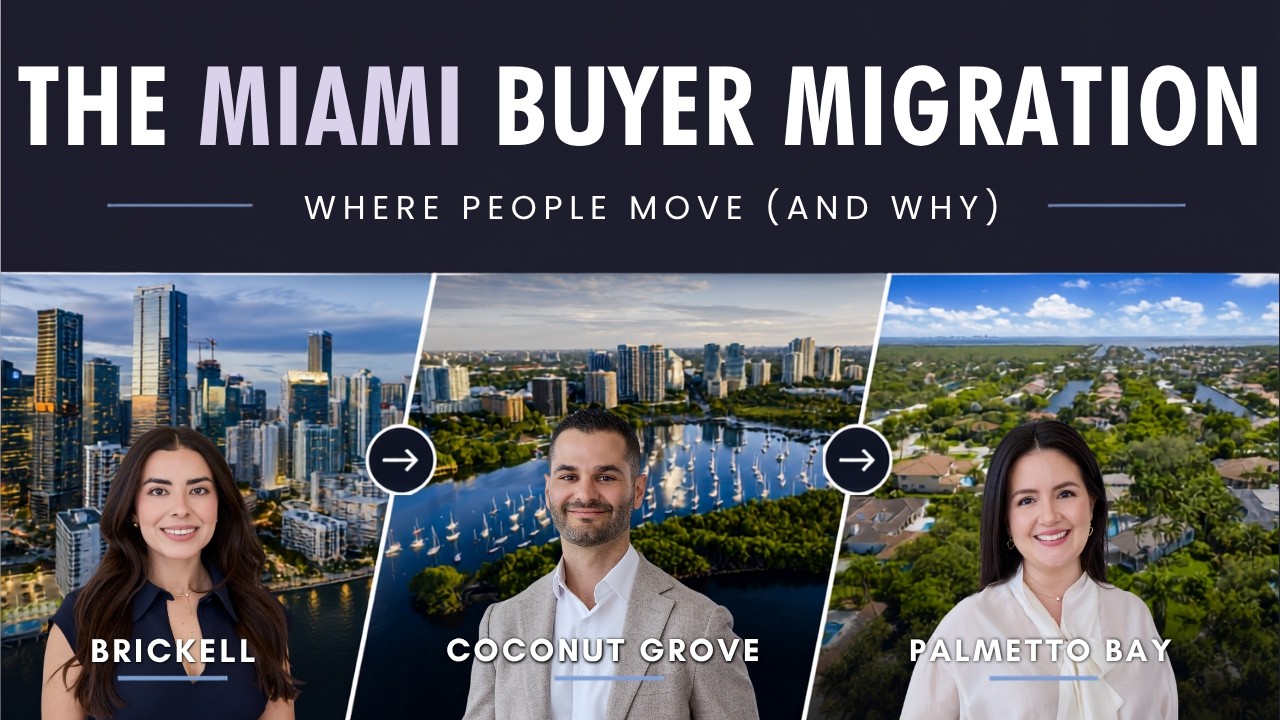
The Miami Buyer Migration
Miami Zoning Laws Explained: What Every Buyer Must Know Before You Purchase

How much does Claude know about Miami Real Estate?
Please fill in your details and David Siddons will contact you

Search related videos

Are St. Regis Sunny Isles Residences Worth the Brand Premium?
Coral Gables Market Report 2025: What the Headlines Aren’t Telling You!
How David Siddons’ Power Team Drives Miami’s Luxury Market
Mid‑Year 2025 Coconut Grove Report: The Truth About What’s Selling Now
Brickell Mid‑Year Market Report 2025 | Is Brickell’s Luxury Market in Trouble?
Pinecrest Mid-Year Market Report 2025 | What’s Selling, What’s Sitting & Why
Miami Beach Condo Market Mid-Year Report 2025 | What Buyers & Sellers Need to Know
How to Lose $1M in The Miami Condo market | Top Mistakes That Cost Miami Condo Buyers Millions
The Well Project EXPOSED Coconut Grove’s Hottest Units
Miami Real Estate in 2025 Is NOT What You Think 😱 | Midyear Must Knows for Buyers & Sellers!
7 Things You Should Never Say to a Real Estate Agent in Miami!
Landmark Victoria Park Residence in Fort Lauderdale: Inside 420 NE 11th Ave 🌴✨
Luxury Living on 2355 S. Miami Ave | Fully Furnished 4-Bed Home w/ Resort-Style Pool 🏊
Is Mandarin Oriental Residences Miami a Smart Condo Investment? Prices, Floorplans, Views & Finishes


- Get our Newsletter
- Subscribe
- No Thanks
Get the latest news from Miami Real Estate News
Close
Edit Search
Close
2 of 14
Share this property
Recomend this to a friend, just enter their email below.
Close
Your email was sent successfully
Close
 COMPARE WITH CONDOGEEKS