


















- Best of All
- Best Miami Luxury Condos
- Most popular
- Relocating to Miami
- Private Schools
- Investments
- Gated communities
- Waterfront information
- Luxury homes
- Luxury Condos
- New Construction Condos in South Florida
- Independent Pre-Construction condo reviews for Miami
- Independent Pre-Construction condo reviews for Fort Lauderdale
When Lifestyle Drives the Move: Rethinking Real Estate Through the Lens of Wellness
The Quiet Luxury of Feeling Better Where You Live
In this episode of the Better Decisions podcast, David sits down with Dr. Elliot Dinetz — a primary care physician specializing in functional and precision medicine — to explore what it truly means to live a healthy lifestyle in Miami. From gut health to hormones, and from outdated medical norms to personalized wellness strategies, this conversation dives into how health optimization can (and should) be tailored to each individual. We’re recording this episode from The Well sales office — a wellness-focused residential concept coming to Coconut Grove, developed by Terra. The project embodies the idea of health before wealth and offers a vision of what a truly healthy lifestyle can look like in Miami. As people continue to move to Miami in search of a better quality of life, they often arrive at moments of transition — which can be stressful. Whether you’re buying, selling, or simply redefining your life, stress is a common factor. This episode dives into what real wellness means, how our bodies manage stress, and how a truly healthy system functions — beyond the surface-level ideas of health and performance. Whether you’re a Miami local or just health-curious, this episode offers valuable insight into Wellness focused living in Miami— beyond the basics.
The Hidden Cost of Stress — And Why It Matters in Real Estate Too
Many people operate under constant stress, often thinking they’re thriving simply because they’re productive. But as Dr. Elliot explains, high cortisol — our stress hormone — can lead to chronic inflammation and long-term health damage if left unchecked. While acute stress is a natural and even necessary response to short-term challenges, today’s modern lifestyle keeps cortisol levels elevated far too long. This chronic state disrupts both mental and physical well-being, impacting everything from work performance to personal relationships. For those relocating to Miami or navigating real estate decisions, David highlights how these transitions are often triggered by the desire for a less stressful, more fulfilling life. Understanding the biology of stress isn’t just for health enthusiasts — it’s essential for anyone looking to make better decisions, especially during life changes.
Why Chronic Stress Makes You Sick, Foggy, and Reactive
Stress in short bursts is essential—it helps us survive, fight infection, and stay alert. But when stress becomes chronic, it triggers prolonged cortisol release, which disrupts the body’s natural balance and starts harming us. High cortisol over time leads to brain changes: shrinking areas tied to memory and growing the emotional, reactive centers like the amygdala. This results in poor focus, emotional instability, and bad decision-making—mirroring early dementia patterns. It also disrupts gut health, weakens the immune system, and inflames the body. While cortisol spikes naturally in the morning to help us function, staying in a high-stress state throughout the day throws off our nervous system and decision-making ability. In short: chronic stress makes you angrier, foggier, and less capable of making good choices.

How to Break the Stress Cycle and Reset Your Body
When you’re under stress, cortisol sharpens your focus—but only on a narrow slice of the picture, often leading to anxiety, poor decisions, and strained relationships. The key is not to eliminate stress but to balance it. For every hour spent in fight-or-flight mode, you need to spend just as much time in a relaxed state. A simple yet effective tool is the 4-7-9 breathing technique: inhale for 4 seconds, hold for 7, exhale for 9. This activates your parasympathetic nervous system (your rest-and-digest mode) and calms the vagus nerve, helping you reset mentally and physically.
Why Calm Thinking and Personalized Recovery Matter More Than You Think
In my work, I help people manage stress not just because it’s a health risk, but because clear, calm decision-making is what they hire me for—especially in high-stakes moments. Many clients are overwhelmed, not just by their own stress but also by the emotional weight of those around them—spouses, kids, family—which clouds judgment. That’s why I emphasize practical tools like mindful breathing (4-7-9 breathing) and personalized health insights. For example, a healthy, fit 30-year-old patient looked great on paper but had a biological age of 70 due to poor recovery from overtraining. Despite great sleep and diet, his body was breaking down from doing too much resistance training with too little rest. Once we adjusted his routine, his health improved significantly. This case highlights a bigger truth: optimal health and performance don’t come from doing more, but from doing what’s right for you. It’s not about chasing trends or copying influencers—it’s about tuning into your body and recovering smarter. In today’s world, where quick fixes and reactionary medicine are everywhere, true wellness starts with slowing down, personalizing your approach, and trusting your own process.
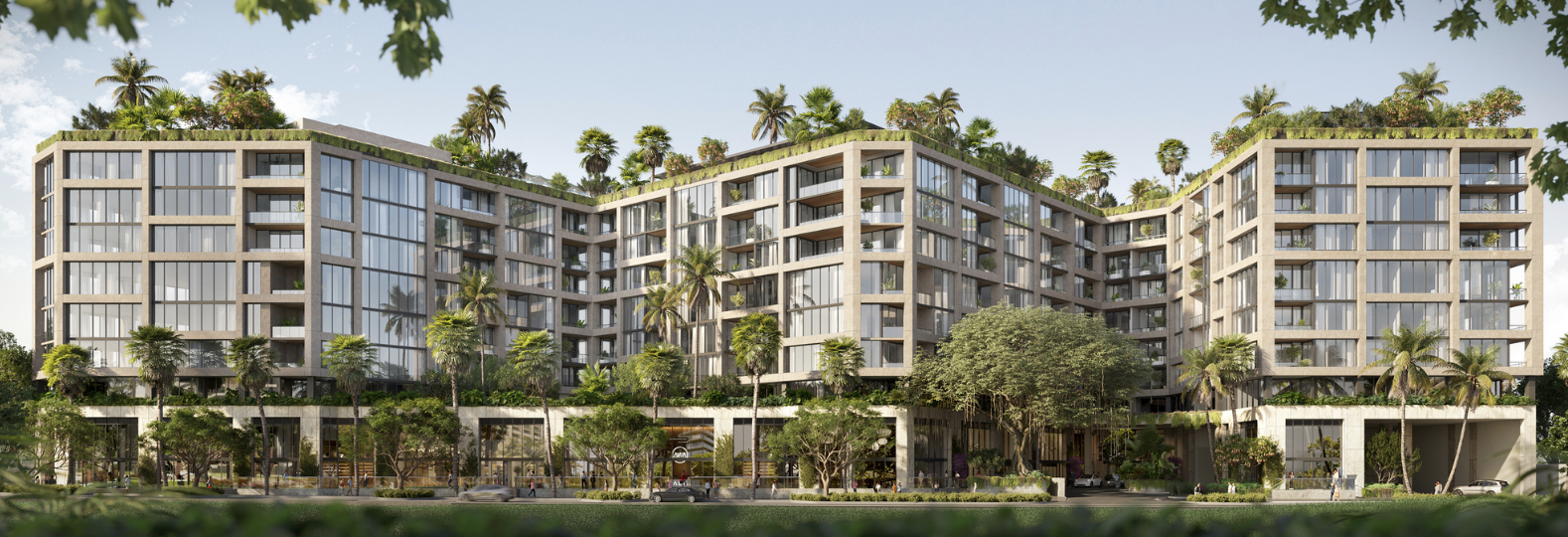
Wellness focused living in Miami: The Well in Coconut Grove – Luxury living with a focus on Wellness
The Chronic Medication Crisis: A Wake-Up Call for Aging Adults
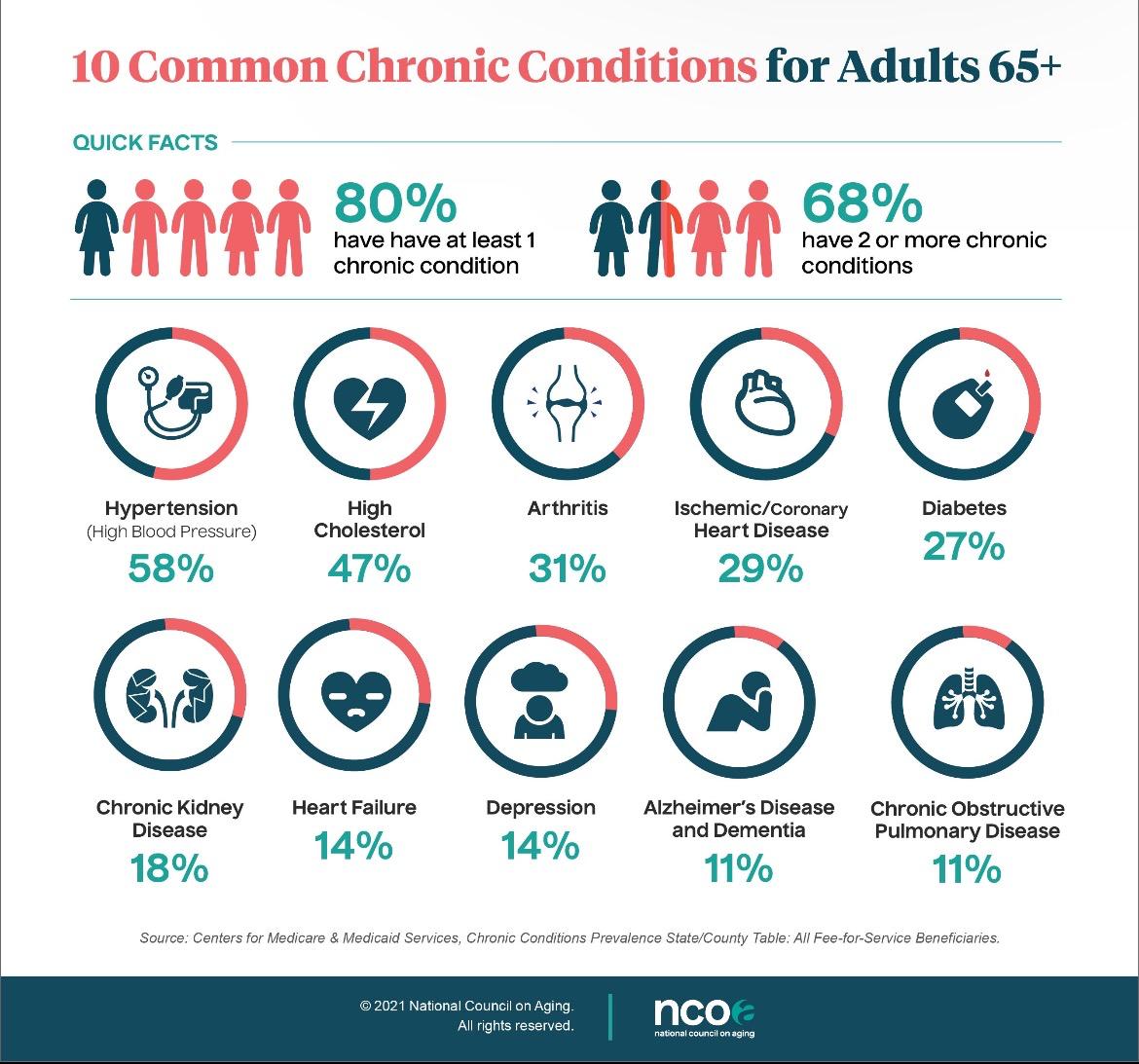
In the U.S., a staggering 80% of adults over 60 are on one or more chronic medications. That figure isn’t just high—it’s alarming. Even more concerning, over a third of this population experiences polypharmacy, meaning they’re on so many medications that the drugs begin to interact and create new health issues. We’ve created a system where it’s nearly impossible to see a doctor without leaving with a prescription, often without any real conversation about preventive or functional approaches to health. Chronic conditions are no longer the rare exceptions—they’ve become the rule. If you’re in your 40s or 50s, this is your warning. This is the time to make changes, so you don’t become another statistic. The goal isn’t just to live longer—it’s to live well, with minimal dependence on pharmaceuticals. That starts with rethinking how we manage our internal and external health environments—from stress and sleep to food and movement.
From Pantry to Prescription: How Our Food Is Fueling Disease
Many people want to eat better—but what does “healthy” even mean in today’s food system? Much of what we consume, even when labeled as nutritious, is calorie-dense, nutrient-poor, and heavily processed. Genetically modified crops, designed to withstand excessive pesticide use, dominate our farms. These foods often lack the fiber, vitamins, and micronutrients our bodies need, while being loaded with additives and chemicals our bodies can’t recognize or properly digest. Even produce in grocery stores is increasingly manipulated—coated with sauces or additives to appear healthy but act more like junk food. Worse, even when you think you’re eating clean—say, ordering from a health café or eating pasta at home—you’re still ingesting grains and ingredients that have been hybridized and sprayed, causing bloating, inflammation, and fatigue. The difference becomes crystal clear when people visit Europe, eat pasta and bread freely, and feel lighter, more energetic, and less bloated. The solution? Reconnect with real food: local farmer’s markets, seasonal produce, and simple ingredients grown without chemicals. In cities like Miami, many neighborhoods still carry the legacy of agricultural richness. Tap into that. It’s not just about food—it’s about reclaiming your health, one meal at a time.
Rethinking Restoration: Sleep, Stress, and Smarter Recovery
Many high-achieving, Type-A individuals find themselves caught in a cycle of overtraining and self-imposed stress, mistakenly equating constant effort with health. But as we age, repair—not just performance—becomes essential. True restoration starts at home through consistent sleep, smart nutrition, and reduced evening stimulation. Prioritize getting to bed around 10 p.m., avoid heavy carbs late at night, and cut off fluid intake by 7 p.m. to prevent sleep disruptions. Make your bedroom a screen-free zone dedicated to only sleep (and one other “S”). These foundational habits support hormone production, deeper sleep phases, and overall recovery—turning the hustle mindset into one that also honors rest.

The Well in Coconut Grove offers Wellness focused living in Miami
Why Your Environment Might Be the Key to Better Health
Your health is shaped more by your environment than you might think. Clean air, natural light, and time spent outdoors improve everything from your mood to your immune system—something you won’t get sitting indoors with recycled air and off-gassing furniture. Living in a safe, supportive community reduces stress levels, while being around like-minded, health-conscious people helps reinforce better habits. Add in small daily rituals like walking, meditating, and unplugging from constant busyness, and your surroundings can start working with you, not against you. Health isn’t just about what you eat or how often you exercise—it’s about where, how, and with whom you live.
Closing Remarks regarding Wellness focused living in Miami
Managing stress starts with the right foundation—quality sleep, proper nutrition, effective supplementation, daily movement, breathwork, and surrounding yourself with the right people in the right environment. Ultimately, it’s about putting yourself in the best position to thrive. If you’re struggling, it might be time for a change. Functional medicine goes beyond masking symptoms—it helps uncover and treat the root causes of stress and imbalance. If you want guidance, Elliot’s here to help . If you have questions regarding wellness focused living in Miami, give me a call at 305.508.0899 or schedule a meeting via the calendar below.
FAQ
These are the most commonly Miami Real Estate Related questions
What should relocation buyers know before buying real estate in Miami?
HOME BUYERS
Relocation buyers looking at homes in Miami should understand that choosing the right house is less about the property itself and more about location, schools, and long-term value. Many buyers make the mistake of focusing on price or finishes, while the real driver of value is the neighborhood and micro-location. Older homes often represent better value, but may also be part of a future redevelopment cycle. Newer homes command premiums, but don’t always sell faster if pricing is ahead of the market. Commute time, school access, and community dynamics are critical and often underestimated. The key is to evaluate homes not just as lifestyle purchases, but as long-term assets within a very localized market.
Sources:
https://luxlifemiamiblog.com/relocating-to-miami/
https://luxlifemiamiblog.com/relocating-to-miami-with-a-family/
CONDO BUYERS:
Relocation buyers should understand that Miami is a highly segmented, building-driven market, not a uniform one. Pricing can vary significantly between similar properties depending on building quality, layout, and financial health. Many buyers assume newer construction equals better investment, but that is often not the case. Factors like HOA fees, reserves, and rental policies can materially impact long-term value and liquidity. Negotiation opportunities often exist, especially in slower segments, but require precise market knowledge. The key is to evaluate micro-markets and individual buildings, not just neighborhoods or price per square foot.
Sources:
https://luxlifemiamiblog.com/miami-real-estate-market-report/
https://luxlifemiamiblog.com/new-construction-miami-guide/
What are the best areas for relocating families with children
For families relocating to Miami with young children, the most recommended neighborhoods are Coral Gables, Coconut Grove, and Pinecrest. Coral Gables offers the best balance of top schools, safety, and long-term value. Coconut Grove is ideal for younger families seeking walkability, greenery, and a lifestyle-driven environment. Pinecrest provides larger homes, excellent schools, and better value for space, making it ideal for growing families. The key driver across all three is access to strong schools and primary residential stability. Relocation decisions are less about new construction and more about long-term livability and resale strength.
Sources:
https://luxlifemiamiblog.com/best-neighborhoods-miami/
https://luxlifemiamiblog.com/what-are-the-best-family-neighborhoods-in-miami-in-2023/
Are new construction condos in Miami a good investment?
New construction condos in Miami can be a good investment—but only if you understand that not all buildings perform the same. According to the David Siddons Group, many buyers assume “new = better,” but in reality, performance depends on pricing, layout, building quality, and long-term demand. Some new developments set future price benchmarks and can drive long-term appreciation, especially in top-tier projects. However, many are priced aggressively at launch, and buyers relying on marketing instead of data often overpay.
The market is highly segmented, meaning two new buildings next to each other can perform very differently.
The best opportunities typically come from selecting the right building early or negotiating correctly in later phases.
In short: new construction is not automatically a good investment—it becomes one only with building-level analysis and disciplined entry pricing.
Sources:
https://luxlifemiamiblog.com/how-to-buy-a-luxury-condo-in-miami/
https://luxlifemiamiblog.com/category/independent-new-construction-condo-reviews/
https://luxlifemiamiblog.com/beyond-clickbait-real-insights-into-miamis-luxury-condo-market/
Why is buying a Miami condo riskier than buyers think?
Buying a Miami condo is often riskier than buyers expect because the true risks are at the building level—not visible in the listing price. Many buyers focus on finishes and views, while overlooking HOA reserves, insurance exposure, and potential special assessments. In reality, two identical units in different buildings can perform completely differently over time. Rising HOA fees and stricter regulations are also increasing the true cost of ownership, especially in older buildings. Liquidity can be affected by factors like financial health, rental policies, and ongoing repairs. The key risk is not the condo itself—but buying into the wrong building without proper due diligence.
Sources:
https://luxlifemiamiblog.com/how-to-buy-a-luxury-condo-in-miami/
https://luxlifemiamiblog.com/miami-condo-market-risks/
What are Miami's Safest Areas?
Which Miami Areas Still offer Great Value (Budget Friendly alternatives to Coral Gables and Pinecrest)
If you’re looking for better value than Coral Gables or Pinecrest, the answer (in true Siddons style) is not “go cheaper”—it’s go one layer outside the obvious markets.
The strongest value plays are:
- Schenley Park → closest substitute to Coral Gables at ~20% discount while maintaining similar character and location
- Biltmore Heights → almost identical feel to the Gables but ~25–30% cheaper on a $/SF basis
- Glenvar Heights → central location with larger lots and ~25% pricing advantage vs South Miami/Gables
- Baptist / Galloway (Kendall) → Pinecrest-style living (space, schools, land) at up to ~30% lower pricing
The pattern is consistent:
👉 Buyers are shifting west and slightly off-market to gain land, scale, and pricing efficiency. You don’t find value by going to a “cheaper neighborhood”—you find it by identifying adjacent micro-markets that offer the same lifestyle fundamentals without the brand premium.
Sources:
https://luxlifemiamiblog.com/best-value-neighborhoods-miami/
https://luxlifemiamiblog.com/category/miami-neighborhoods/
Is NOW a good time to buy in Miami?
Are Miami real estate prices going down in 2026?
No—but that’s the wrong way to look at it. Miami is not one market anymore, so prices are not moving in one direction. In 2026, the market is split into two: ultra-luxury, scarcity-driven areas (like waterfront and top-tier neighborhoods) are still holding or even rising, while mid-tier condos and oversupplied segments are flat or correcting. What we’re seeing is price divergence, not a crash—some properties are gaining value while others are quietly adjusting downward. Rising inventory and more selective buyers are putting pressure on pricing in certain segments, especially older condos or buildings with weaker fundamentals.
At the same time, global wealth and cash buyers continue to support pricing at the top end of the market. So the real answer: prices aren’t broadly dropping—they’re being repriced based on quality, location, and supply.
Should I buy a house or a condo when relocating to Miami?
The decision comes down to lifestyle first, investment second—and most relocation buyers get that backwards. If you want space, privacy, schools, and long-term family living, a single-family home in areas like Coral Gables or Coconut Grove is typically the stronger choice. If you prioritize walkability, low maintenance, and proximity to business districts, a condo in Brickell or waterfront markets makes more sense.
From an investment perspective, homes tend to be more stable, while condos are more building-dependent and cyclical. Most relocation clients underestimate how much building quality, HOA structure, and future costs impact condo performance. The right answer isn’t “house vs condo”—it’s which asset fits your lifestyle AND holds value within its micro-market.
How do I choose the right Miami neighborhood for my lifestyle?
Why are Miami condo prices so different between buildings?
Miami condo pricing varies widely because value is determined at the building level, not just by location. Two buildings next to each other can have major differences in financial health, reserves, HOA fees, and management quality. Buyers also pay premiums for better layouts, views, amenities, and newer construction—but not all “new” buildings perform equally. Factors like rental policies, upcoming assessments, and building reputation can significantly impact resale value. This is why price per square foot alone is misleading in Miami’s condo market. The real driver of value is how that specific building competes within its micro-market over time.
Sources:
https://luxlifemiamiblog.com/how-to-buy-a-luxury-condo-in-miami/
https://luxlifemiamiblog.com/category/independent-new-construction-condo-reviews/
WHY WORK WITH DAVID? THINGS YOU SHOULD KNOW...
For all our analytics we are agents driving some very unique and advanced tech. We Provide a granular and custom experience that empower our clients with the insight and tools to understand the most complex behaviors of any local markets.
-
Analytical
Over 100 reports produced to date
-
Knowledgeable
Over 1800 published articles and counting


Related Articles

Should You Stage Your Home Before Selling? What 1,266 Agents and Two Studies Found
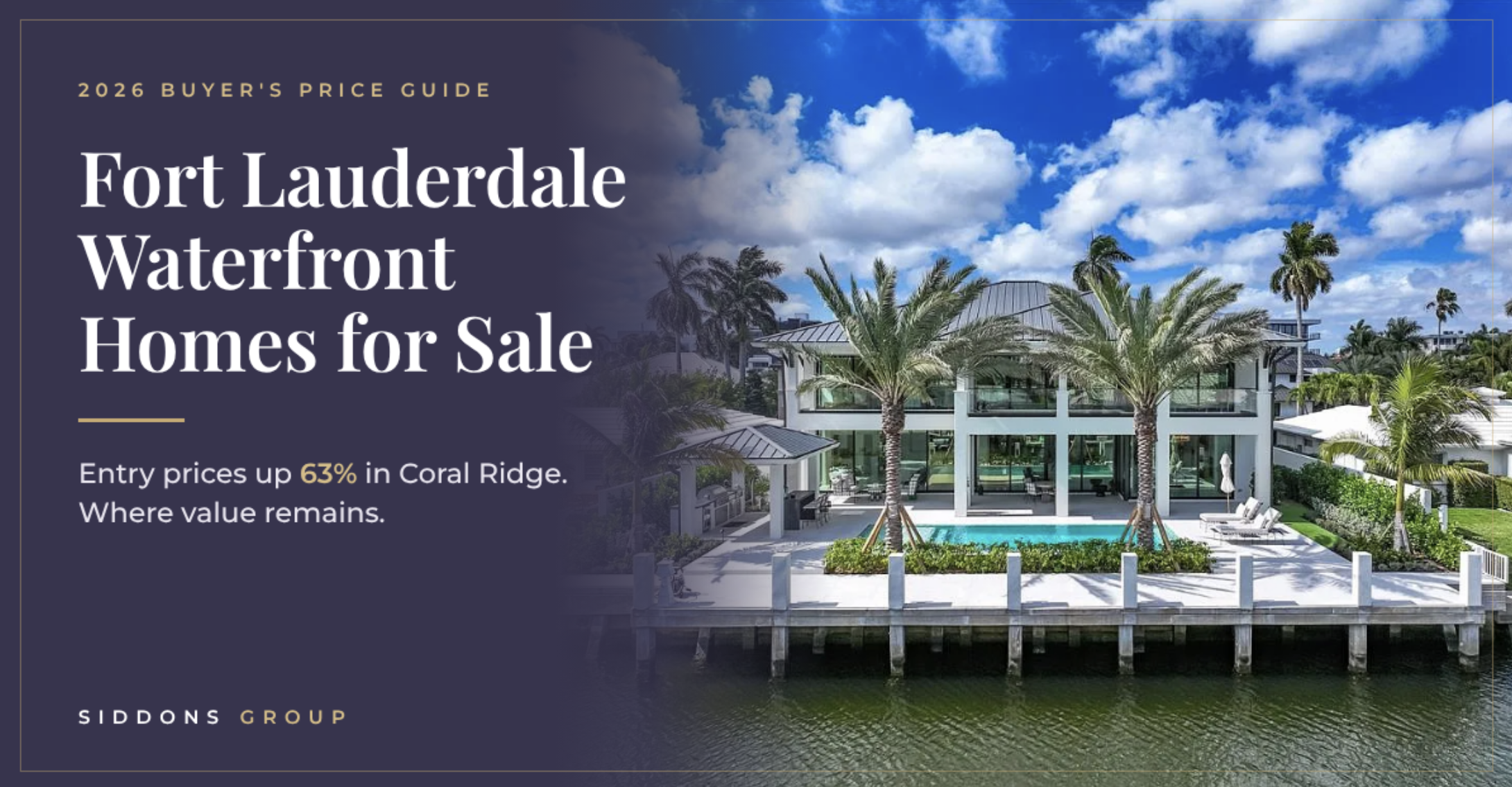
Fort Lauderdale Waterfront Homes in 2026

Greenview at Presidential Aventura

The Best Real Estate Agent in Ponce Davis

Pinecrest New Construction Is Appreciating 2x Faster Than Older Homes
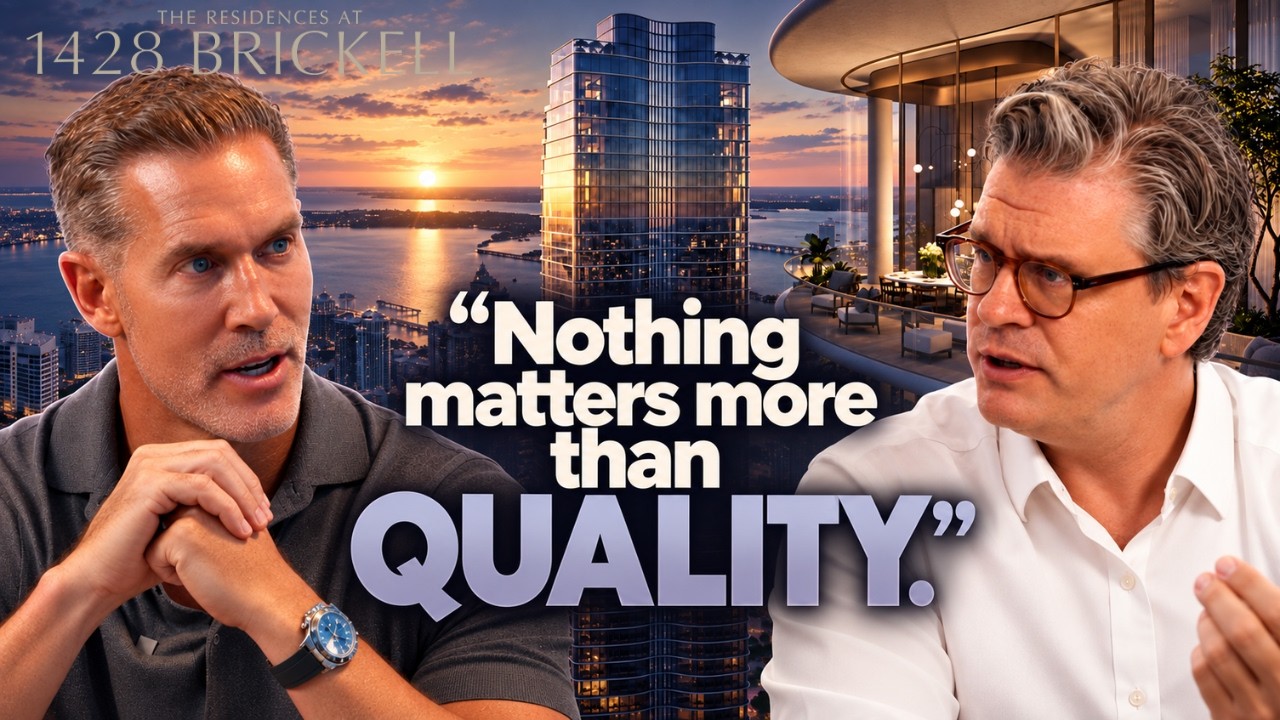
Inside 1428 Brickell: Why Ytech Skipped the Hotel Brand to Build Brickell’s Best Finishes
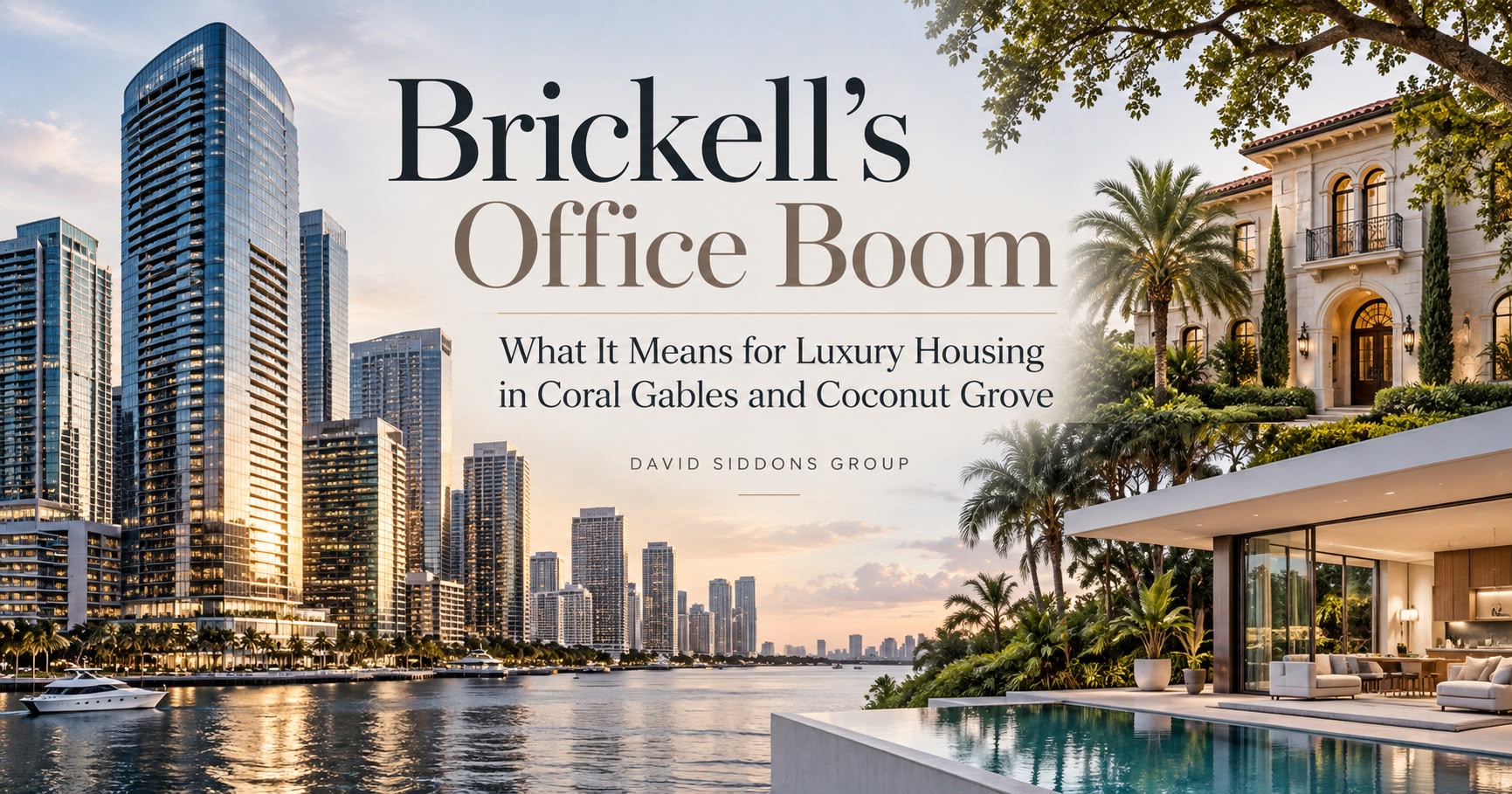
Brickell’s Office Boom: What It Means for Luxury Housing in Coral Gables and Coconut Grove
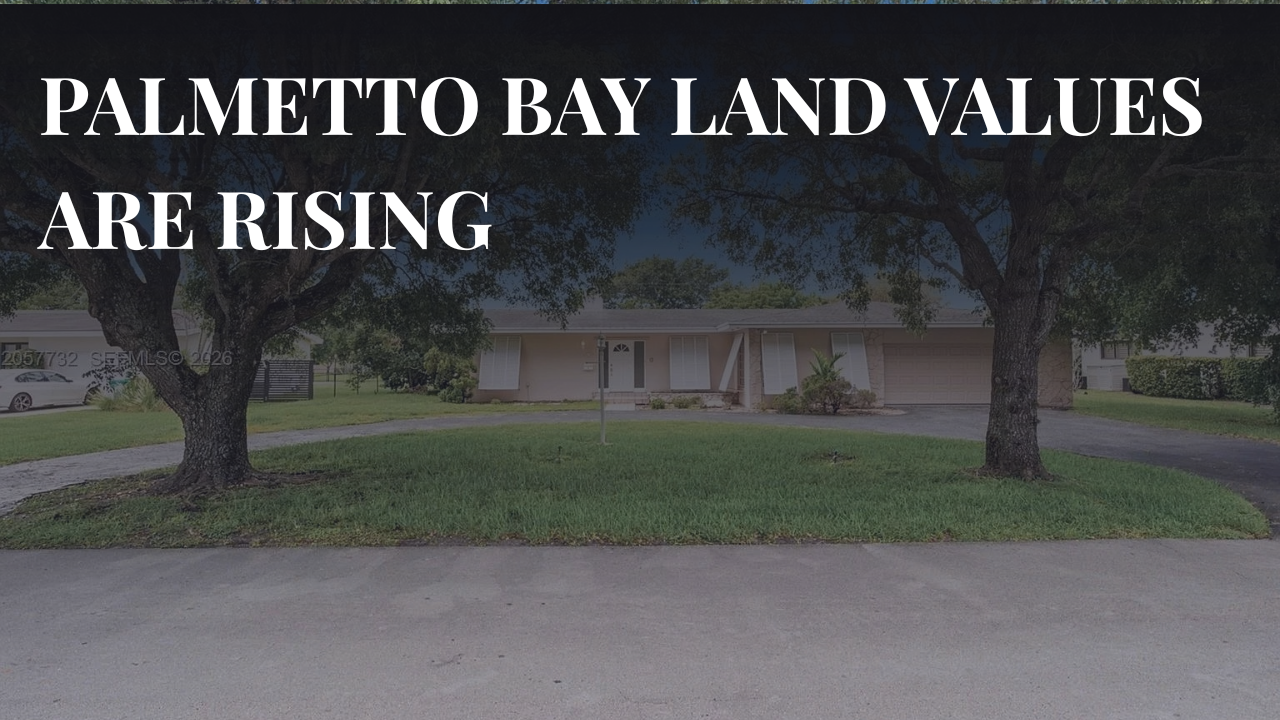
Palmetto Bay Land Values Are Rising. Is Your Home Worth More as Land?

Killian Drive: Kendall’s Luxury New Construction Corridor Hits $1,000/SF

Pinecrest’s 4 Best Streets in 2026

The 5 Best Luxury Streets in Miami’s Gated Communities
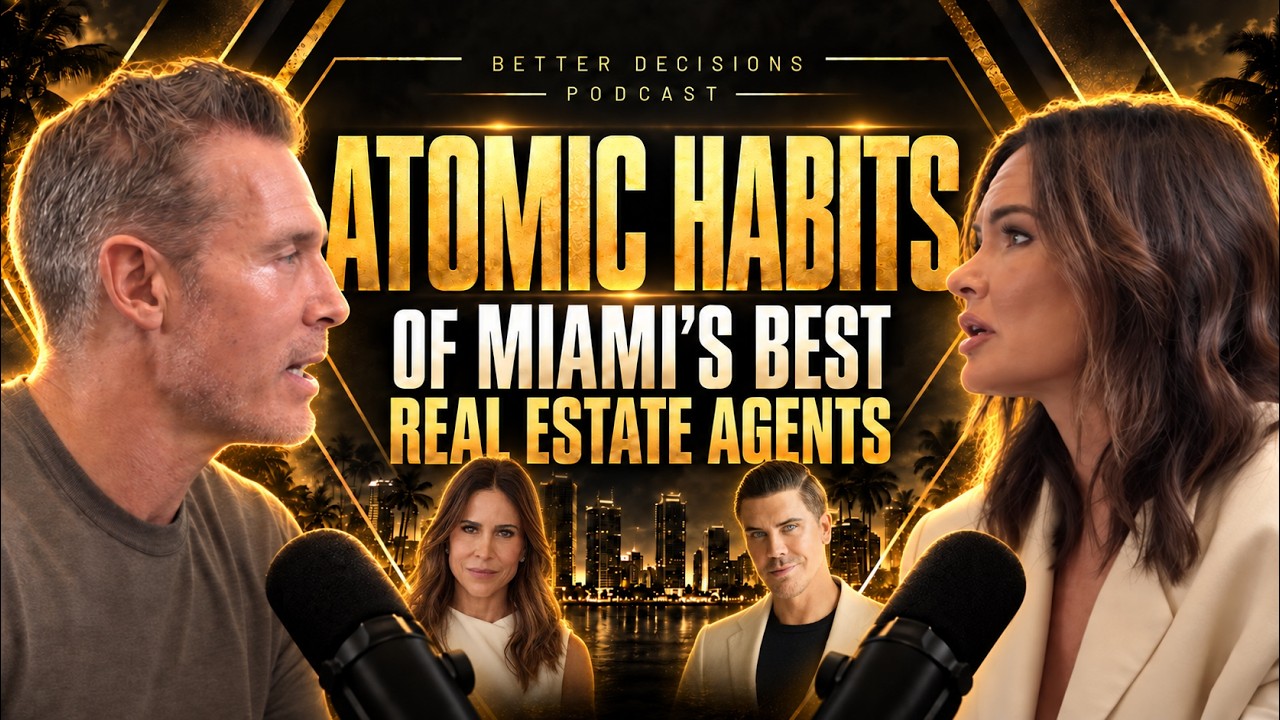
The Real Estate Team Behind the Agent: Why Systems Matter More Than Star Power

Selling a Home in Pinecrest: Why Some Homes Sell for $1,500/SF and Others Sit

We Built the Largest YouTube Audience of Any Miami Real Estate Team.
Please fill in your details and David Siddons will contact you

Search related videos

Are St. Regis Sunny Isles Residences Worth the Brand Premium?
Coral Gables Market Report 2025: What the Headlines Aren’t Telling You!
How David Siddons’ Power Team Drives Miami’s Luxury Market
Mid‑Year 2025 Coconut Grove Report: The Truth About What’s Selling Now
Brickell Mid‑Year Market Report 2025 | Is Brickell’s Luxury Market in Trouble?
Pinecrest Mid-Year Market Report 2025 | What’s Selling, What’s Sitting & Why
Miami Beach Condo Market Mid-Year Report 2025 | What Buyers & Sellers Need to Know
How to Lose $1M in The Miami Condo market | Top Mistakes That Cost Miami Condo Buyers Millions
The Well Project EXPOSED Coconut Grove’s Hottest Units
Miami Real Estate in 2025 Is NOT What You Think 😱 | Midyear Must Knows for Buyers & Sellers!
7 Things You Should Never Say to a Real Estate Agent in Miami!
Landmark Victoria Park Residence in Fort Lauderdale: Inside 420 NE 11th Ave 🌴✨
Luxury Living on 2355 S. Miami Ave | Fully Furnished 4-Bed Home w/ Resort-Style Pool 🏊
Is Mandarin Oriental Residences Miami a Smart Condo Investment? Prices, Floorplans, Views & Finishes


- Get our Newsletter
- Subscribe
- No Thanks
Get the latest news from Miami Real Estate News
Close
Edit Search
Close
2 of 14
Share this property
Recomend this to a friend, just enter their email below.
Close
Your email was sent successfully
Close
 COMPARE WITH CONDOGEEKS