


















- Best of All
- Best Miami Luxury Condos
- Most popular
- Relocating to Miami
- Private Schools
- Investments
- Gated communities
- Waterfront information
- Luxury homes
- Luxury Condos
- New Construction Condos in South Florida
- Independent Pre-Construction condo reviews for Miami
- Independent Pre-Construction condo reviews for Fort Lauderdale
2025 Miami Real Estate: Trends, Buyers, and Market Insights with Craig Studnicky
In today’s episode of the Better Decisions Podcast, we welcome back Craig Studnicky, head of ISG and a sharp market analyst. A true industry expert, Craig doesn’t just report on trends—he breaks them down, revealing what’s really happening in Miami real estate. That’s why he’s a frequent guest, and today, he’s here to tackle the big questions: What does 2025 have in store for the market? and Who’s driving the Miami market, and who’s making the big buys? If you want to stay ahead in real estate, this is an episode you won’t want to miss.
Market Shifts: 2024 Recap & Early 2025 Miami Real Estate Trends
The first half of 2024 mirrored 2023—strong sales velocity, buyers entering the market, and rising prices, with many opting to purchase rather than rent. However, things slowed significantly from September to December, largely attributed to election uncertainty. Surprisingly, even after the elections, the market remained sluggish into early 2025. Mortgage rates had already climbed before the election, adding another layer of hesitation. Now, as we approach March, activity is picking up again—perhaps because buyers are adjusting to higher rates, and the influx of out-of-state Americans continues. Sales have rebounded compared to previous months, signaling renewed momentum.
Two Markets within the Market: Ultra Luxury Vs Mid Range Luxury
Craig, with a strong focus on the condo market, highlights that Miami and Fort Lauderdale currently have 84 new condo projects in the pipeline. Of these, 75 are priced between $1.5M and $100M, offering buyers almost too many choices. However, only 12 are actually under construction, while the rest are waiting for interest rates to drop. The market is divided into ultra-luxury buyers and the working wealthy—both behaving differently. As specialists in the luxury sector, we focus on properties priced at $1M and above.
1. The Ultra-Luxury Market
The First 42 Days of 2025
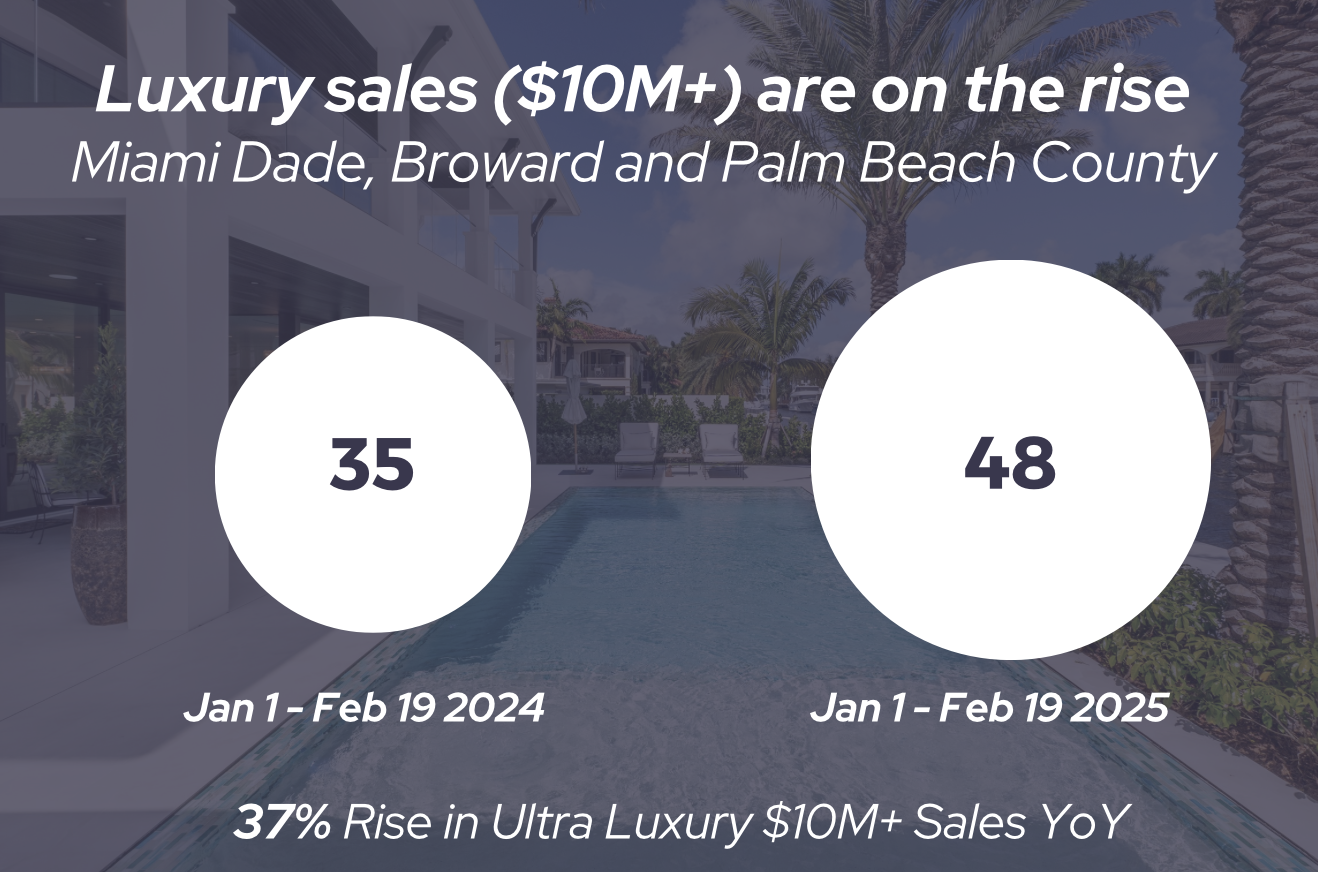
From January to February 12, the First 42 Days of 2025 , we recorded:
- 44 closed sales over $10M
- 82 pending sales over $10M—a significant number compared to past years when sales at this level were far rarer.
Ultra-luxury transactions often happen off-market, making actual inventory levels difficult to track. Many high-end deals remain discreet, with top agents brokering sales privately. Latin American buyers, in particular, prefer confidentiality, meaning the true number of pending sales over $10M could exceed 100 transactions.
2. The Entrance Level at the Luxury Market till $3M
For Condos: The lower market (Sub $3M), however, has slowed dramatically. Sales are down, and inventory has been rising since 2023. Seller psychology is a factor—many see record-breaking luxury deals, celebrity buyers, and soaring listing prices, leading to inflated expectations. Some hold out for top dollar, not just for profit but to afford their next home. However, as inventory builds, reality may soon set in for sellers at the lower end of the market.
For Homes: While active listings have increased since the pandemic, they still remain relatively low and have not surged dramatically. Though there has been a slight decline in sales, there have still been periods of strong activity, reflecting a gradual rise in the months of inventory (MOI). Overall, the market remains strong and stable with an uptick since a month ago in the amount of active buyers. This market continues to show resilience, especially when compared to the condo market
Tariffs, Inflation, and Interest Rates: What’s the Connection?
The potential tariffs on Mexico, Canada, and Colombia could have a significant inflationary impact. If enacted, these tariffs would increase the cost of imported goods—for example, a $100 bouquet of flowers could jump to $130 as the additional costs are passed directly to consumers. This, in turn, fuels inflation, making it less likely for interest rates to drop. While rates were lowered several times in the past, political factors have since halted further cuts. The more tariffs are discussed or implemented, the stronger the inflationary pressure, which keeps interest rates elevated for longer.
The Shift in Miami’s Condo Market: 1-Bedroom Resurgence
Last year, two-thirds of all condo resales were 1-bedrooms—an unusual trend. Historically, 1-bedroom units made up a smaller share of the market, but demand surged during COVID, followed by an influx of larger units. Now, we’re seeing another uptick in 1-bedroom sales, particularly in Brickell. Many newcomers to Miami initially settle in Brickell. It’s a natural entry point with plenty of rental options, and young professionals in their late 20s often choose it for its convenience. However, as they get accustomed to the city, crowds, and congestion, they start seeking more space and a different lifestyle. This shift has fueled demand in neighborhoods like Coconut Grove and Coral Gables, where many ultimately choose single-family homes. This migration pattern was a major driver behind the explosive growth of the Grove and Gables markets. The influx of out-of-state buyers didn’t always know where to settle at first, and Brickell provided an easy landing spot. Now, as these residents enter their early 30s, start families, and look for more space, they’re moving into the single-family home (SFH) market.
Did Developers Overbuild Larger Condos?
Brickell is slowly returning to its original buyer profile. However, Craig suggests that developers may have overbuilt 3- and 4-bedroom condos in response to past demand. Many of those who initially wanted larger units eventually transitioned to single-family homes instead. While there’s still demand for bigger condos, today’s buyers either want a house or expect ultra-luxurious features—not just mid-tier large units. For example, Coconut Grove has virtually run out of large condos. Park Grove, in particular, has been a massive success, with units like the coveted “A line” selling quickly. The market for high-end, spacious condos remains strong—but only when they meet the luxury standards buyers now expect.
Challenges in the Condo Market: Expired Listings & Aging Buildings
Many condo listings are expiring, and the reasons are clear—sellers are asking too much, or the units are in aging buildings that present financing challenges. Buyers of the aging condos often need cash since securing a mortgage is difficult due to insurance and structural concerns. If you don’t need to sell, it may be best to hold off, but this depends on the building. Well-maintained, well-located older (20 year +) condos without looming special assessments remain solid investments. However, buildings facing massive assessmentsare struggling—buyers simply won’t absorb those extra costs. The best approach may be to wait and see if a developer buys out the condo.
Newer buildings remain the top choice for buyers, as they want modern amenities and avoid special assessments. That said, well-designed buildings like The Palace or St Regis in Bal Harbour or Santa Maria in Brickell hold strong value due to prime locations and great layouts. These units make sense for investors as they are undervalued and have great potential to remodel.
Emerging Neighborhoods: The Next 10 Years
Beyond Miami’s core markets, new pockets of growth are emerging. Areas like Pompano Beach, North Bay Village, Bay Harbor Islands, Hollywood, West Palm Beach, and Dania Beach are gaining attention. These locations, particularly those along the coast, offer waterfront views, space, and a wellness-oriented lifestyle—often at nearly half the price of Miami’s prime neighborhoods. As Miami’s established markets mature, these areas are poised for major growth in the next decade.
Who’s Moving to Miami? The New Wave of Wealth & Entrepreneurship
Miami’s transformation is far from over. The city is attracting a surge of entrepreneurs, especially from the UK, Northeast U.S., and California, drawn by lifestyle, opportunity, and a like-minded community. Many are leaving corporate jobs to build something of their own, eager to be surrounded by others doing the same. At the same time, those who’ve left Miami are often those who can’t afford to buy here anymore. The wealth migration is just beginning, and it’s not slowing down. Ken Griffin is saying it, the numbers confirm it, and the sales prove it—Miami is pulling in companies, families, and extreme wealth from around the world. Having lived in the UK and around the world, I can confidently say Miami’s lifestyle is unmatched. The city’s real estate is evolving fast, and those who understand these shifts will be best positioned to benefit.
The Impact of Ultra-Luxury Buyers in the 2025 Miami Real Estate Market
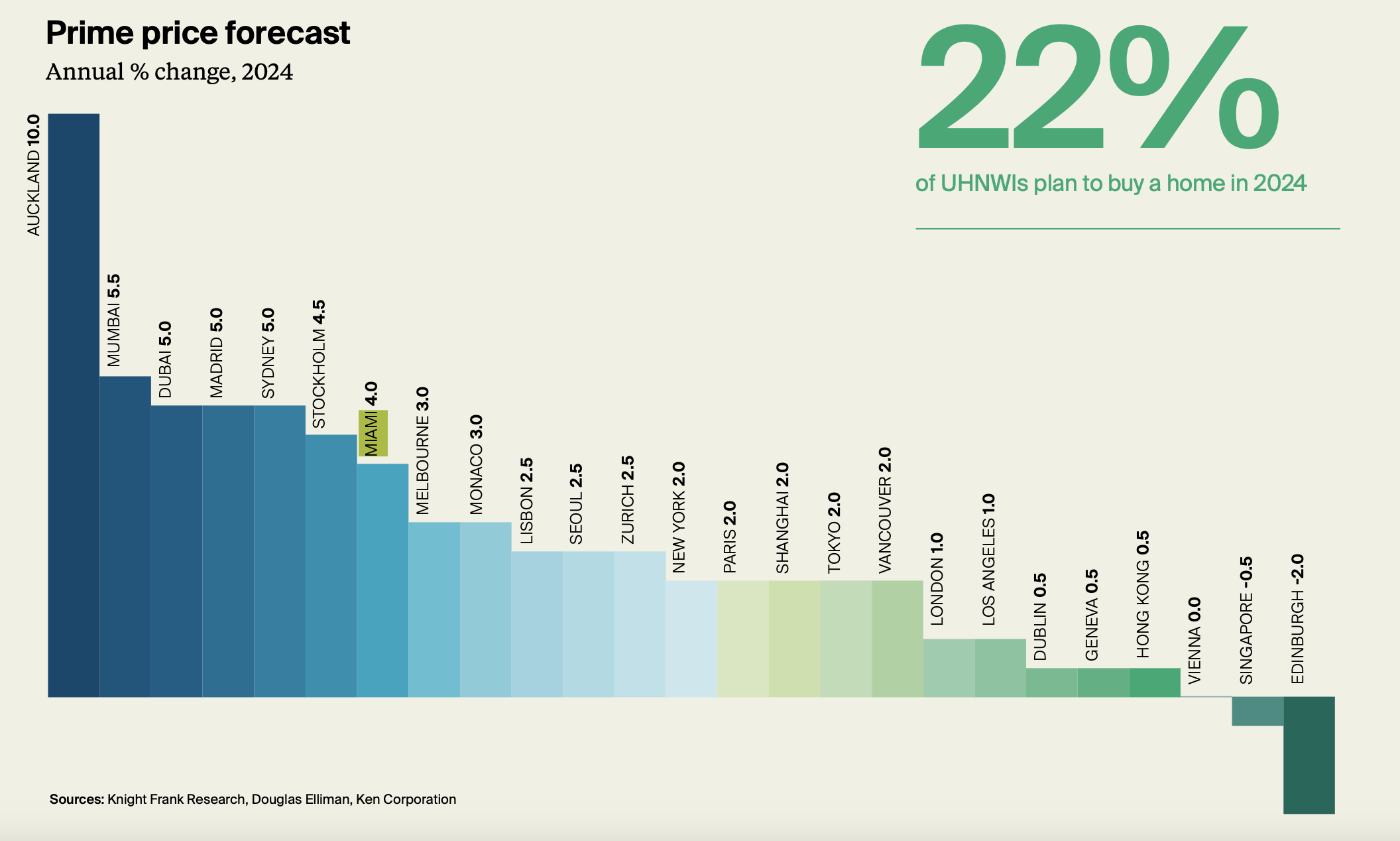
With Miami evolving into Wall Street South, it’s clear why so many are relocating—they want to be close to the money. The evidence? Record-breaking $10M+ sales, skyrocketing demand for $100M homes, and an influx of high-net-worth buyers shaping the market. Ultra-luxury real estate remains scarce—waterfront, gated, unique, and well-finished properties are in limited supply. As extreme wealth flows in, the surrounding economy shifts, influencing everything from property values to business opportunities. The benchmark for luxury keeps rising, and those who move here today are positioning themselves at the forefront of Miami’s next chapter.
The Future of Luxury Living in South Florida
Miami’s new developments are on another level. DAMAC is building a brand new condo with an average unit price of $33M, and the PH itself is set at $100M—a clear sign of where the market is headed. What’s unique is that these aren’t oversized penthouses sitting atop a sea of smaller units. Instead, the entire building is designed for ultra-luxury living, with an average unit size of 7,000 SF and a 12,000 SF penthouse. This marks a new era in South Florida real estate, where high-end buyers aren’t just looking for space—they want exclusivity and a completely redefined way of living. Another major trend? Luxury homes designed with wellness in mind—from architectural layouts that maximize efficiency to spaces that promote a healthier lifestyle.

Developer Trust
But with so much promise in these high-end developments, buyers are right to ask: Will these projects truly deliver? The key is knowing who to trust. Established developers with a proven track record always deliver, while newcomers or lesser-known names can be a gamble. Branded residences offer added security—especially those tied to luxury hotels or world-class institutions. If a hospital-backed wellness brand is involved, for example, they can’t afford to damage their reputation. Always check the length of the brand’s license and whether the partnership makes sense before making a move. Ensure your sales agent is transparent about HOA fees and construction timelines. A 70-story tower won’t be built in two years, and HOA fees under $1.50 per square foot are unrealistic. We’re here to guide you through the details.
2025 Miami Real Estate Market Shift: Rent, Inflation & New Development
Yes, costs are high—rent, dining, and everyday expenses have climbed. But here’s the reality: rents are dropping. After peaking in 2022 and 2023, supply is catching up. 60,000 multifamily units were initiated in 2022, with 25,000 already delivered. Another 15,000 units have hit the market over the past two years, and more are still under construction. As this new inventory comes online, rents could dip further. While Miami’s population keeps growing, the flood of new supply is easing pressure
Conclusions of our 2025 Miami Real Estate Market update
In conclusion, those in rental markets considering selling should be aware that prices won’t rise dramatically unless they align with current market conditions. Expired listings will remain stagnant unless you adjust your expectations and pricing. The market, particularly in the lower and midrange, is softening due to high interest rates, but that doesn’t mean it’s all bad news. The influx of billionaires and ultra-high-net-worth individuals is driving business, generating taxes, and enriching the local economy—this is something to be celebrated. For those targeting prime real estate, recognize that competition is fierce, and unique, ultra-luxury properties will always find buyers. While the market may have slowed nationally, Miami continues to attract significant investment, and the momentum is building. With so much capital flowing into the city, Miami’s real estate market is poised for growth, and this will likely accelerate in the near future.
Connect with the David Siddons Group.
FAQ
These are the most commonly Miami Real Estate Related questions
What should relocation buyers know before buying real estate in Miami?
HOME BUYERS
Relocation buyers looking at homes in Miami should understand that choosing the right house is less about the property itself and more about location, schools, and long-term value. Many buyers make the mistake of focusing on price or finishes, while the real driver of value is the neighborhood and micro-location. Older homes often represent better value, but may also be part of a future redevelopment cycle. Newer homes command premiums, but don’t always sell faster if pricing is ahead of the market. Commute time, school access, and community dynamics are critical and often underestimated. The key is to evaluate homes not just as lifestyle purchases, but as long-term assets within a very localized market.
Sources:
https://luxlifemiamiblog.com/relocating-to-miami/
https://luxlifemiamiblog.com/relocating-to-miami-with-a-family/
CONDO BUYERS:
Relocation buyers should understand that Miami is a highly segmented, building-driven market, not a uniform one. Pricing can vary significantly between similar properties depending on building quality, layout, and financial health. Many buyers assume newer construction equals better investment, but that is often not the case. Factors like HOA fees, reserves, and rental policies can materially impact long-term value and liquidity. Negotiation opportunities often exist, especially in slower segments, but require precise market knowledge. The key is to evaluate micro-markets and individual buildings, not just neighborhoods or price per square foot.
Sources:
https://luxlifemiamiblog.com/miami-real-estate-market-report/
https://luxlifemiamiblog.com/new-construction-miami-guide/
What are the best areas for relocating families with children
For families relocating to Miami with young children, the most recommended neighborhoods are Coral Gables, Coconut Grove, and Pinecrest. Coral Gables offers the best balance of top schools, safety, and long-term value. Coconut Grove is ideal for younger families seeking walkability, greenery, and a lifestyle-driven environment. Pinecrest provides larger homes, excellent schools, and better value for space, making it ideal for growing families. The key driver across all three is access to strong schools and primary residential stability. Relocation decisions are less about new construction and more about long-term livability and resale strength.
Sources:
https://luxlifemiamiblog.com/best-neighborhoods-miami/
https://luxlifemiamiblog.com/what-are-the-best-family-neighborhoods-in-miami-in-2023/
Are new construction condos in Miami a good investment?
New construction condos in Miami can be a good investment—but only if you understand that not all buildings perform the same. According to the David Siddons Group, many buyers assume “new = better,” but in reality, performance depends on pricing, layout, building quality, and long-term demand. Some new developments set future price benchmarks and can drive long-term appreciation, especially in top-tier projects. However, many are priced aggressively at launch, and buyers relying on marketing instead of data often overpay.
The market is highly segmented, meaning two new buildings next to each other can perform very differently.
The best opportunities typically come from selecting the right building early or negotiating correctly in later phases.
In short: new construction is not automatically a good investment—it becomes one only with building-level analysis and disciplined entry pricing.
Sources:
https://luxlifemiamiblog.com/how-to-buy-a-luxury-condo-in-miami/
https://luxlifemiamiblog.com/category/independent-new-construction-condo-reviews/
https://luxlifemiamiblog.com/beyond-clickbait-real-insights-into-miamis-luxury-condo-market/
Why is buying a Miami condo riskier than buyers think?
Buying a Miami condo is often riskier than buyers expect because the true risks are at the building level—not visible in the listing price. Many buyers focus on finishes and views, while overlooking HOA reserves, insurance exposure, and potential special assessments. In reality, two identical units in different buildings can perform completely differently over time. Rising HOA fees and stricter regulations are also increasing the true cost of ownership, especially in older buildings. Liquidity can be affected by factors like financial health, rental policies, and ongoing repairs. The key risk is not the condo itself—but buying into the wrong building without proper due diligence.
Sources:
https://luxlifemiamiblog.com/how-to-buy-a-luxury-condo-in-miami/
https://luxlifemiamiblog.com/miami-condo-market-risks/
What are Miami's Safest Areas?
Which Miami Areas Still offer Great Value (Budget Friendly alternatives to Coral Gables and Pinecrest)
If you’re looking for better value than Coral Gables or Pinecrest, the answer (in true Siddons style) is not “go cheaper”—it’s go one layer outside the obvious markets.
The strongest value plays are:
- Schenley Park → closest substitute to Coral Gables at ~20% discount while maintaining similar character and location
- Biltmore Heights → almost identical feel to the Gables but ~25–30% cheaper on a $/SF basis
- Glenvar Heights → central location with larger lots and ~25% pricing advantage vs South Miami/Gables
- Baptist / Galloway (Kendall) → Pinecrest-style living (space, schools, land) at up to ~30% lower pricing
The pattern is consistent:
👉 Buyers are shifting west and slightly off-market to gain land, scale, and pricing efficiency. You don’t find value by going to a “cheaper neighborhood”—you find it by identifying adjacent micro-markets that offer the same lifestyle fundamentals without the brand premium.
Sources:
https://luxlifemiamiblog.com/best-value-neighborhoods-miami/
https://luxlifemiamiblog.com/category/miami-neighborhoods/
Is NOW a good time to buy in Miami?
Are Miami real estate prices going down in 2026?
No—but that’s the wrong way to look at it. Miami is not one market anymore, so prices are not moving in one direction. In 2026, the market is split into two: ultra-luxury, scarcity-driven areas (like waterfront and top-tier neighborhoods) are still holding or even rising, while mid-tier condos and oversupplied segments are flat or correcting. What we’re seeing is price divergence, not a crash—some properties are gaining value while others are quietly adjusting downward. Rising inventory and more selective buyers are putting pressure on pricing in certain segments, especially older condos or buildings with weaker fundamentals.
At the same time, global wealth and cash buyers continue to support pricing at the top end of the market. So the real answer: prices aren’t broadly dropping—they’re being repriced based on quality, location, and supply.
Should I buy a house or a condo when relocating to Miami?
The decision comes down to lifestyle first, investment second—and most relocation buyers get that backwards. If you want space, privacy, schools, and long-term family living, a single-family home in areas like Coral Gables or Coconut Grove is typically the stronger choice. If you prioritize walkability, low maintenance, and proximity to business districts, a condo in Brickell or waterfront markets makes more sense.
From an investment perspective, homes tend to be more stable, while condos are more building-dependent and cyclical. Most relocation clients underestimate how much building quality, HOA structure, and future costs impact condo performance. The right answer isn’t “house vs condo”—it’s which asset fits your lifestyle AND holds value within its micro-market.
How do I choose the right Miami neighborhood for my lifestyle?
Why are Miami condo prices so different between buildings?
Miami condo pricing varies widely because value is determined at the building level, not just by location. Two buildings next to each other can have major differences in financial health, reserves, HOA fees, and management quality. Buyers also pay premiums for better layouts, views, amenities, and newer construction—but not all “new” buildings perform equally. Factors like rental policies, upcoming assessments, and building reputation can significantly impact resale value. This is why price per square foot alone is misleading in Miami’s condo market. The real driver of value is how that specific building competes within its micro-market over time.
Sources:
https://luxlifemiamiblog.com/how-to-buy-a-luxury-condo-in-miami/
https://luxlifemiamiblog.com/category/independent-new-construction-condo-reviews/
WHY WORK WITH DAVID? THINGS YOU SHOULD KNOW...
For all our analytics we are agents driving some very unique and advanced tech. We Provide a granular and custom experience that empower our clients with the insight and tools to understand the most complex behaviors of any local markets.
-
Analytical
Over 100 reports produced to date
-
Knowledgeable
Over 1800 published articles and counting


Related Articles

Inside 1428 Brickell: Why Ytech Skipped the Hotel Brand to Build Brickell’s Best Finishes
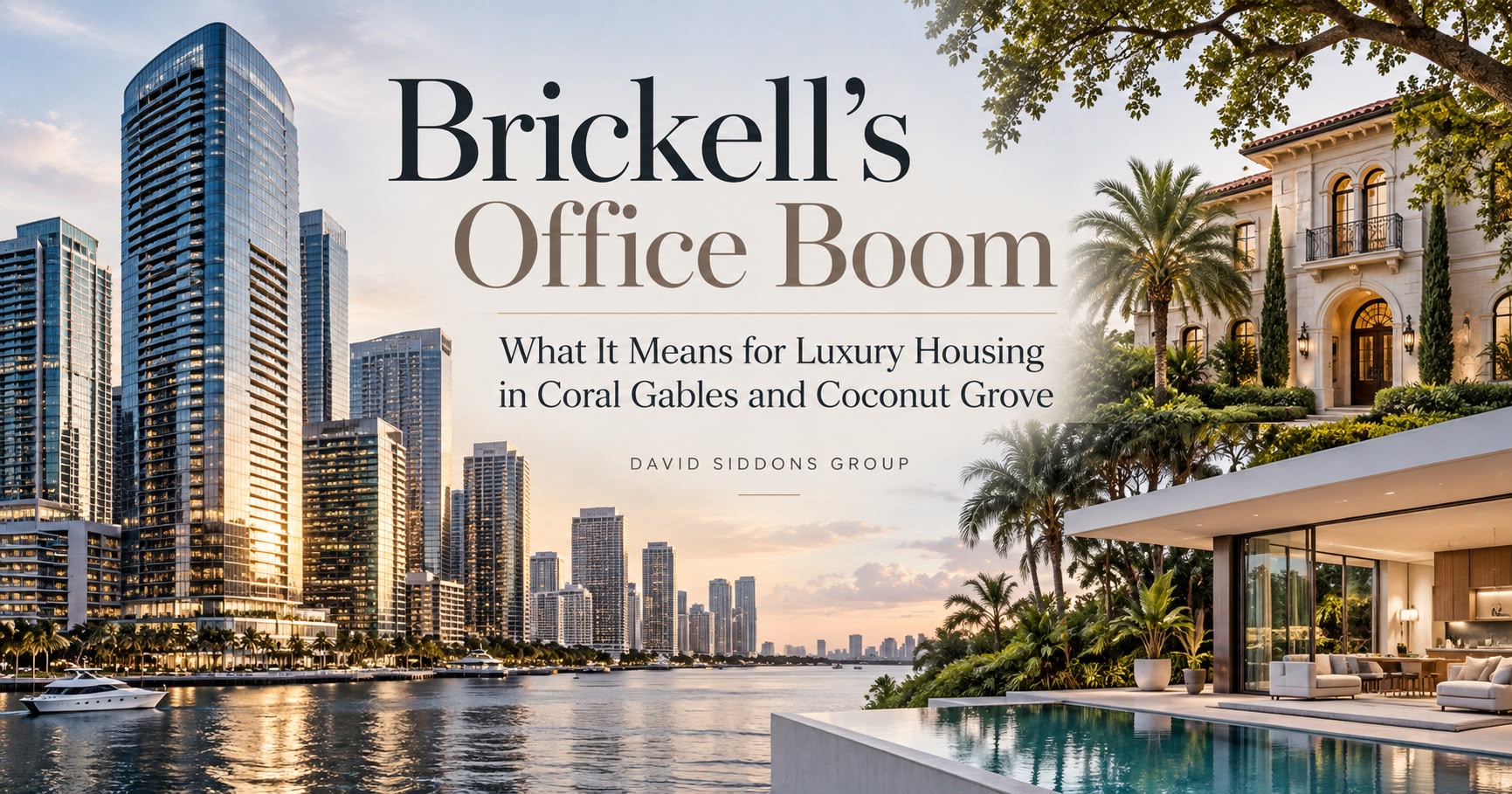
Brickell’s Office Boom: What It Means for Luxury Housing in Coral Gables and Coconut Grove
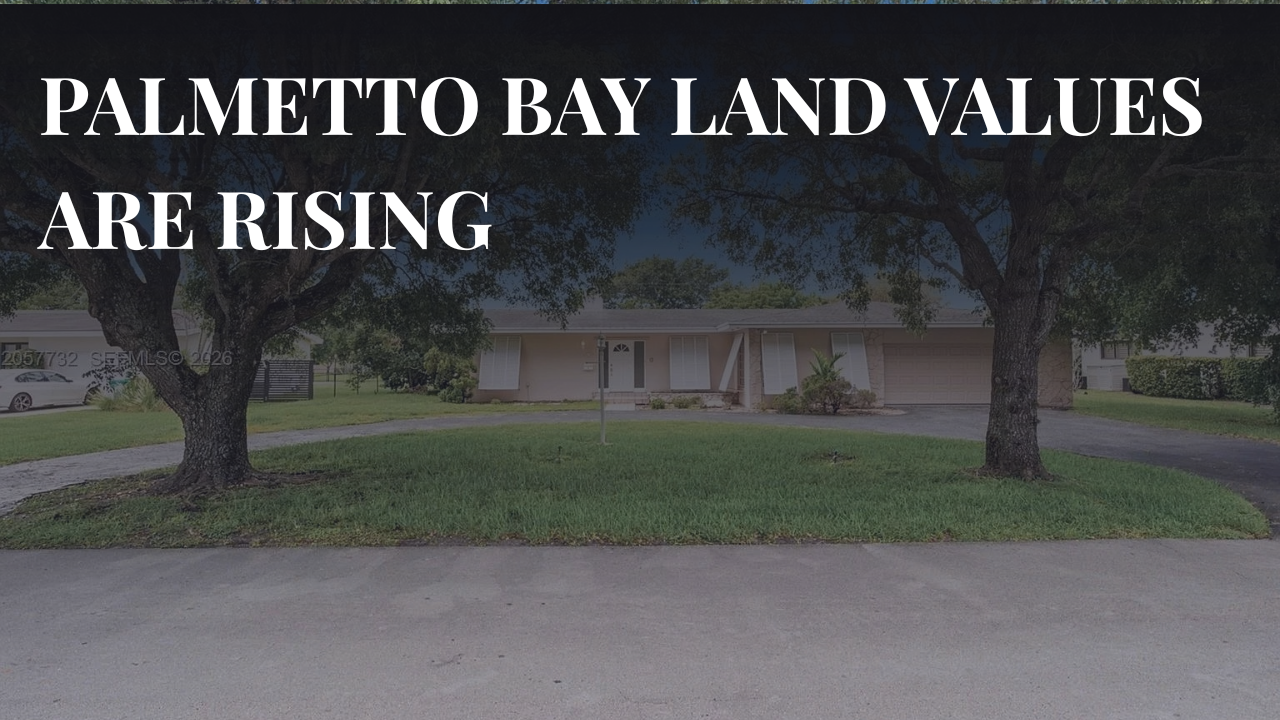
Palmetto Bay Land Values Are Rising. Is Your Home Worth More as Land?

Killian Drive: Kendall’s Luxury New Construction Corridor Hits $1,000/SF
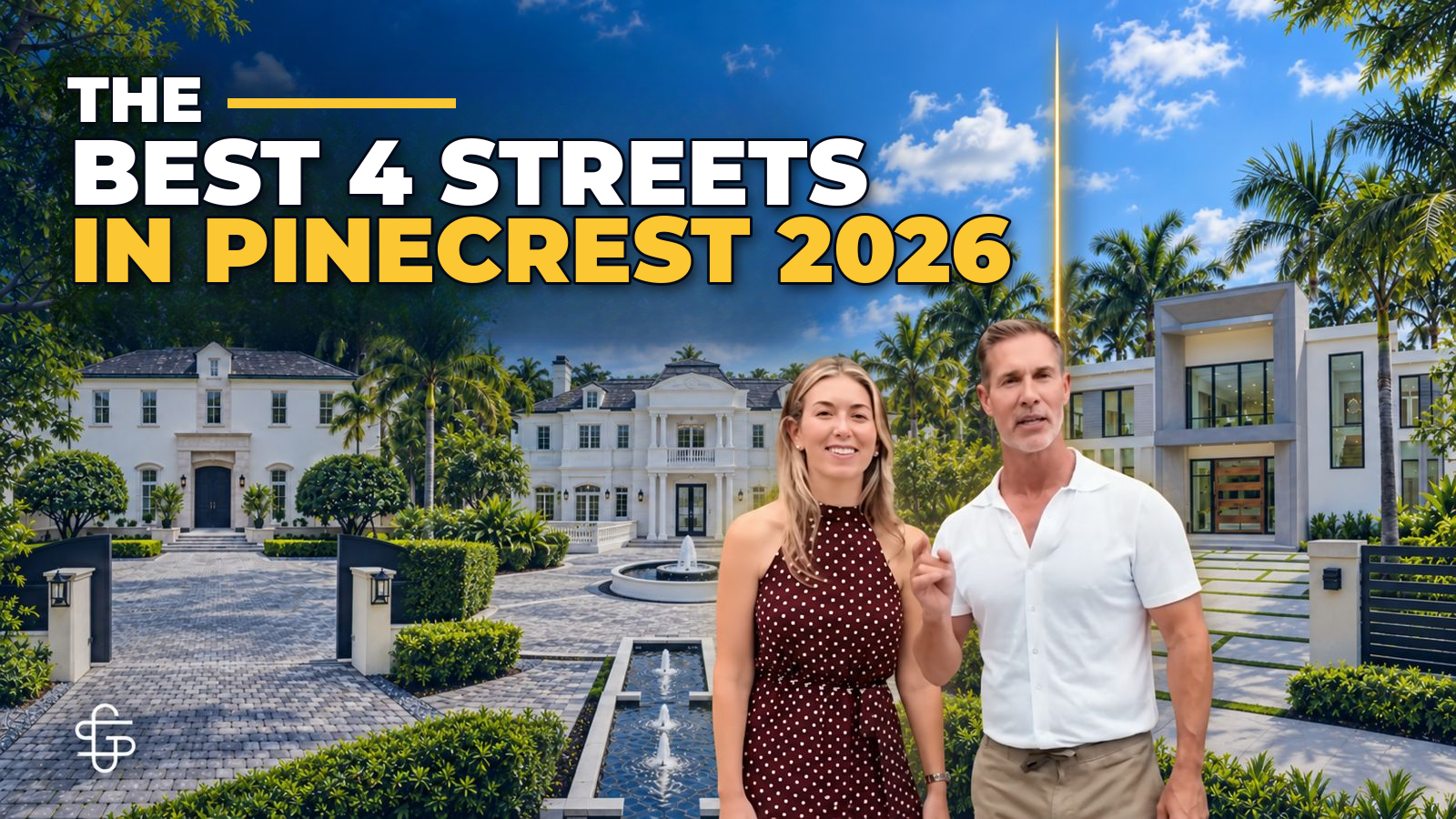
Pinecrest’s 4 Best Streets in 2026
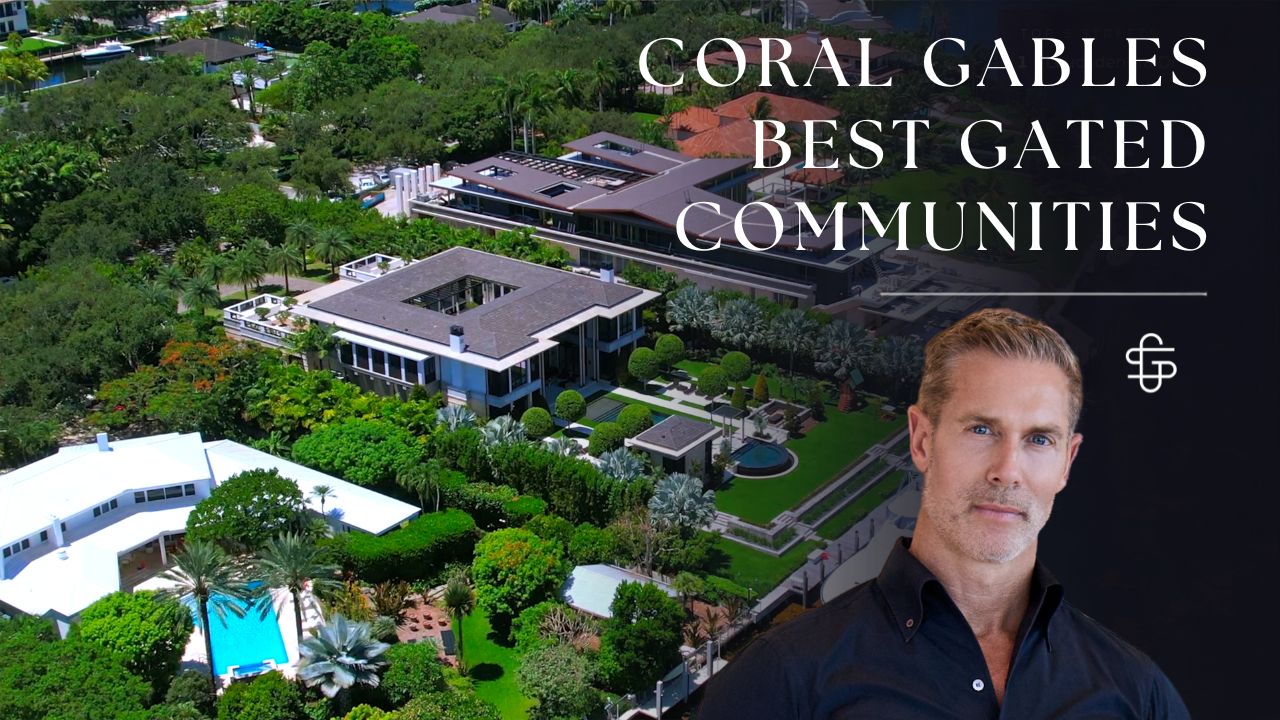
The 5 Best Luxury Streets in Miami’s Gated Communities

The Real Estate Team Behind the Agent: Why Systems Matter More Than Star Power
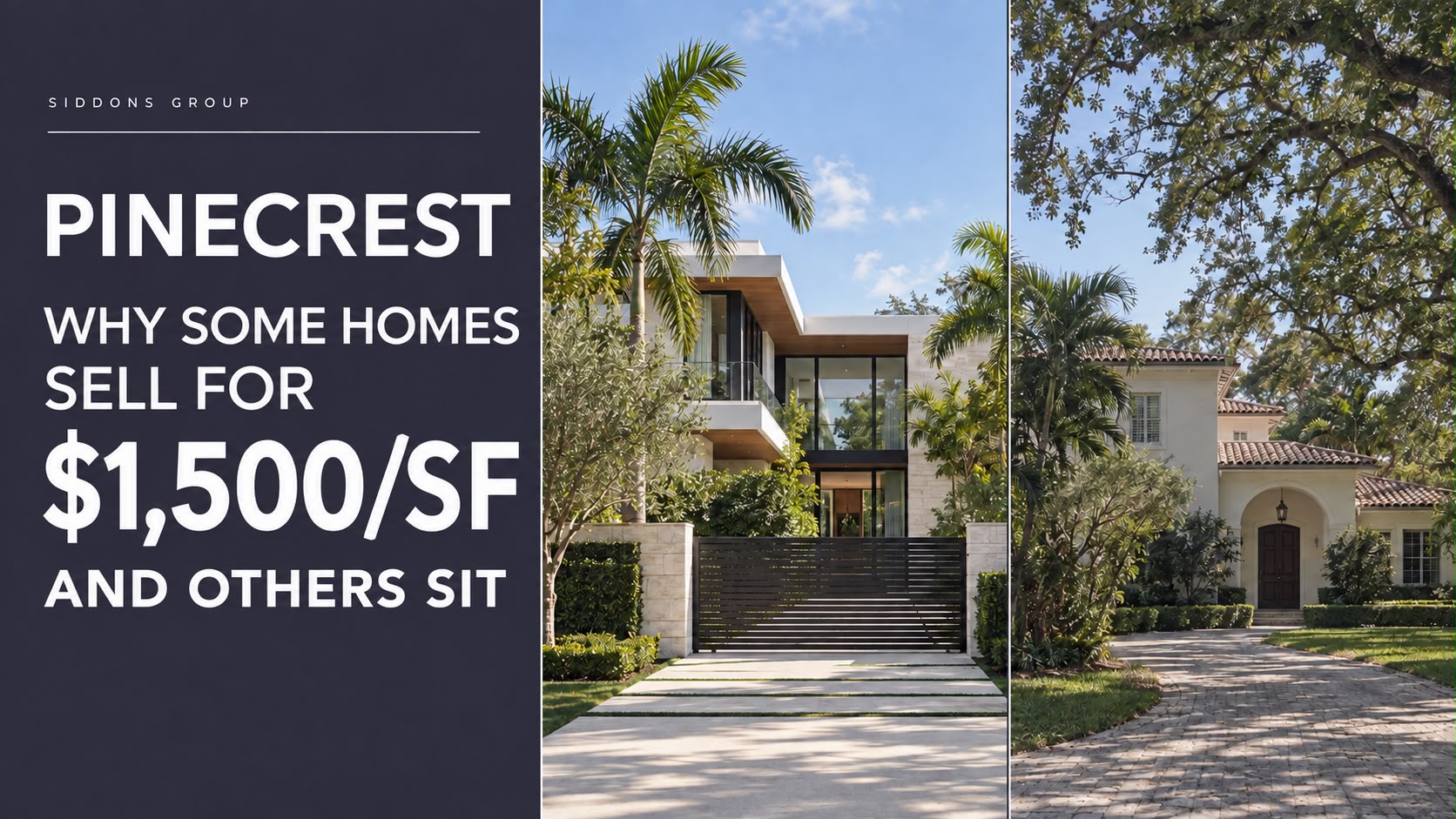
Selling a Home in Pinecrest: Why Some Homes Sell for $1,500/SF and Others Sit

We Built the Largest YouTube Audience of Any Miami Real Estate Team.

Empty Nesters in Miami: What Comes After the Big Family Home?
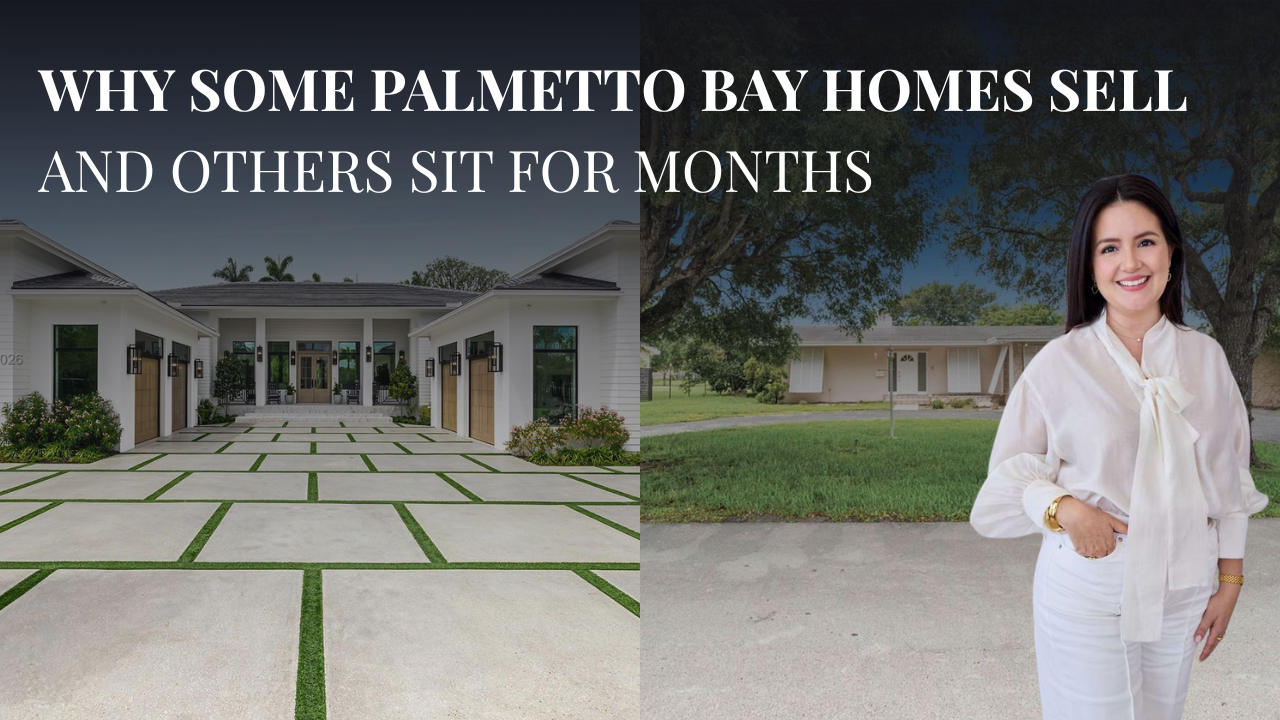
Palmetto Bay Has Almost No Inventory. So Why Are Homes Still Sitting?
The Decisions That Set Your Miami Condo’s Price, Years Before You Ever See It

Which Schools Serve Palmetto Bay? A Guide to Public School Boundaries

Beyond the Developer Finish
Please fill in your details and David Siddons will contact you

Search related videos

Are St. Regis Sunny Isles Residences Worth the Brand Premium?
Coral Gables Market Report 2025: What the Headlines Aren’t Telling You!
How David Siddons’ Power Team Drives Miami’s Luxury Market
Mid‑Year 2025 Coconut Grove Report: The Truth About What’s Selling Now
Brickell Mid‑Year Market Report 2025 | Is Brickell’s Luxury Market in Trouble?
Pinecrest Mid-Year Market Report 2025 | What’s Selling, What’s Sitting & Why
Miami Beach Condo Market Mid-Year Report 2025 | What Buyers & Sellers Need to Know
How to Lose $1M in The Miami Condo market | Top Mistakes That Cost Miami Condo Buyers Millions
The Well Project EXPOSED Coconut Grove’s Hottest Units
Miami Real Estate in 2025 Is NOT What You Think 😱 | Midyear Must Knows for Buyers & Sellers!
7 Things You Should Never Say to a Real Estate Agent in Miami!
Landmark Victoria Park Residence in Fort Lauderdale: Inside 420 NE 11th Ave 🌴✨
Luxury Living on 2355 S. Miami Ave | Fully Furnished 4-Bed Home w/ Resort-Style Pool 🏊
Is Mandarin Oriental Residences Miami a Smart Condo Investment? Prices, Floorplans, Views & Finishes


- Get our Newsletter
- Subscribe
- No Thanks
Get the latest news from Miami Real Estate News
Close
Edit Search
Close
2 of 14
Share this property
Recomend this to a friend, just enter their email below.
Close
Your email was sent successfully
Close
 COMPARE WITH CONDOGEEKS