



















- Best of All
- Best Miami Luxury Condos
- Most popular
- Relocating to Miami
- Private Schools
- Investments
- Gated communities
- Waterfront information
- Luxury homes
- Luxury Condos
- New Construction Condos in South Florida
- Independent Pre-Construction condo reviews for Miami
- Independent Pre-Construction condo reviews for Fort Lauderdale
The Real Estate Team Behind the Agent: Why Systems Matter More Than Star Power
The Difference Between a Great Agent and a Great Real Estate Operation
Julia Spillman runs the day-to-day of Eklund Gomes, the real estate team behind Fredrik Eklund and John Gomes, and the numbers behind that name are hard to ignore: roughly $4 billion in sales every year, close to 100 agents, and a team that has quietly become one of the highest-producing real estate operations in the world. David Siddons sat down with Julia for an episode of the Better Decisions podcast, and the conversation cut straight through the Instagram version of luxury real estate to the part that actually explains the results: systems.
For a David Siddons Group audience of high-net-worth buyers and sellers, this matters more than it might first appear. The instinct when choosing an agent is often to ask who has the biggest personality, the best connections, or the most recognizable name. Julia’s answer is different, and it’s the reason we’re sharing this conversation: the agents and teams who consistently perform at the highest level aren’t winning because they work harder than everyone else. They’re winning because they’ve built repeatable systems that don’t depend on any one person’s energy on any given day.
The Excel Sheet That Started a Billion-Dollar Business
Julia joined Fredrik and John in 2016 during a downtown Miami development project. When the sales cycle ended, she asked a simple question: who’s following up with the 312 registered buyers sitting in a spreadsheet who didn’t close? The answer was nobody. That gap, an entire pipeline of warm, ready buyers with no system to work them, became the founding insight of Eklund Gomes as a team rather than two star agents. Within a few years, that same discipline around lead follow-up and database management helped take the business from roughly $50 million a year in individual production to the $4 billion a year it does now.
The lesson generalizes well beyond one spreadsheet. Most agents, and most brokerages, lose deals not because they lack talent or connections, but because no one owns the unglamorous job of following up. A buyer or seller working with a team that treats every inquiry as a tracked, worked lead is working with a fundamentally different operation than one relying on an agent’s memory and good intentions.
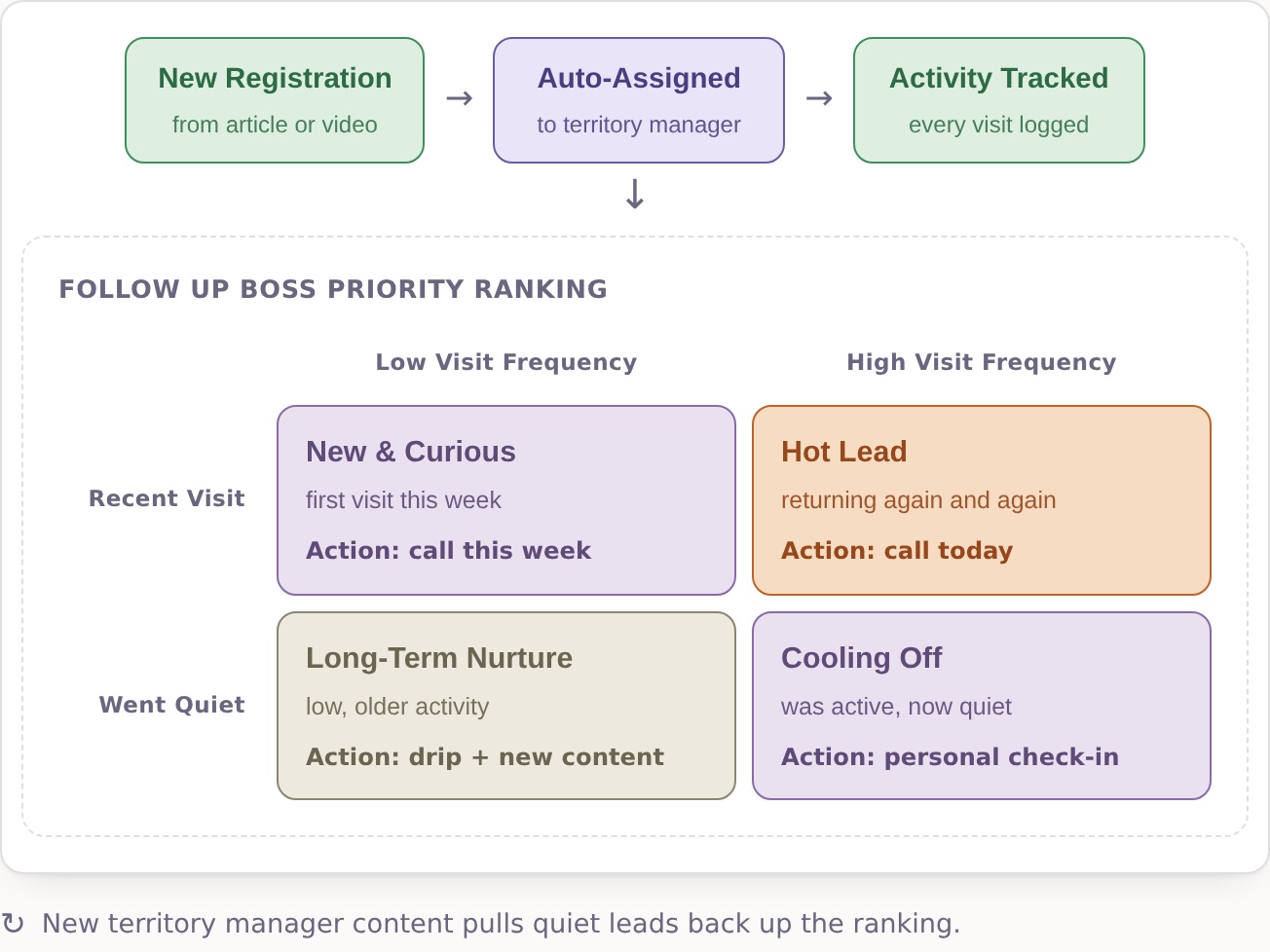
Every lead has an owner. A dedicated member of the David Siddons Group tracks our leads, monitors the systems, and makes sure every inquiry gets followed up. That’s how we turn interest into action. Want to see the systems behind the operation? Learn more here.
Small, Compounding Habits Beat Big, One-Time Pushes
Julia frames the entire philosophy around what she calls atomic habits: tiny, consistent actions that compound over years rather than dramatic overnight changes. She uses the image of a plane leaving Miami just three degrees off course. Over a short flight, that’s barely noticeable. Over the distance to New York, it lands the plane in Washington, D.C. instead. The same math applies to a real estate business. A CRM entry made or skipped, a follow-up call made or postponed, a note logged or forgotten: none of it looks significant in the moment, but compounded daily across hundreds of clients and years of operation, it’s the entire difference between an agent who plateaus and a team that scales to billions in volume.
This is also why bigger isn’t automatically better in a client’s eyes, and why it’s a fair question to ask. Julia is candid that many large teams and brokerages fail here: they try to do everything for every agent, build an overly complex CRM stack, and end up with a $100,000 system nobody actually uses. Her team learned the same lesson the hard way after over-customizing Salesforce until it was too complicated to adopt. The fix wasn’t more technology. It was stripping the system back down to the few things agents would actually use every single day. Complexity that isn’t adopted isn’t a system, it’s a liability.
The “Constellation” Model: Local Expertise, National Reach
One of the more useful frameworks from the conversation is what Julia calls the constellation approach to building a team. Instead of trying to make the two biggest names bigger, which she says gets harder every year, the strategy is to make every agent in the group brighter, so the entire constellation shines more. A local specialist with deep neighborhood knowledge gets layered onto a team with national marketing reach, a shared buyer database, and a proven closing process. The client gets both: someone who knows the block and a machine behind them that knows how to find, qualify, and close the right buyer.
This directly answers the objection every large team eventually hears from a prospective seller: will a big team actually pay attention to my property, or will I get lost in the crowd? Julia’s answer is structural, not sentimental. Every agent on the team has a vested interest in the group’s collective number, so no listing is treated as someone else’s problem. It also explains why so much of the highest-value work, cold calling, CRM discipline, disciplined follow-up, is invisible. It doesn’t make good television, but it’s the actual reason clients stay for the next deal and the one after that.
Thinking about selling your Miami property?
Want to see the systems we use to strategically market and sell Miami properties? Email us the word “SYSTEMS” and we’ll send you the details.
BOOK A CALL
Built to Run on Systems, Not One Person
The best real estate teams aren’t built around one person’s ability to do everything. They’re built around systems that ensure the business continues to perform, whether the lead agent is available or not. That was one of the key themes that emerged from our conversation with Julia Spillman on the Better Decisions podcast, and it’s a philosophy we strongly believe in at the David Siddons Group.
Behind every successful transaction are processes that clients rarely see: lead follow-up, market research, marketing, client communication, negotiations, and operations. The strongest teams don’t rely on one person remembering every detail. They create clear processes, assign responsibility, and make sure everyone knows their role. That structure is particularly important in a larger team. More people don’t automatically mean better service. Without clearly defined responsibilities, things can easily fall through the cracks. The goal is to combine specialized expertise with a coordinated system behind it. At the David Siddons Group, that means combining local territory expertise with dedicated marketing, operations, research, and leadership. Our agents bring deep knowledge of their individual markets, while the broader team provides the infrastructure and support behind every listing and buyer search.
For clients, the question is simple: What happens when your primary agent isn’t available? Does communication stop? Does a buyer inquiry go unanswered? Or is there a system in place to ensure the process continues? The best teams are bigger than any one individual. Clients may work directly with one or two people, but behind a successful transaction should be a complete operation designed to ensure that nothing gets missed.
That invisible infrastructure—clear roles, disciplined follow-up, and accountability—is what turns individual talent into a repeatable system.

Local expertise, backed by organized systems. Our agents know their markets; our systems make sure nothing gets missed. We’re happy to share how it works. See the full blog here.
What This Means If You’re Buying or Selling in Miami
The takeaway for anyone evaluating who should handle a significant property transaction is straightforward: ask about the system, not just the person. A track record built on individual hustle is fragile. A track record built on documented processes, database discipline, defined roles, and a team that holds itself accountable to those processes is repeatable, and repeatable is what protects a seller’s outcome on a multi-million dollar asset where a single missed follow-up or mistimed offer can cost real money.
That’s the same philosophy David Siddons Group brings to every listing and every buyer search in Miami’s luxury market. If you’re weighing whether to work with an individual agent or a team built around real systems, and you want to understand exactly how we’d market, price, and negotiate your specific property or search, reach out directly. Call or text David at 305.508.0899, email [email protected], or book a time on his calendar to walk through your goals and see the systems behind the numbers for yourself.
FAQ
These are the most commonly Miami Real Estate Related questions
What is the "atomic habits" approach to real estate, and why does it matter when choosing an agent?
It’s the idea that small, consistent actions, like logging every CRM entry or making every scheduled follow-up call, compound over years into a massive gap between agents who plateau and teams that scale into billions in volume. It matters because it tells you what to actually evaluate: not an agent’s personality or connections, but whether their daily habits are disciplined and repeatable.
How did Eklund Gomes grow from two star agents into a $4 billion-a-year team?
The turning point was a 2016 downtown Miami development where 312 registered buyers sat unworked in a spreadsheet after the sales cycle ended. Building a system to follow up on leads like that, rather than letting them go cold, is what took the business from individual production to a team of nearly 100 agents doing roughly $4 billion a year.
Should I choose a large real estate team or a local, independent agent for a luxury property?
The strongest option is usually a local specialist layered onto a team with real systems behind them, what Julia Spillman calls the “constellation” model. You get someone who knows the neighborhood combined with a shared buyer database, marketing reach, and a proven closing process that a solo agent can’t replicate alone.
Will a big real estate team actually pay attention to my listing, or will I get lost among hundreds of agents?
On a well-run team, every agent has a direct, vested interest in the group’s collective sales number, so no single listing is treated as someone else’s responsibility. The accountability is structural, not a matter of hoping you get remembered.
What questions should I ask an agent or team before listing a luxury home?
Ask about their systems, not their story: how leads are tracked, how often follow-up happens and with what discipline, who owns each stage of a transaction, and what happens if the primary agent is unavailable. A team that can answer those questions specifically is a safer bet than one that only points to past sales.
Why do so many real estate CRM and marketing systems fail even at high-producing brokerages?
Most fail from over-engineering, not under-investment. Eklund Gomes spent roughly $100,000 customizing Salesforce until it was too complex for agents to actually use, and a system nobody adopts delivers nothing. The fix was simplifying back down to the few functions agents would use every day.
How does David Siddons Group apply these systems in Miami's luxury market?
DSG builds the same kind of documented, repeatable process into every listing and buyer search: disciplined lead follow-up, defined roles, and consistent communication rather than relying on any one person’s memory. If you want to see how that process would apply to your specific property or search, contact David directly at 305.508.0899 or [email protected].
WHY WORK WITH DAVID? THINGS YOU SHOULD KNOW...
For all our analytics we are agents driving some very unique and advanced tech. We Provide a granular and custom experience that empower our clients with the insight and tools to understand the most complex behaviors of any local markets.
-
Analytical
Over 100 reports produced to date
-
Knowledgeable
Over 1800 published articles and counting


Related Articles
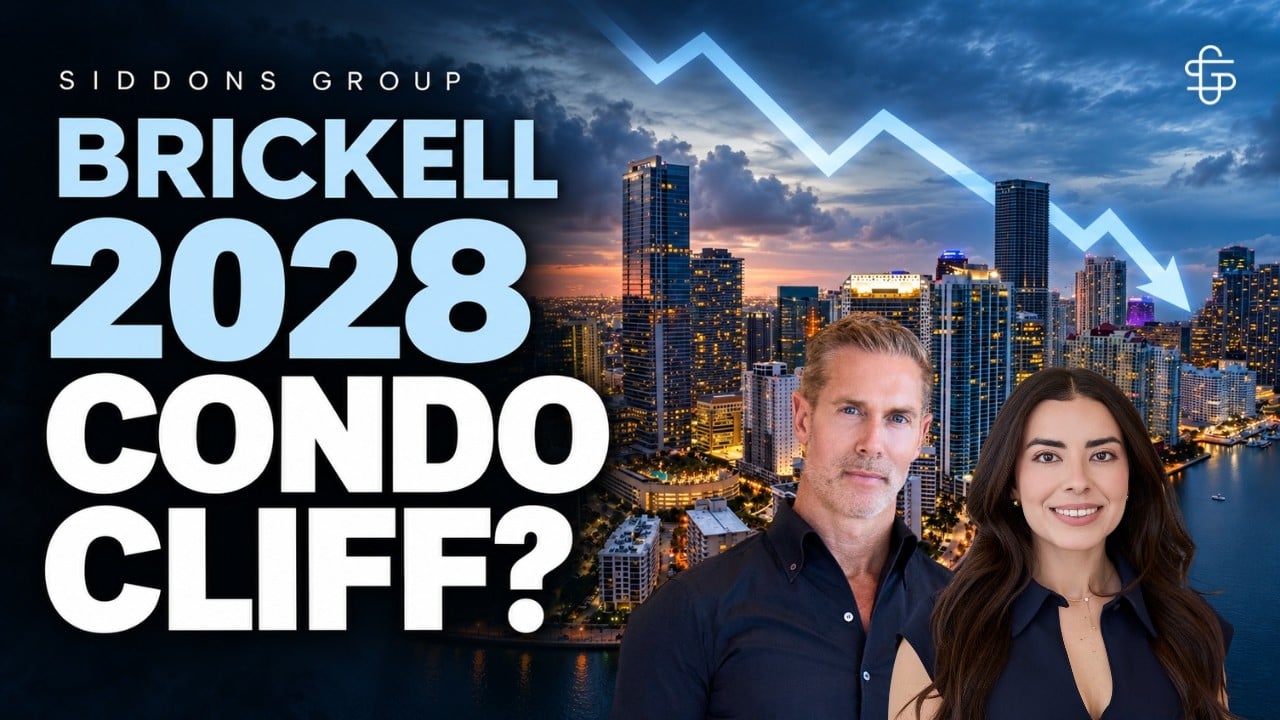
The 2028 Brickell Condo Cliff: Which Buildings Are at Risk and Where Smart Money Is Moving

Should You Stage Your Home Before Selling? What 1,266 Agents and Two Studies Found

Fort Lauderdale Waterfront Homes in 2026

Greenview at Presidential Aventura

The Best Real Estate Agent in Ponce Davis

Pinecrest New Construction Is Appreciating 2x Faster Than Older Homes
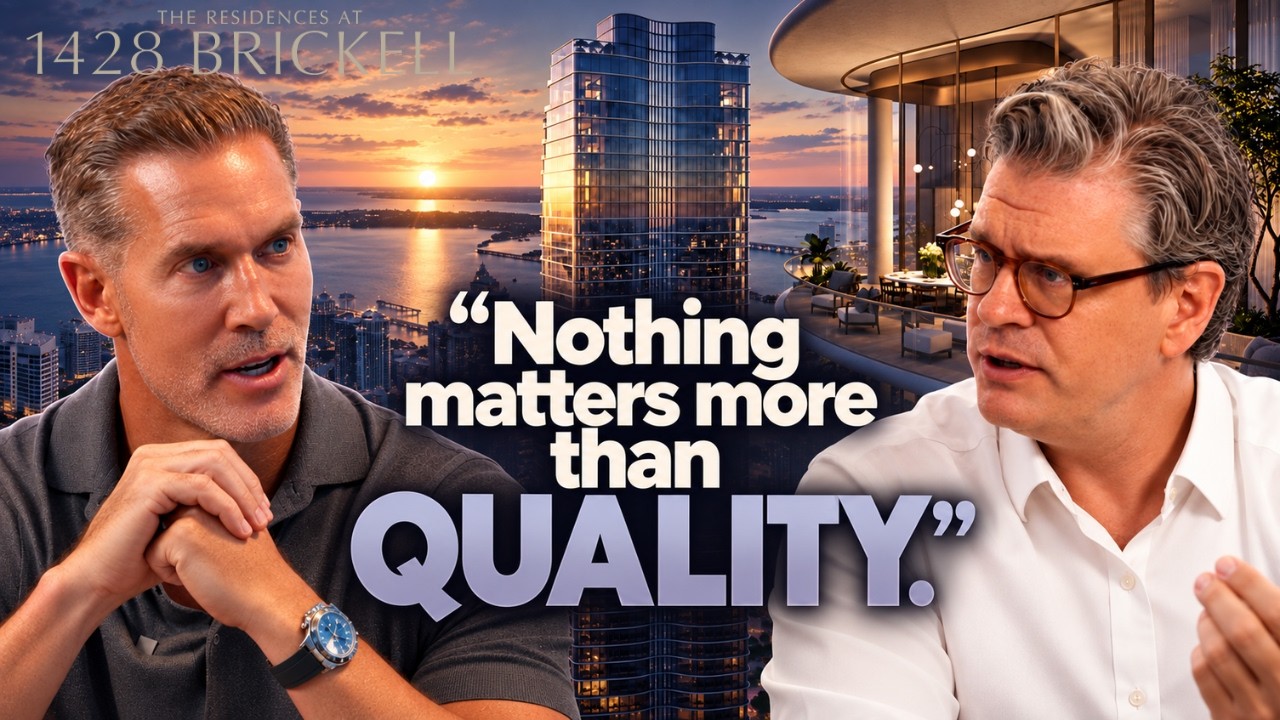
Inside 1428 Brickell: Why Ytech Skipped the Hotel Brand to Build Brickell’s Best Finishes

Brickell’s Office Boom: What It Means for Luxury Housing in Coral Gables and Coconut Grove
Palmetto Bay Land Values Are Rising. Is Your Home Worth More as Land?

Killian Drive: Kendall’s Luxury New Construction Corridor Hits $1,000/SF

Pinecrest’s 4 Best Streets in 2026
The 5 Best Luxury Streets in Miami’s Gated Communities
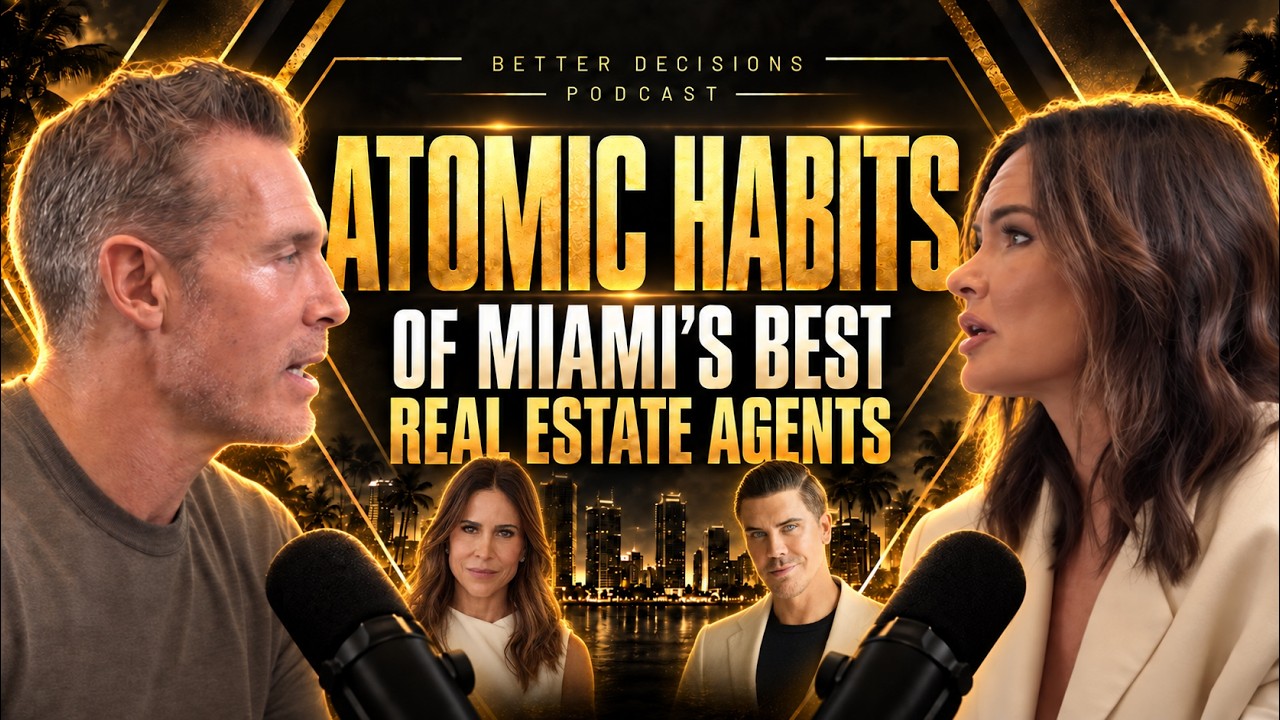
The Real Estate Team Behind the Agent: Why Systems Matter More Than Star Power

Selling a Home in Pinecrest: Why Some Homes Sell for $1,500/SF and Others Sit
Please fill in your details and David Siddons will contact you

Search related videos

Are St. Regis Sunny Isles Residences Worth the Brand Premium?
Coral Gables Market Report 2025: What the Headlines Aren’t Telling You!
How David Siddons’ Power Team Drives Miami’s Luxury Market
Mid‑Year 2025 Coconut Grove Report: The Truth About What’s Selling Now
Brickell Mid‑Year Market Report 2025 | Is Brickell’s Luxury Market in Trouble?
Pinecrest Mid-Year Market Report 2025 | What’s Selling, What’s Sitting & Why
Miami Beach Condo Market Mid-Year Report 2025 | What Buyers & Sellers Need to Know
How to Lose $1M in The Miami Condo market | Top Mistakes That Cost Miami Condo Buyers Millions
The Well Project EXPOSED Coconut Grove’s Hottest Units
Miami Real Estate in 2025 Is NOT What You Think 😱 | Midyear Must Knows for Buyers & Sellers!
7 Things You Should Never Say to a Real Estate Agent in Miami!
Landmark Victoria Park Residence in Fort Lauderdale: Inside 420 NE 11th Ave 🌴✨
Luxury Living on 2355 S. Miami Ave | Fully Furnished 4-Bed Home w/ Resort-Style Pool 🏊
Is Mandarin Oriental Residences Miami a Smart Condo Investment? Prices, Floorplans, Views & Finishes


- Get our Newsletter
- Subscribe
- No Thanks
Get the latest news from Miami Real Estate News
Close
Edit Search
Close
2 of 14
Share this property
Recomend this to a friend, just enter their email below.
Close
Your email was sent successfully
Close
 COMPARE WITH CONDOGEEKS