
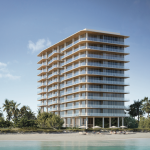
















- Best of All
- Best Miami Luxury Condos
- Most popular
- Relocating to Miami
- Private Schools
- Investments
- Gated communities
- Waterfront information
- Luxury homes
- Luxury Condos
- New Construction Condos in South Florida
- Independent Pre-Construction condo reviews for Miami
- Independent Pre-Construction condo reviews for Fort Lauderdale
Inside 1428 Brickell: Why Ytech Skipped the Hotel Brand to Build Brickell’s Best Finishes
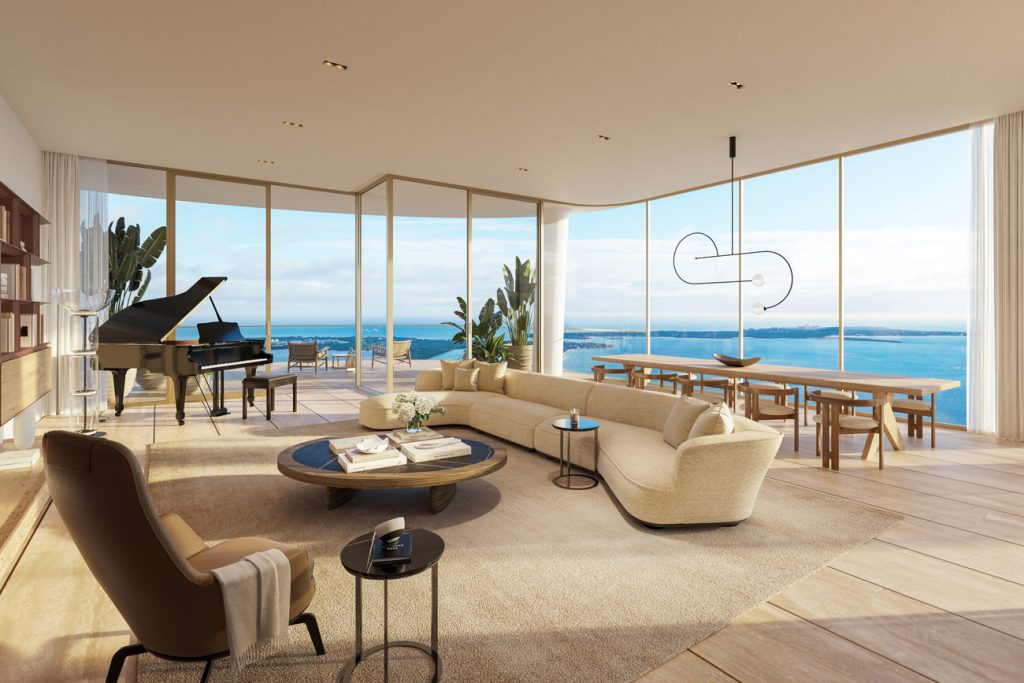
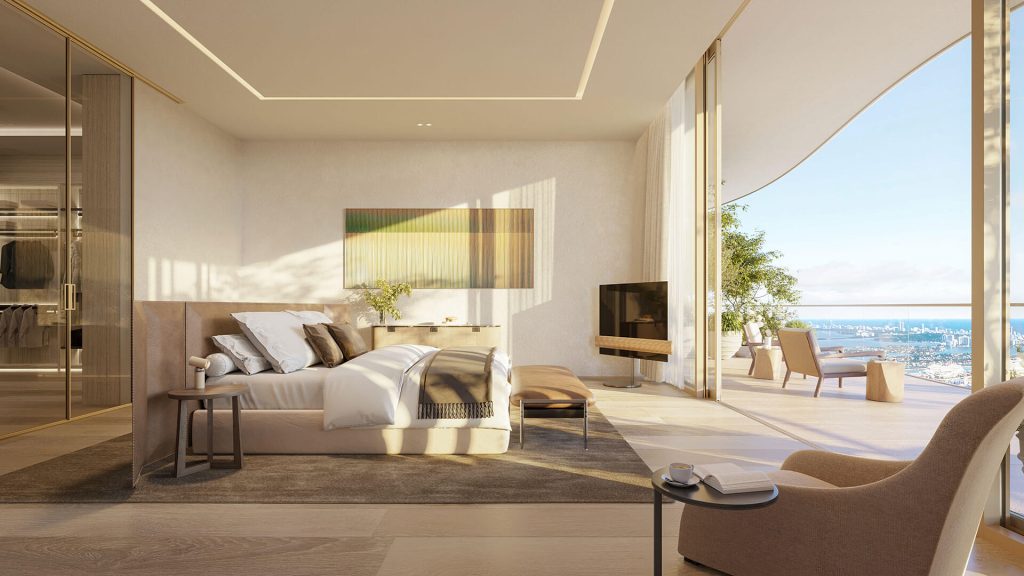
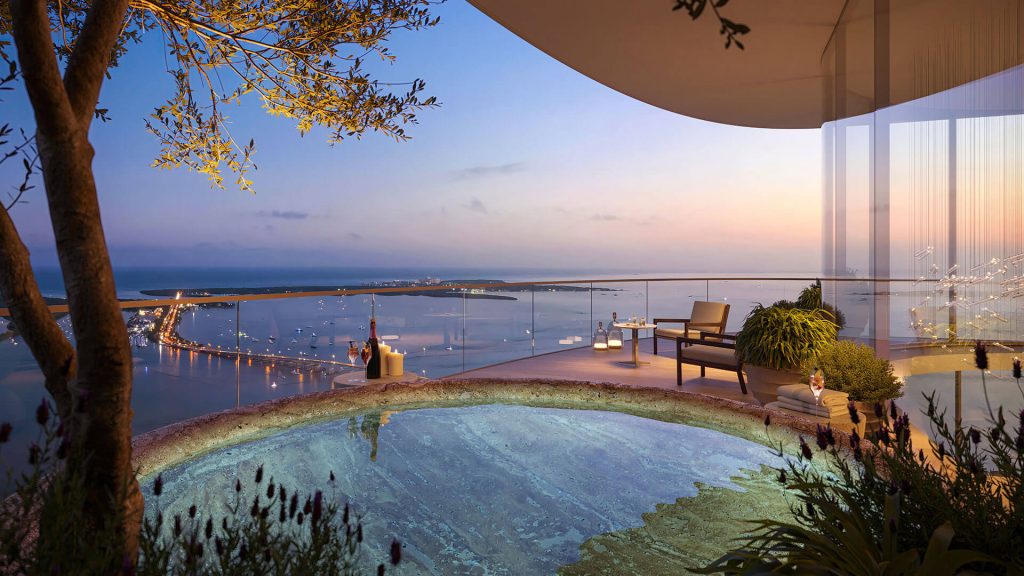
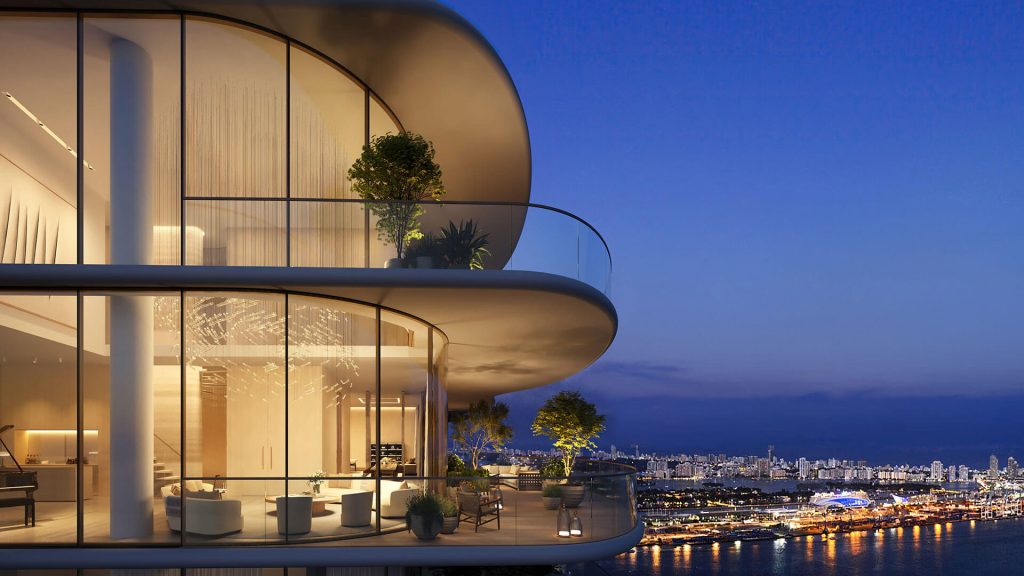
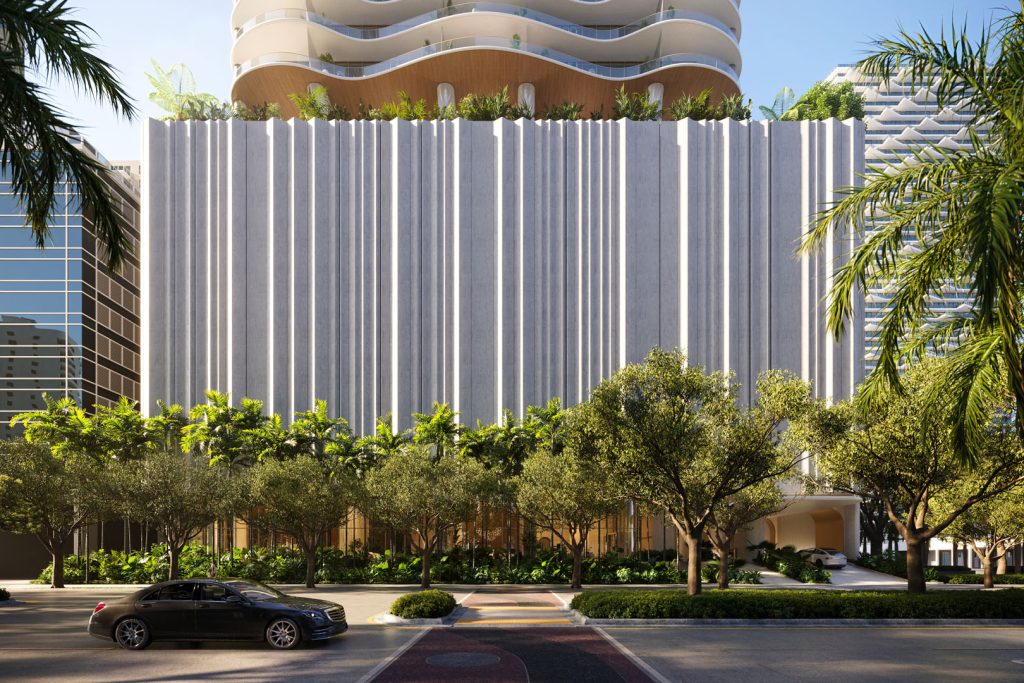
Every new Brickell tower promises luxury. The Residences at 1428 Brickell is one of the few that can show how it will deliver. Ytech is pricing its 195 residences at close to $2,000 per square foot, roughly double the Brickell resale average. It skipped a hotel brand and put that money into the homes themselves. The tower is already 70% sold, mostly to buyers who plan to live there, and JP Morgan backed it with a $565 million construction loan.
On this episode of Better Decisions, David Siddons records on location in the 1428 Brickell sales gallery with Andrew Kraynak, Chief Sales and Marketing Officer of Ytech. They talk about what protects buyers from the value engineering that has let down so many Miami pre-construction purchases. They also cover why a building designed for end users could hold its value better as more than 1,300 new units arrive in Brickell by 2028. Andrew explains how 1428 Brickell keeps HOA fees at about half the neighborhood’s luxury average, too.
If you’re weighing a pre-construction purchase in Brickell or want a second set of eyes on a contract before you sign, reach out to the David Siddons Group. Leave your details below or book a call, and we’ll walk you through exactly what to look for, building by building.
The Best Finish in Brickell: What Backs Up the Claim
Developers in Miami have made big promises about finishes before. Sometimes the finishes fell short by closing day, and a few towers never broke ground at all. So when Andrew Kraynak, Ytech’s Chief Sales and Marketing Officer, says The Residences at 1428 Brickell will have the best finishes in Brickell, full stop, the obvious question is what backs that up.
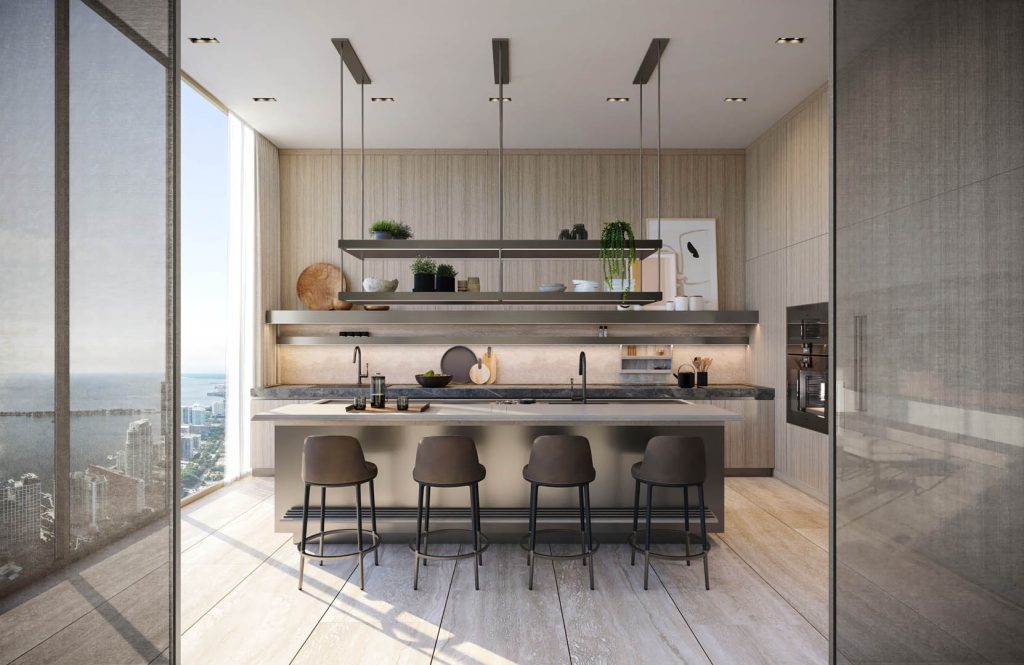
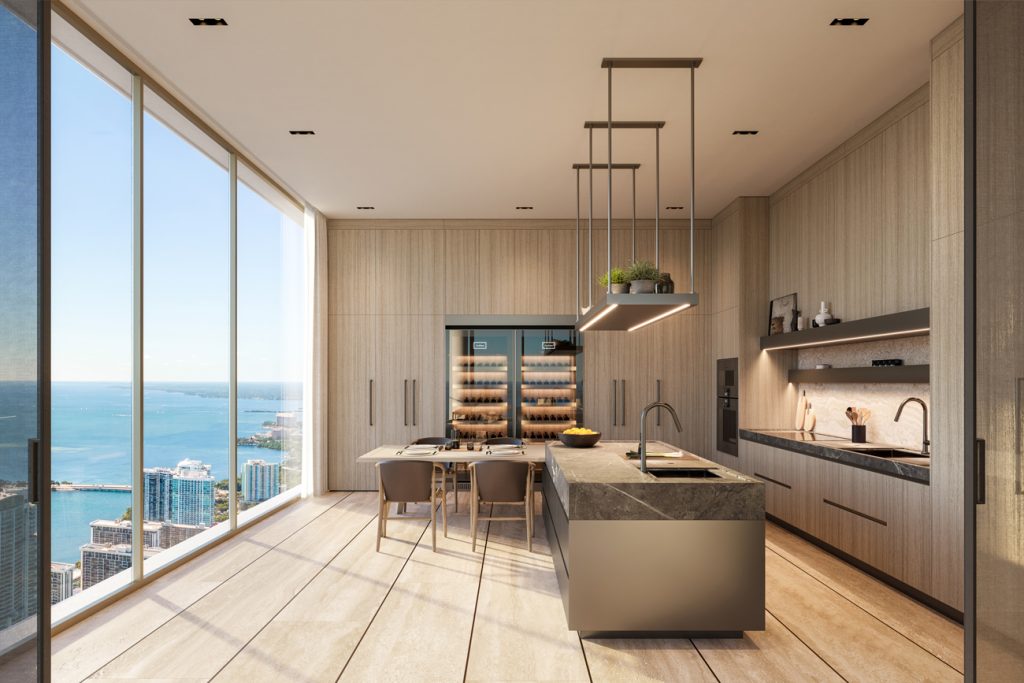
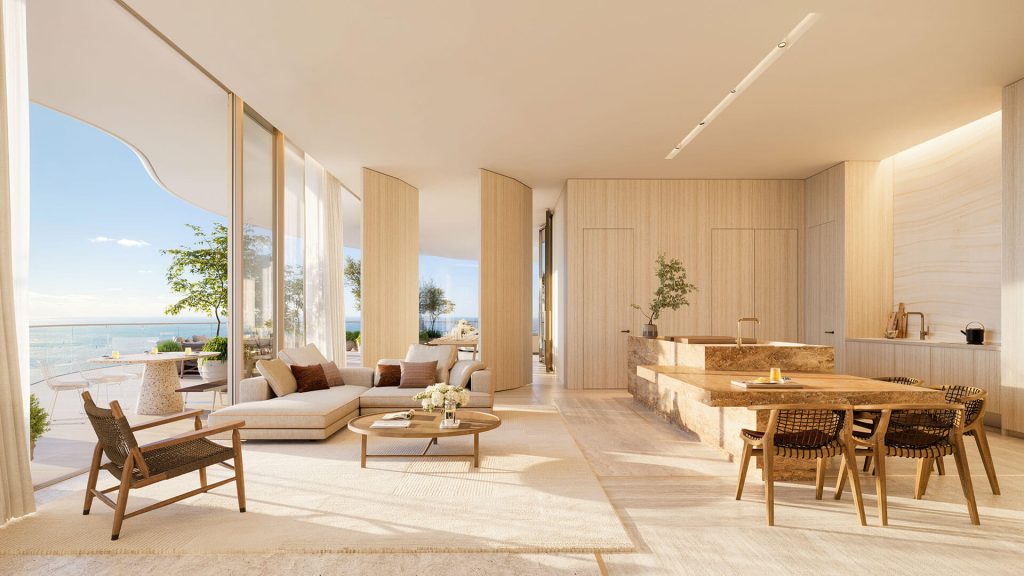
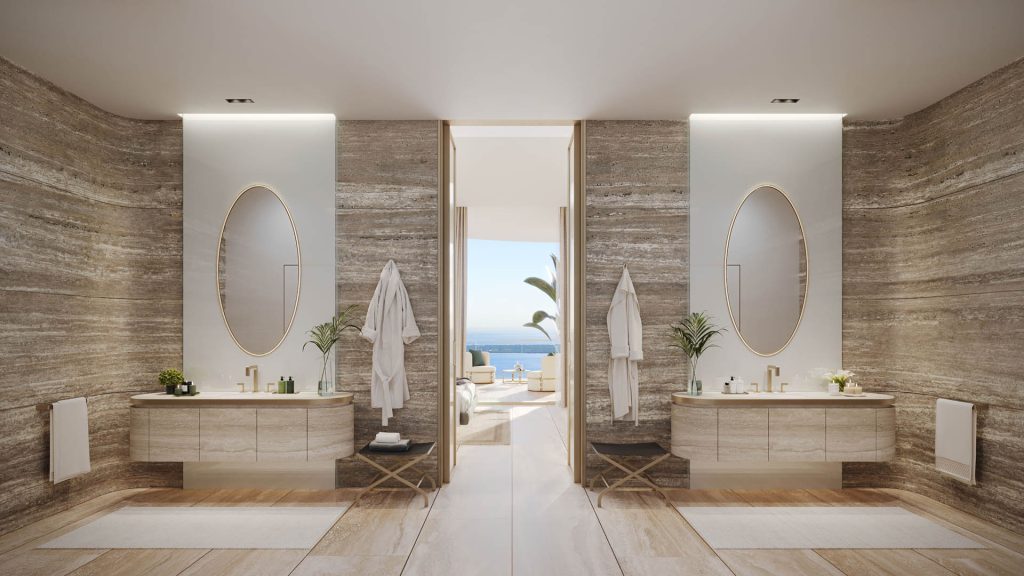
The answer is a system, not a slogan, and it starts with the stone. You can buy commercial-grade travertine at Home Depot for $5.99 a tile. The stone going into 1428 Brickell is premium grade, a standard that only about 5 percent of a quarried block meets. The rest is rejected before it gets anywhere near the building. Every material that passes, from stone to glazing to terrace railings, is then tested in a full-scale mockup before it goes into a real unit, the same way a pilot trains in a simulator before flying passengers. Those mockups also serve as training, so the crews who will work on all 195 residences know exactly what “correct” looks like before they touch a live unit.
Ytech doesn’t leave crew selection to the general contractor. It vets subcontractors down to the individual team, using its experience on projects like the Four Seasons Surfside to identify the A teams and keep B and C crews off the site entirely. It has also doubled its on-site supervision staff, so someone is watching the work every hour construction is underway and can catch problems before they’re sealed behind drywall.
What You See Is What Gets Built
A strong construction process only protects buyers if the plans behind it stay the same. Many developers file their condo documents early and keep them deliberately vague, because the real costs and engineering haven’t been worked out yet. That leaves room for value engineering later: the quiet substitutions and cost cuts that turn a beautiful rendering into a disappointment. Ytech went to market only after the numbers were final, the variances were approved and city review was a year behind it. What buyers see in the renderings is what gets built.
That discipline is backed by serious capital. JP Morgan underwrote the construction loan for 1428 Brickell, one of only a handful of South Florida projects the bank has taken on. According to Kraynak, JP Morgan also created a custom deposit financing program that lets buyers borrow against their own assets to cover a deposit instead of tying up cash for two years. The only other project in the country where the bank offers this is the Four Seasons Residences in Telluride. That isn’t a bank being polite to a client. It’s a bank putting its own underwriting behind the belief that this building will deliver what it promises.
Brickell Pre-Construction
Buying Before the 2028 Supply Wave?
Not every new Brickell tower will hold its value when 1,300 new units arrive. We'll compare buildings, review the contract with you and show you exactly what to look for before you sign.
Schedule a Call →☎ 305.508.0899 | ✉ [email protected]
The David Siddons Group
Why Bet Big a Block From the Water
It’s the question every serious buyer asks first: why price a block off the water like it’s on it? For Ytech, the bet isn’t on the view, it’s on Brickell itself. Major players like Ken Griffin aren’t just parking money here, they’re moving in, and that shift has turned Brickell into the kind of metropolitan energy people used to have to find in New York, LA, or Chicago. Being set back from the water isn’t a compromise, it’s the point: close enough to the action, quiet enough to retreat from it. That’s why 1428 Brickell is already 70 percent sold, and why 70 percent of those buyers are domestic primary or secondary homeowners rather than short-term investors. They’re not buying a view. They’re buying a neighborhood they can actually live in, walk around, and come home to.
Built for the End-User Who Stays
Brickell’s old playbook was largely built around investors, many of them from Latin America, buying smaller units as dollar-denominated assets and renting them out. That model helped fuel the market for years, but it also creates a very different resale dynamic: when investors decide the numbers no longer work, they sell.
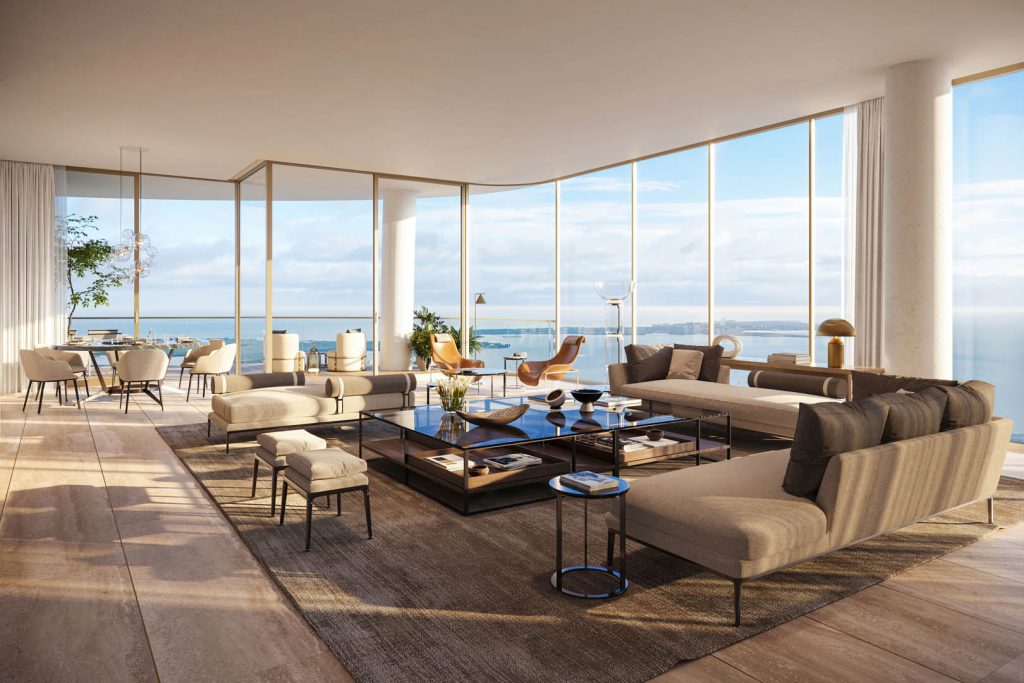
Ytech designed 1428 Brickell around a different buyer from the start. The building emphasizes larger two-, three-, and four-bedroom residences intended for primary and secondary homeowners rather than a mix dominated by studios and one-bedrooms geared toward investors. There is no hotel brand or rental program either. Instead, the project puts that investment into the residences themselves, with an emphasis on materials, craftsmanship, privacy, and a purely residential experience.
That distinction becomes particularly important looking toward 2028. Brickell currently has roughly 700 resale units in newer, post-2010 buildings, while another 1,300 units are expected to deliver by then. If the historical pattern of roughly 25% of new-construction inventory eventually returning to the resale market holds, that could add another 325 to 350 units to the resale pool—potentially increasing today’s supply by roughly half.
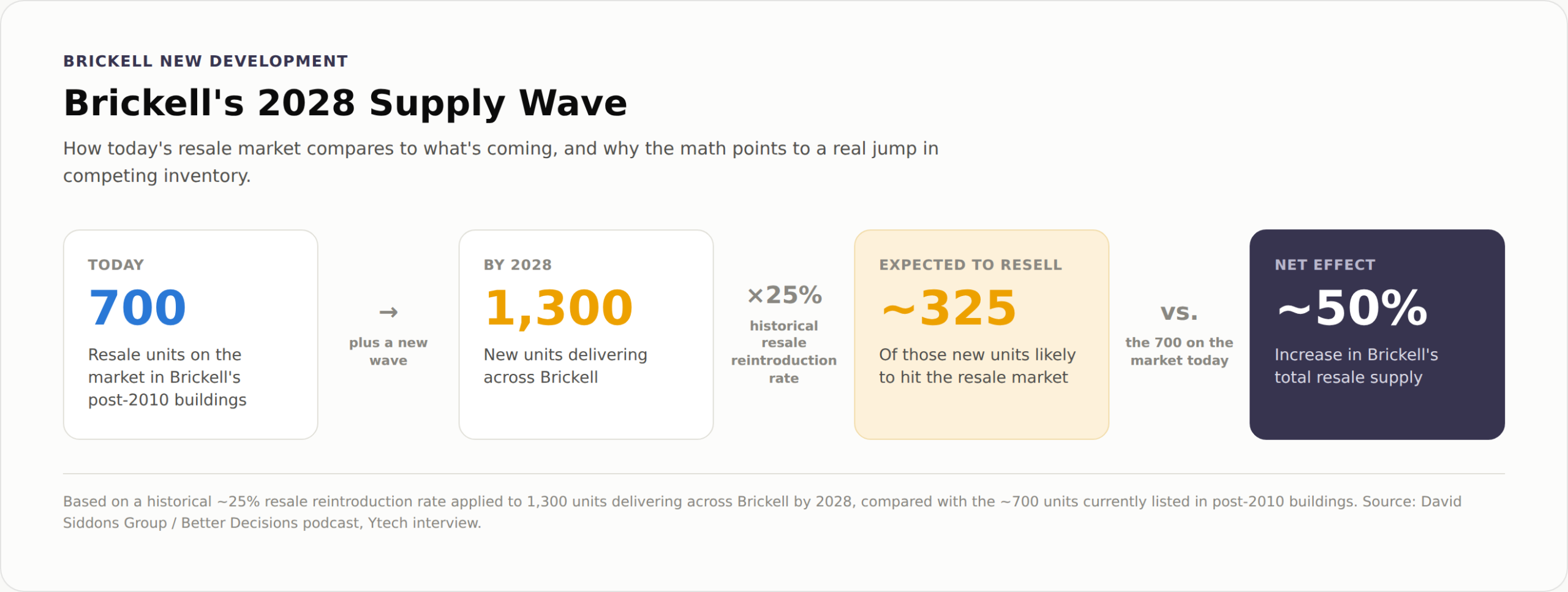
But not every new unit is equally likely to become resale inventory. Investor-owned units tend to be more sensitive to returns and market conditions, while owners who actually live in their residences generally have a different reason for selling: they need to find somewhere they would rather live. At the higher end of the market, where buyers are purchasing a home rather than simply an investment, that can create a much lower natural turnover rate.
That is the logic behind 1428 Brickell’s positioning. Ytech is not trying to eliminate the supply coming to Brickell; it is building for a buyer profile that is less likely to contribute to the resale supply when that inventory arrives.
Priced Between Generic and Branded, On Purpose
Right now the broader Brickell resale market sits around $1,000 a square foot, and most current new development clusters somewhere in the $1,500 to $2,000 range. 1428 Brickell is pricing closer to $2,000 a square foot, roughly double the neighborhood’s resale average, but still well below the fully branded hospitality towers nearby. Projects like the St. Regis and the Mandarin Oriental, both already around 85 percent sold, are commanding closer to $2,700 to $2,800 a square foot. That gap is the whole point. 1428 Brickell isn’t trying to out price the hospitality brands, and it isn’t competing with the generic mid-market product either. It sits deliberately in between: a materially better building than the $1,500 to $2,000 crowd, without the brand premium that pushes a unit past $2,700.
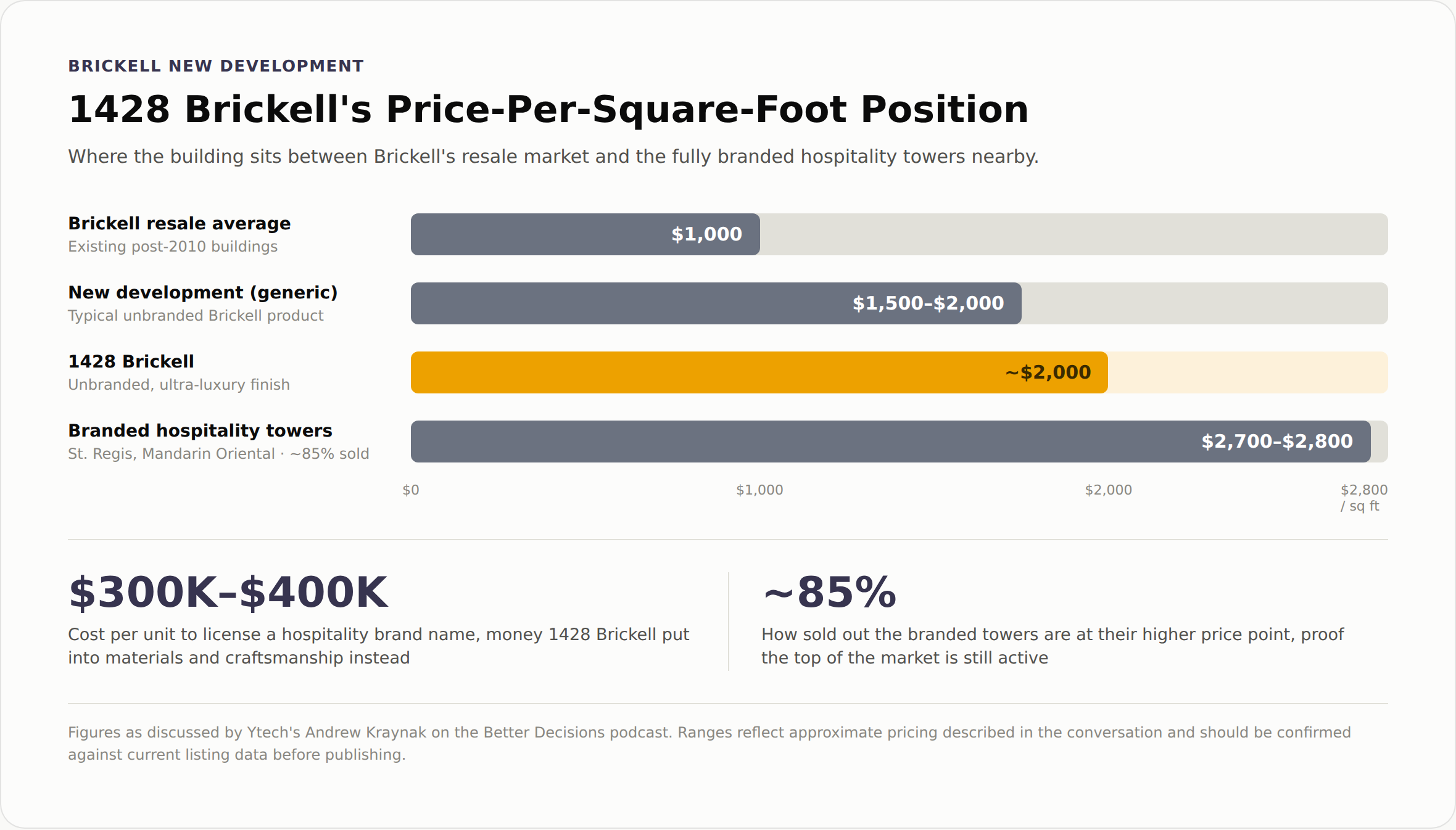
That positioning comes down to a deliberate choice about branding. Attaching a hospitality name to 1428 Brickell would have cost somewhere between $300,000 and $400,000 per unit in licensing fees alone. A brand name does buy something, developers see it move price per square foot and sell units faster. But Ytech asked what it actually buys the person living there, and decided the answer was not enough. Instead of paying for someone else’s name, that money went directly into the units themselves: premium appliance packages, materials, craftsmanship, and the resident-only design that shapes the whole building. The tradeoff is real. A recognizable hospitality name carries an emotional shorthand that Ytech has to earn a different way, unit by unit, rather than borrow. But for the owner, every dollar goes into something they can actually touch, not into a licensing fee that never shows up in the finish.
The Amenities Cost More. The HOA Fee Doesn’t.
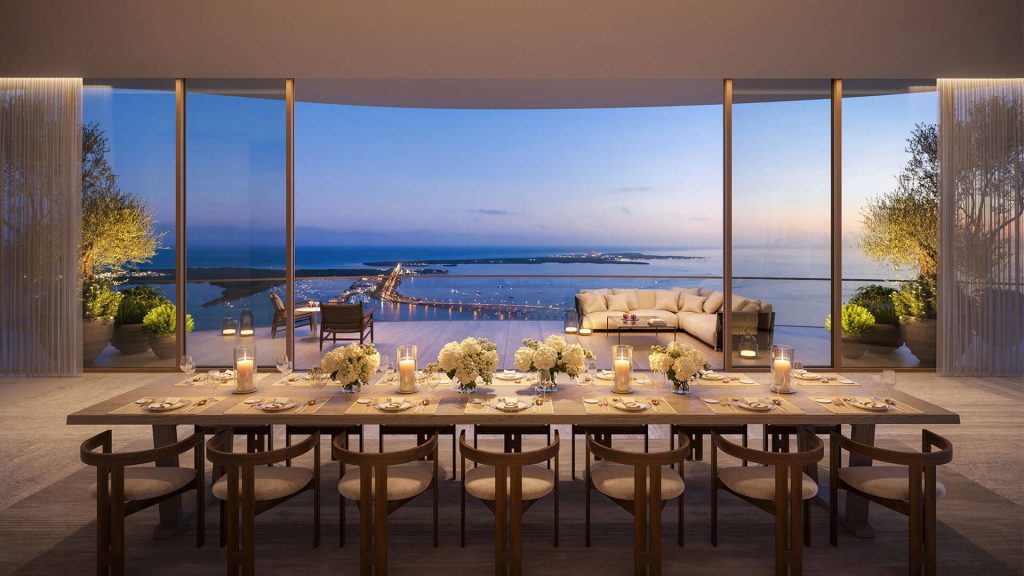
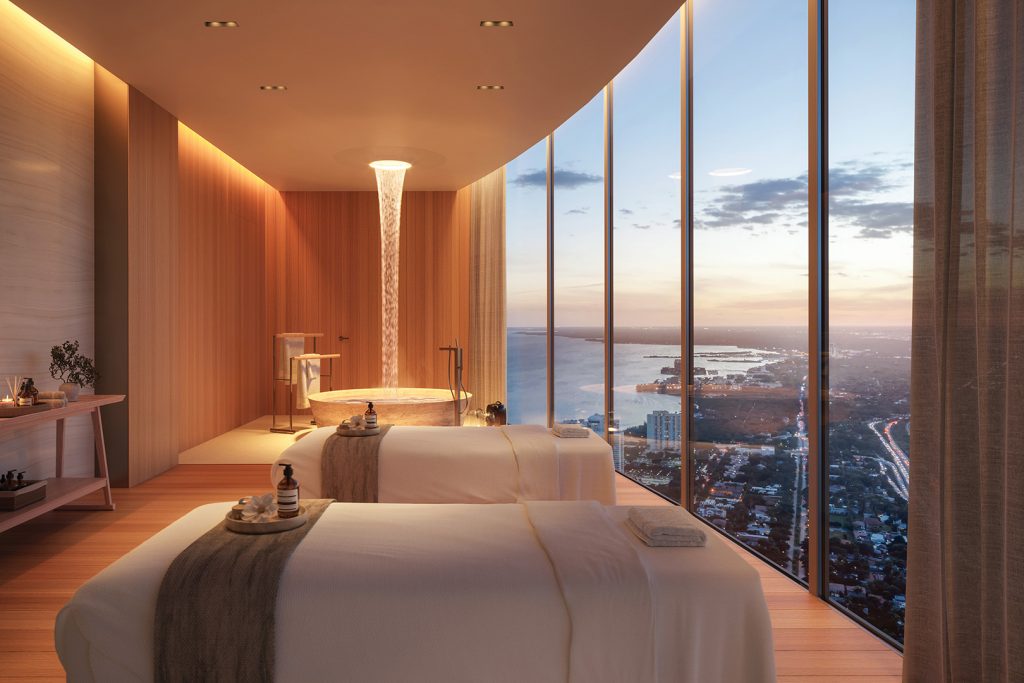
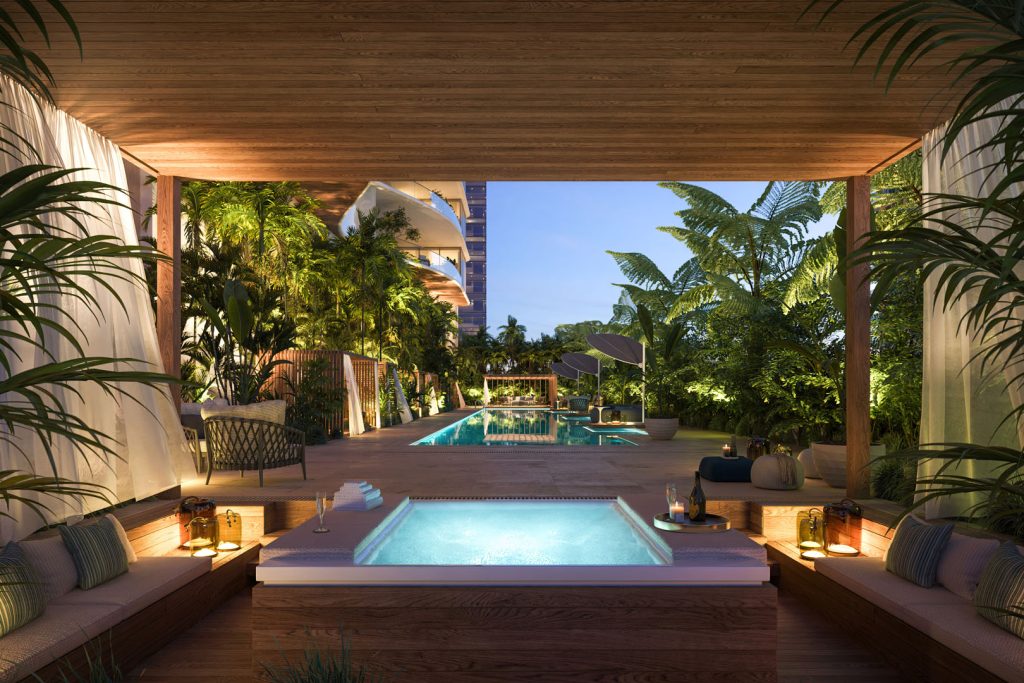
1428 Brickell packs 80,000 square feet of amenities into a building of 195 residences, close to 400 square feet per unit, and almost all of it sits at the top of the tower rather than the ground floor. The Owner’s Club sits roughly 750 feet in the air, anchored by a 3,000 square foot wine and spirits lounge where every resident gets their own locker. One floor down is the Wellness Club, nearly 9,900 square feet split between a Technogym fitness floor and a recovery-focused spa with a hyperbaric chamber, cryotherapy, cold plunge, salt therapy, and infrared treatment. With only 195 residences sharing that much space, nobody is waiting for a treadmill or a spa slot.
None of that comes with the HOA bill a building this size usually carries. Luxury towers in Brickell typically run $2 to $3 a square foot in monthly fees, and beachfront buildings push closer to $4. 1428 Brickell is targeting $1.55, roughly half. That’s a structural choice, not an accident. Rather than building an in-house restaurant residents are forced to subsidize whether they use it or not, Ytech leaned on the neighborhood instead. LPM and a handful of other Brickell restaurants are a five-minute walk away, so the building’s own food and beverage program stays limited to light bites, juice, and coffee. Concierge staff coordinate services like a private chef, a tennis coach, or a spa treatment, but owners pay individually for what they actually use rather than splitting the cost of amenities that sit empty. An entire wall of photovoltaic glass on the building’s west face adds to the savings, helping power those amenities directly and making 1428 the first residential tower in the world partially solar powered.
Ready to Talk Through 1428 Brickell?
Every promise covered here, the finishes, the construction systems, the pricing, the HOA math, only means something once it’s checked against your specific unit and your specific numbers. That’s the conversation worth having before you sign anything in Brickell’s next cycle. Call David Siddons directly at 305.508.0899, email [email protected], or use the Calendly link below to schedule a time that works for you. We’ll walk through the floor plans, the contract, and exactly what you should be asking before you commit.
FAQ
These are the most commonly Miami Real Estate Related questions
What is The Residences at 1428 Brickell?
The Residences at 1428 Brickell is a 195-residence, residential-only condo tower in Brickell, developed by Ytech. It’s priced at close to $2,000 per square foot, is already about 70% sold, and is financed by a $565 million JP Morgan construction loan.
How much does 1428 Brickell cost per square foot?
About $2,000 per square foot. That’s roughly double the Brickell resale average of around $1,000 per square foot and at the top of the $1,500 to $2,000 range for most new development. Branded towers like the St. Regis and the Mandarin Oriental sell for more, at about $2,700 to $2,800 per square foot.
Why doesn't 1428 Brickell have a hotel brand?
A hotel brand would have cost $300,000 to $400,000 per unit in licensing fees. Ytech chose to spend that money on the residences themselves: materials, appliance packages, craftsmanship and a purely residential experience.
How does Ytech guarantee the quality of the finishes?
Ytech uses premium-grade stone that only about 5% of a quarried block qualifies for. Every material is tested in a full-scale mockup before installation, subcontractors are vetted down to the individual crew, and on-site supervision staff has been doubled so that problems are caught before they’re sealed behind drywall.
What is value engineering, and how does 1428 Brickell avoid it?
Value engineering means substituting cheaper materials or cutting costs after buyers have already signed. Ytech went to market only after construction costs, engineering, variances and city review were finalized, so what buyers see in the renderings is what gets built.
How does the JP Morgan deposit financing program work?
According to Ytech, JP Morgan created a custom program for 1428 Brickell that lets buyers borrow against their own assets to cover their deposit instead of tying up cash for about two years. The bank offers this at only one other project in the country, the Four Seasons Residences in Telluride.
What are the HOA fees at 1428 Brickell?
Ytech is targeting about $1.55 per square foot per month. Brickell luxury towers typically charge $2 to $3 per square foot. Fees stay lower because the building has no in-house restaurant to subsidize, owners pay individually for concierge services, and a photovoltaic glass wall helps power the amenities.
What is the 2028 Brickell "condo cliff"?
Brickell has about 700 resale units in newer buildings, and about 1,300 new units are expected to deliver by 2028. If around 25% of those new units come back on the market, as they have historically, resale supply could grow by roughly half. Buildings that are mostly owned by end users, like 1428 Brickell, tend to see less resale turnover.
Who is buying at 1428 Brickell?
About 70% of buyers are domestic owners who plan to use their unit as a primary or secondary home rather than a short-term investment. The building focuses on larger two-, three- and four-bedroom residences.
What amenities does 1428 Brickell offer?
The building has 80,000 square feet of amenities, close to 400 square feet per residence. They include an Owner’s Club roughly 750 feet up with a 3,000-square-foot wine and spirits lounge, and a Wellness Club of nearly 9,900 square feet with a Technogym fitness floor, a hyperbaric chamber, cryotherapy, cold plunge, salt therapy and infrared treatments.
How can I get help evaluating a Brickell pre-construction purchase?
The David Siddons Group can review your contract, compare buildings and walk you through what to look for before you sign. Call 305.508.0899, email [email protected] or schedule a call.
WHY WORK WITH DAVID? THINGS YOU SHOULD KNOW...
For all our analytics we are agents driving some very unique and advanced tech. We Provide a granular and custom experience that empower our clients with the insight and tools to understand the most complex behaviors of any local markets.
-
Analytical
Over 100 reports produced to date
-
Knowledgeable
Over 1800 published articles and counting


Related Articles
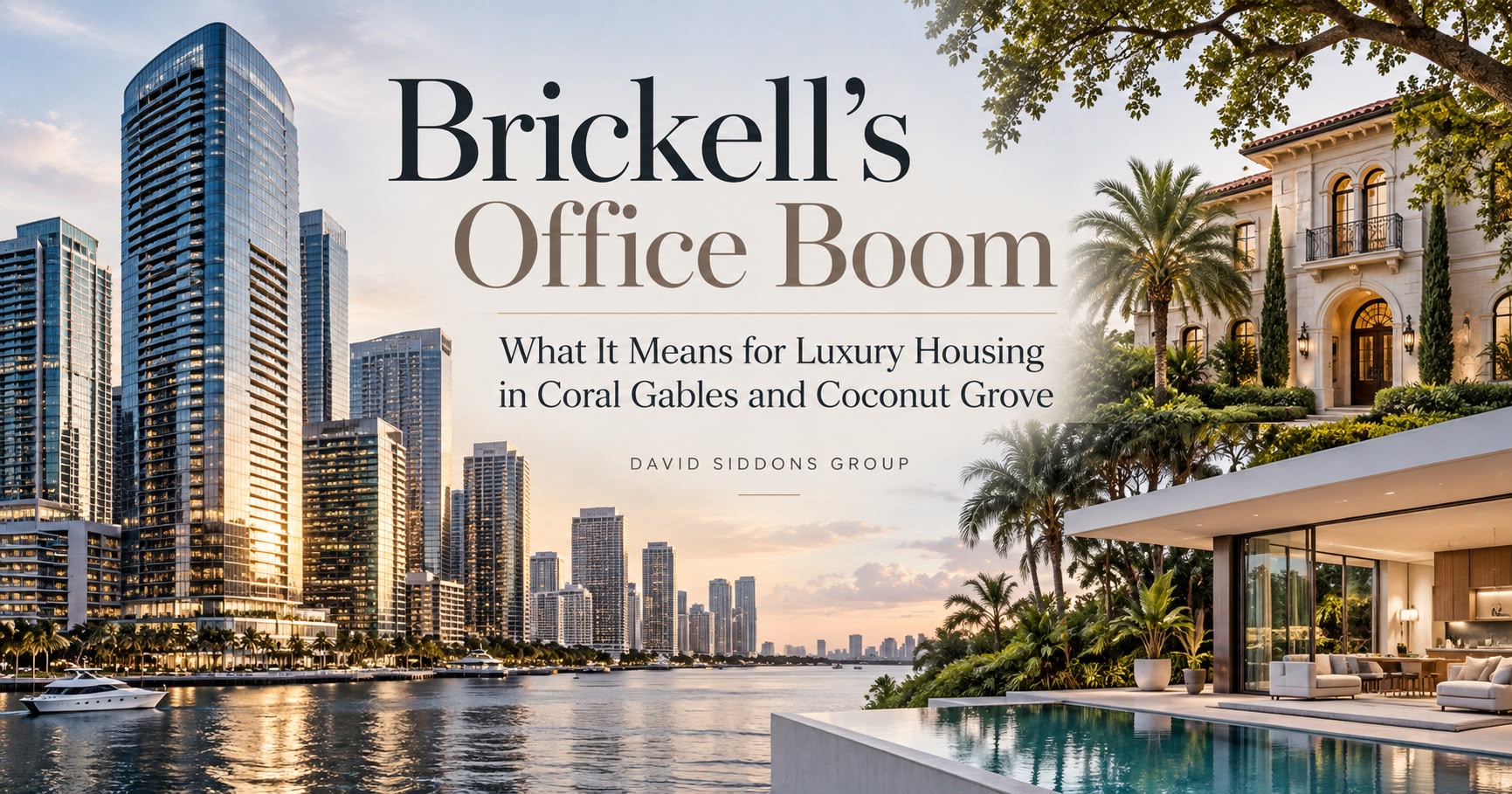
Brickell’s Office Boom: What It Means for Luxury Housing in Coral Gables and Coconut Grove
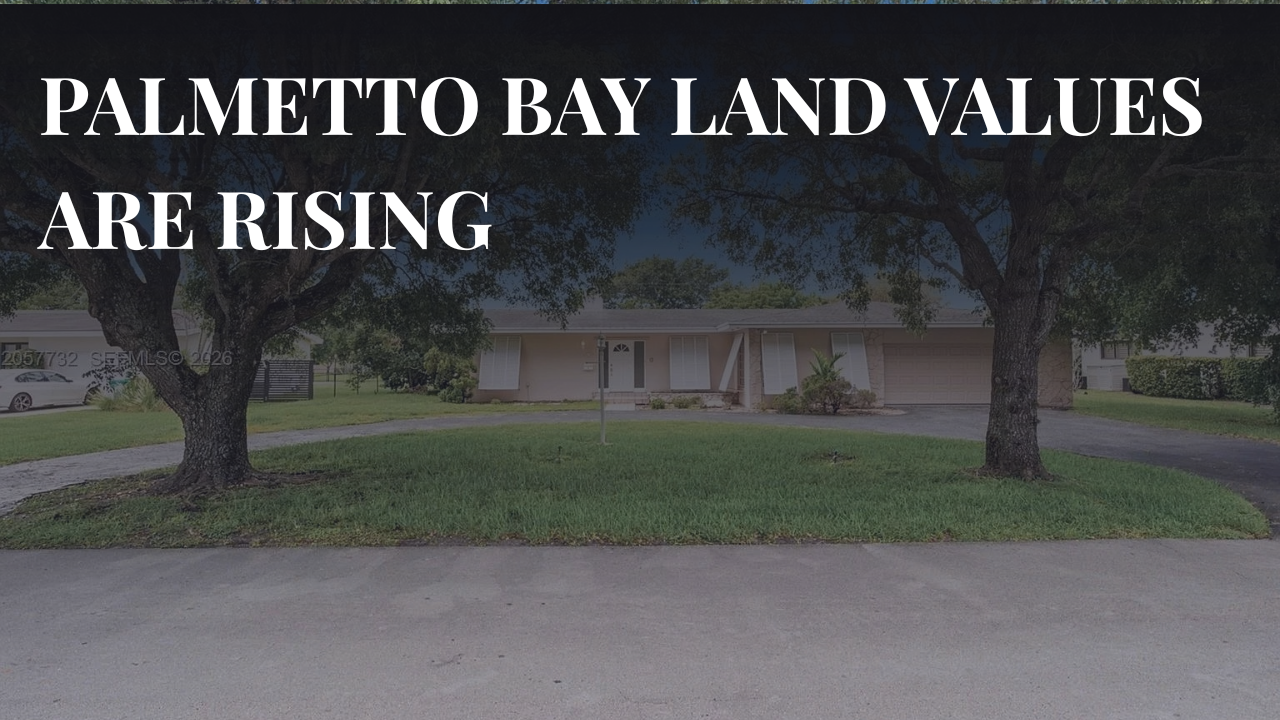
Palmetto Bay Land Values Are Rising. Is Your Home Worth More as Land?
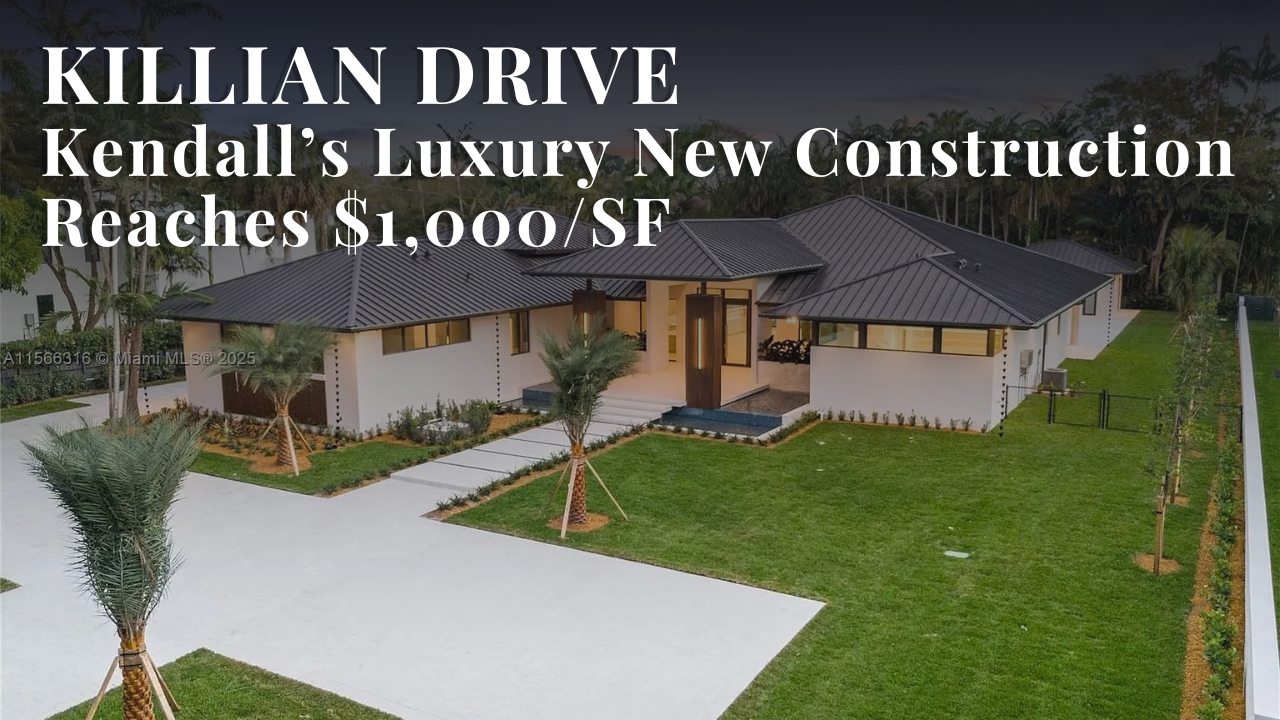
Killian Drive: Kendall’s Luxury New Construction Corridor Hits $1,000/SF
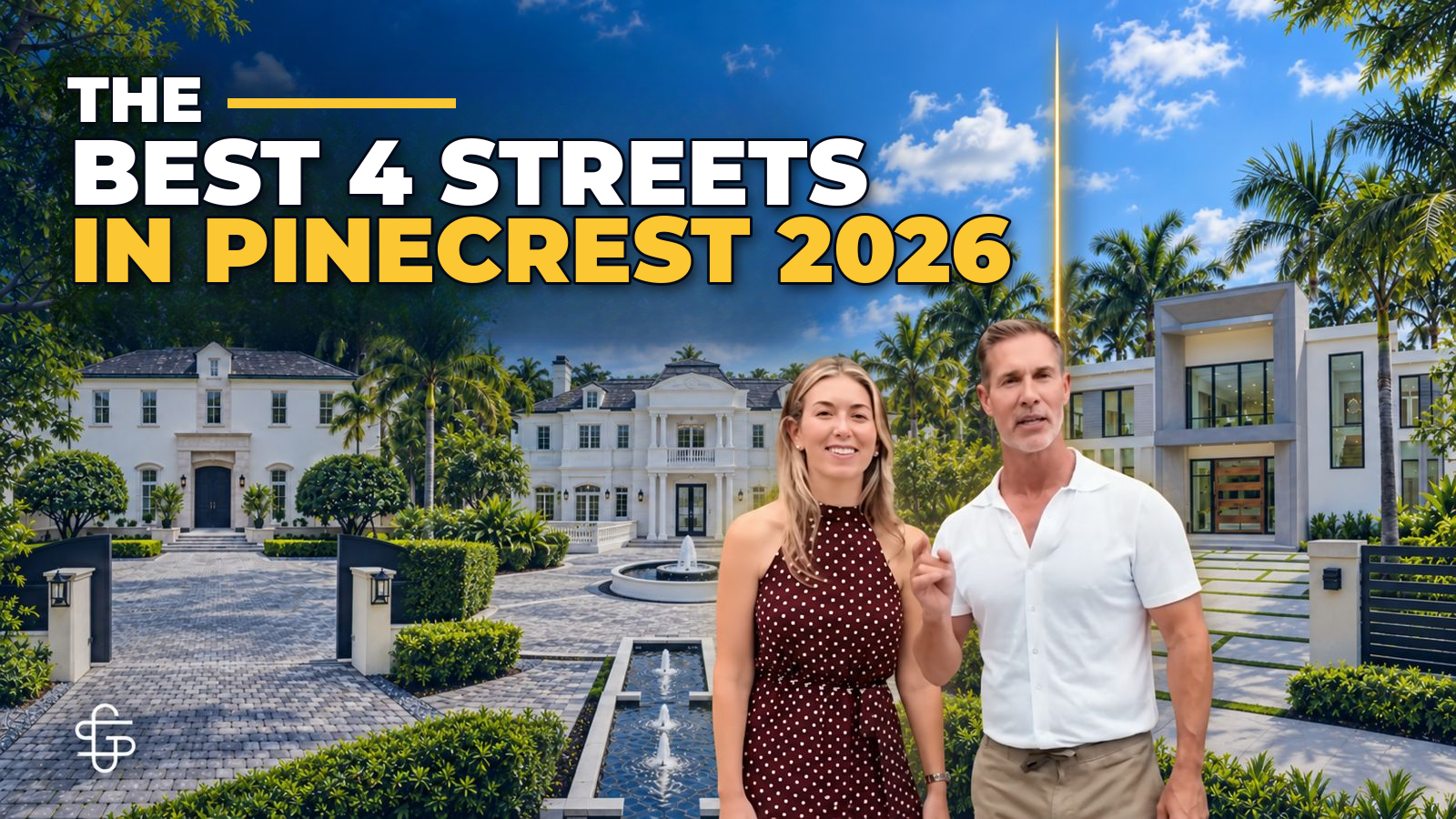
Pinecrest’s 4 Best Streets in 2026
The 5 Best Luxury Streets in Miami’s Gated Communities
The Real Estate Team Behind the Agent: Why Systems Matter More Than Star Power
Selling a Home in Pinecrest: Why Some Homes Sell for $1,500/SF and Others Sit

We Built the Largest YouTube Audience of Any Miami Real Estate Team.
Empty Nesters in Miami: What Comes After the Big Family Home?
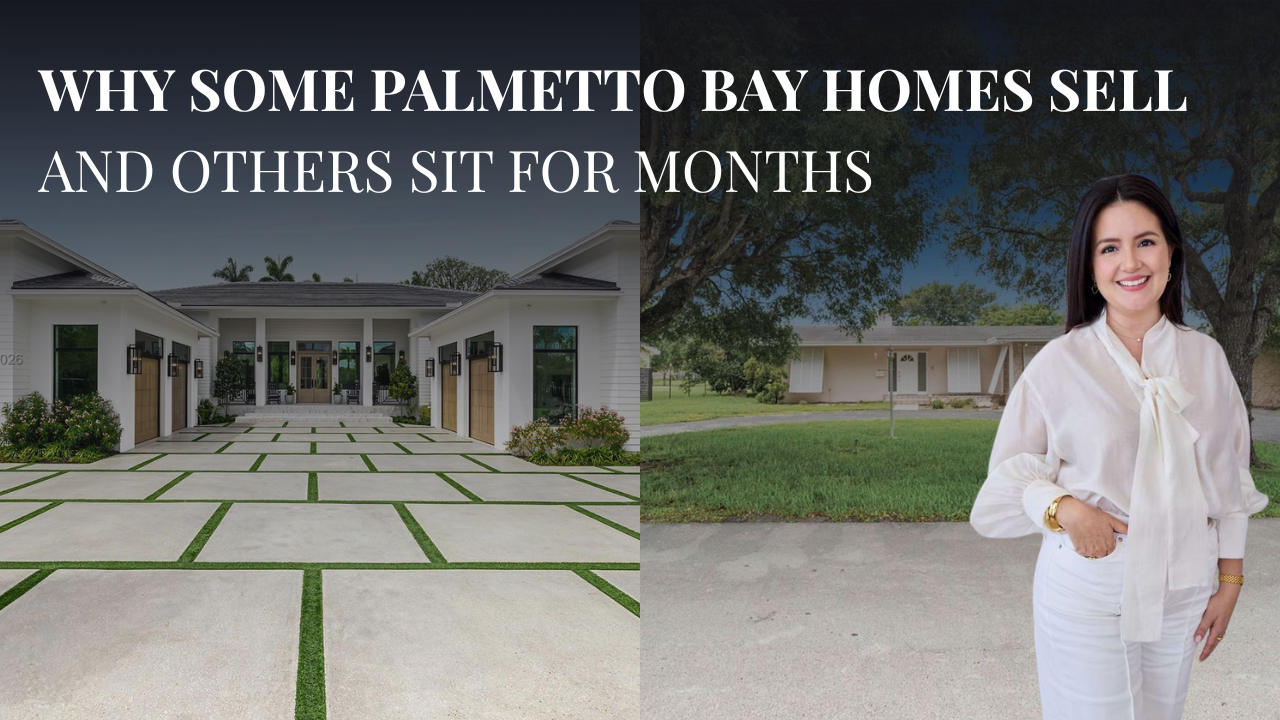
Palmetto Bay Has Almost No Inventory. So Why Are Homes Still Sitting?
The Decisions That Set Your Miami Condo’s Price, Years Before You Ever See It
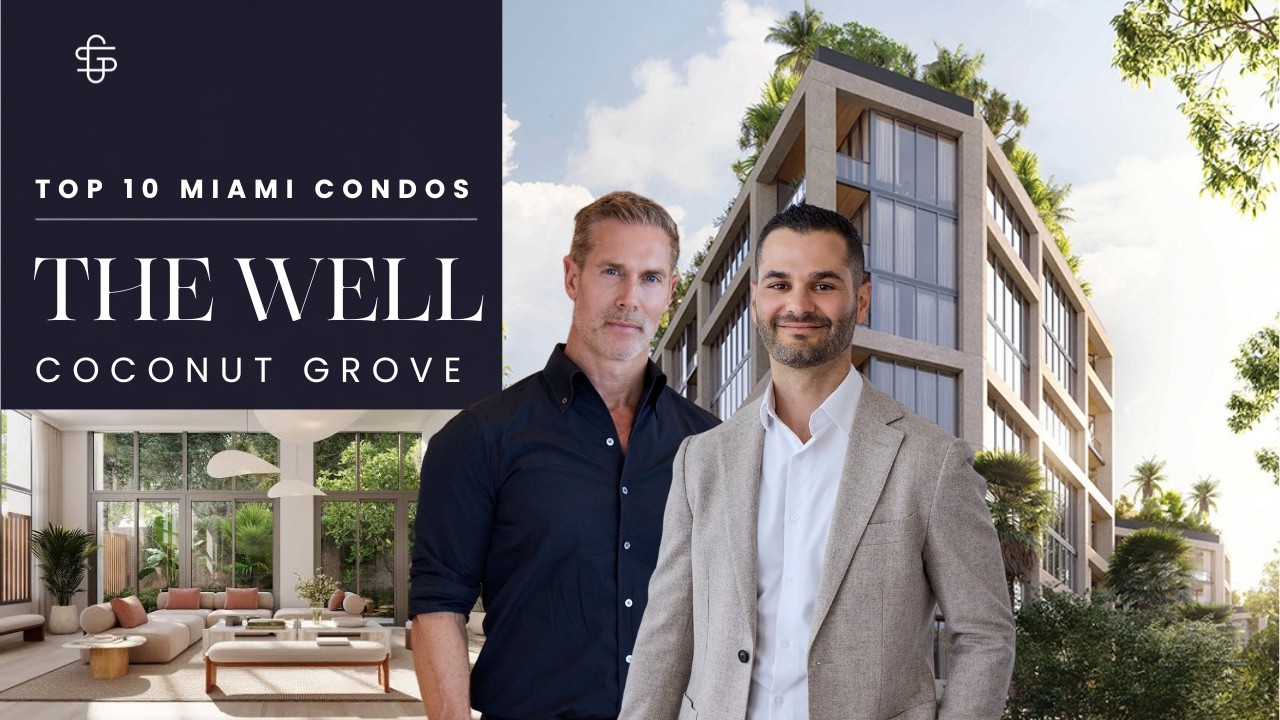
Coconut Grove’s Best New Penthouse for Sale in 2026: The Well Penthouses Explained
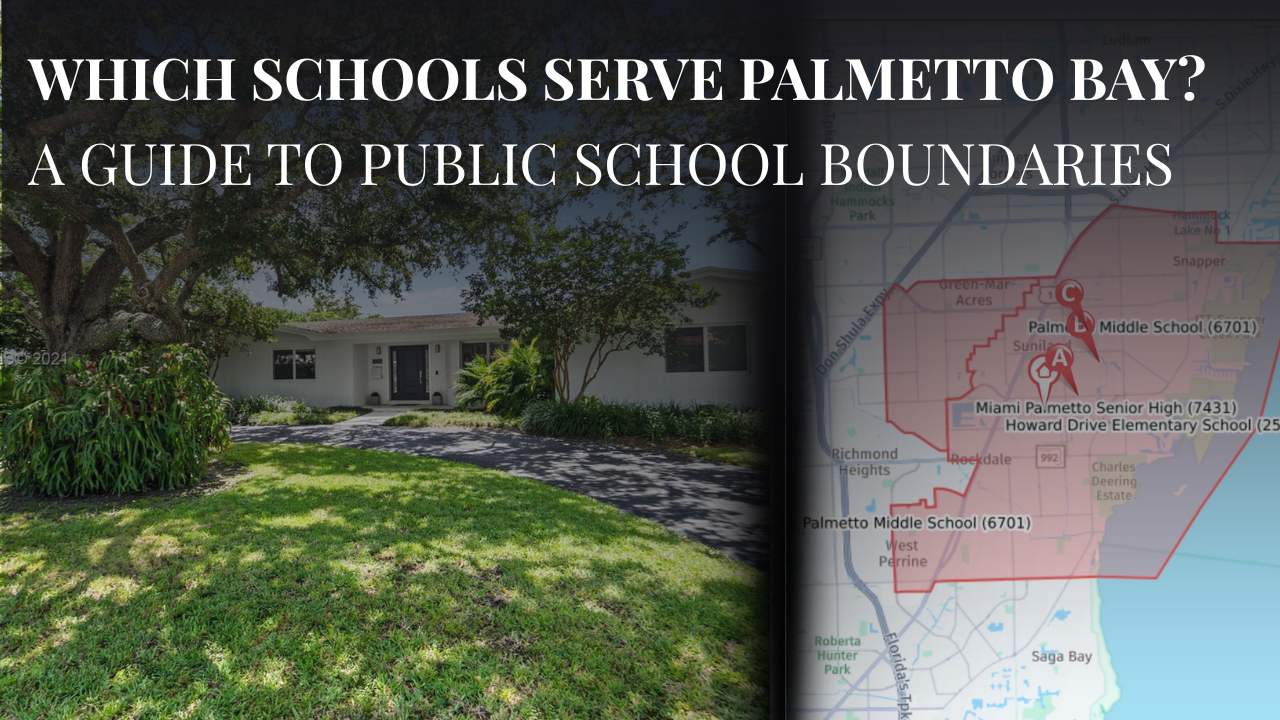
Which Schools Serve Palmetto Bay? A Guide to Public School Boundaries
Beyond the Developer Finish
Please fill in your details and David Siddons will contact you

Search related videos

Are St. Regis Sunny Isles Residences Worth the Brand Premium?
Coral Gables Market Report 2025: What the Headlines Aren’t Telling You!
How David Siddons’ Power Team Drives Miami’s Luxury Market
Mid‑Year 2025 Coconut Grove Report: The Truth About What’s Selling Now
Brickell Mid‑Year Market Report 2025 | Is Brickell’s Luxury Market in Trouble?
Pinecrest Mid-Year Market Report 2025 | What’s Selling, What’s Sitting & Why
Miami Beach Condo Market Mid-Year Report 2025 | What Buyers & Sellers Need to Know
How to Lose $1M in The Miami Condo market | Top Mistakes That Cost Miami Condo Buyers Millions
The Well Project EXPOSED Coconut Grove’s Hottest Units
Miami Real Estate in 2025 Is NOT What You Think 😱 | Midyear Must Knows for Buyers & Sellers!
7 Things You Should Never Say to a Real Estate Agent in Miami!
Landmark Victoria Park Residence in Fort Lauderdale: Inside 420 NE 11th Ave 🌴✨
Luxury Living on 2355 S. Miami Ave | Fully Furnished 4-Bed Home w/ Resort-Style Pool 🏊
Is Mandarin Oriental Residences Miami a Smart Condo Investment? Prices, Floorplans, Views & Finishes


- Get our Newsletter
- Subscribe
- No Thanks
Get the latest news from Miami Real Estate News
Close
Edit Search
Close
2 of 14
Share this property
Recomend this to a friend, just enter their email below.
Close
Your email was sent successfully
Close
 COMPARE WITH CONDOGEEKS