



















- Best of All
- Best Miami Luxury Condos
- Most popular
- Relocating to Miami
- Private Schools
- Investments
- Gated communities
- Waterfront information
- Luxury homes
- Luxury Condos
- New Construction Condos in South Florida
- Independent Pre-Construction condo reviews for Miami
- Independent Pre-Construction condo reviews for Fort Lauderdale
Moving to Miami? How Smart Families Move and Protect Their Wealth
The Hidden Costs & Mistakes That Derail Relocations
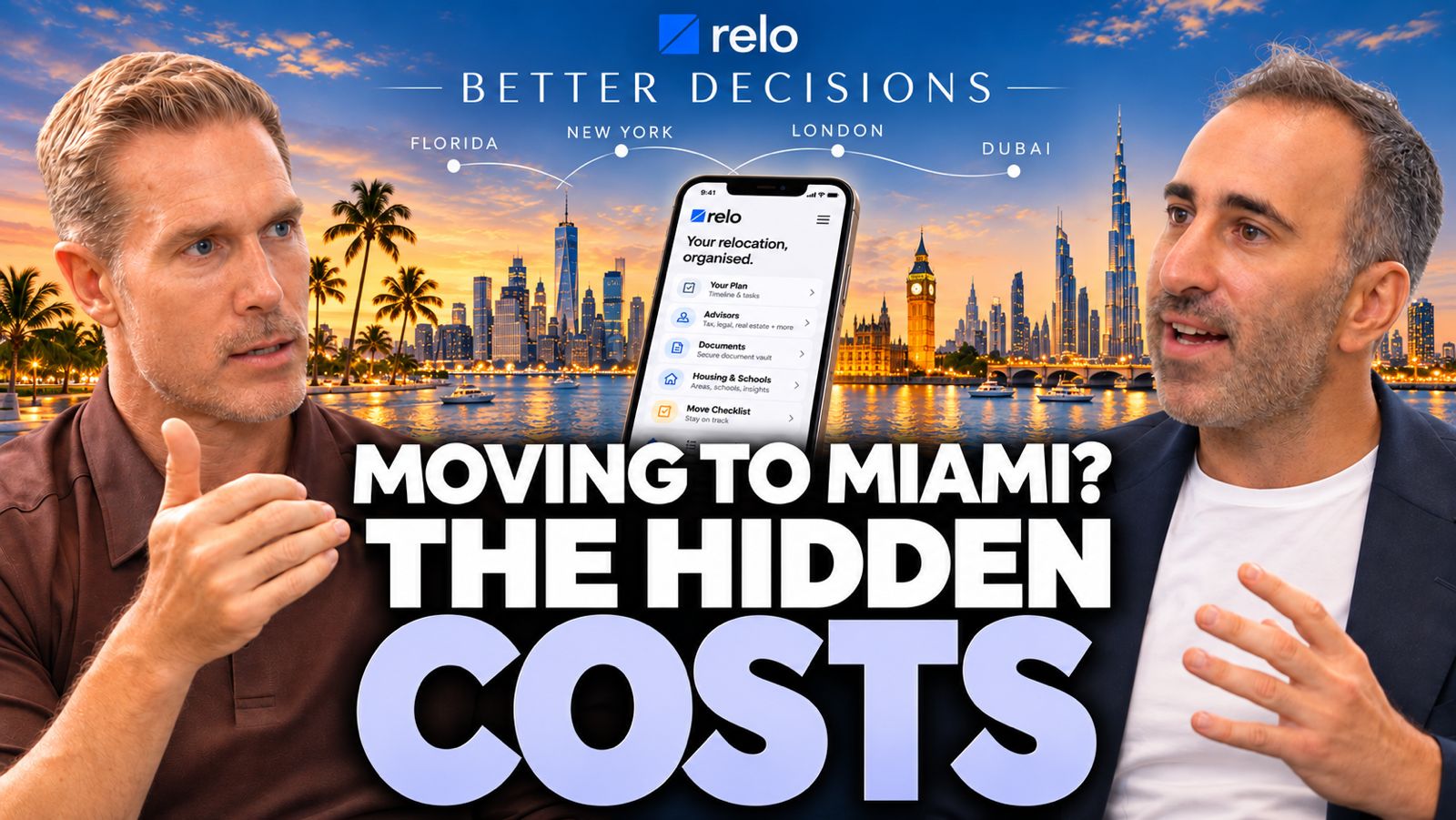
Most conversations about moving to Miami sound like a sales pitch: sunshine, no state income tax and a booming lifestyle. This episode tells the other side. David Siddons sits down with Jamie Marshall, co-founder of Hey Relo, to unpack why so many relocations to Miami go wrong and how families can get them right.
Jamie spent 15 years as a headhunter, relocating candidates and companies (many of them hedge funds) from places like the Bay Area to South Florida. When he started planning his own move to Miami, he found out how hard it was to research schools, taxes, insurance and neighborhoods all at once. Nothing tied it together, so he built a platform that does. It gives the real estate advisor, CPA, immigration attorney, insurance broker and school advisor one shared timeline and one source of truth.
Why does this matter? Last year, nearly half of companies saw more employees turn down a relocation than the year before. The number one reason was not money. It was family. The wrong neighborhood, the wrong school, the wrong order of steps, or buying when you should have rented can quietly wipe out the tax savings that made the move look smart on paper.
Why Smart Families Still Get Their Miami Move Wrong
Picture this: an executive earning $15 to $20 million a year in the Bay Area gets an offer in South Florida. On paper, it’s an easy yes. More take-home pay, no state income tax, plus the beach and the sunshine. So they jump in head first. Then reality sets in. The new office looks like seven miles away on the map, but the drive takes an hour every day. Property taxes and insurance they never budgeted for start eating into the savings. And their partner, who was never really part of the planning, now has to rebuild a life from scratch.
Most relocations don’t fail because of bad choices. They fail because families don’t have the right information, and because the person taking the job and the partner moving with them aren’t talking enough. The best relocation plans build a full itinerary for the partner too, covering schools, neighborhoods and advisors they can trust.
Most realtors only talk about the home. But in a relocation, the home is rarely the biggest hurdle. It’s everything around it: the school, the commute, the tax picture, insurance, visa timelines and whether your family will actually feel at home. Get those right, and the right house almost chooses itself.
That’s why a relocation is not a quick sale. It’s a long conversation. Get it right, and you can set your family up for decades and save tens of millions of dollars when you exit a company. Get it wrong, and the savings disappear while your kids lose their school and your family loses its social circle.
Thinking about moving to Miami? Book a relocation strategy call with our team before you pick a neighborhood.
The Costliest Relocation Mistake: Asking the Wrong Questions
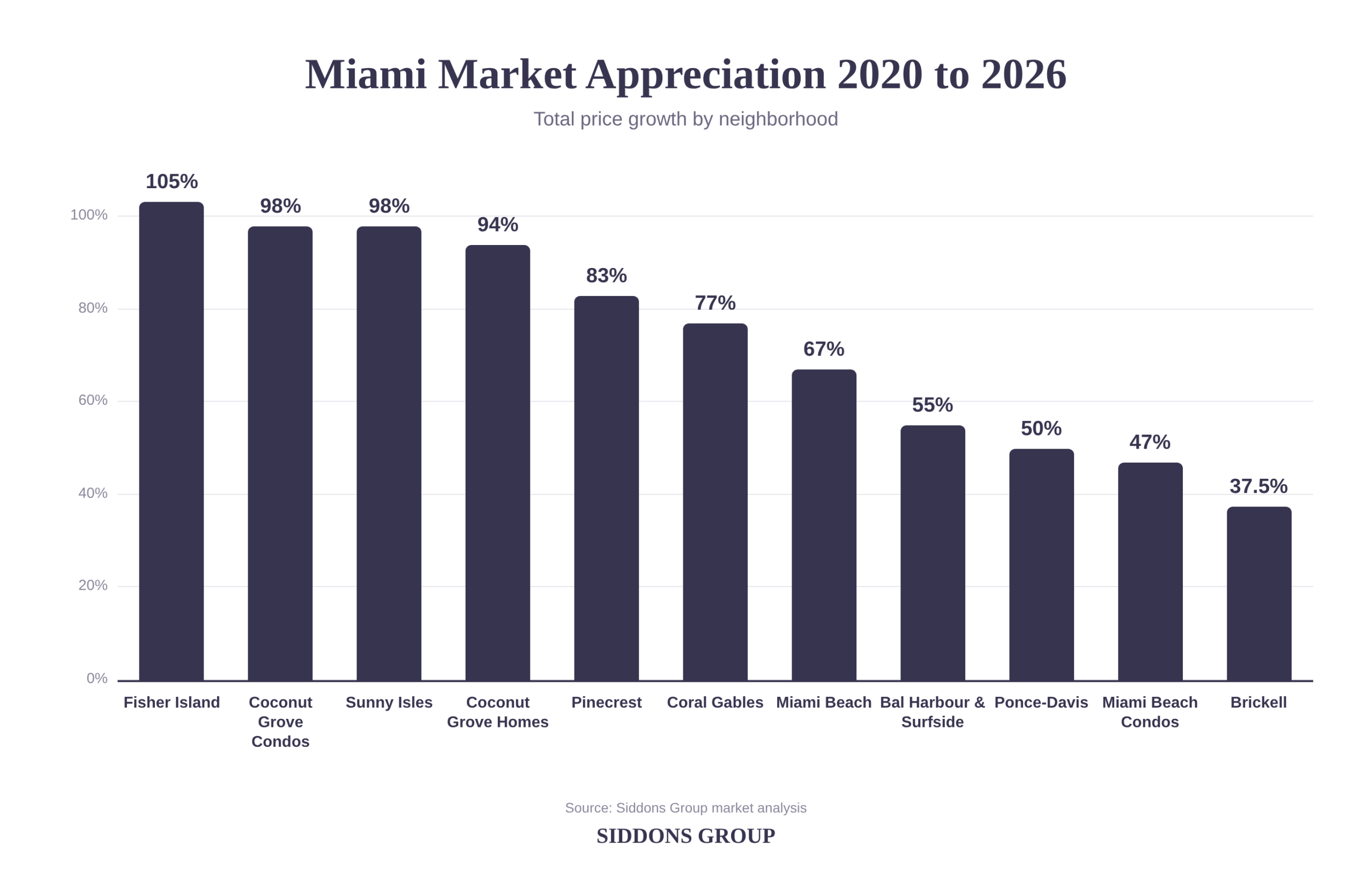
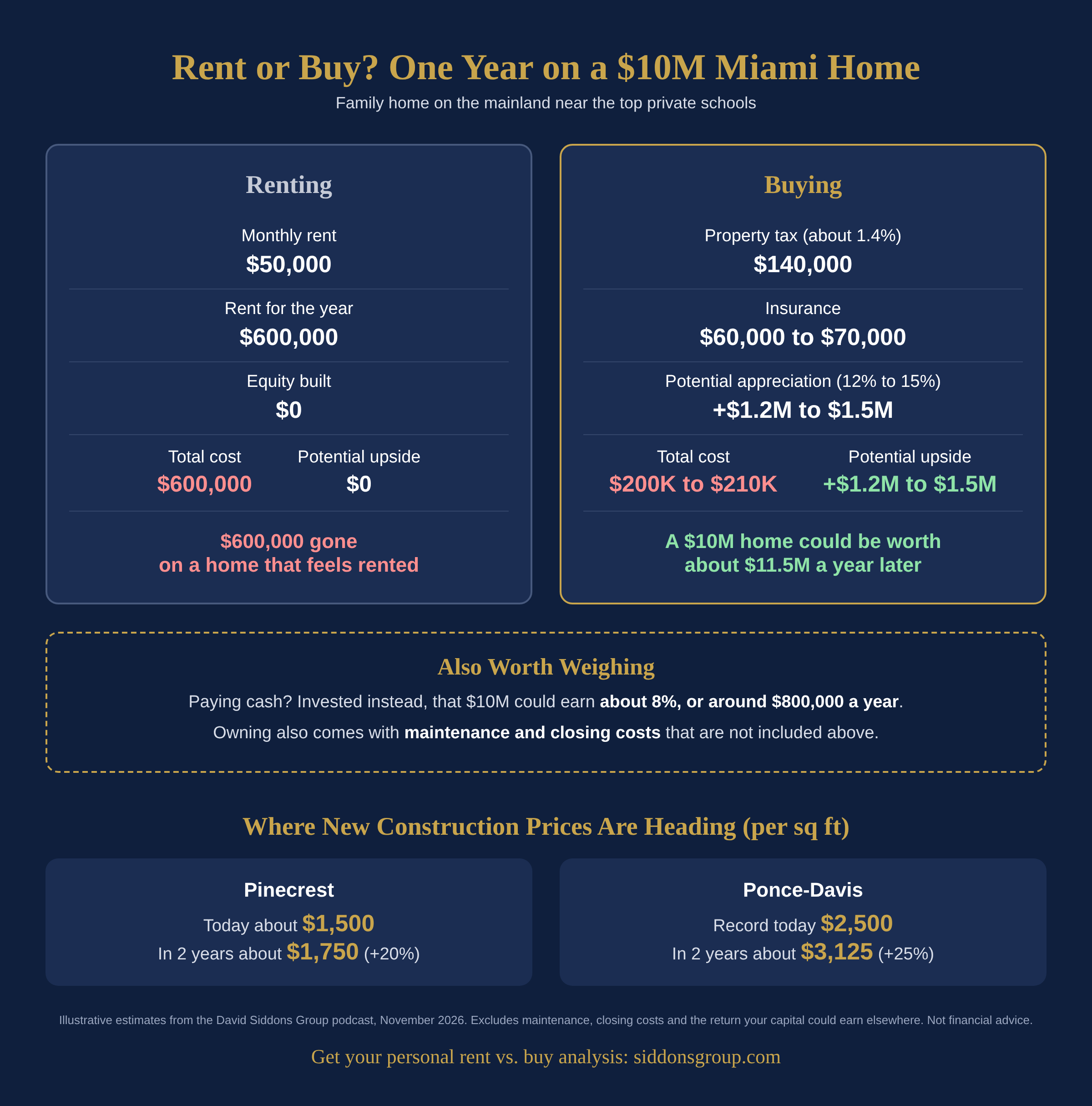
The most expensive relocation mistake usually starts with a harmless question: “What homes are available?” Many newcomers decide to test the waters by renting, and they arrive with a budget built for Boston, Chicago or Connecticut. Consequently, the sticker shock hits fast. Miami doesn’t behave like other American cities. It’s far smaller than it looks. The best family neighborhoods may only have a handful of real options at any time, and once those are gone, there’s no telling when the next one will come up. Rent for a year and the market can climb 15 percent in the blink of an eye. A $3.5 to $4 million budget that once bought a beautiful home with a big backyard elsewhere will rarely buy new construction in a top Miami family neighborhood today. Then come the hidden costs. Florida has no state income tax, but property tax (now roughly 1.4 to 1.5 percent) is how the city funds itself. Waterfront homes add another layer: flood zone rules and FEMA construction laws can make a renovation far more expensive than planned, or even force a teardown. None of this means you should rush to buy. It means you have to weigh renting against buying based on how this market actually moves, before the surprises show up on your bank statement. If you want a better answer, start with a better question.
Visa First, House Last: The Right Order for a Miami Move
Picture an executive in London with two teenagers who has just accepted a job in Miami. Stamp duty is brutal, running a business there feels harder every year, and the plan is to move within 6 to 12 months. The instinct is to start with homes. That’s the first mistake. Without a visa, there is no move. Immigration comes first and needs the right structure from day one, because the visa type shapes everything else, from when to sell back home to whether children over 21 need their own visa.
Schools come next, and they fill up faster than most families expect. The waiting lists at top private schools like Ransom Everglades, Carrollton and Gulliver show how much demand is pouring into Miami. Parents joke that it’s easier to get into Harvard than into a good private school here, especially when a child is moving from elementary to middle school. Then come tax and residency, which is where business owners find the real money. One New York company weighing a $200 million sale found that relocating could save around $29 million in taxes. Only once visas, schools and taxes are mapped out should the home search begin, with the right budget, the right neighborhood and insurance lined up before arrival. The secret isn’t working harder. It’s getting the immigration attorney, school advisor, CPA and real estate advisor on the same timeline, in the right order.
Moving to Miami? Get Your Personal Relocation Plan
Schools, neighborhoods, taxes and rent vs. buy, all in the right order. Talk to a Miami specialist who actually lives in the neighborhoods you're considering.
Book Your Free 30-Minute CallOr reach David directly: 305.508.0899 | [email protected]
Miami Is Not a Postcard: Finding the Neighborhood That Fits Your Life
Most people picture Miami as the postcard: beach, sunshine and pastel lettering. So they assume they want to live on the sand. Many don’t. Miami is a collection of very different pockets, each with its own price point, personality, demographics and schools. Wynwood feels like London’s Shoreditch or New York’s Lower East Side: gritty and creative. Brickell is closer to Midtown East. Coconut Grove and Coral Gables feel like slices of Connecticut, green and leafy under banyans and oaks. Bal Harbour has an Upper East Side polish. Key Biscayne, a small island with golf and beaches, is the closest thing to a country club without the membership.
The right fit depends on how you want to live. Green space or water? Nightlife or quiet? Urban, suburban or somewhere in between? Safety and walkability matter more than many expect, especially for families leaving cities where crime has become an everyday worry. The most expensive real estate almost always combines two things: scale and walkability.
Then there’s the human side. Moving ranks next to a death in the family as one of life’s most stressful experiences. Will the kids make friends? Will your partner love the neighborhood? Will you find your people through golf, wellness, wine or finance circles? The smartest families spend a few days living Miami before they commit: touring schools, driving through neighborhoods and eating where the locals eat. Know before you go, and your move becomes a new chapter instead of a gamble.

School First or House First? In Miami, Your Budget Decides
The usual advice is to pick the school first and the house second. In Miami, that logic falls apart. The city’s top private schools, including Ransom Everglades, Carrollton, Gulliver, Palmer Trinity, Westminster, Belen and Columbus, sit in a compact pocket east of US-1 that runs from Coconut Grove down to Pinecrest. Live anywhere in Coral Gables, South Miami, High Pines, Ponce-Davis or Pinecrest, and school is usually 15 to 20 minutes away, even in morning traffic. So the real question isn’t the commute. It’s the budget. A brand-new home on an acre costs about $10 million in Pinecrest and about $20 million in Ponce-Davis. Waiting can be expensive, too. Many families plan to rent for a year or two while they get to know the city. But in a market moving this fast, prices can climb 20 to 25 percent while rent quietly takes hundreds of thousands of dollars on a home that never feels like yours. That doesn’t mean everyone should buy on day one. If your job, visa or school placement is still uncertain, or you’re looking at areas like Miami Beach or Aventura, renting may be the smarter move. Every case is different. There’s also a middle path that savvy buyers use: buy a pre-construction home that’s about a year from completion, rent in the meantime, and then move into a brand-new home built your way while the market works in your favor.
The Tax Savings Are Real. So Are the Traps.
Escaping a heavy tax burden is one of the biggest reasons people leave New York, California or the UK for Florida, especially ahead of a company sale or another big windfall. Done right, the numbers are huge. Many families find that the city and state income tax they save covers their mortgage and much of the lifestyle that drew them here. Done wrong, it can backfire. High-tax states and countries don’t let wealthy residents leave quietly. If your move isn’t handled properly, they can come after you and wipe out the savings you built your plans around. That’s why the order matters. Before you sell, sign or relocate, talk to a CPA who understands both where you’re leaving and where you’re landing, plus an immigration attorney if you’re moving from abroad. Don’t count on your employer for help. Most companies won’t advise you on taxes, on where to live or on whether to rent or buy, which is how so many executives end up stuck in an apartment they never wanted. The move should pay for itself. Make sure it does.
Why a Relocation Referral Often Gets You the Wrong Agent
Many large companies hand relocating employees to corporate relocation firms, and the help often stops at a phone number for a real estate agent picked from a list. There’s little vetting and no guidance on schools, taxes or lifestyle. Behind the scenes, some of these firms buy the employee’s old home, control the sale proceeds and then refer the buyer to an agent who agrees to hand over as much as 50 percent of the commission. The agents who take that deal are often the least connected. It’s common to see an agent from Boca, Kendall or Wellington showing a family homes in Coconut Grove or Pinecrest, a neighborhood they’ve never sold in, with no idea where the schools are or what daily life feels like. They rarely get access to off-market homes either, because local agents don’t share their best listings with strangers. A better approach puts a true neighborhood specialist by your side. At The David Siddons Group, each of our 14 territory managers lives in and covers a single neighborhood and never crosses that boundary. Relocating families spend half a day with the specialist in each area that fits them: touring on- and off-market homes, talking schools over lunch and getting a real feel for the lifestyle. Every specialist stays on the same email thread, so you never have to repeat yourself.
See the Homes Most Buyers Never Will
In Miami's top family neighborhoods, many of the best homes sell quietly before they ever reach the market. Our territory managers live in these neighborhoods and know what's coming before it's listed. Get first access.
Get Off-Market AccessOr reach David directly: 305.508.0899 | [email protected]
Why People Say No to Miami, and How to Make Sure You Don’t
Even with big incentives, many executives turn down a move to Miami. The reasons are rarely about money. Often it’s not knowing the schools, or a partner who was never sold on the city. And very often it’s a first impression made in the wrong place at the wrong time. Stay in South Beach on Labor Day weekend, Presidents’ Day weekend or during a music festival, and you’ll see a Miami full of tourists who came to party, not the families who actually live here. That’s not the real city, and it sends plenty of would-be residents home saying “thanks, but no thanks.” Now picture the same family in Coconut Grove in mid-January: blue skies while the rest of the world is freezing, breakfast outdoors, a round of golf and an afternoon on the water. Suddenly the question becomes “where do I sign?” The same goes for real estate. Some Miami property is overpriced, and parts of the condo market could face a serious correction by 2028. Meanwhile, certain neighborhoods with limited supply are set to appreciate faster than almost anywhere else. Knowing the difference, and knowing which projects are coming before they’re announced, is what protects your investment. In the end, a successful relocation comes down to having the right players on your team: a real estate advisor who knows the neighborhood, a CPA, an immigration attorney, a school advisor and people who can connect you to the right social circles. Ask the right questions and Miami can be the best decision your family ever makes.
About David Siddons
David Siddons is the founder of Siddons Group and host of the Better Decisions podcast. He has spent nearly two decades helping families, executives and companies relocate to South Florida, with more than $4 billion in career sales. Each of his territory managers lives in and specializes in one neighborhood, from Coconut Grove and Coral Gables to Pinecrest, Palm Beach and Fort Lauderdale. They work closely together as one team, so clients can compare areas side by side.
Through his YouTube channel, with more than 180,000 subscribers, the Better Decisions podcast and in-depth market research, David helps buyers make smarter moves. That includes access to off-market homes, predictive market analysis and trusted connections to tax advisors, immigration attorneys and school advisors. Reach David directly at [email protected] or (305) 985-1452.
Get the Right Answers Before You Make the Move
Moving to Miami is one of the biggest decisions your family will ever make, and you don’t have to figure it out alone. Whether you’re still deciding between neighborhoods, weighing renting against buying, or trying to work out the right order for schools, visas and taxes, our team is here to help you ask the right questions and get clear answers. Email David directly at [email protected], call or text (305) 985-1452, or book a free 30-minute relocation call at a time that works for you. Let’s make sure your move to South Florida pays off, financially and for your whole family.
FAQ
These are the most commonly Miami Real Estate Related questions
What should I do first when moving to Miami?
Start with the steps that control your timeline, not the house. If you’re moving from abroad, sort out your visa with an immigration attorney first. Then look at schools and talk to a CPA about taxes and residency. Once those are clear, you can choose the right neighborhood and home with confidence.
Should I choose the school or the house first in Miami?
In Miami, your budget usually matters more than the school. Most top private schools, like Ransom Everglades, Carrollton and Gulliver, are about 15 to 20 minutes from Coconut Grove, Coral Gables, South Miami, Ponce-Davis and Pinecrest. Since the commute is similar from all of them, what you can spend often decides where you live.
Is it better to rent or buy when moving to Miami?
It depends on your situation. Renting gives you flexibility if your job, visa or school placement isn’t settled yet. In neighborhoods with limited supply, though, prices can rise quickly while rent builds no equity. Some buyers take a middle path: they buy a pre-construction home and rent until it’s finished.
How much does it cost to rent a family home in Miami?
In the most sought-after family neighborhoods, renting a home comparable to a $10 million property can cost around $50,000 a month, or about $600,000 a year. Good rentals in these areas are also scarce, so the options are limited.
How much are property taxes in Miami?
Florida has no state income tax, but property taxes are a real cost. They’re currently about 1.4 to 1.5 percent of a home’s value each year, based on the local millage rate. On a $10 million home, that’s roughly $140,000 a year.
How can I protect my tax savings when moving to Florida?
Work with a CPA who understands both the place you’re leaving and Florida, and plan your move properly before you sell, sign or relocate. High-tax states and countries may challenge your new residency if the move isn’t handled correctly, especially ahead of a business sale or other big windfall.
Which Miami neighborhoods are best for families?
Coconut Grove, Coral Gables, Pinecrest, South Miami, High Pines, Ponce-Davis and Key Biscayne are popular with families. They offer green space, a strong sense of community and easy access to top private schools. Each one has its own price point and personality, so it’s worth exploring several before you decide.
When is the best time to visit Miami before relocating?
Visit on a regular weekday in winter or spring, when you’ll see how residents actually live. Avoid holiday weekends and big events like music festivals, when the city is crowded with tourists. That can give you a misleading first impression.
Why should I work with a neighborhood specialist instead of a relocation referral agent?
Referral agents often come from outside the area and may not know the local schools, lifestyle or off-market homes. A neighborhood specialist lives and works in the area, has access to properties that never hit the public market, and can tell you what daily life there is really like.
WHY WORK WITH DAVID? THINGS YOU SHOULD KNOW...
For all our analytics we are agents driving some very unique and advanced tech. We Provide a granular and custom experience that empower our clients with the insight and tools to understand the most complex behaviors of any local markets.
-
Analytical
Over 100 reports produced to date
-
Knowledgeable
Over 1800 published articles and counting


Related Articles
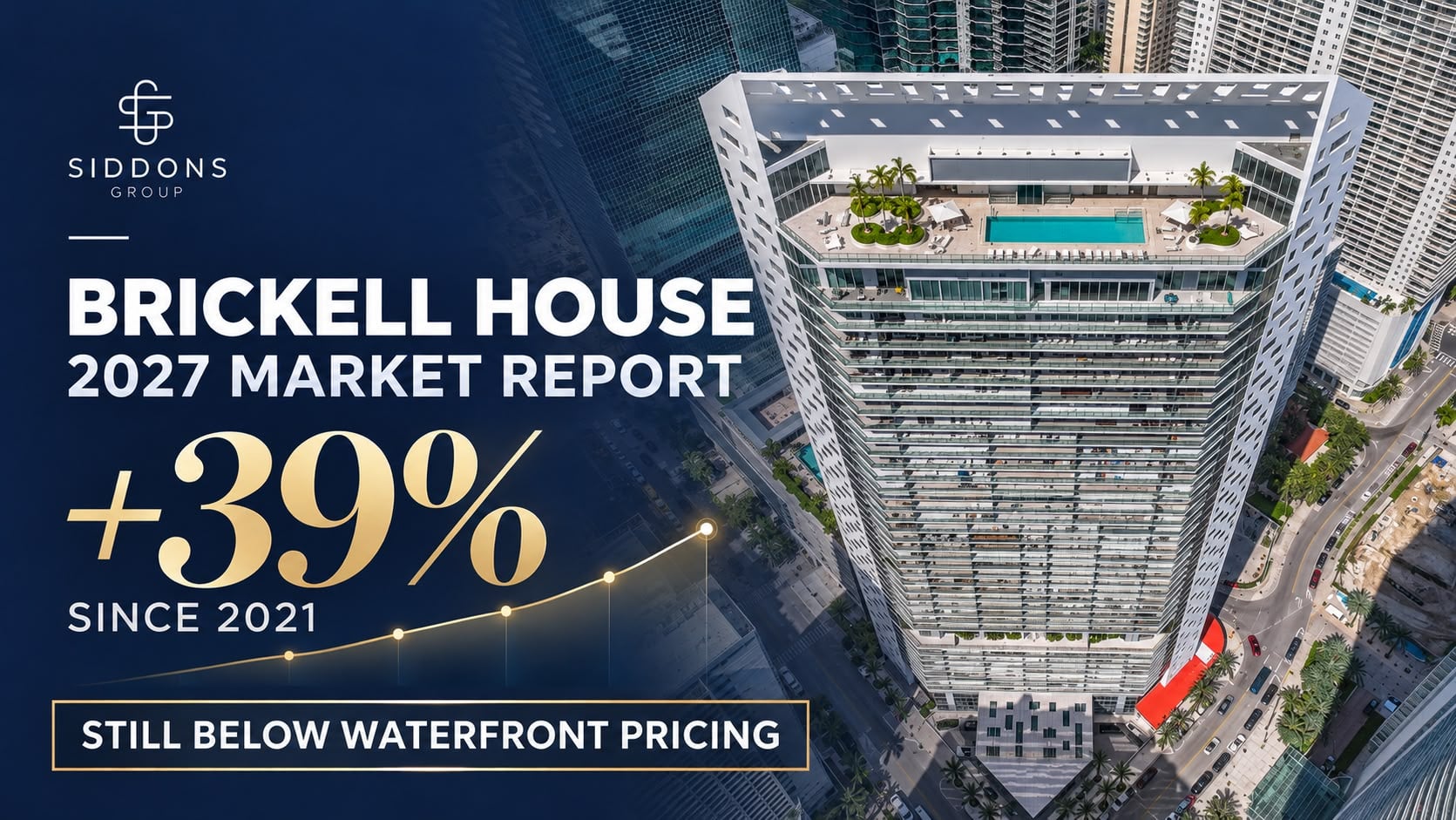
Brickell House 2027 Market Report and Outlook

Ken Griffin Just Bet $4 Billion Next Door to Edgewater. Here’s What It Means for Your Condo
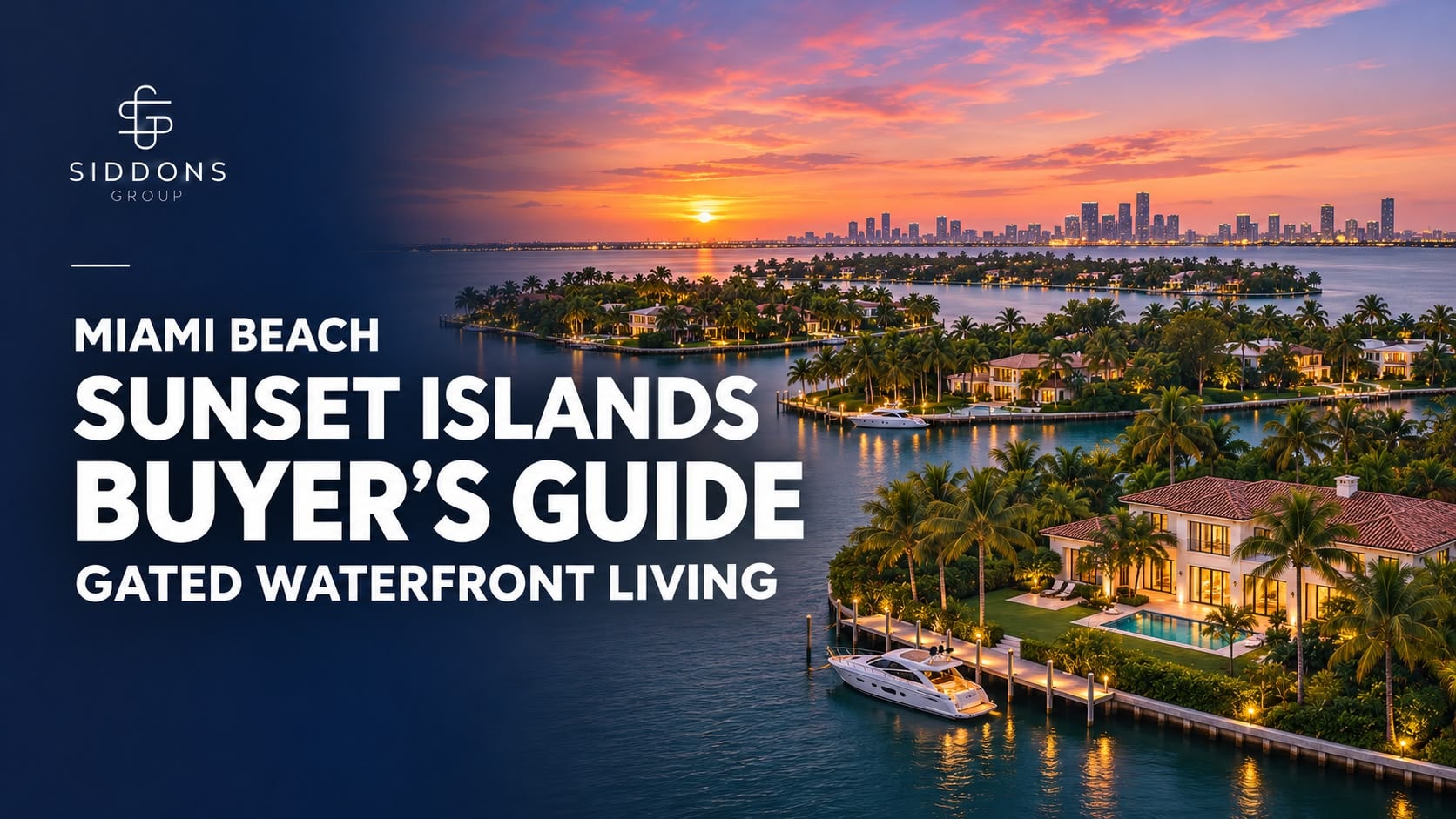
Sunset Islands Miami Beach: Guard-Gated Waterfront Living
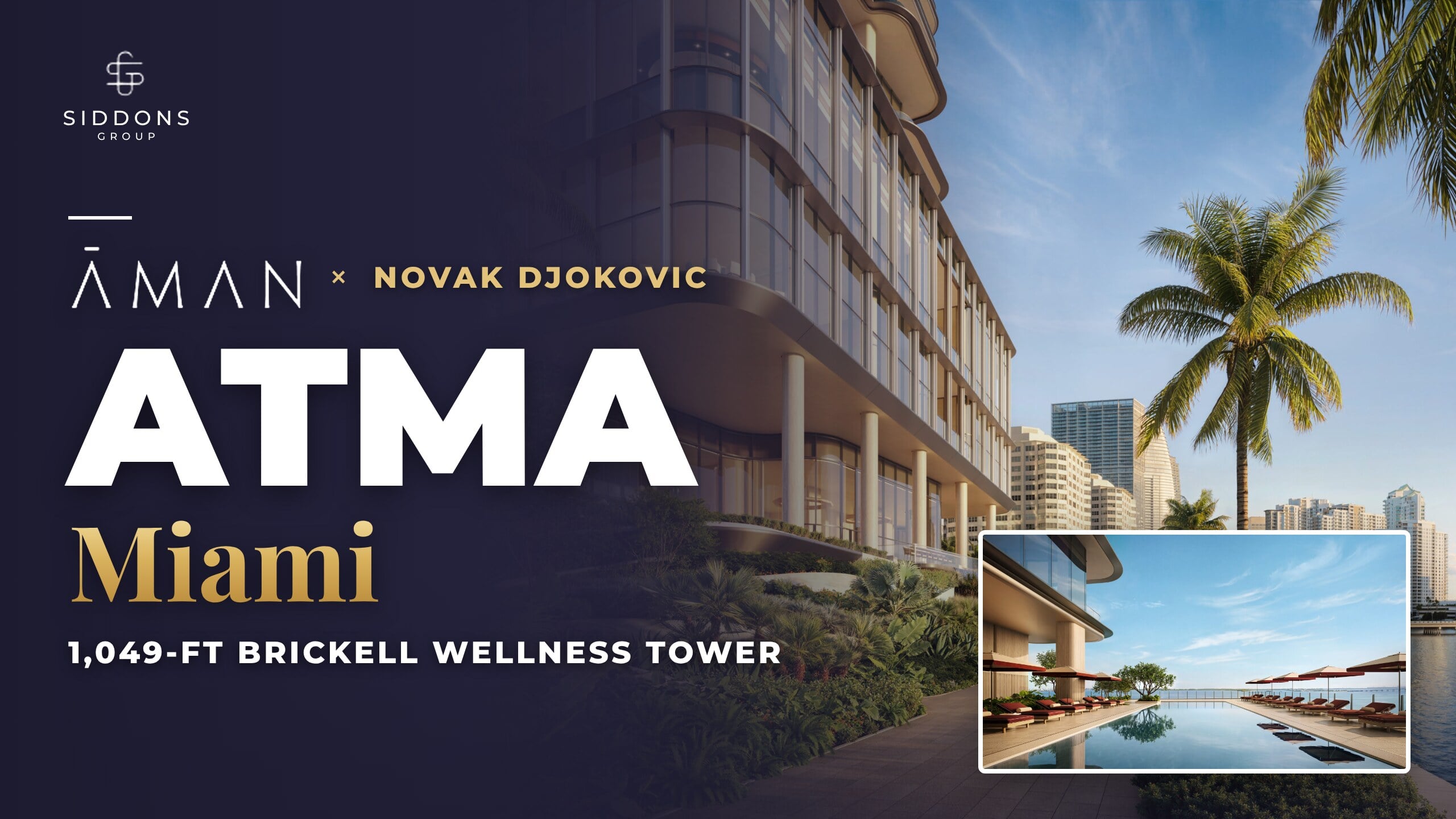
ATMA Miami: Novak Djokovic and Aman Are Building a 1,049-Foot Longevity Tower in Brickell

The 6 Best Coral Gables Condos for Sale in 2027
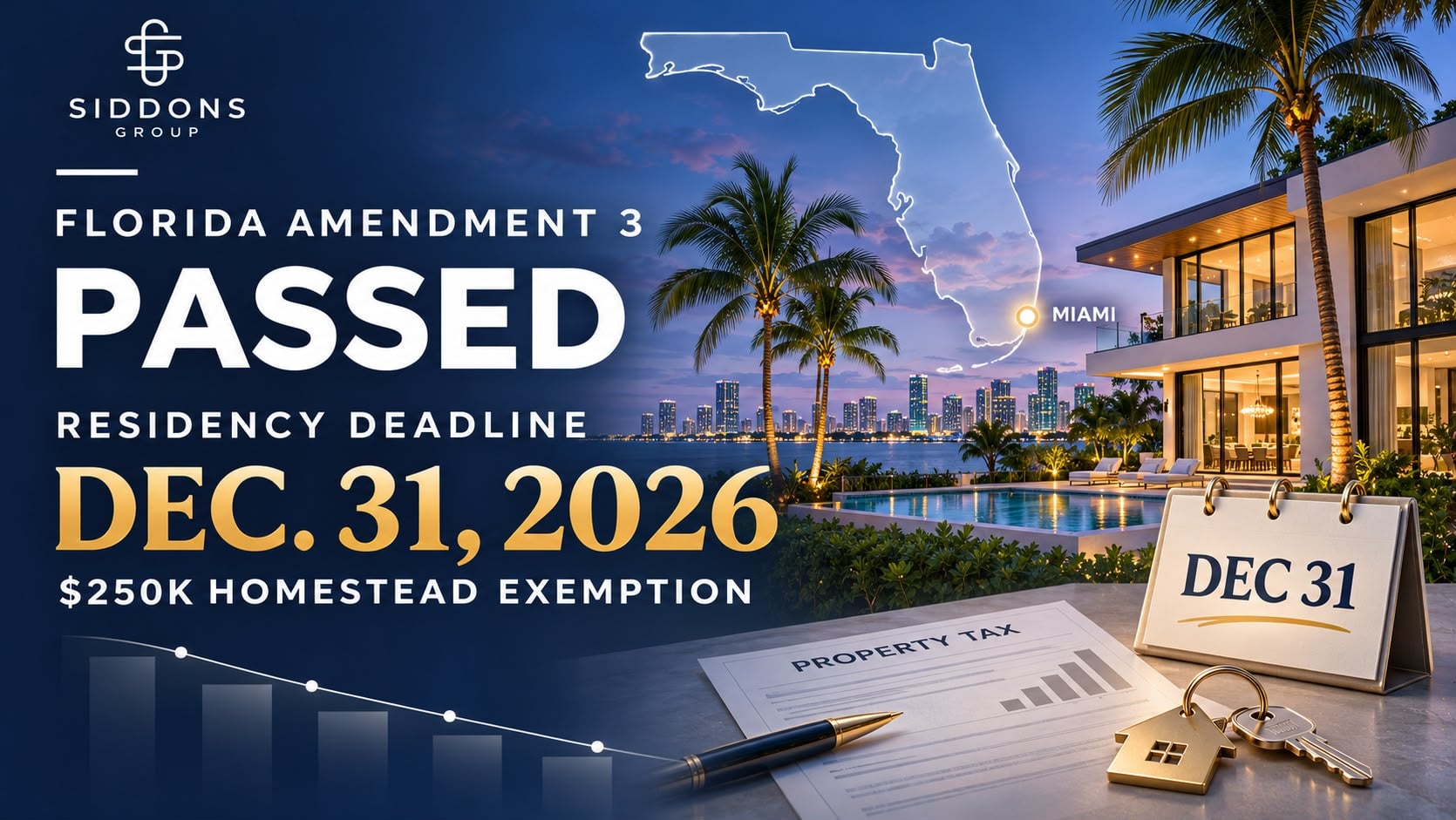
Florida Amendment 3 Passed: Why Your Residency Date Matters More Than Your Closing Date
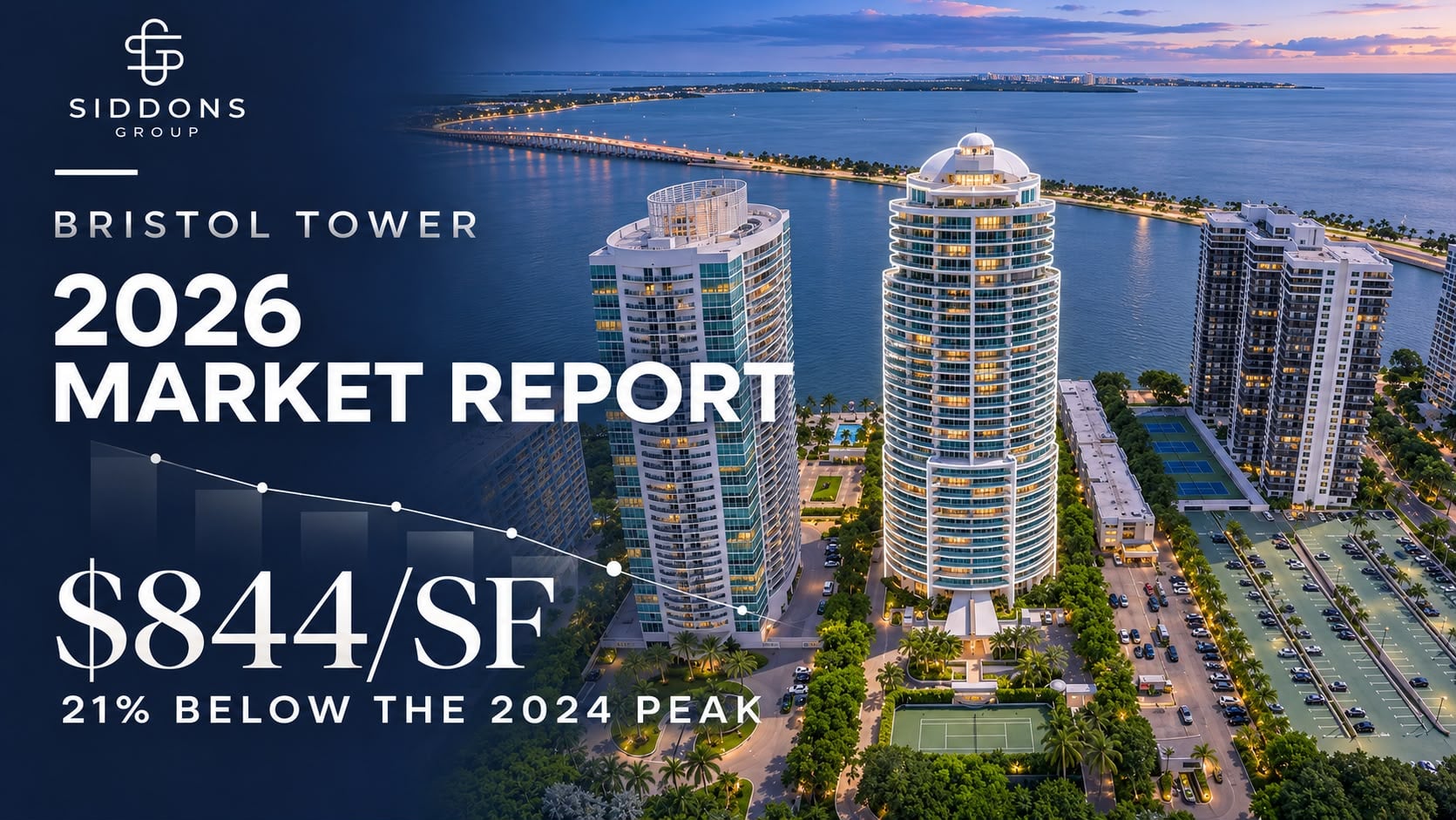
Bristol Tower Brickell Condos: 2026 Market Report, Prices & Outlook

Raffles Coconut Grove: Prices, Floor Plans and Our Take on Miami’s Newest Bayfront Condo

Coral Gables New Construction Homes 2027
EDITION Residences Miami Edgewater

Galloway Glen Real Estate 2026: What Homes Sell for in This Kendall Neighborhood

St. Regis Bahia Mar Penthouse Review: A $22M Fort Lauderdale Sky Home at Half the Price of Miami

Edgewater Miami Condo Market 2026: $1M+ Resale at $968 a Foot vs. $2,000 for Pre-Construction

Buying or Selling a Condo in Litigation in South Florida: Red Flag or Opportunity?
Please fill in your details and David Siddons will contact you

Search related videos

Are St. Regis Sunny Isles Residences Worth the Brand Premium?
Coral Gables Market Report 2025: What the Headlines Aren’t Telling You!
How David Siddons’ Power Team Drives Miami’s Luxury Market
Mid‑Year 2025 Coconut Grove Report: The Truth About What’s Selling Now
Brickell Mid‑Year Market Report 2025 | Is Brickell’s Luxury Market in Trouble?
Pinecrest Mid-Year Market Report 2025 | What’s Selling, What’s Sitting & Why
Miami Beach Condo Market Mid-Year Report 2025 | What Buyers & Sellers Need to Know
How to Lose $1M in The Miami Condo market | Top Mistakes That Cost Miami Condo Buyers Millions
The Well Project EXPOSED Coconut Grove’s Hottest Units
Miami Real Estate in 2025 Is NOT What You Think 😱 | Midyear Must Knows for Buyers & Sellers!
7 Things You Should Never Say to a Real Estate Agent in Miami!
Landmark Victoria Park Residence in Fort Lauderdale: Inside 420 NE 11th Ave 🌴✨
Luxury Living on 2355 S. Miami Ave | Fully Furnished 4-Bed Home w/ Resort-Style Pool 🏊
Is Mandarin Oriental Residences Miami a Smart Condo Investment? Prices, Floorplans, Views & Finishes


- Get our Newsletter
- Subscribe
- No Thanks
Get the latest news from Miami Real Estate News
Close
Edit Search
Close
2 of 14
Share this property
Recomend this to a friend, just enter their email below.
Close
Your email was sent successfully
Close
 COMPARE WITH CONDOGEEKS