










![Aventura luxury condo market 2026 [June]: What Sellers and Buyers Need to Know Right Now](https://luxlifemiamiblog.com/wp-content/uploads/2026/06/Pricing-39-150x150.png)





































- Best of All
- Best Miami Luxury Condos
- Most popular
- Relocating to Miami
- Private Schools
- Investments
- Gated communities
- Waterfront information
- Luxury homes
- Luxury Condos
- New Construction Condos in South Florida
- Independent Pre-Construction condo reviews for Miami
- Independent Pre-Construction condo reviews for Fort Lauderdale
The Coral Gables Real Estate Market Report 2019
The Coral Gables Real Estate Market Report 2019 – The Last 6 Months (June till November 2019)
Top producing agent and Coral Gables resident David Siddons spent the week analyzing the different sub-markets of the Coral Gables real estate market. Almost half a year after publishing our 2019/2020 Miami Real Estate Forecast we decided this would be a good moment to check the market pulse and to provide our readers with a clear overview of what has happened in the last 6 months, what trends we are seeing and what we expect from this market in the months to come.
Observations in the Coral Gables Real Estate Market below $1M
Fast Facts
- 4.9 Months of Inventory
- An average of 119 Days on Market before being sold
- An average of 4.7% discount from sales price
- Average sales price is $382 per SF
- An average of 13 homes per month are sold
- The Overall Neighborhood Health Score: 92
The most digestible and fast moving part of the single-family home market, no surprises here. We are looking at just 4.9 months of inventory. Selling on average 13 homes per month.
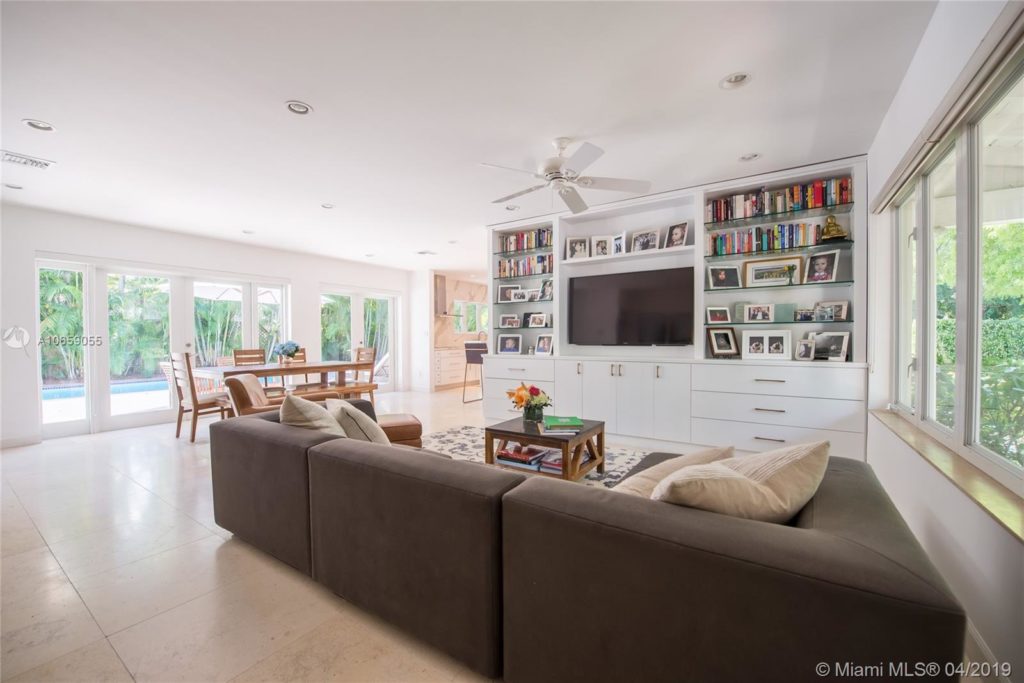
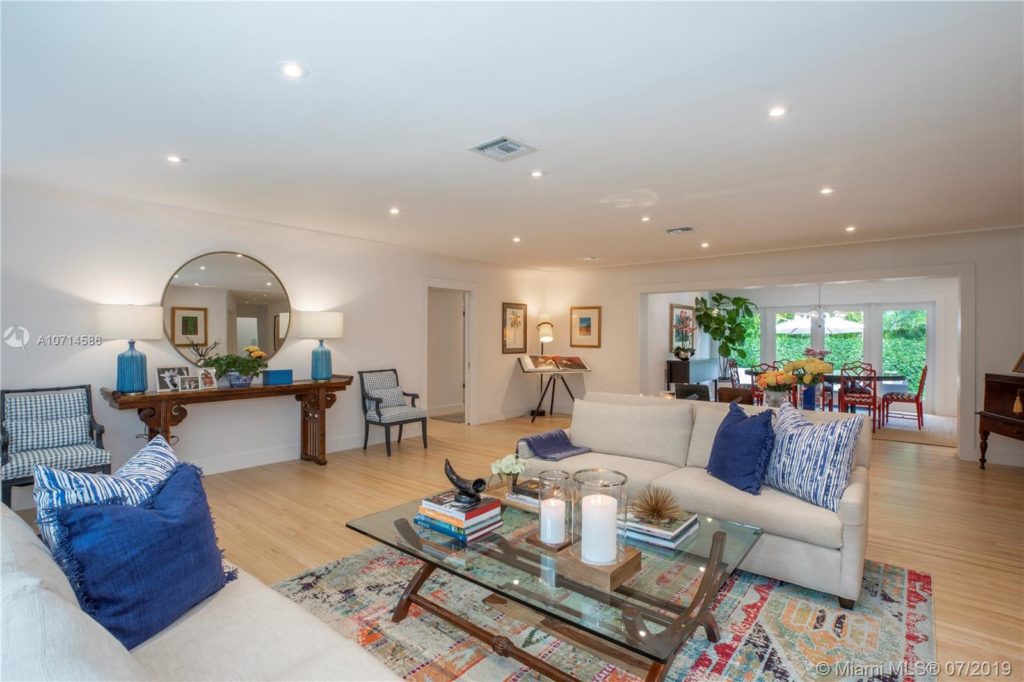
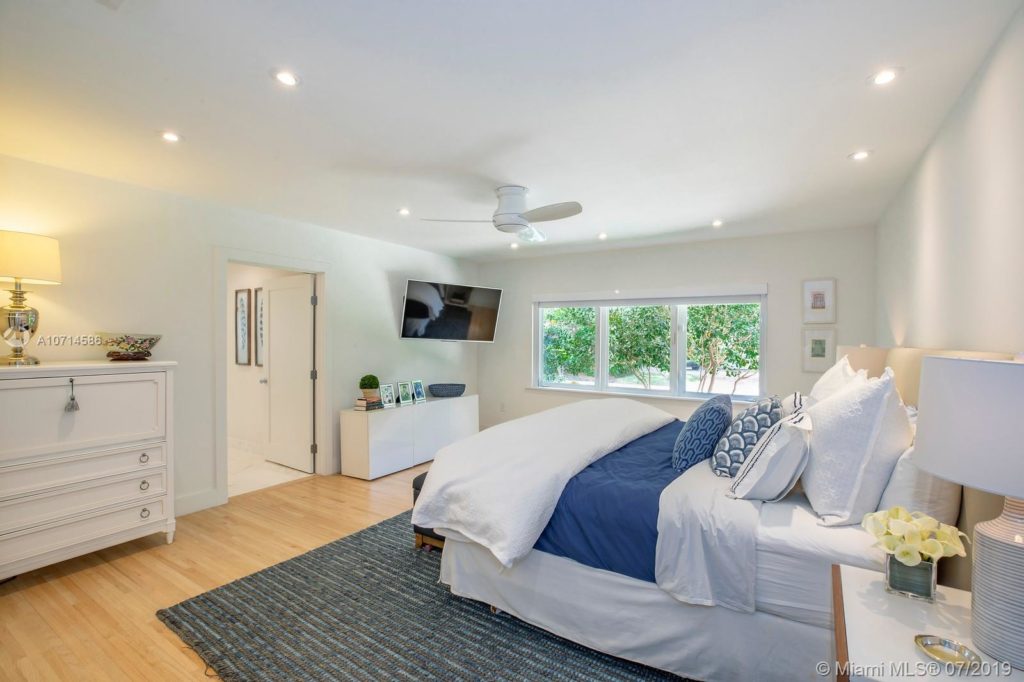
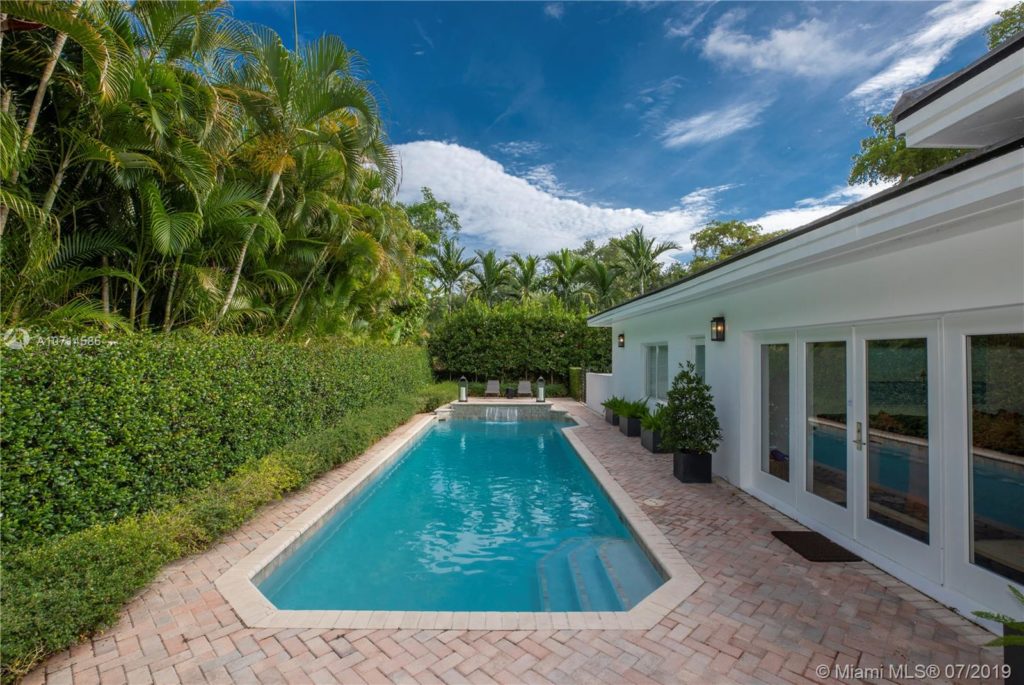
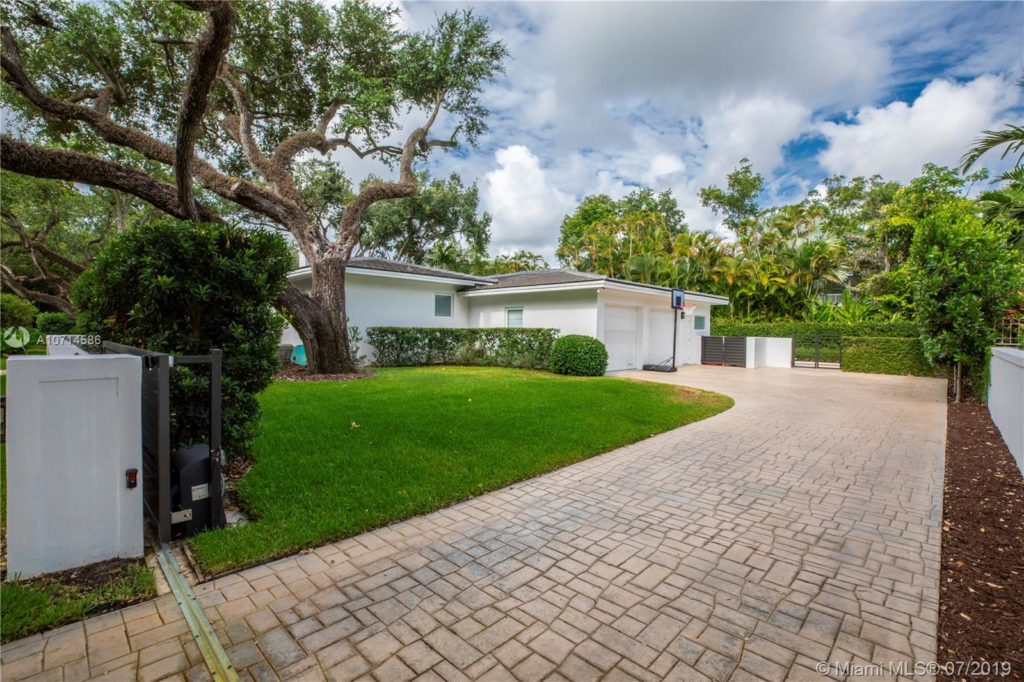
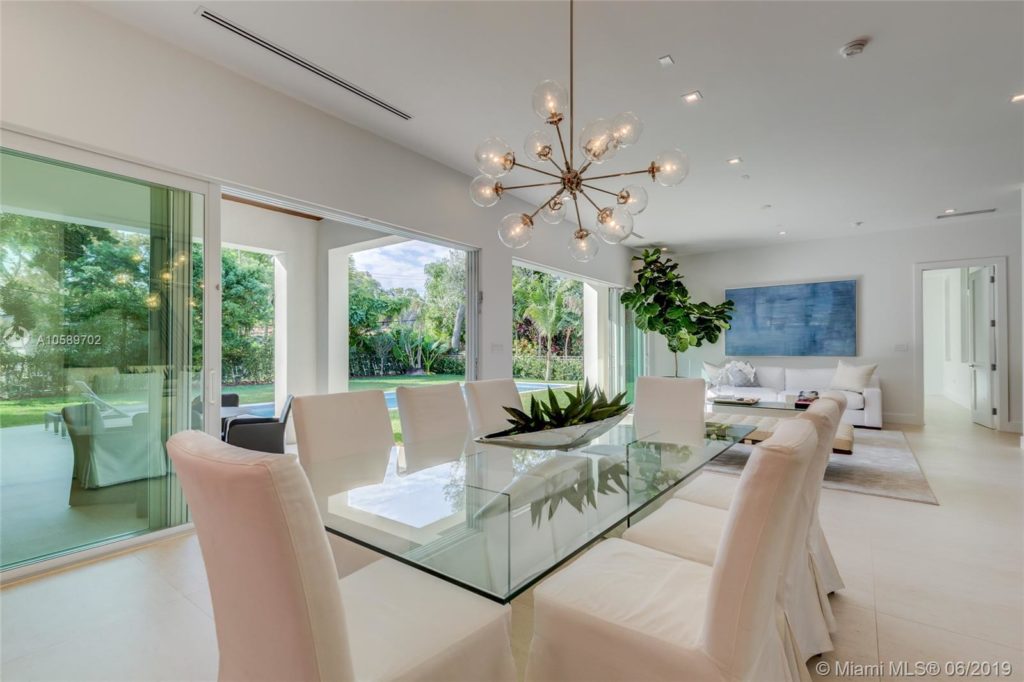
Characteristics: These are typically small 3 or 4 bedroom homes. Either small and well done ‘Old Spanish’ on small lots. Or larger (2,200 to 2,500 SF ranch style homes and in need of remodeling). As you would imagine about 66% of these homes are without a pool.
Strength of the market: This really is a pretty strong market. with such low inventory, product moves pretty well taking on average 70-80 days to get into contract (119 days on the market) and achieves 95% of asking price. This is the strongest market in the whole of Miami right now.

Working example
328 Manor Place got the record for the highest price per SF at a staggering $536 per sqft (taken over adjusted SF).
Observations in the Coral Gables Real Estate Market between $1M and $2M
Fast Facts
- 9.7 Months of Inventory
- An average of 158 Days on Market before being sold
- An average of 8% discount from sales price
- Average sales price is $434 per SF
- The Overall Neighborhood Health Score: 86
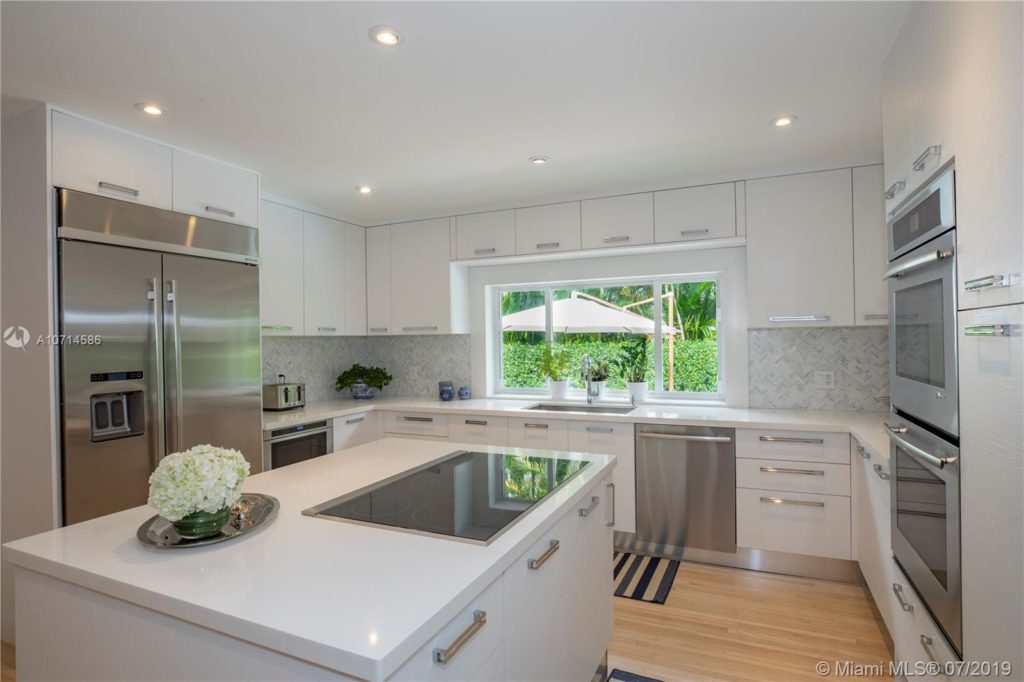
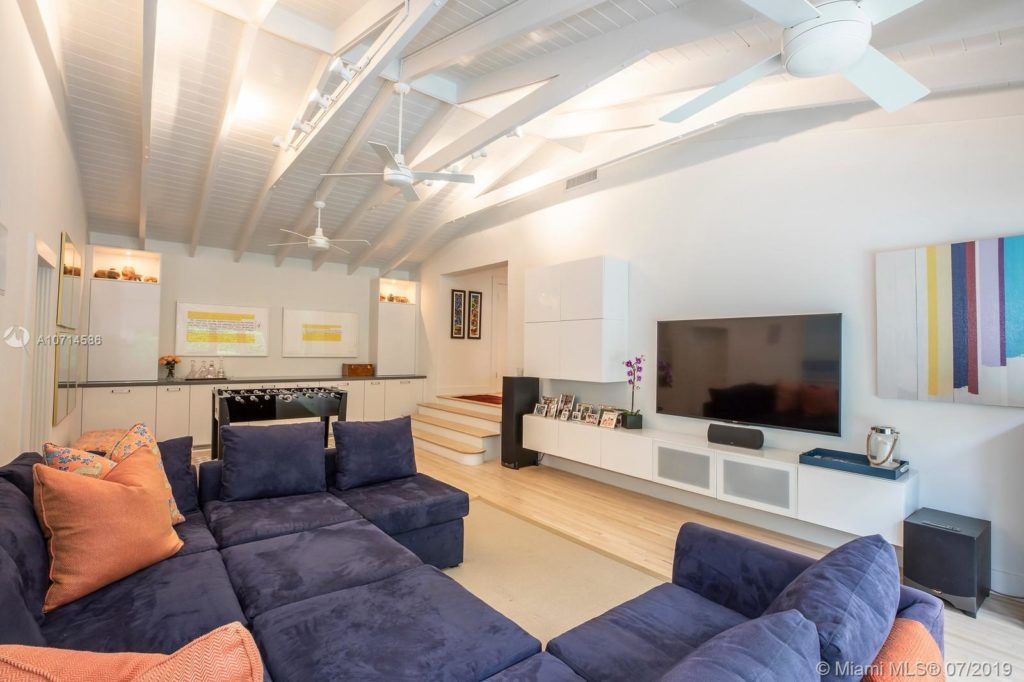
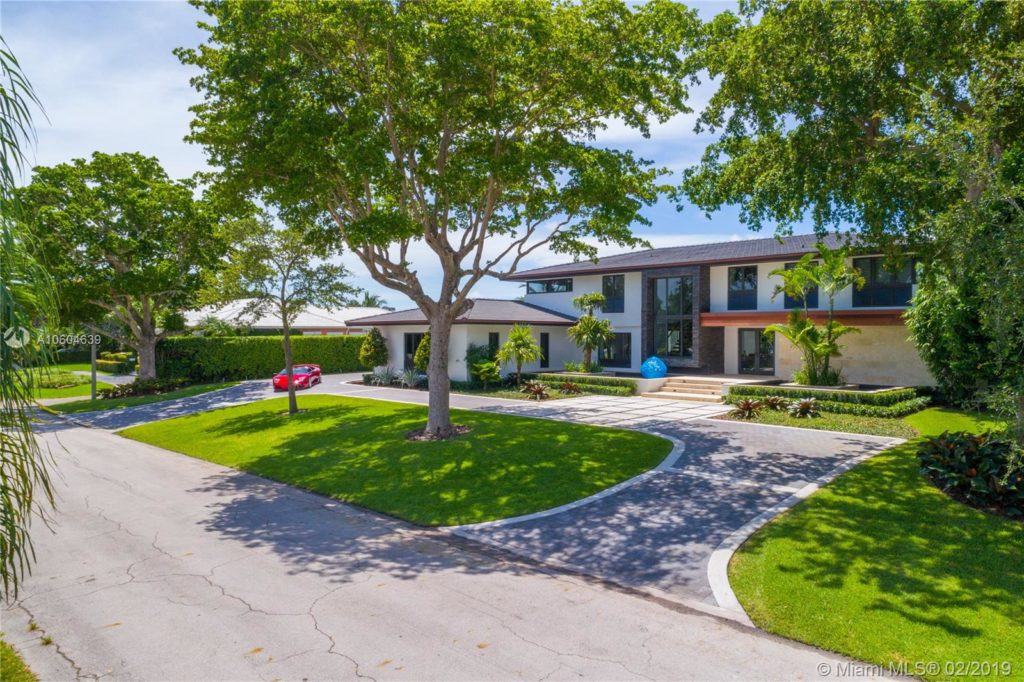
Characteristics: Within this market you are typically looking at a price tag of $430 – $530 per SF, with an average sales price of $434 per SF. If you get into a home below the $400 per SF range they are going to need updating. Expect to find lots of around 10,000 -12,000 SF . Type of homes in this price range vary between Old Spanish, Mediterranean and some ranch style homes. Sometimes a few modern ones (new with new contemporary design) are found, but unlikely to find anything new under $2M.
Strength of the Market: A score of 86 is a very good score and means the real estate market is resilient against economic change. This market is driven by primary home owners, families most often with kids going to the local private schools. You can find homes between $1M-$2M all across the Gables, even in some of the most exclusive gated communities.
Call me for the more specifics to this market.

Working example
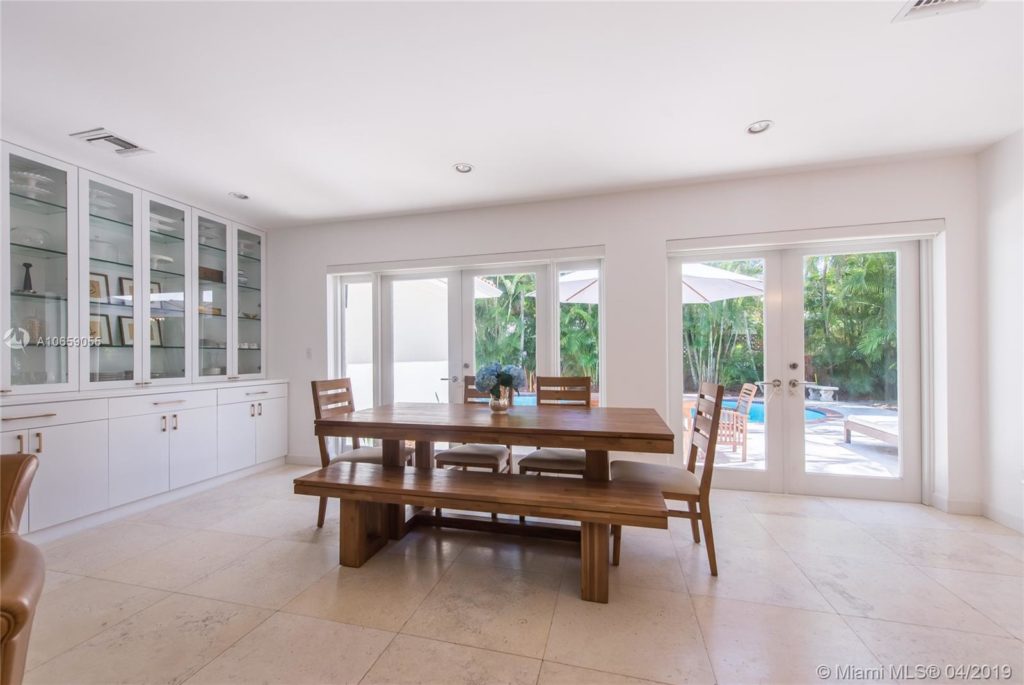
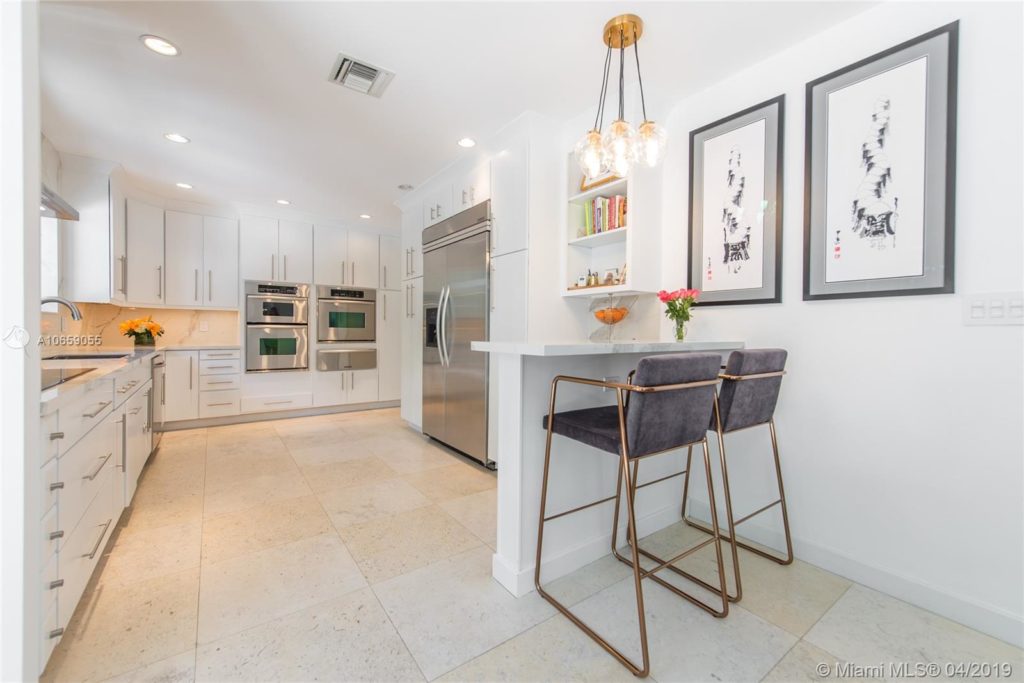
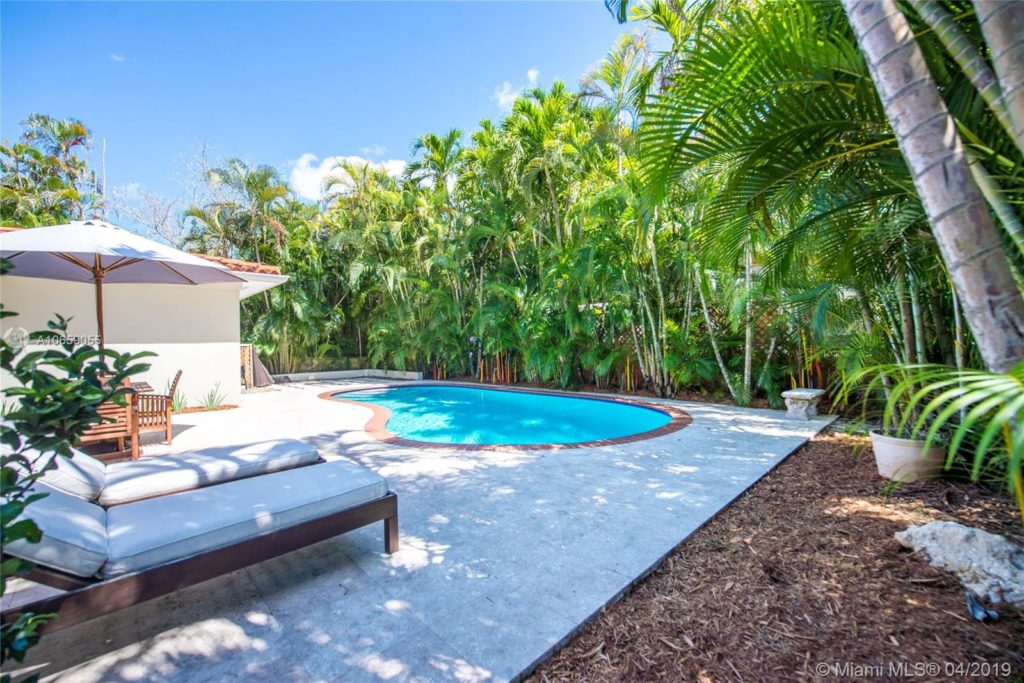
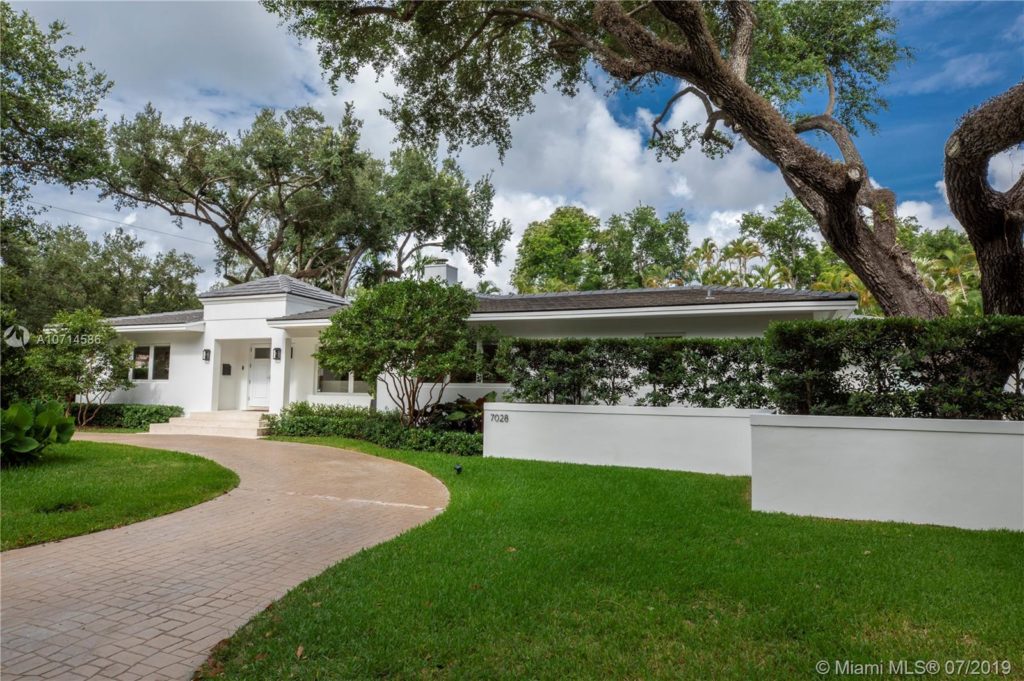
7028 Mindello St is a typical example of a well-done home that sold in this price range. This 5 bedroom home offers 4,039 SF and sold for $1,872,600
Observations in the Coral Gables Real Estate Market between $2M and $3M
Fast Facts
- 15.1 Months of Inventory
- An average of 341 Days on Market before being sold
- An average of 8.2% discount from sales price
- Average sales price is $587 per SF
- The Overall Neighborhood Health Score: 64
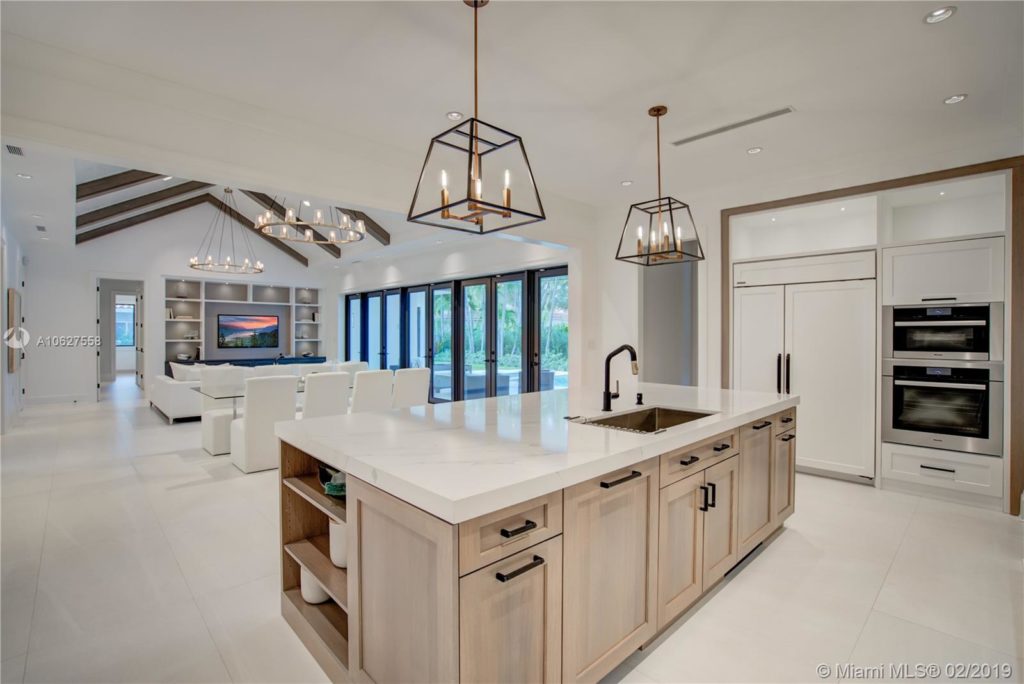
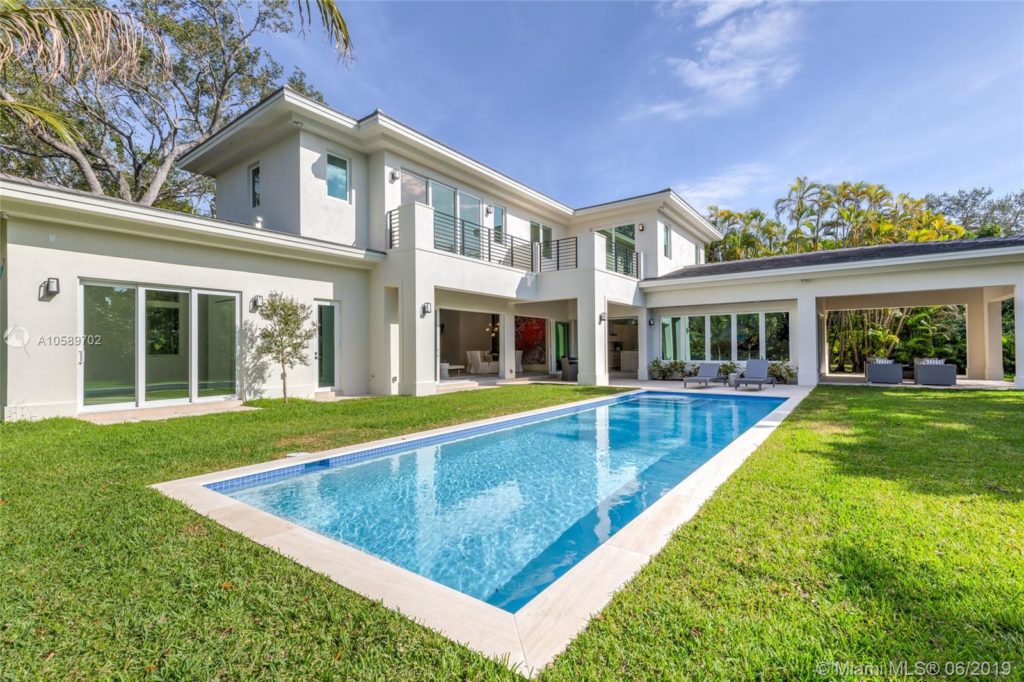
29 Sales were registered and now the market changes considerably. Months of inventory rises to 15 months and the average price per SF is $587. One of the reasons there is a jump in the price per SF is because in this price range there is a solid number of brand new homes, very big lots and properties in gated communities. Cocoplum is a good example of comps you will see in this sector.
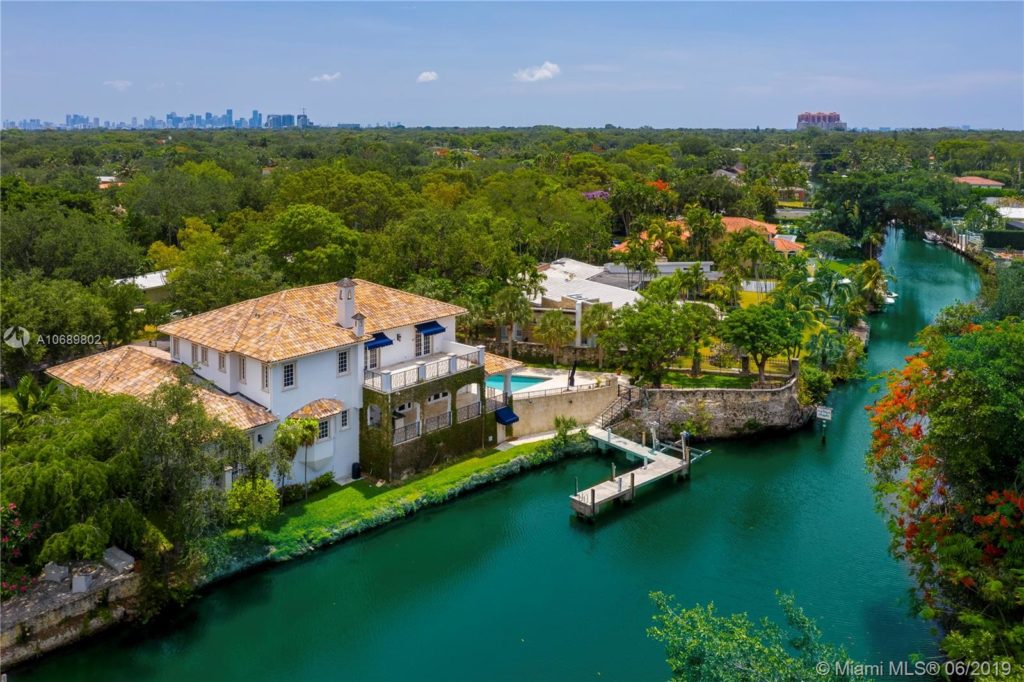
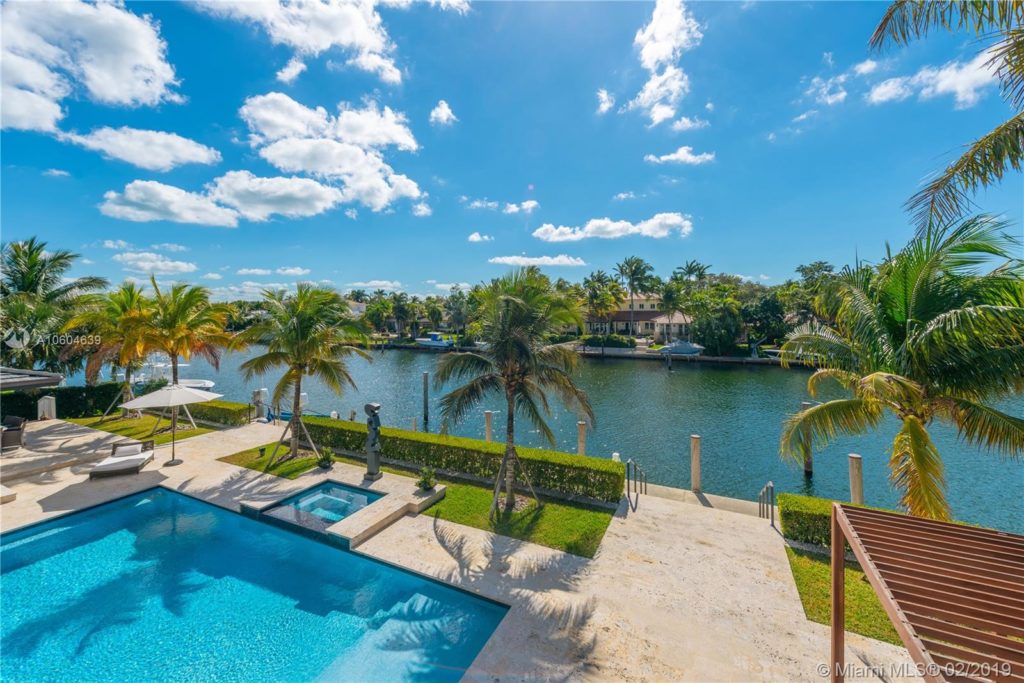
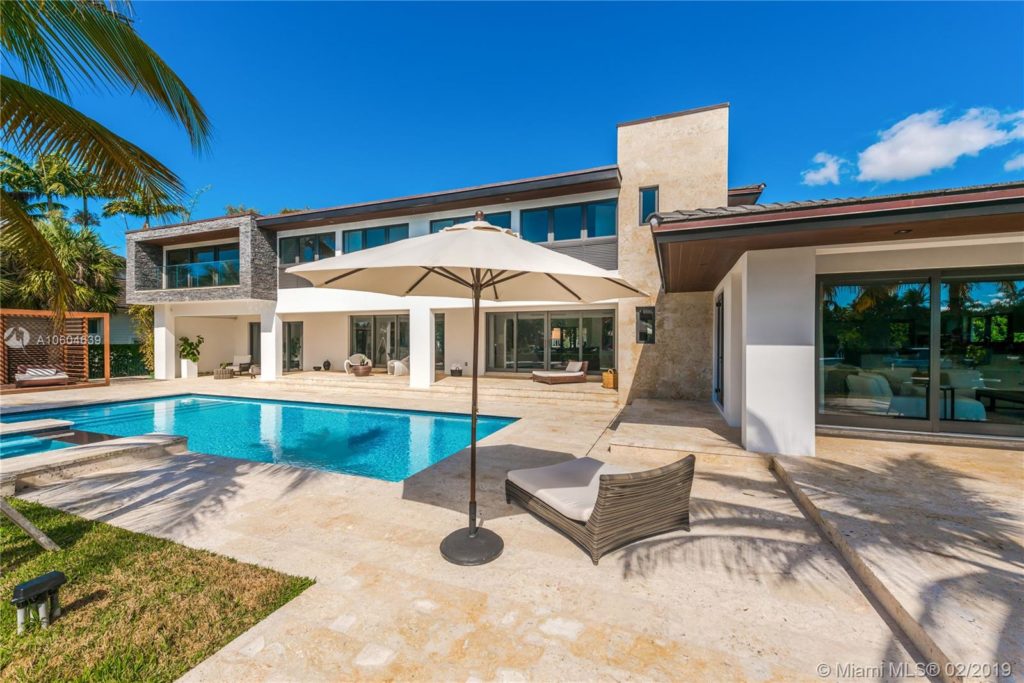
The number of waterfront home significantly rises now; 22 waterfront offerings currently exist at this price point. This is about a quarter of the product available on the market, but 13 sales in the last 6 months were waterfront, so in fact close to 50% of the sales were waterfront.

Working examples
Top Dollar per SF for a dry lot home was paid for 1549 San Rafael Ave. The David Siddons Group sold this property within 44 days for $661 per SF ($2.1M)
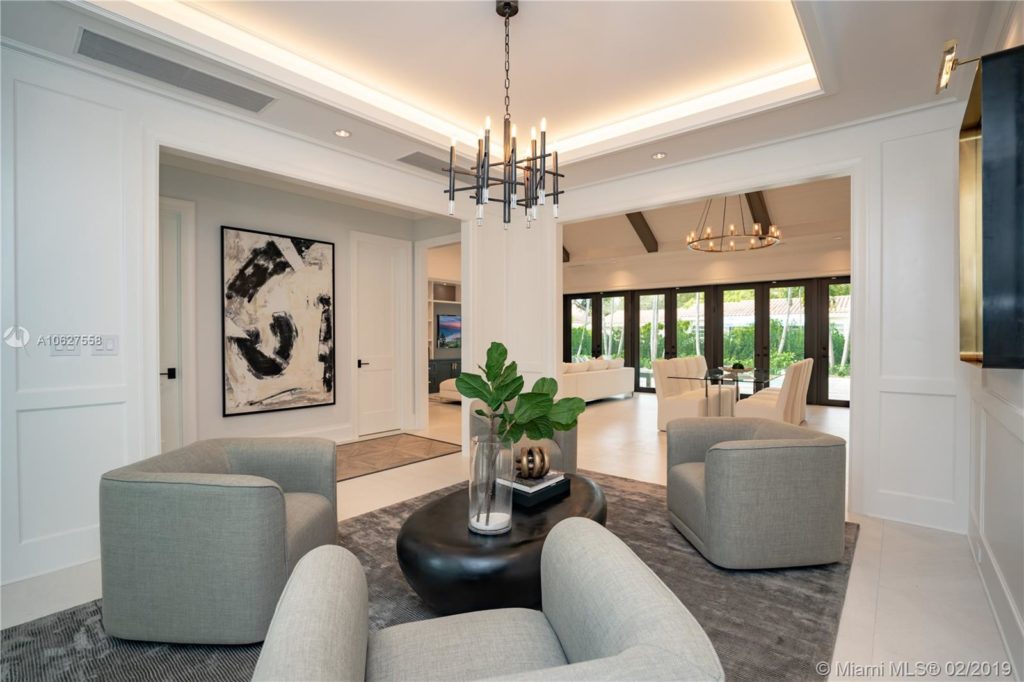
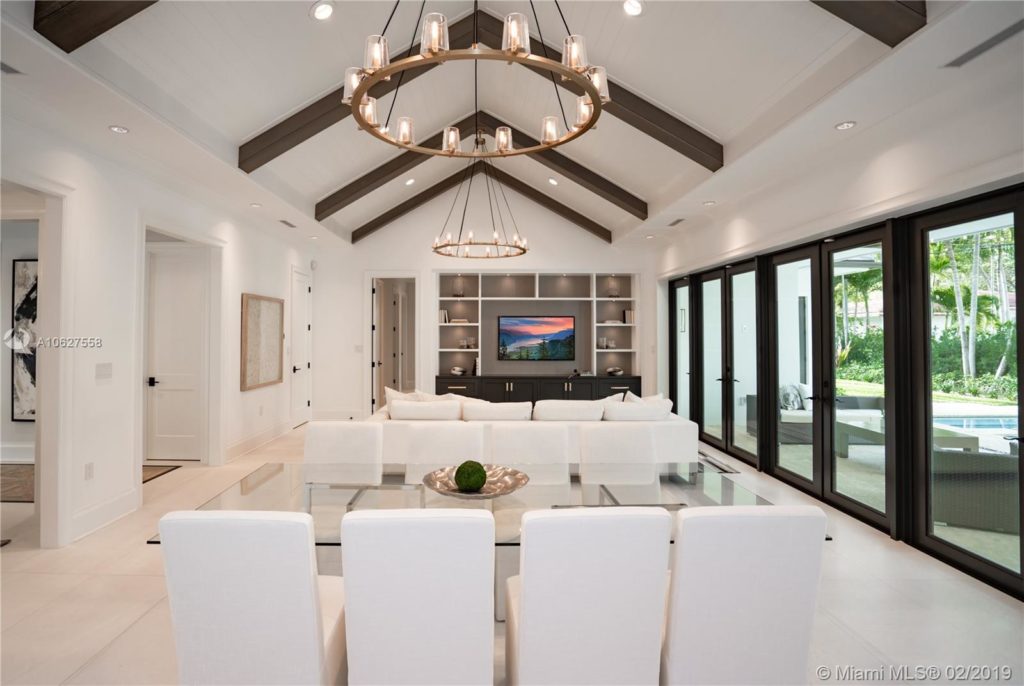
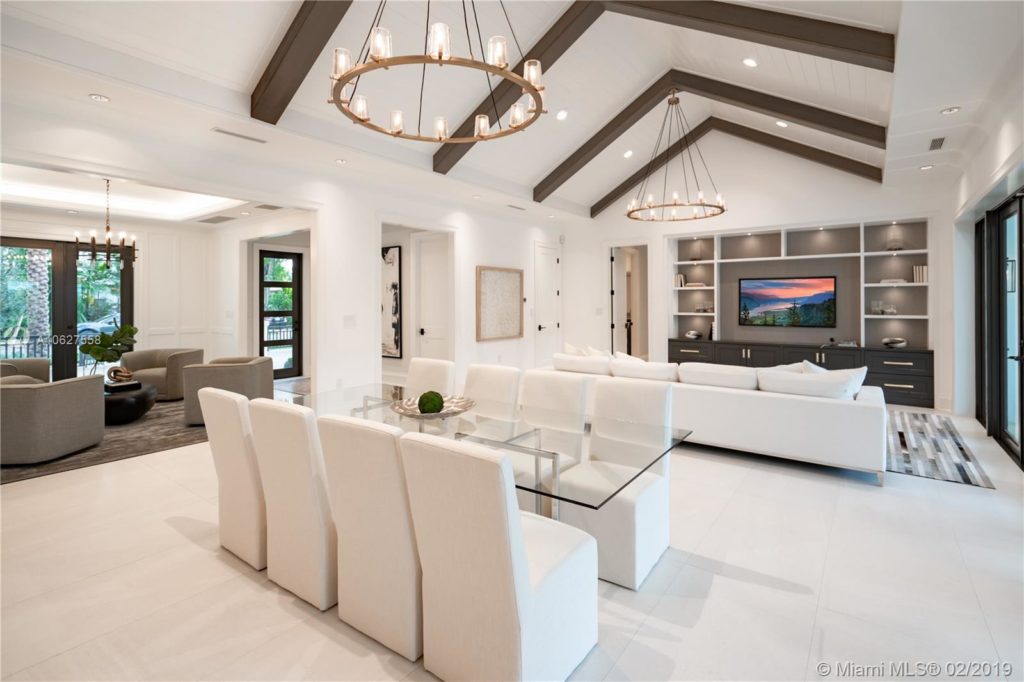
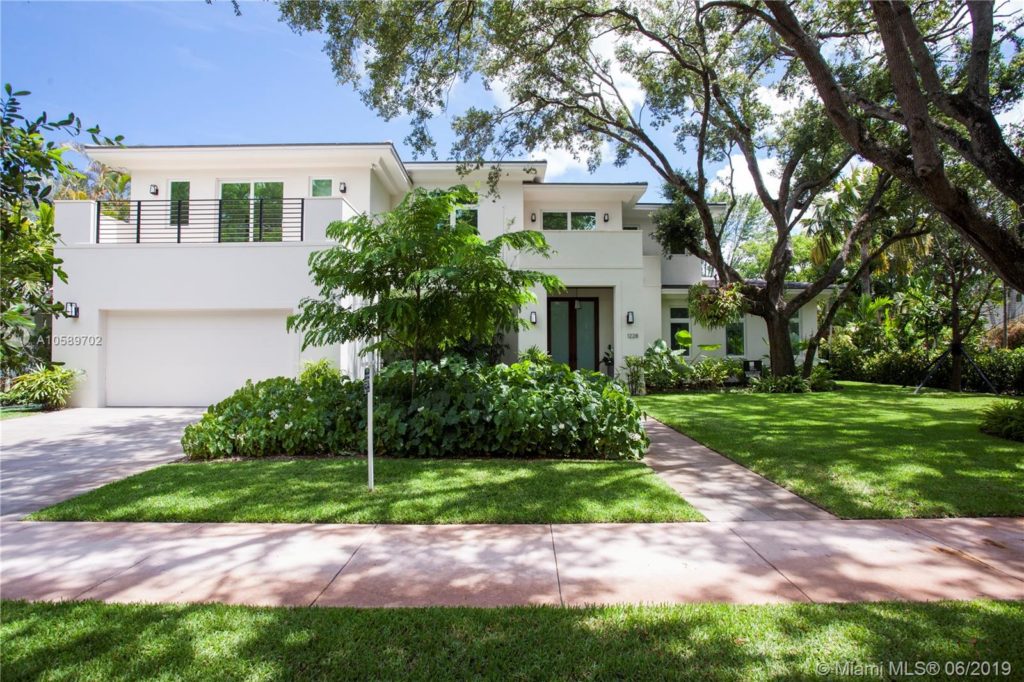
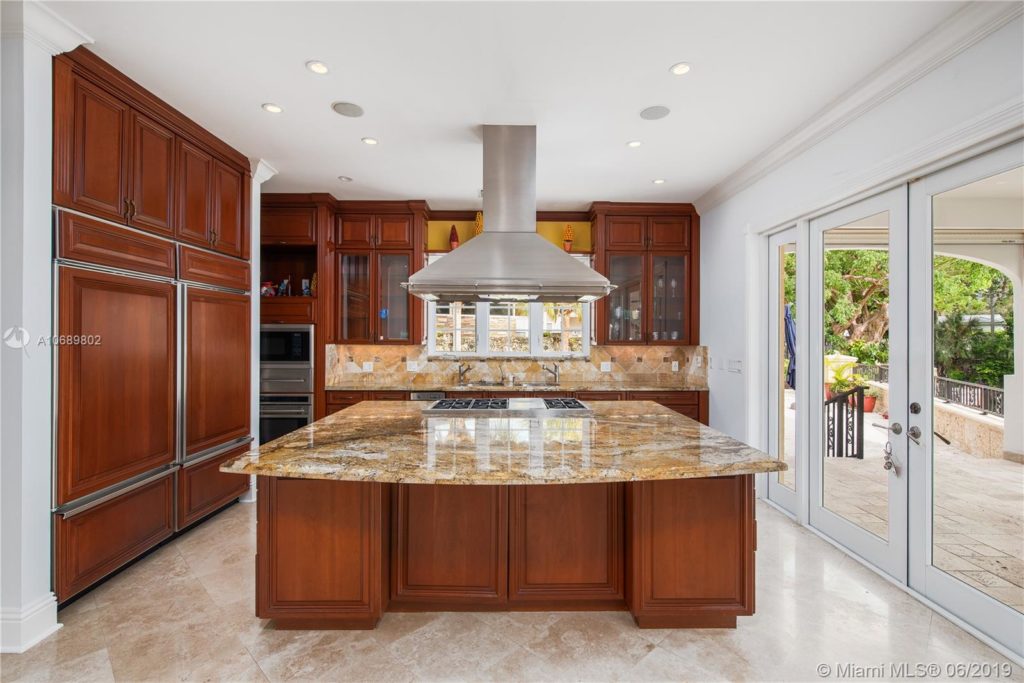
1228 Catalonia Ave, a more typical sale at this price point. This 5,200 SF (adjusted) home is a brand new construction on a 13,500 SF lot close to the Granada golf course and sold for $2,850,000 or $616 per SF
Observations in the Coral Gables Real Estate Market between $3M and $5M
Fast Facts
- 27.9 Months of Inventory
- An average of 244 Days on Market before being sold
- An average of 9.5% discount from sales price
- Average sales price is $690 per SF
- The Overall Neighborhood Health Score: 65
There were 17 sales in the $3M – $5M price range in the last 6 months; 12 of these 17 were waterfront homes. These homes focused mainly around Cocoplum and the Gables waterways East of Us1. You really get into gated communities at this price point. At this level we also notice that the Gables distinguishes itself from the Grove where homes are this level don’t really exist, because there really are not that many gated communities.
Market is softer than last year but not immeasurably so.

Working example
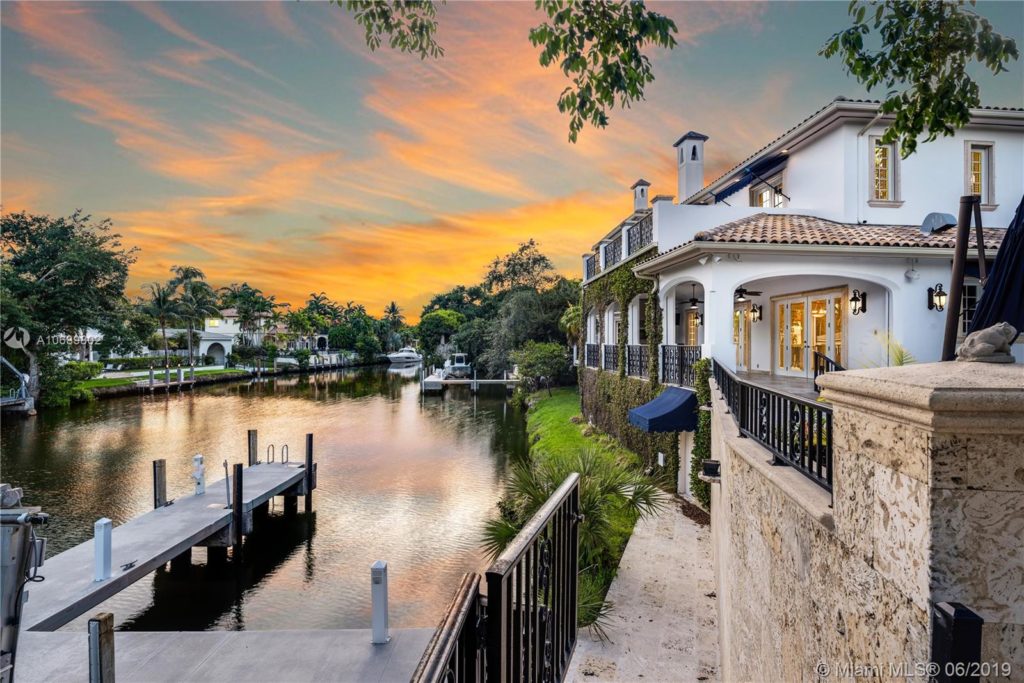
1224 Alfonso Ave is a good example of a sale at this price point: A 6,500 SF waterfront home on a 21,000 SF lot. This property sold for $3.9M or $653 per SF
Observations in the Coral Gables Real Estate Market of $5M+
Fast Facts
- $5M – $8M: 72 Months of Inventory
- $8M+: 39 Months of Inventory
- 5M – $8M: An average of 261 Days on Market before being sold
- 8M+: An average of 352 Days on Market before being sold
- 5M – $8M: An average of 14.3% discount from sales price
- 8M+: An average of 13.7% discount from sales price
- 5M – $8M: Average sales price is $859 per SF
- 8M+: Average sales price is $1,616 per SF
- The Overall Neighborhood Health Score: 44
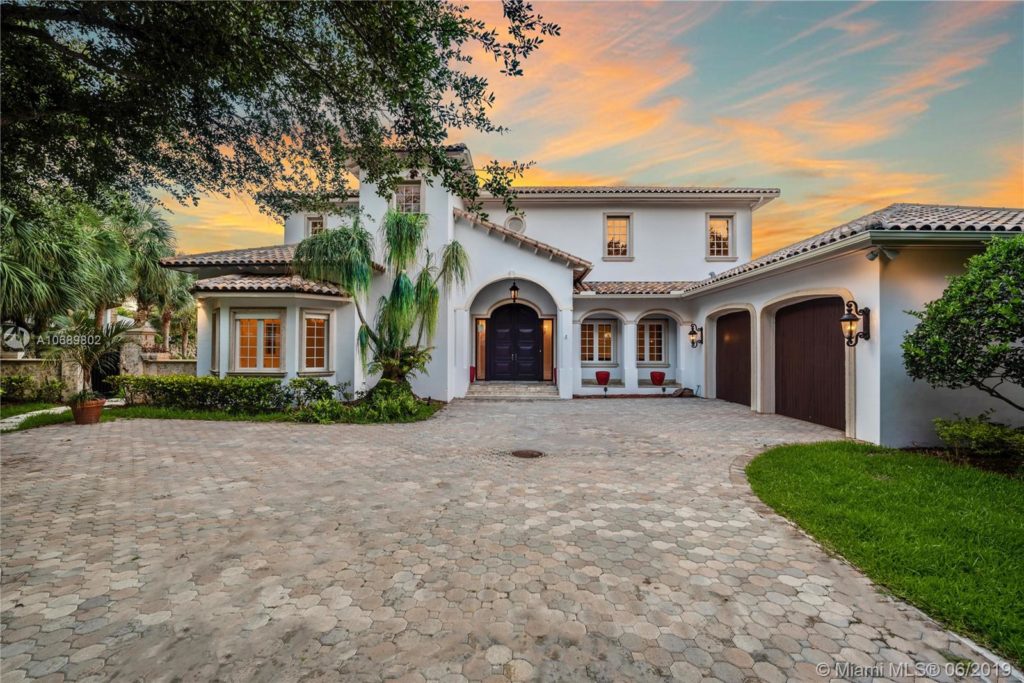
In the $5M+ market we saw 7 sales in the last 6 months and 39 current active listings. That is a high amount of listings for few sales. Almost all of the sales were located on waterfront lots (6 of the 7 sales) and all sales were located in gated communities.


Working example
500 Marquesa Drive in the Gated Community of Old Cutler Bay sold for $8,075,000 or $1,248 per SF
FAQ
These are the most commonly Miami Real Estate Related questions
What should relocation buyers know before buying real estate in Miami?
HOME BUYERS
Relocation buyers looking at homes in Miami should understand that choosing the right house is less about the property itself and more about location, schools, and long-term value. Many buyers make the mistake of focusing on price or finishes, while the real driver of value is the neighborhood and micro-location. Older homes often represent better value, but may also be part of a future redevelopment cycle. Newer homes command premiums, but don’t always sell faster if pricing is ahead of the market. Commute time, school access, and community dynamics are critical and often underestimated. The key is to evaluate homes not just as lifestyle purchases, but as long-term assets within a very localized market.
Sources:
https://luxlifemiamiblog.com/relocating-to-miami/
https://luxlifemiamiblog.com/relocating-to-miami-with-a-family/
CONDO BUYERS:
Relocation buyers should understand that Miami is a highly segmented, building-driven market, not a uniform one. Pricing can vary significantly between similar properties depending on building quality, layout, and financial health. Many buyers assume newer construction equals better investment, but that is often not the case. Factors like HOA fees, reserves, and rental policies can materially impact long-term value and liquidity. Negotiation opportunities often exist, especially in slower segments, but require precise market knowledge. The key is to evaluate micro-markets and individual buildings, not just neighborhoods or price per square foot.
Sources:
https://luxlifemiamiblog.com/miami-real-estate-market-report/
https://luxlifemiamiblog.com/new-construction-miami-guide/
What are the best areas for relocating families with children
For families relocating to Miami with young children, the most recommended neighborhoods are Coral Gables, Coconut Grove, and Pinecrest. Coral Gables offers the best balance of top schools, safety, and long-term value. Coconut Grove is ideal for younger families seeking walkability, greenery, and a lifestyle-driven environment. Pinecrest provides larger homes, excellent schools, and better value for space, making it ideal for growing families. The key driver across all three is access to strong schools and primary residential stability. Relocation decisions are less about new construction and more about long-term livability and resale strength.
Sources:
https://luxlifemiamiblog.com/best-neighborhoods-miami/
https://luxlifemiamiblog.com/what-are-the-best-family-neighborhoods-in-miami-in-2023/
Are new construction condos in Miami a good investment?
New construction condos in Miami can be a good investment—but only if you understand that not all buildings perform the same. According to the David Siddons Group, many buyers assume “new = better,” but in reality, performance depends on pricing, layout, building quality, and long-term demand. Some new developments set future price benchmarks and can drive long-term appreciation, especially in top-tier projects. However, many are priced aggressively at launch, and buyers relying on marketing instead of data often overpay.
The market is highly segmented, meaning two new buildings next to each other can perform very differently.
The best opportunities typically come from selecting the right building early or negotiating correctly in later phases.
In short: new construction is not automatically a good investment—it becomes one only with building-level analysis and disciplined entry pricing.
Sources:
https://luxlifemiamiblog.com/how-to-buy-a-luxury-condo-in-miami/
https://luxlifemiamiblog.com/category/independent-new-construction-condo-reviews/
https://luxlifemiamiblog.com/beyond-clickbait-real-insights-into-miamis-luxury-condo-market/
Why is buying a Miami condo riskier than buyers think?
Buying a Miami condo is often riskier than buyers expect because the true risks are at the building level—not visible in the listing price. Many buyers focus on finishes and views, while overlooking HOA reserves, insurance exposure, and potential special assessments. In reality, two identical units in different buildings can perform completely differently over time. Rising HOA fees and stricter regulations are also increasing the true cost of ownership, especially in older buildings. Liquidity can be affected by factors like financial health, rental policies, and ongoing repairs. The key risk is not the condo itself—but buying into the wrong building without proper due diligence.
Sources:
https://luxlifemiamiblog.com/how-to-buy-a-luxury-condo-in-miami/
https://luxlifemiamiblog.com/miami-condo-market-risks/
What are Miami's Safest Areas?
Which Miami Areas Still offer Great Value (Budget Friendly alternatives to Coral Gables and Pinecrest)
If you’re looking for better value than Coral Gables or Pinecrest, the answer (in true Siddons style) is not “go cheaper”—it’s go one layer outside the obvious markets.
The strongest value plays are:
- Schenley Park → closest substitute to Coral Gables at ~20% discount while maintaining similar character and location
- Biltmore Heights → almost identical feel to the Gables but ~25–30% cheaper on a $/SF basis
- Glenvar Heights → central location with larger lots and ~25% pricing advantage vs South Miami/Gables
- Baptist / Galloway (Kendall) → Pinecrest-style living (space, schools, land) at up to ~30% lower pricing
The pattern is consistent:
👉 Buyers are shifting west and slightly off-market to gain land, scale, and pricing efficiency. You don’t find value by going to a “cheaper neighborhood”—you find it by identifying adjacent micro-markets that offer the same lifestyle fundamentals without the brand premium.
Sources:
https://luxlifemiamiblog.com/best-value-neighborhoods-miami/
https://luxlifemiamiblog.com/category/miami-neighborhoods/
Is NOW a good time to buy in Miami?
Are Miami real estate prices going down in 2026?
No—but that’s the wrong way to look at it. Miami is not one market anymore, so prices are not moving in one direction. In 2026, the market is split into two: ultra-luxury, scarcity-driven areas (like waterfront and top-tier neighborhoods) are still holding or even rising, while mid-tier condos and oversupplied segments are flat or correcting. What we’re seeing is price divergence, not a crash—some properties are gaining value while others are quietly adjusting downward. Rising inventory and more selective buyers are putting pressure on pricing in certain segments, especially older condos or buildings with weaker fundamentals.
At the same time, global wealth and cash buyers continue to support pricing at the top end of the market. So the real answer: prices aren’t broadly dropping—they’re being repriced based on quality, location, and supply.
Should I buy a house or a condo when relocating to Miami?
The decision comes down to lifestyle first, investment second—and most relocation buyers get that backwards. If you want space, privacy, schools, and long-term family living, a single-family home in areas like Coral Gables or Coconut Grove is typically the stronger choice. If you prioritize walkability, low maintenance, and proximity to business districts, a condo in Brickell or waterfront markets makes more sense.
From an investment perspective, homes tend to be more stable, while condos are more building-dependent and cyclical. Most relocation clients underestimate how much building quality, HOA structure, and future costs impact condo performance. The right answer isn’t “house vs condo”—it’s which asset fits your lifestyle AND holds value within its micro-market.
How do I choose the right Miami neighborhood for my lifestyle?
Why are Miami condo prices so different between buildings?
Miami condo pricing varies widely because value is determined at the building level, not just by location. Two buildings next to each other can have major differences in financial health, reserves, HOA fees, and management quality. Buyers also pay premiums for better layouts, views, amenities, and newer construction—but not all “new” buildings perform equally. Factors like rental policies, upcoming assessments, and building reputation can significantly impact resale value. This is why price per square foot alone is misleading in Miami’s condo market. The real driver of value is how that specific building competes within its micro-market over time.
Sources:
https://luxlifemiamiblog.com/how-to-buy-a-luxury-condo-in-miami/
https://luxlifemiamiblog.com/category/independent-new-construction-condo-reviews/
WHY WORK WITH DAVID? THINGS YOU SHOULD KNOW...
For all our analytics we are agents driving some very unique and advanced tech. We Provide a granular and custom experience that empower our clients with the insight and tools to understand the most complex behaviors of any local markets.
-
Analytical
Over 100 reports produced to date
-
Knowledgeable
Over 1800 published articles and counting


Related Articles
The 5 Best Condos in Bal Harbour & Surfside 2026 (And 2 Condos to Avoid)
The Best Condos in Fort Lauderdale for 2026 — And 3 Condos to Avoid
The 5 Best Condos in Aventura 2026 (And 3 Condos to Avoid)
The Ritz-Carlton Residences Fort Lauderdale Beach: Why This Project Deserves a Serious Look in 2026
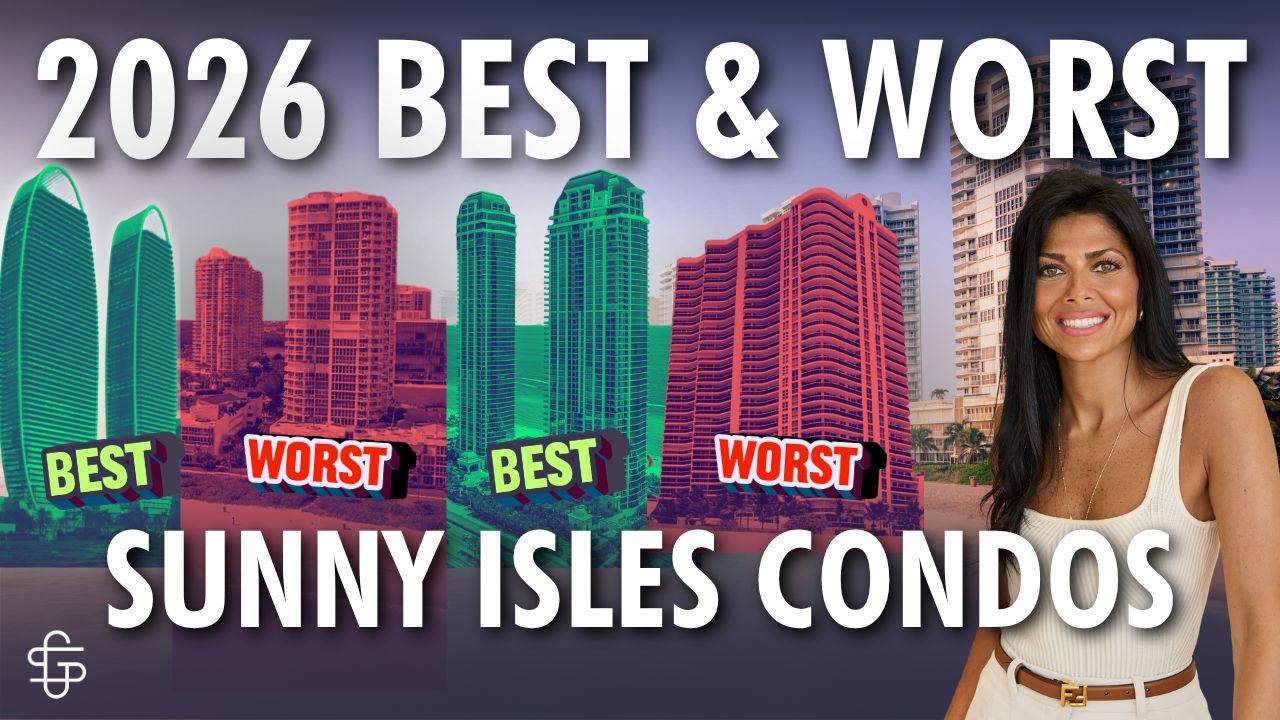
The 5 Best Condos in Sunny Isles Beach 2026 (And 3 to Avoid)

Pinecrest vs Palmetto Bay luxury real estate: Why Luxury Buyers Are Moving South
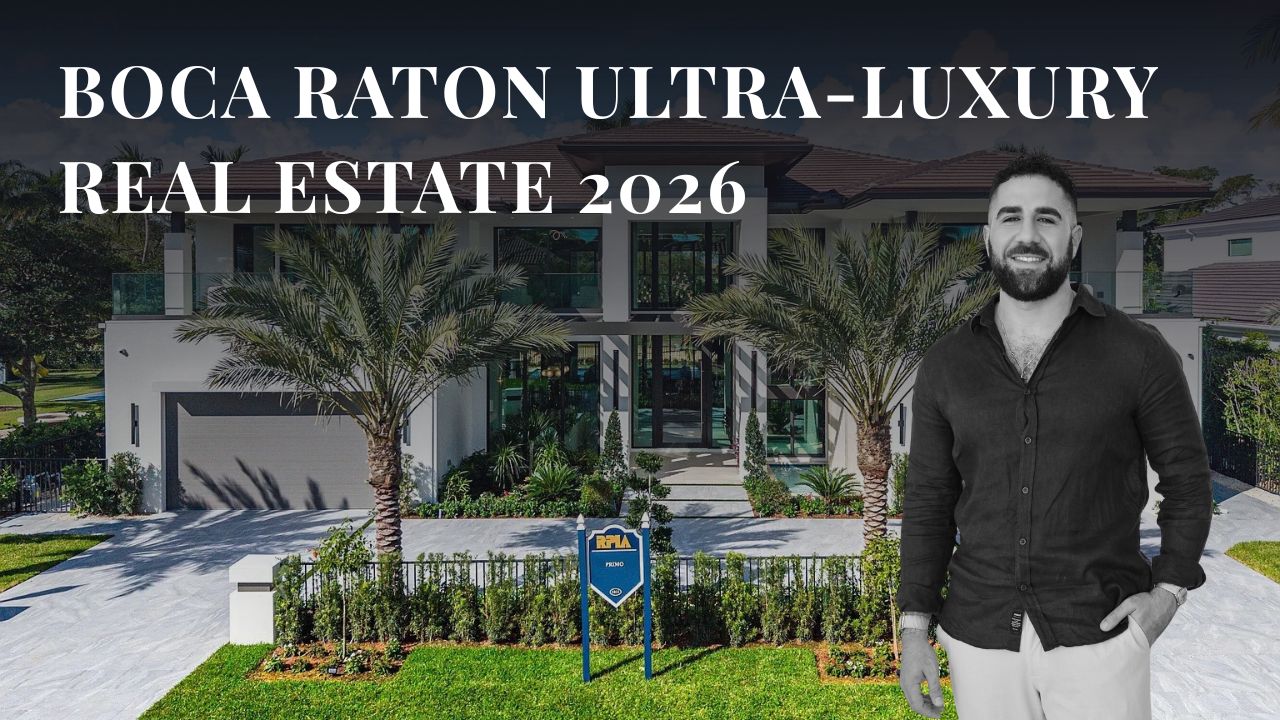
Boca Raton Ultra-Luxury Real Estate 2026: Why the Market Has Changed Forever
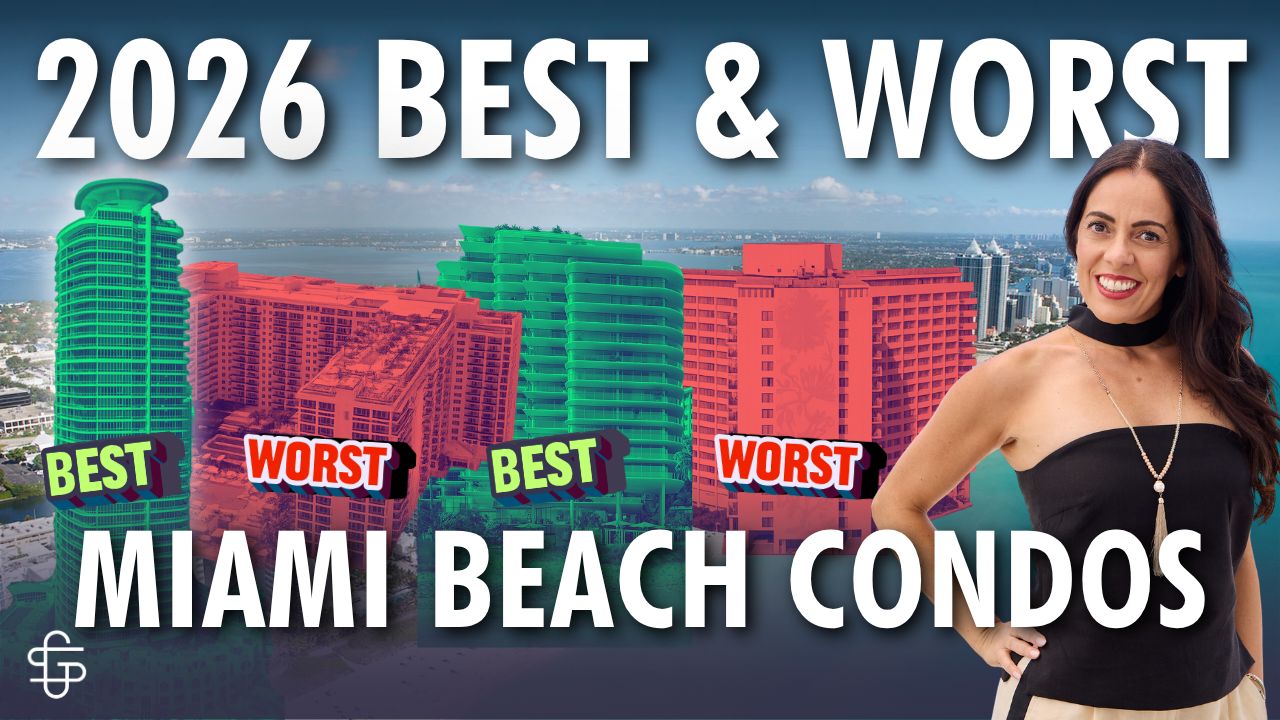
The 5 Best Condos in Miami Beach 2026 (And 3 Condos to Avoid)
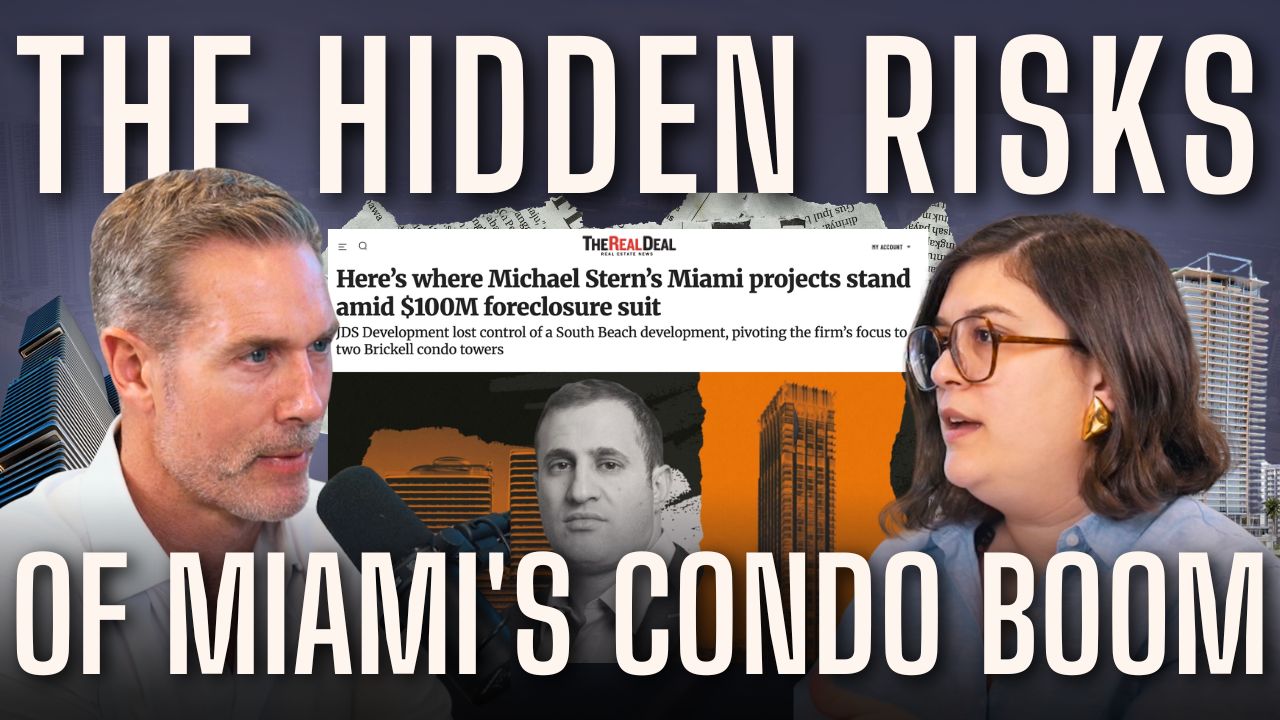
Miami’s New Construction Condo Boom Comes With Risks Most Buyers Never Ask About
Golden Beach Real Estate 2026: The True Economics of Miami’s Last Private Beach Community

Coconut Grove, Coral Gables or Pinecrest? Ten Things Every Family Buyer Must Know Before Choosing
New Construction Homes in Kendall, Miami
1250 West Avenue Miami Beach Moves Closer to Reality: A New Luxury Landmark for Miami Beach
Palmetto Bay Real Estate Market Report
Please fill in your details and David Siddons will contact you

Search related videos

Cocoplum Miami Mansion Tour | Inside 285 Costanera Rd, Coral Gables Cocoplum
Tour $15M Rare Miami Cocoplum Mansion Cocoplum
JUST LISTED. ✨ 5810 Maggiore St, Coral Gables, Miami Coral Gables
Discovering Coral Gables Miami: Insights Unveiled in 5 Minutes CoralGables
The Top 5 Waterfront Homes for Sale in Fort Lauderdale for #flibs CoralGables
Just Listed: 4801 SW 74 Ter, Ponce Davis (Miami) | A Large, Renovated home in a Gated Community CoralGables
Listed for Rent | A Waterfront Home on 5714 Riviera Dr in Coral Gables CoralGables
The 90-Day Miami Luxury Real Estate Report | Luxury Homes in Coral Gables, Coconut Grove, Pinecrest and Ponce Davis Coconut Grove
Inside Althea Row, the Newest Coral Gables Townhomes for Sale CoralGables
The Best Gated Waterfront Communities in Miami: Gables Estates and Old Cutler Bay CoralGables
1100 S Greenway Dr Coral Gables: A Fully Renovated Golf Course Estate in Miami Coral Gables
The Coral Gables Real Estate Market Report 2019 CoralGables


- Get our Newsletter
- Subscribe
- No Thanks
Get the latest news from Miami Real Estate News
Close
Edit Search
Close
2 of 14
Share this property
Recomend this to a friend, just enter their email below.
Close
Your email was sent successfully
Close
 COMPARE WITH CONDOGEEKS