




















- Best of All
- Best Miami Luxury Condos
- Most popular
- Relocating to Miami
- Private Schools
- Investments
- Gated communities
- Waterfront information
- Luxury homes
- Luxury Condos
- New Construction Condos in South Florida
- Independent Pre-Construction condo reviews for Miami
- Independent Pre-Construction condo reviews for Fort Lauderdale
Miami Real Estate Intelligence: Leveraging AI in a Shifting Market
In this episode of the Better Decisions podcast, David Siddons sits down with Jonathan Lickstein, President of the Broward, Palm Beaches & St. Lucie Realtors Association, for a timely conversation on how AI is reshaping the real estate landscape. This episode was sparked by a panel at the Master Brokers Forum, where Jonathan’s hands-on use of AI in real estate stood out—prompting David to rethink how much more AI could be leveraged.
With the market in flux—rising uncertainty, economic volatility, and shifting buyer sentiment—agents and clients alike are looking for better tools and sharper insights. AI is quickly becoming one of the most powerful ways to gain that edge. In this episode, you’ll hear how AI is already being used to make smarter real estate decisions, where the industry is falling behind, and how both individual agents and large associations are adapting to stay relevant in a fast-changing environment.
How AI Helps Us Share Real Estate Insights: We fed the video script into our AI tool, and it wrote this blog.
Using AI to Keep Up in a Market That Won’t Wait
In today’s uncertain market, real estate professionals need sharper tools and faster insights. AI is stepping in to meet that demand—streamlining compliance, speeding up lead responses, and helping agents deliver information instantly, just as consumers expect. While some agents have fully embraced AI and integrated it into their daily workflow, others are lagging. As Jonathan List explains, brokerages using AI effectively can scale dramatically without adding staff, freeing up time for what matters most: building client relationships.
AI Speed-to-Lead Is Powerful—But Where’s the Line?
Early adopters are already using AI to transform how they handle leads, integrating it directly into CRMs to trigger instant responses without any custom coding. These out-of-the-box AI tools now mimic human interaction so convincingly that prospects often don’t realize they’re speaking with a machine—and some even ask to meet the AI “agent” in person. The technology enables lightning-fast lead qualification, live transfers, and intelligent note-taking that sets up human agents to close deals more efficiently. But as these tools become indistinguishable from real people, questions arise: Where do we draw the ethical line? Is it right for an AI to have early conversations with a seller who may be risking their life savings? While AI can improve speed and efficiency, using it without transparency or empathy risks undermining the very trust our industry depends on.
AI in Real Estate: A Tool, Not a Replacement
As artificial intelligence becomes more sophisticated, the real estate industry is facing a critical moment: how do we use this powerful technology responsibly without losing sight of the human relationships at the heart of every transaction? Trust, empathy, and understanding are essential when helping clients make life-altering decisions—like selling their home, often their most significant asset. Using AI to assist, rather than replace, human interaction is key. Agents should establish clear boundaries for AI: it can help initiate conversations or organize data, but it shouldn’t advise clients on emotionally or financially sensitive matters. The responsibility still lies with the agent to guide, educate, and protect the client’s best interests.

Structure Brings Success — Not Chaos
One of the biggest issues in real estate today is agents trying to wear every hat. They become the marketer, the contract manager, the negotiator, and the admin — all at once. And the truth is, they drop the ball. Clients feel it when their calls go unanswered or when they keep receiving generic listings they could’ve found themselves. At our team, we’ve solved this by building out a structure that stays in its lane. Operations has a lane. Legal has a lane. Marketing and media — all with clear roles. This isn’t just about delegation; it’s about delivering safety, reliability, and professionalism. You’re not trusting a juggler. You’re trusting a team that’s built for precision.
AI Won’t Save You — But It Can Help You Scale
The rise of AI has led to a lot of noise. You hear agents bragging about being “AI-integrated” or automating everything — and it sounds impressive, until you realize automation without oversight is dangerous. Multitasking was never real to begin with — it’s task-switching, and the quality drops every time. AI can be a powerful tool to scale, freeing agents from repetitive tasks like follow-ups or status updates. But it doesn’t replace the human. Clients still want someone who can walk a property, understand investment value, and catch the nuance a machine won’t. Real AI success stories — like the $100M – generating agent in Portugal — aren’t about replacing agents. They’re about empowering them.

Ask Your Agent: “What Are You Actually Doing With AI?
One of the smartest questions you can ask a real estate agent today is: “What are you actually doing with AI?” It’s not just about trendy tech—it’s about speed, reach, and results. A good agent should be able to explain how they’re leveraging AI to create content faster, get your property in front of more eyes, and shift more of their time into what really matters: knowing your home and closing the deal. It’s about dominating digital visibility, not just dropping a listing on MLS and calling it a day. If your agent can’t clearly explain their AI strategy, keep asking.
Why Being “Googlable” Matters More Than Ever
Anyone can claim to be an expert, but only a few can back it up with years of content, data, and a visible digital footprint. After 14 years of writing real estate reports and producing thousands of hours of video, the real value lies in what’s actually published—and searchable. Being “Googlable” isn’t just a fun phrase—it means clients can verify your expertise, see how you think, and trust the process. The goal isn’t to drown in data, but to turn data into action: what to buy, when to sell, and where the opportunities really are.
Ask Better Questions, Get Better Results: How to Use AI Like a Real Estate Pro
The key to unlocking the full potential of tools like ChatGPT lies in asking the right questions—and that takes clarity and iteration. As a real estate agent, you won’t get the perfect answer on your first try. Instead, approach AI like a coach: tell it who you want it to be, what you’re trying to do, and how you want support. For example, say, “Act like my real estate coach. I’m in Boca Raton, trying to grow my buyer and seller network—how do I build my brand and get visible?” AI will respond, but your job is to keep refining—ask for details, step-by-step help, and examples that match your level of experience. But don’t stop there. Real value comes from taking action. AI can give you a personalized roadmap built from the best real estate minds online, but executing consistently is what separates top producers from the rest.

The Double-Edged Sword of AI and Content Creation
In the digital age, anyone can be a content creator, but the speed and accessibility of tools like YouTube and AI come with major risks. Unverified or poorly researched information often spreads quickly and widely, creating a cycle of misinformation. This becomes especially dangerous when content is built on already flawed sources, leading to a “propaganda machine” effect. While AI tools like ChatGPT can help distill complex reports and uncover insights efficiently, they should be used responsibly. Professionals must vet their sources, verify claims, and remain transparent about how conclusions are drawn. True expertise lies in understanding, interpreting, and questioning the data—not just generating content. The message is clear: content creation should prioritize critical thinking, research, and open dialogue. Don’t just trust someone because they publish quickly or sound confident. Pick up the phone. Ask hard questions. And if you’re using AI, use it to enhance real knowledge, not replace it.
Split Testing AI for Better Insights—and the Rising Threat of Deepfakes
To better understand human behavior and build rapport, you can use ChatGPT to analyze a person’s online presence—pulling data from platforms like LinkedIn, Instagram, and Facebook—and ask the AI to generate a profile as if you had known the person for five years. While not relying on specialized behavioral tools, Jonathan and his team are beginning to experiment with platforms like Crystal Knows and plan to A/B test results to determine which offers deeper insights. They emphasize the value of split testing—running identical queries through competing AI tools to evaluate performance based on outcomes like appointment rates, conversation quality, and CRM engagement. This method is also being applied to AI voice assistants, with leads routed randomly to different systems to assess which one produces better results. However, Jonathan also voices concern about the darker side of AI. With tools becoming more sophisticated, there’s an increased risk of scams, particularly in real estate, where deepfake voices and synthetic personas can mislead unsuspecting consumers. They stress the importance of verifying identities before sharing personal information, warning that AI’s potential for deception could have serious consequences if left unchecked.
The Real Threat of AI: Fake Experts and False Authority
Beyond the obvious threats of digital theft, data misuse, and corruption lies a more subtle danger in the AI era: the rise of false expertise. Tools like ChatGPT can make anyone appear highly intelligent or knowledgeable, and that illusion is already being exploited. The real estate world is seeing cold calls from people who sound polished and informed, but lack any real research or substance. What worries me most is how convincing these individuals can be—pretending they’ve done their homework when they haven’t. As a professional with a database of over 770,000 people and a real-time retargeting system, I’ve built years of trust and insight that simply can’t be faked. My value lies in genuine relationships, targeted outreach, and knowing exactly who I’m calling and why. When someone reaches out and actually knows who I am, it’s powerful—but when AI is used to fake that knowledge, it becomes dangerous. In the wrong hands, these tools can mislead, deceive, and dilute trust. The challenge ahead isn’t just using AI—it’s ensuring it’s used with integrity.
Final Takeaways
For agents and consumers alike, the takeaway is clear: AI is only as good as the person using it. The most effective real estate professionals will be those who understand how to train, prompt, and control these tools—using them to become more insightful, efficient, and prepared. Whether you’re an agent learning to adopt AI or a consumer choosing who to trust, understanding the technology—and how it’s being used—is critical. Done wrong, AI can compound mistakes. Done right, it can elevate the quality of service to new heights.
If you found this episode valuable, make sure to like, follow, and share it with others who want to ask better questions and make smarter moves in real estate and beyond. Have a question for us? We’re not here to claim all the answers, just to keep exploring the ones that matter most. Contact me at 305.508.0899 or schedule a meeting via the application below.
FAQ
These are the most commonly Miami Real Estate Related questions
What should relocation buyers know before buying real estate in Miami?
HOME BUYERS
Relocation buyers looking at homes in Miami should understand that choosing the right house is less about the property itself and more about location, schools, and long-term value. Many buyers make the mistake of focusing on price or finishes, while the real driver of value is the neighborhood and micro-location. Older homes often represent better value, but may also be part of a future redevelopment cycle. Newer homes command premiums, but don’t always sell faster if pricing is ahead of the market. Commute time, school access, and community dynamics are critical and often underestimated. The key is to evaluate homes not just as lifestyle purchases, but as long-term assets within a very localized market.
Sources:
https://luxlifemiamiblog.com/relocating-to-miami/
https://luxlifemiamiblog.com/relocating-to-miami-with-a-family/
CONDO BUYERS:
Relocation buyers should understand that Miami is a highly segmented, building-driven market, not a uniform one. Pricing can vary significantly between similar properties depending on building quality, layout, and financial health. Many buyers assume newer construction equals better investment, but that is often not the case. Factors like HOA fees, reserves, and rental policies can materially impact long-term value and liquidity. Negotiation opportunities often exist, especially in slower segments, but require precise market knowledge. The key is to evaluate micro-markets and individual buildings, not just neighborhoods or price per square foot.
Sources:
https://luxlifemiamiblog.com/miami-real-estate-market-report/
https://luxlifemiamiblog.com/new-construction-miami-guide/
What are the best areas for relocating families with children
For families relocating to Miami with young children, the most recommended neighborhoods are Coral Gables, Coconut Grove, and Pinecrest. Coral Gables offers the best balance of top schools, safety, and long-term value. Coconut Grove is ideal for younger families seeking walkability, greenery, and a lifestyle-driven environment. Pinecrest provides larger homes, excellent schools, and better value for space, making it ideal for growing families. The key driver across all three is access to strong schools and primary residential stability. Relocation decisions are less about new construction and more about long-term livability and resale strength.
Sources:
https://luxlifemiamiblog.com/best-neighborhoods-miami/
https://luxlifemiamiblog.com/what-are-the-best-family-neighborhoods-in-miami-in-2023/
Are new construction condos in Miami a good investment?
New construction condos in Miami can be a good investment—but only if you understand that not all buildings perform the same. According to the David Siddons Group, many buyers assume “new = better,” but in reality, performance depends on pricing, layout, building quality, and long-term demand. Some new developments set future price benchmarks and can drive long-term appreciation, especially in top-tier projects. However, many are priced aggressively at launch, and buyers relying on marketing instead of data often overpay.
The market is highly segmented, meaning two new buildings next to each other can perform very differently.
The best opportunities typically come from selecting the right building early or negotiating correctly in later phases.
In short: new construction is not automatically a good investment—it becomes one only with building-level analysis and disciplined entry pricing.
Sources:
https://luxlifemiamiblog.com/how-to-buy-a-luxury-condo-in-miami/
https://luxlifemiamiblog.com/category/independent-new-construction-condo-reviews/
https://luxlifemiamiblog.com/beyond-clickbait-real-insights-into-miamis-luxury-condo-market/
Why is buying a Miami condo riskier than buyers think?
Buying a Miami condo is often riskier than buyers expect because the true risks are at the building level—not visible in the listing price. Many buyers focus on finishes and views, while overlooking HOA reserves, insurance exposure, and potential special assessments. In reality, two identical units in different buildings can perform completely differently over time. Rising HOA fees and stricter regulations are also increasing the true cost of ownership, especially in older buildings. Liquidity can be affected by factors like financial health, rental policies, and ongoing repairs. The key risk is not the condo itself—but buying into the wrong building without proper due diligence.
Sources:
https://luxlifemiamiblog.com/how-to-buy-a-luxury-condo-in-miami/
https://luxlifemiamiblog.com/miami-condo-market-risks/
What are Miami's Safest Areas?
Which Miami Areas Still offer Great Value (Budget Friendly alternatives to Coral Gables and Pinecrest)
If you’re looking for better value than Coral Gables or Pinecrest, the answer (in true Siddons style) is not “go cheaper”—it’s go one layer outside the obvious markets.
The strongest value plays are:
- Schenley Park → closest substitute to Coral Gables at ~20% discount while maintaining similar character and location
- Biltmore Heights → almost identical feel to the Gables but ~25–30% cheaper on a $/SF basis
- Glenvar Heights → central location with larger lots and ~25% pricing advantage vs South Miami/Gables
- Baptist / Galloway (Kendall) → Pinecrest-style living (space, schools, land) at up to ~30% lower pricing
The pattern is consistent:
👉 Buyers are shifting west and slightly off-market to gain land, scale, and pricing efficiency. You don’t find value by going to a “cheaper neighborhood”—you find it by identifying adjacent micro-markets that offer the same lifestyle fundamentals without the brand premium.
Sources:
https://luxlifemiamiblog.com/best-value-neighborhoods-miami/
https://luxlifemiamiblog.com/category/miami-neighborhoods/
Is NOW a good time to buy in Miami?
Are Miami real estate prices going down in 2026?
No—but that’s the wrong way to look at it. Miami is not one market anymore, so prices are not moving in one direction. In 2026, the market is split into two: ultra-luxury, scarcity-driven areas (like waterfront and top-tier neighborhoods) are still holding or even rising, while mid-tier condos and oversupplied segments are flat or correcting. What we’re seeing is price divergence, not a crash—some properties are gaining value while others are quietly adjusting downward. Rising inventory and more selective buyers are putting pressure on pricing in certain segments, especially older condos or buildings with weaker fundamentals.
At the same time, global wealth and cash buyers continue to support pricing at the top end of the market. So the real answer: prices aren’t broadly dropping—they’re being repriced based on quality, location, and supply.
Should I buy a house or a condo when relocating to Miami?
The decision comes down to lifestyle first, investment second—and most relocation buyers get that backwards. If you want space, privacy, schools, and long-term family living, a single-family home in areas like Coral Gables or Coconut Grove is typically the stronger choice. If you prioritize walkability, low maintenance, and proximity to business districts, a condo in Brickell or waterfront markets makes more sense.
From an investment perspective, homes tend to be more stable, while condos are more building-dependent and cyclical. Most relocation clients underestimate how much building quality, HOA structure, and future costs impact condo performance. The right answer isn’t “house vs condo”—it’s which asset fits your lifestyle AND holds value within its micro-market.
How do I choose the right Miami neighborhood for my lifestyle?
Why are Miami condo prices so different between buildings?
Miami condo pricing varies widely because value is determined at the building level, not just by location. Two buildings next to each other can have major differences in financial health, reserves, HOA fees, and management quality. Buyers also pay premiums for better layouts, views, amenities, and newer construction—but not all “new” buildings perform equally. Factors like rental policies, upcoming assessments, and building reputation can significantly impact resale value. This is why price per square foot alone is misleading in Miami’s condo market. The real driver of value is how that specific building competes within its micro-market over time.
Sources:
https://luxlifemiamiblog.com/how-to-buy-a-luxury-condo-in-miami/
https://luxlifemiamiblog.com/category/independent-new-construction-condo-reviews/
WHY WORK WITH DAVID? THINGS YOU SHOULD KNOW...
For all our analytics we are agents driving some very unique and advanced tech. We Provide a granular and custom experience that empower our clients with the insight and tools to understand the most complex behaviors of any local markets.
-
Analytical
Over 100 reports produced to date
-
Knowledgeable
Over 1800 published articles and counting


Related Articles

Selling a Home in Pinecrest: Why Some Homes Sell for $1,500/SF and Others Sit

The 5 Best Luxury Streets in Miami’s Gated Communities

The Real Estate Team Behind the Agent: Why Systems Matter More Than Star Power

We Built the Largest YouTube Audience of Any Miami Real Estate Team.

Empty Nesters in Miami: What Comes After the Big Family Home?

Palmetto Bay Has Almost No Inventory. So Why Are Homes Still Sitting?
The Decisions That Set Your Miami Condo’s Price, Years Before You Ever See It

Coconut Grove’s Best New Penthouse for Sale in 2026: The Well Penthouses Explained

Which Schools Serve Palmetto Bay? A Guide to Public School Boundaries

Beyond the Developer Finish

Ritz-Carlton Residences Pompano Beach Resale: The Opportunity After Closing

Kendall Real Estate vs. Coral Gables Real Estate: More Land, More House, Same Budget
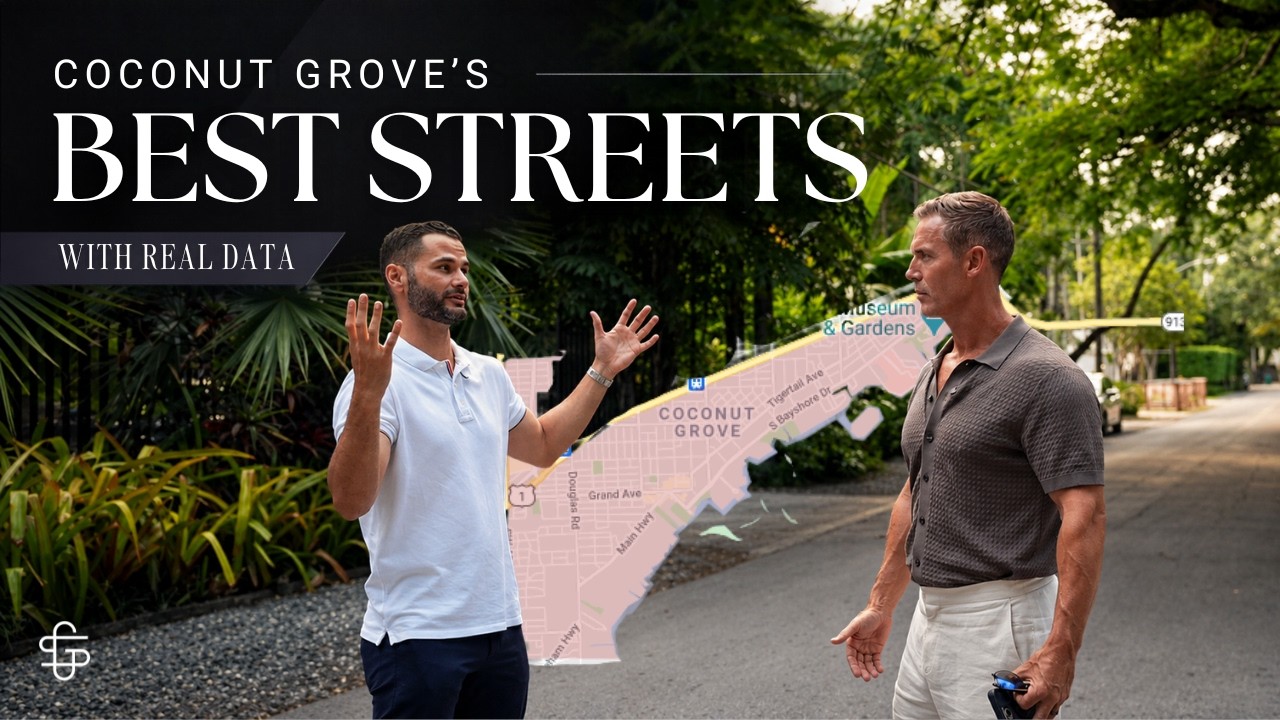
The 5 Best Streets in Coconut Grove: A Buyer’s Guide from the Agents Who Sell Them
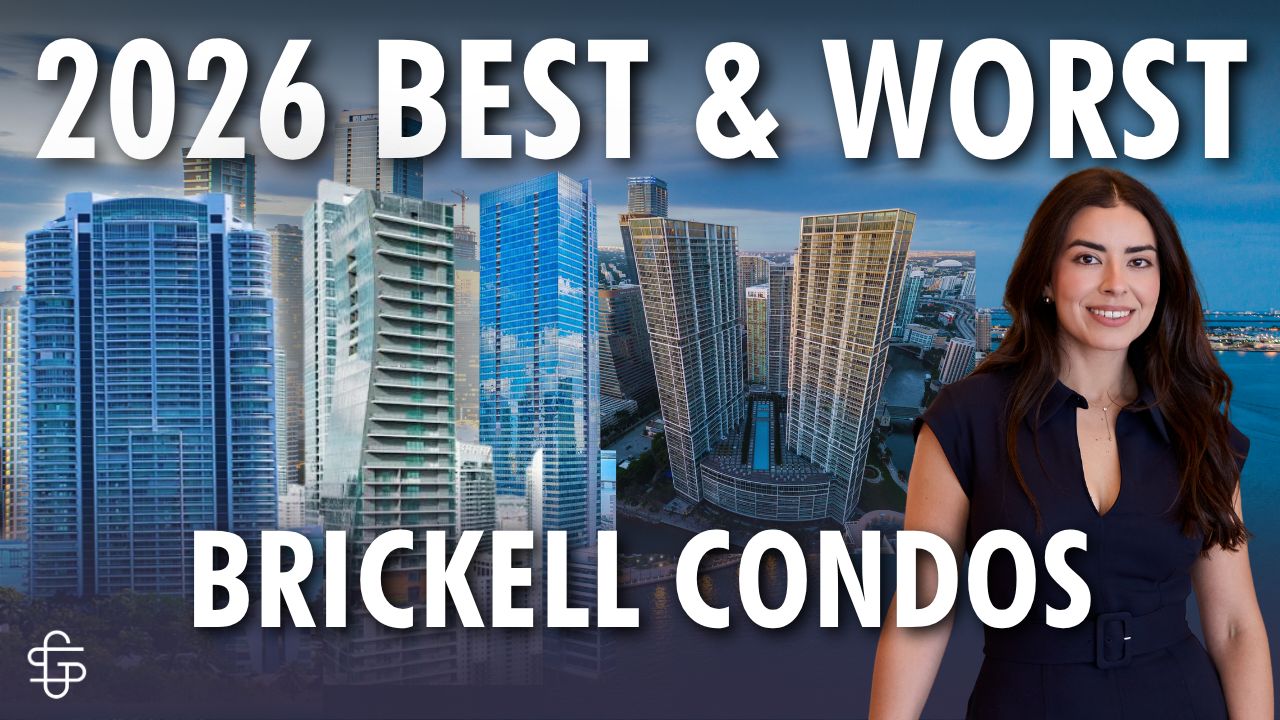
The 5 Best Condos in Brickell 2026 (And 3 Condos to Avoid)
Please fill in your details and David Siddons will contact you

Search related videos

Are St. Regis Sunny Isles Residences Worth the Brand Premium?
Coral Gables Market Report 2025: What the Headlines Aren’t Telling You!
How David Siddons’ Power Team Drives Miami’s Luxury Market
Mid‑Year 2025 Coconut Grove Report: The Truth About What’s Selling Now
Brickell Mid‑Year Market Report 2025 | Is Brickell’s Luxury Market in Trouble?
Pinecrest Mid-Year Market Report 2025 | What’s Selling, What’s Sitting & Why
Miami Beach Condo Market Mid-Year Report 2025 | What Buyers & Sellers Need to Know
How to Lose $1M in The Miami Condo market | Top Mistakes That Cost Miami Condo Buyers Millions
The Well Project EXPOSED Coconut Grove’s Hottest Units
Miami Real Estate in 2025 Is NOT What You Think 😱 | Midyear Must Knows for Buyers & Sellers!
7 Things You Should Never Say to a Real Estate Agent in Miami!
Landmark Victoria Park Residence in Fort Lauderdale: Inside 420 NE 11th Ave 🌴✨
Luxury Living on 2355 S. Miami Ave | Fully Furnished 4-Bed Home w/ Resort-Style Pool 🏊
Is Mandarin Oriental Residences Miami a Smart Condo Investment? Prices, Floorplans, Views & Finishes


- Get our Newsletter
- Subscribe
- No Thanks
Get the latest news from Miami Real Estate News
Close
Edit Search
Close
2 of 14
Share this property
Recomend this to a friend, just enter their email below.
Close
Your email was sent successfully
Close
 COMPARE WITH CONDOGEEKS