















- Best of All
- Best Miami Luxury Condos
- Most popular
- Relocating to Miami
- Private Schools
- Investments
- Gated communities
- Waterfront information
- Luxury homes
- Luxury Condos
- New Construction Condos in South Florida
- Independent Pre-Construction condo reviews for Miami
- Independent Pre-Construction condo reviews for Fort Lauderdale
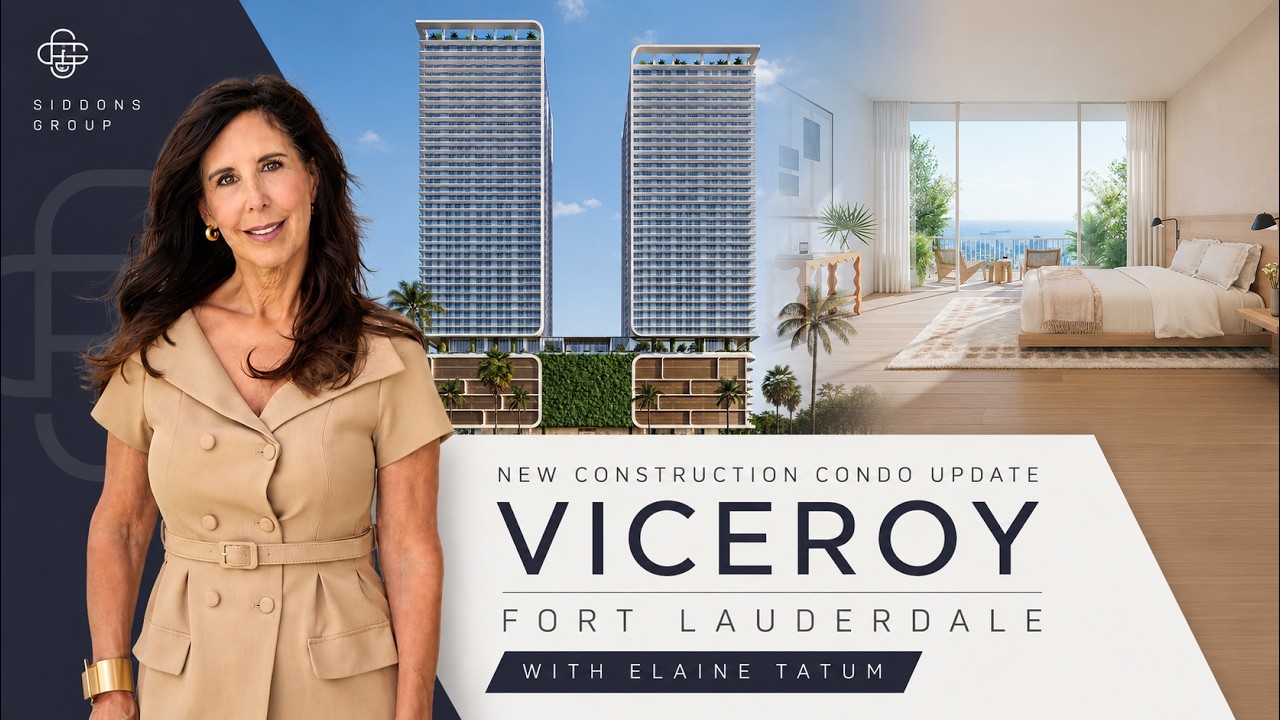
Viceroy Fort Lauderdale Residences: What No One Else Is Telling Buyers
There is a lot of new construction coming out of Fort Lauderdale right now, and most of it checks the expected boxes: good location, rooftop pool, name-brand appliances, some version of a fitness center. That’s the baseline. What I’m always asking on behalf of my buyers is: what makes this project different from everything else at this price point, and will that difference hold up over time?
Viceroy Residences Fort Lauderdale has a clear answer to both of those questions. And the reasons go deeper than the marketing materials suggest, which is exactly why I want to walk through this in detail.
What Actually Differentiates Viceroy
Let me start with the structure of the development, because this is where Viceroy makes a decision that most projects don’t. The second tower — originally slated as a rental component — has been pivoted entirely to private ownership. That is not a small adjustment. In any luxury building, the ownership mix is one of the most important factors in long-term value and residential quality. A tower full of renters operates differently than one composed entirely of owners. Shared amenities feel different. Common areas look different. The baseline standard for the building’s upkeep and culture is fundamentally different.
Viceroy’s decision to go all-private across both towers creates a residential environment that is meaningfully more cohesive and more exclusive than what most competing projects can offer. And they’ve taken it a step further by separating the amenity programs between the two towers. That’s smart design for a development of this scale. Instead of funneling a thousand residents toward one overcrowded amenity deck, each tower gets a dedicated, curated lifestyle experience. That’s how you actually deliver luxury at scale — not by building more square footage, but by right-sizing the experience for the people using it.
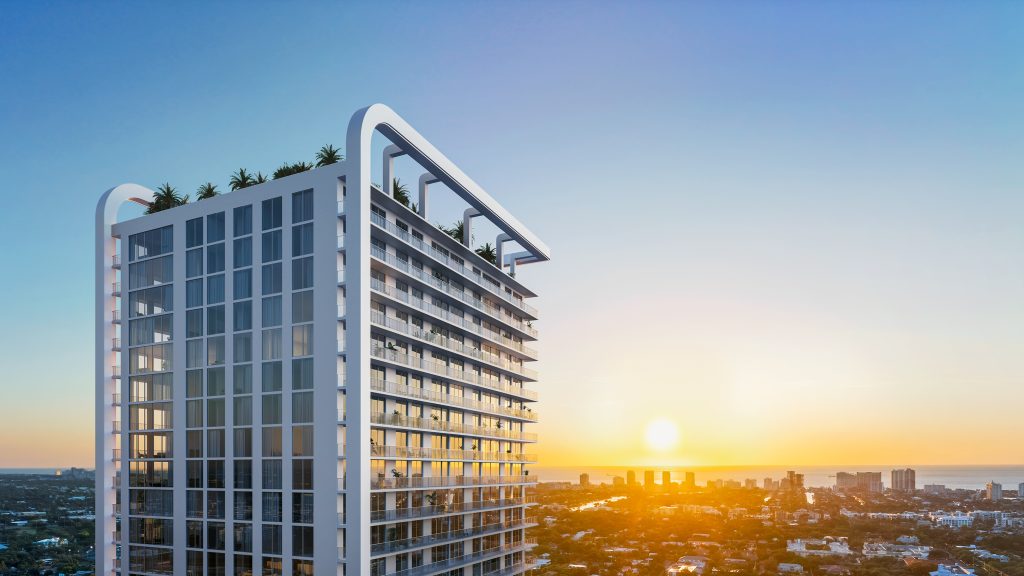
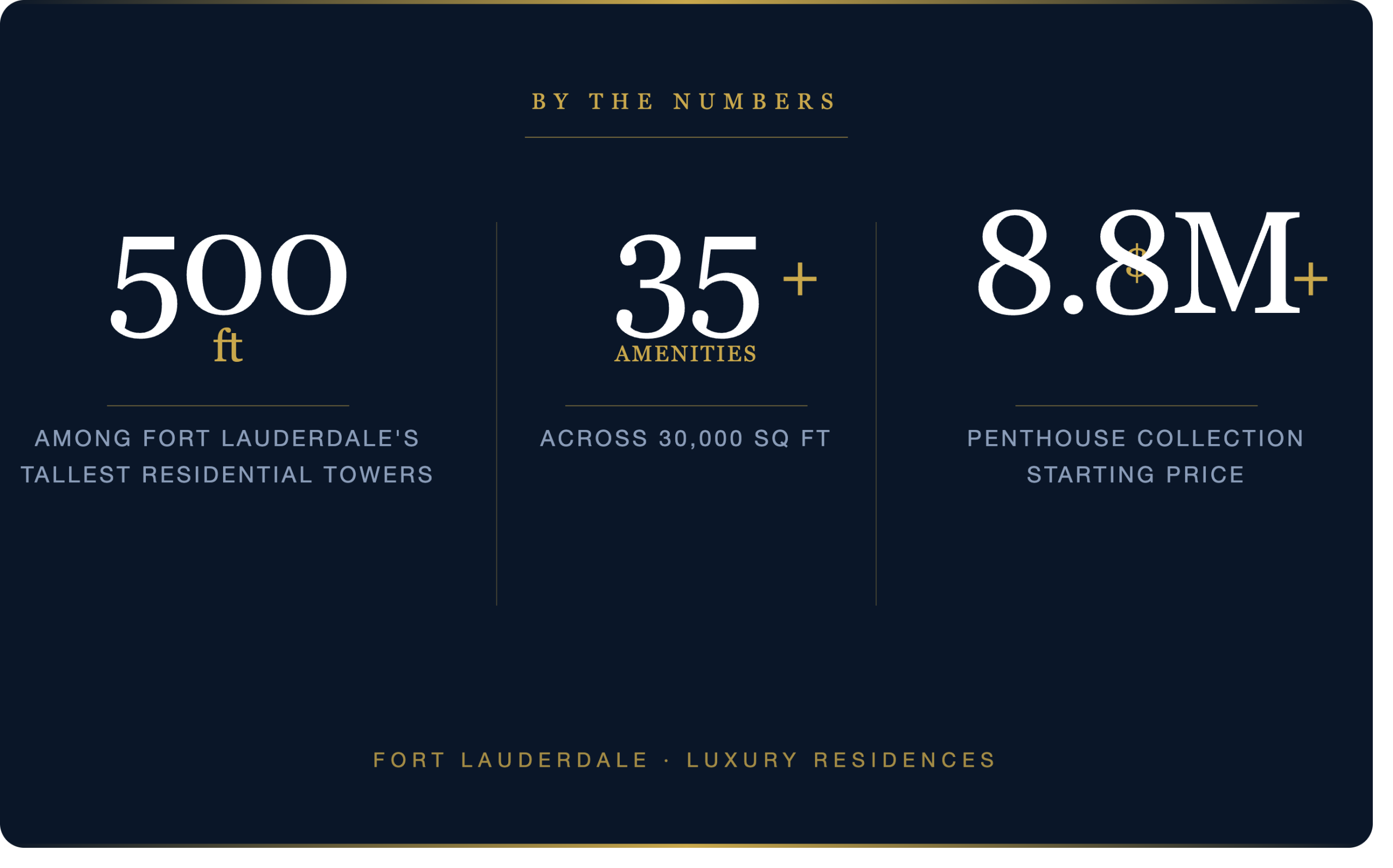
The building itself rises to 500 feet, placing it among the tallest residential towers in Fort Lauderdale’s rapidly evolving skyline. Architecture by Arquitectonica, interiors by the Rockwell Group, landscaping by EDSA. These are not default choices; they’re deliberate collaborations between firms with global track records in high-end residential design. The exterior accents and nautical design language speak directly to Fort Lauderdale’s sailing and waterfront identity without being literal about it.
The Hospitality Layer That Changes Everything
The Viceroy brand is the engine here, and it’s worth understanding what that actually means. Viceroy Hotels & Resorts has spent more than three decades building a global reputation around luxury hospitality and service — with properties that have earned Michelin Key recognition. When that operational DNA gets embedded into a residential building, it shows up everywhere: in how the lobby is managed, how staff are trained, how service requests are handled, and how the building is maintained over time. For buyers comparing branded residences, that pedigree matters.
But the hospitality story at Viceroy Fort Lauderdale goes well beyond the brand itself. The h.wood Group — the Los Angeles-based hospitality company behind venues like Delilah, The Nice Guy, and Harriet’s — is bringing a 15,000-square-foot concept spanning two distinct experiences under one roof. The street-level restaurant is open to the public, designed as an all-day and evening destination built around elevated cuisine, craft cocktails, live music, and the kind of social energy that makes a room feel like the place to be. Adjacent to it — and operating on an entirely separate level — is the private members club: its own menu, dedicated lounge areas, and programming that doesn’t overlap with what’s available to walk-in guests. Two experiences, one address, a clear separation between them.
Viceroy residents receive automatic membership to the private club as part of ownership, which means the most exclusive part of this concept is simply built into the lifestyle of living here. They also gain access to The h.wood Group’s Rolodex membership program — an application-based network offering priority reservations, member-only events, tastings, and curated experiences across all h.wood venues nationwide. That’s not a local dining perk. That’s a national hospitality key attached to your Fort Lauderdale address. For buyers evaluating the social infrastructure of this building against anything else in the market right now, there is no direct comparison in Fort Lauderdale.
H.Wood Restaurant & Members Club: 15,000 sq ft with two distinct concepts: a publicly accessible restaurant serving elevated cuisine and cocktails, and a separate private members club with its own menu, dedicated lounges, and curated member-only programming.
Viceroy Brand Services: Owners receive discounted room rates (up to 20% off published rates, varying by season), complimentary room upgrades, and 20% off spa treatments at Viceroy properties worldwide — all accessible via a dedicated booking code through the concierge.
Full-Service Concierge: Personal shopping, dry cleaning, pharmacy delivery, grocery, catering, event planning, pet care, and plant care — all coordinated through one on-site point of contact.
Cultural Programming: Privileged access to local sporting events, behind-the-scenes exhibitions, fashion events, and a curated social calendar with quarterly activations for residents.
The Beach Experience: More Than a Walk to the Sand
Fort Lauderdale has some of the most beautiful coastline in South Florida, and for buyers choosing between this market and Miami, the beach story is often the deciding factor. The question I always ask is: does owning here actually give you meaningful beach access, or is the beach just nearby?
At Viceroy, the answer is concrete. Owners receive exclusive access to a private reserved area of the Fort Lauderdale beachfront — a dedicated setup complete with umbrellas and chairs arranged specifically for residents, all coordinated through the Viceroy concierge. This isn’t a general suggestion to head to the beach. This is a service that transforms the beach from an amenity in the neighborhood into an extension of your home.
That distinction is important, especially for buyers coming from markets like Miami Beach or the Hamptons where private beach access is expected at this price level. The ability to have someone confirm your setup, arrive to a reserved spot, and have service available without the logistics of a public beach is exactly what turns coastal access into coastal living.
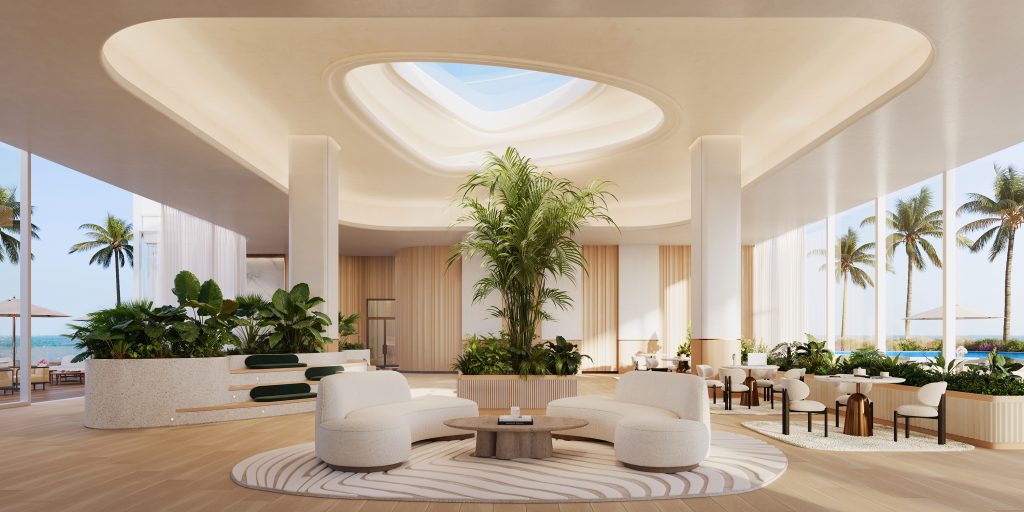
And the beach story layers on top of what’s already inside the building. Viceroy’s two pool decks — including a residents-only pool separate from the resort-style pool — are designed with full-service pool attendants, private cabanas, chaise seating, whirlpools, alfresco dining, and a rooftop sky lounge on the 46th floor. The indoor-outdoor experience here runs from sunrise to sunset, from the building’s own pools to the Atlantic Ocean a short drive away.
Wellness That Goes Beyond the Building
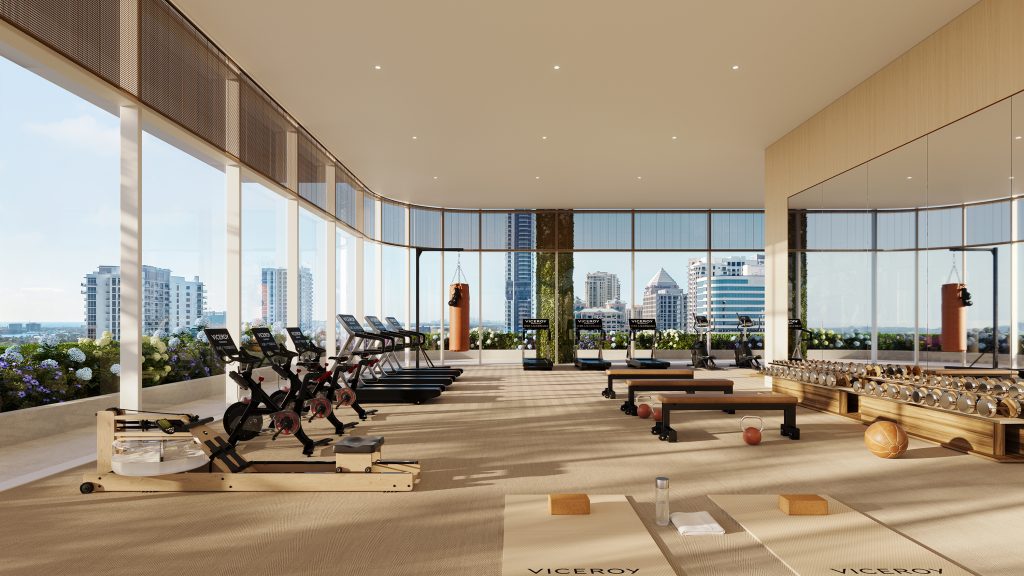
Wellness has become one of the most competitive differentiators in the luxury market, and Viceroy approaches it seriously. Inside the building: a full fitness center with cardio, weights, yoga, boxing, and a dedicated boxing studio. A spa program including a juice bar, sauna, steam rooms, private treatment suites for scheduled massage and body treatments, and cold plunge therapy. A yoga studio with natural light and city views. This is not the standard gym and steam room that every building in Fort Lauderdale claims to have — it’s a complete wellness infrastructure.
But the most compelling wellness story at Viceroy actually lives outside the building. The first 200 buyers receive a one-year social membership to The Fort — widely recognized as the largest pickleball facility in the world. The Fort features 43 courts, including covered professional courts, and is the world’s first purpose-built pickleball stadium. The venue includes dining, event programming, and social experiences that have made it one of the most talked-about destinations in South Florida. This is the kind of lifestyle partnership that money can’t retroactively add to a building once it’s sold out.
READY TO GO DEEPER?
Before you make a move, talk to someone who knows every floor, every deal, and every detail.
No pressure. No pitch. Just a real conversation about whether Viceroy is the right fit for your strategy.
When Soccer Royalty Comes to Viceroy
If you needed an outside signal that Fort Lauderdale’s luxury market has arrived — not emerging, arrived — the Roberto Carlos purchase provides it clearly. The former Real Madrid defender and Brazilian national team icon recently acquired two condos at Viceroy Residences Fort Lauderdale, spending approximately $5 million combined on a two-bedroom and a three-bedroom unit, both on high floors with panoramic views across the Intracoastal and the Atlantic. He’s planning to design the interiors himself.
Carlos is one of the most decorated names in global soccer — three Champions League titles, four La Liga championships, and a 2002 World Cup winner. He is currently serving as a FIFA 2026 World Cup ambassador, and his interest in Fort Lauderdale is long-standing. These are, as far as public records show, his first known property holdings in the United States.
He said publicly that he was drawn to the project immediately — to its design, energy, and lifestyle positioning — and that it felt like the right fit for the way he wants to experience South Florida. That’s not a celebrity endorsement. That’s a buyer who evaluated the product and chose it, and who is now joining a roster of soccer royalty with roots in this market alongside Lionel Messi and David Beckham. Buyers who are tracking the global luxury conversation will notice where those names are investing.
It also reflects something real about the demographic shift happening in Fort Lauderdale. This city is attracting international wealth — buyers who could be in London, Dubai, or New York, and are choosing South Florida because of what it now offers at a relative value point compared to those markets. Roberto Carlos choosing Viceroy over Miami is meaningful. Fort Lauderdale is in the conversation.
The Penthouse Collection: Ultra-Luxury at the Crown
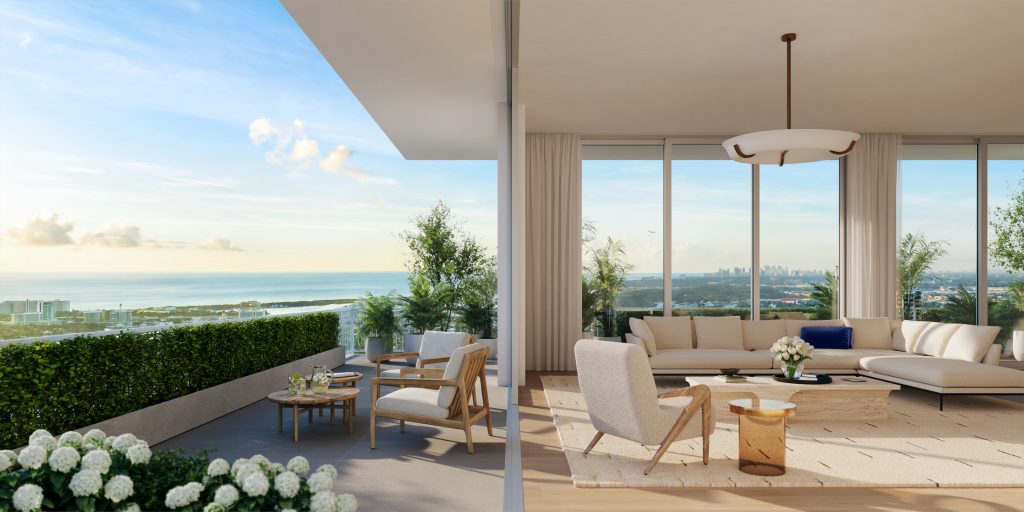
For buyers operating at the highest price point, the Penthouse Collection at Viceroy deserves its own conversation. Two residences crown the 500-foot tower, each with over 4,000 square feet of interior living space, four bedrooms, five full bathrooms, a powder room, and private elevator access that opens directly into the home. Designed by the Rockwell Group, the residences are built around volume, natural light, and a relationship to the horizon that few properties anywhere in Fort Lauderdale can match.
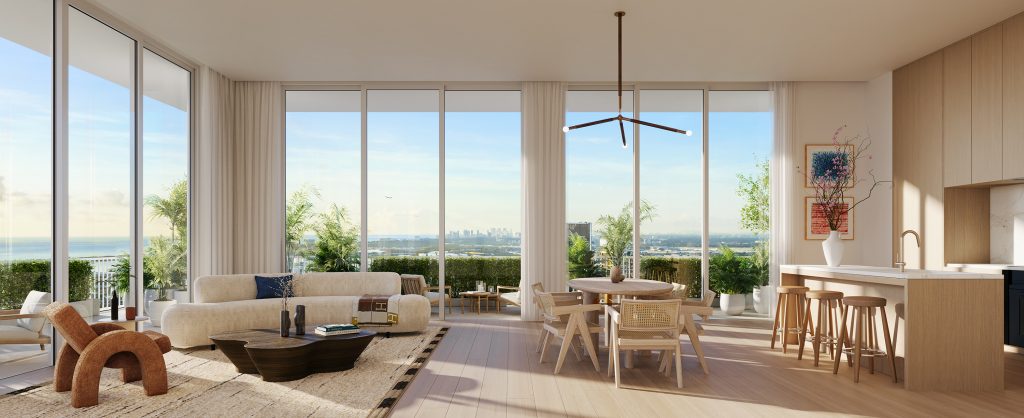
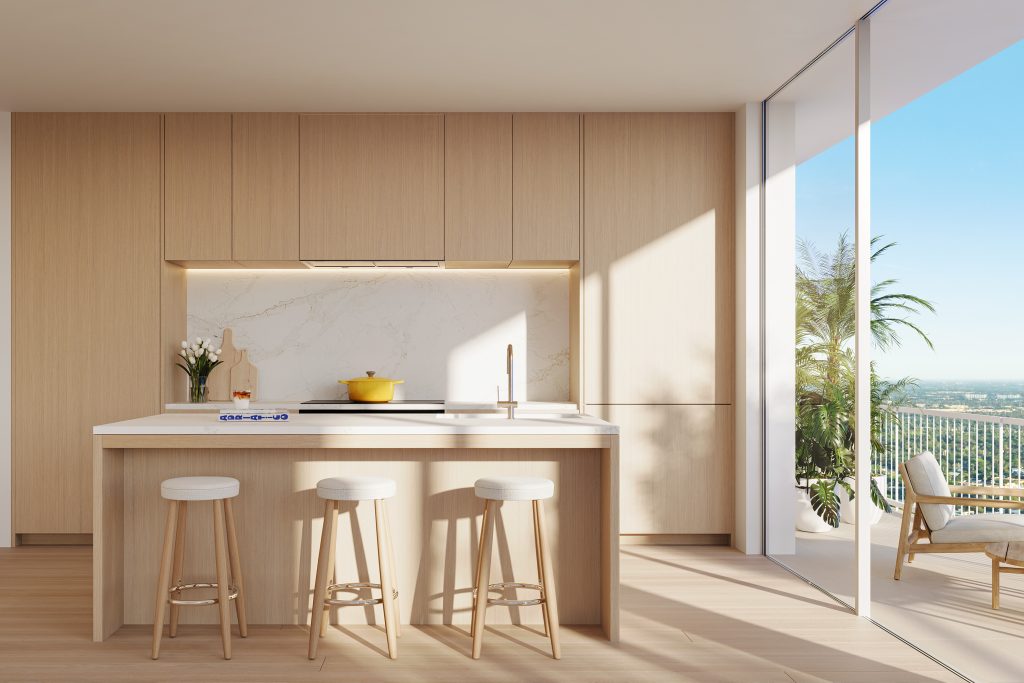
The outdoor terraces capture a 360-degree perspective — ocean, city, Intracoastal, and sky in every direction. The great room was designed for both quiet daily living and large-scale entertaining. There’s a professional chef’s kitchen, a formal dining salon, an owner’s suite positioned to feel genuinely private, and en-suite bathrooms finished in stone and glass with spa-level detail. Pricing ranges from approximately $8.8 million to $10.4 million.
Penthouse ownership also unlocks an additional layer of service: in-residence dining, private chef experiences, personalized wellness programming, and exclusive access to the H.Wood private club. At this price tier, buyers are comparing Fort Lauderdale against Palm Beach, Miami Beach, and New York. What Viceroy’s Penthouse Collection offers is the level of finish, service, and brand affiliation those markets demand — at a price point that still represents relative value within that peer group.
Why Fort Lauderdale, and Why Now
Fort Lauderdale’s luxury market is no longer emerging — it’s arrived. And Viceroy is one of the clearest expressions of that shift. The recent announcement that Rolex is planning a flagship presence on Las Olas Boulevard through Weston Jewelers is the kind of market signal that confirms what the data has been showing for the past two years: global luxury brands do not expand into cities casually. These decisions are backed by demographics, wealth migration, and long-term confidence in where a market is heading.
Fort Lauderdale is attracting globally recognized hospitality groups, luxury retailers, branded residences, and developers who all see the same momentum. And with South Florida hosting 2026 FIFA World Cup matches, the international spotlight on this region has never been brighter. The buyers I’m working with at this price point are sophisticated — they’re comparing cities, not just buildings. And what I keep telling them is that Fort Lauderdale still offers real value relative to Miami for buyers who want the coastal lifestyle, the waterfront access, the luxury infrastructure, and the long-term trajectory — without the density and price premium of the city to the south.
The window to buy into a market in this phase of its development closes quickly. It already has in parts of Miami. Viceroy is one of the projects that positioned itself correctly for this moment, and the buyers who recognized that early will look back at this as a smart decision on both lifestyle and investment grounds.
Let’s Talk Strategy, Not Brochures
Fort Lauderdale is not the market it was three years ago, and Viceroy is not the building you compare against the average. This is a project that understood what the city is becoming before most buyers did — and structured itself accordingly. Two all-private towers. A globally recognized hospitality brand. H.Wood’s most ambitious South Florida concept. Private beach access. A penthouse collection that holds its own against anything in Miami or Palm Beach. The buyers who move early on opportunities like this are not the ones chasing the market. They’re the ones the market catches up to.
If you’re evaluating Viceroy or any new construction in Fort Lauderdale right now, call us at 305.508.0899 or reach out directly at [email protected]. We’ll give you the full picture — no brochures, no pressure.
FAQ
These are the most commonly Miami Real Estate Related questions
What should relocation buyers know before buying real estate in Miami?
HOME BUYERS
Relocation buyers looking at homes in Miami should understand that choosing the right house is less about the property itself and more about location, schools, and long-term value. Many buyers make the mistake of focusing on price or finishes, while the real driver of value is the neighborhood and micro-location. Older homes often represent better value, but may also be part of a future redevelopment cycle. Newer homes command premiums, but don’t always sell faster if pricing is ahead of the market. Commute time, school access, and community dynamics are critical and often underestimated. The key is to evaluate homes not just as lifestyle purchases, but as long-term assets within a very localized market.
Sources:
https://luxlifemiamiblog.com/relocating-to-miami/
https://luxlifemiamiblog.com/relocating-to-miami-with-a-family/
CONDO BUYERS:
Relocation buyers should understand that Miami is a highly segmented, building-driven market, not a uniform one. Pricing can vary significantly between similar properties depending on building quality, layout, and financial health. Many buyers assume newer construction equals better investment, but that is often not the case. Factors like HOA fees, reserves, and rental policies can materially impact long-term value and liquidity. Negotiation opportunities often exist, especially in slower segments, but require precise market knowledge. The key is to evaluate micro-markets and individual buildings, not just neighborhoods or price per square foot.
Sources:
https://luxlifemiamiblog.com/miami-real-estate-market-report/
https://luxlifemiamiblog.com/new-construction-miami-guide/
What are the best areas for relocating families with children
For families relocating to Miami with young children, the most recommended neighborhoods are Coral Gables, Coconut Grove, and Pinecrest. Coral Gables offers the best balance of top schools, safety, and long-term value. Coconut Grove is ideal for younger families seeking walkability, greenery, and a lifestyle-driven environment. Pinecrest provides larger homes, excellent schools, and better value for space, making it ideal for growing families. The key driver across all three is access to strong schools and primary residential stability. Relocation decisions are less about new construction and more about long-term livability and resale strength.
Sources:
https://luxlifemiamiblog.com/best-neighborhoods-miami/
https://luxlifemiamiblog.com/what-are-the-best-family-neighborhoods-in-miami-in-2023/
Are new construction condos in Miami a good investment?
New construction condos in Miami can be a good investment—but only if you understand that not all buildings perform the same. According to the David Siddons Group, many buyers assume “new = better,” but in reality, performance depends on pricing, layout, building quality, and long-term demand. Some new developments set future price benchmarks and can drive long-term appreciation, especially in top-tier projects. However, many are priced aggressively at launch, and buyers relying on marketing instead of data often overpay.
The market is highly segmented, meaning two new buildings next to each other can perform very differently.
The best opportunities typically come from selecting the right building early or negotiating correctly in later phases.
In short: new construction is not automatically a good investment—it becomes one only with building-level analysis and disciplined entry pricing.
Sources:
https://luxlifemiamiblog.com/how-to-buy-a-luxury-condo-in-miami/
https://luxlifemiamiblog.com/category/independent-new-construction-condo-reviews/
https://luxlifemiamiblog.com/beyond-clickbait-real-insights-into-miamis-luxury-condo-market/
Why is buying a Miami condo riskier than buyers think?
Buying a Miami condo is often riskier than buyers expect because the true risks are at the building level—not visible in the listing price. Many buyers focus on finishes and views, while overlooking HOA reserves, insurance exposure, and potential special assessments. In reality, two identical units in different buildings can perform completely differently over time. Rising HOA fees and stricter regulations are also increasing the true cost of ownership, especially in older buildings. Liquidity can be affected by factors like financial health, rental policies, and ongoing repairs. The key risk is not the condo itself—but buying into the wrong building without proper due diligence.
Sources:
https://luxlifemiamiblog.com/how-to-buy-a-luxury-condo-in-miami/
https://luxlifemiamiblog.com/miami-condo-market-risks/
What are Miami's Safest Areas?
Which Miami Areas Still offer Great Value (Budget Friendly alternatives to Coral Gables and Pinecrest)
If you’re looking for better value than Coral Gables or Pinecrest, the answer (in true Siddons style) is not “go cheaper”—it’s go one layer outside the obvious markets.
The strongest value plays are:
- Schenley Park → closest substitute to Coral Gables at ~20% discount while maintaining similar character and location
- Biltmore Heights → almost identical feel to the Gables but ~25–30% cheaper on a $/SF basis
- Glenvar Heights → central location with larger lots and ~25% pricing advantage vs South Miami/Gables
- Baptist / Galloway (Kendall) → Pinecrest-style living (space, schools, land) at up to ~30% lower pricing
The pattern is consistent:
👉 Buyers are shifting west and slightly off-market to gain land, scale, and pricing efficiency. You don’t find value by going to a “cheaper neighborhood”—you find it by identifying adjacent micro-markets that offer the same lifestyle fundamentals without the brand premium.
Sources:
https://luxlifemiamiblog.com/best-value-neighborhoods-miami/
https://luxlifemiamiblog.com/category/miami-neighborhoods/
Is NOW a good time to buy in Miami?
Are Miami real estate prices going down in 2026?
No—but that’s the wrong way to look at it. Miami is not one market anymore, so prices are not moving in one direction. In 2026, the market is split into two: ultra-luxury, scarcity-driven areas (like waterfront and top-tier neighborhoods) are still holding or even rising, while mid-tier condos and oversupplied segments are flat or correcting. What we’re seeing is price divergence, not a crash—some properties are gaining value while others are quietly adjusting downward. Rising inventory and more selective buyers are putting pressure on pricing in certain segments, especially older condos or buildings with weaker fundamentals.
At the same time, global wealth and cash buyers continue to support pricing at the top end of the market. So the real answer: prices aren’t broadly dropping—they’re being repriced based on quality, location, and supply.
Should I buy a house or a condo when relocating to Miami?
The decision comes down to lifestyle first, investment second—and most relocation buyers get that backwards. If you want space, privacy, schools, and long-term family living, a single-family home in areas like Coral Gables or Coconut Grove is typically the stronger choice. If you prioritize walkability, low maintenance, and proximity to business districts, a condo in Brickell or waterfront markets makes more sense.
From an investment perspective, homes tend to be more stable, while condos are more building-dependent and cyclical. Most relocation clients underestimate how much building quality, HOA structure, and future costs impact condo performance. The right answer isn’t “house vs condo”—it’s which asset fits your lifestyle AND holds value within its micro-market.
How do I choose the right Miami neighborhood for my lifestyle?
Why are Miami condo prices so different between buildings?
Miami condo pricing varies widely because value is determined at the building level, not just by location. Two buildings next to each other can have major differences in financial health, reserves, HOA fees, and management quality. Buyers also pay premiums for better layouts, views, amenities, and newer construction—but not all “new” buildings perform equally. Factors like rental policies, upcoming assessments, and building reputation can significantly impact resale value. This is why price per square foot alone is misleading in Miami’s condo market. The real driver of value is how that specific building competes within its micro-market over time.
Sources:
https://luxlifemiamiblog.com/how-to-buy-a-luxury-condo-in-miami/
https://luxlifemiamiblog.com/category/independent-new-construction-condo-reviews/
WHY WORK WITH DAVID? THINGS YOU SHOULD KNOW...
For all our analytics we are agents driving some very unique and advanced tech. We Provide a granular and custom experience that empower our clients with the insight and tools to understand the most complex behaviors of any local markets.
-
Analytical
Over 100 reports produced to date
-
Knowledgeable
Over 1800 published articles and counting


Related Articles
Fort Lauderdale Waterfront Homes in 2026
Fort Lauderdale vs Miami Waterfront Homes
Pier Sixty-Six Phase Two
Viceroy Fort Lauderdale Residences: What No One Else Is Telling Buyers
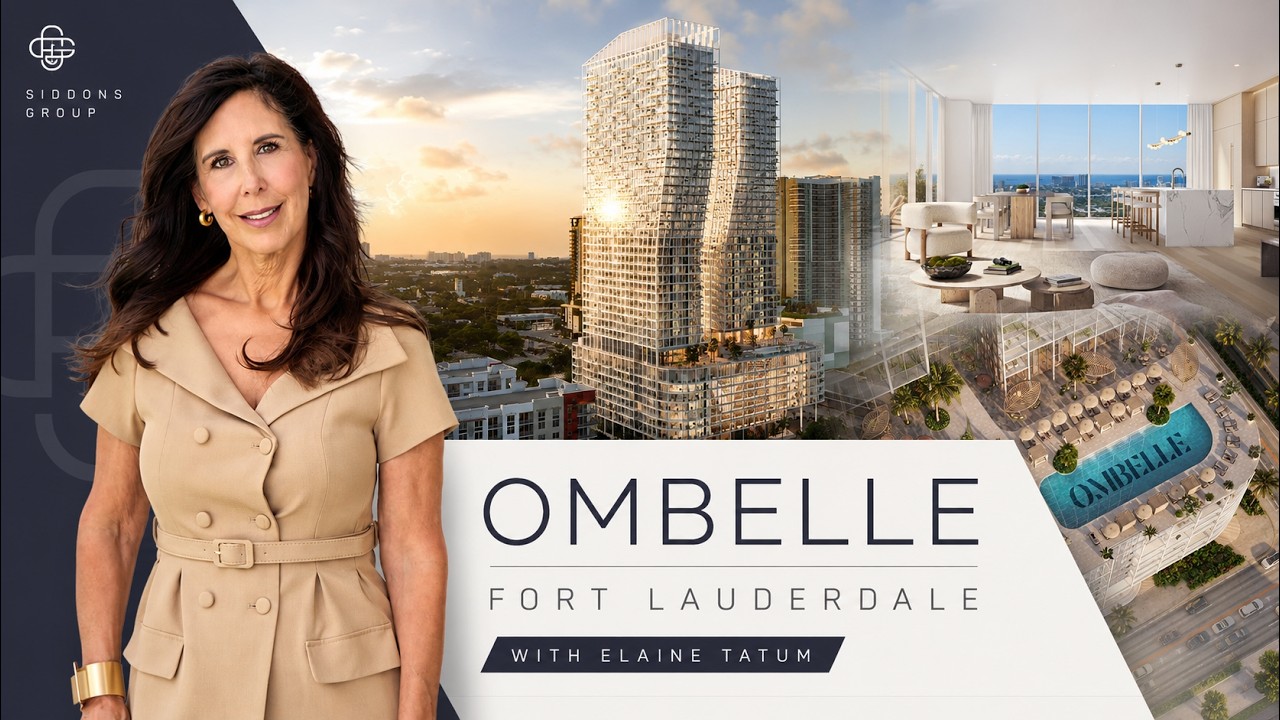
Ombelle Residences Fort Lauderdale — Flagler Village New Construction Condos 2026
The Best Condos in Fort Lauderdale for 2026 — And 3 Condos to Avoid
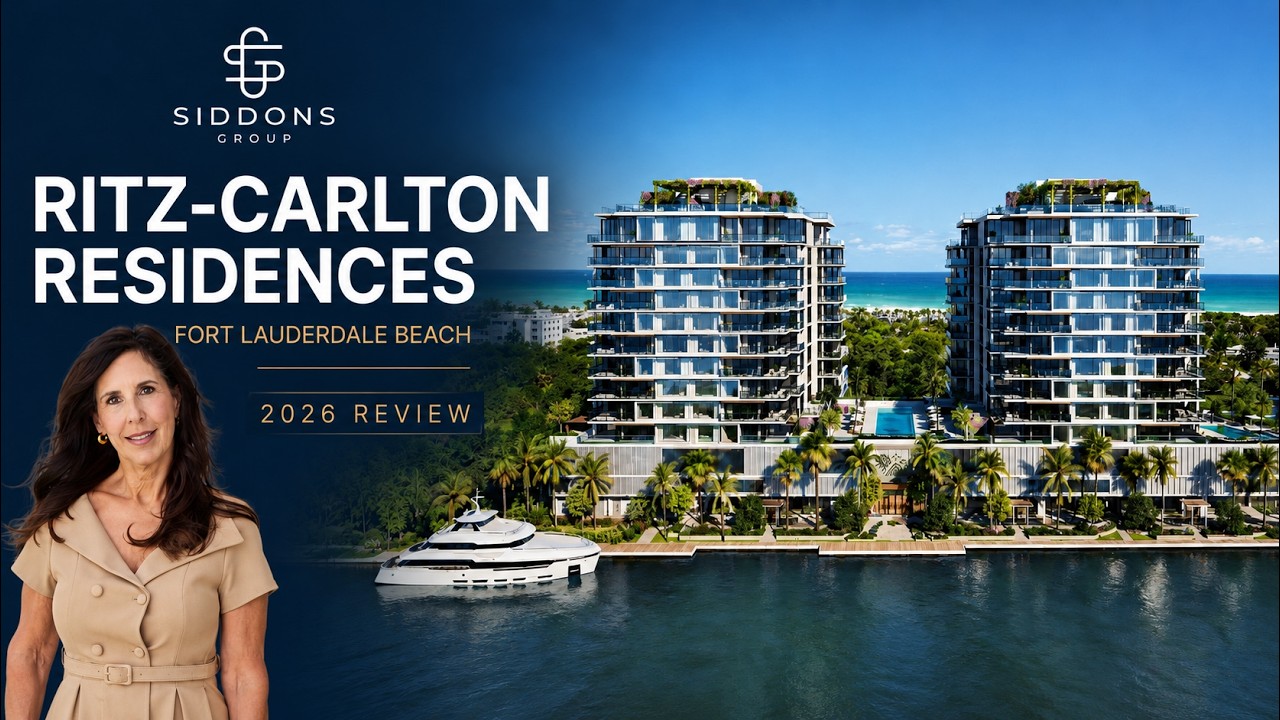
The Ritz-Carlton Residences Fort Lauderdale Beach: Why This Project Deserves a Serious Look in 2026
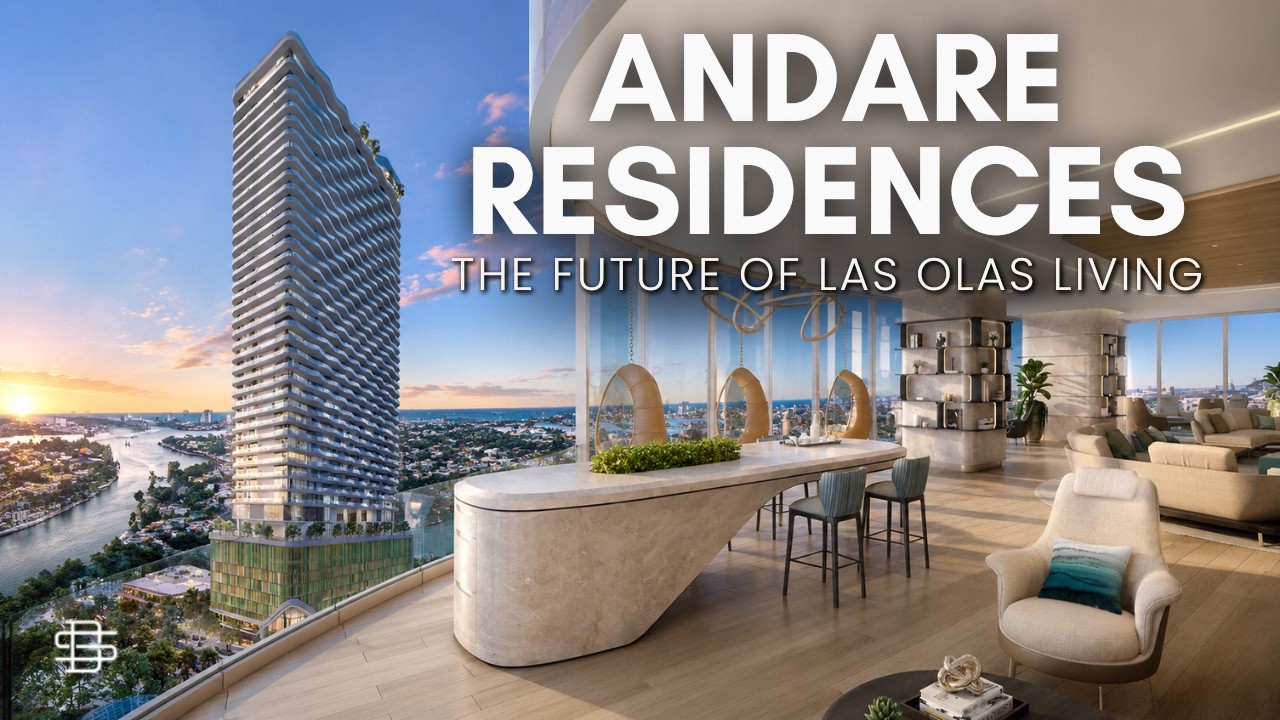
Andare Residences by Pininfarina: Italian Design Meets the Future of Downtown Fort Lauderdale
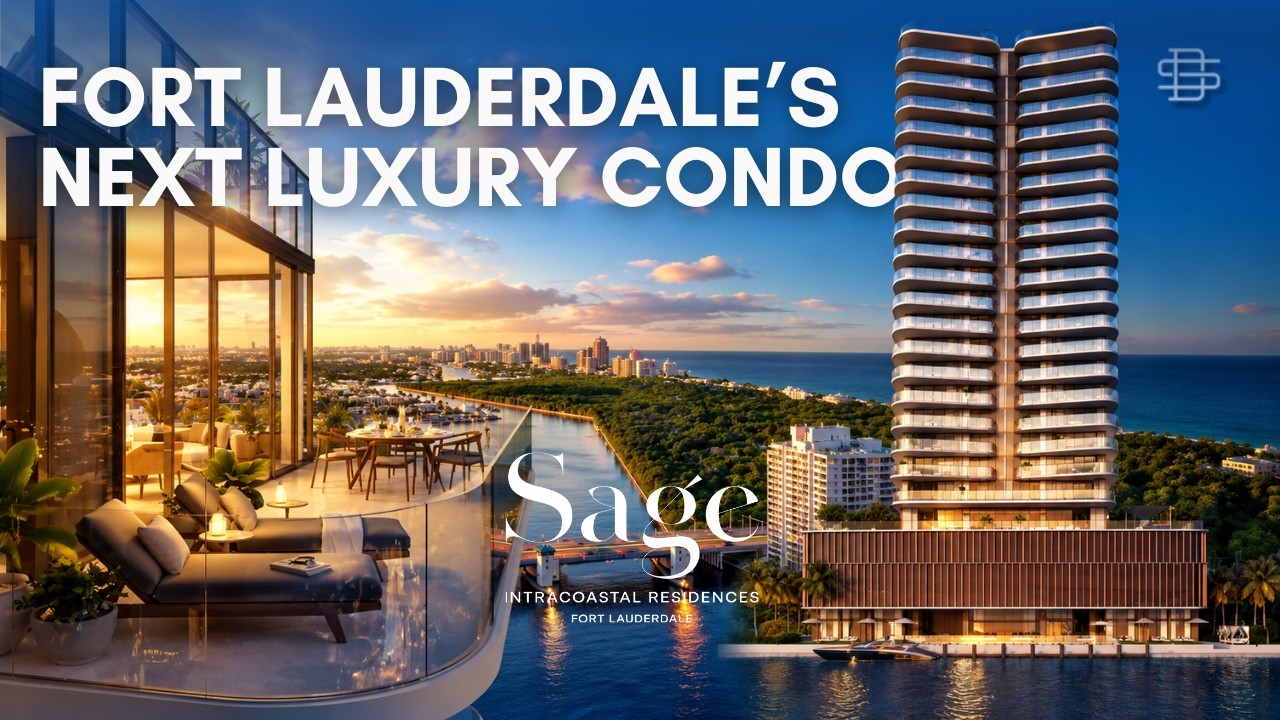
Sage Intracoastal Residences Fort Lauderdale: Boutique Luxury, Waterfront Living & Construction Momentum

Sixth & Rio Fort Lauderdale: Boutique Riverfront Condos in the SoLo District with 2026 Delivery
Fort Lauderdale Luxury Real Estate Update Q1 2026 | A Quiet Market Shift is Underway

First Look: The Ritz-Carlton Residences Fort Lauderdale Beach
Luxury waterfront homes Fort Lauderdale | Where Value Is Defined by Water

Fort Lauderdale Development Boom | 2025 Real Estate & Lifestyle Outlook
Please fill in your details and David Siddons will contact you

Search related videos

Are St. Regis Sunny Isles Residences Worth the Brand Premium?
Coral Gables Market Report 2025: What the Headlines Aren’t Telling You!
How David Siddons’ Power Team Drives Miami’s Luxury Market
Mid‑Year 2025 Coconut Grove Report: The Truth About What’s Selling Now
Brickell Mid‑Year Market Report 2025 | Is Brickell’s Luxury Market in Trouble?
Pinecrest Mid-Year Market Report 2025 | What’s Selling, What’s Sitting & Why
Miami Beach Condo Market Mid-Year Report 2025 | What Buyers & Sellers Need to Know
How to Lose $1M in The Miami Condo market | Top Mistakes That Cost Miami Condo Buyers Millions
The Well Project EXPOSED Coconut Grove’s Hottest Units
Miami Real Estate in 2025 Is NOT What You Think 😱 | Midyear Must Knows for Buyers & Sellers!
7 Things You Should Never Say to a Real Estate Agent in Miami!
Landmark Victoria Park Residence in Fort Lauderdale: Inside 420 NE 11th Ave 🌴✨
Luxury Living on 2355 S. Miami Ave | Fully Furnished 4-Bed Home w/ Resort-Style Pool 🏊
Is Mandarin Oriental Residences Miami a Smart Condo Investment? Prices, Floorplans, Views & Finishes


- Get our Newsletter
- Subscribe
- No Thanks
Get the latest news from Miami Real Estate News
Close
Edit Search
Close
2 of 14
Share this property
Recomend this to a friend, just enter their email below.
Close
Your email was sent successfully
Close
 COMPARE WITH CONDOGEEKS