


















- Best of All
- Best Miami Luxury Condos
- Most popular
- Relocating to Miami
- Private Schools
- Investments
- Gated communities
- Waterfront information
- Luxury homes
- Luxury Condos
- New Construction Condos in South Florida
- Independent Pre-Construction condo reviews for Miami
- Independent Pre-Construction condo reviews for Fort Lauderdale
Real Estate Investing in 2026: Why the Old Strategies No Longer Work
The New Rules of Real Estate Investing
Real estate investing in 2026 has fundamentally changed. What worked in a low-interest-rate, high-liquidity environment no longer applies in today’s market. In 2026, we’re seeing slower deal velocity, more disciplined capital, and a widening gap between smart investments and costly mistakes. This is no longer a market driven by momentum, it’s a market that demands precision, patience, and control. This conversation goes beyond flipping houses or chasing the next opportunity. It’s about understanding why previously successful strategies are breaking, how investor behavior is being reshaped in real time, and what it actually takes to win in a market where the margin for error has all but disappeared.
Who Is Justin Colby and Why His Perspective Matters Now
Justin Colby is one of the most experienced real estate investors in the country, with nearly two decades in the business and thousands of transactions across multiple market cycles. As the founder of The Science of Flipping, he helped define an era of high-volume, transaction-driven investing. But what makes this conversation compelling isn’t just his success, it’s his evolution. After facing significant challenges during the 2024 market shift, Justin began re-evaluating not only how he invests, but the assumptions behind those strategies. His transition away from volume-driven flipping reflects something much larger happening across the industry: a shift away from speed and scale, and toward discipline, selectivity, and long-term thinking. This is not theory, it’s adaptation happening in real time.
The Model Broke — And Affordability Was the Trigger
The 2024 shift didn’t simply slow the market, it exposed a deeper structural flaw. The COVID-era model, which thrived on liquidity, cheap debt, and constant deal flow in markets like Phoenix, began to unravel as interest rates rose. Sellers, locked into ultra-low mortgages or sitting on fully paid-off properties, had little incentive to move. Inventory dried up at the source. At the same time, buyers were squeezed by affordability constraints, creating a growing disconnect between what people wanted and what they could realistically purchase. What followed was a market gridlock. Investors couldn’t buy low enough to make deals work, sellers refused to discount to those levels, and buyers were unable to bridge the gap. This wasn’t just a slowdown, it was a breakdown in the relationship between pricing, demand, and feasibility. In that moment, it became clear that the old model didn’t need refinement, it needed replacement.
Speed Kills: The $3M Lesson
At one point, Justin made a deliberate push to scale aggressively, acquiring over 100 properties in a short period of time. The goal was to prove that single-family investing could be operated at scale like a business. But speed introduced a different kind of risk. As volume increased, oversight weakened. Contractor estimates were taken at face value, assumptions replaced verification, and margins slowly eroded through ongoing changes and inefficiencies. What initially felt like momentum ultimately resulted in a $3 million loss. That experience revealed a hard truth: scaling a system that isn’t tightly controlled doesn’t create success, it magnifies its flaws. More importantly, it marked a turning point, shifting the focus away from volume and toward precision, discipline, and sustainability.
Real Estate Investing in 2026: From Flipping for Margin to Investing for Position
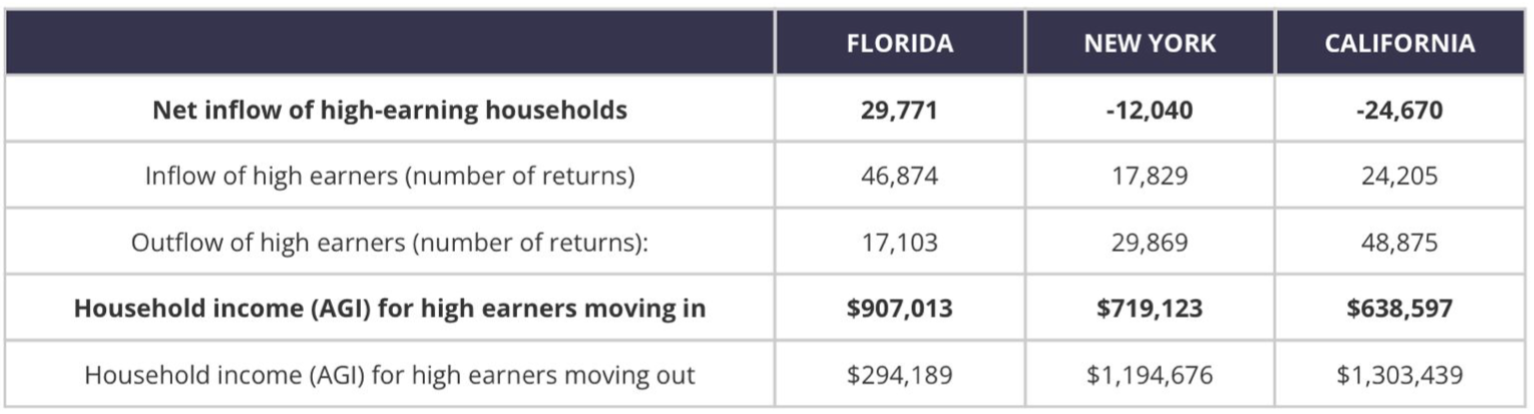
What’s happening now is not just a tactical adjustment, it’s a philosophical shift. The traditional model focused on creating margin through renovation and quick resale. Today’s model is centered on capturing long-term value through strategic positioning. As wealth continues to flow into Florida from states like New York and California, pricing expectations are being reset. High-income buyers are entering the market with significantly more liquidity and a different mindset. They are not searching for deals in the traditional sense, they are prioritizing location, quality, and permanence.
This shift is quietly transforming entire neighborhoods. Buyers are willing to pay premiums, invest further into properties, and elevate surrounding values. In doing so, they compress or eliminate the margins that flippers once relied on, making the old approach increasingly difficult to sustain.
Shifting Buyer Demographics by Income Level
The Real Pivot: Access Over Activity
The next phase wasn’t about doing more deals, it was about accessing better ones. Rather than competing in saturated, broker-driven markets, the strategy evolved toward building relationships with operators and institutions who control deal flow at the source. This shift upstream allows access to opportunities that never reach the open market, often at significant discounts to prior valuations. At this level, the entire framework changes. The focus moves toward higher-quality assets, stronger fundamentals, and more conservative capital structures. Risk becomes more controlled, and decision-making becomes more intentional. Instead of chasing opportunities, investors position themselves to choose them.
The Harsh Reality: Miami Is Not a Flipping Market
One of the biggest misconceptions, particularly among international investors, is that Miami operates as a simple “buy, fix, sell” market. In reality, it’s far more complex. Neighborhoods like Pinecrest, Coral Gables, Coconut Grove, and Miami Beach are not driven by short-term investors. They are end-user markets defined by lifestyle, schools, and long-term desirability.
At multi-million-dollar entry points, the dynamics shift entirely. The buyer pool becomes smaller, more sophisticated, and far more selective. Expectations around quality rise significantly, and pricing is scrutinized differently. This is no longer a volume-driven environment, it’s one where precision and positioning matter far more than speed.
The Hidden Risk: Speculation Disguised as Opportunity
One of the most overlooked risks in real estate is geographic speculation, often packaged as opportunity. Developers and marketers frequently present compelling visions of transformation, positioning certain neighborhoods as the “next” version of established areas like Brickell. While these narratives are persuasive, the reality is far less predictable. Areas such as Edgewater and Wynwood have indeed evolved, but over much longer timelines than originally promised. What was marketed as rapid growth often took a decade or more, and in some cases, certain expectations were never fully realized. This is because development operates within layers of complexity that extend far beyond individual projects. Infrastructure, zoning, permitting, city approvals, and broader economic cycles all play a role in shaping outcomes, and each of these factors introduces delays and uncertainty. The key lesson is not to avoid growth markets, but to remove reliance on timing. Investing based on projected transformation is inherently risky; investing based on current fundamentals allows time to become an advantage rather than a liability.
The New Rules of Real Estate Investing: What Actually Works in 2026
The most effective strategy in today’s market is not built on excitement, it’s built on consistency. It centers around acquiring well-located, already-performing assets, using conservative leverage, and ensuring that deals make sense from day one. Markets with strong fundamentals, such as Miami, Raleigh or Dallas, offer opportunities where population growth, demand, and cash flow align. This approach removes reliance on speculation and replaces it with predictability. While it may lack the appeal of high-risk, high-reward plays, it delivers something far more valuable over time: stability and compounding returns.
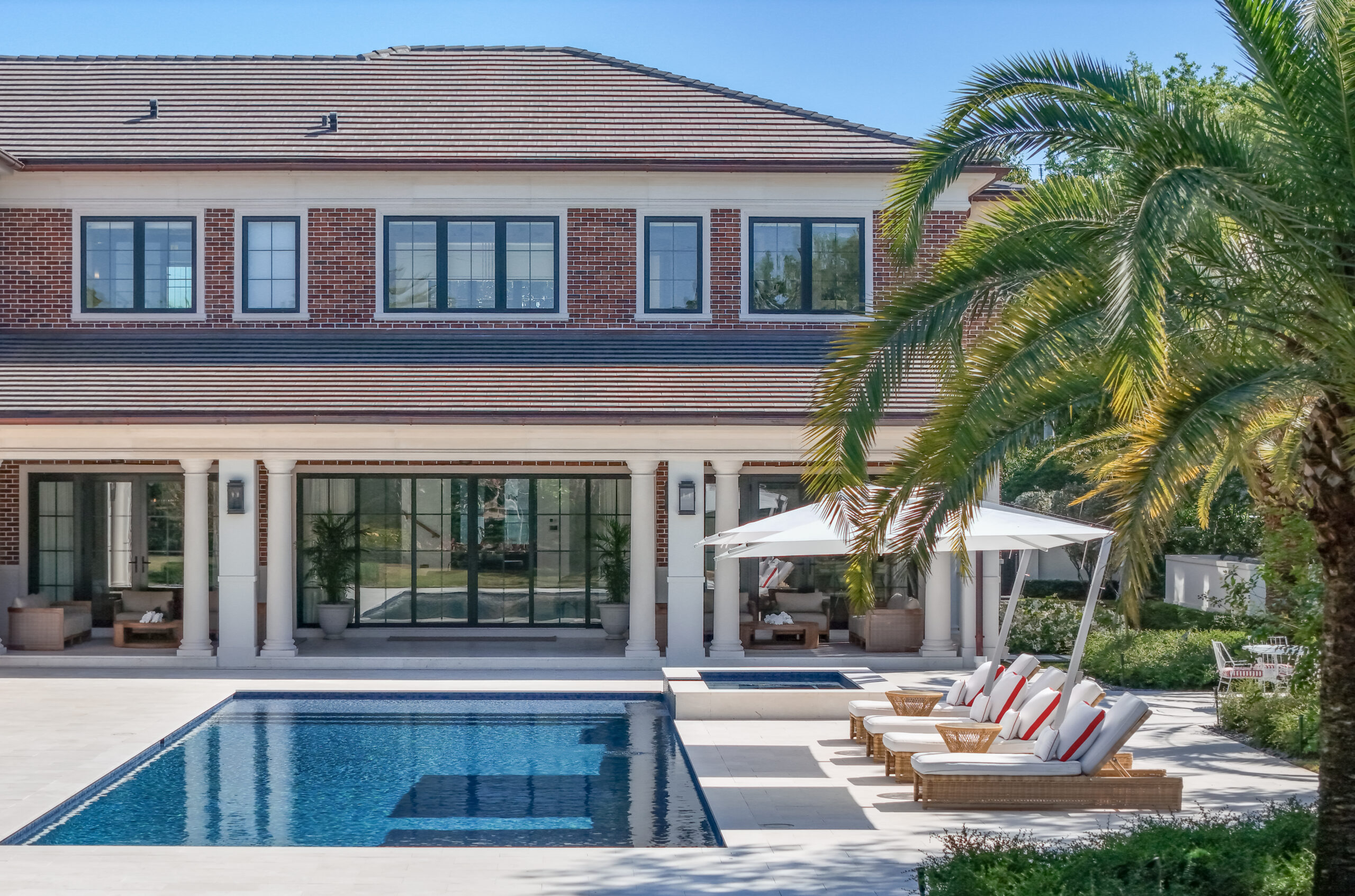
Real Estate Investing in 2026: High-quality assets in prime neighborhoods like Coconut Grove, Coral Gables, Pinecrest, and Miami Beach—where demand is strong and supply is limited.
Conclusion: A Market That Rewards Positioning
Real estate investing in 2026 is no longer about speed or chasing the next opportunity, it’s about positioning. The investors who will outperform in this cycle are the ones who focus on fundamentals, act with discipline, and acquire assets that make sense today, not just in a projected future. This is a market where patience is a strategy, not a delay. Where fewer, better decisions outperform volume. And where long-term thinking consistently beats short-term execution.
Why Miami Still Stands Out
Within this new framework, Miami continues to separate itself, but only for those who understand how to approach it. This is not a market for flipping or speculation. It’s a market driven by wealth migration, lifestyle demand, and global capital. The real opportunity lies in owning high-quality assets in proven neighborhoods like Coconut Grove, Coral Gables, Pinecrest, and Miami Beach, areas where demand is deep, supply is constrained, and long-term value is supported.
In Miami, the strategy is simple—but not easy: 👉 Buy right, hold strategically, and let demand do the work.
FAQ
These are the most commonly asked Google Real Estate Related questions
1. What are the Current Best New Condos in Miami?
If you want to hear in more details our opinions on the best new Miami new construction condos. Please read this article:Best New Construction Condos 2022-2023.
2. What is the best New Construction Condo in Fort Lauderdale?
In our opinion, the Residences at Pier Sixty-six are certainly the most interesting and unique. Already well underway this 32 Acre project will be home to the first of its kind Marina where owners will be able to anchor up vessels up to a staggering 400 ft! For specifics of this project see our independent review of this project.
3. How can I compare the new luxury construction Condos to the best existing Luxury Condos in Miami?
Our Best Luxury Condos in Miami article will prove to be very useful to those looking to compare the existing to the new. You may also want to watch this video which shows the performance of the best Condos in Miami over the last 15 years!
WHY WORK WITH DAVID? THINGS YOU SHOULD KNOW...
For all our analytics we are agents driving some very unique and advanced tech. We Provide a granular and custom experience that empower our clients with the insight and tools to understand the most complex behaviors of any local markets.
-
Analytical
Over 100 reports produced to date
-
Knowledgeable
Over 1800 published articles and counting


Related Articles
Sunny Isles Real Estate Market Q1 2026

Who Is the Best Real Estate Agent in Miami for New Construction Condos? (2026 Data-Driven Guide)

How to Buy a Luxury Condo in Miami (2026 Playbook for Smart Buyers)
Pinecrest Real Estate Market Update Q1 2026
Aventura Real Estate Market Report Q1 2026
Brickell Real Estate Market Report Q1 2026
Coconut Grove Real Estate Market Q1 2026
South of Fifth Real Estate Market Report Q1 2026
Fort Lauderdale Luxury Real Estate Update Q1 2026 | A Quiet Market Shift is Underway

Best Value Neighborhoods in Miami

Real Estate Investing in 2026: Why the Old Strategies No Longer Work
West Palm Beach Real Estate Market 2026: Luxury Prices Surge & New Developments Redefine the Market

What the Top 1% Do Differently — Lessons from Hosting the World’s Biggest Stars
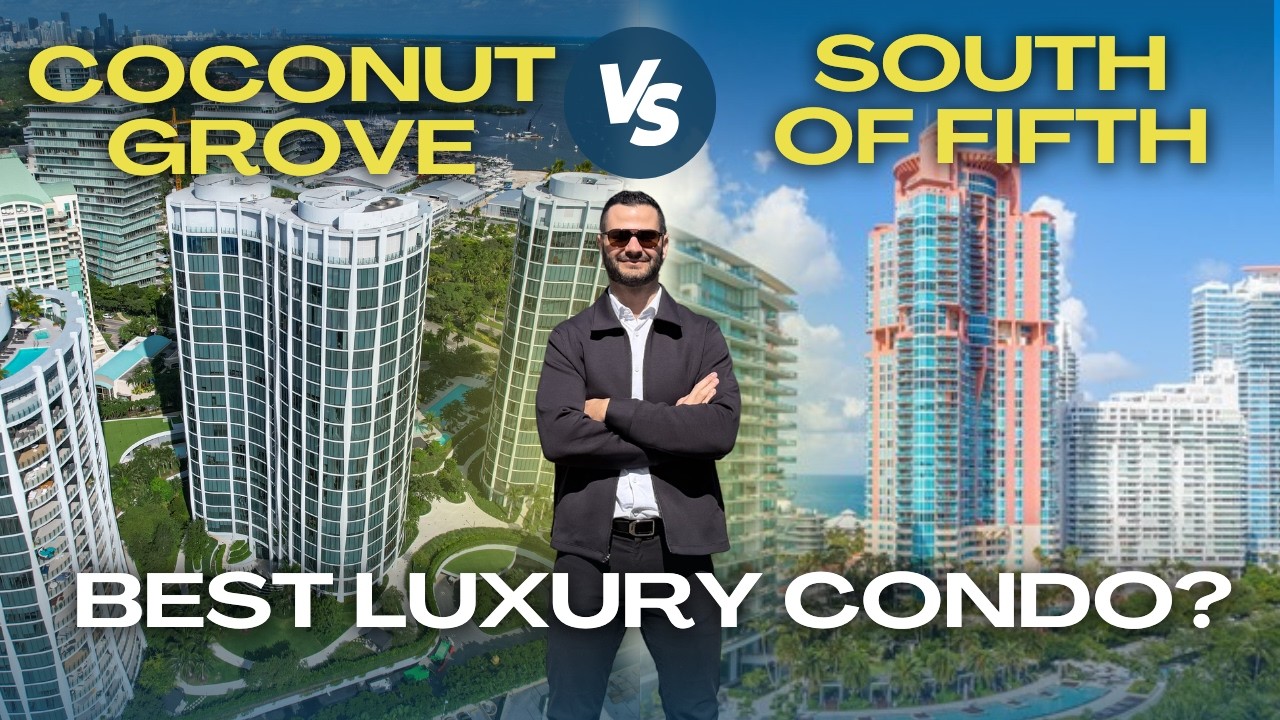
Coconut Grove vs South of Fifth Condos: Which Miami Luxury Neighborhood Is Right for You?
Please fill in your details and David Siddons will contact you

Search related videos

Are St. Regis Sunny Isles Residences Worth the Brand Premium?
Coral Gables Market Report 2025: What the Headlines Aren’t Telling You!
How David Siddons’ Power Team Drives Miami’s Luxury Market
Mid‑Year 2025 Coconut Grove Report: The Truth About What’s Selling Now
Brickell Mid‑Year Market Report 2025 | Is Brickell’s Luxury Market in Trouble?
Pinecrest Mid-Year Market Report 2025 | What’s Selling, What’s Sitting & Why
Miami Beach Condo Market Mid-Year Report 2025 | What Buyers & Sellers Need to Know
How to Lose $1M in The Miami Condo market | Top Mistakes That Cost Miami Condo Buyers Millions
The Well Project EXPOSED Coconut Grove’s Hottest Units
Miami Real Estate in 2025 Is NOT What You Think 😱 | Midyear Must Knows for Buyers & Sellers!
7 Things You Should Never Say to a Real Estate Agent in Miami!
Landmark Victoria Park Residence in Fort Lauderdale: Inside 420 NE 11th Ave 🌴✨
Luxury Living on 2355 S. Miami Ave | Fully Furnished 4-Bed Home w/ Resort-Style Pool 🏊
Is Mandarin Oriental Residences Miami a Smart Condo Investment? Prices, Floorplans, Views & Finishes


- Get our Newsletter
- Subscribe
- No Thanks
Get the latest news from Miami Real Estate News
Close
Edit Search
Close
2 of 14
Share this property
Recomend this to a friend, just enter their email below.
Close
Your email was sent successfully
Close
 COMPARE WITH CONDOGEEKS