













- Best of All
- Best Miami Luxury Condos
- Most popular
- Relocating to Miami
- Private Schools
- Investments
- Gated communities
- Waterfront information
- Luxury homes
- Luxury Condos
- New Construction Condos in South Florida
- Independent Pre-Construction condo reviews for Miami
- Independent Pre-Construction condo reviews for Fort Lauderdale
From Law to Business Leadership: Inside John Ruiz’s Rise Amid Miami’s Wealth Migration Boom
This episode of Better Decisions focuses on John Ruiz, one of Miami’s most prominent and closely watched business figures. As Miami continues to evolve into a global center for capital, entrepreneurship, and innovation, we aim to speak with the individuals actively shaping that trajectory. Ruiz represents a particularly compelling voice in that conversation, not only because of the scale of what he has built, but because his journey reflects the ambition, risk-taking, and decisive execution that define the city’s growth today.
From Attorney to Industry Disruptor: The John Ruiz Story
Ruiz is a Miami-born attorney turned entrepreneur and the founder behind MSP Recovery, a healthcare litigation and data-driven recovery business focused on identifying and pursuing reimbursement claims for insurers and healthcare organizations. The company’s growth, public market presence, and national profile — along with recognition in publications such as Forbes — have positioned him as a significant figure at the intersection of law, technology, and large-scale corporate strategy.
Building for Impact: Innovation, Safety, and the Mindset Behind John Ruiz’s Ventures
John’s approach to business has been shaped by a strong emphasis on discipline, consistency, and execution — qualities that guided his transition from legal practice into ventures focused on real-world impact. Through involvement in major injury and disaster cases, he saw how often preventable risks are overlooked, reinforcing his focus on developing practical solutions that improve safety rather than simply responding after failures occur.
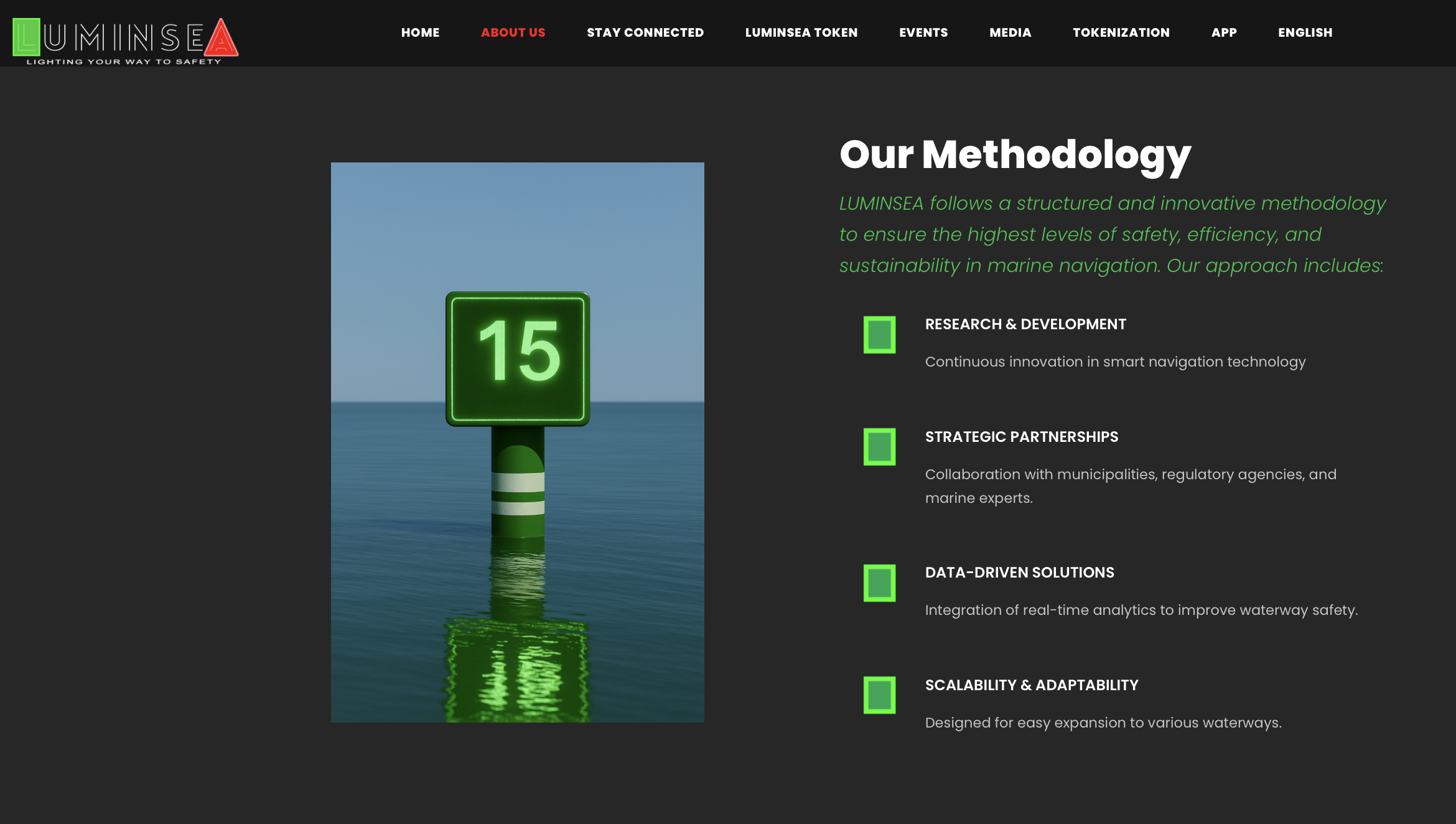
One example is Lumisea a system of illuminated channel markers designed to modernize waterway navigation. Built for high visibility in low-light conditions, the markers help boaters identify safe channels and avoid hazards while supporting environmental data, cameras, and connected monitoring infrastructure. Integrated into a digital platform, the system can contribute to a smarter navigation network that enhances safety, security, and communication on the water.
More broadly, this reflects a defining theme in Ruiz’s work: a drive not just to succeed financially, but to build systems that solve problems and create lasting impact. In his view, progress — in business or in cities like Miami — comes from those willing to take risks, invest, and execute despite criticism.
Beyond the Noise: What’s Really Driving Miami’s Next Wave
Much of what people believe about Miami is shaped by headlines, social media narratives, and secondhand opinions. Often incomplete, sometimes driven by personal agendas. But beneath that noise, the reality on the ground tells a far more meaningful story. For those considering a move, the real question isn’t the perception of the city, but the structural forces shaping its future and the type of people choosing to be part of it.
What’s emerging is not just continued growth, but a shift in the profile and psychology of incoming residents. The market is seeing an unmistakable surge in ultra-high-net-worth migration, reflected in a sharp rise in $15M+ transactions and sustained demand for prime neighborhoods and new construction. Buyers are arriving earlier in the development cycle, seeking customization, long-term positioning, and scarcity-driven assets rather than turnkey purchases alone. At the same time, Miami’s broader appeal continues to strengthen: lifestyle advantages, global business relocation, expanding dining and cultural scenes, and the unmatched value of waterfront living all reinforce the city’s pull.
The underlying pattern is clear. Miami’s Wealth Migration is no longer reactive or temporary, it is strategic and capital-driven. As older homes in premier neighborhoods are replaced with new builds and waterfront property remains fundamentally limited, the forces pushing Miami forward are structural, not cyclical. For serious buyers and investors, understanding this shift is far more valuable than following the headlines.
Miami’s Wealth Migration and the Redrawing of Miami’s Residential Map
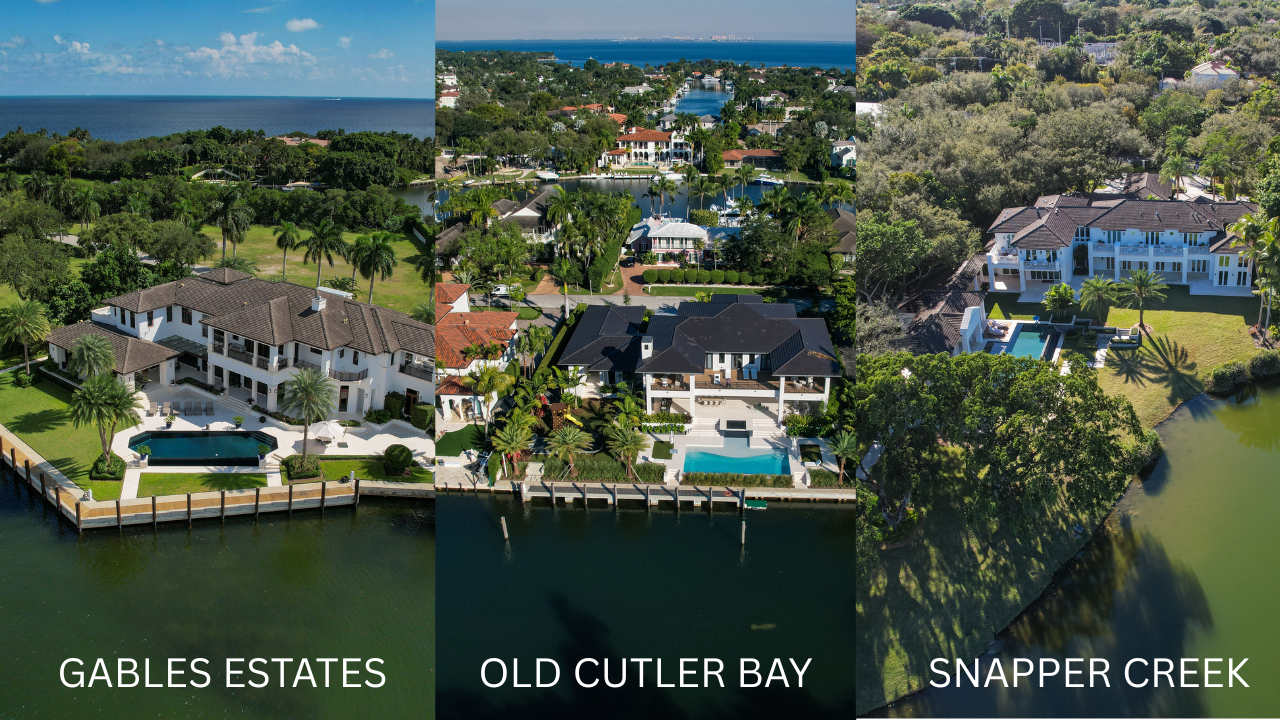
Across Miami’s prime family-oriented neighborhoods, from Pinecrest and Ponce-Davis to Coral Gables and Coconut Grove, a clear pattern is emerging in the ultra-luxury market. High-net-worth buyers are increasingly targeting new construction before completion, prioritizing the ability to customize design, finishes, and specifications rather than purchasing fully finished homes. This early-entry demand reflects a more sophisticated buyer profile focused on long-term positioning, personalization, and securing scarce land in established residential settings. At the very top, legacy enclaves such as Gables Estates and Snapper Creek Lakes continue to strengthen. Their combination of security, large lots, central location, and consistent residential character reinforces their role as long-term anchors for wealthy families seeking privacy and stability, qualities increasingly valued over the volatility, density, and transient nature often associated with beachfront living.
Redefining Market Entry Points
But the same forces attracting global wealth to Florida, tax advantages, climate, and lifestyle, are also reshaping Miami’s housing ladder. As ultra-wealthy buyers compete for prime neighborhoods and new construction, entry prices across established enclaves have surged, increasingly pushing young professionals and first-time luxury buyers out of the $3–5M segment that once felt attainable. What used to represent a move-up family home now often functions as a land-value entry point.
This growing affordability gap is redirecting demand geographically. Southern submarkets such as Palmetto Bay, Cutler Bay, and Homestead are gaining momentum, supported by newer infrastructure, expanding amenities, and rising transaction volume in the $1–3M range. At the same time, post-pandemic work patterns are accelerating the shift. With remote and hybrid work now embedded in professional life, proximity to a central office matters less, while larger homes capable of supporting multiple workspaces matter more — reinforcing demand for space, functionality, and long-term livability over purely prestige-driven locations.
The broader takeaway is that Miami’s growth is no longer confined to its traditional luxury cores. Miami’s wealth migration is simultaneously fortifying the most exclusive enclaves while expanding the city’s practical entry points southward, gradually redrawing the residential map for the decade ahead.
Where to Deploy the First $100M
If allocating an initial $100M today, the priority would be prime residential real estate in Miami’s supply-constrained, high-barrier submarkets — specifically waterfront and ultra-prime neighborhoods where land scarcity, privacy, and long-term desirability protect downside risk. The focus would not be broad market exposure, but concentrated positions in irreplaceable locations: trophy waterfront homes, well-located development parcels, or boutique luxury residential projects with limited future competition.
In practical terms, this points toward Miami’s most supply-limited waterfront enclaves such as Gables Estates, Cocoplum, and Journeys End, alongside mainland gated communities in South Coral Gables including Snapper Creek Lakes and areas near Old Cutler Road, where older housing stock creates redevelopment-driven upside. Select opportunities along the Miami River would also fit the thesis, particularly where waterfront land and zoning flexibility allow long-term repositioning.
The strategy would combine immediate intrinsic value with long-term demographic tailwinds driven by wealth migration, tax advantages, and global demand for secure lifestyle destinations. In this segment, pricing cycles may fluctuate, but truly scarce assets continue to appreciate over time because supply cannot meaningfully expand. Capital deployed into unique locations with enduring appeal, strong build quality, and international buyer demand is less about short-term appreciation and more about owning assets that compound in value across cycles while maintaining exceptional liquidity at the top end of the market.
Miami’s Future Will Be Built, Not Predicted
The broader lesson from the conversation with John Ruiz is that Miami’s trajectory isn’t being driven by headlines or short-term cycles, but by people willing to build — whether through technology, real estate, or civic investment. Wealth migration, infrastructure upgrades, and the finite nature of waterfront land all point to a city still in the early stages of long-term transformation. Progress will depend less on speculation and more on execution: entrepreneurs launching new ventures, investors backing innovation, and leaders willing to improve the systems that support growth.
Cities don’t evolve because everyone agrees on the future — they evolve because a small group moves forward despite uncertainty. If Miami continues to attract builders, creators, and long-term thinkers, its next chapter won’t just be larger; it will be stronger, smarter, and far more globally influential than the one before.
Connect with the David Siddons Group
Please contact the David Siddons Group for any questions about Miami’s Wealth Migration, neighborhoods or specific real estate related topics. You can call 305.508.0899 or schedule a meeting via the application below.
FAQ
These are the most commonly asked Google Real Estate Related questions
1. What are the Current Best New Condos in Miami?
If you want to hear in more details our opinions on the best new Miami new construction condos. Please read this article:Best New Construction Condos 2022-2023.
2. What is the best New Construction Condo in Fort Lauderdale?
In our opinion, the Residences at Pier Sixty-six are certainly the most interesting and unique. Already well underway this 32 Acre project will be home to the first of its kind Marina where owners will be able to anchor up vessels up to a staggering 400 ft! For specifics of this project see our independent review of this project.
3. How can I compare the new luxury construction Condos to the best existing Luxury Condos in Miami?
Our Best Luxury Condos in Miami article will prove to be very useful to those looking to compare the existing to the new. You may also want to watch this video which shows the performance of the best Condos in Miami over the last 15 years!
WHY WORK WITH DAVID? THINGS YOU SHOULD KNOW...
For all our analytics we are agents driving some very unique and advanced tech. We Provide a granular and custom experience that empower our clients with the insight and tools to understand the most complex behaviors of any local markets.
-
Analytical
Over 100 reports produced to date
-
Knowledgeable
Over 1800 published articles and counting


Related Articles
Pinecrest Real Estate Market Update Q1 2026
Aventura Real Estate Market Report Q1 2026
Brickell Real Estate Market Report Q1 2026
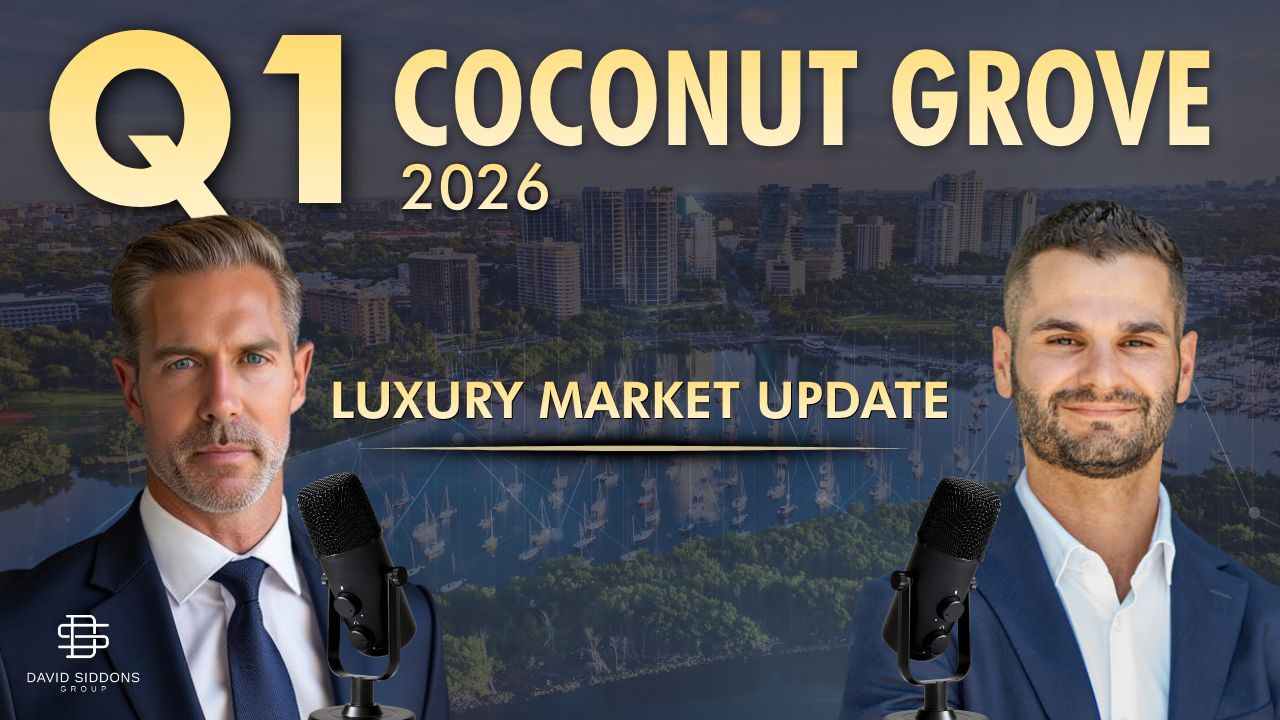
Coconut Grove Real Estate Market Q1 2026
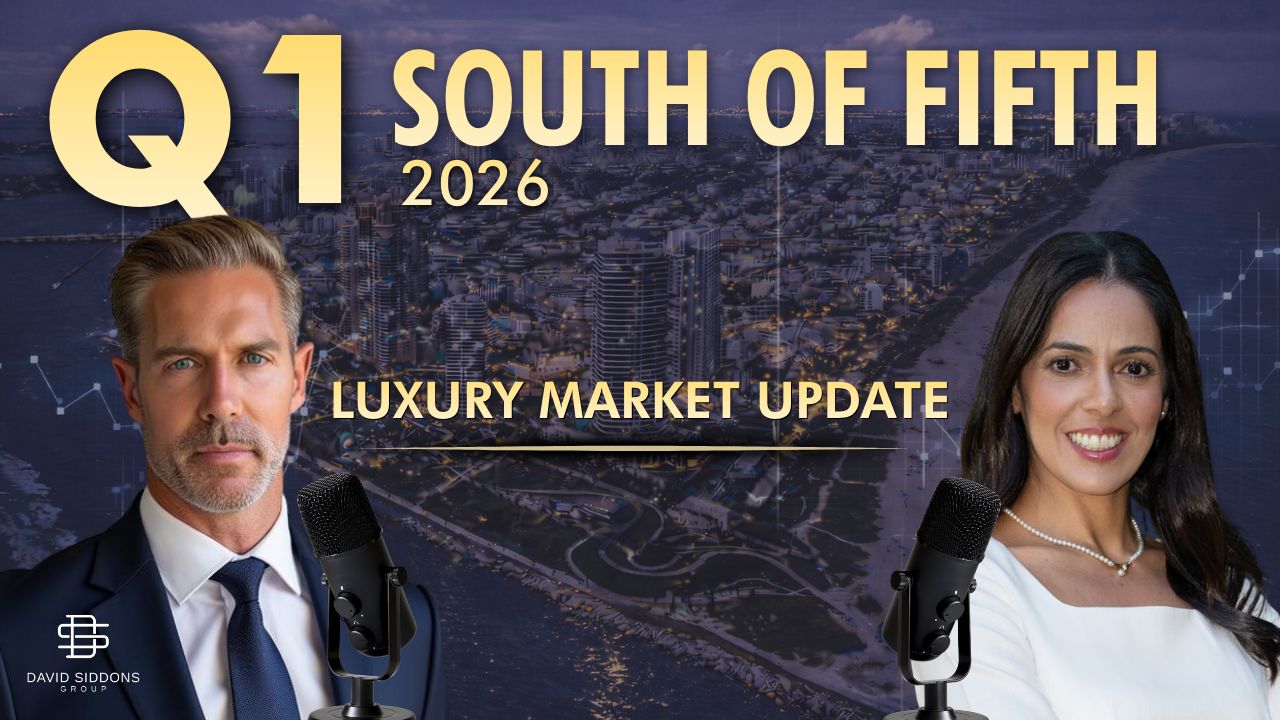
South of Fifth Real Estate Market Report Q1 2026
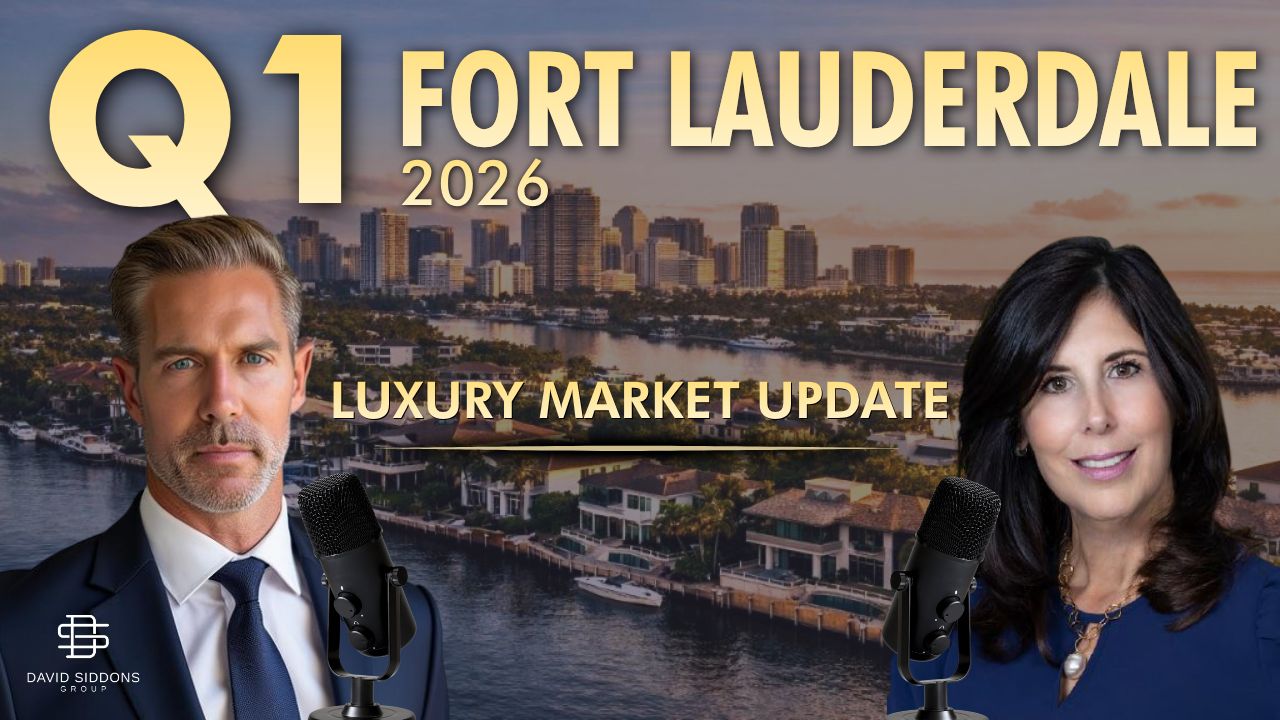
Fort Lauderdale Luxury Real Estate Update Q1 2026 | A Quiet Market Shift is Underway
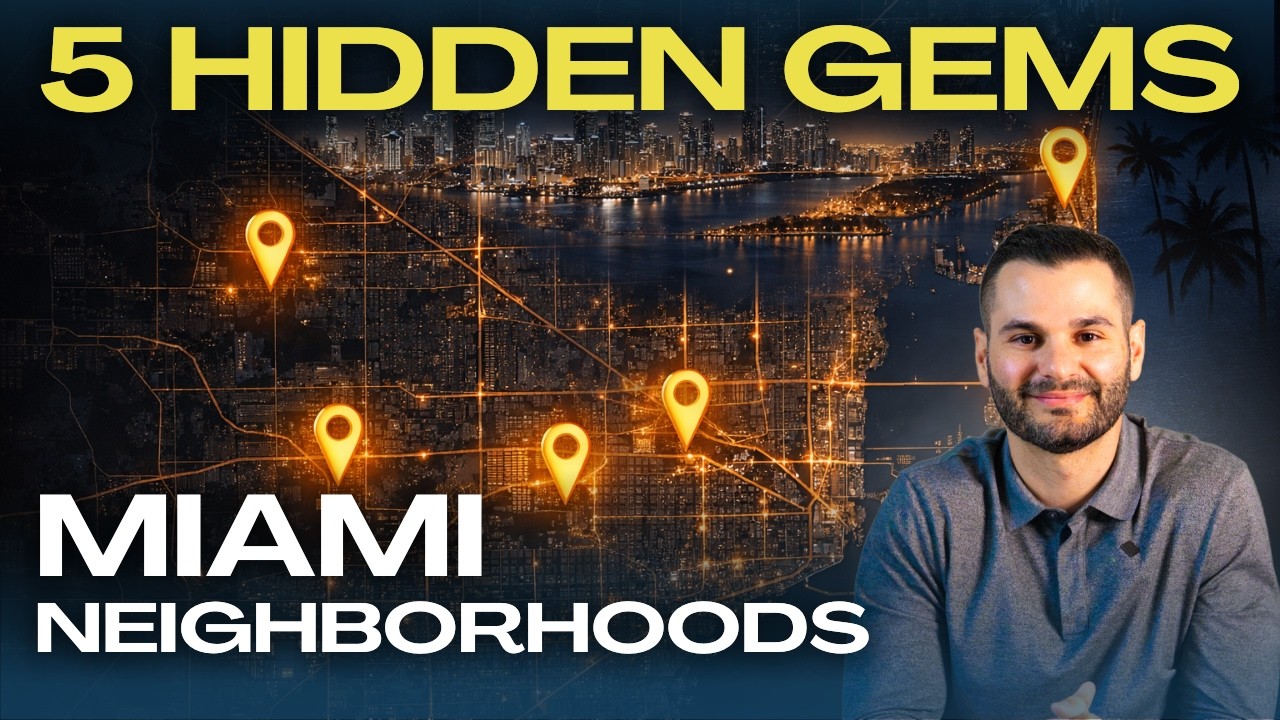
Best Value Neighborhoods in Miami

Real Estate Investing in 2026: Why the Old Strategies No Longer Work
West Palm Beach Real Estate Market 2026: Luxury Prices Surge & New Developments Redefine the Market

What the Top 1% Do Differently — Lessons from Hosting the World’s Biggest Stars
Coconut Grove vs South of Fifth Condos: Which Miami Luxury Neighborhood Is Right for You?

Mandarin Oriental Residences launches in West Palm Beach
Where Billionaires Buy Real Estate in Miami: Following the Smart Money in 2026

Follow the Capital: What Billionaire Buyers Reveal About Miami’s Luxury Market Direction
Please fill in your details and David Siddons will contact you

Search related videos

Are St. Regis Sunny Isles Residences Worth the Brand Premium?
Coral Gables Market Report 2025: What the Headlines Aren’t Telling You!
How David Siddons’ Power Team Drives Miami’s Luxury Market
Mid‑Year 2025 Coconut Grove Report: The Truth About What’s Selling Now
Brickell Mid‑Year Market Report 2025 | Is Brickell’s Luxury Market in Trouble?
Pinecrest Mid-Year Market Report 2025 | What’s Selling, What’s Sitting & Why
Miami Beach Condo Market Mid-Year Report 2025 | What Buyers & Sellers Need to Know
How to Lose $1M in The Miami Condo market | Top Mistakes That Cost Miami Condo Buyers Millions
The Well Project EXPOSED Coconut Grove’s Hottest Units
Miami Real Estate in 2025 Is NOT What You Think 😱 | Midyear Must Knows for Buyers & Sellers!
7 Things You Should Never Say to a Real Estate Agent in Miami!
Landmark Victoria Park Residence in Fort Lauderdale: Inside 420 NE 11th Ave 🌴✨
Luxury Living on 2355 S. Miami Ave | Fully Furnished 4-Bed Home w/ Resort-Style Pool 🏊
Is Mandarin Oriental Residences Miami a Smart Condo Investment? Prices, Floorplans, Views & Finishes


- Get our Newsletter
- Subscribe
- No Thanks
Get the latest news from Miami Real Estate News
Close
Edit Search
Close
2 of 14
Share this property
Recomend this to a friend, just enter their email below.
Close
Your email was sent successfully
Close
 COMPARE WITH CONDOGEEKS