


















New York luxury is rooted in architectural richness—moldings, layered finishes, classical detail, architectural stone, and detailed millwork—often included by the developer. Miami, historically, leaned minimalist: white walls, glass, and simplicity, and Miami luxury remains different even at the highest price points, where buyers rarely receive that level of interior finish out of the box. For New Yorkers arriving from buildings like 220 Central Park West, that gap can feel jarring, and the mistake is expecting turnkey Manhattan interiors in Miami buildings. The opportunity isn’t to copy New York, but to understand the blank canvas and elevate Miami interiors to meet ultra-luxury expectations while respecting the local aesthetic and, crucially, resale economics. Rather than overpaying for cosmetic remodels or living with finishes you dislike because you already paid for them, the smarter move is customization—done within market limits. When design decisions respect the building, the price-per-square-foot ceiling, and how people actually live, thoughtful upgrades don’t dilute value—they create it, as seen at 87 Park and again at Park Grove in Coconut Grove, with the same result: comfort, differentiation, and measurable appreciation.
- Best of All
- Best Miami Luxury Condos
- Most popular
- Relocating to Miami
- Private Schools
- Investments
- Gated communities
- Waterfront information
- Luxury homes
- Luxury Condos
- New Construction Condos in South Florida
- Independent Pre-Construction condo reviews for Miami
- Independent Pre-Construction condo reviews for Fort Lauderdale
From NYC to Miami: Buying and Remodeling an Ultra-Luxury Condo Without Killing Resale Value
Ultra-luxury buyers relocating from New York to Miami face a familiar problem: finding a primary residence that matches the craftsmanship, detail, and gravitas of top Manhattan buildings. I sat down with Luciana Fragali, my wife and CEO of Design Solutions Miami, to unpack the solution: how thoughtful design, disciplined budgets, and the right building can unlock real value in Miami’s luxury market. This is not about decorating a luxury residences, it’s about value creation and preservation.
NYC vs. Miami: A Design Reality Check
Case Study: How 87 Park Became a One-of-One
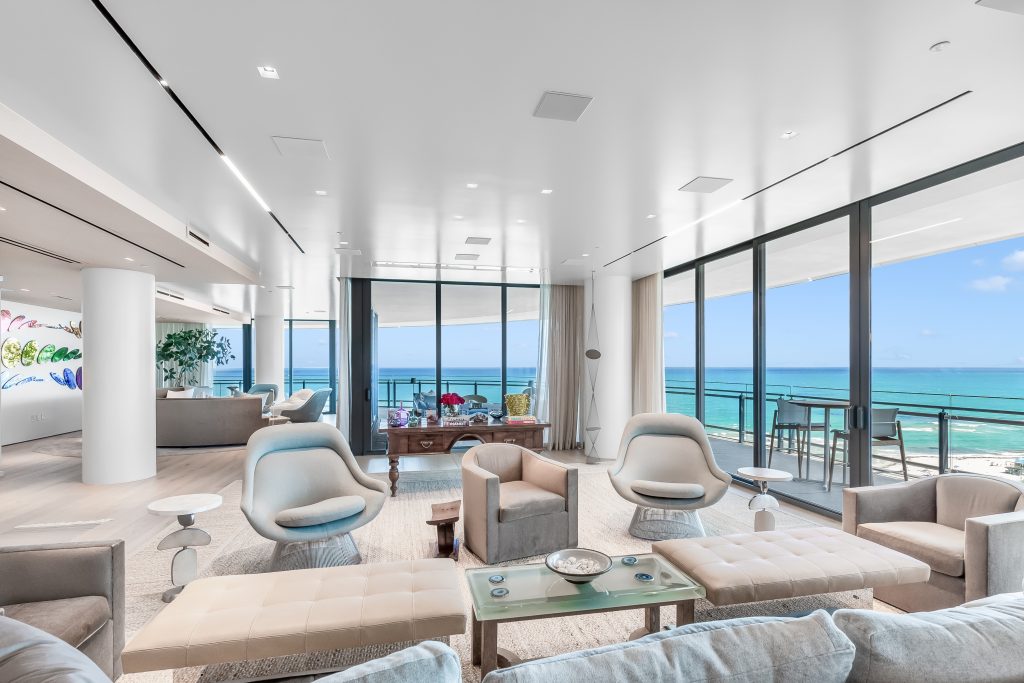
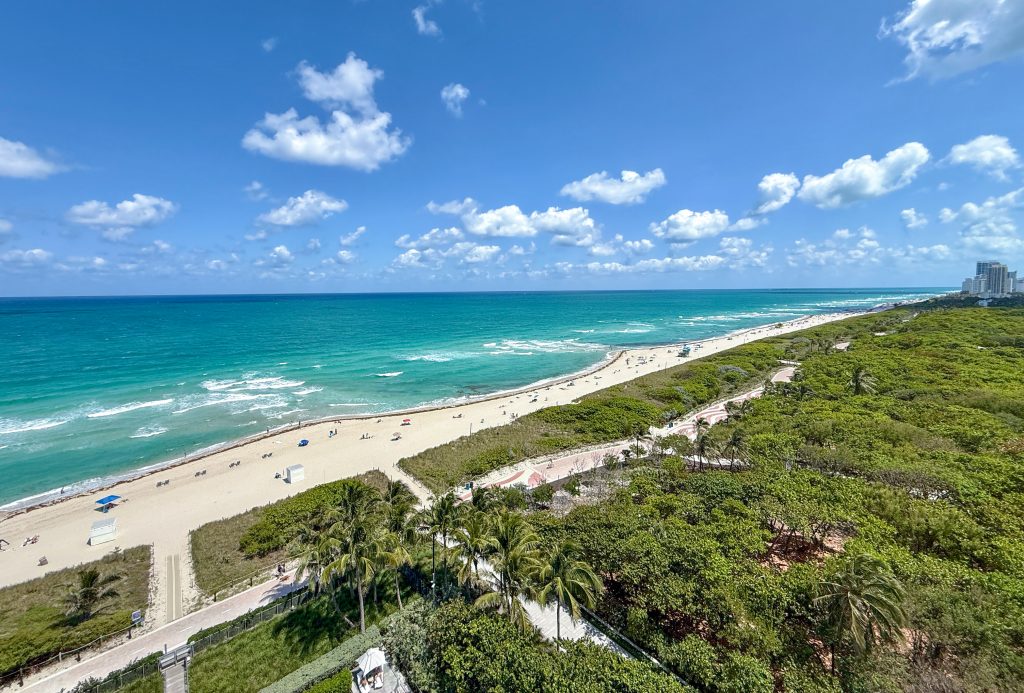
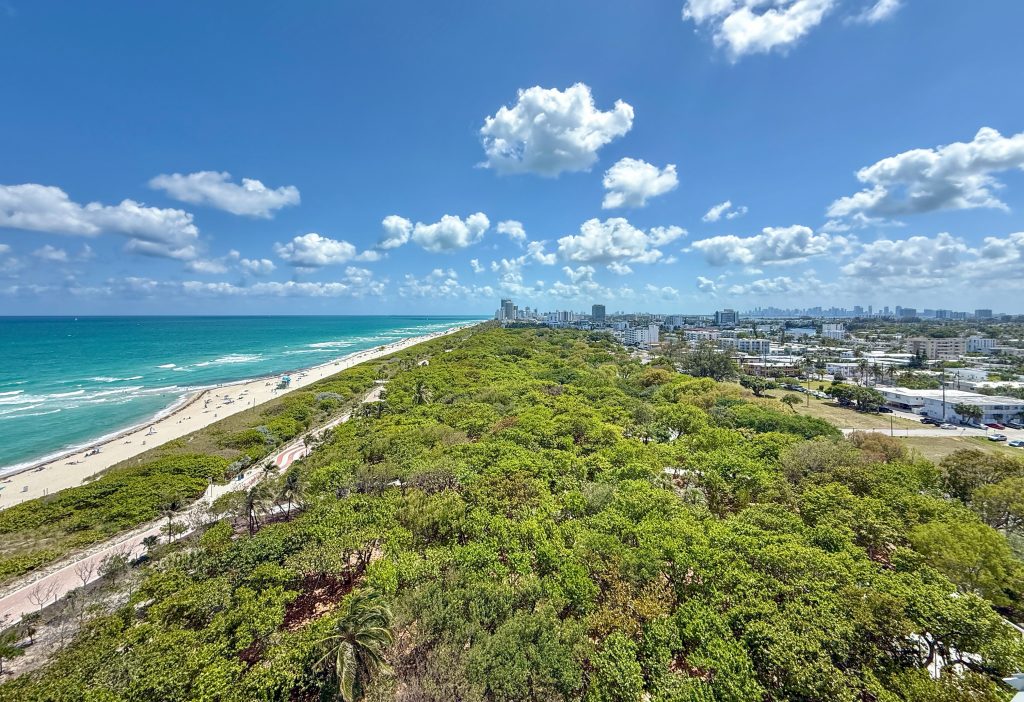
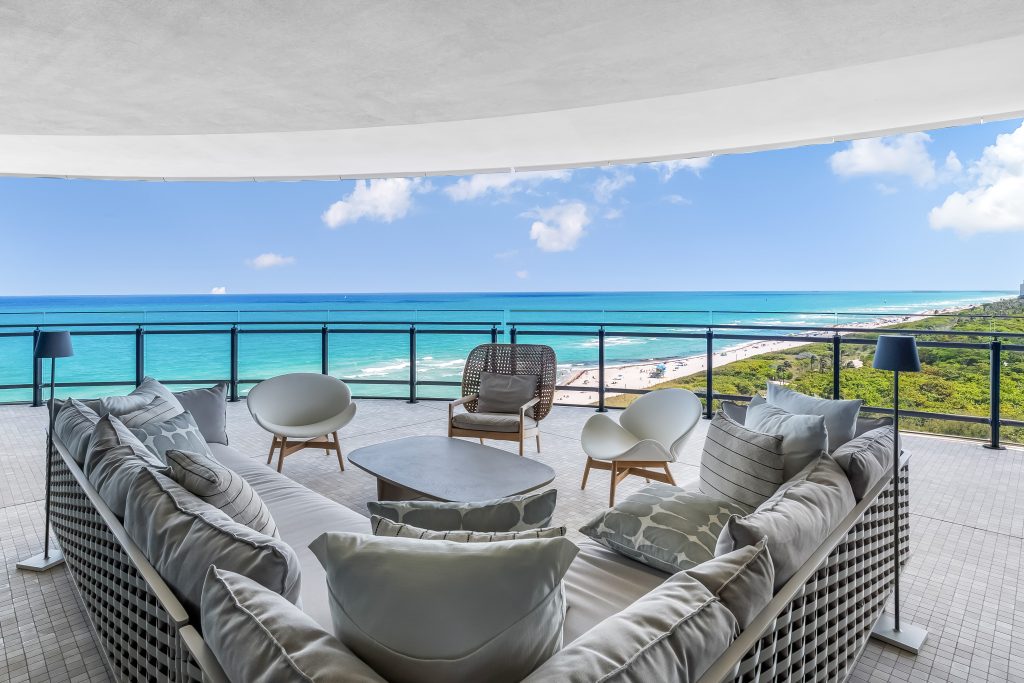
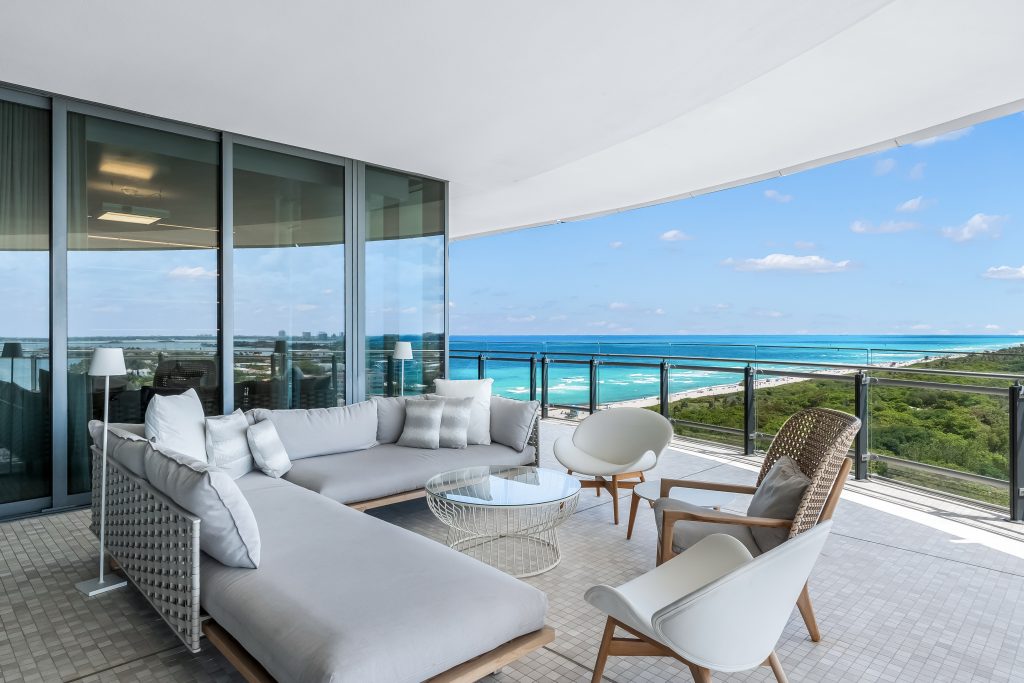
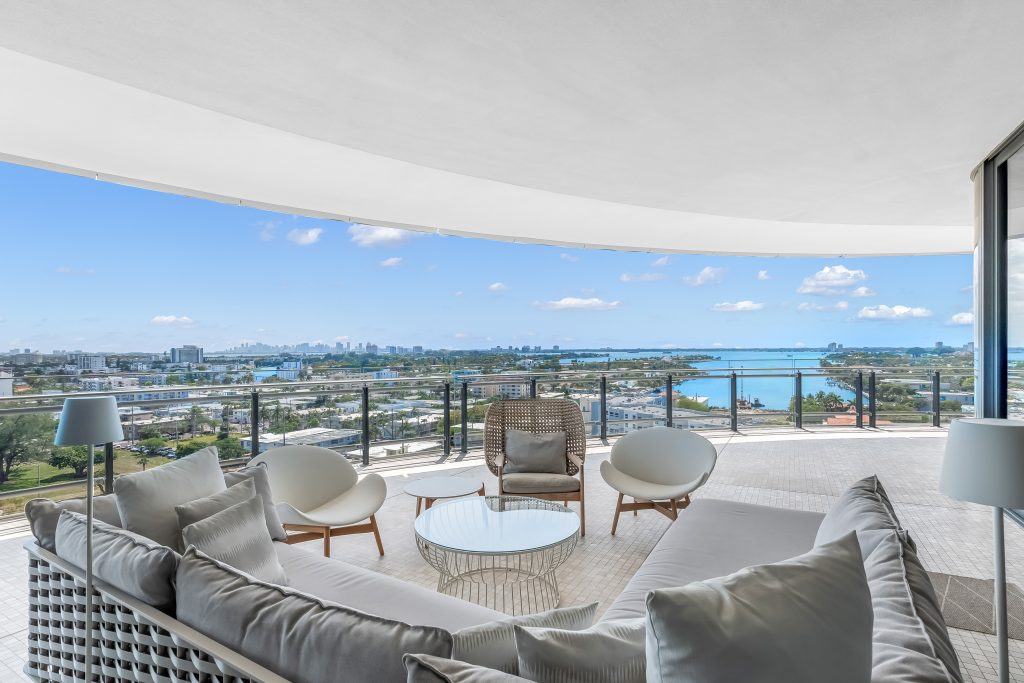
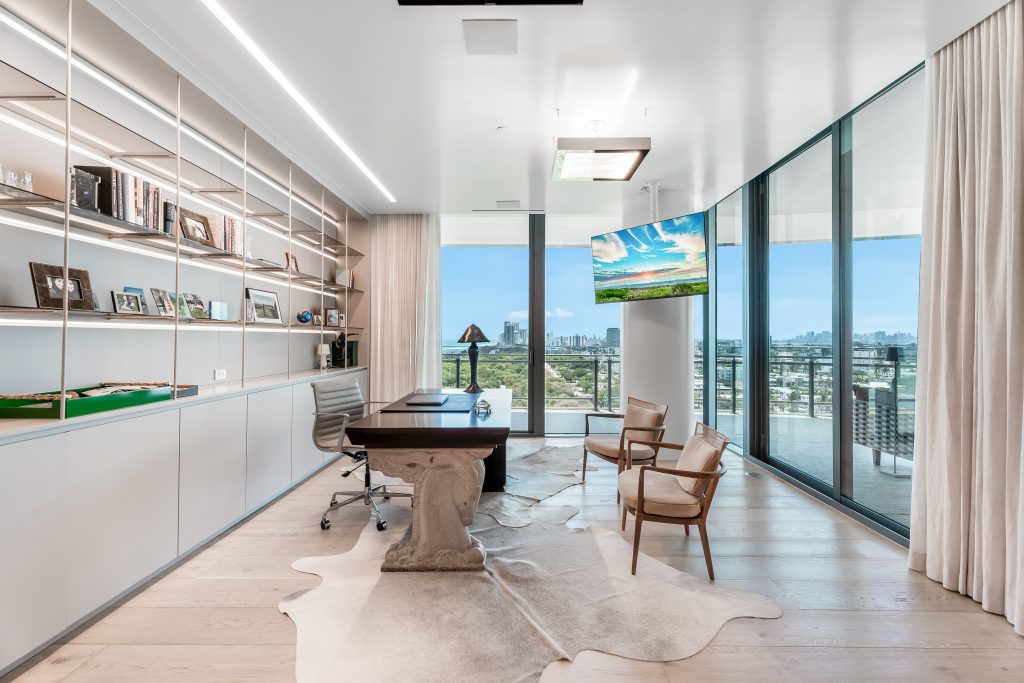
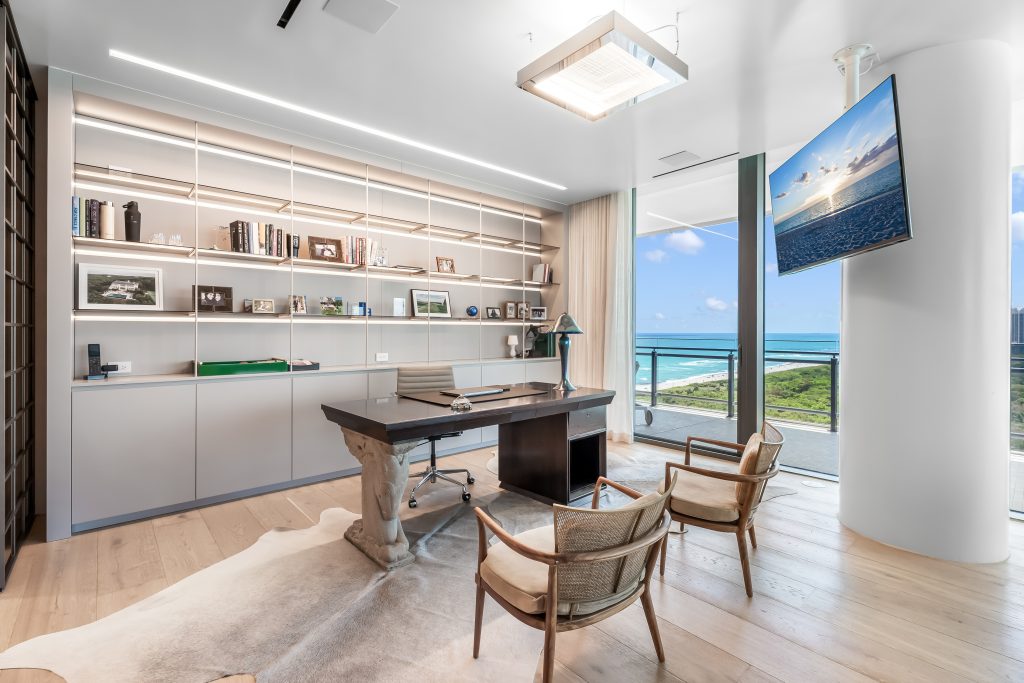
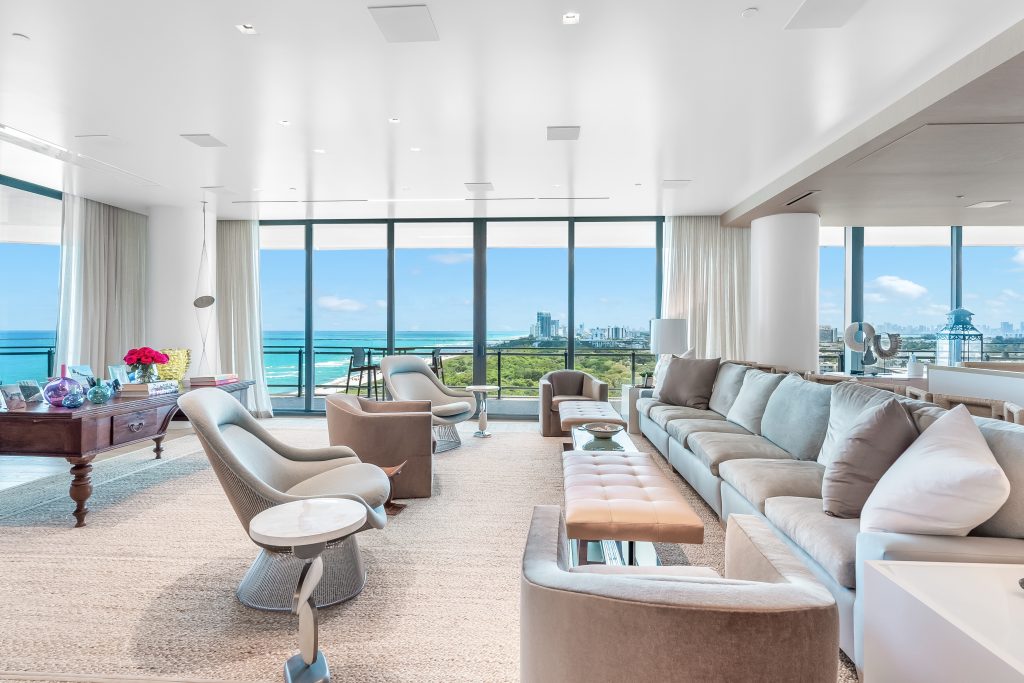
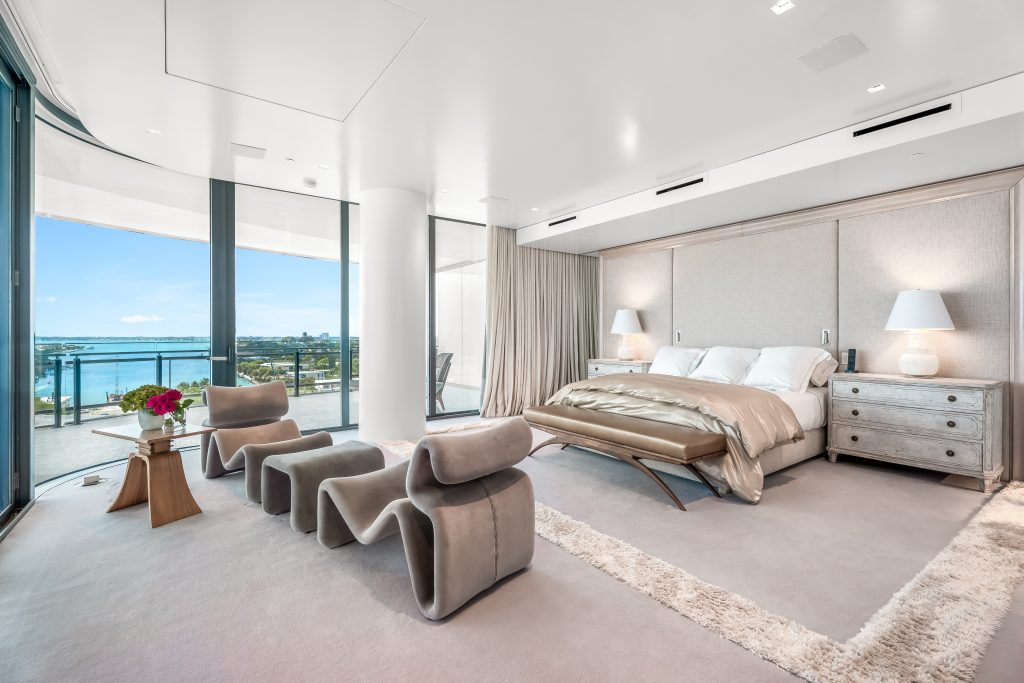
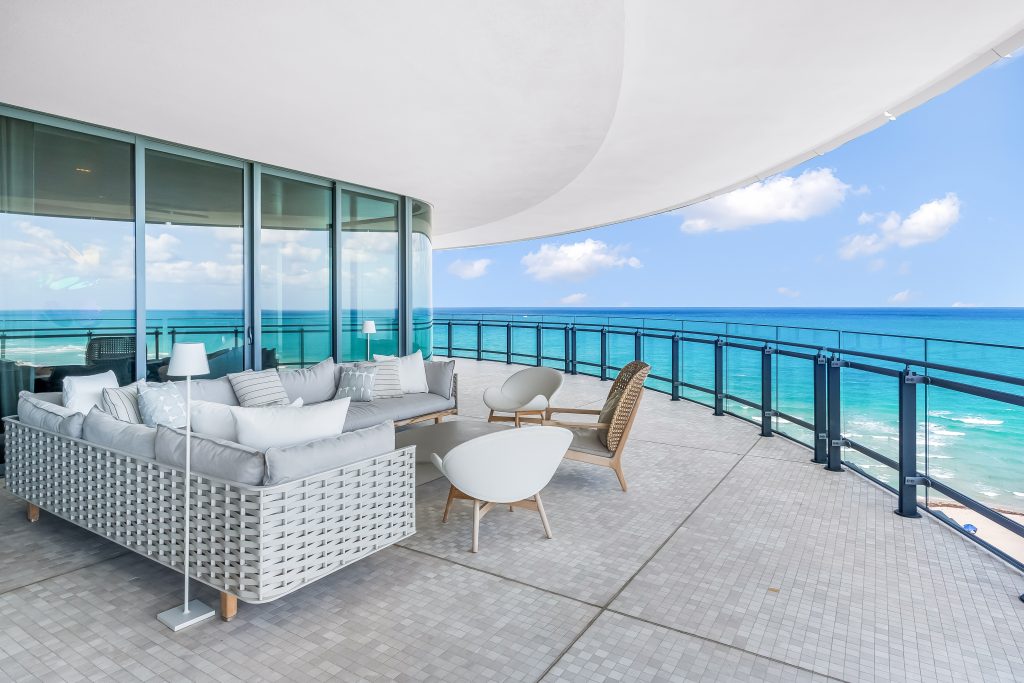
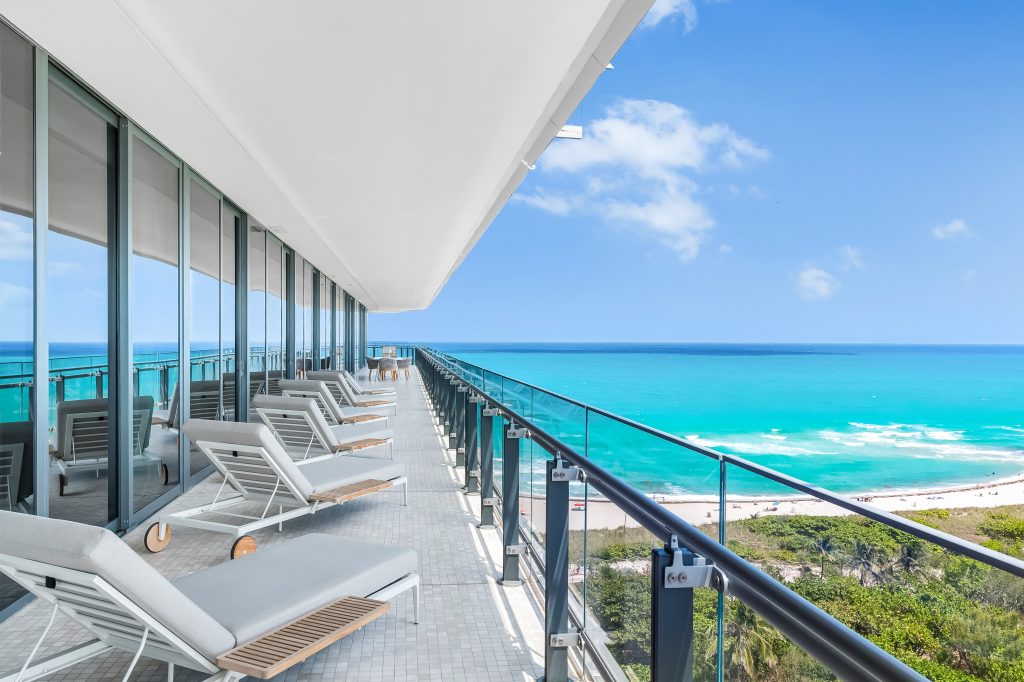
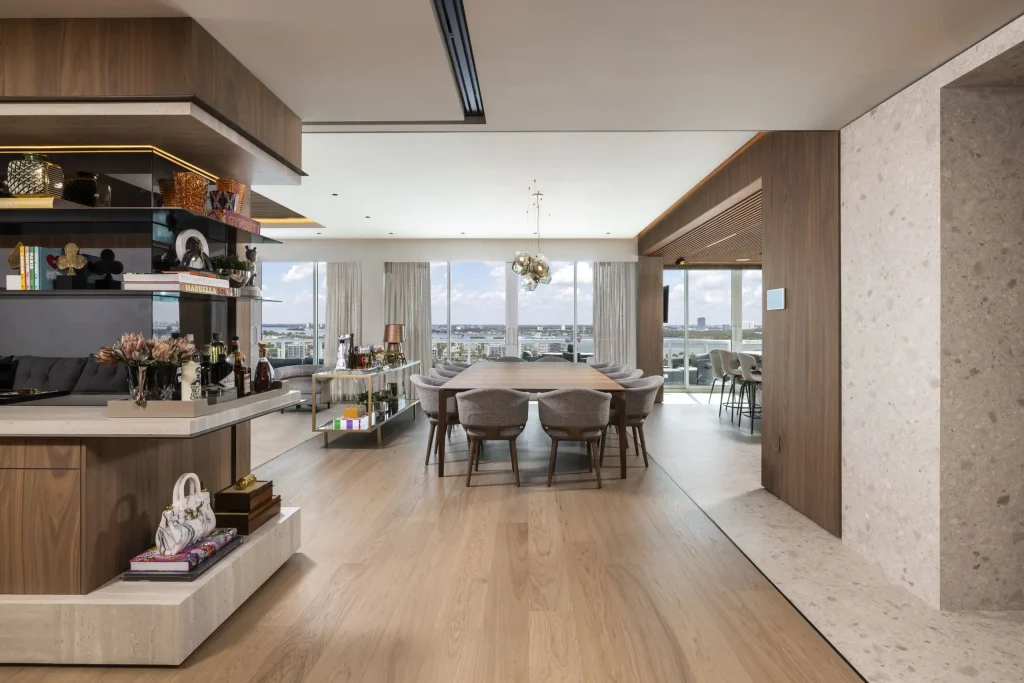
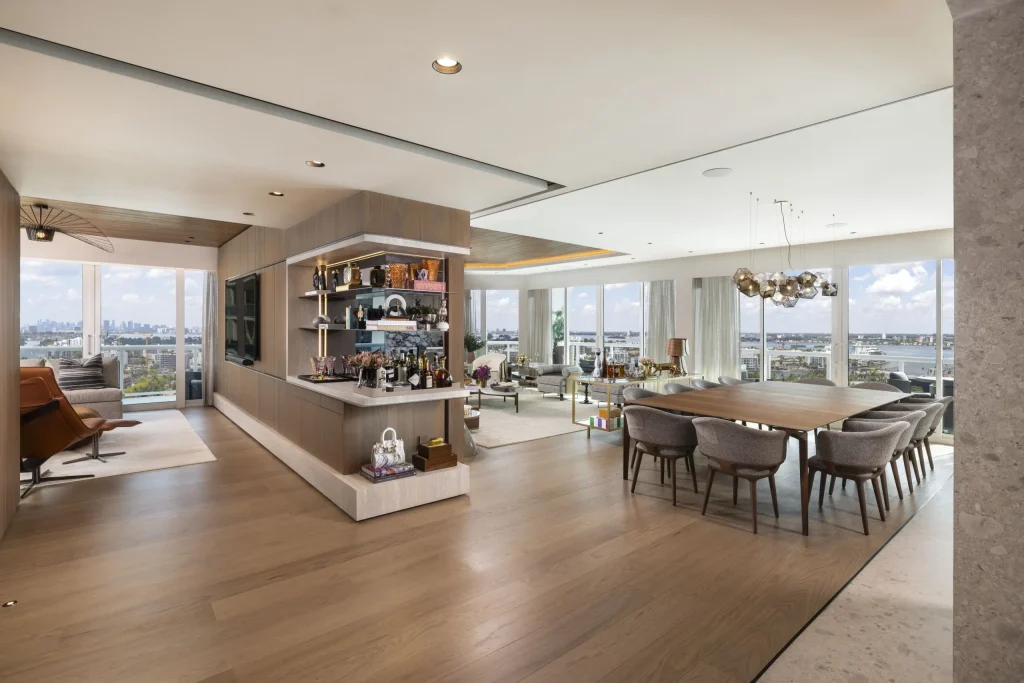
At 87 Park, the strategy was precision, not excess. A client purchased and combined two units totaling roughly 5,600 SF for about $15M. The value wasn’t just in size, it was in rethinking the layout entirely. Luciana repositioned the master suite to capture sunset and Intracoastal views, while dedicating the prime ocean and park frontage to expansive living spaces. The home featured a show kitchen and a separate cook’s kitchen, four bedrooms, a secure and soundproof office, and infrastructure upgrades most buyers never see—like full-unit signal optimization. The buildout totaled approximately $6M, aligned intentionally with the building’s price-per-square-foot ceiling. The result: a truly irreplaceable residence in a building with protected park and ocean views.
The Value Add
Comparable, but inferior, units later traded around $32M. Today, this residence is positioned at $36M. The takeaway is clear: value wasn’t created by overspending, but by buying the right building, respecting market ceilings, and executing a design that made the home genuinely one of one.
The Bottom Line
For NYC buyers moving to Miami, better decisions come from the intersection of smart real estate selection and intelligent design. When those align—as they did at 87 Park—luxury becomes not just personal, but profitable.
Remodeled Unit at 87 Park Now Asking $36M — Furniture Not Selected or Supplied by Design Solutions:

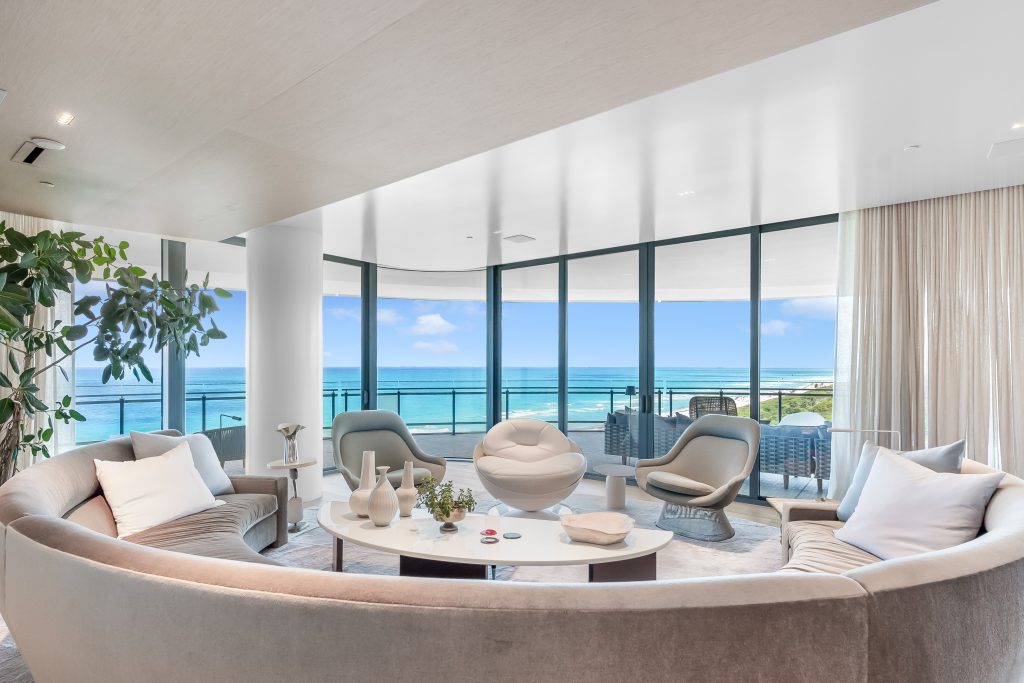
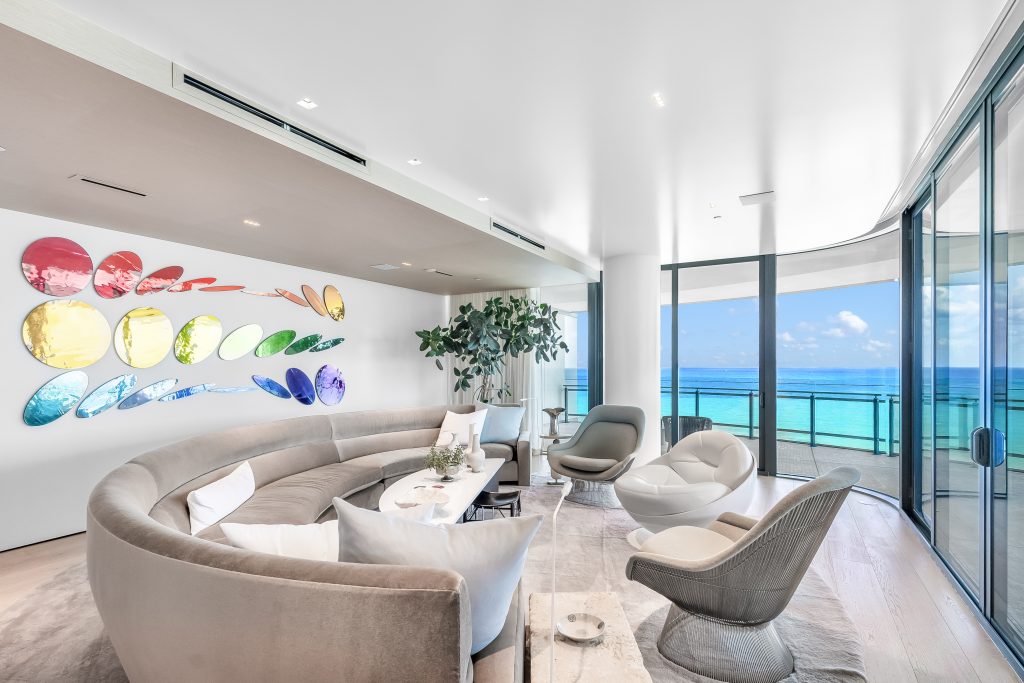

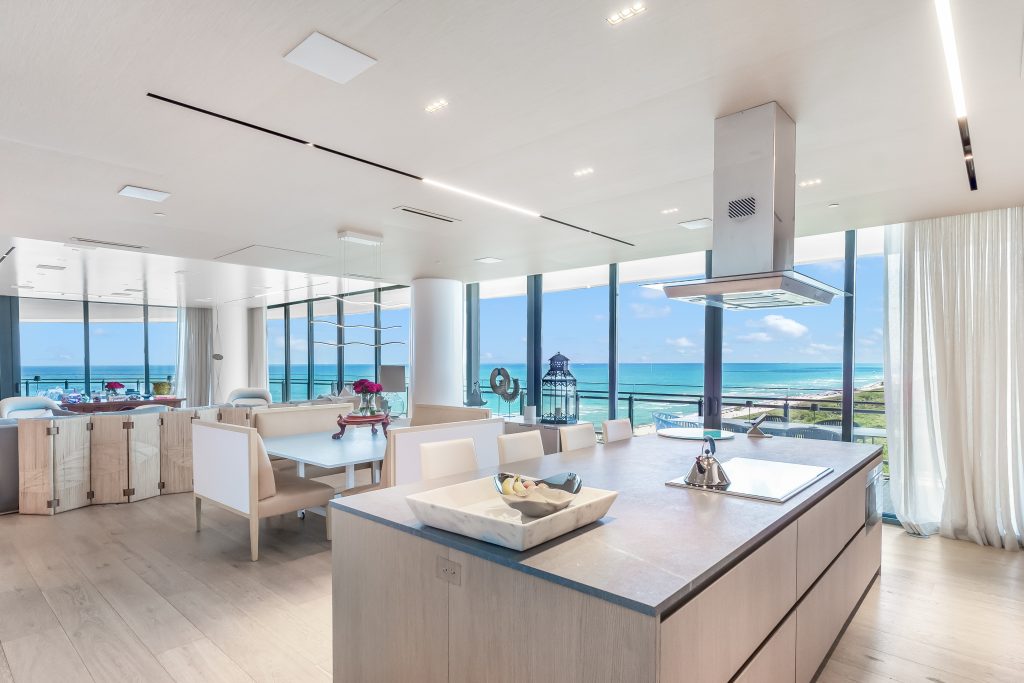
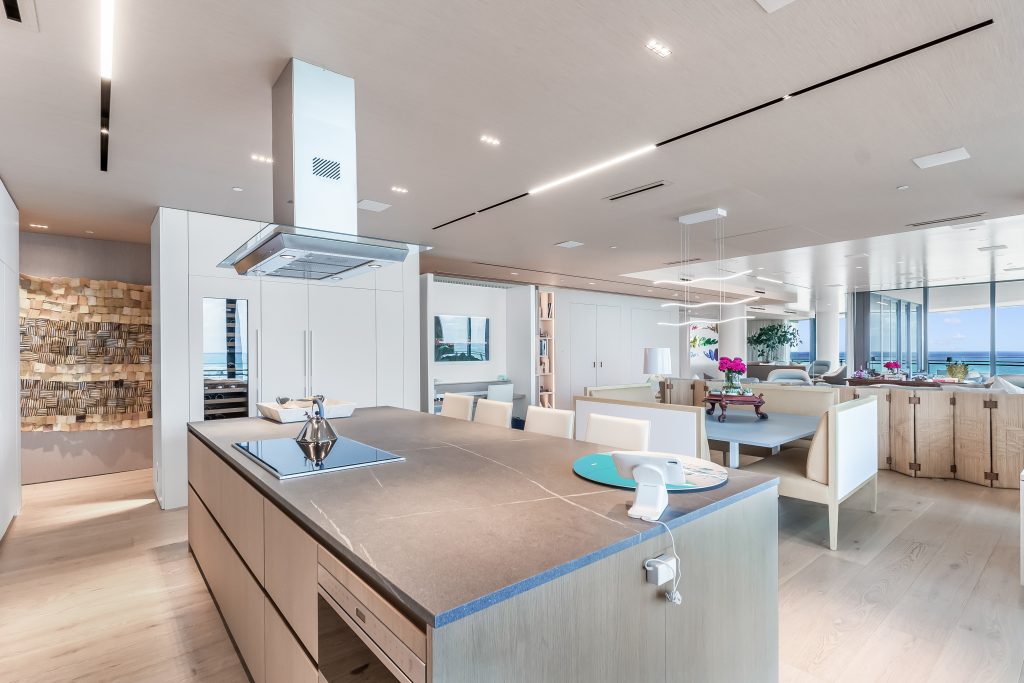
What Ultra-Luxury Buyers Should Budget
For New Yorkers moving to Miami from buildings like 220 Central Park West, Hudson Yards, or Greenwich Lane, the cost to reach that level of finish is predictable—if done correctly. A full, top-tier remodel typically runs $500–$600 per square foot, excluding furniture, art, and personal items. A lighter upgrade or a new-construction unit where kitchens, floors, and doors already work can come in closer to $250–$300 per square foot, focused on millwork, lighting, wall treatments, and customization. The key distinction is budgeting for what stays with the property versus what moves with you.


Timelines: Plan for a Year, Not a Season
For buyers coming from New York, a realistic timeline for a high-end Miami remodel is nine months to a year, whether it’s a new-construction unit or an older building. While a developer-finished unit may save a little time on flooring, most other elements still get reworked. Building rules, seasonal noise restrictions, permitting, and coordination all add complexity. Time is the most expensive currency in this process, and trying to compress it, especially to avoid missing a winter season, almost always leads to frustration. Done properly, it’s a year-long investment that pays off in quality and long-term value.
The Pitfall of Bringing Your Team from Out of State
One of the most common (and costly) mistakes is bringing a designer or team from New York to run a Miami project. Even great designers struggle without daily, on-the-ground presence and deep knowledge of local building rules, codes, and contractor ecosystems. Miami buildings, especially places like Fisher Island, have strict work windows and operational quirks. Layering in out-of-state designers, local architects, multiple subcontractors, and unfamiliar general contractors creates confusion, delays, and conflicting opinions. The most successful projects rely on a tight, local team that works together regularly, understands the buildings, and can move fast when timing matters.
Final Takeaway
The real lesson is simple—and decisive. Ultra-luxury success in Miami comes down to three things: buying the rightbuilding, spending the right amount in the right places, and executing with the right team. When those align, Miami can deliver the scale, finish, and experience New York buyers expect—without sacrificing resale value. For over 20 years, we’ve done this together: identifying irreplaceable properties and transforming them with discipline, clarity, and a defined budget from day one. There is a direct link between what you buy and how you finish it. Ignore either, and you get stuck. Get both right, and the result isn’t just a beautiful home—it’s one that works for you today and holds its value tomorrow.
Connect with the David Siddons Group
FAQ
These are the most commonly asked Google Real Estate Related questions
1. What are the Current Best New Condos in Miami?
If you want to hear in more details our opinions on the best new Miami new construction condos. Please read this article:Best New Construction Condos 2022-2023.
2. What is the best New Construction Condo in Fort Lauderdale?
In our opinion, the Residences at Pier Sixty-six are certainly the most interesting and unique. Already well underway this 32 Acre project will be home to the first of its kind Marina where owners will be able to anchor up vessels up to a staggering 400 ft! For specifics of this project see our independent review of this project.
3. How can I compare the new luxury construction Condos to the best existing Luxury Condos in Miami?
Our Best Luxury Condos in Miami article will prove to be very useful to those looking to compare the existing to the new. You may also want to watch this video which shows the performance of the best Condos in Miami over the last 15 years!
WHY WORK WITH DAVID? THINGS YOU SHOULD KNOW...
For all our analytics we are agents driving some very unique and advanced tech. We Provide a granular and custom experience that empower our clients with the insight and tools to understand the most complex behaviors of any local markets.
-
Analytical
Over 100 reports produced to date
-
Knowledgeable
Over 1800 published articles and counting


Related Articles

South of Fifth Real Estate Market Report Q1 2026
Fort Lauderdale Luxury Real Estate Update Q1 2026 | A Quiet Market Shift is Underway

Best Value Neighborhoods in Miami

Real Estate Investing in 2026: Why the Old Strategies No Longer Work
West Palm Beach Real Estate Market 2026: Luxury Prices Surge & New Developments Redefine the Market
Coconut Grove vs South of Fifth Condos: Which Miami Luxury Neighborhood Is Right for You?

Mandarin Oriental Residences launches in West Palm Beach

Where Billionaires Buy Real Estate in Miami: Following the Smart Money in 2026

Follow the Capital: What Billionaire Buyers Reveal About Miami’s Luxury Market Direction
The Art of Living at Santa Maria Brickell
From Law to Business Leadership: Inside John Ruiz’s Rise Amid Miami’s Wealth Migration Boom

First Look: The Ritz-Carlton Residences Fort Lauderdale Beach

619 Brickell Residences By Foster + Partners & Nobu Hospitality

When Grief Meets Real Estate: Avoiding Costly Probate Mistakes in Miami
Luxury waterfront homes Fort Lauderdale | Where Value Is Defined by Water
Please fill in your details and David Siddons will contact you

Are St. Regis Sunny Isles Residences Worth the Brand Premium?
Coral Gables Market Report 2025: What the Headlines Aren’t Telling You!
How David Siddons’ Power Team Drives Miami’s Luxury Market
Mid‑Year 2025 Coconut Grove Report: The Truth About What’s Selling Now
Brickell Mid‑Year Market Report 2025 | Is Brickell’s Luxury Market in Trouble?
Pinecrest Mid-Year Market Report 2025 | What’s Selling, What’s Sitting & Why
Miami Beach Condo Market Mid-Year Report 2025 | What Buyers & Sellers Need to Know
How to Lose $1M in The Miami Condo market | Top Mistakes That Cost Miami Condo Buyers Millions
The Well Project EXPOSED Coconut Grove’s Hottest Units
Miami Real Estate in 2025 Is NOT What You Think 😱 | Midyear Must Knows for Buyers & Sellers!
7 Things You Should Never Say to a Real Estate Agent in Miami!
Landmark Victoria Park Residence in Fort Lauderdale: Inside 420 NE 11th Ave 🌴✨
Luxury Living on 2355 S. Miami Ave | Fully Furnished 4-Bed Home w/ Resort-Style Pool 🏊
Is Mandarin Oriental Residences Miami a Smart Condo Investment? Prices, Floorplans, Views & Finishes


- Get our Newsletter
- Subscribe
- No Thanks
Get the latest news from Miami Real Estate News
Edit Search
Recomend this to a friend, just enter their email below.
 COMPARE WITH CONDOGEEKS