









![Aventura luxury condo market 2026 [June]: What Sellers and Buyers Need to Know Right Now](https://luxlifemiamiblog.com/wp-content/uploads/2026/06/Pricing-39-150x150.png)






- Best of All
- Best Miami Luxury Condos
- Most popular
- Relocating to Miami
- Private Schools
- Investments
- Gated communities
- Waterfront information
- Luxury homes
- Luxury Condos
- New Construction Condos in South Florida
- Independent Pre-Construction condo reviews for Miami
- Independent Pre-Construction condo reviews for Fort Lauderdale
10 Ways to Show if Your Listing Agent Sucks!
Ok, so now I have your attention with the title, I want to correct myself and say your current realtor might well not ‘suck’. I personally know a good number of very good agents. That aside, the market is currently very competitive and in most Miami neighborhoods it is most certainly a buyer’s market. In such highly competitive times you selling a house or a condo requires more than just listing the home and waiting for the phone to ring. Are you thinking of selling your Miami home? The points below are important to keep in mind while looking for a Miami listing agent. If your home is on the market already and things have gotten stale, then it might be time to assess a couple of things including your agent.
Here are a few things that should really ring alarm bells and will tell you if your current agent sucks!
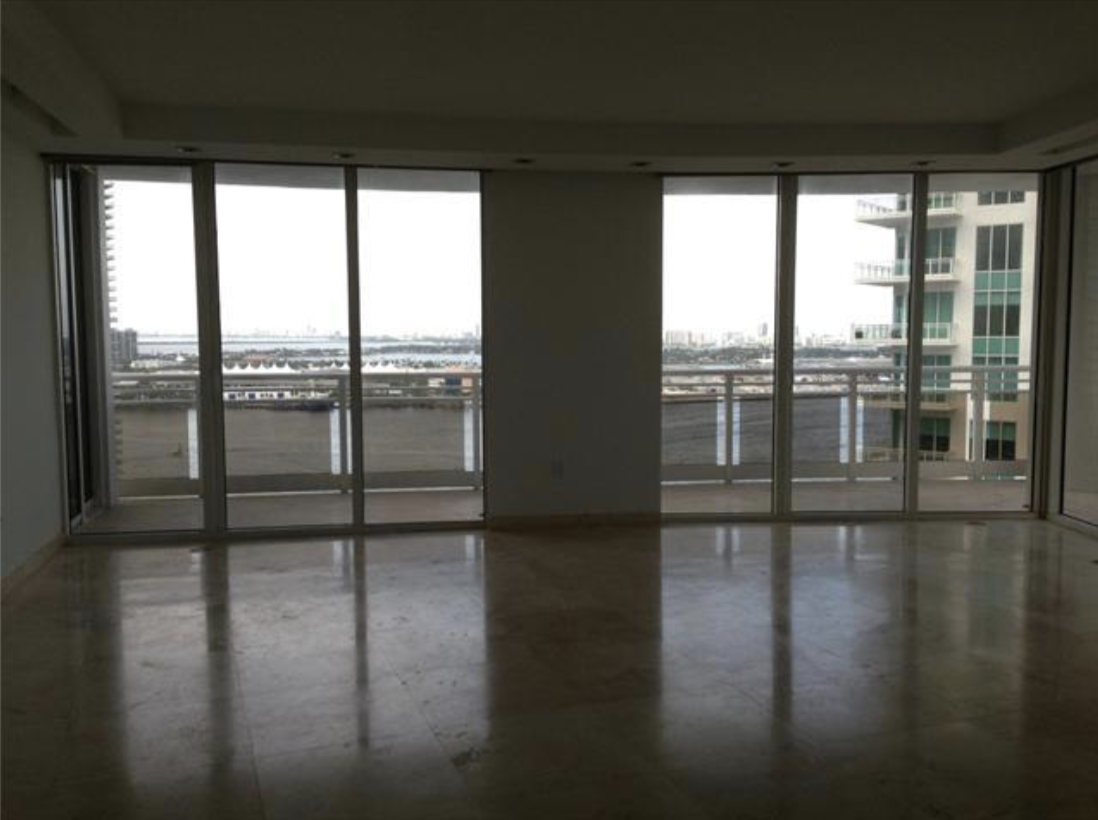
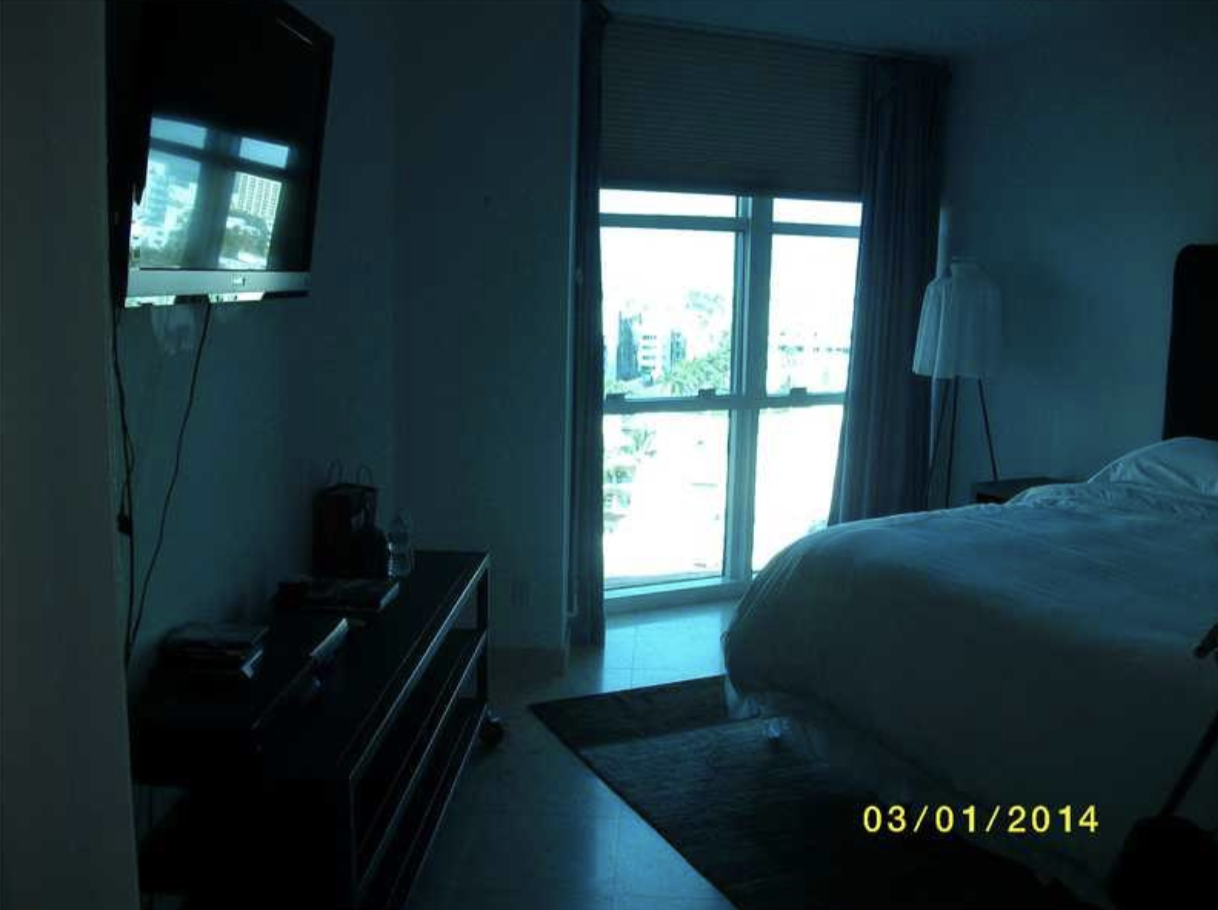
It sounds absurd, but there are plenty of listings out there with terrible pictures. This lack of quality is not only seen with the more affordable listings. You will not believe the amount of pictures that is taken with an i-phone, against the light and without removing objects on the floor or even making the bed. It is also not uncommon to see waterfront properties being photographed during the night or with the curtains closed. Do not settle for mediocre i-phone pictures and choose an agent who uses a professional photographer and who knows how to showcase a home.
Many agents get a listing, post it on the MLS (often with wrong or incomplete information) and wait till their phone rings. Always ask your agent what their strategy is and how they are trying to sell your home. If an agent cannot reference specific marketing campaigns they will use to sell your home, then they are probably not the right agent.
Just listing a property on the MLS is not cutting it in today’s global market place. There are plenty of platforms, sites and strategies to help expose a listing and agents should have a clear idea of what works with each kind of property. With Miami being a global city and receiving relocating individuals or families from all over the US and the world, marketing a property just locally is outdated and limits the property’s exposure. Engage with an agent who thinks out of the box, has a clear strategy and a global outlook.
As mentioned before, many listing agents have gotten their license and are now willing to make the big bucks, preferably without any additional investments like a website. Most agent have a very basic website and with thousands of Miami realtors, it will be hard to find their content online. If their site cannot be found, it is highly unlikely potential buyers can find your listing.
Everyone has to begin somewhere and we all have to prove ourselves. There are natural talents out there and fast rising stars, but generally speaking I would not recommend to list a luxury home with a newbie agent. New agents do simply not have the same extended database of buyers that established agents have. They do not have the same contacts and respect from other high performing agents and they most probably will not have clear sales strategies in place other than the MLS, Trulia and Zillow. I know how hard it is to start in this business and by the time many get their first listing they have already been without a Dollar of income for a year. Would they then use paid online campaigns to promote your listing or spend an extra $1,000 to have a superb listing video….?
I always ask this; would you leave your stocks and family fortune in hands of a newbie investor or would you prefer the seasoned wealth/investment advisor? If your answer is the latter, then why would you leave millions of dollars of real estate in the hands of a new agent?
A good agent will update you every week or fortnight on how the listing is performing. How many people opened an email campaign, how many people came to the open house, how many agents inquired to see the listing, how many agents came to a brokers open and the market’s feedback are common things to share with a seller. The performance of your property on the market should be monitored and you should be aware of it. Besides that, you should be kept in the loop of what the market is doing; which sales have happened and which new listings entered the market. Look for an agent who updates you on your home’s performance and provides you with important market information that might influence the competitive situation of your property and its listings price.
Sites like Trulia, Zillow and Realtor.com are important sites for consumers to find listings. Does your realtor tell you how your home is doing compared to the competition? If they do not check this, how do they know the listing is on top of the search engines? It’s an agent’s duty to upload a video and to fill out the forms as much as possible. With 1000’s of listings, if your agent does not fill out all the fields or does not go the extra mile, your listing will be lost on the bottom of the list. Use an agent who looks at the details and who shares them with you!
Does your realtor offer to open the house on weekends or is he too busy with his own life? Open Houses are an excellent way to find buyers for a property that are touring the area. We often find buyers for our homes at open houses (not necessarily the house they were actually visiting). Having an open house in lets say Coral Gables provides the listing agent with a new database of potential buyers, which will benefit you as a seller. Engage with a Miami realtor who is willing to open your house for brokers and for buyers.
It is proven that most people prefer watching videos over pictures. Videos of real estate are easier on the eye and show you the flow of the home, which is hard to capture on pictures. Choose an agent who has the best videographers at hand and who is willing to spend money on the marketing of your property.
Empty homes are less appealing to buyers than furnished homes. Not only do they appear smaller, many people also find it hard to imagine what to do with a certain space and are therefore less likely to make an offer on the house. This is not to say that an empty home won’t sell, but as a seller you have the right to know what is best to sell your property and you should be given options, whether you will opt to use them or not.
Work with a Miami listing agent who offers you additional advice and shows you the difference between selling staged and empty houses.
Do you have an agent who after he finally got the listing, passed it on to an office associate who is willing to show it for 25% of the commission? Or even worse: leave the key in a lockbox outside of your property. This happens a lot. You should work with an agent who takes the time himself to show the property. An agent who knows the property inside and out and can answer questions from potential buyers and agents. This is not to say that nobody else can show the property. Many agents have trusted associates/assistants who shadow them all week long and know the ins and outs of a property. Having different people show a property is ok, as long as they know your house and as long as you feel the listing agent who you hired is not lacking passion and enthusiasm to sell your home.
FAQ
These are the most commonly Miami Real Estate Related questions
What should relocation buyers know before buying real estate in Miami?
HOME BUYERS
Relocation buyers looking at homes in Miami should understand that choosing the right house is less about the property itself and more about location, schools, and long-term value. Many buyers make the mistake of focusing on price or finishes, while the real driver of value is the neighborhood and micro-location. Older homes often represent better value, but may also be part of a future redevelopment cycle. Newer homes command premiums, but don’t always sell faster if pricing is ahead of the market. Commute time, school access, and community dynamics are critical and often underestimated. The key is to evaluate homes not just as lifestyle purchases, but as long-term assets within a very localized market.
Sources:
https://luxlifemiamiblog.com/relocating-to-miami/
https://luxlifemiamiblog.com/relocating-to-miami-with-a-family/
CONDO BUYERS:
Relocation buyers should understand that Miami is a highly segmented, building-driven market, not a uniform one. Pricing can vary significantly between similar properties depending on building quality, layout, and financial health. Many buyers assume newer construction equals better investment, but that is often not the case. Factors like HOA fees, reserves, and rental policies can materially impact long-term value and liquidity. Negotiation opportunities often exist, especially in slower segments, but require precise market knowledge. The key is to evaluate micro-markets and individual buildings, not just neighborhoods or price per square foot.
Sources:
https://luxlifemiamiblog.com/miami-real-estate-market-report/
https://luxlifemiamiblog.com/new-construction-miami-guide/
What are the best areas for relocating families with children
For families relocating to Miami with young children, the most recommended neighborhoods are Coral Gables, Coconut Grove, and Pinecrest. Coral Gables offers the best balance of top schools, safety, and long-term value. Coconut Grove is ideal for younger families seeking walkability, greenery, and a lifestyle-driven environment. Pinecrest provides larger homes, excellent schools, and better value for space, making it ideal for growing families. The key driver across all three is access to strong schools and primary residential stability. Relocation decisions are less about new construction and more about long-term livability and resale strength.
Sources:
https://luxlifemiamiblog.com/best-neighborhoods-miami/
https://luxlifemiamiblog.com/what-are-the-best-family-neighborhoods-in-miami-in-2023/
Are new construction condos in Miami a good investment?
New construction condos in Miami can be a good investment—but only if you understand that not all buildings perform the same. According to the David Siddons Group, many buyers assume “new = better,” but in reality, performance depends on pricing, layout, building quality, and long-term demand. Some new developments set future price benchmarks and can drive long-term appreciation, especially in top-tier projects. However, many are priced aggressively at launch, and buyers relying on marketing instead of data often overpay.
The market is highly segmented, meaning two new buildings next to each other can perform very differently.
The best opportunities typically come from selecting the right building early or negotiating correctly in later phases.
In short: new construction is not automatically a good investment—it becomes one only with building-level analysis and disciplined entry pricing.
Sources:
https://luxlifemiamiblog.com/how-to-buy-a-luxury-condo-in-miami/
https://luxlifemiamiblog.com/category/independent-new-construction-condo-reviews/
https://luxlifemiamiblog.com/beyond-clickbait-real-insights-into-miamis-luxury-condo-market/
Why is buying a Miami condo riskier than buyers think?
Buying a Miami condo is often riskier than buyers expect because the true risks are at the building level—not visible in the listing price. Many buyers focus on finishes and views, while overlooking HOA reserves, insurance exposure, and potential special assessments. In reality, two identical units in different buildings can perform completely differently over time. Rising HOA fees and stricter regulations are also increasing the true cost of ownership, especially in older buildings. Liquidity can be affected by factors like financial health, rental policies, and ongoing repairs. The key risk is not the condo itself—but buying into the wrong building without proper due diligence.
Sources:
https://luxlifemiamiblog.com/how-to-buy-a-luxury-condo-in-miami/
https://luxlifemiamiblog.com/miami-condo-market-risks/
What are Miami's Safest Areas?
Which Miami Areas Still offer Great Value (Budget Friendly alternatives to Coral Gables and Pinecrest)
If you’re looking for better value than Coral Gables or Pinecrest, the answer (in true Siddons style) is not “go cheaper”—it’s go one layer outside the obvious markets.
The strongest value plays are:
- Schenley Park → closest substitute to Coral Gables at ~20% discount while maintaining similar character and location
- Biltmore Heights → almost identical feel to the Gables but ~25–30% cheaper on a $/SF basis
- Glenvar Heights → central location with larger lots and ~25% pricing advantage vs South Miami/Gables
- Baptist / Galloway (Kendall) → Pinecrest-style living (space, schools, land) at up to ~30% lower pricing
The pattern is consistent:
👉 Buyers are shifting west and slightly off-market to gain land, scale, and pricing efficiency. You don’t find value by going to a “cheaper neighborhood”—you find it by identifying adjacent micro-markets that offer the same lifestyle fundamentals without the brand premium.
Sources:
https://luxlifemiamiblog.com/best-value-neighborhoods-miami/
https://luxlifemiamiblog.com/category/miami-neighborhoods/
Is NOW a good time to buy in Miami?
Are Miami real estate prices going down in 2026?
No—but that’s the wrong way to look at it. Miami is not one market anymore, so prices are not moving in one direction. In 2026, the market is split into two: ultra-luxury, scarcity-driven areas (like waterfront and top-tier neighborhoods) are still holding or even rising, while mid-tier condos and oversupplied segments are flat or correcting. What we’re seeing is price divergence, not a crash—some properties are gaining value while others are quietly adjusting downward. Rising inventory and more selective buyers are putting pressure on pricing in certain segments, especially older condos or buildings with weaker fundamentals.
At the same time, global wealth and cash buyers continue to support pricing at the top end of the market. So the real answer: prices aren’t broadly dropping—they’re being repriced based on quality, location, and supply.
Should I buy a house or a condo when relocating to Miami?
The decision comes down to lifestyle first, investment second—and most relocation buyers get that backwards. If you want space, privacy, schools, and long-term family living, a single-family home in areas like Coral Gables or Coconut Grove is typically the stronger choice. If you prioritize walkability, low maintenance, and proximity to business districts, a condo in Brickell or waterfront markets makes more sense.
From an investment perspective, homes tend to be more stable, while condos are more building-dependent and cyclical. Most relocation clients underestimate how much building quality, HOA structure, and future costs impact condo performance. The right answer isn’t “house vs condo”—it’s which asset fits your lifestyle AND holds value within its micro-market.
How do I choose the right Miami neighborhood for my lifestyle?
Why are Miami condo prices so different between buildings?
Miami condo pricing varies widely because value is determined at the building level, not just by location. Two buildings next to each other can have major differences in financial health, reserves, HOA fees, and management quality. Buyers also pay premiums for better layouts, views, amenities, and newer construction—but not all “new” buildings perform equally. Factors like rental policies, upcoming assessments, and building reputation can significantly impact resale value. This is why price per square foot alone is misleading in Miami’s condo market. The real driver of value is how that specific building competes within its micro-market over time.
Sources:
https://luxlifemiamiblog.com/how-to-buy-a-luxury-condo-in-miami/
https://luxlifemiamiblog.com/category/independent-new-construction-condo-reviews/
WHY WORK WITH DAVID? THINGS YOU SHOULD KNOW...
For all our analytics we are agents driving some very unique and advanced tech. We Provide a granular and custom experience that empower our clients with the insight and tools to understand the most complex behaviors of any local markets.
-
Analytical
Over 100 reports produced to date
-
Knowledgeable
Over 1800 published articles and counting


Related Articles

Pinecrest vs Palmetto Bay luxury real estate: Why Luxury Buyers Are Moving South
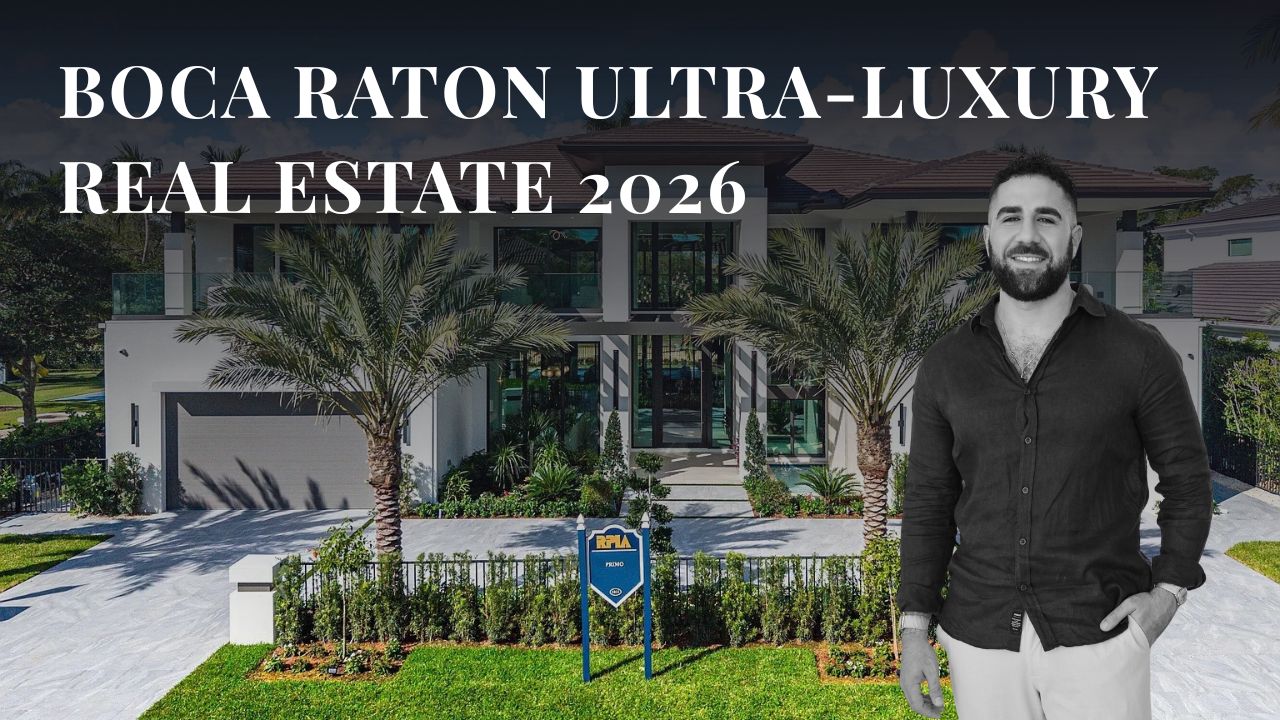
Boca Raton Ultra-Luxury Real Estate 2026: Why the Market Has Changed Forever
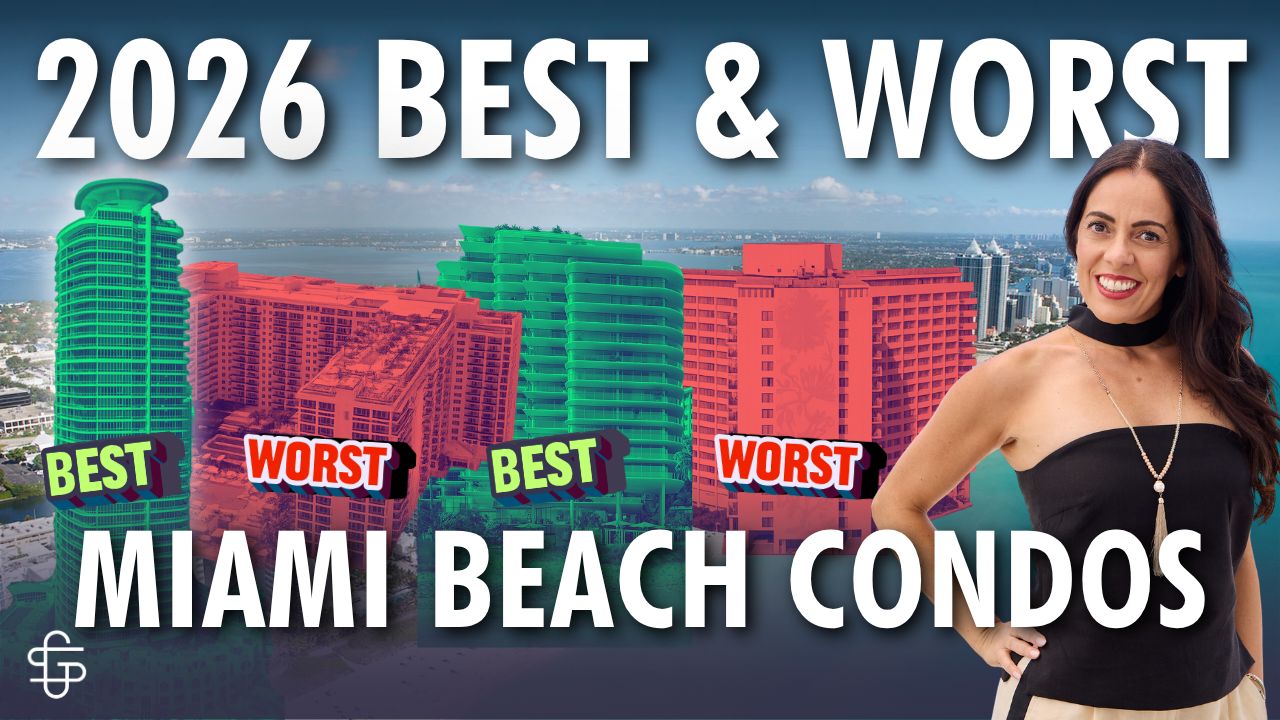
The 5 Best Condos in Miami Beach 2026 (And 3 Condos to Avoid)
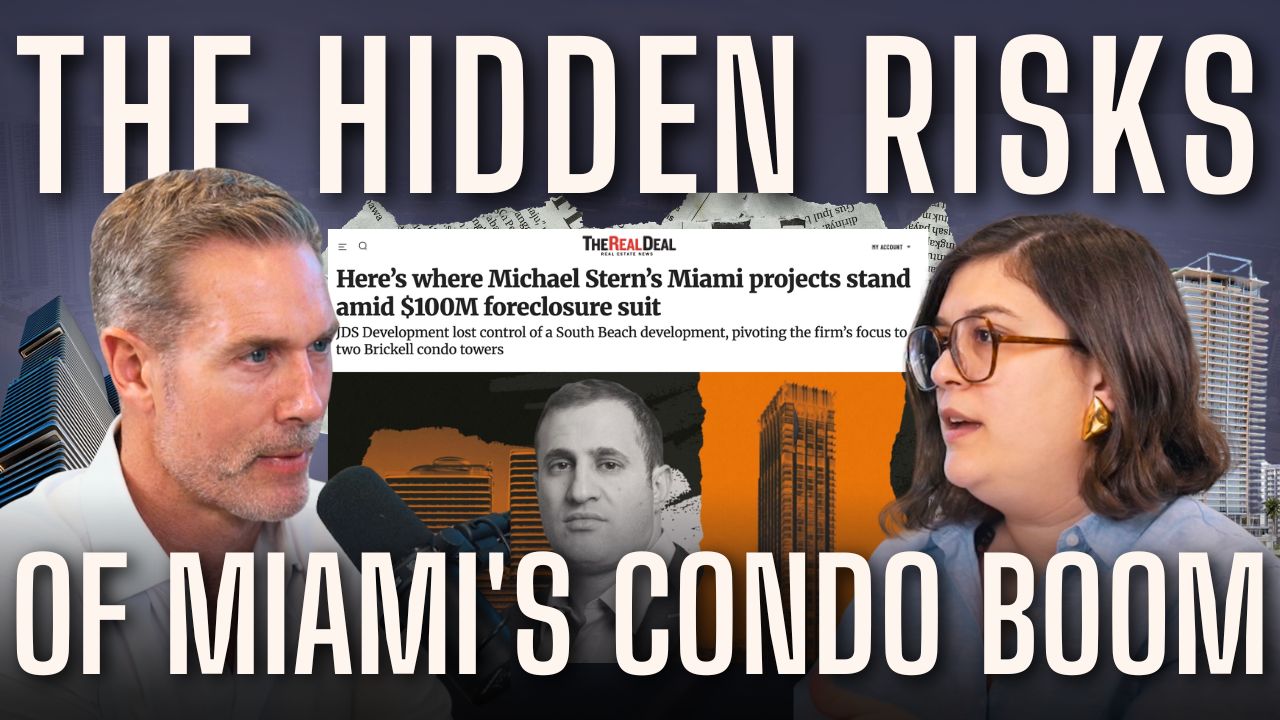
Miami’s New Construction Condo Boom Comes With Risks Most Buyers Never Ask About
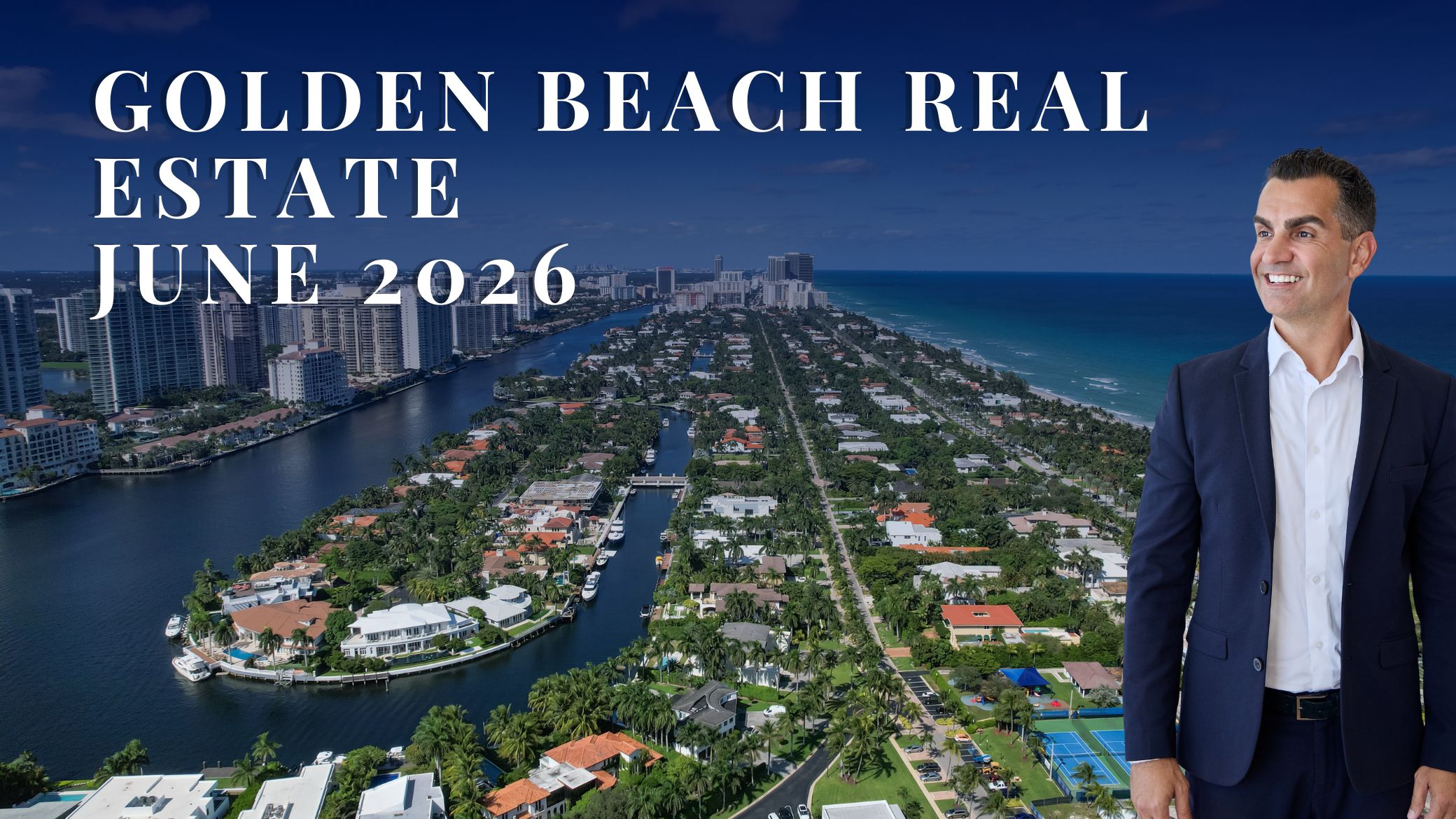
Golden Beach Real Estate 2026: The True Economics of Miami’s Last Private Beach Community

Coconut Grove, Coral Gables or Pinecrest? Ten Things Every Family Buyer Must Know Before Choosing
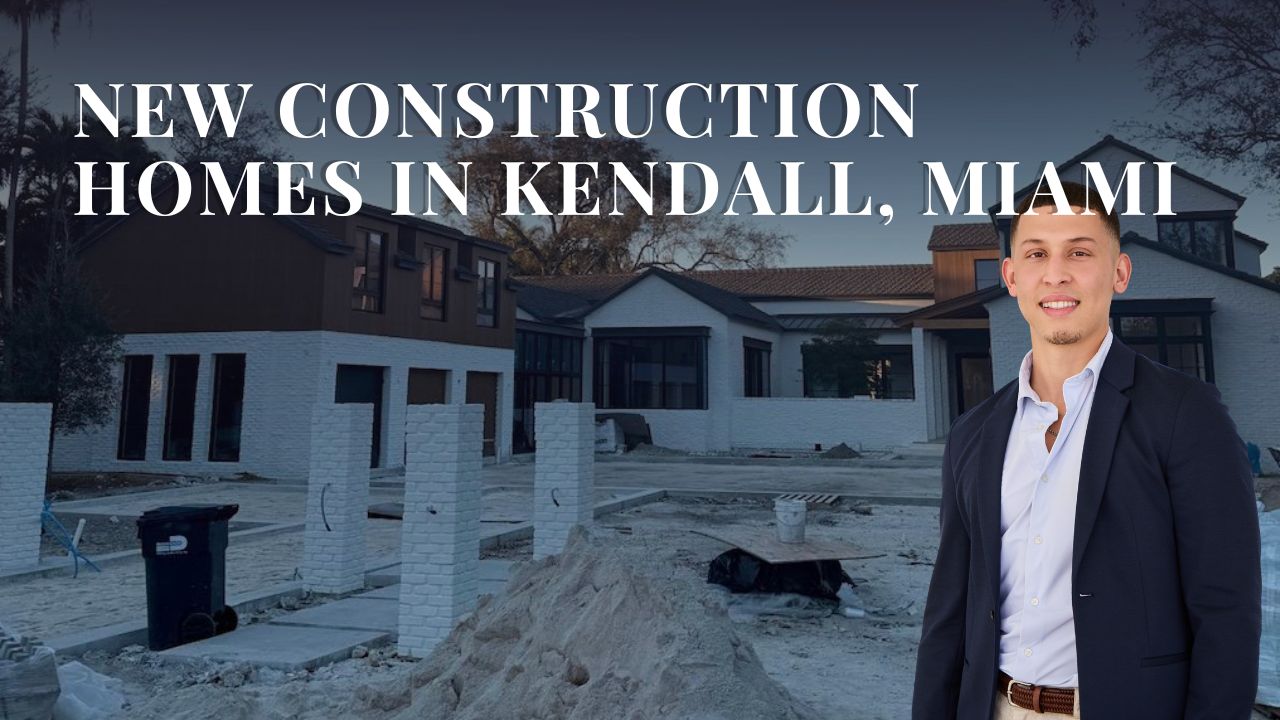
New Construction Homes in Kendall, Miami
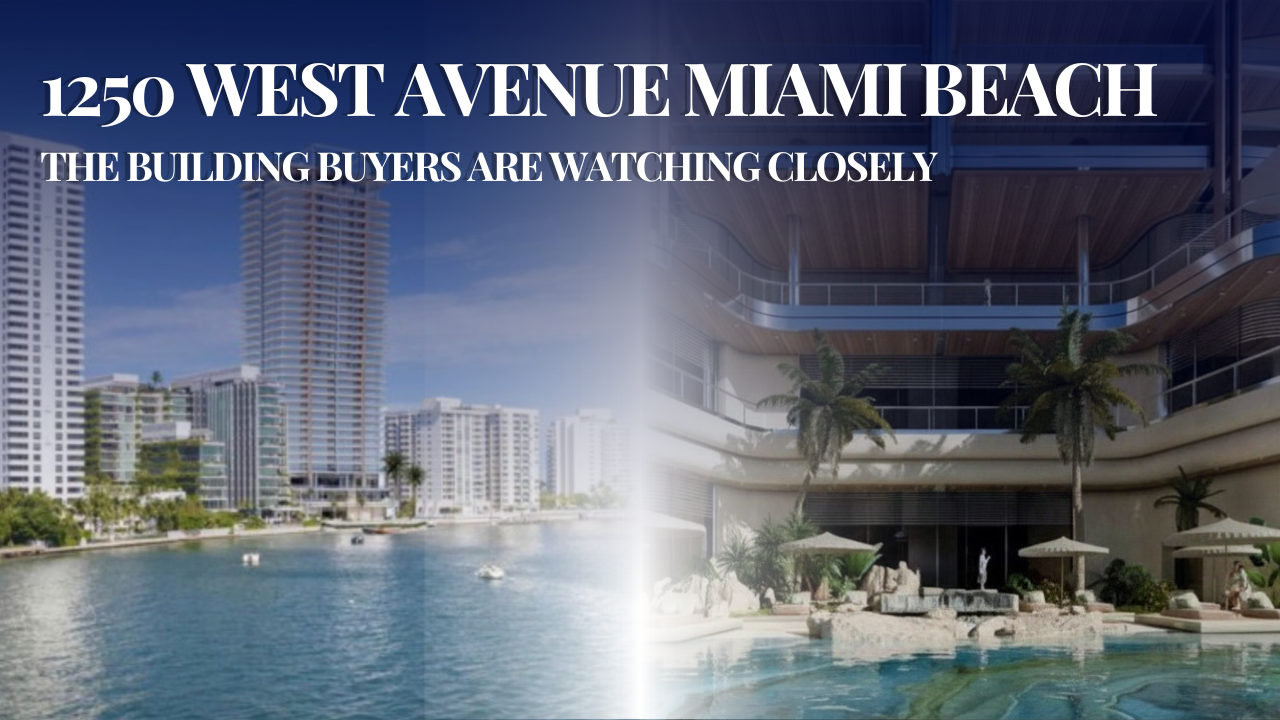
1250 West Avenue Miami Beach Moves Closer to Reality: A New Luxury Landmark for Miami Beach
Palmetto Bay Real Estate Market Report
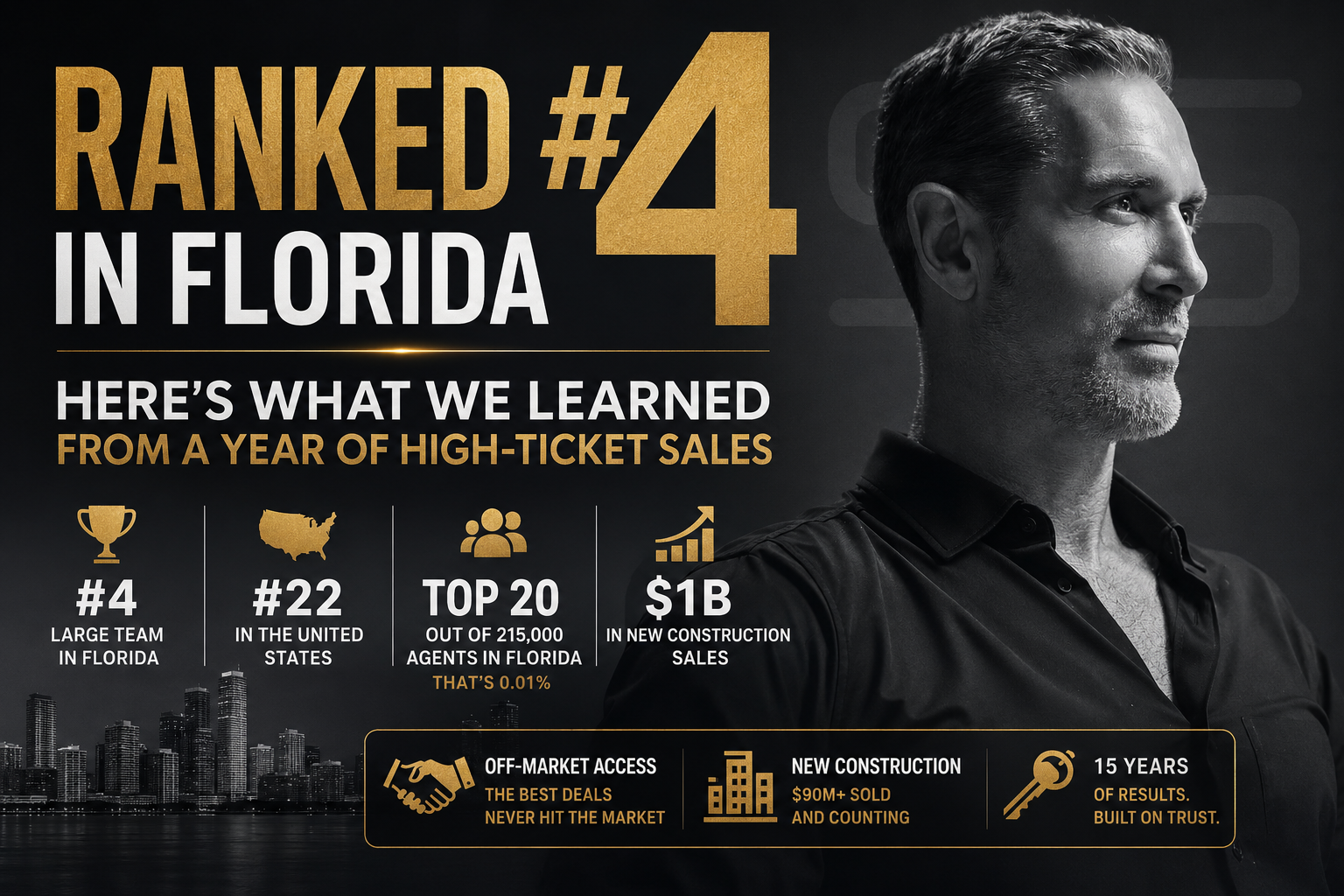
Ranked #4 in Florida. Here’s What We Learned From a Year of High-Ticket Sales
![Aventura luxury condo market 2026 [June]: What Sellers and Buyers Need to Know Right Now](https://luxlifemiamiblog.com/wp-content/uploads/2026/06/Pricing-39.png)
Aventura luxury condo market 2026 [June]: What Sellers and Buyers Need to Know Right Now
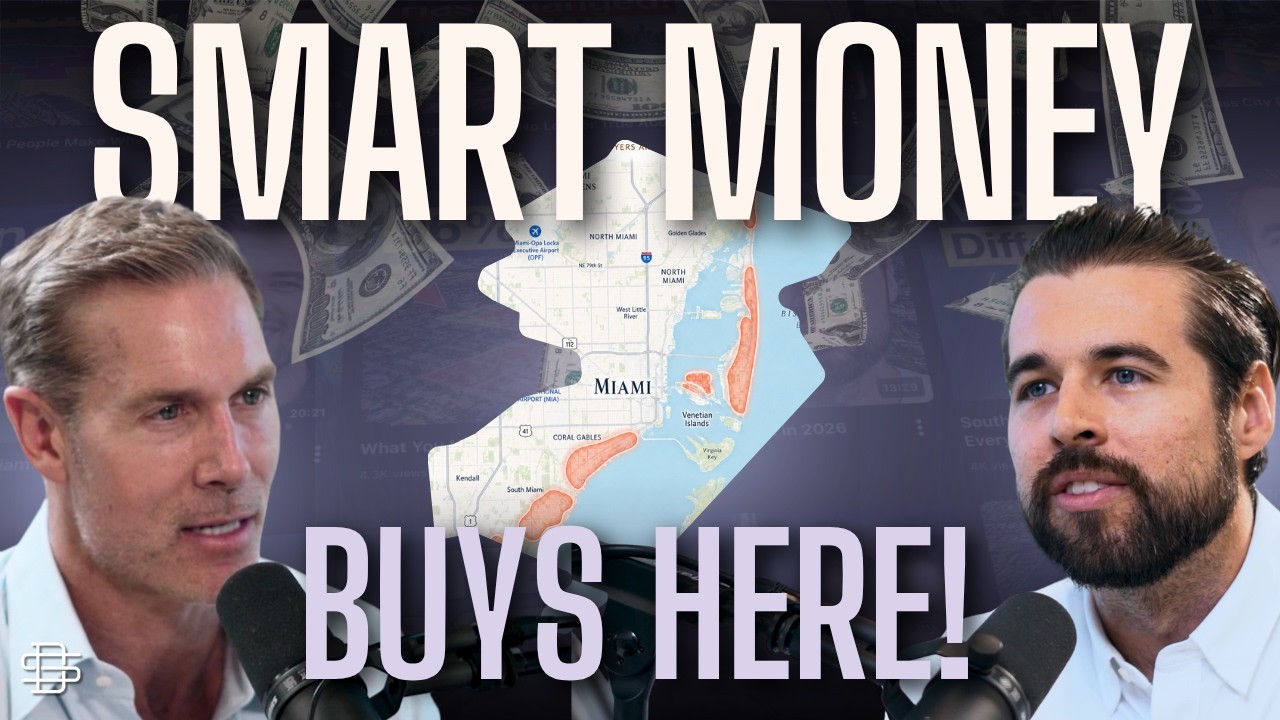
Best Neighborhoods to Invest in Miami 2026: Where Smart Money Is Really Buying and What the Headlines Miss
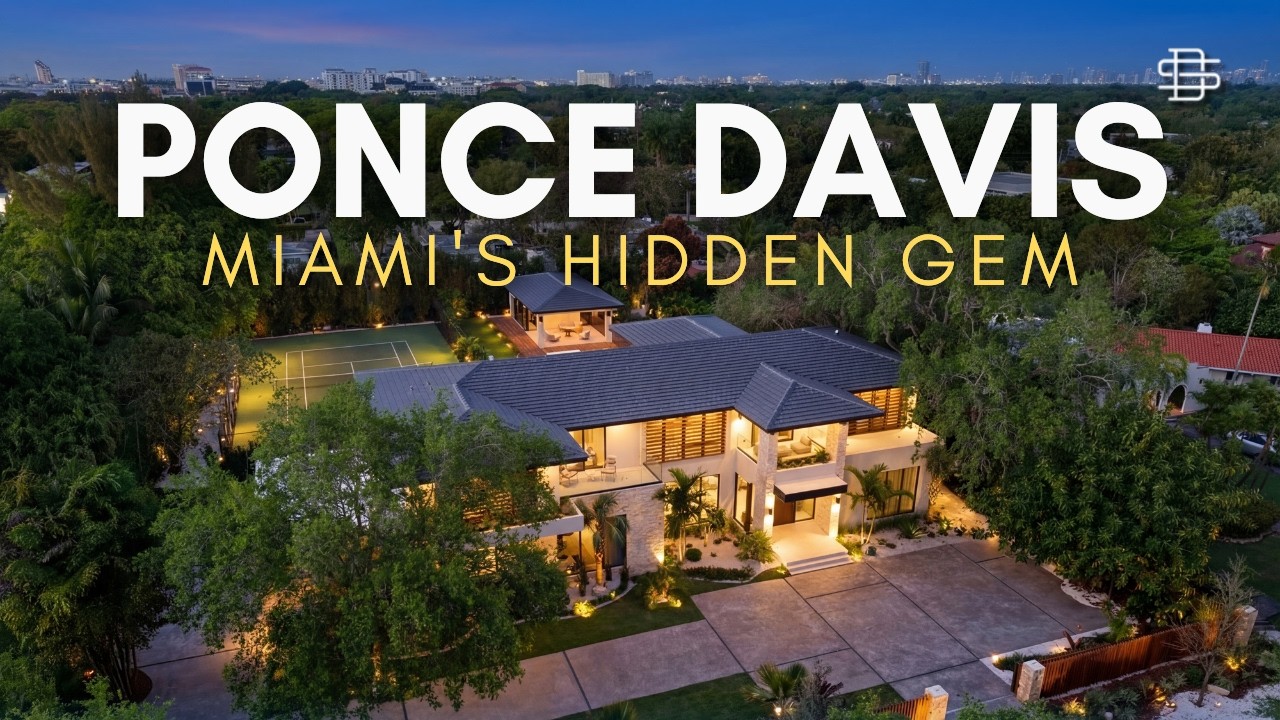
Ponce Davis Neighborhood Miami: The Complete Insider’s Guide to Miami’s Best-Kept Luxury Neighborhood (2026)

Sixth & Rio Fort Lauderdale: Boutique Riverfront Condos in the SoLo District with 2026 Delivery
Please fill in your details and David Siddons will contact you

Search related videos

Experience the Success Stories: Rave Reviews from a Top Coral Gables Real Estate Agent! Listings
Inside Coconut Grove’s Hidden Gem: The Elegant 3350 Ah We Wa St Residence CoconutGrove
Solemar Pompano Beach: Luxurious 3 Bedroom New Construction Condo Overlooking the Beach fort lauderdale
Custom Home in The Roads, Miami! *EXCLUSIVE TOUR* Listing
Cocoplum Miami Mansion Tour | Inside 285 Costanera Rd, Coral Gables Cocoplum
Tour $15M Rare Miami Cocoplum Mansion Cocoplum
Explore Cocoplum’s Waterfront Paradise on 37,500 Sq Ft! Listing
Discover Unit #5106 at Missoni Bay: The Pinnacle of Value in a Sky-High Gem 🌇 ✨ Edgewater
JUST LISTED ✨ 16672 Botaniko Dr S. Weston, FL Listing
Why List with Us? Listing
Incredible Property in the Coveted Galloway Glen | Miami Homes for Sale 🏡 Listing
The Truth About Miami Real Estate: Buyers, Sellers, and the Market podcast


- Get our Newsletter
- Subscribe
- No Thanks
Get the latest news from Miami Real Estate News
Close
Edit Search
Close
Share this property
Recomend this to a friend, just enter their email below.
Close
Your email was sent successfully
Close
 COMPARE WITH CONDOGEEKS